This year’s National Moth Week was fantastic and I couldn’t be happier with how it turned out. I attended not 1 but 2 different moth week events, both in different parts of the state. National Moth Week, also known as International Moth Week, is a global event around the end of July that encourages the public to look for moths in their area. Multiple events are put together across the globe, seeking to show the public the hidden moth diversity that can be found at local parks, forests, or even in their own back yard. Moths tend to be over looked compared to other groups of insects like butterflies, bees and beetles, but studies have shown that moths are actually some of the best pollinators out there. Moths are one of the most diverse groups of insects and can be found pretty much anywhere, but majority of them are nocturnal, so an external light source to draw them in is needed. All of this information is what this week long event seeks to share with the public, with the hope of everyone gaining a much greater appreciation for moths.
Moth Night at the Bohart Museum of Entomology
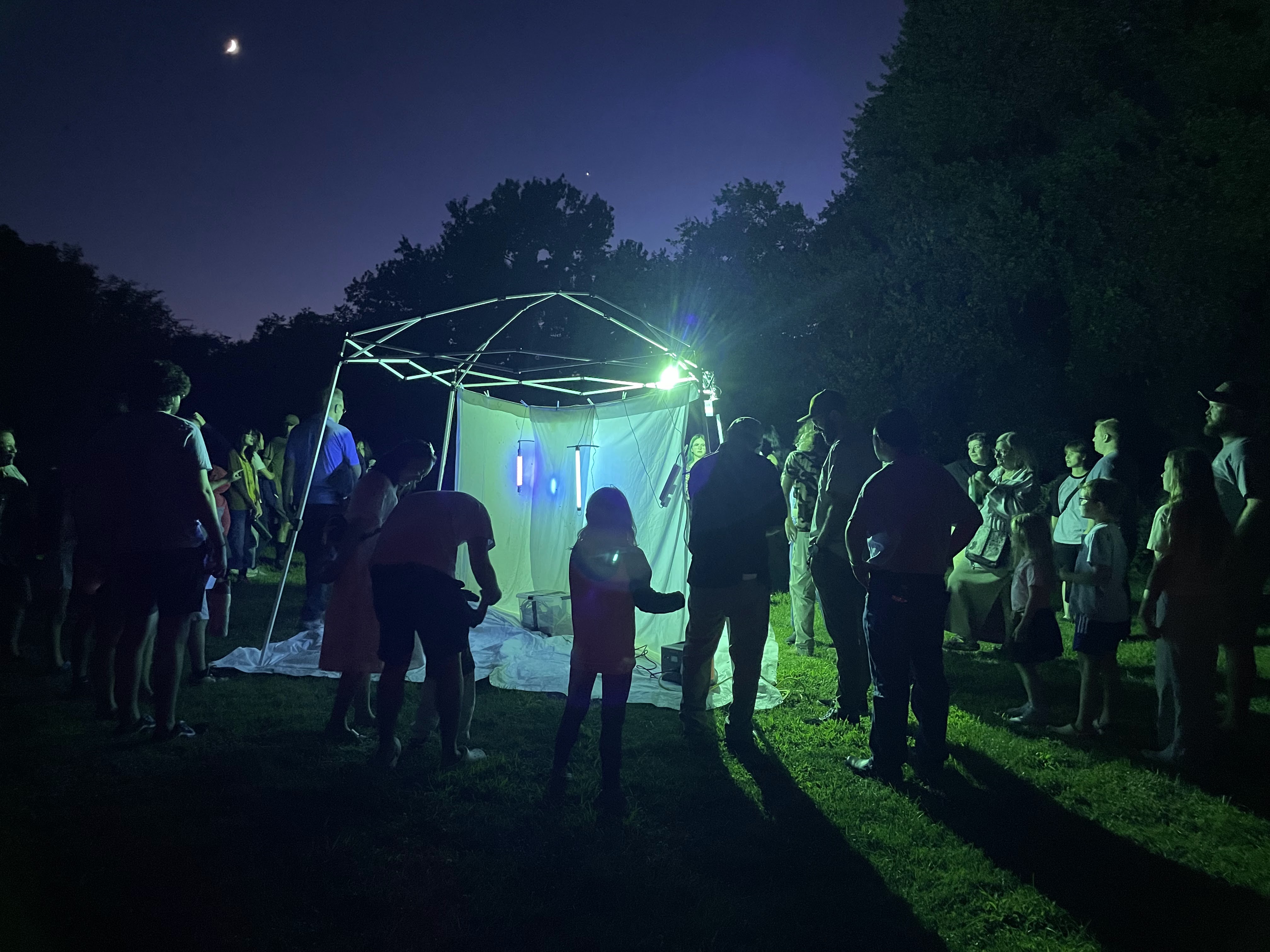
National Moth Week began with a large event hosted by the Bohart Museum of Entomology. They pitched an idea to have me do a large blacklighting demonstration and I advised them that it would not be problem. I actually encouraged them to promote it so there would be plenty of visitors. Thankfully I had the equipment to do a much larger set up than I usually do and I knew it had the potential to bring in some interesting stuff to the sheet. The event was separated into two parts, with the first part of the event at the museum and the second part with me at my sheet in the Oak Grove of the Arboretum. The Bohart had displays, activities, and even opened a section of their collection for the public, which was very popular among the visitors. As they finished their time at the museum, they began to migrate over to my display.
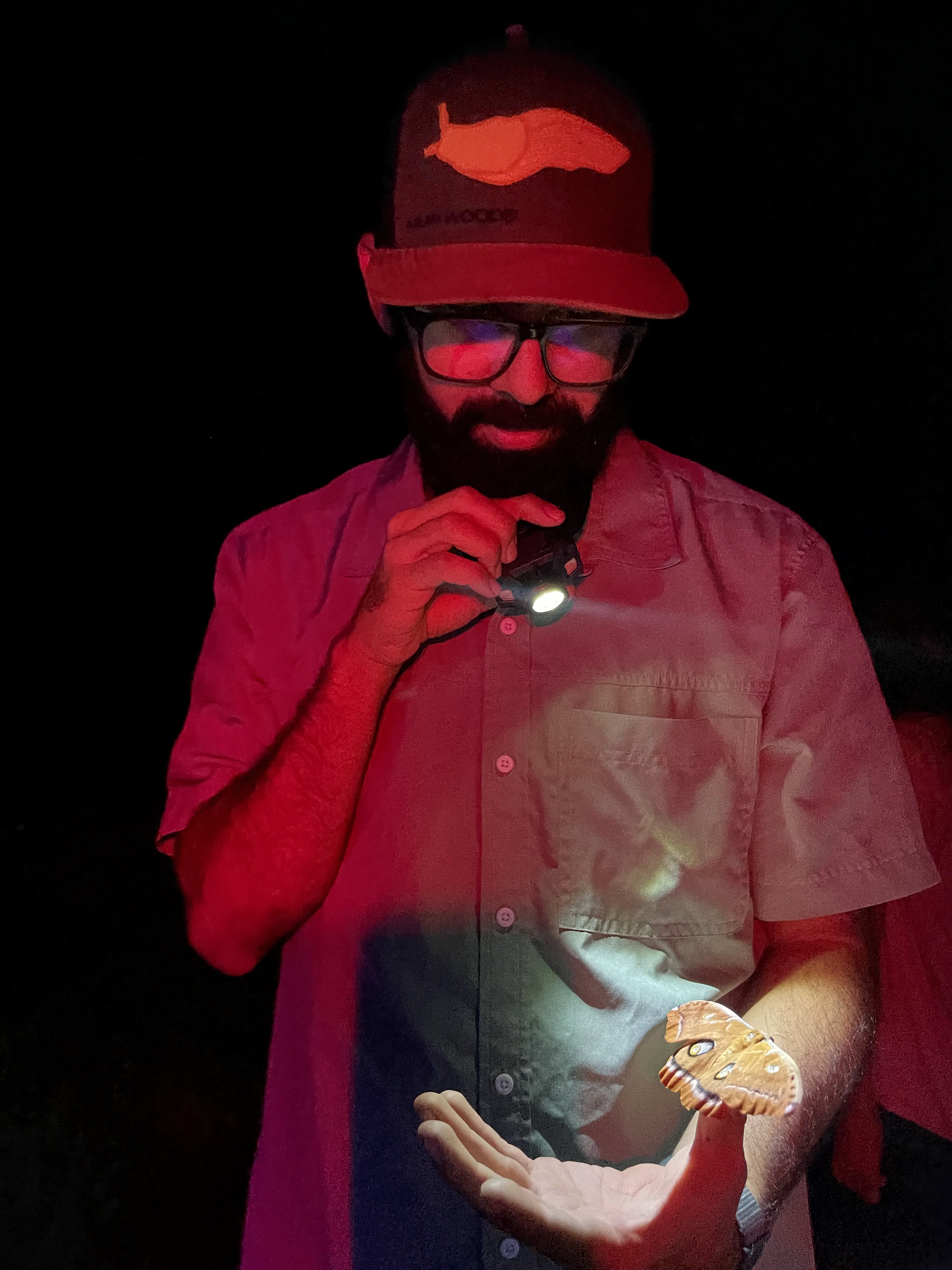
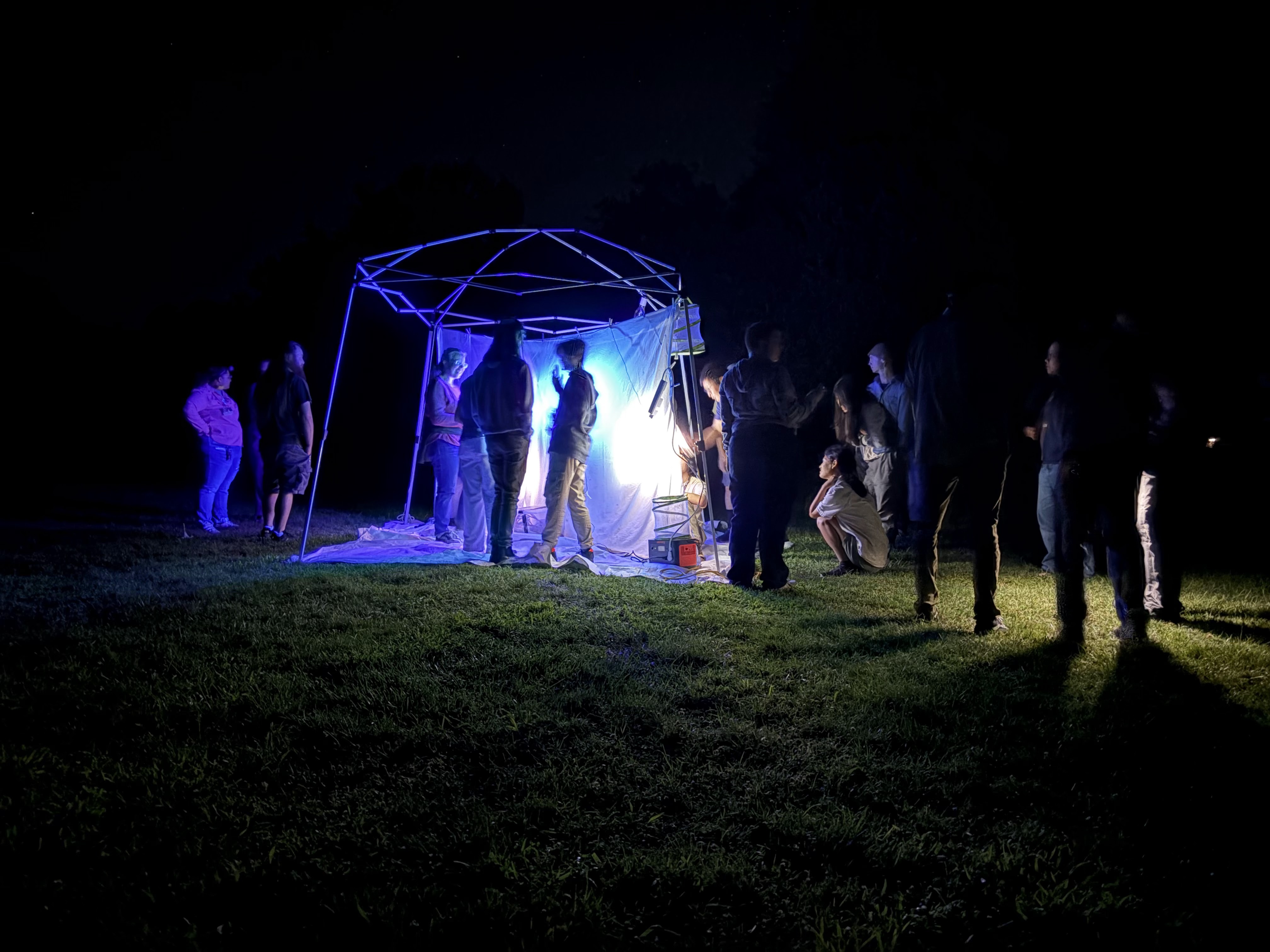
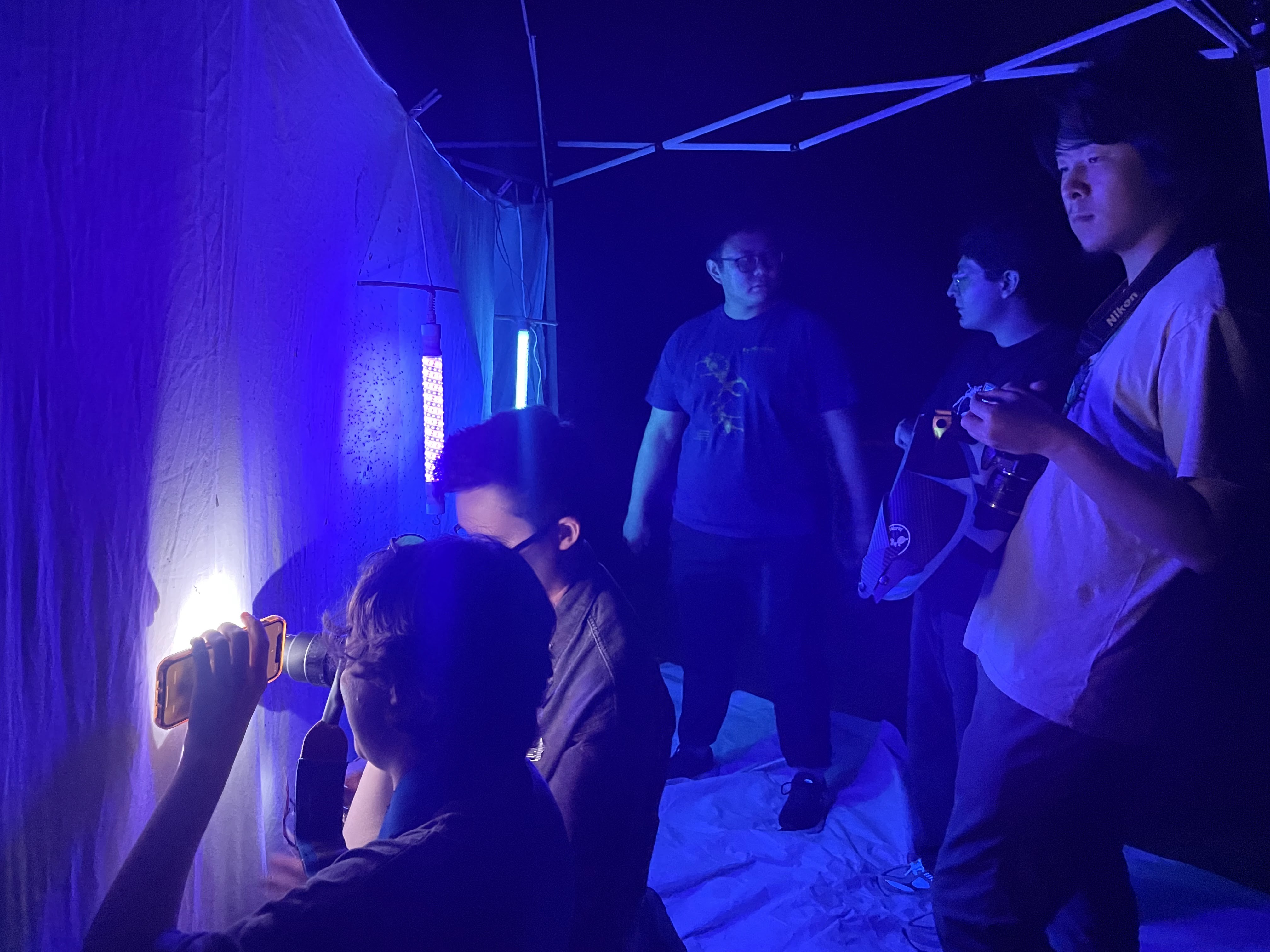
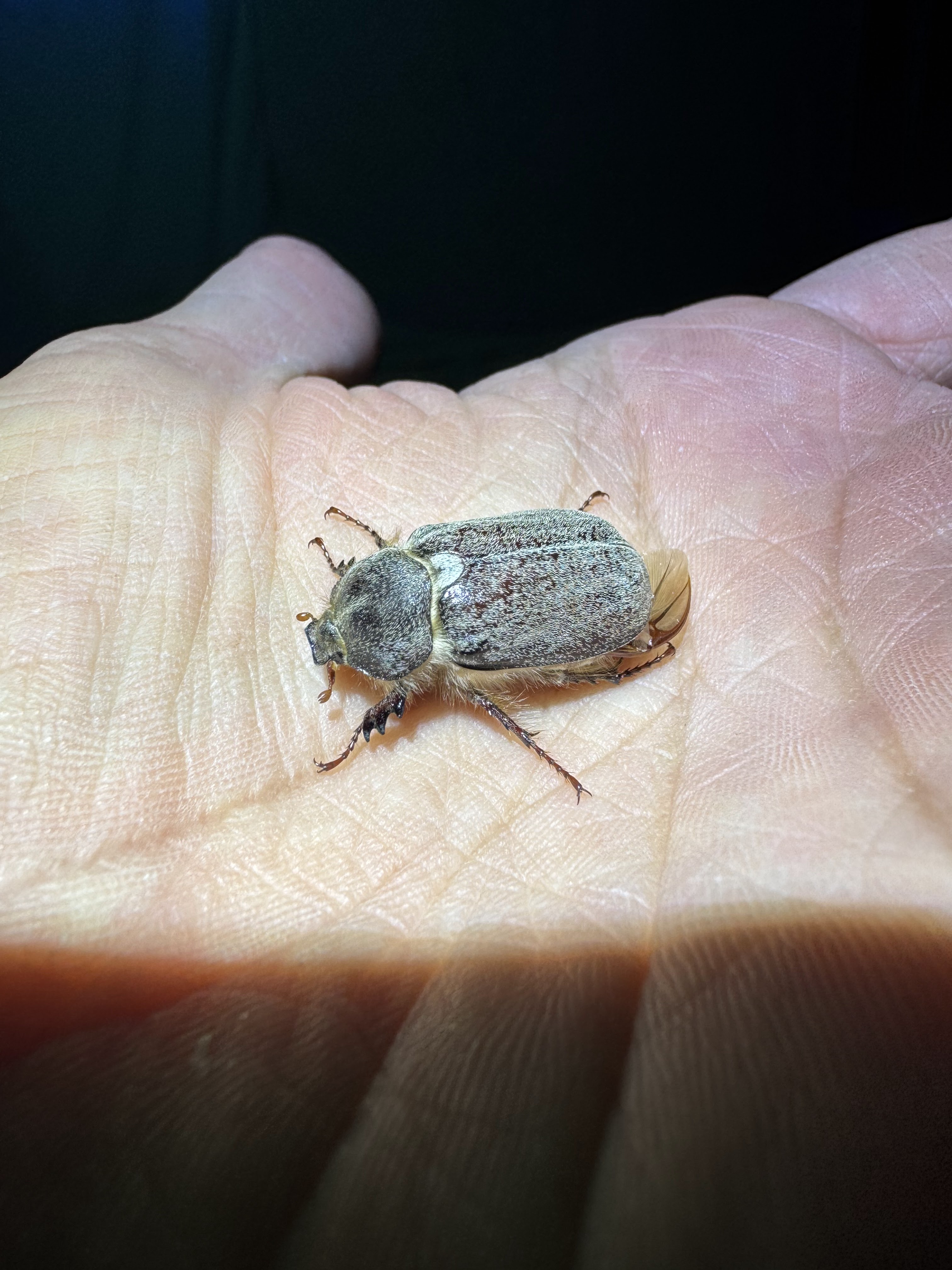
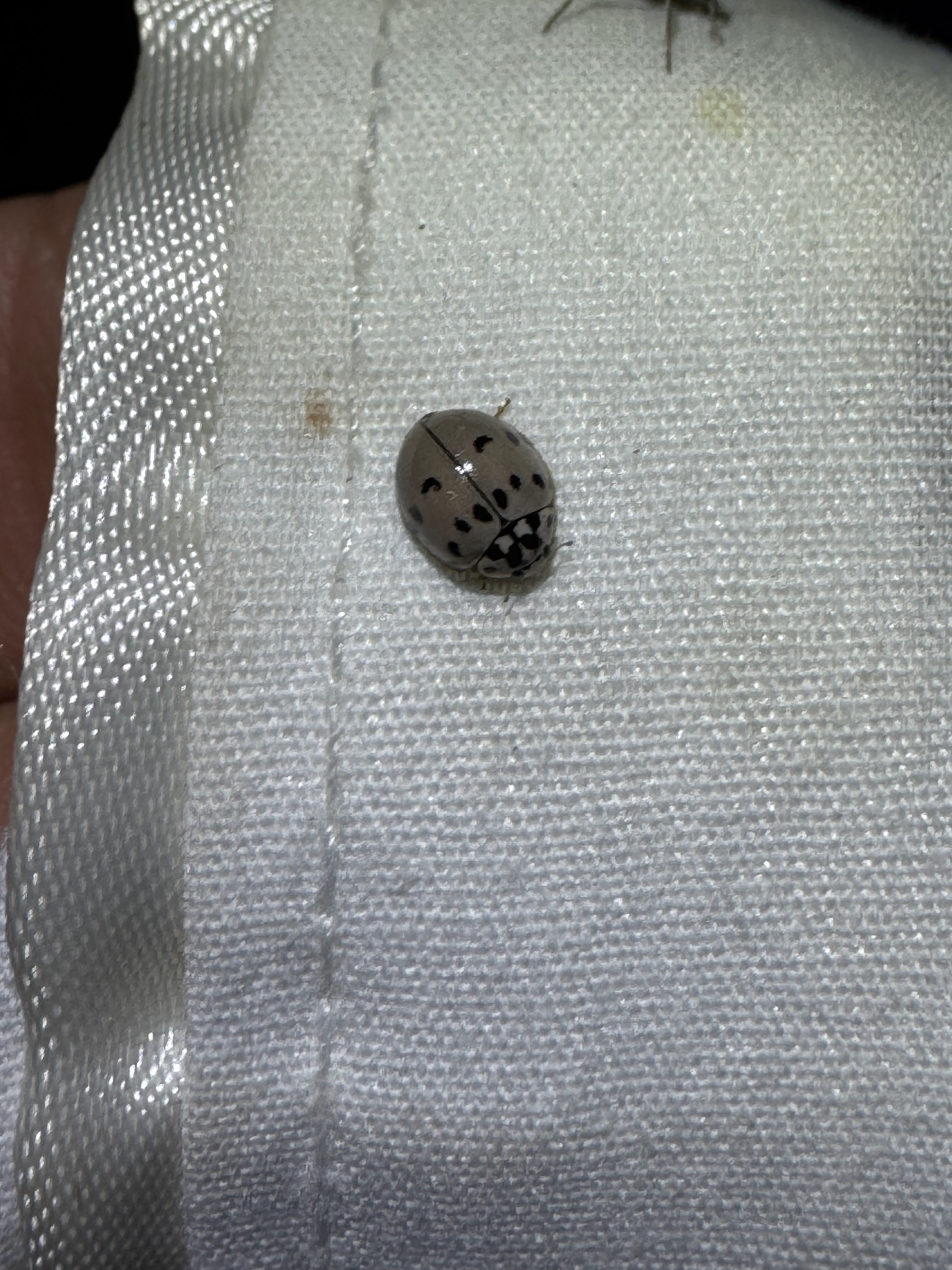
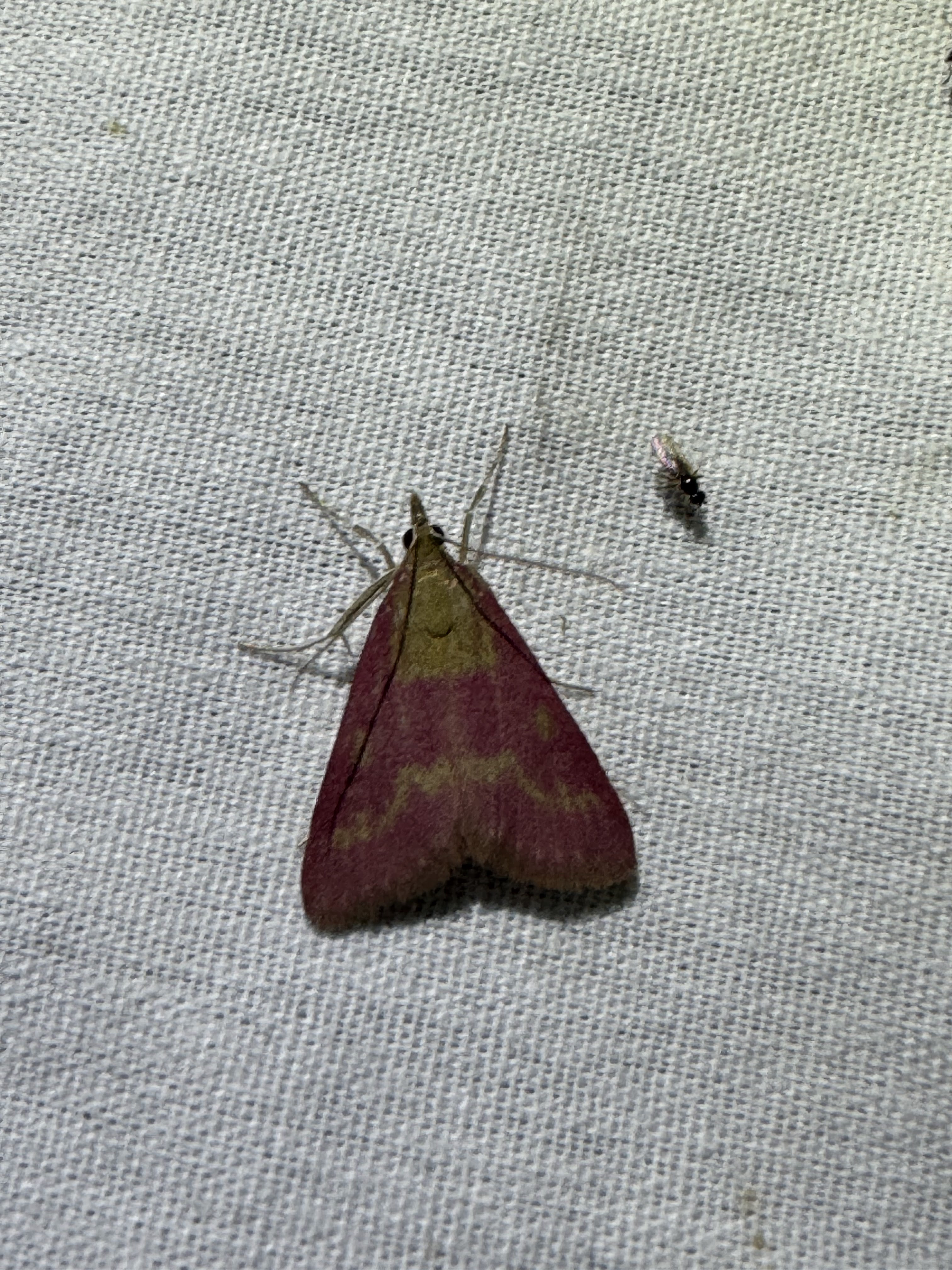
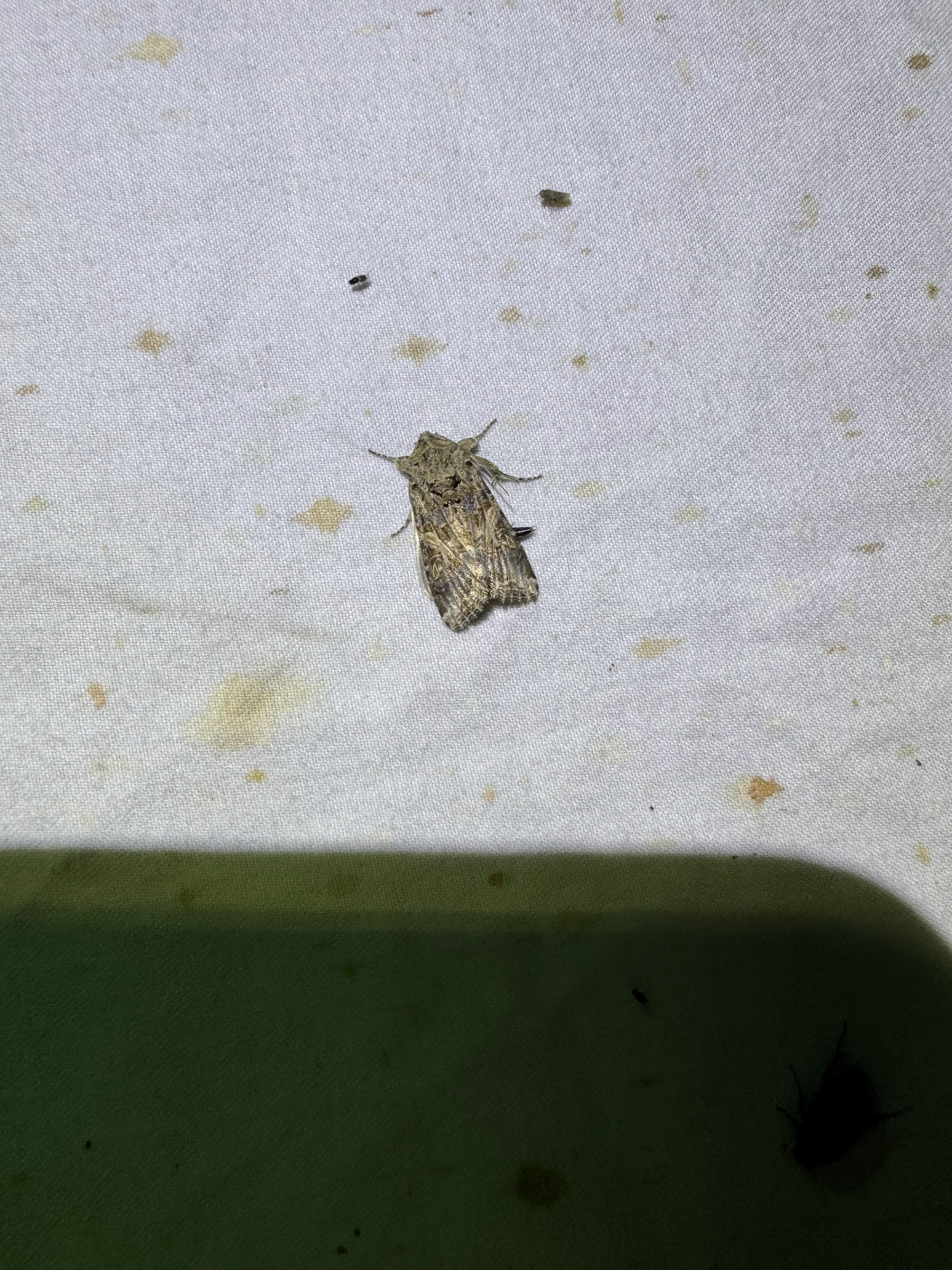
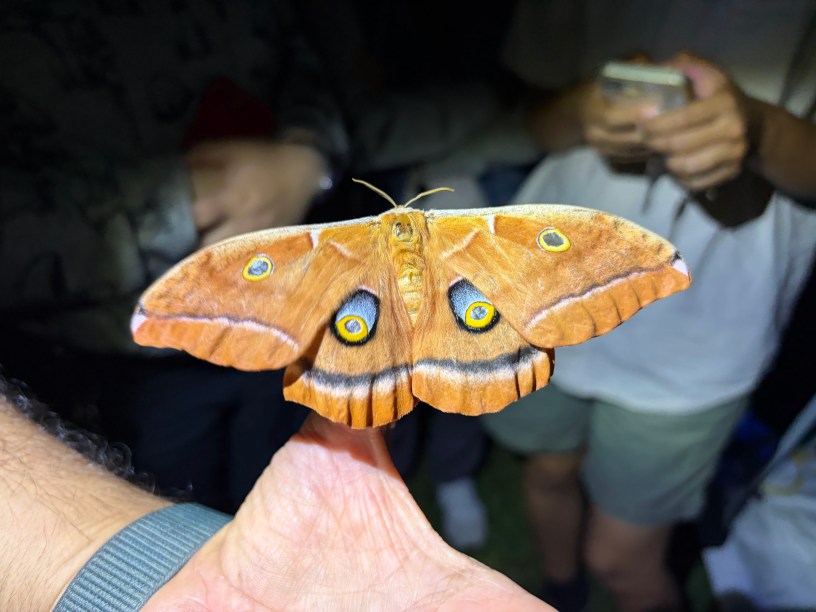
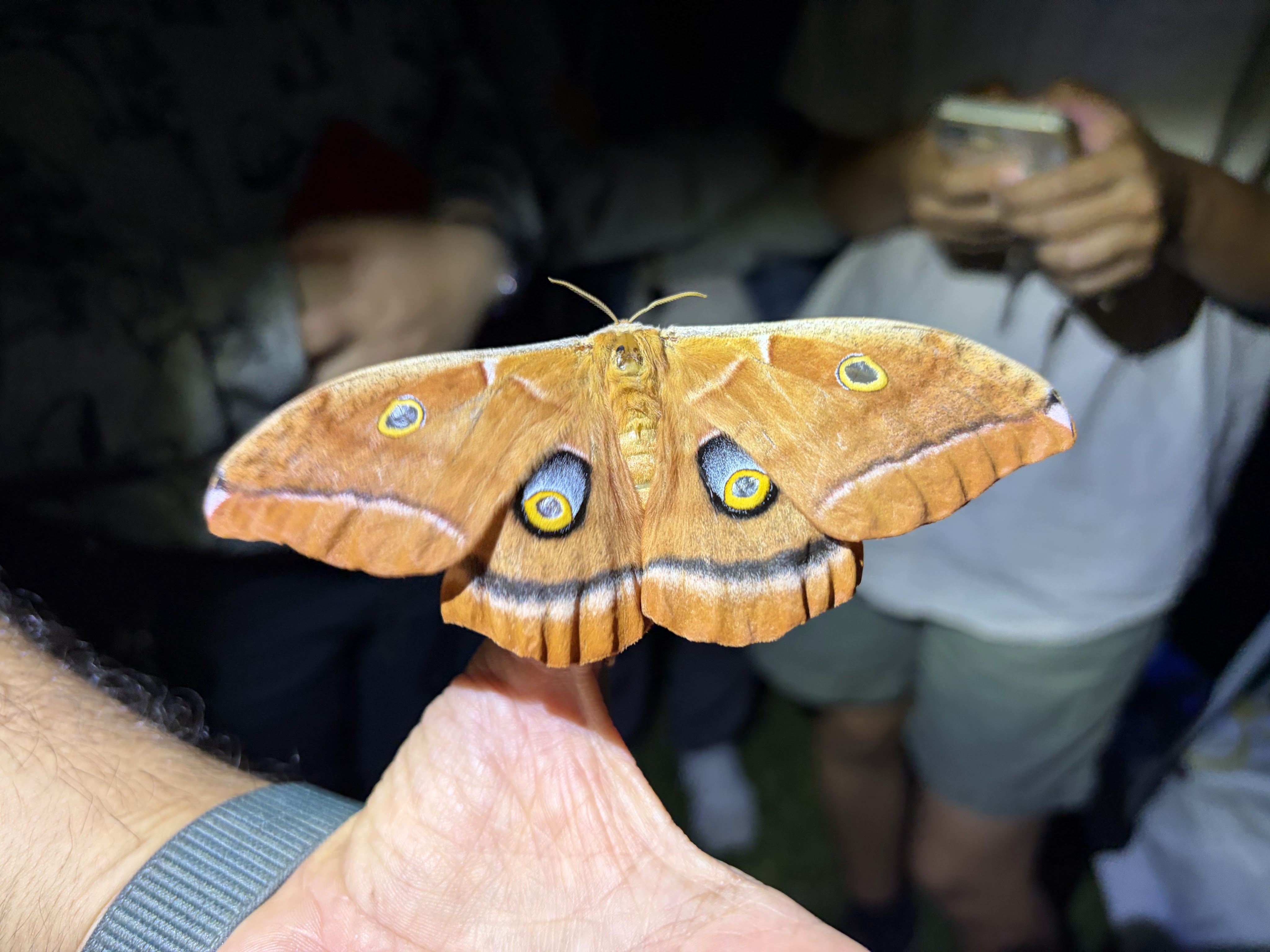
As the evening slowly turned to night, the glow of the lights began to grow brighter and it wasn’t soon after that insects began to appear. A few small moths and a Dusty June beetle were first to appear on the sheet, followed by other small insects like rove beetles, leafhoppers, midges, and water boatman. More moths began to appear on the sheet as the night progressed until something unexpected happened. A female polyphemus moth flew in from the darkness and landed just a few feet from the base of the sheet. I was ecstatic and was quick to gently pick up the moth to show as many people in attendance as I could. I explained how rare it is to see these amazing moths in this region and how they are the only species of large silkmoth found in the Davis area. Thankfully I came prepared and placed the moth in a mesh cage so others had a chance to see it in all its glory. After about 2 hours I finally called it on the MV light and let the smaller UV lights run until the event ended. Overall, it was a huge success and despite the low moth numbers, the lone polyphemus (Antheraea polyphemus) was more than enough to make up for it. You can find more info on what we found here (Bug Squad) as well as more information about the Bohart Museum and their future open house events.
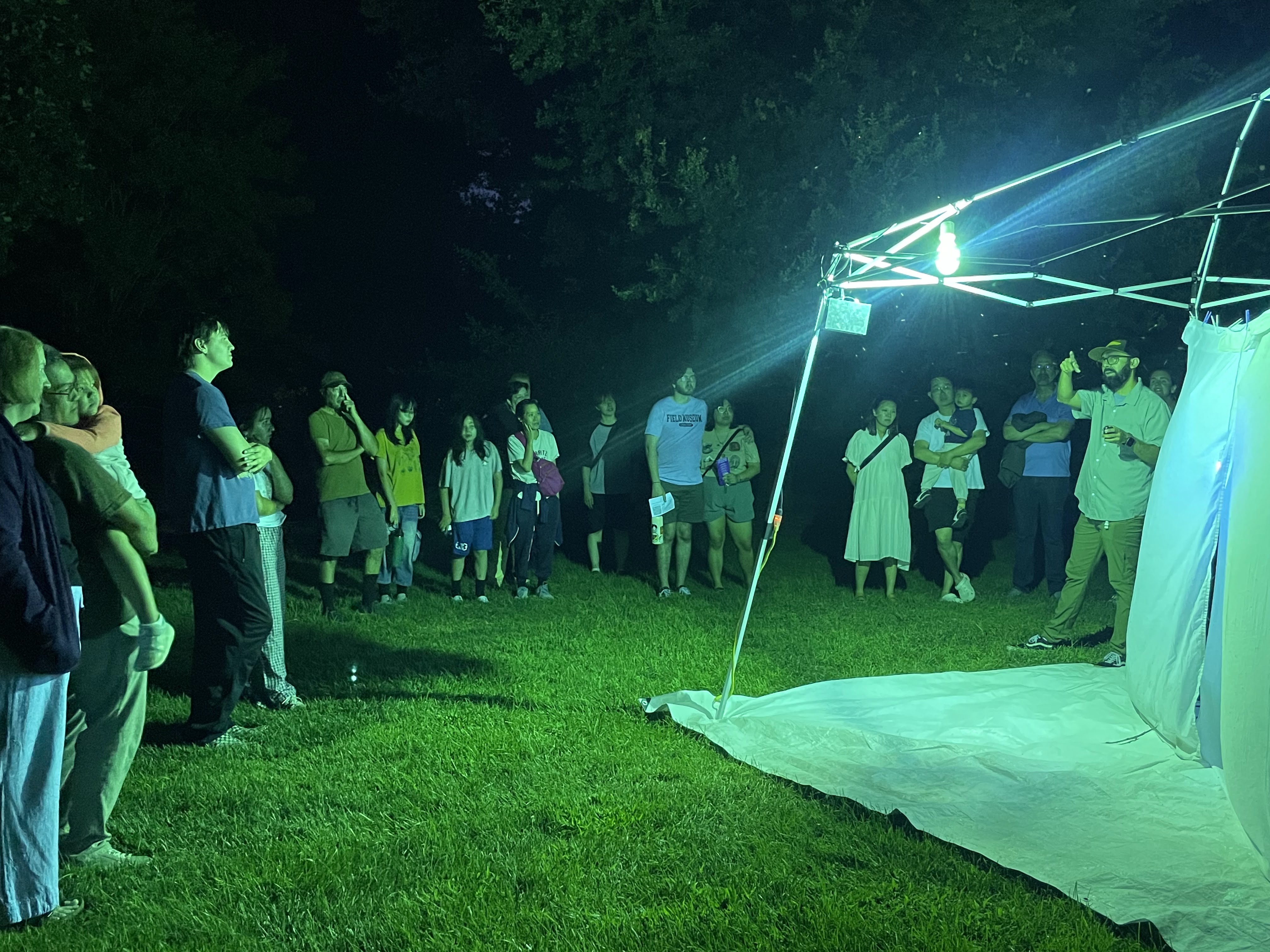
Mothing Presentation with the Land Conservancy of SLO County
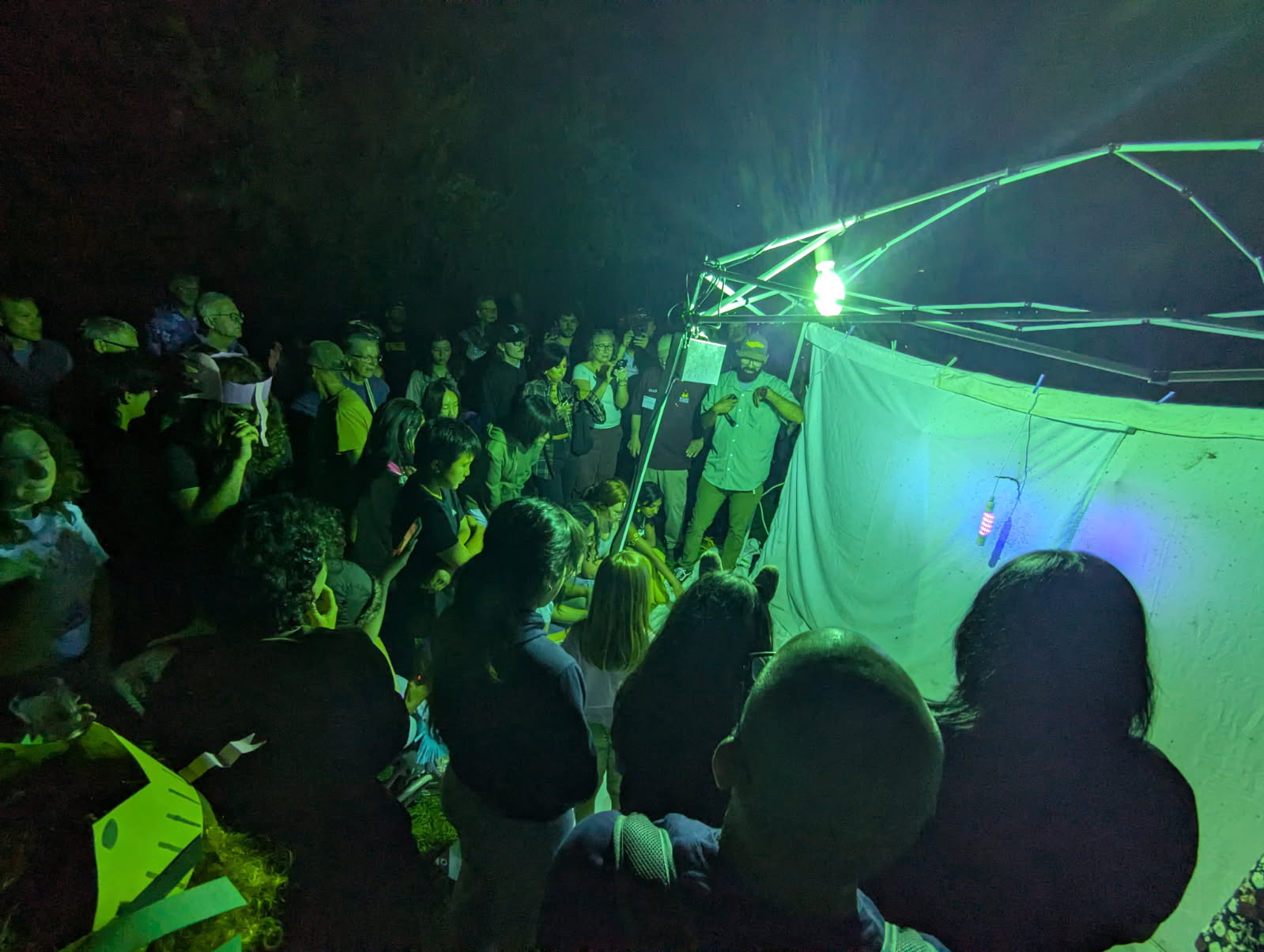
The following weekend I participated in another mothing event near Templeton CA, hosted by the Land Conservancy of San Luis Obispo County. This was the first time I had ever formally had a light set up in SLO County, so I was excited to see what would show up to the sheet. I brought the same set up as the last event since it could handle large crowds and had the highest chance of bringing in interesting insects. After setting up, I gave a brief introduction to myself and a short summary on sheet etiquette, including what to do when moths appear and how to properly observe them without harming them. The group at this event was much smaller than the first, but it was still a large enough crowd that my big set up was necessary. Once the sun began to set, I turned on the lights and patiently waited for the insects to appear. There were only a few moths initially and a whole mass of small bugs and midges, but eventually more species began to appear.
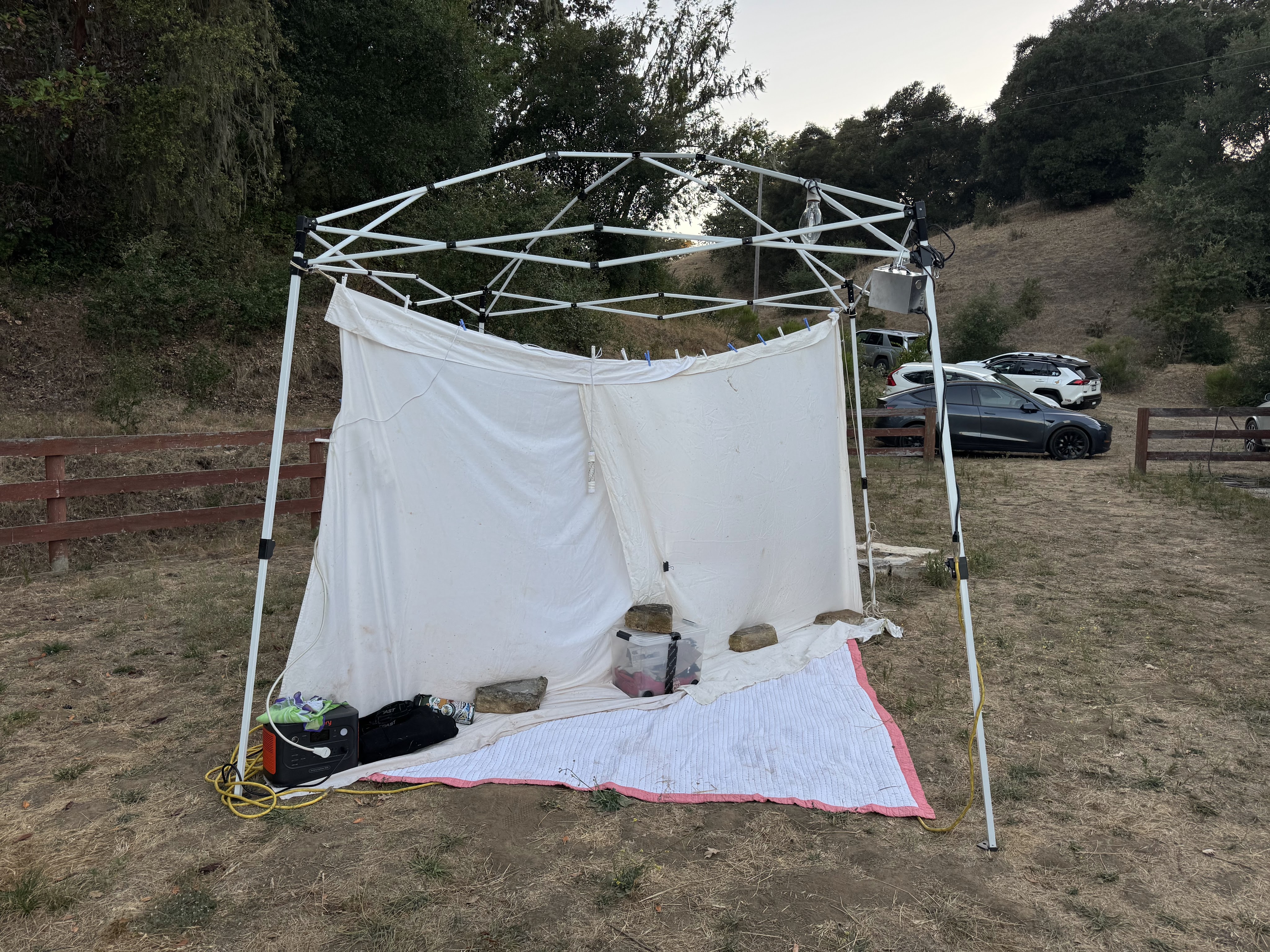
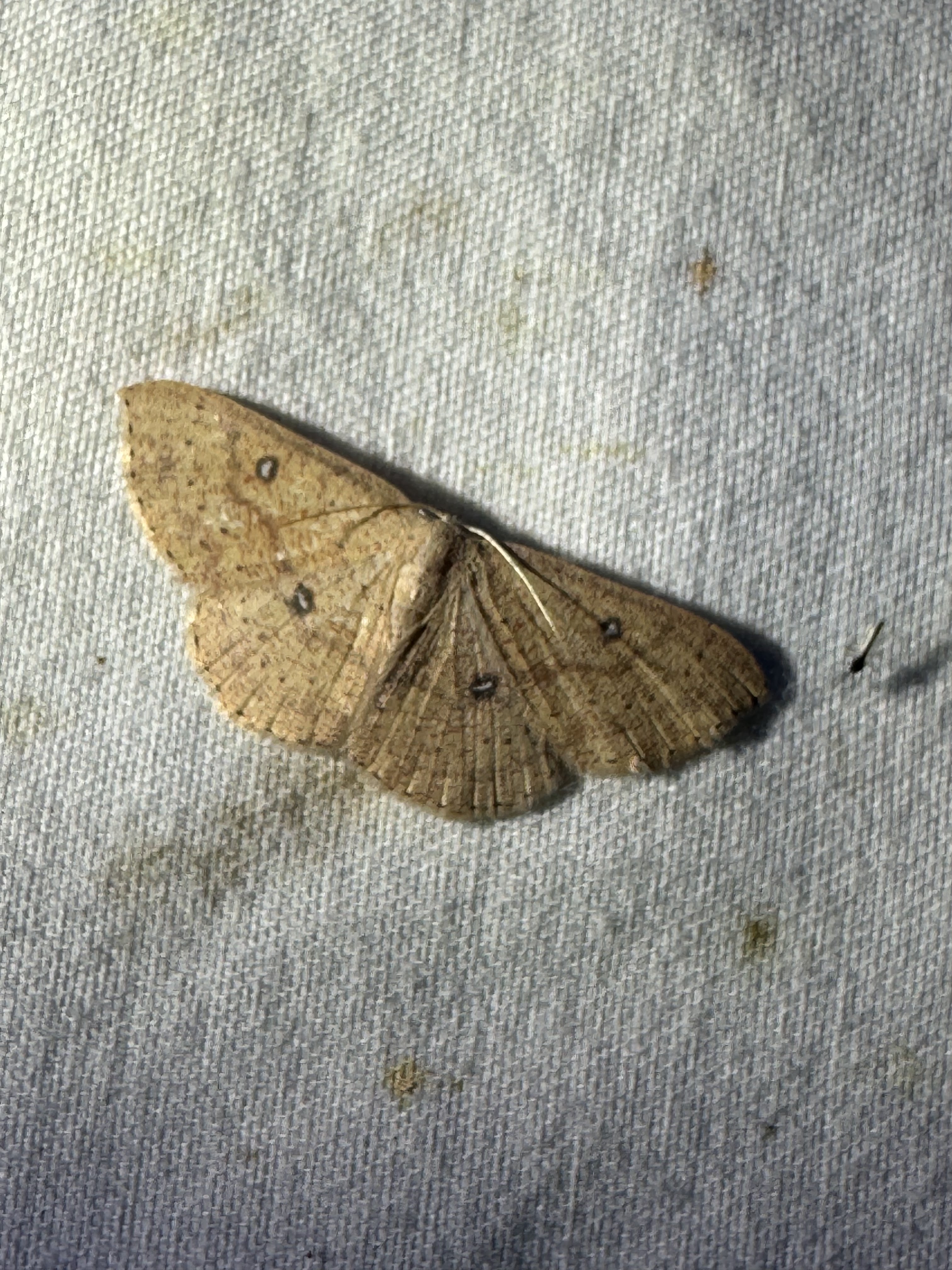
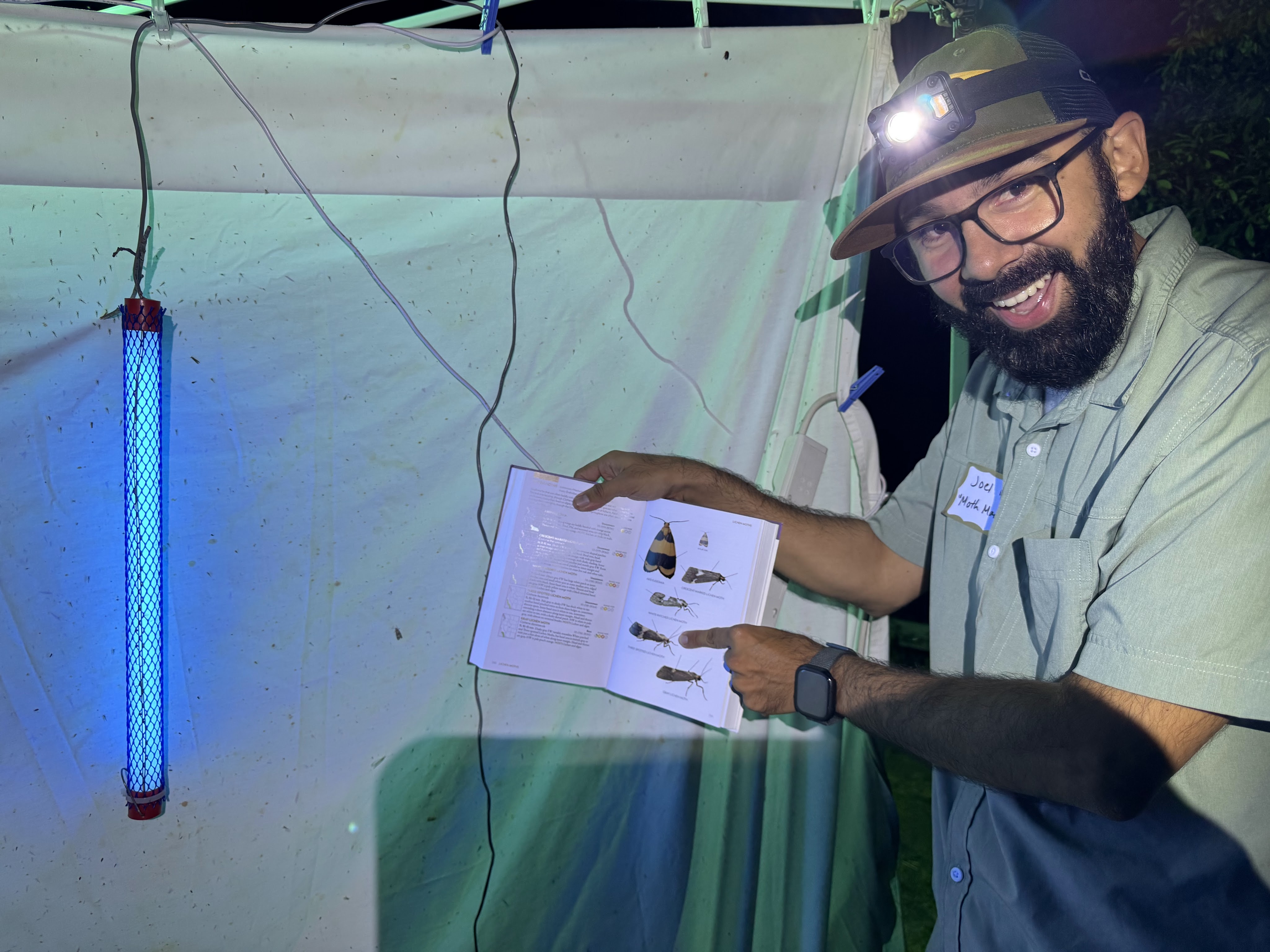
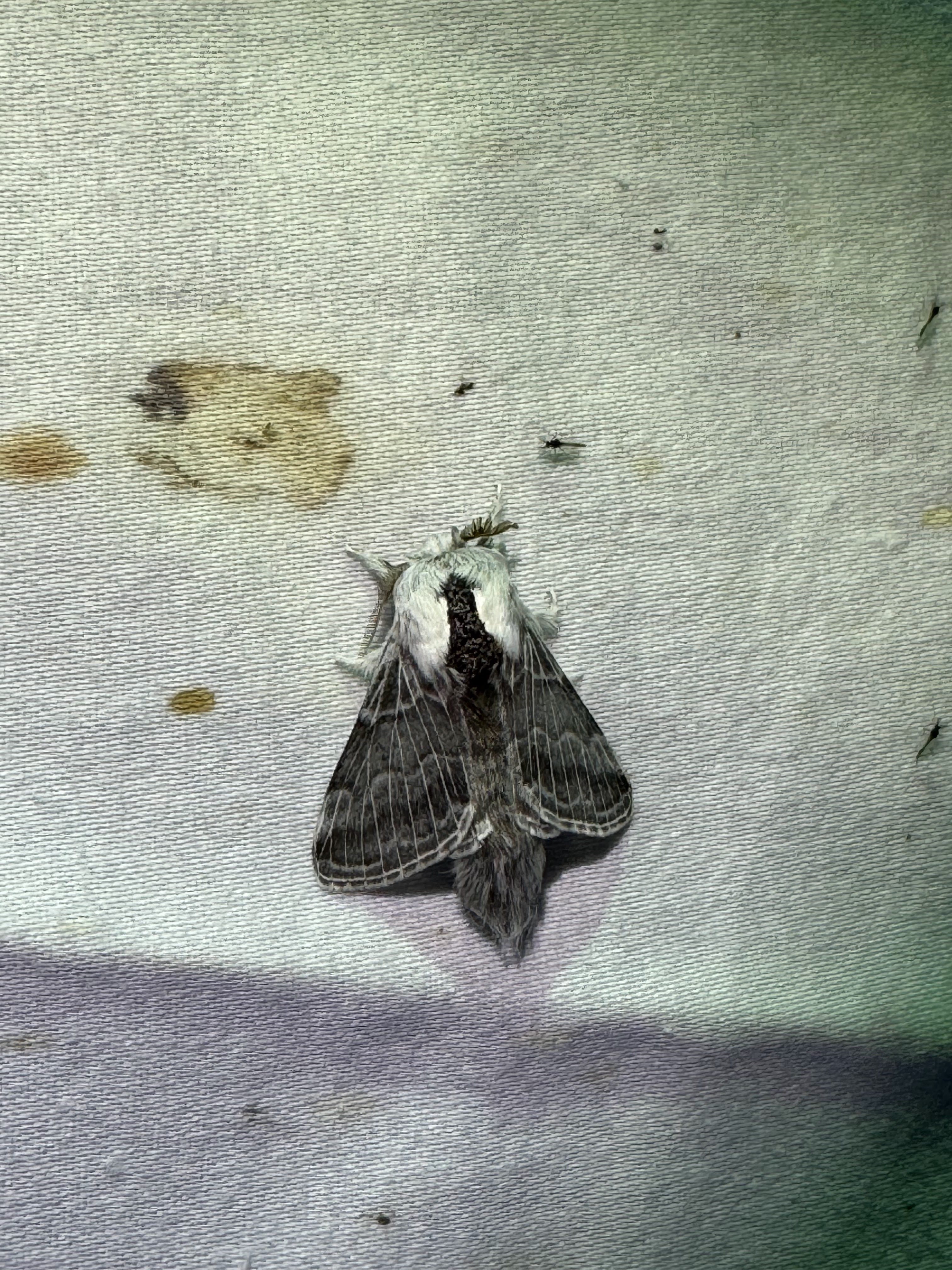
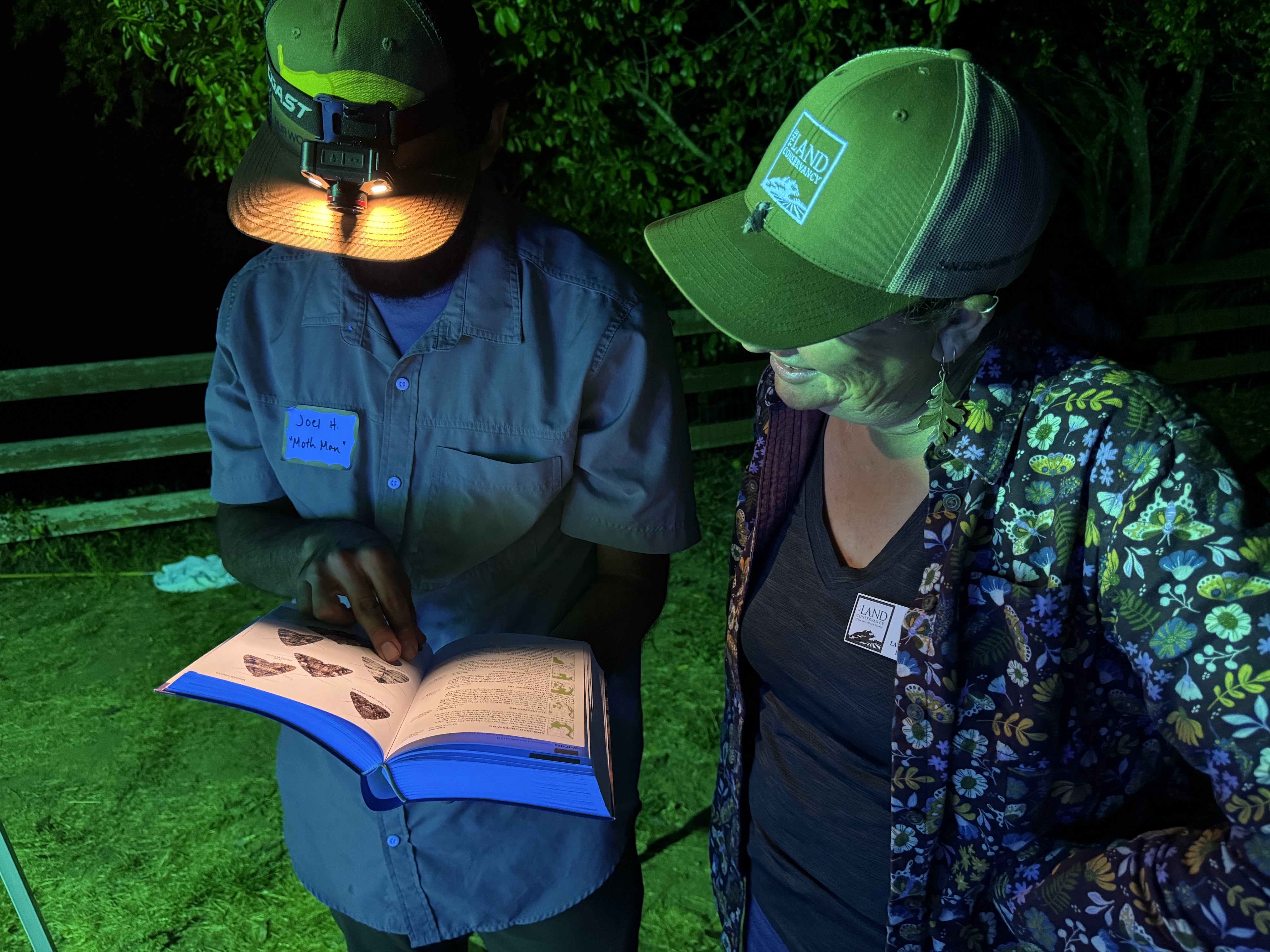
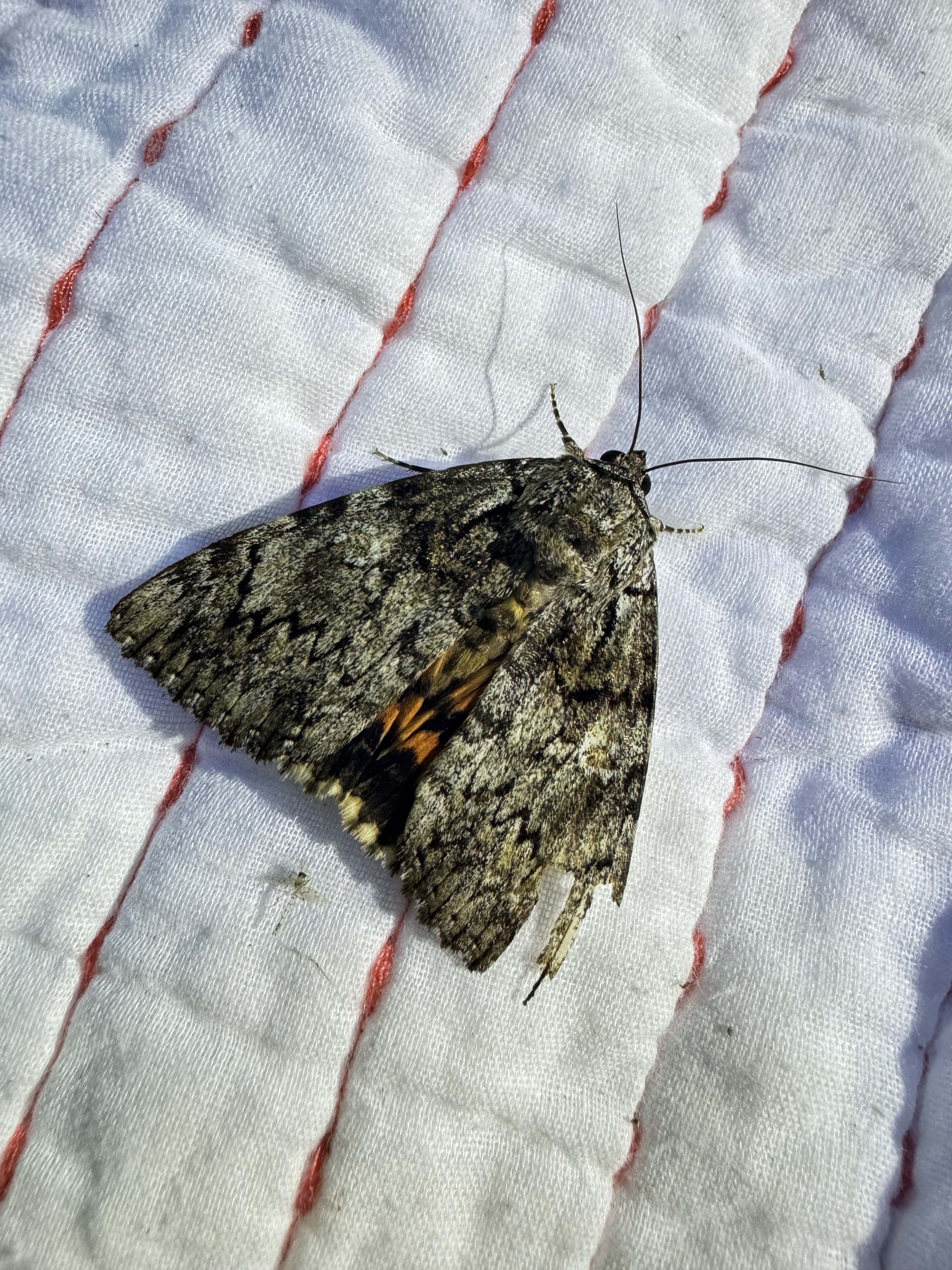
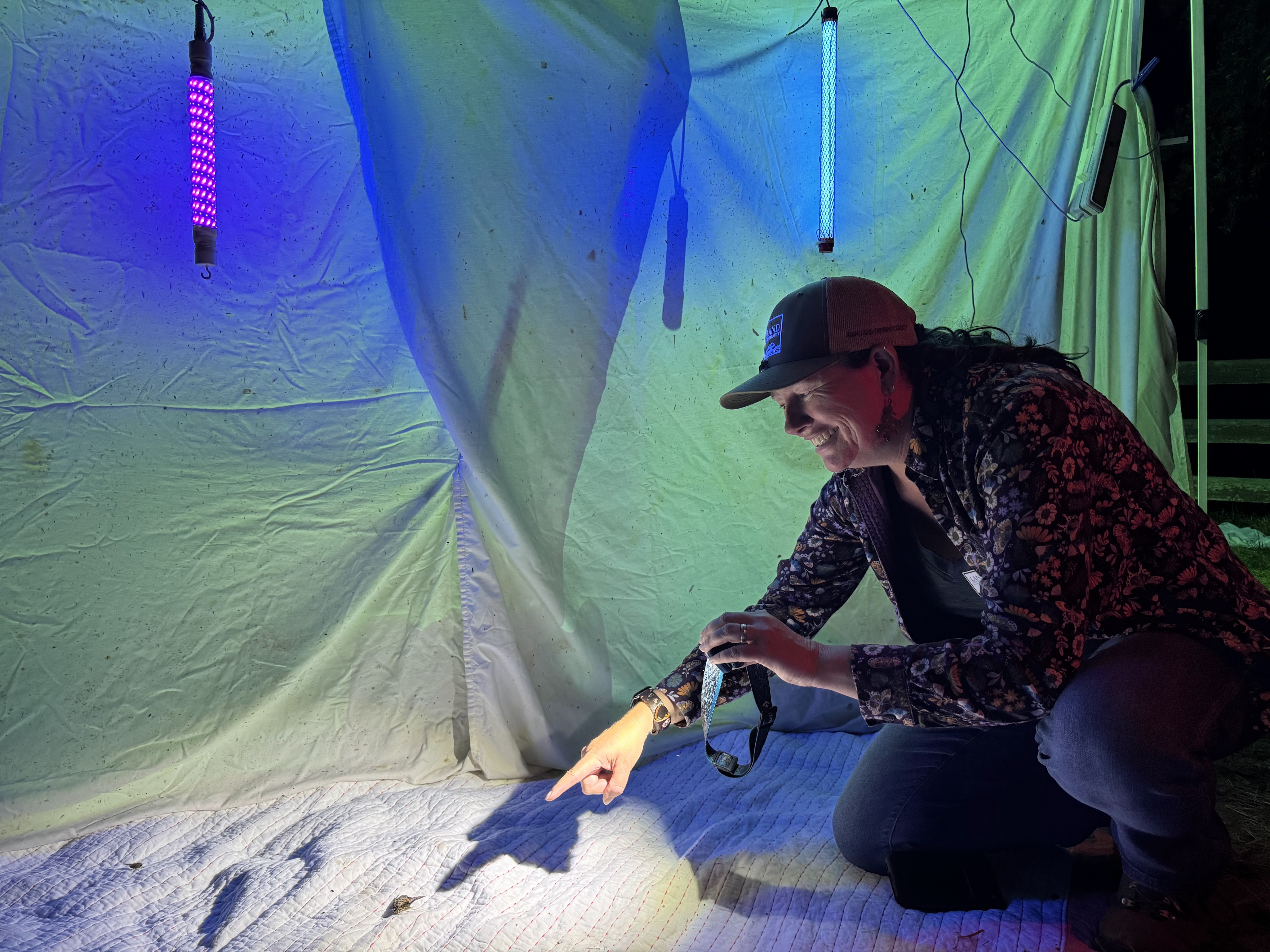
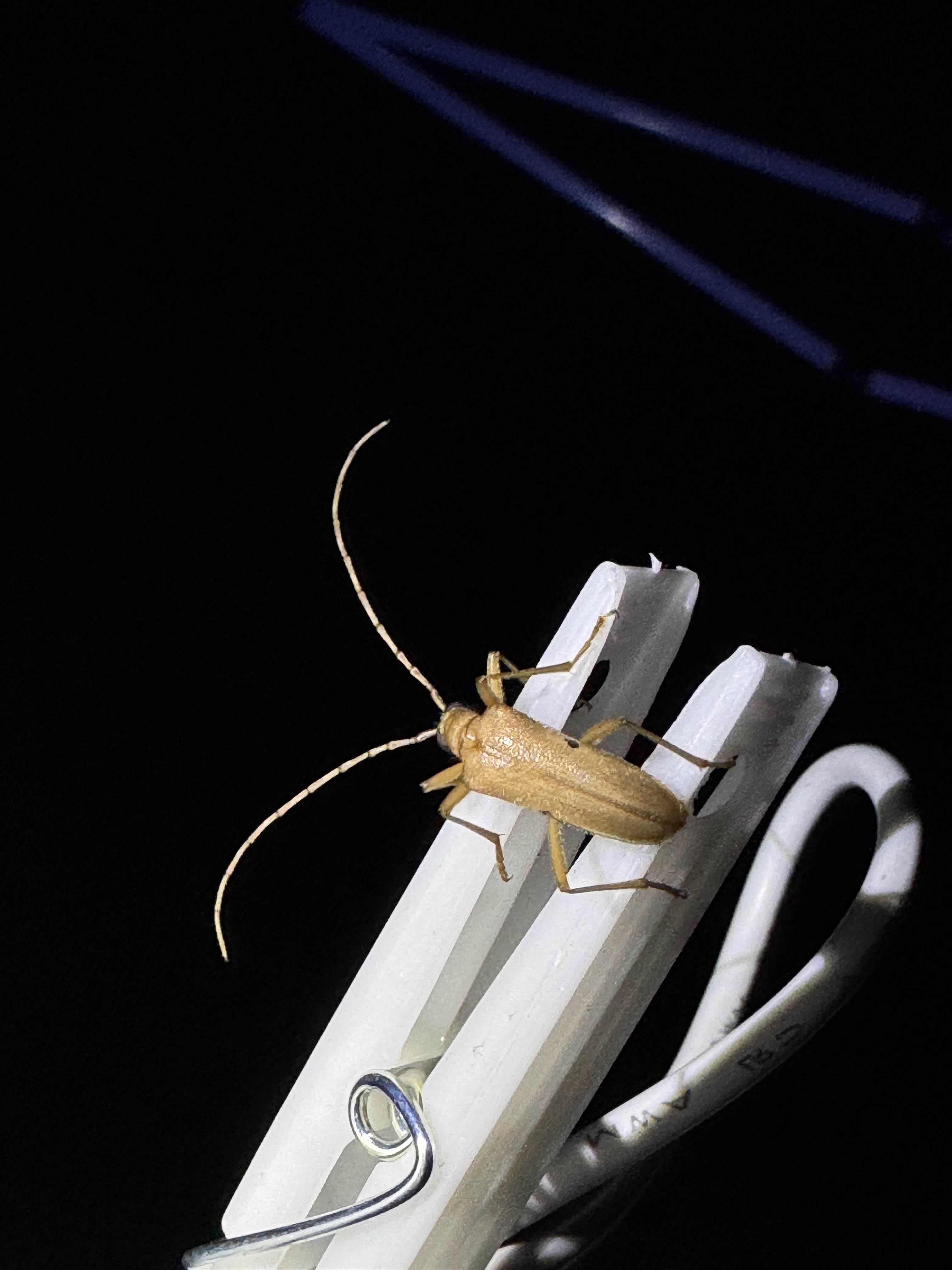
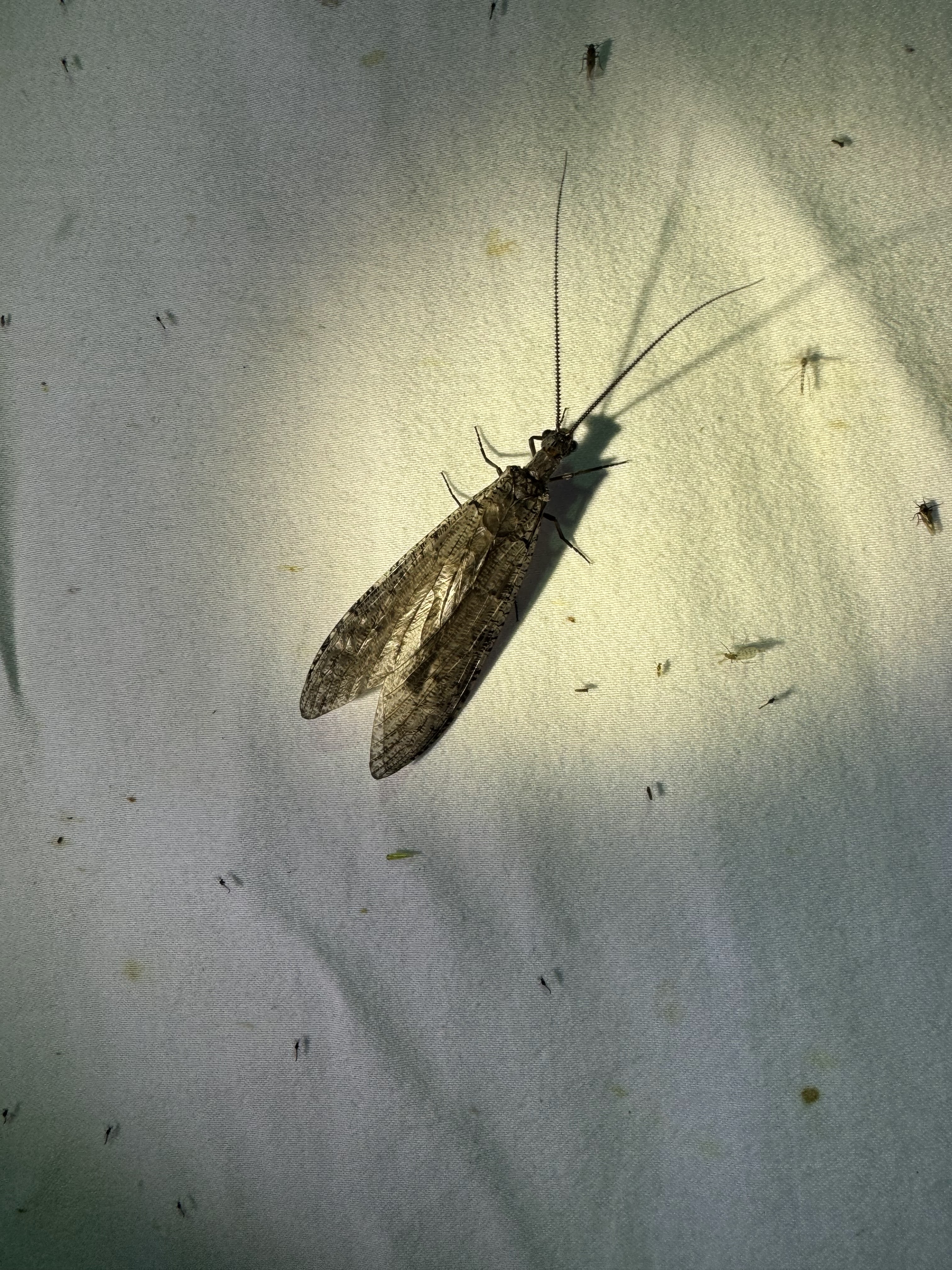
I had brought my moth book, Moths of Western North America, in order to attempt to quickly ID moths as they flew onto the sheet. It proved to be very useful as plenty of small species on the sheet were giving the iNaturalist app a hard time when it attempted to ID them. All the participants were excitedly asking questions about moth IDs and and general moth biology questions, of which I answered to the best of my ability. Notable species that came to the sheet were the Ilia Underwing (Catocala ilia), Distinct lappet moth (Tolype distincta), Hollow-spotted Geometer (Cyclophora dataria), and Wavy-lined Emerald (Synchlora aerata). Other notable insects that made an appearance were the Yellow Douglas Fir Borer (Centrodera spruca), Dark Brown click beetle (Euthysanius lautus), and Fishfly (Neohermes filicornis). It was really great to see how enthusiastic the attendees were about the insects they were finding and observing on the sheet. The conservancy even had small containers the attendees could use to hold their insect finds for identification before releasing them back into the surrounding area.
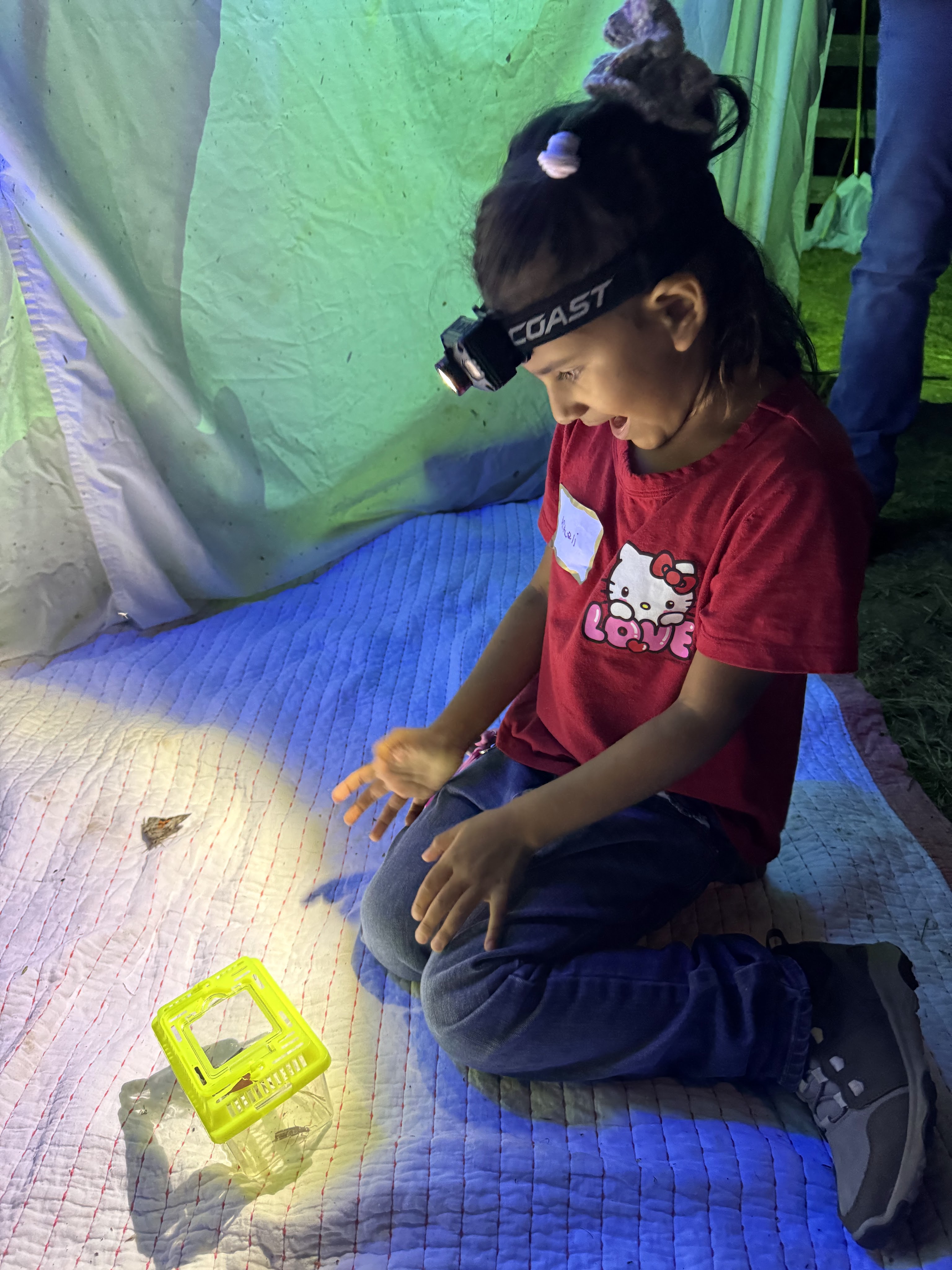
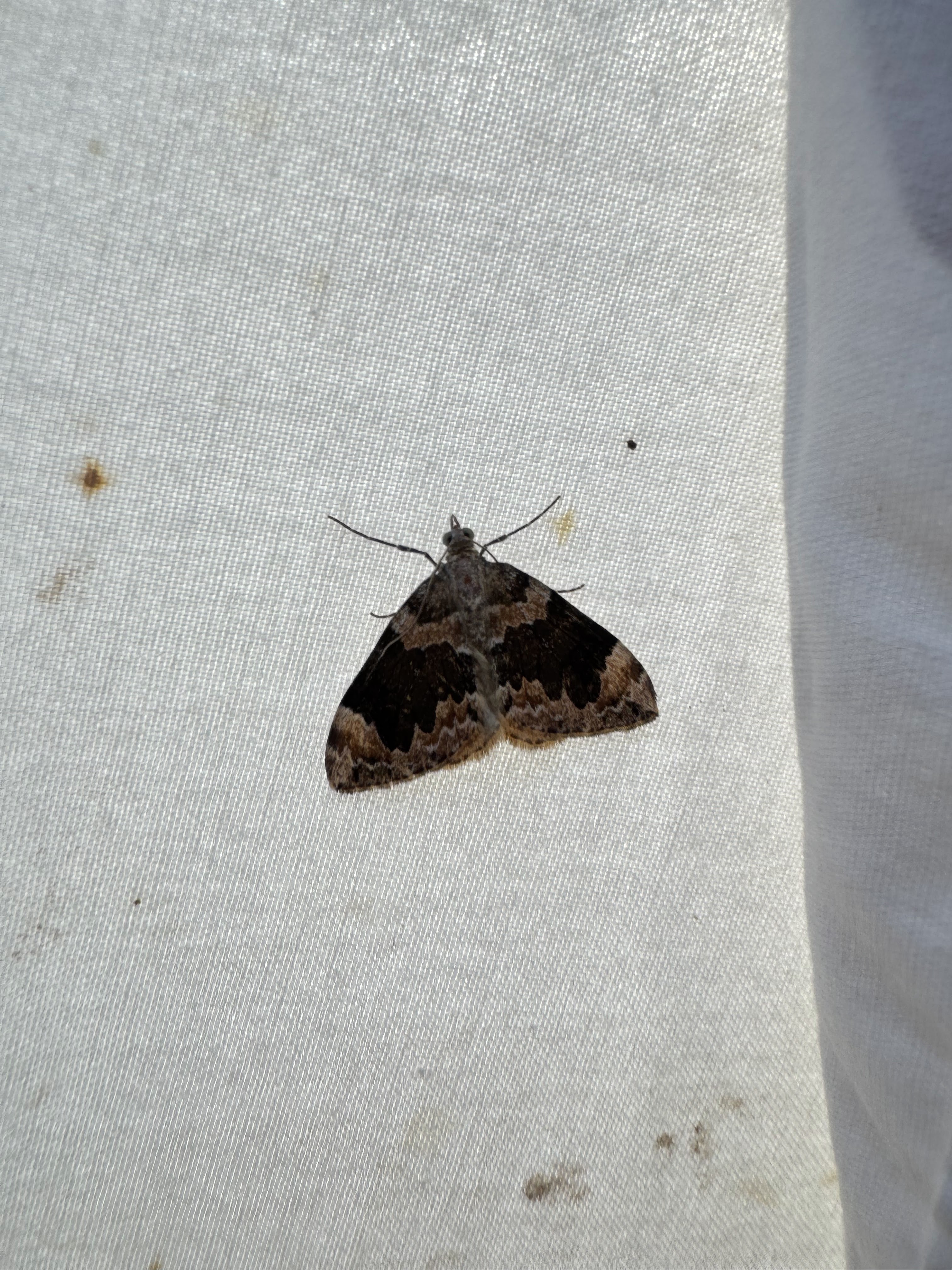
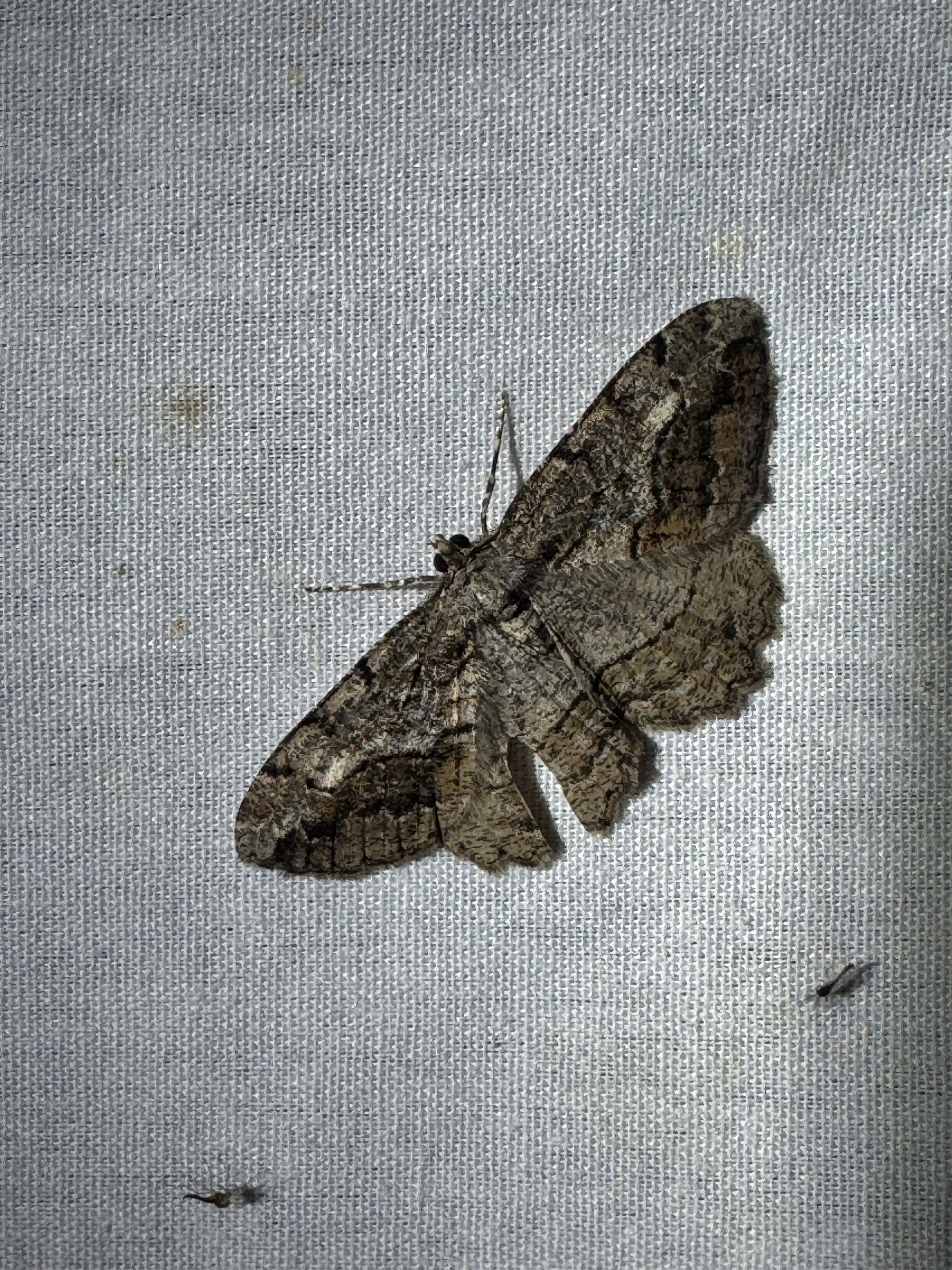
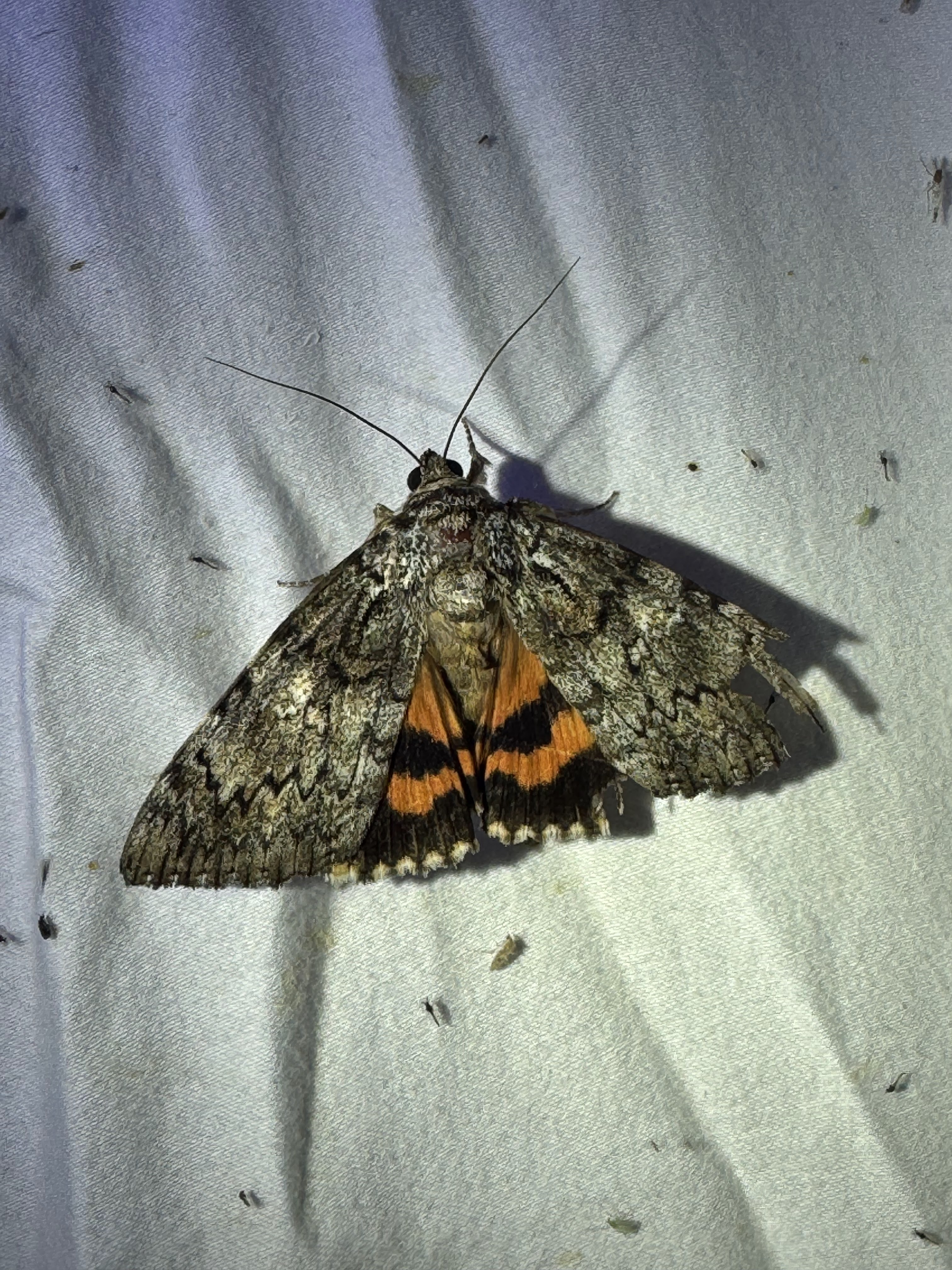
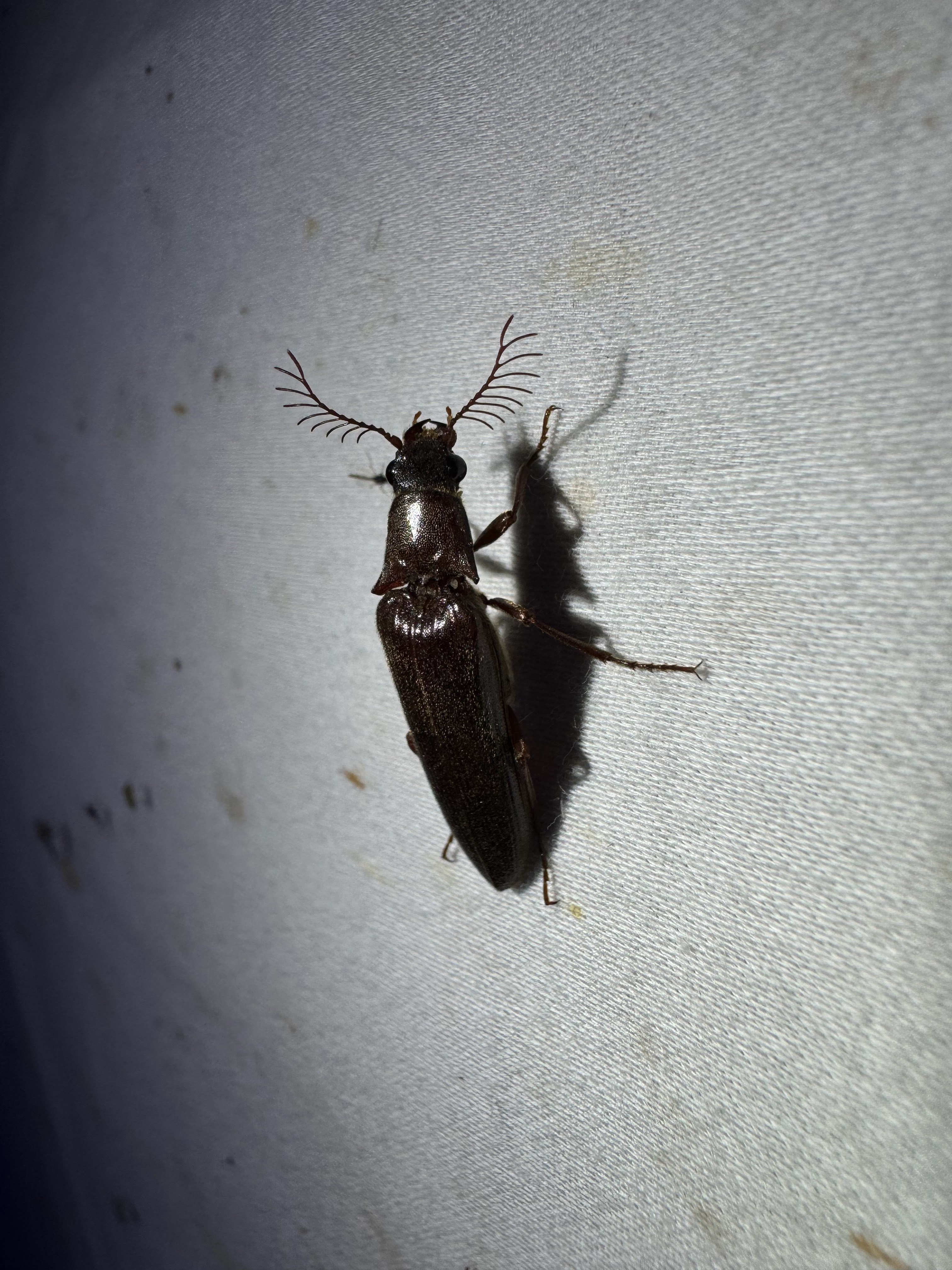
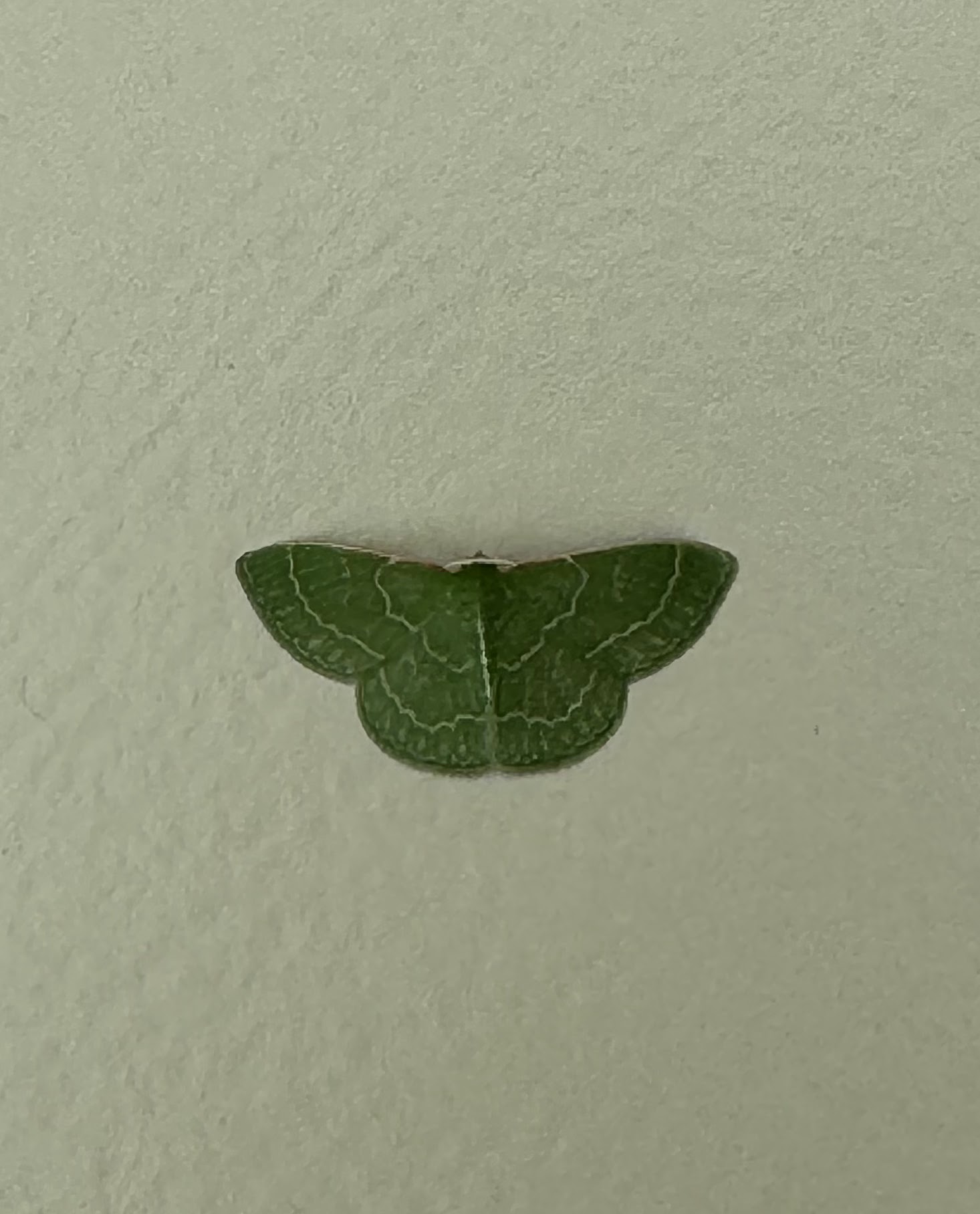
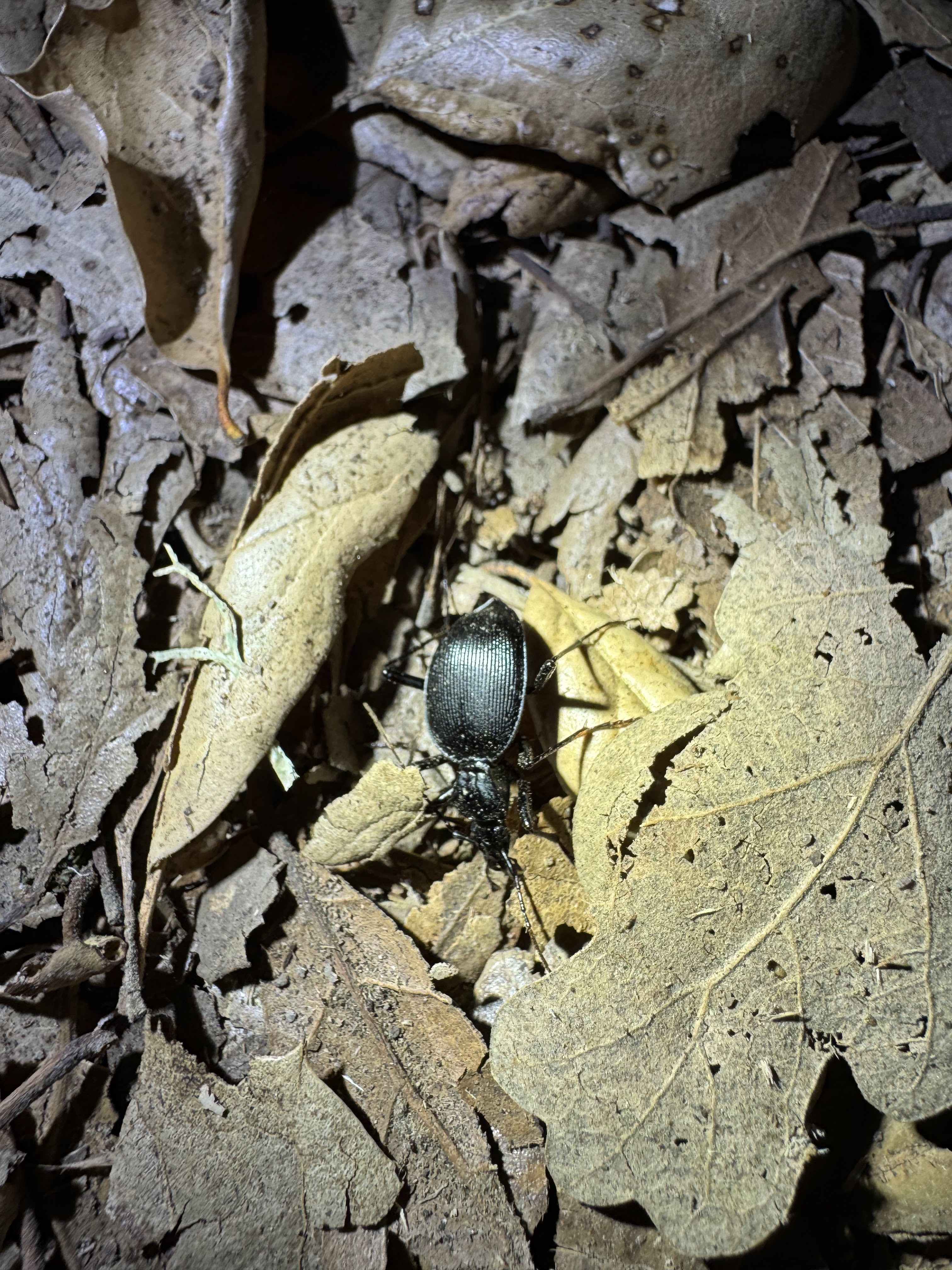
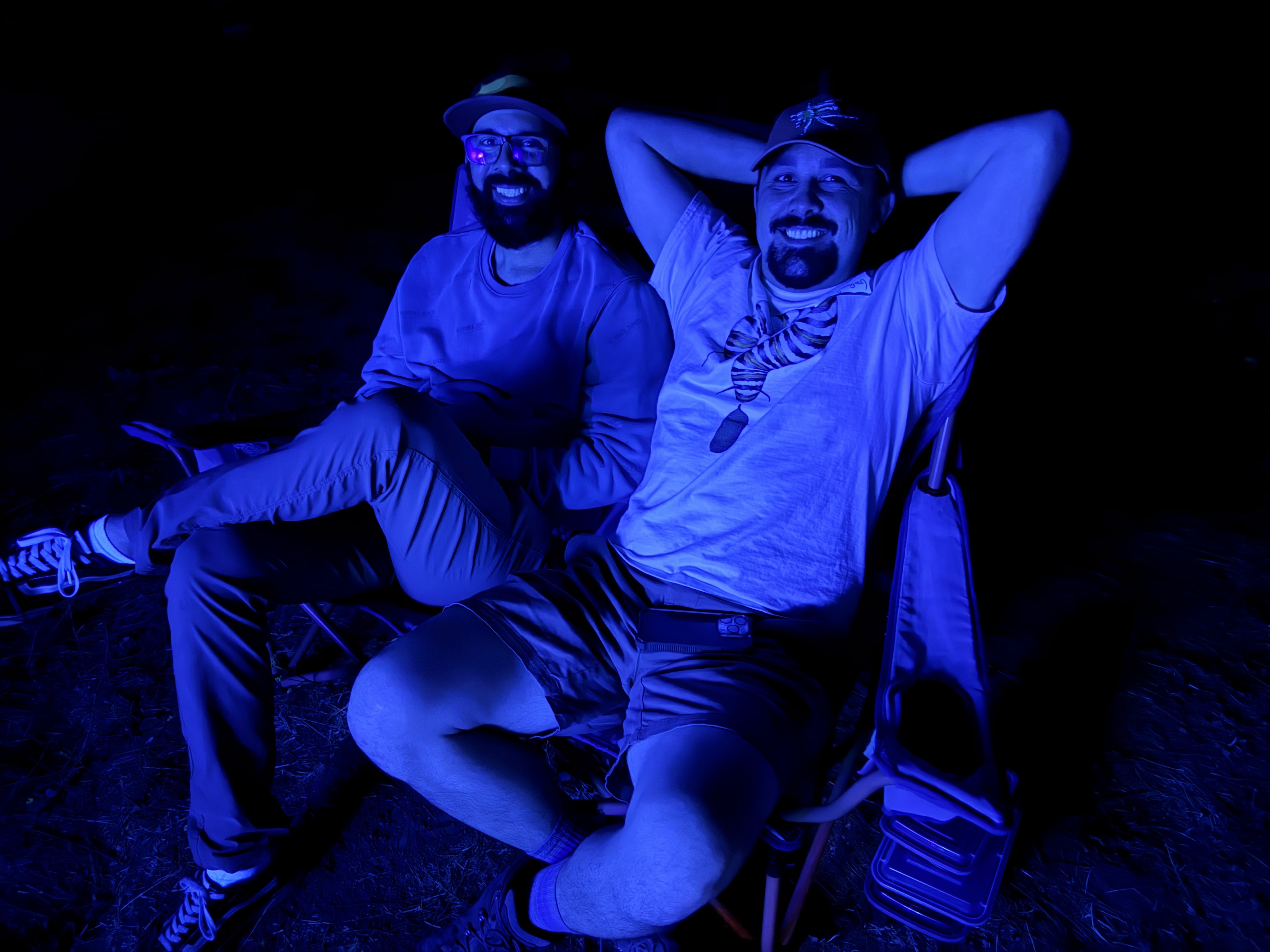
My good friend Marko also attended the event and assisted me with IDs and managing an enthusiastic crowd around the sheet. The event ended up being incredibly successful and the attendees saw plenty of species they had never encountered before. Both Marko and myself were able to answer everyone’s questions and encouraged others to create their own blacklighting set ups. Both of us look forward to doing another event like this with the Land Conservancy of San Luis Obispo County in the future.
(Inter)National Moth Week and Future Mothing Events
Moth Week has become an incredibly popular event and has grown in popularity over the last few years. Communities around the world participate in these one of kind events during National Moth Week in order to witness and learn about the beauty, diversity, and ecological importance of moths. One of the main goals during this event is to contribute valuable data that helps scientists better understand these fascinating insects by submitting observations on iNaturalist and/or collecting specimens. Just last year there were an estimated 170,000 participants from 80 countries, which resulted in over 2.3 million observations. Now that I have the resources necessary to create and participate in large gatherings for this event, I will be organizing mothing outings during next year’s National Moth Week. Be sure to check out their website for more info on events and locations where there will be dedicated mothing groups across the globe.