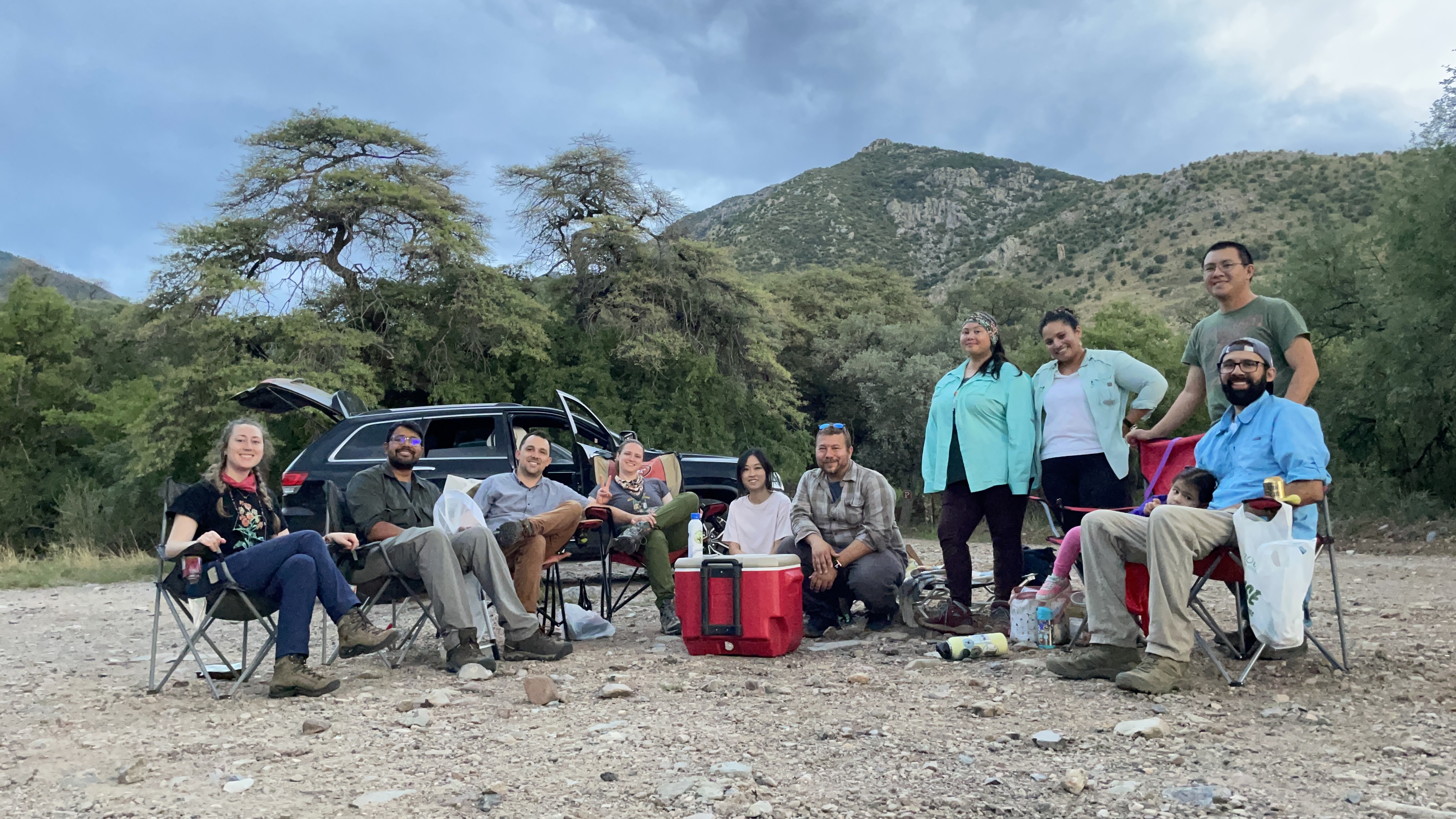
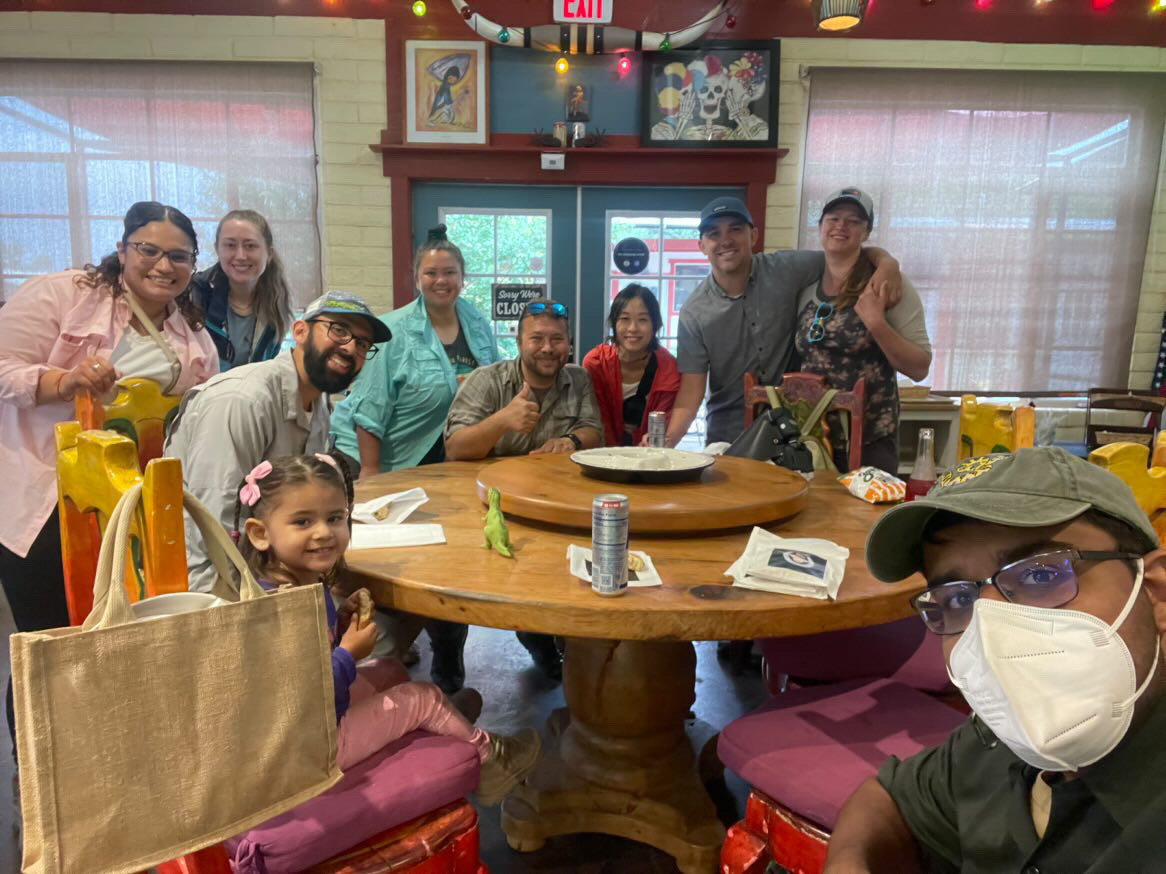
With the trip in 2022 having gone extremely well, I decided to keep the structure for 2023 the same and utilize another airbnb for lodging. This time however, I chose a place that was much more secluded and much larger than the previous airbnb. I also increased the size of the group for this year and it ended up being a whole lot more fun!
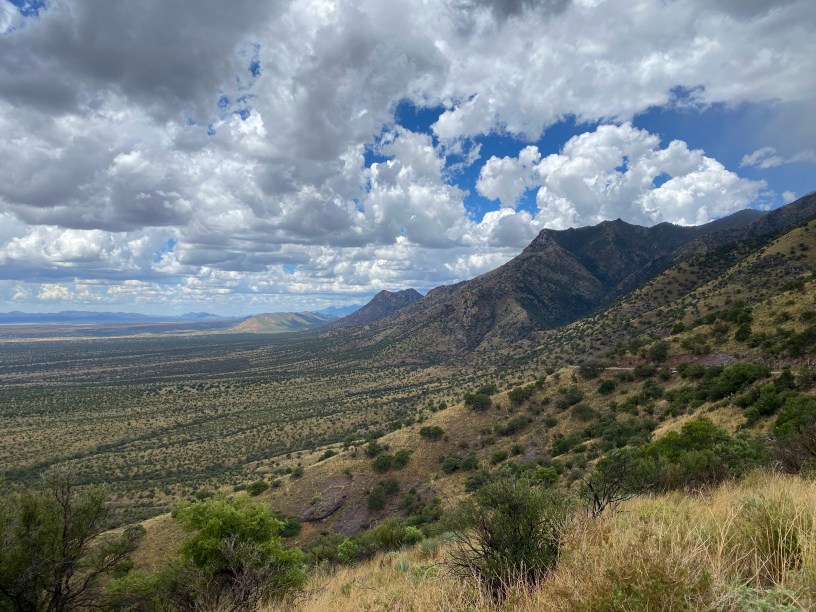
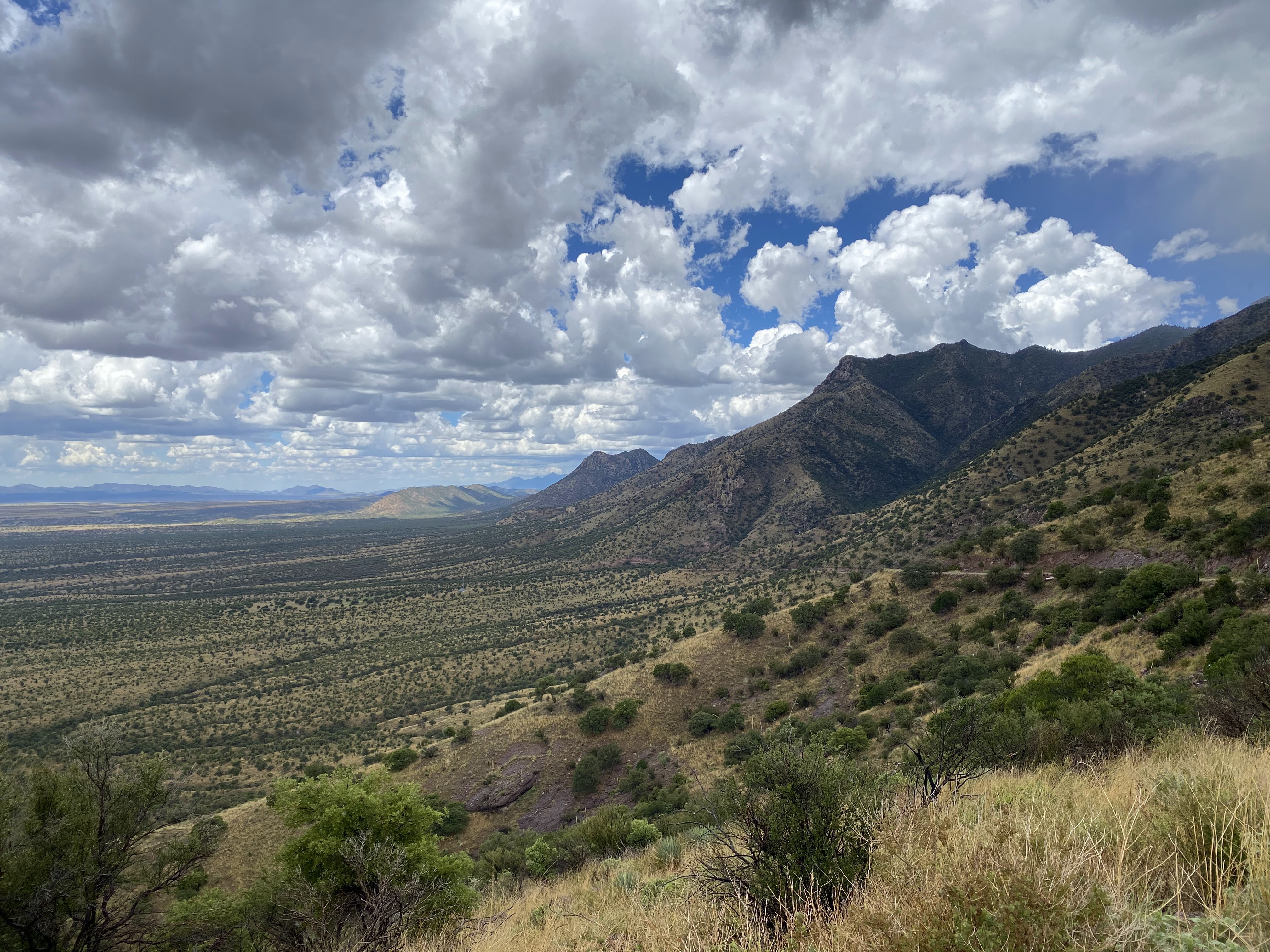
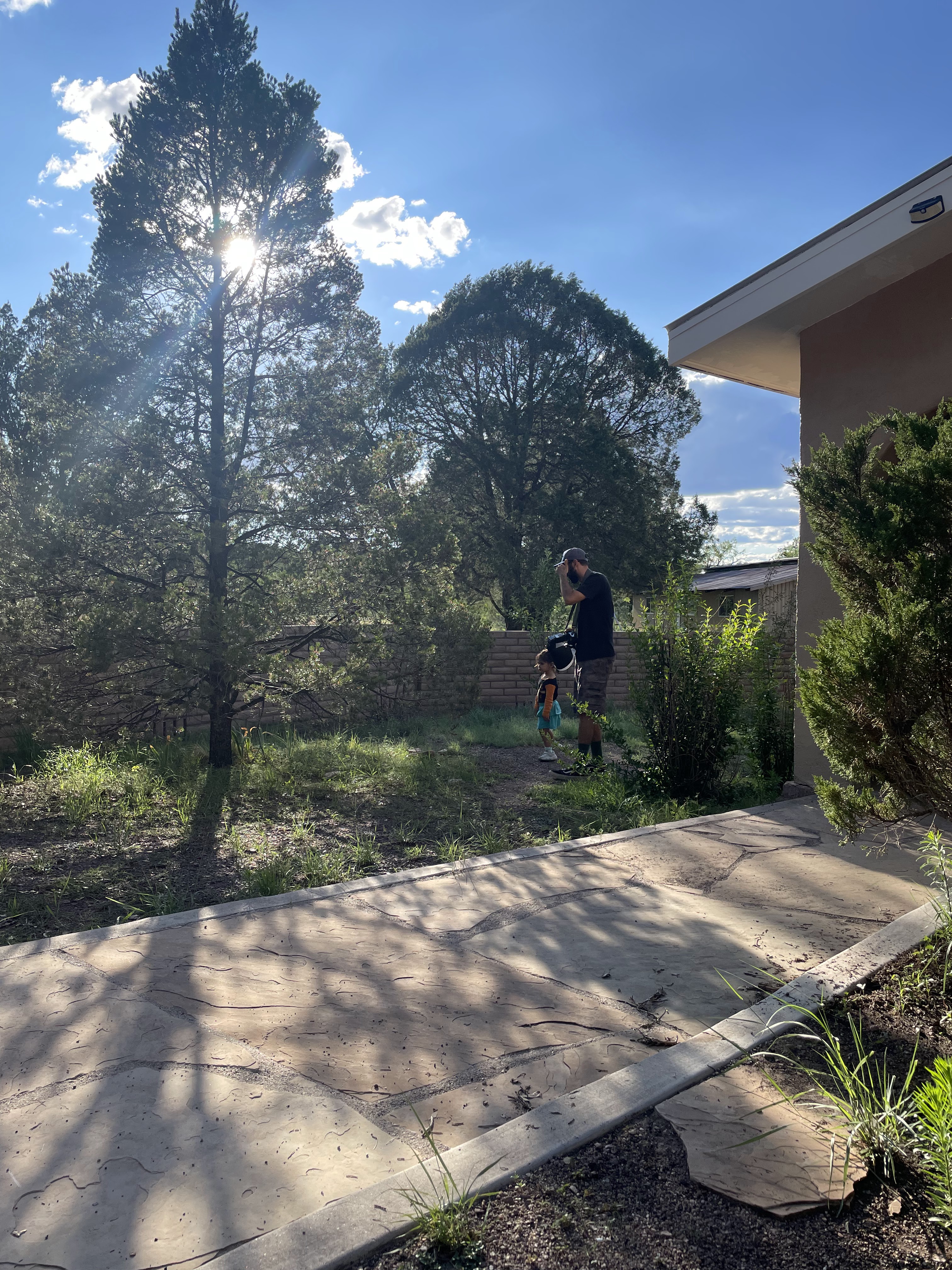
This year’s home base was in an area between a small town called Canelo and Parker Canyon Lake. The place we were staying was just about the halfway point between the two locations, which was both convenient and slightly inconvenient at the same time. The location made trips to areas we wanted to visit much easier, but as a result we ended up being much further from any large towns/cities that had supplies we might need. Despite the challenges, this was still one of the best places we’ve stayed at in recent years.
New Lodging, New Experiences
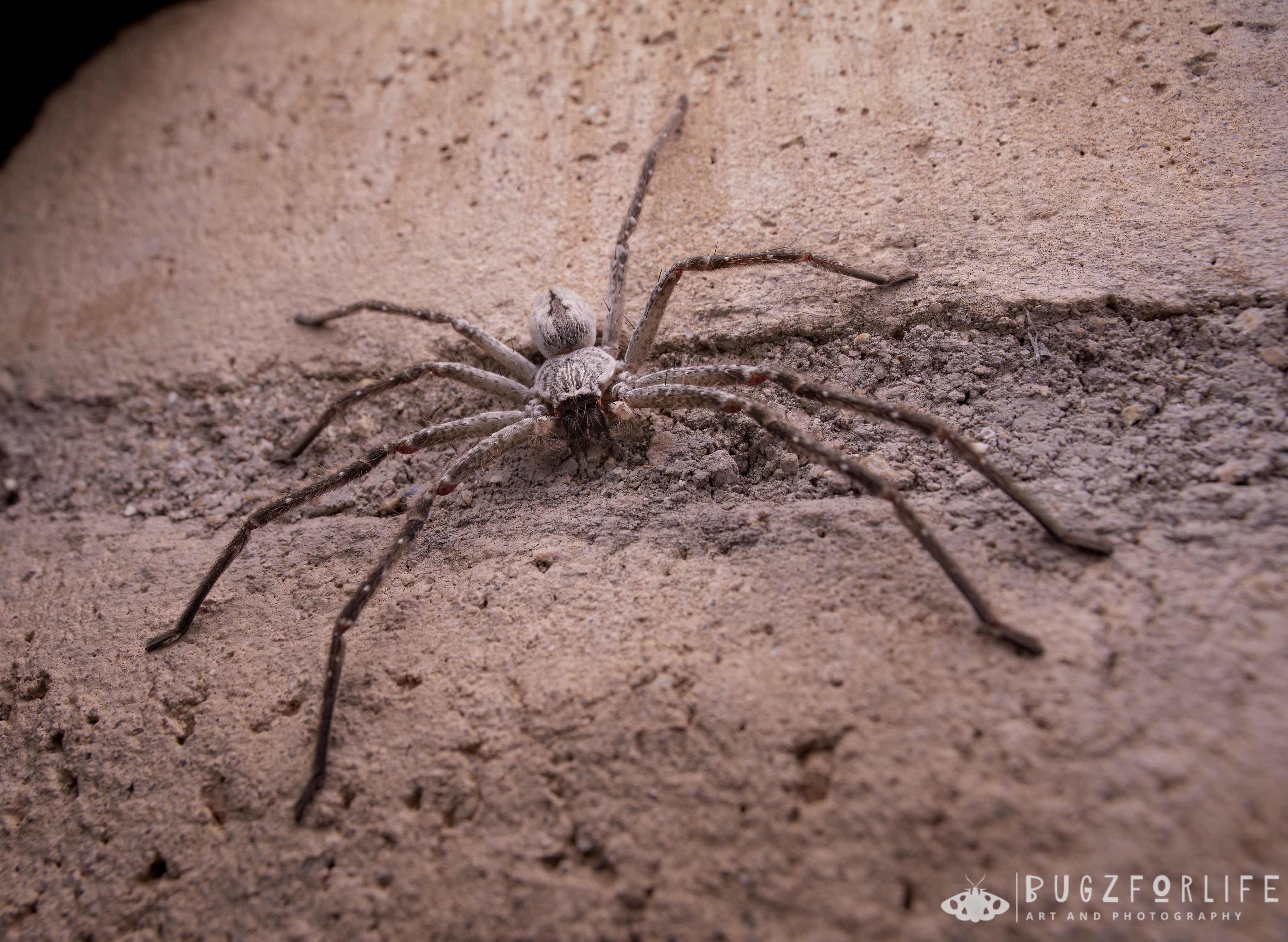
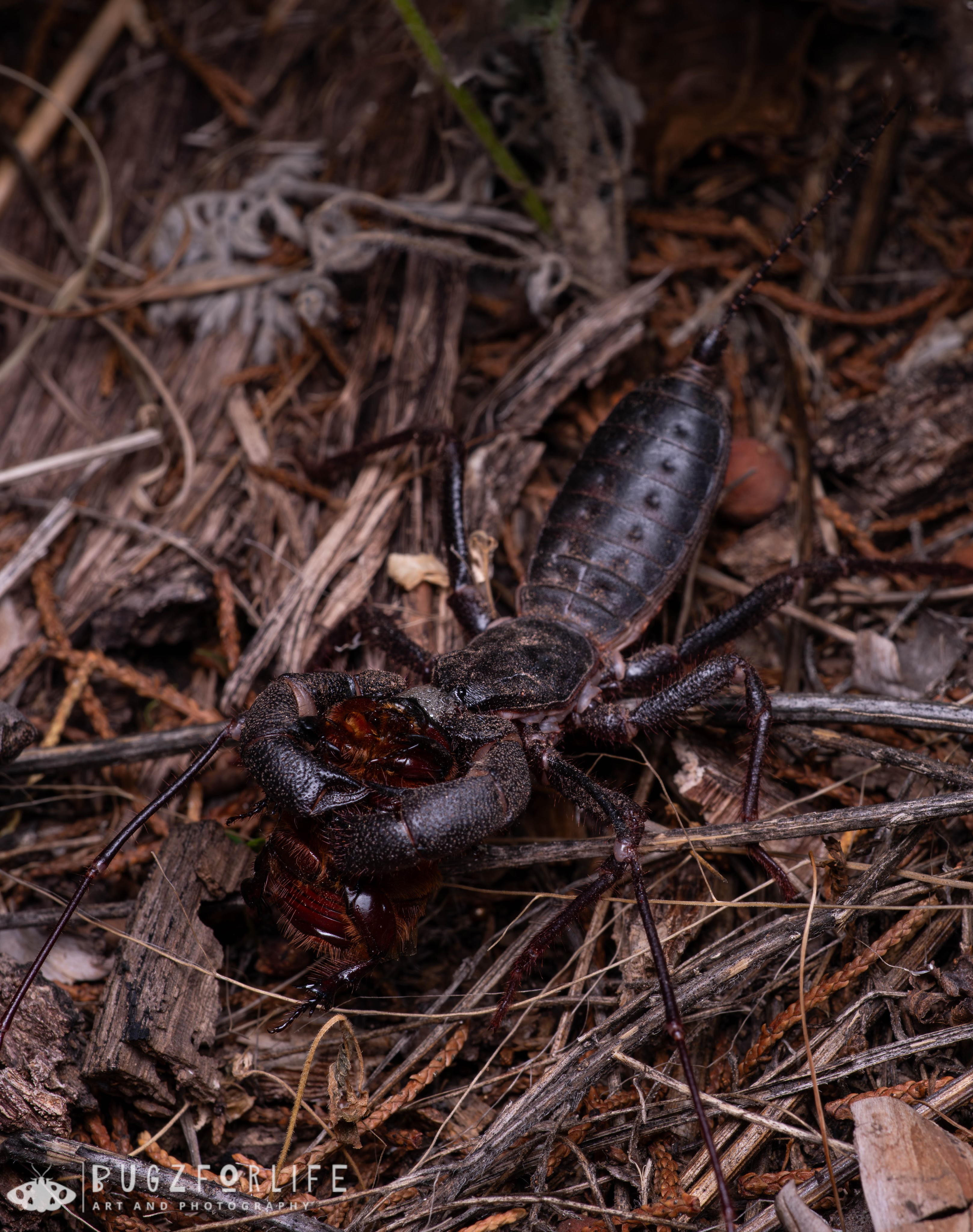
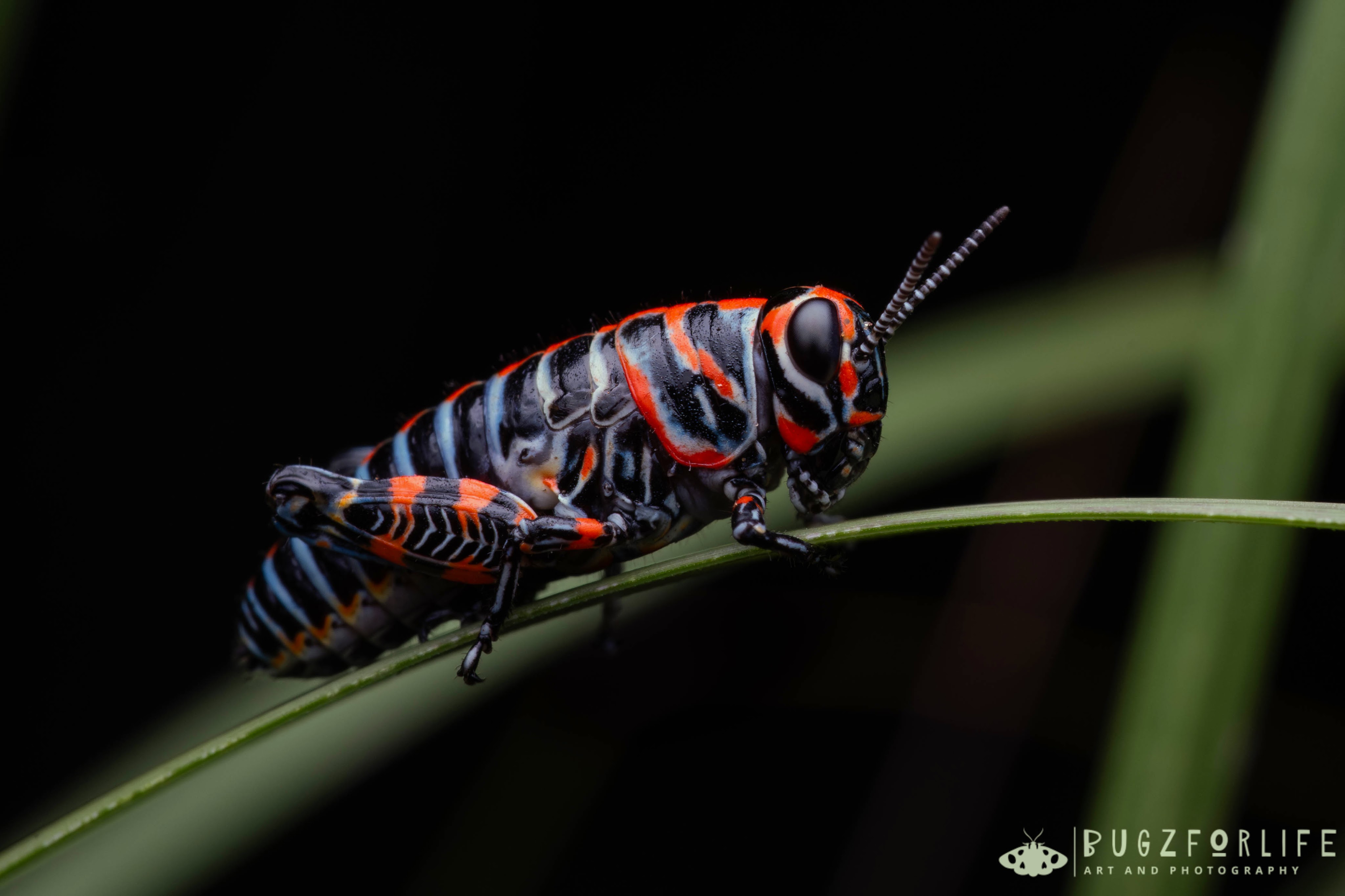
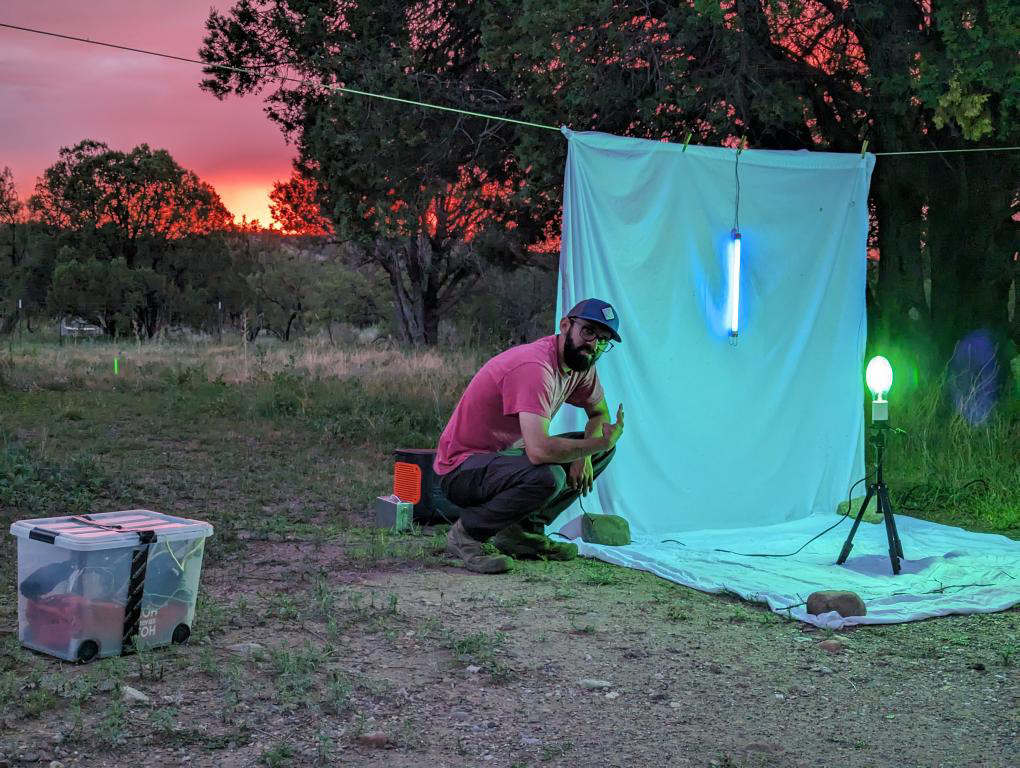
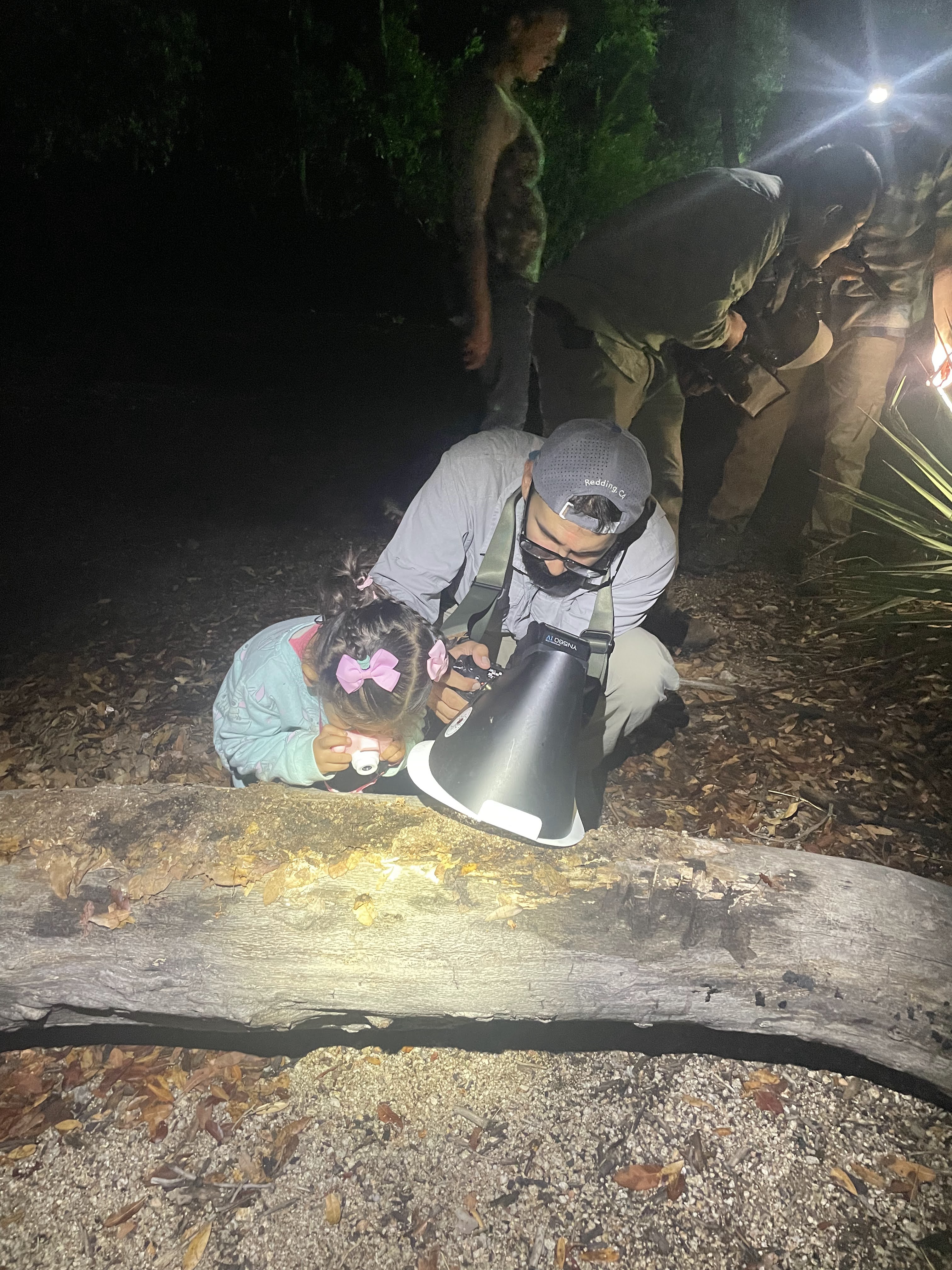
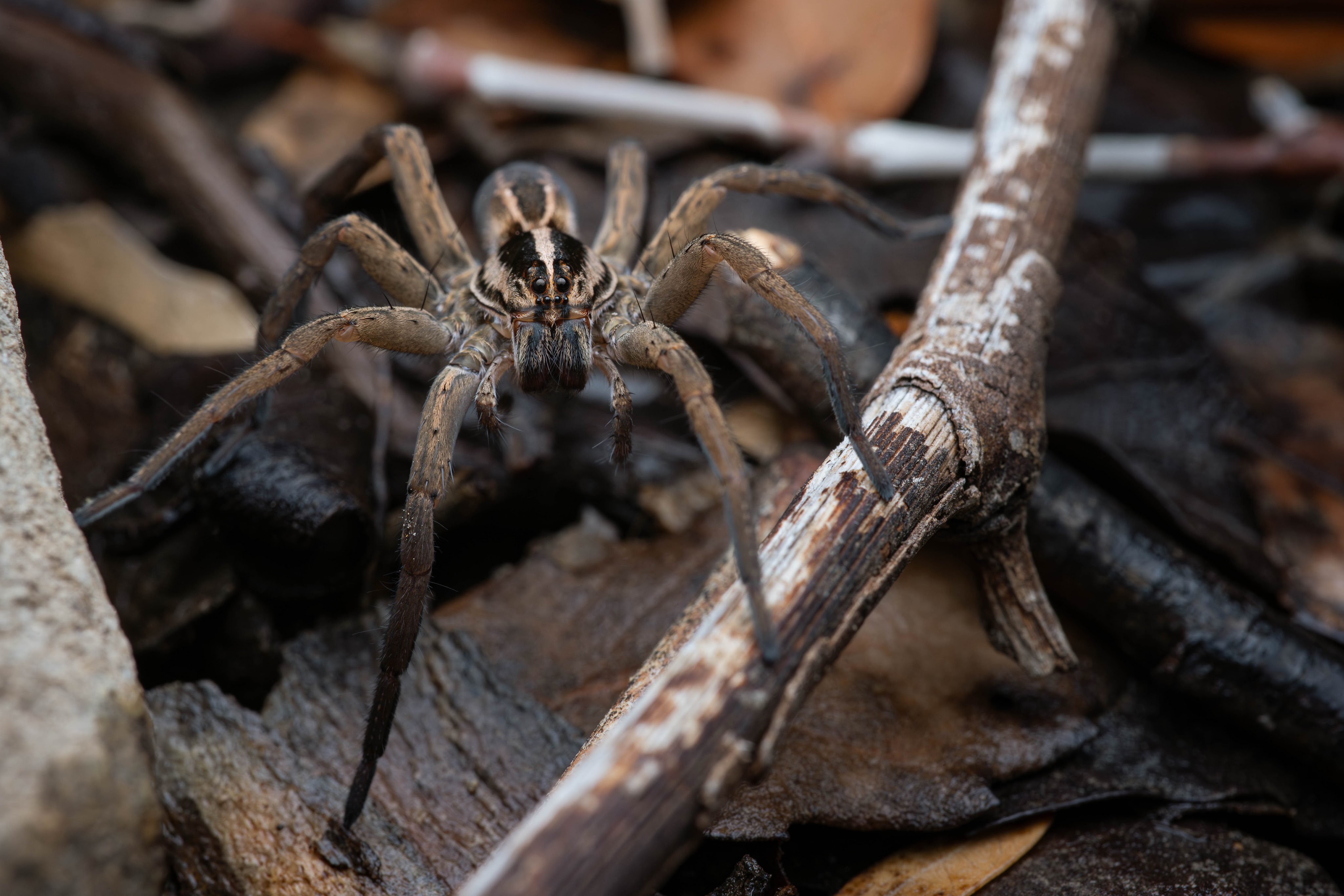
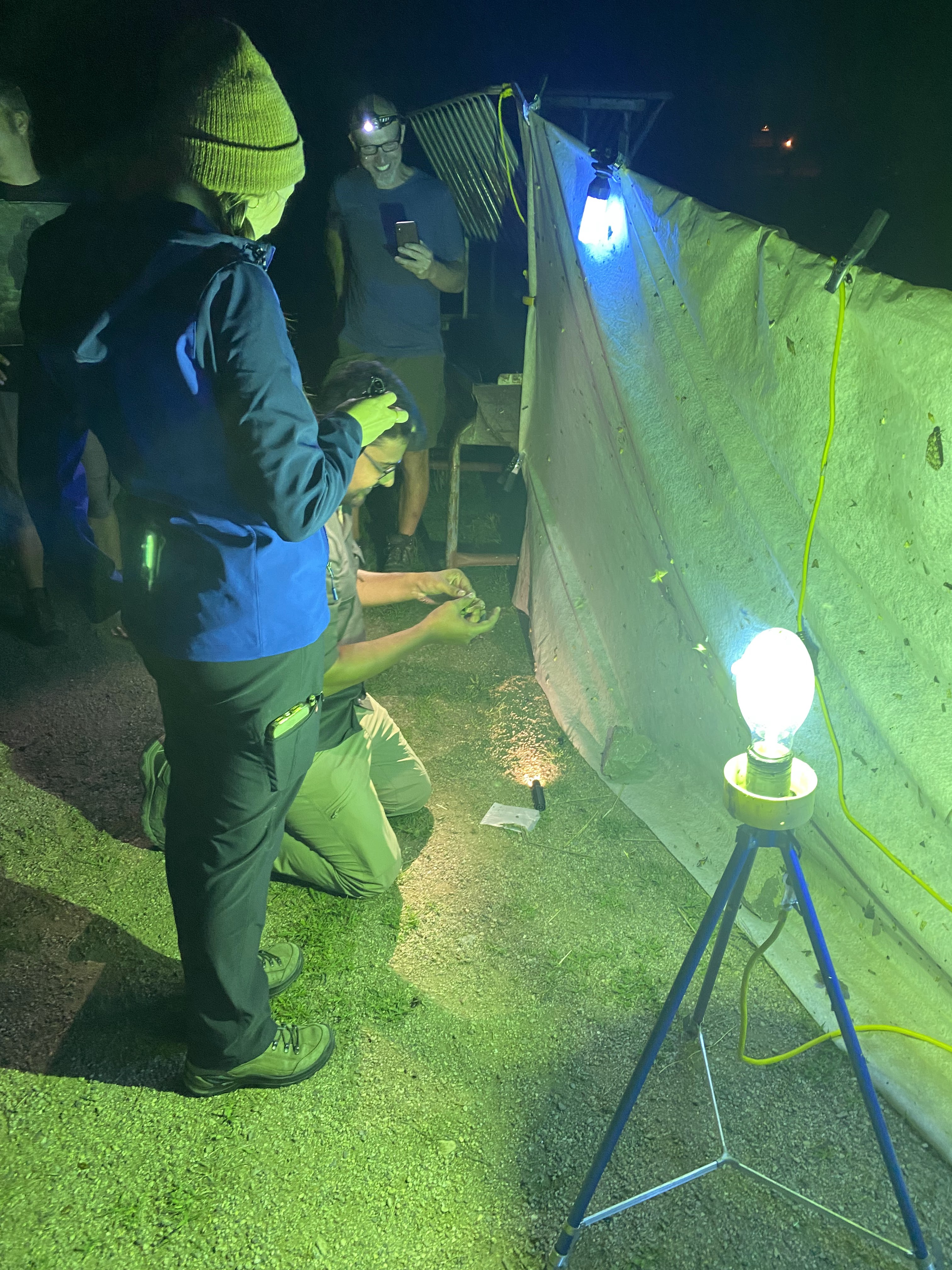
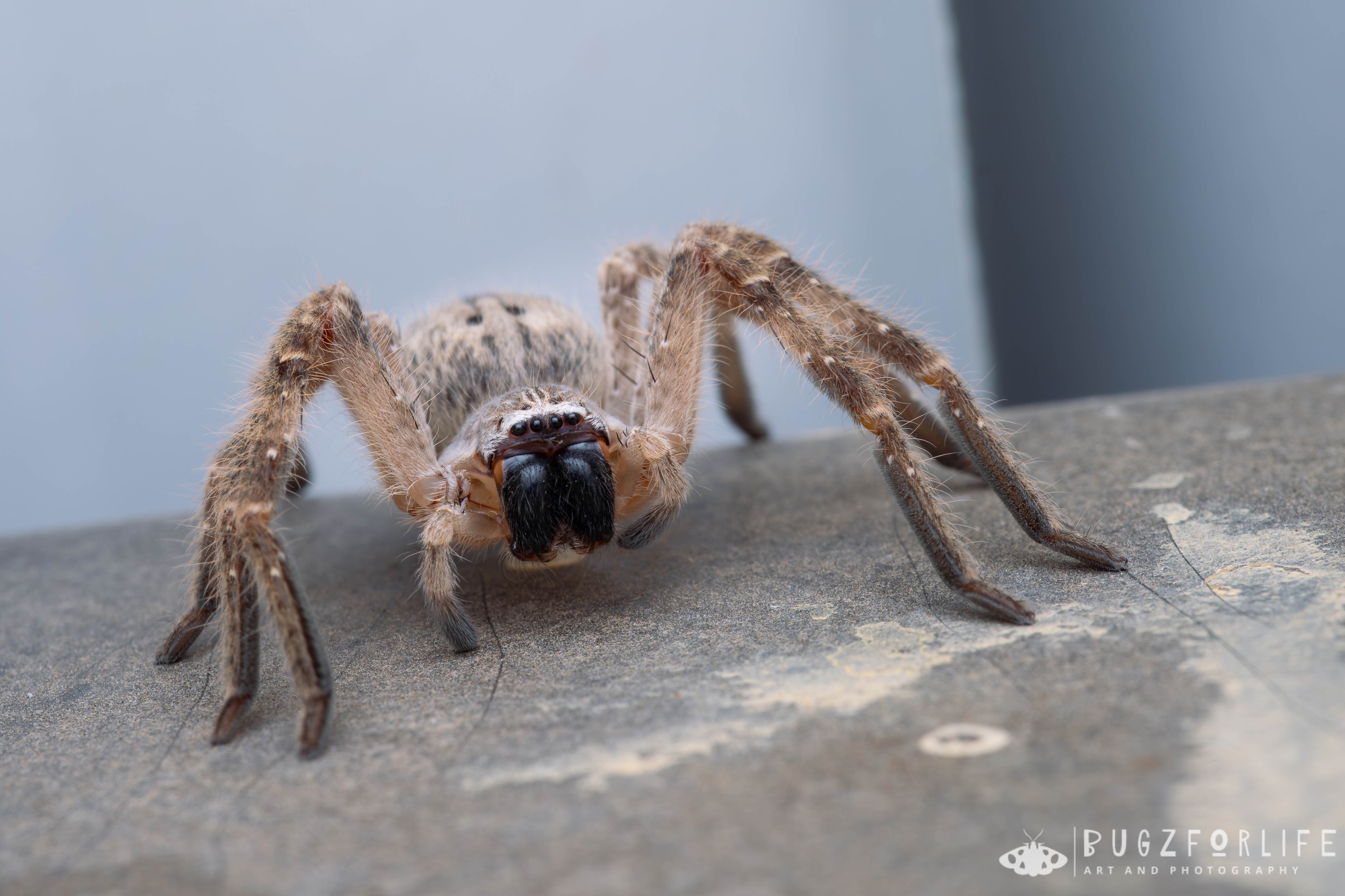
After getting situated in our new airbnb, we quickly set up the blacklight sheet and began exploring the surrounding area. With plenty of eyes looking around we quickly found some cool species, including a few our group had never seen before. As the sun began to set, we plugged in the blacklights and patiently waited for the insects to make their appearance on the sheet. Before the first insects appeared on the sheet we found a large vinegaroon, a rainbow grasshopper nymph, and some fairly large huntsman spiders.
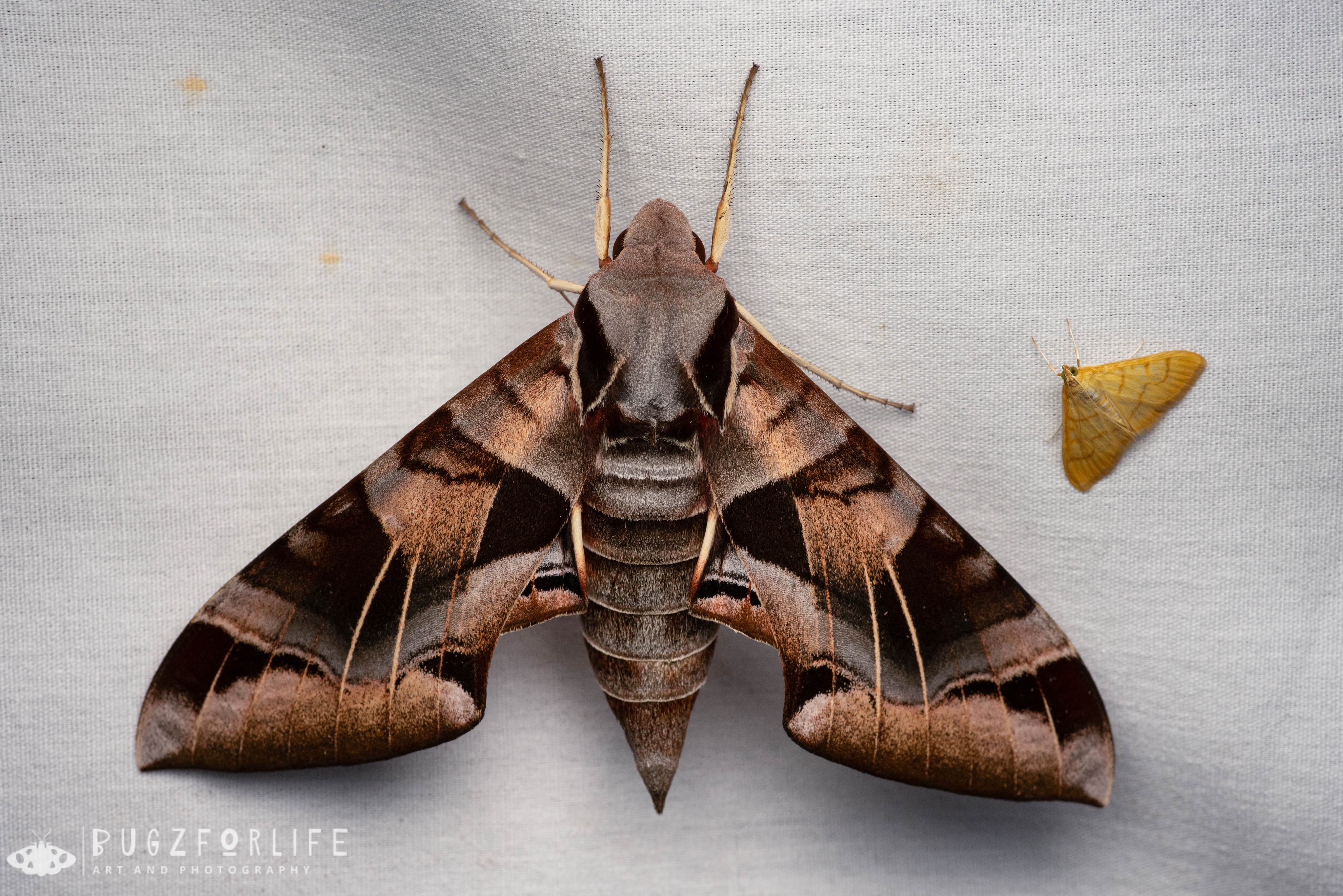
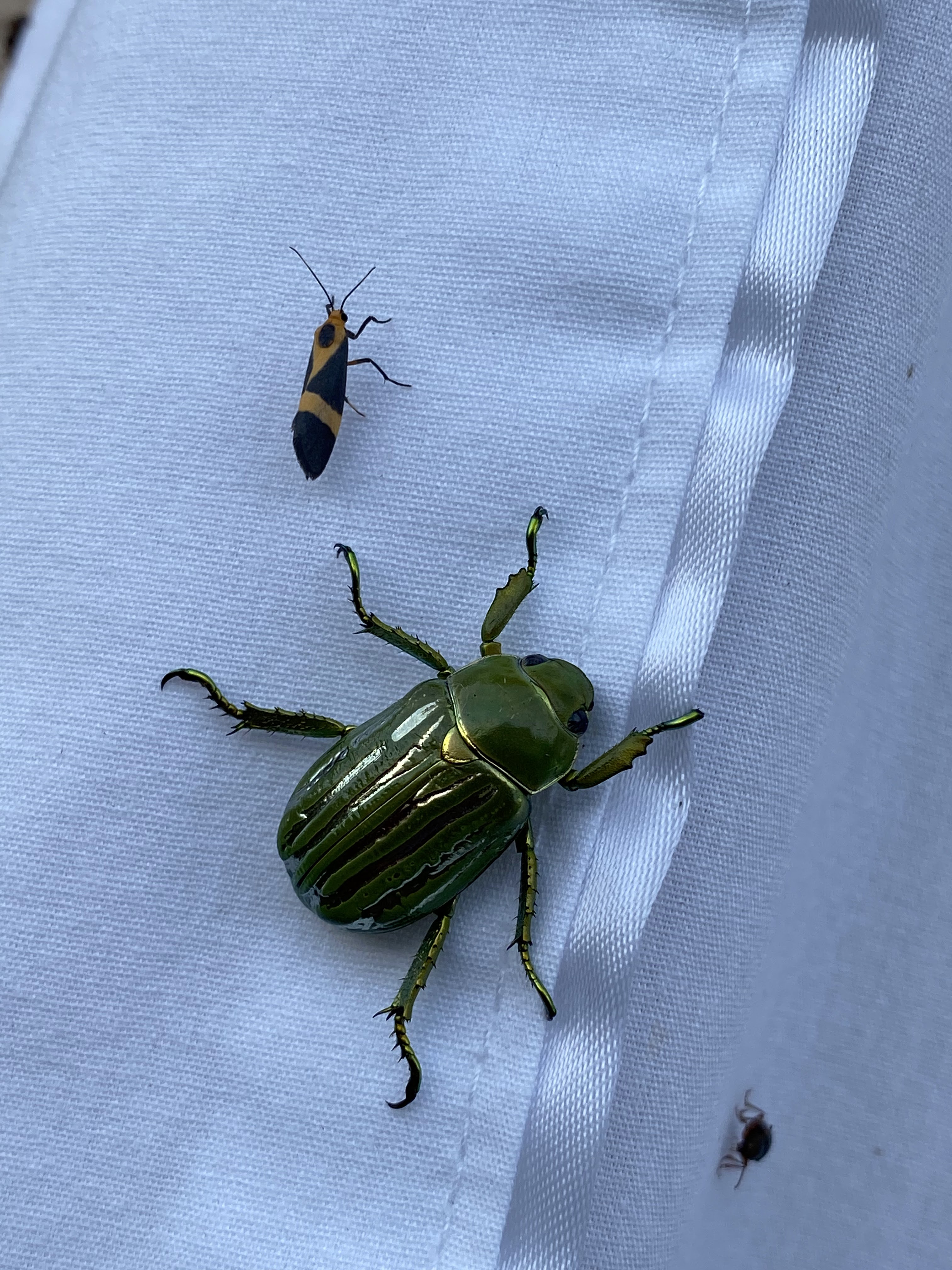
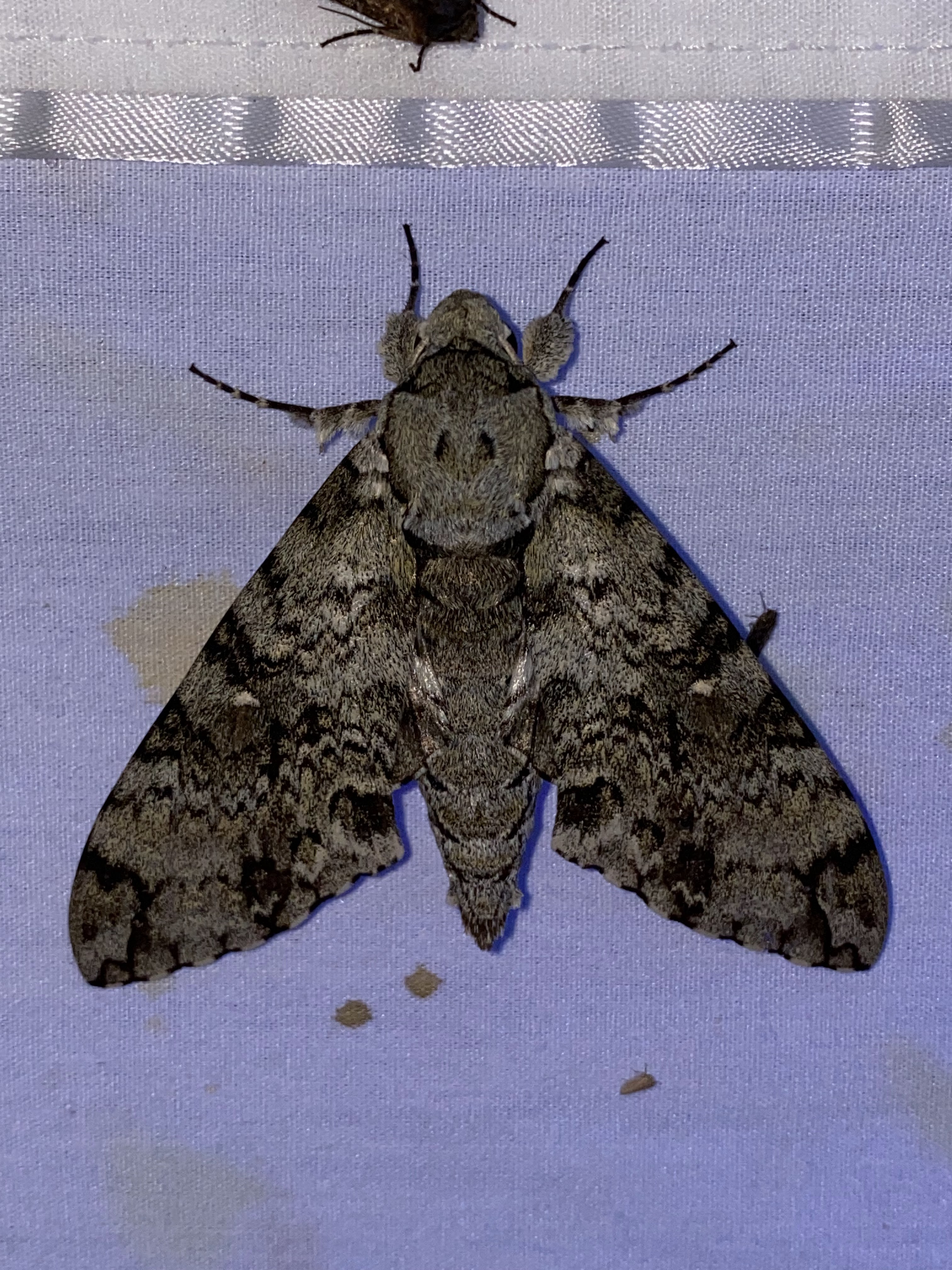
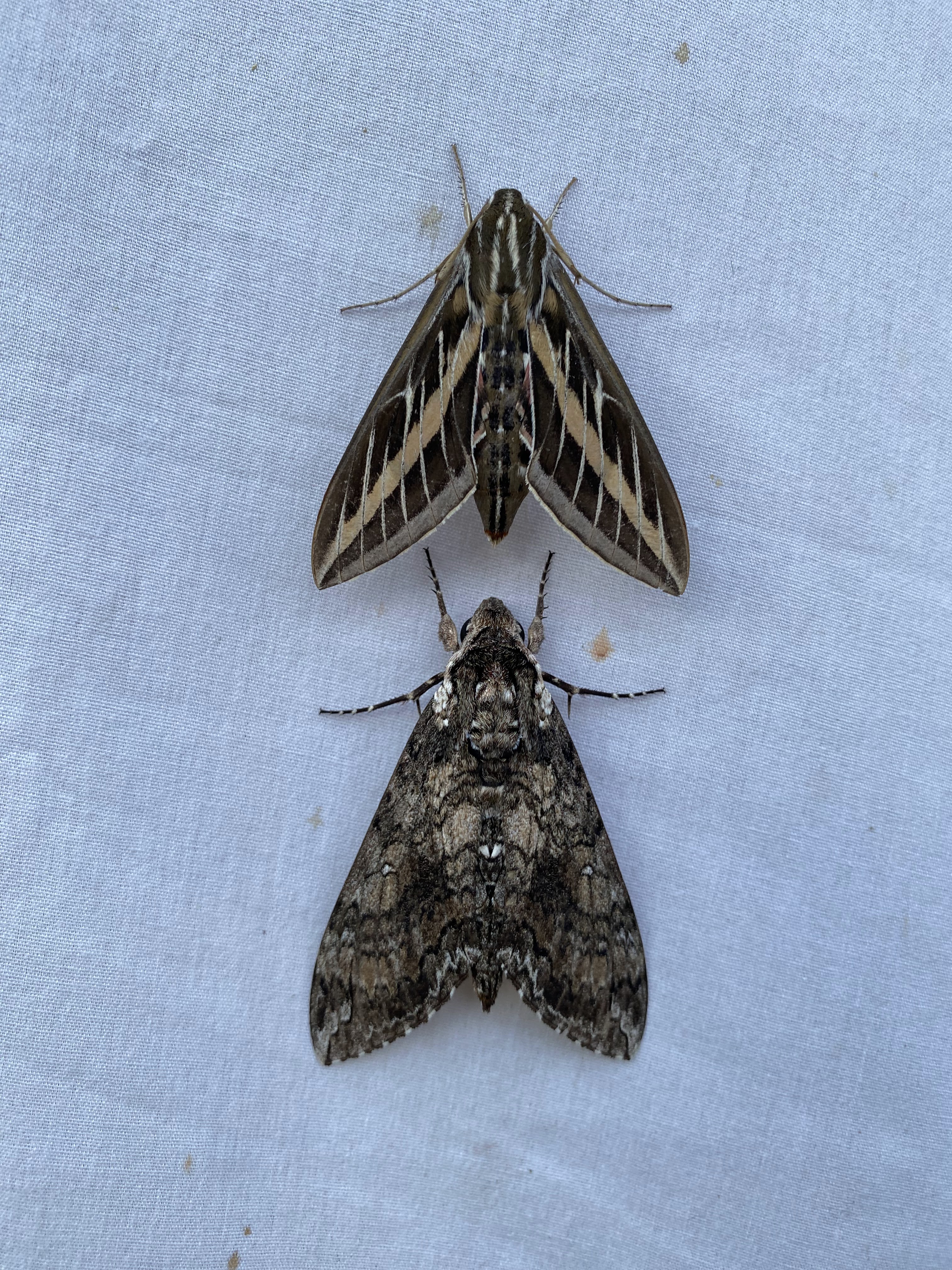
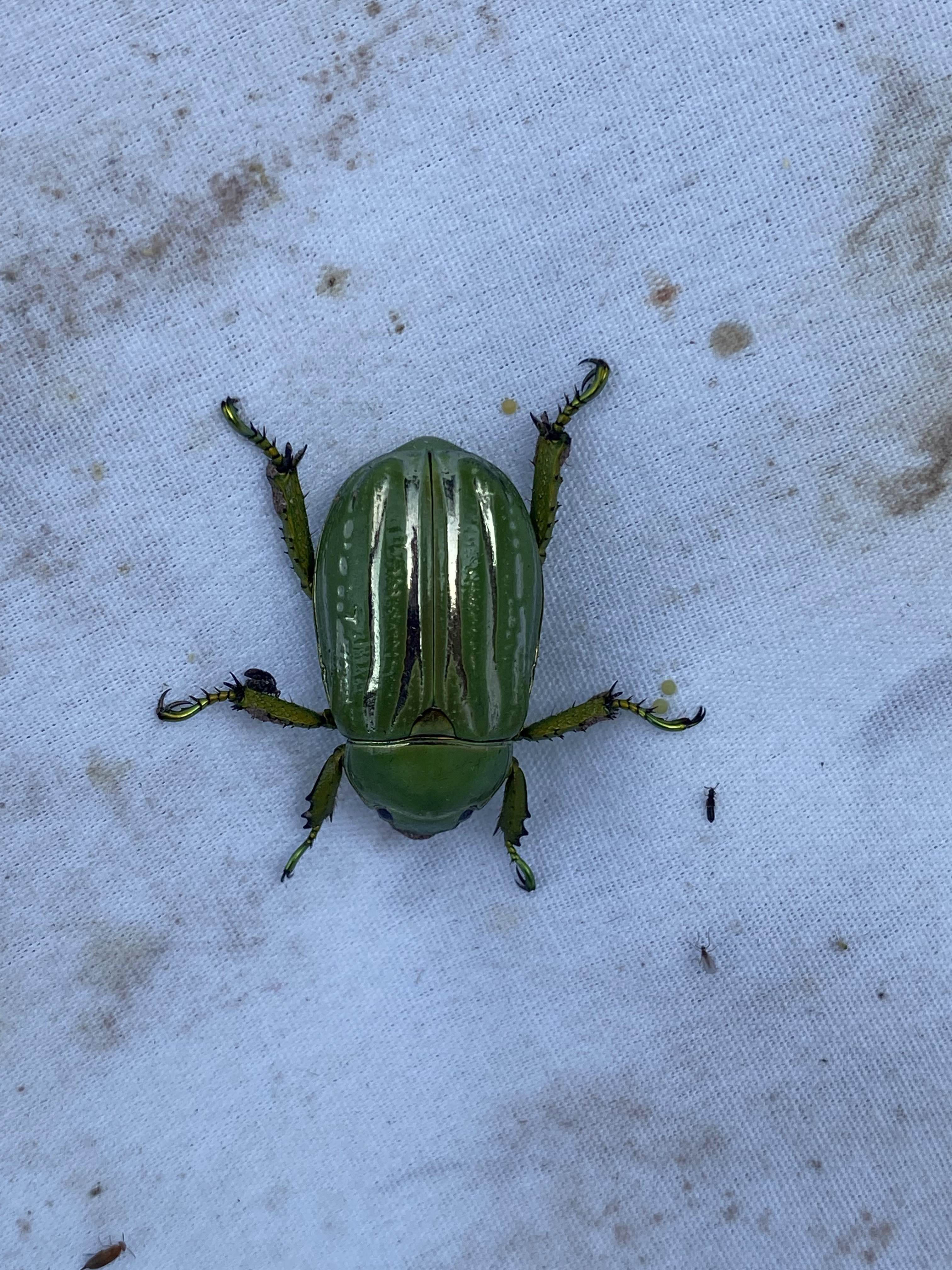
Once the sun finally set and the sky slowly began to darken, the insects made their way to the sheet. At first it was just a few moths and maybe a beetle or two, but as the evening went on, plenty of other guests showed up to the lights. We didn’t stay up too late but I was overjoyed by what was on the sheet before I fell asleep and was looking forward to what would be on there when I woke up. The typical suspects we anticipated to show up through the night thankfully did. Chrysina gloriosa, Eumorpha typhon, and Dicogaster coronada were just a few I was able to quickly ID early the next morning.
Once the rest of the group woke up we all ate breakfast and got ourselves ready for the day. We decided to explore Parker Canyon Lake for a little while since it wasn’t that far down the road. The area was noticeably drier than previous years, but there were still plenty of insects around. The catclaw acacias were thankfully still in bloom and their flowers attracted plenty of species for us to observe. We saw Arizona net-winged beetles (Lycus arizonensis), Zela metalmark butterflies (Apodemia zela), and plenty of flies and small bees.
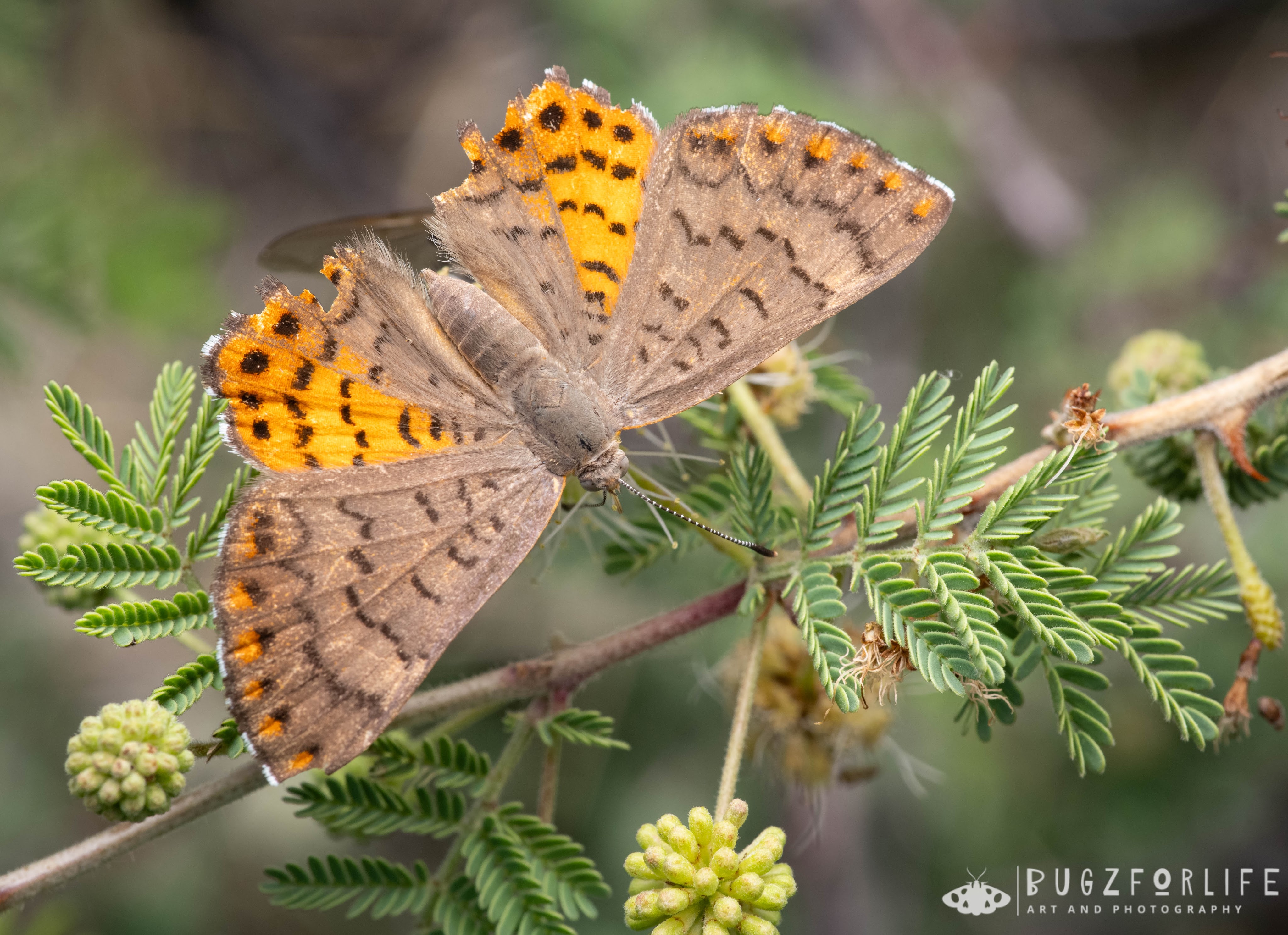
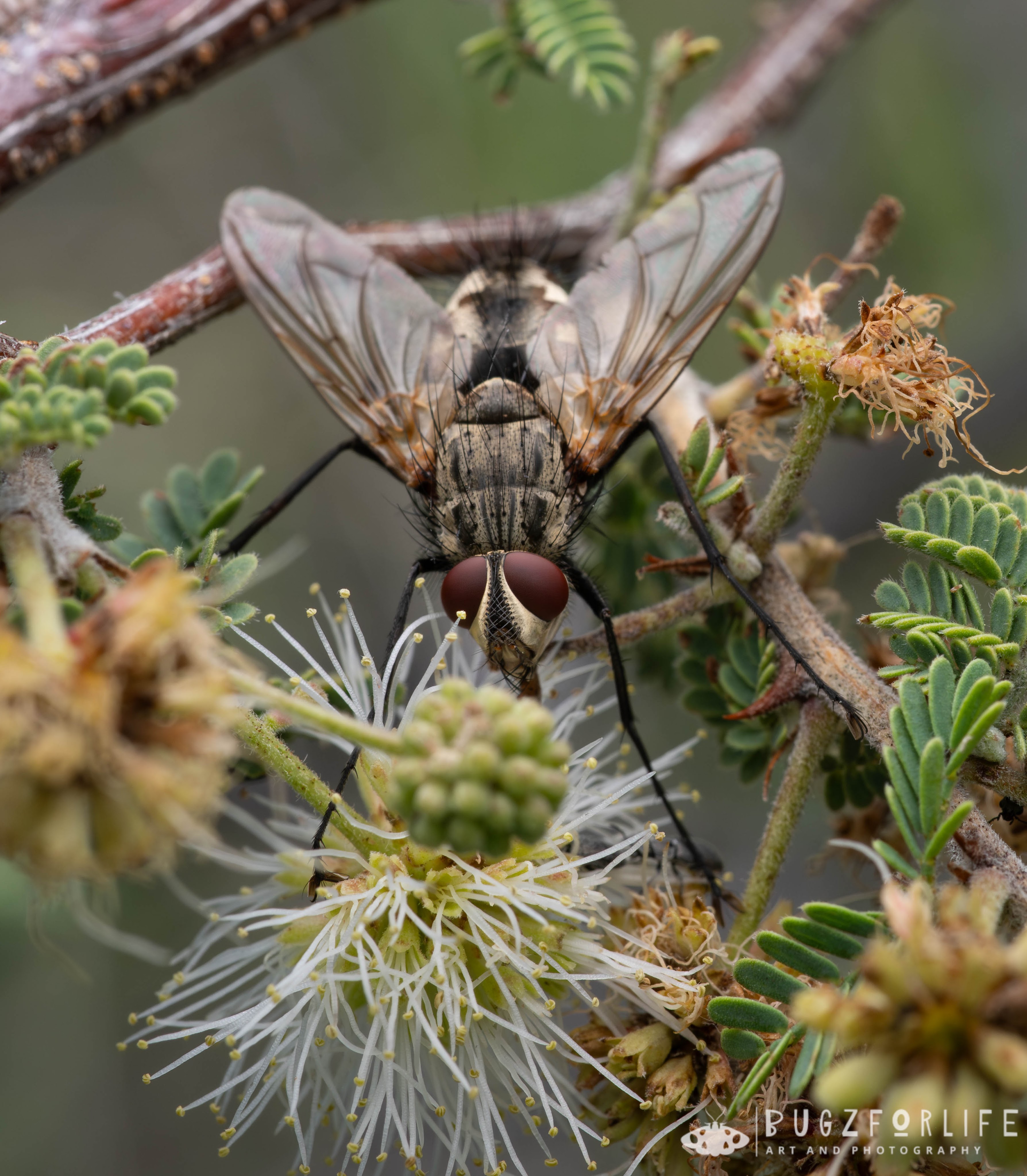
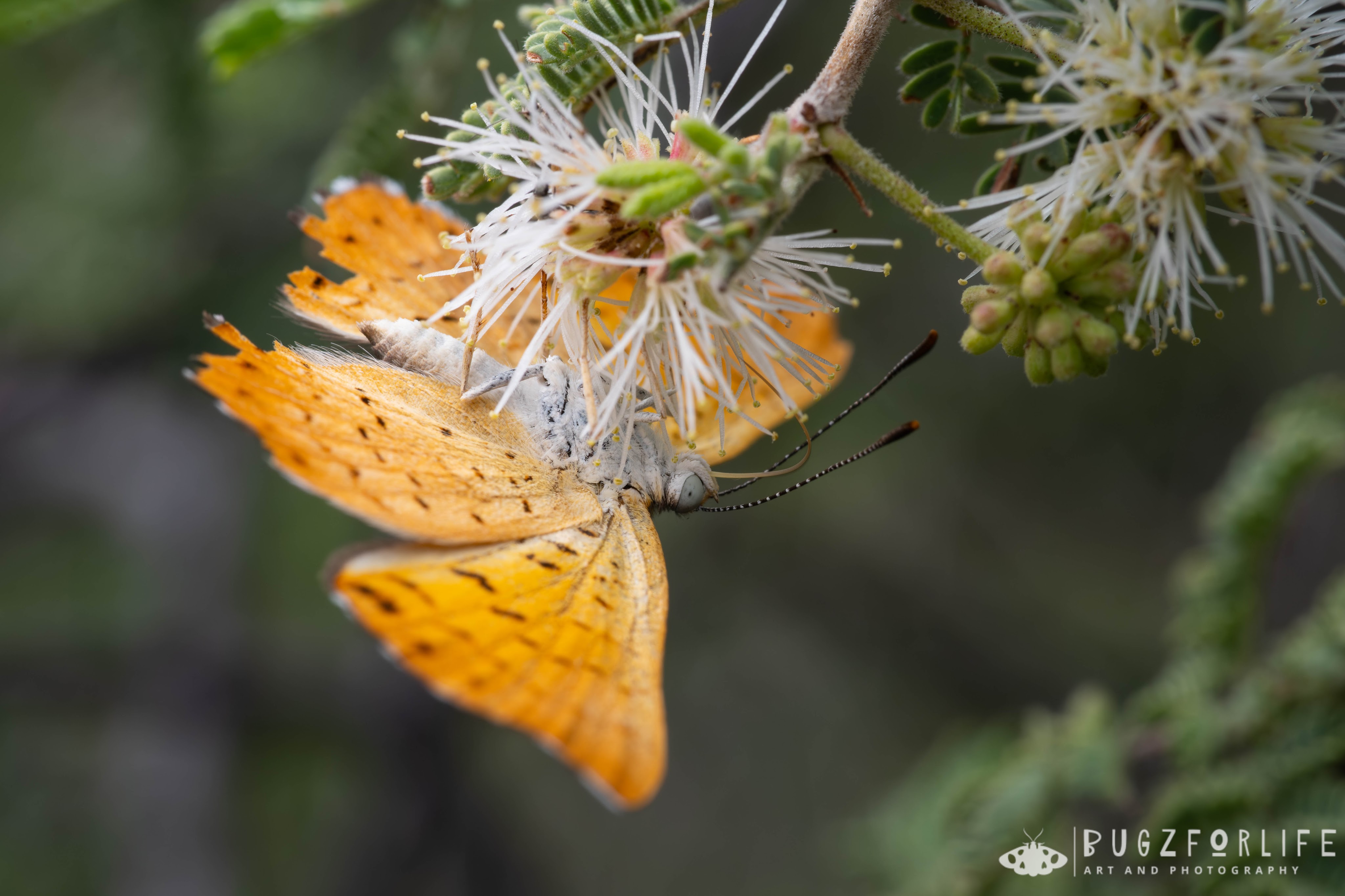
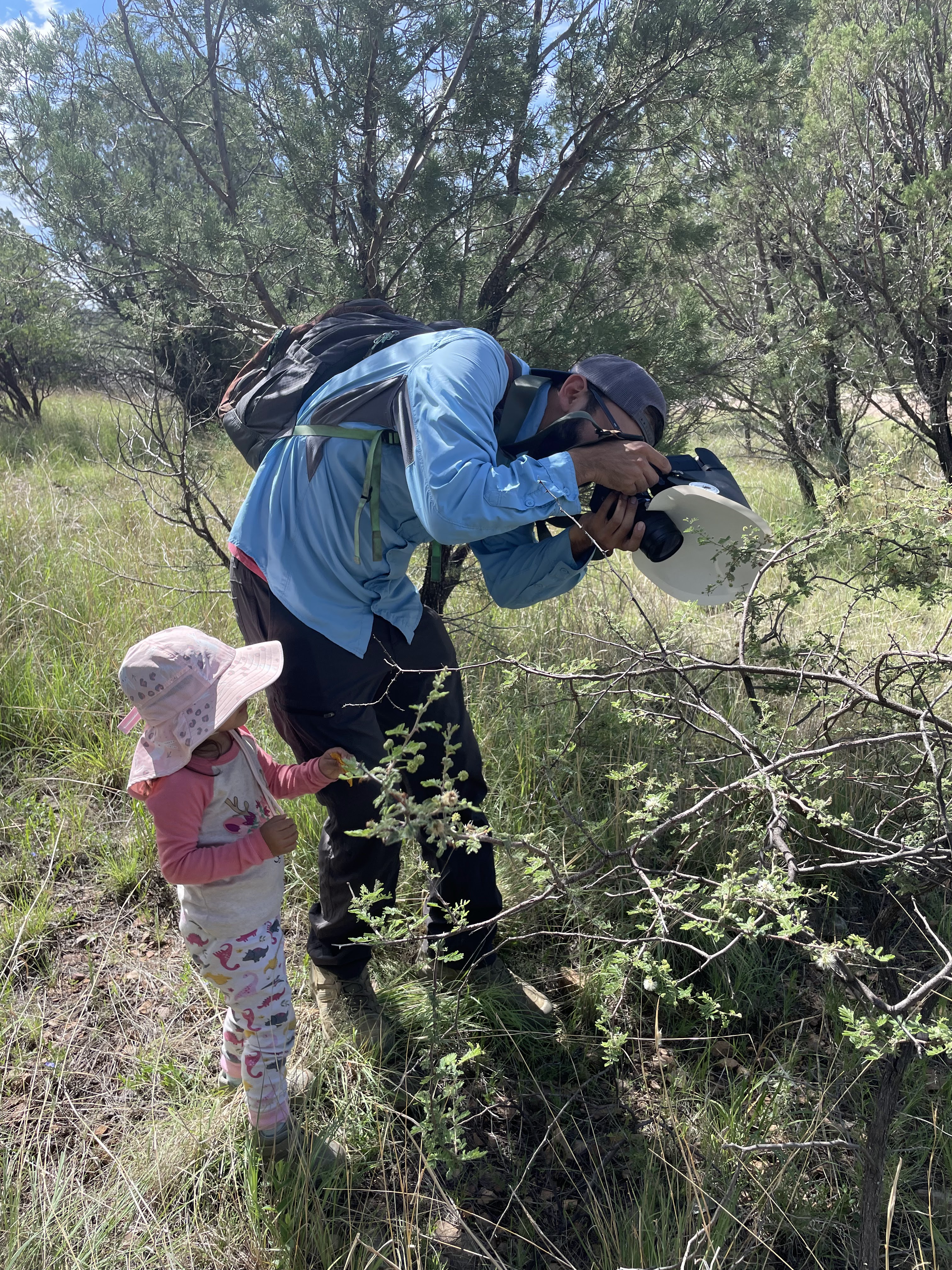
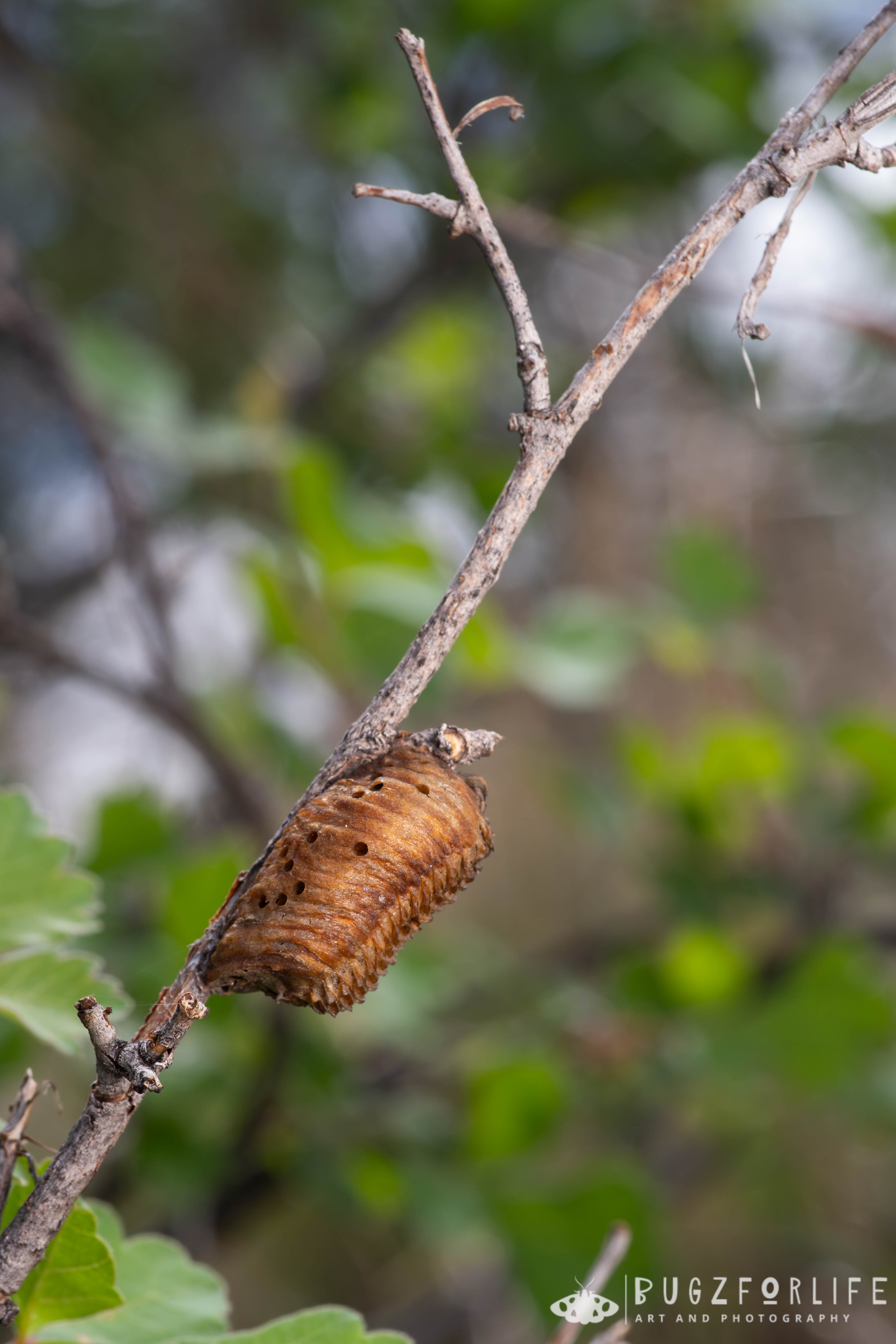
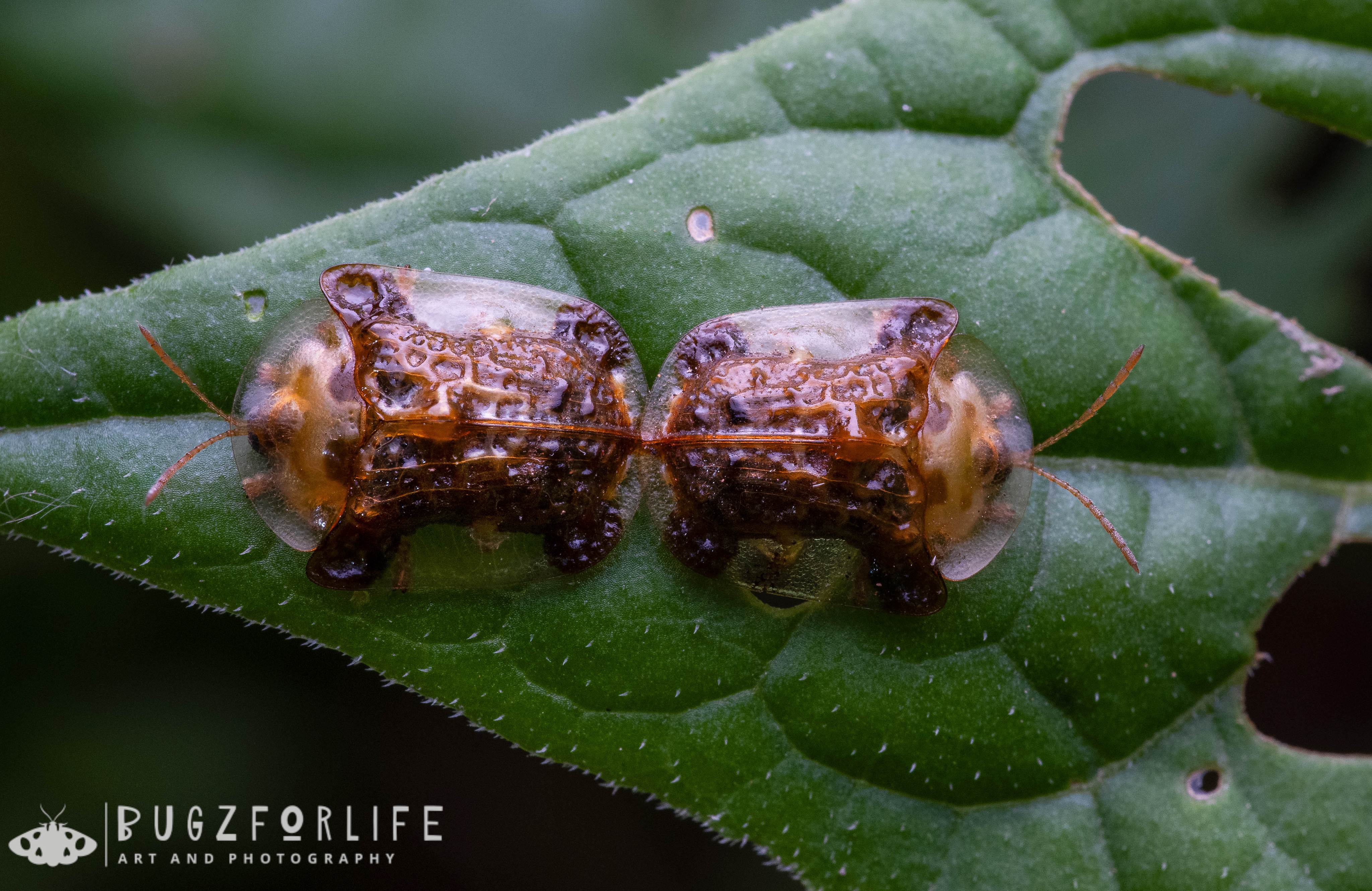
After about an hour we decided to head back to the airbnb and regroup to get a couple more supplies in town. As the evening approached, we explored around the property and found a couple more vinegaroons, quite a few tortoiseshell beetles, and plenty of other small insects. However, once the sun finally set and the blacklights grew brighter, the real party at the sheet began. Plenty of moths covered the sheet first, followed by a diversity of beetle species and a mix of other notable insects.
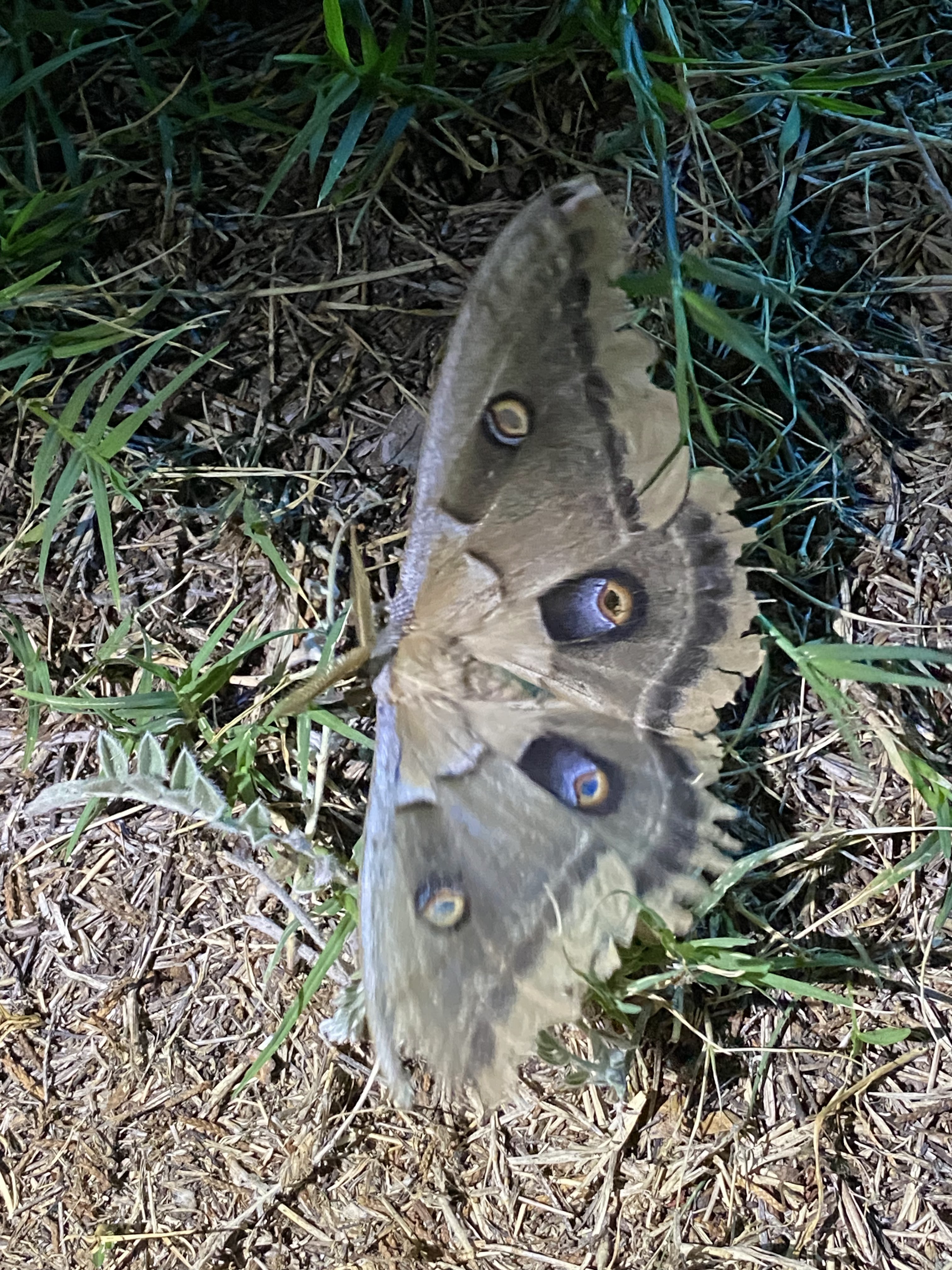
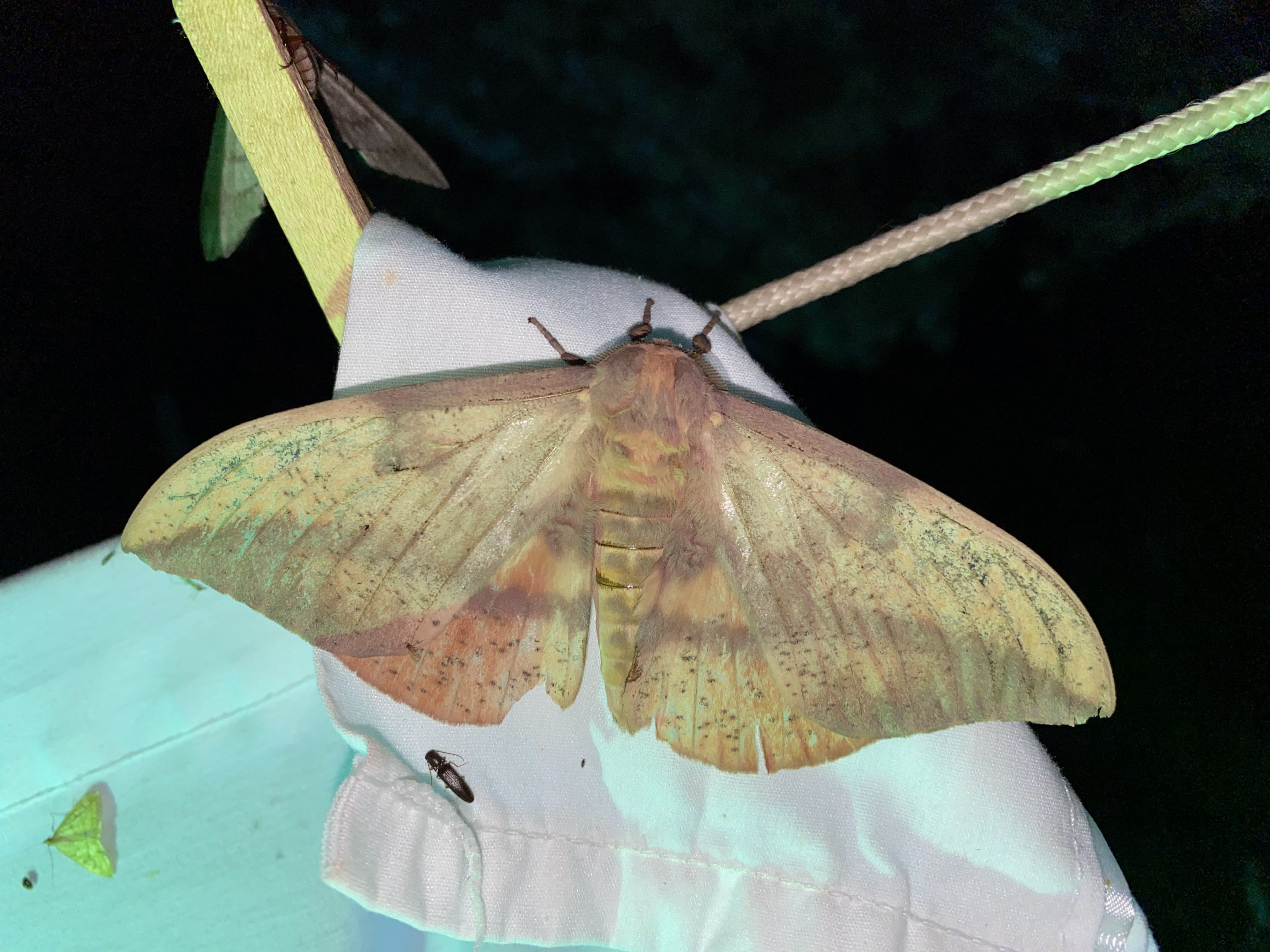
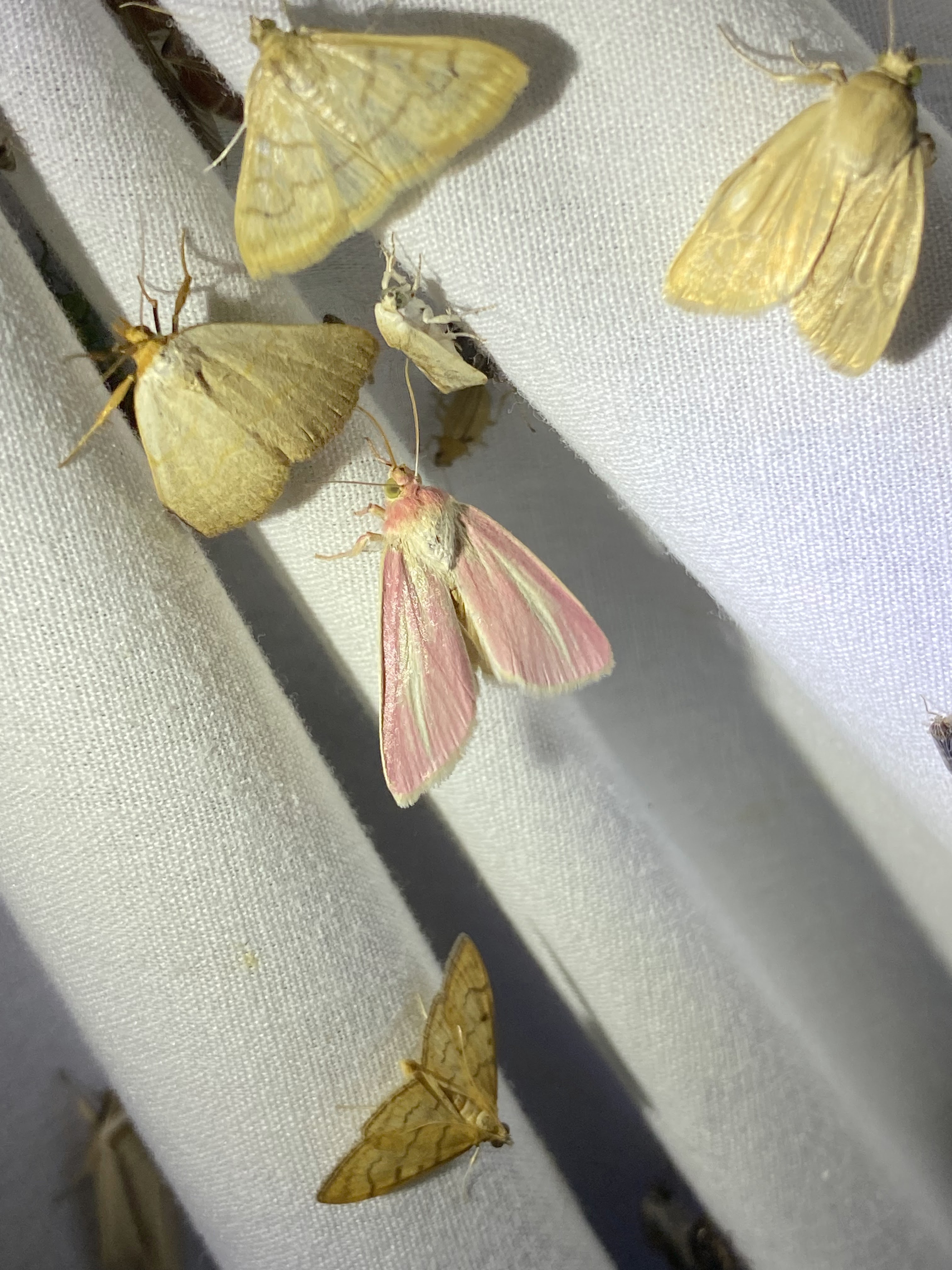
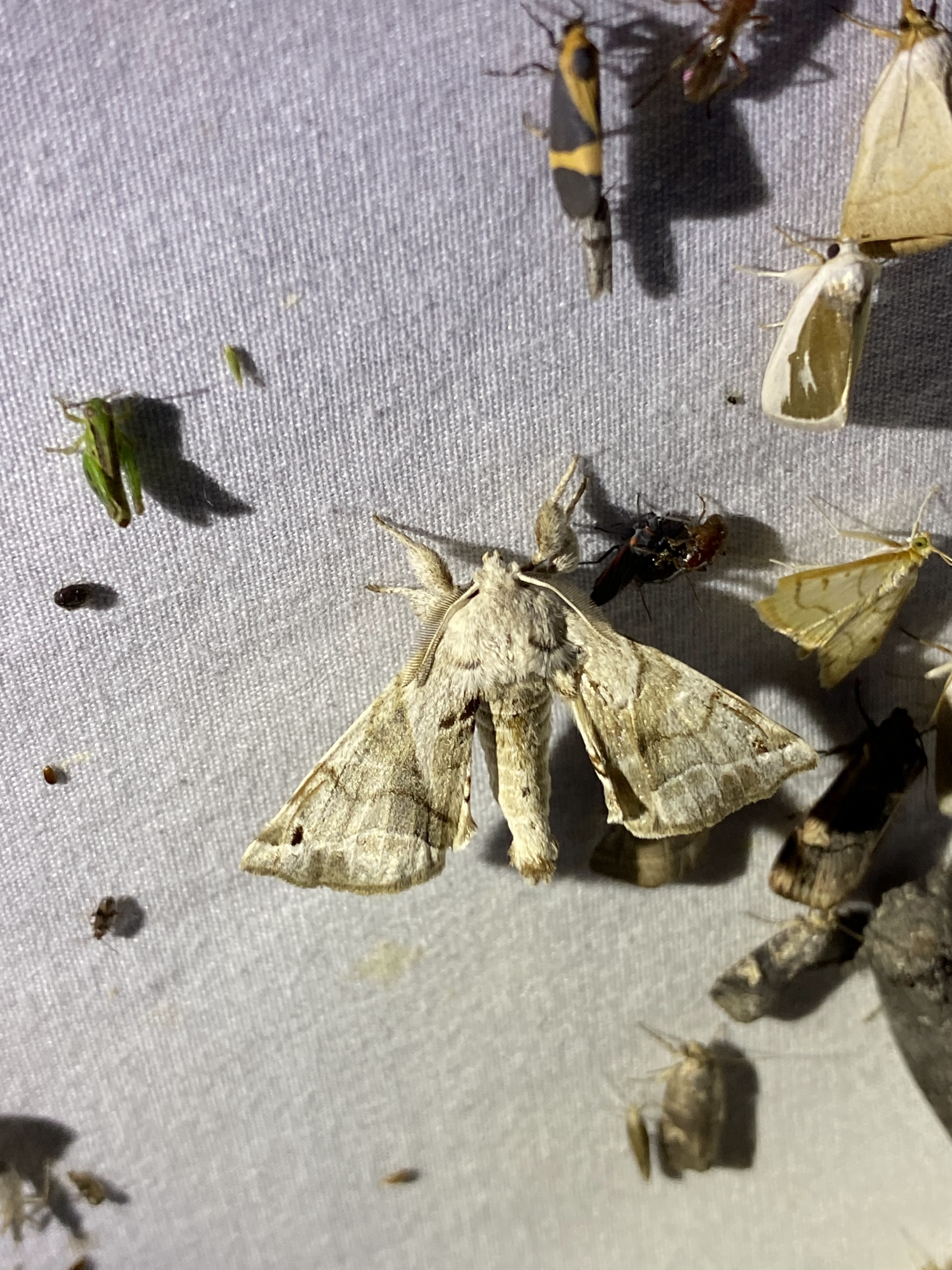
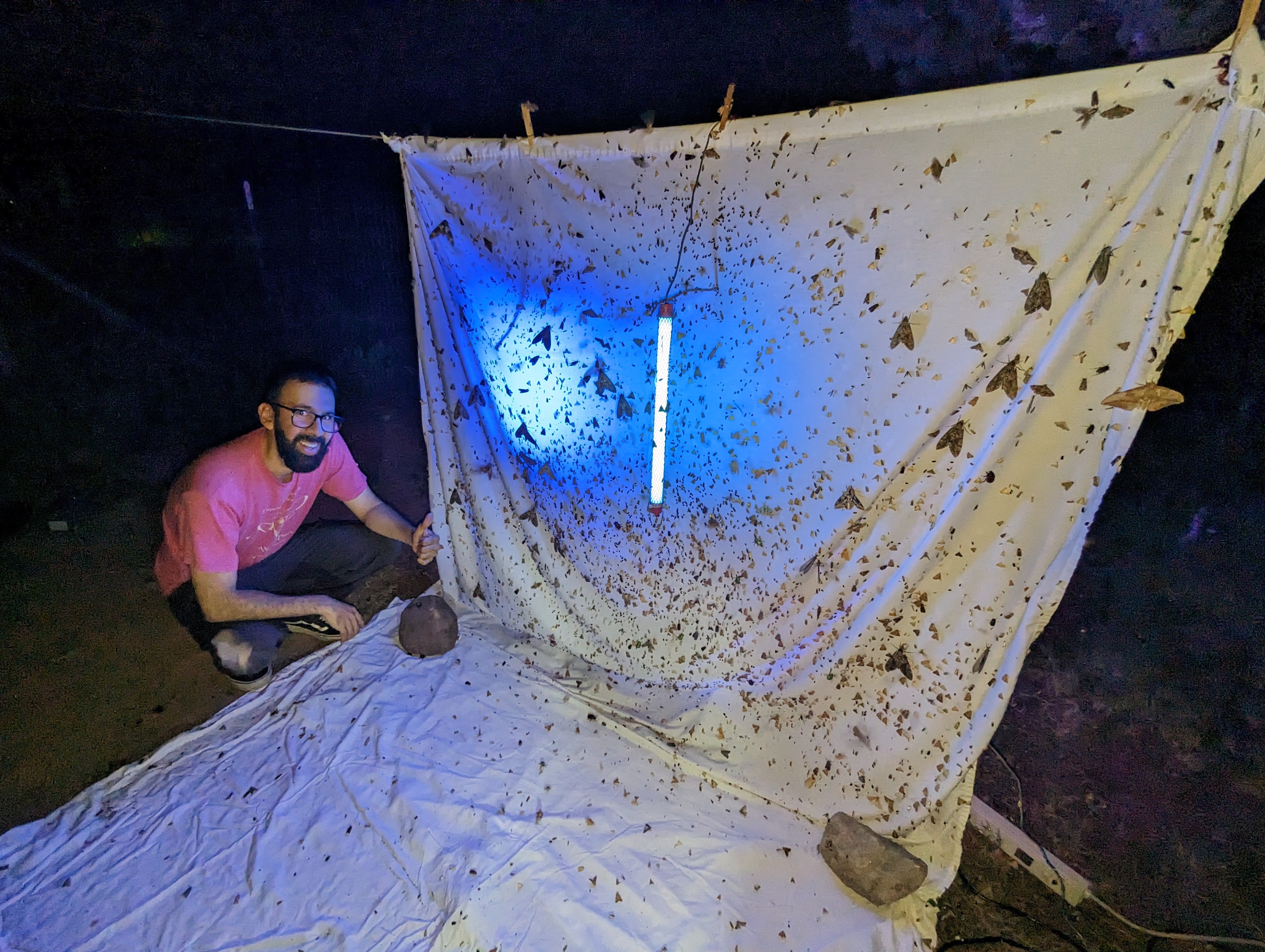
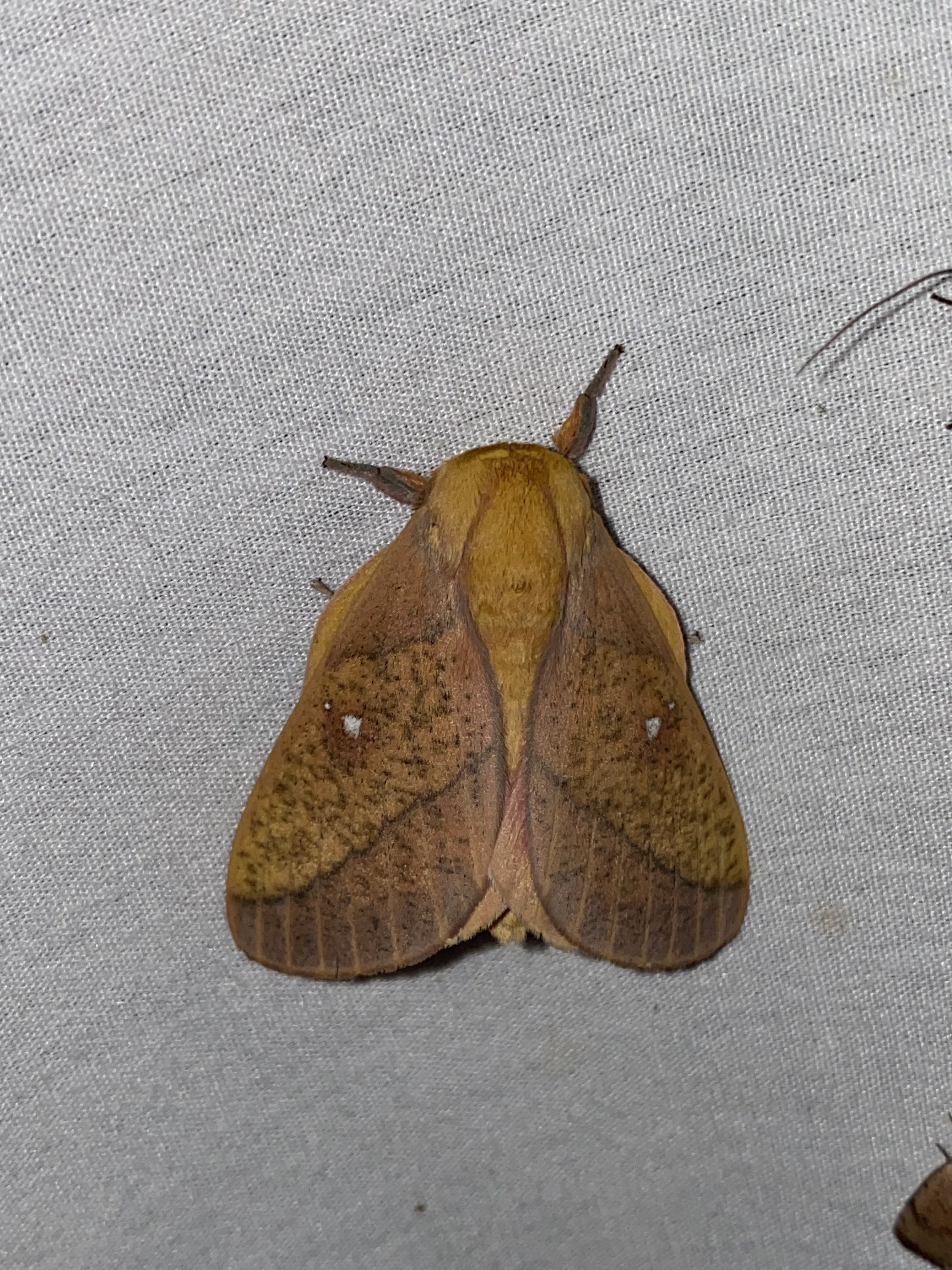
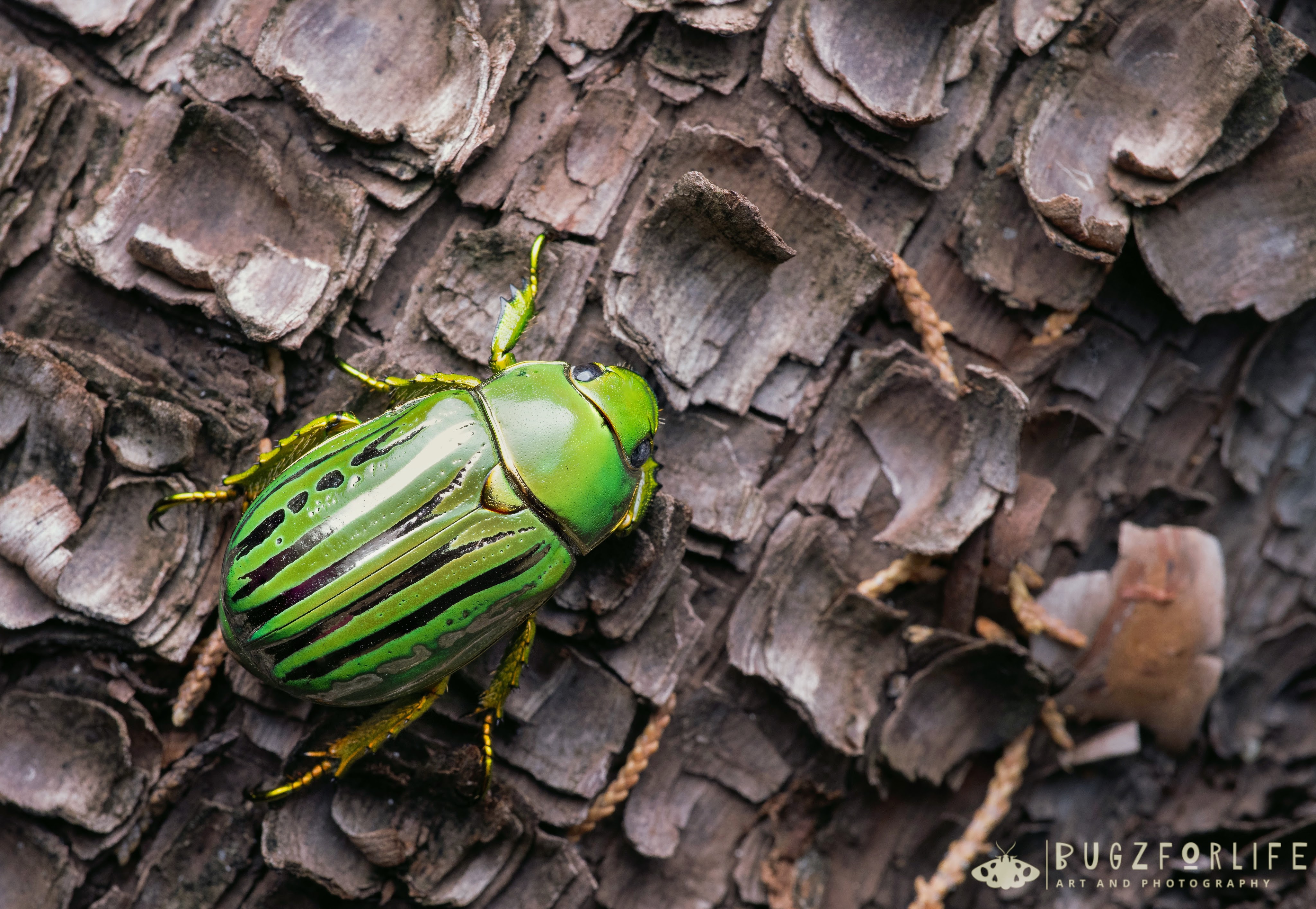
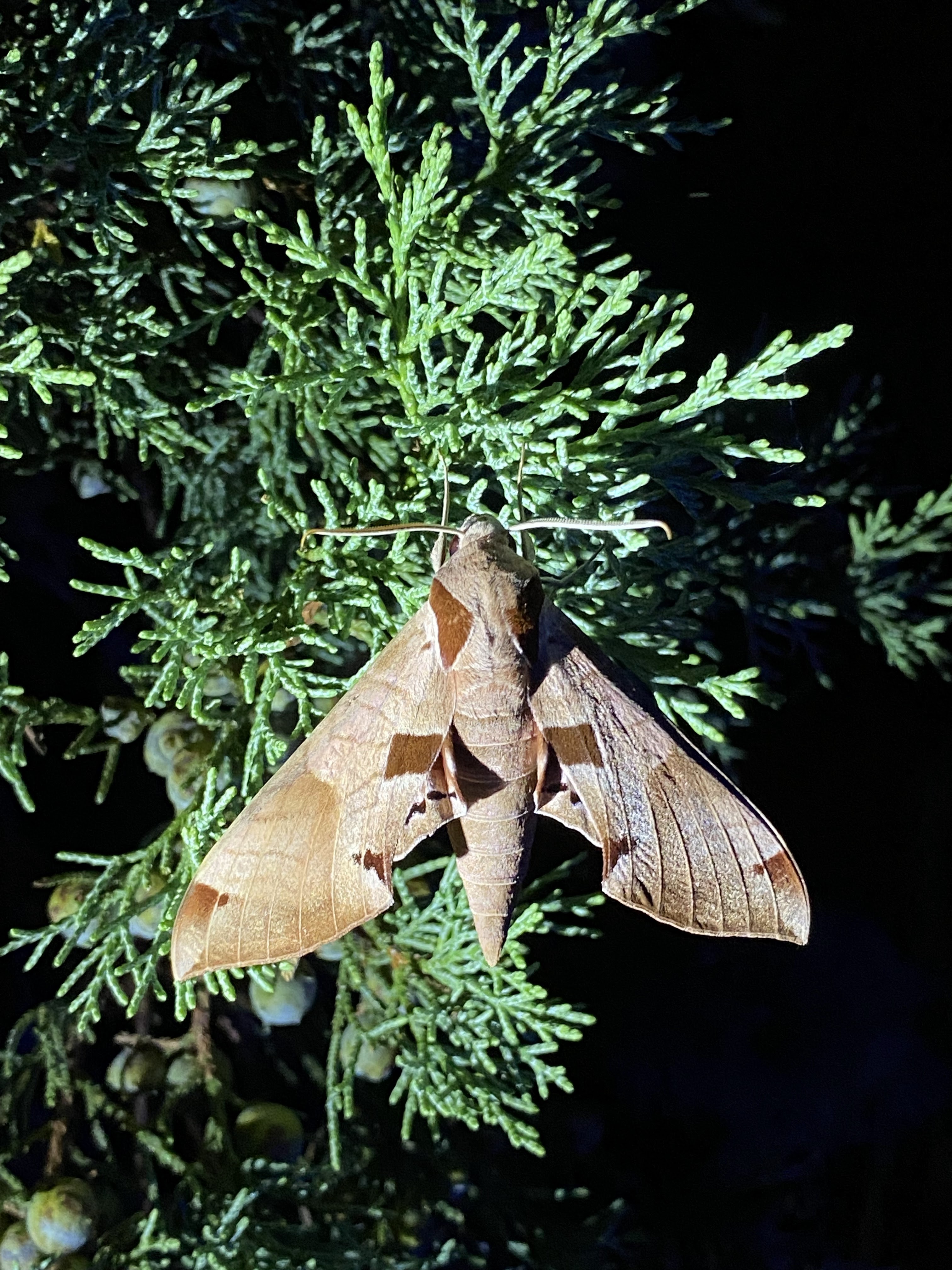
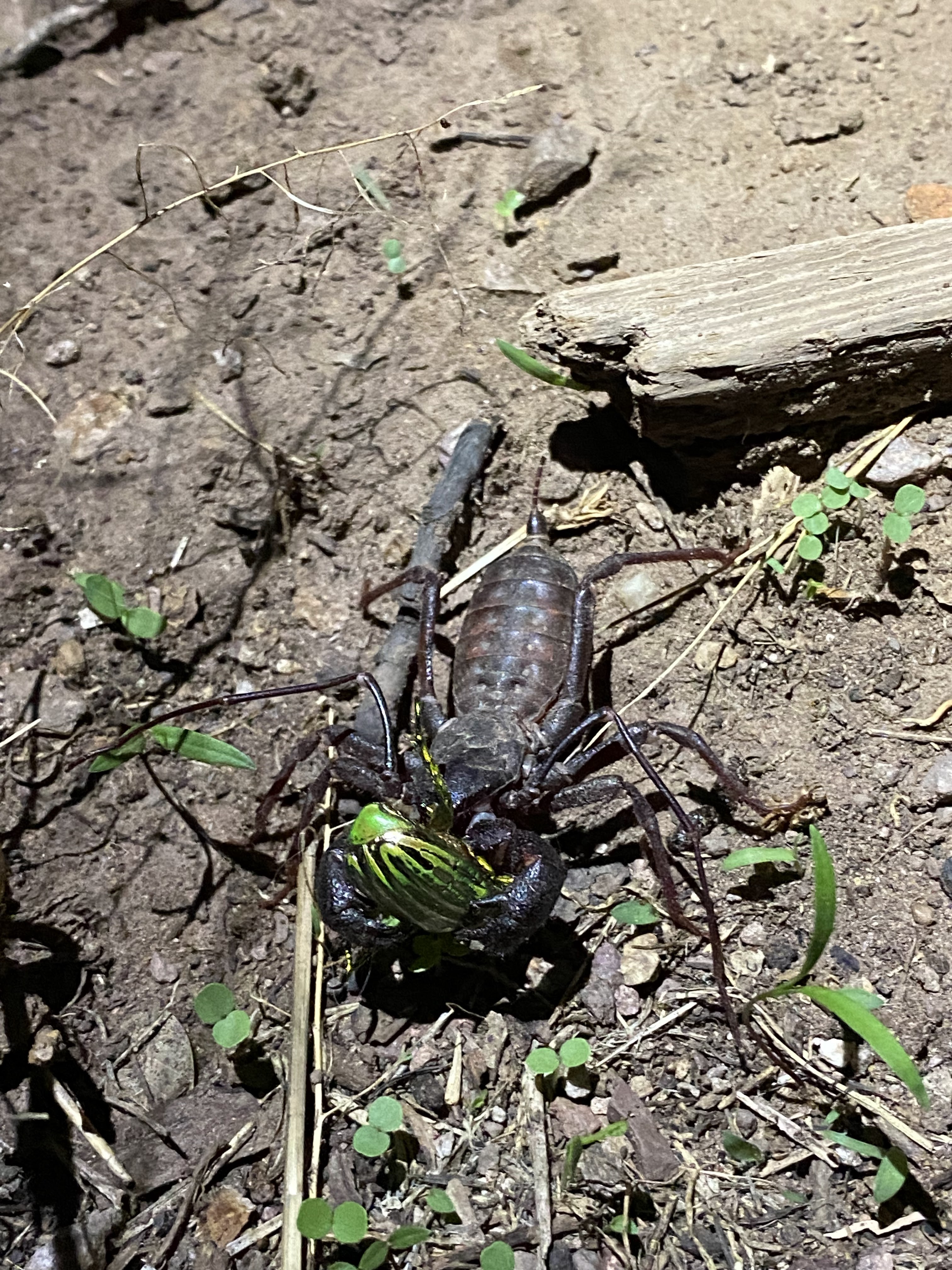
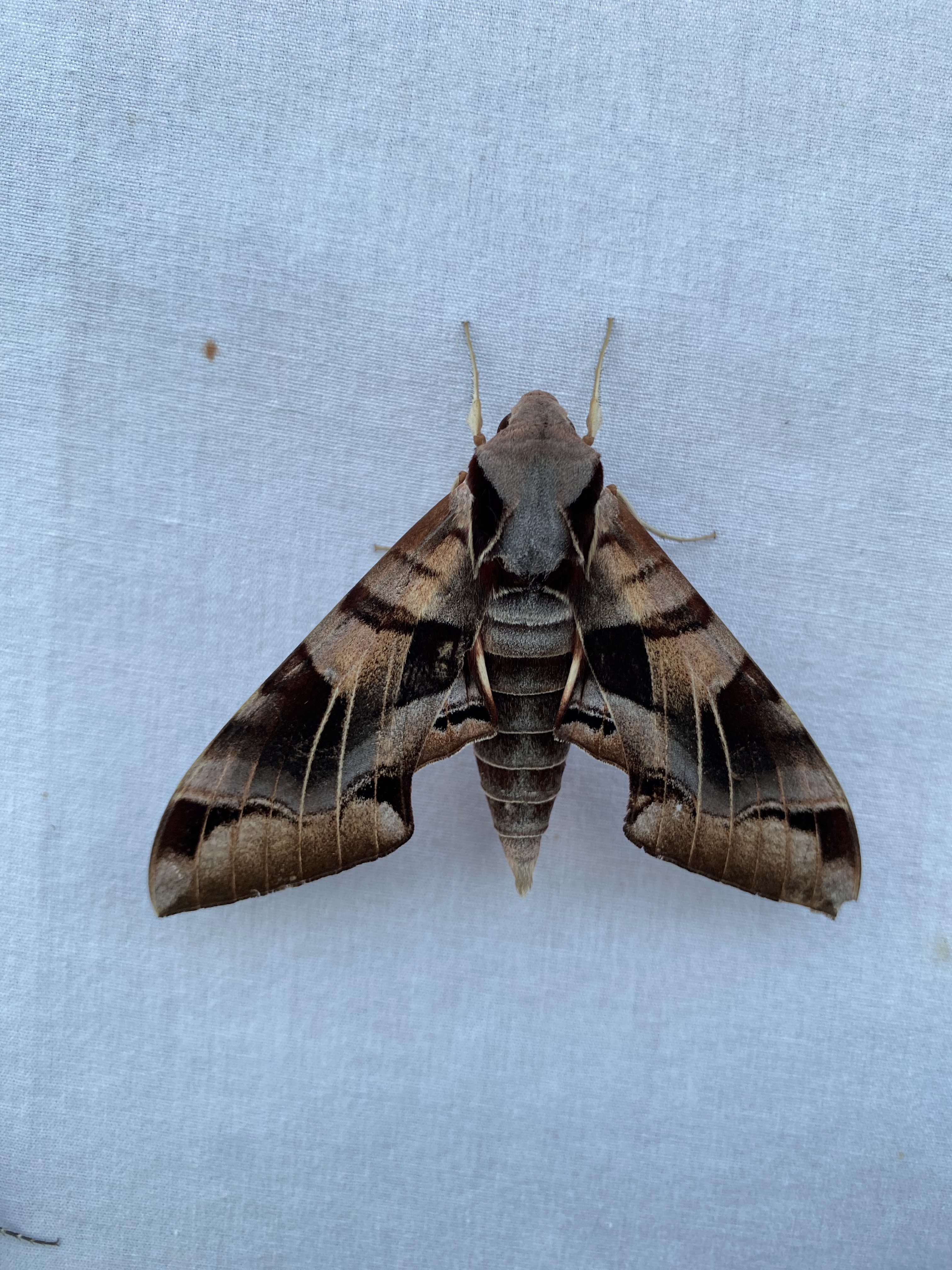
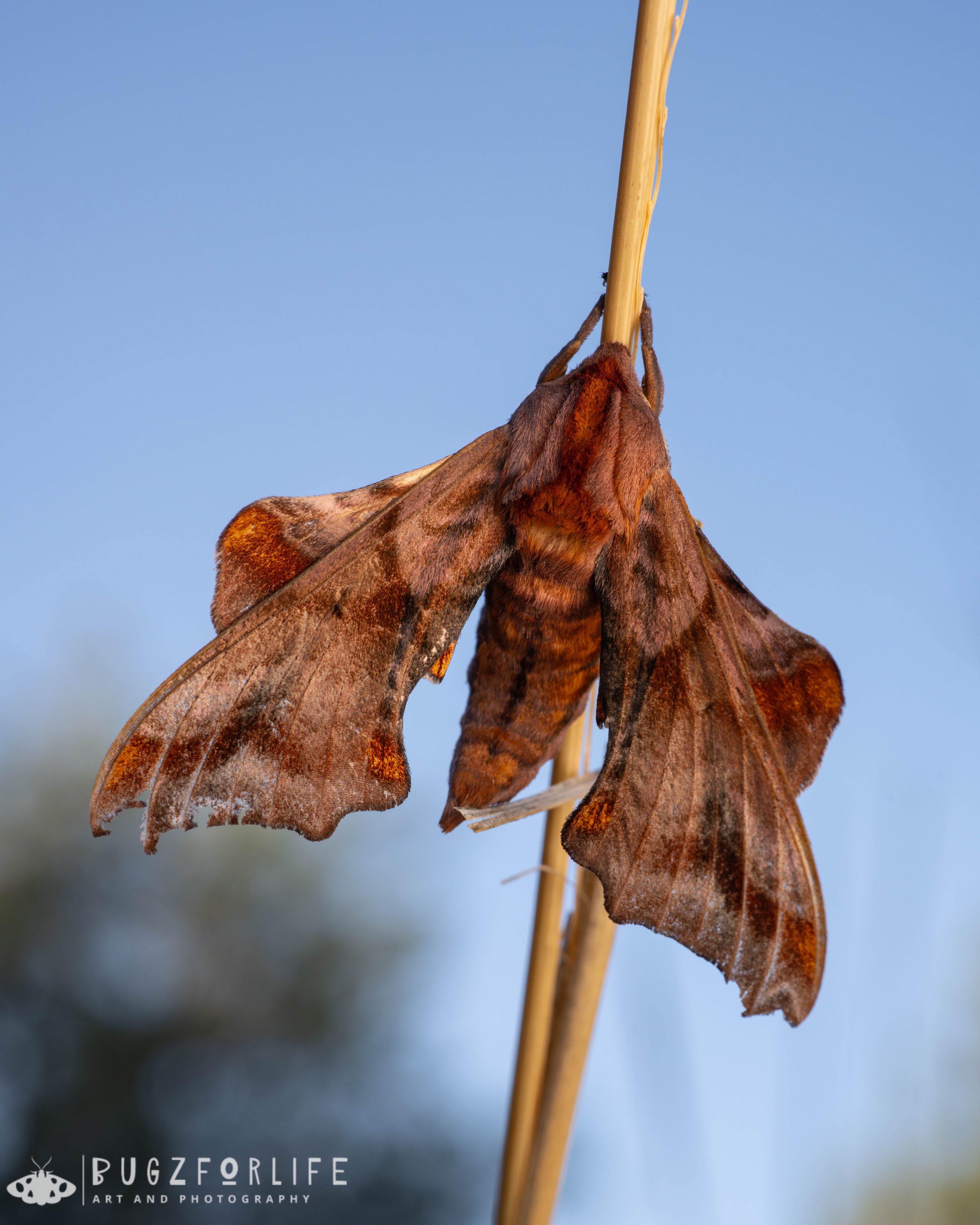
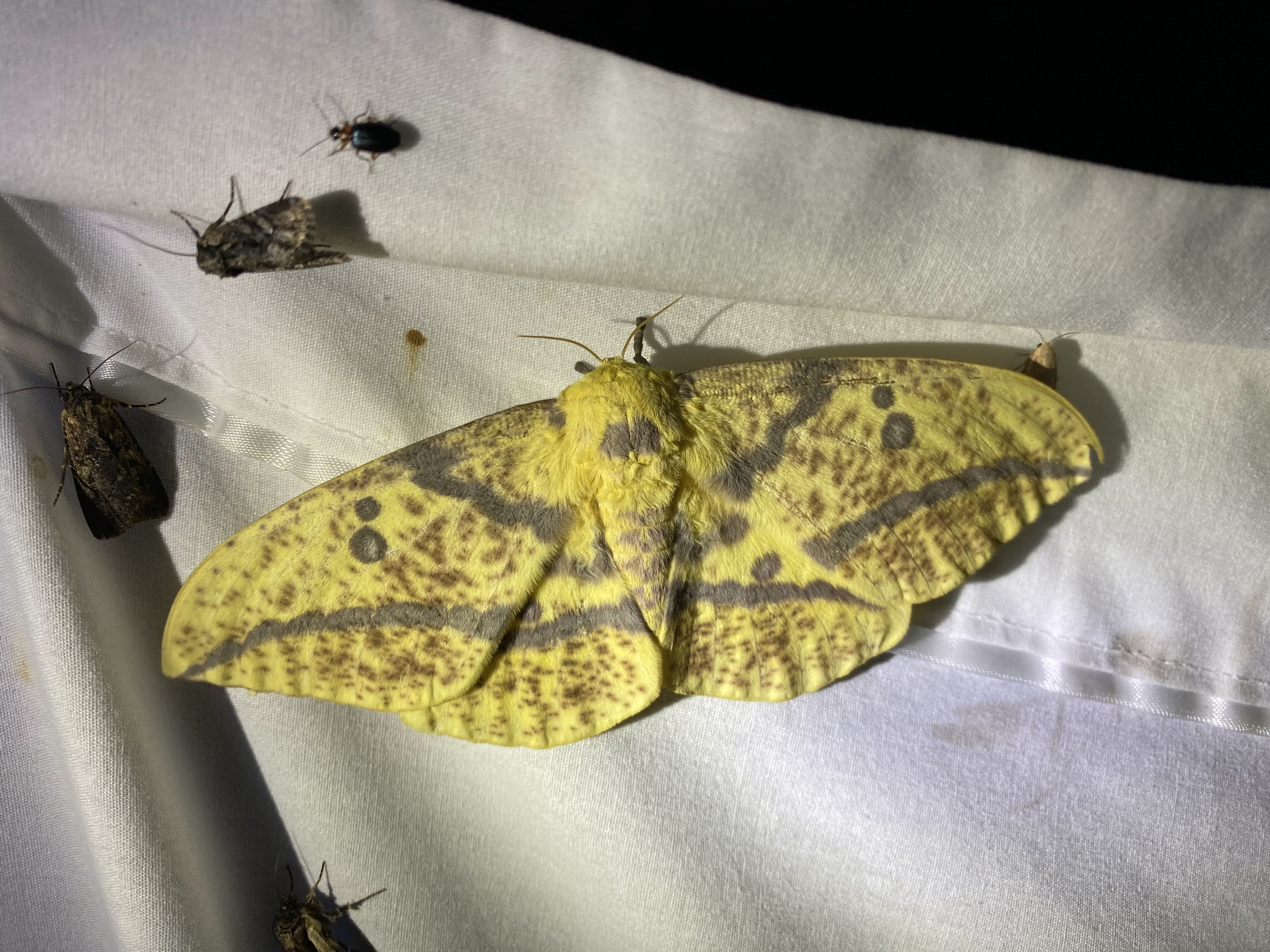
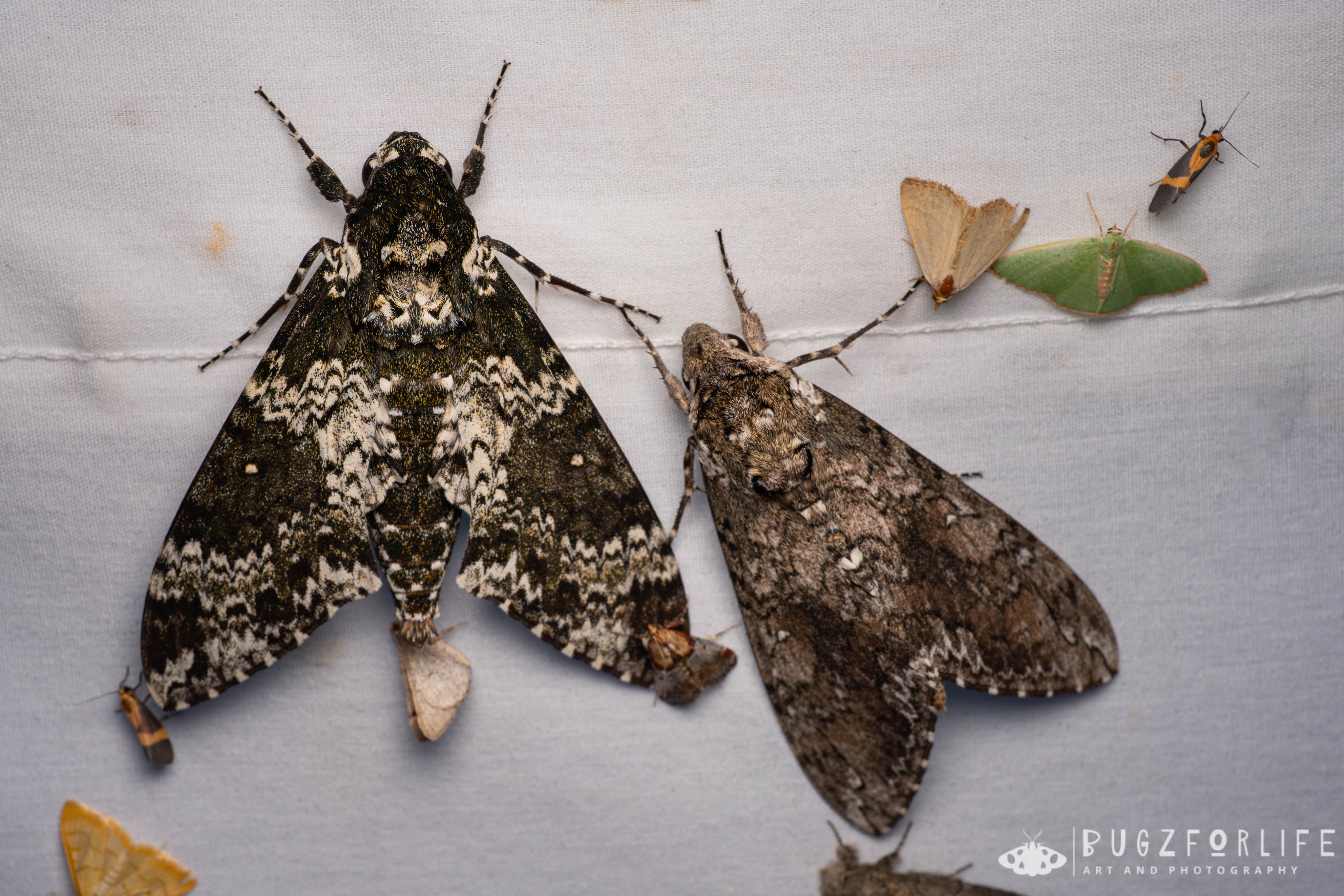
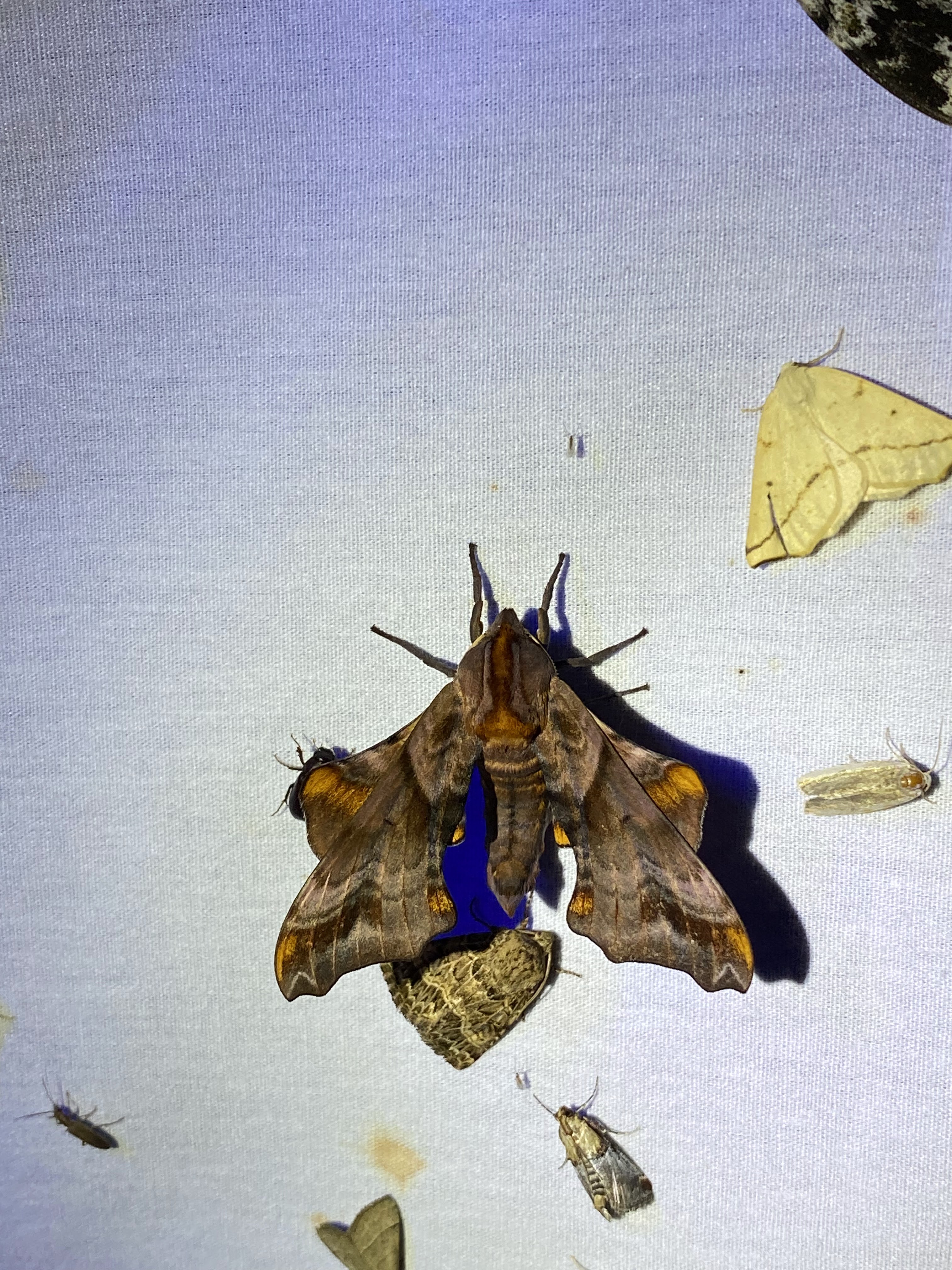
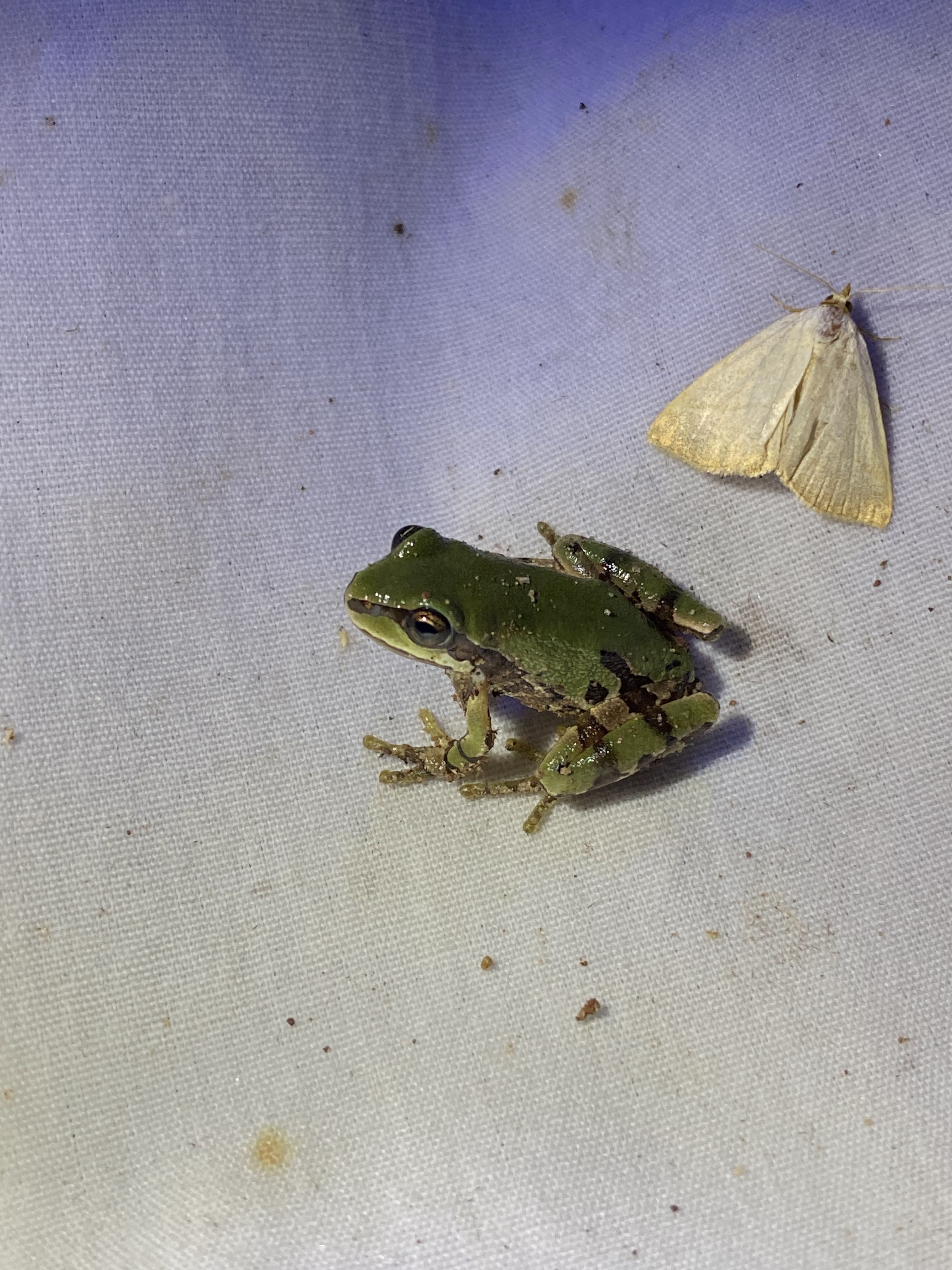
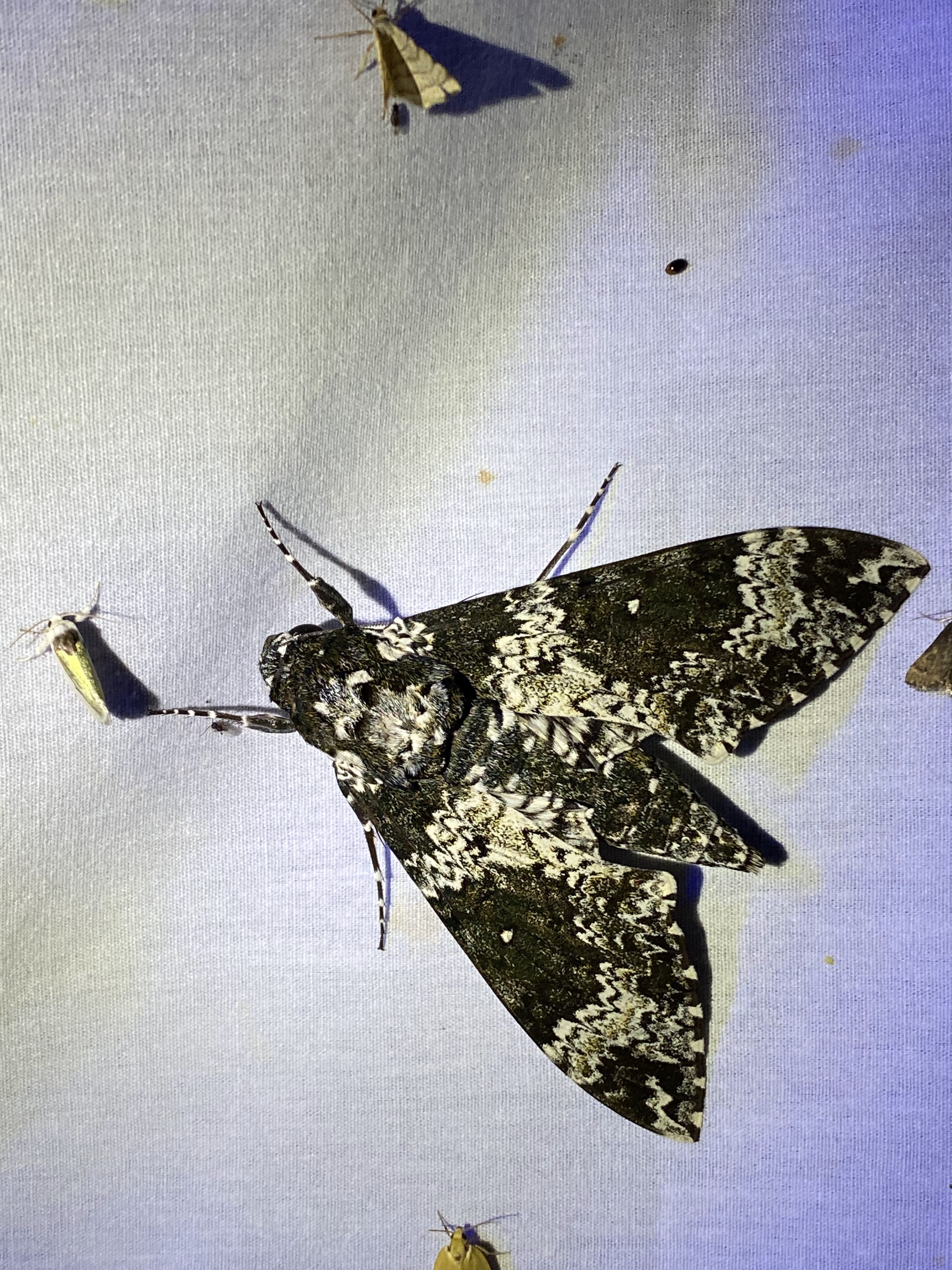
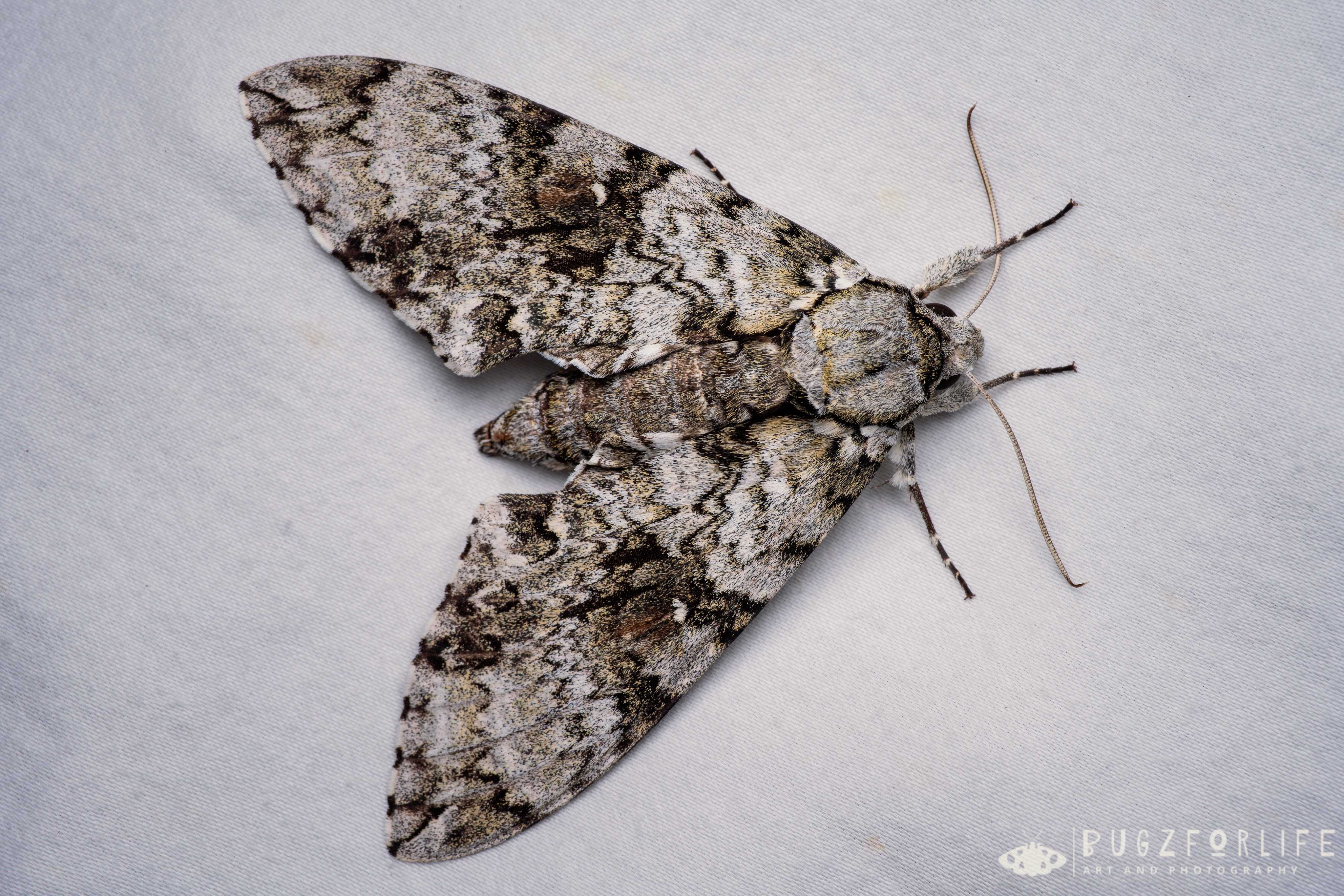
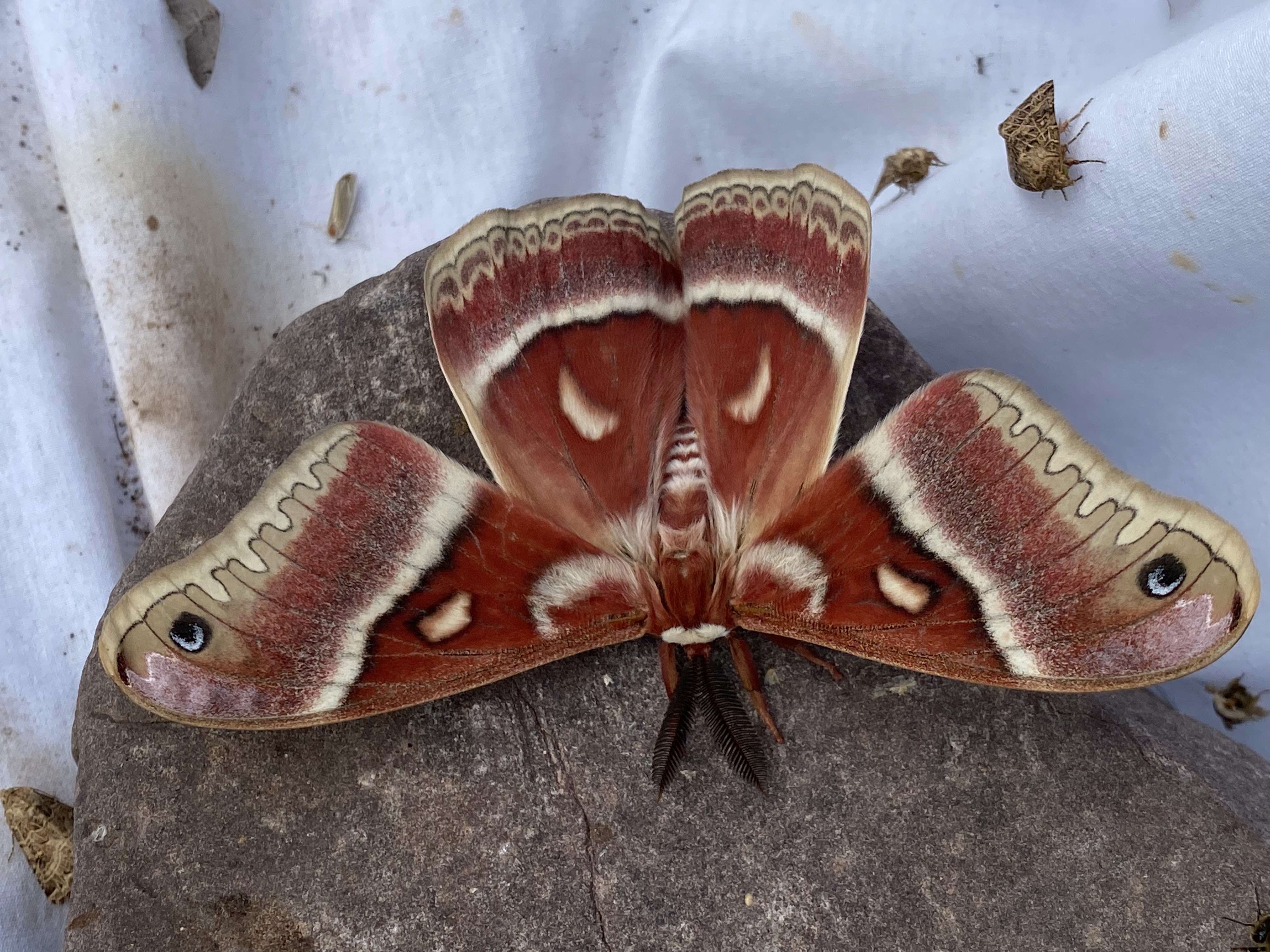
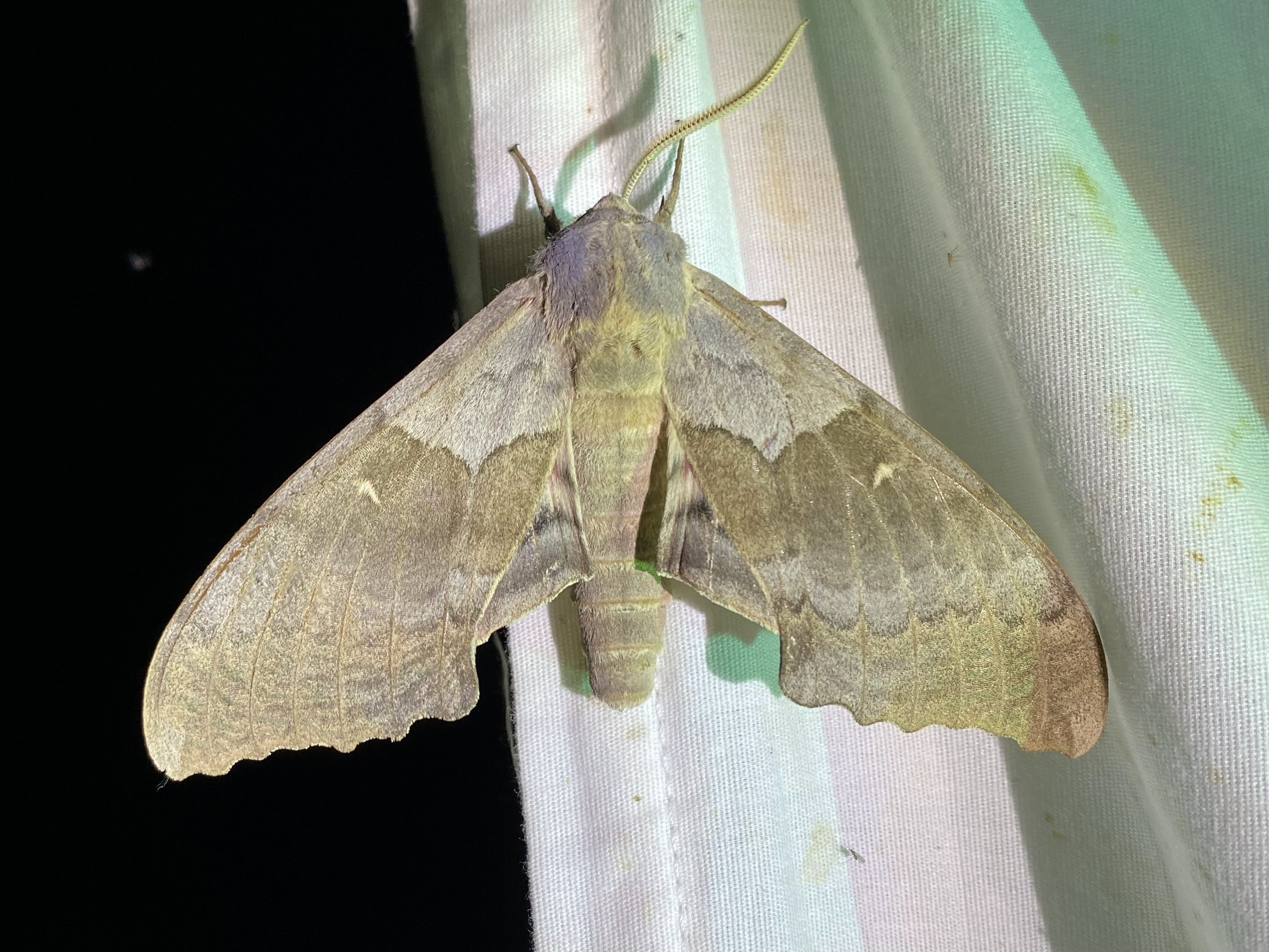
Everyone, including myself was shocked by the sheer volume of insects that came to the sheet. I saw so many species of moths, some I had not seen in quite a while and others I had seen plenty of in the past. These species included Eacles oslari, Eumorpha typhon, Eumorpha achemon, Antheraea oculea, Maduca florestan, Manduca sexta, Manduca rustica, Apatelodes pudefacta, Paonias myops (a new species for me!), Heliocheilus julia, and Neumoegenia poetica. A number of beetle species also made their appearance like Chrysina gloriosa, Xyloryctes thestalus, Strategus aloeus, and Strategus cessus (a new species for me!). Since we had a long day planned ahead, I didn’t stay up too late, but I did manage to see a vinegaroon feeding on a jewel scarab, as well as a couple canyon tree frogs before bed, and was excited to check the sheet at dawn. As I expected, there were plenty of species I did not see at night that I was able to document early the next morning. After taking some photos and collecting a couple specimens for my collection, we all got ready to begin our adventure for the day.
Plan B: Tumacacori
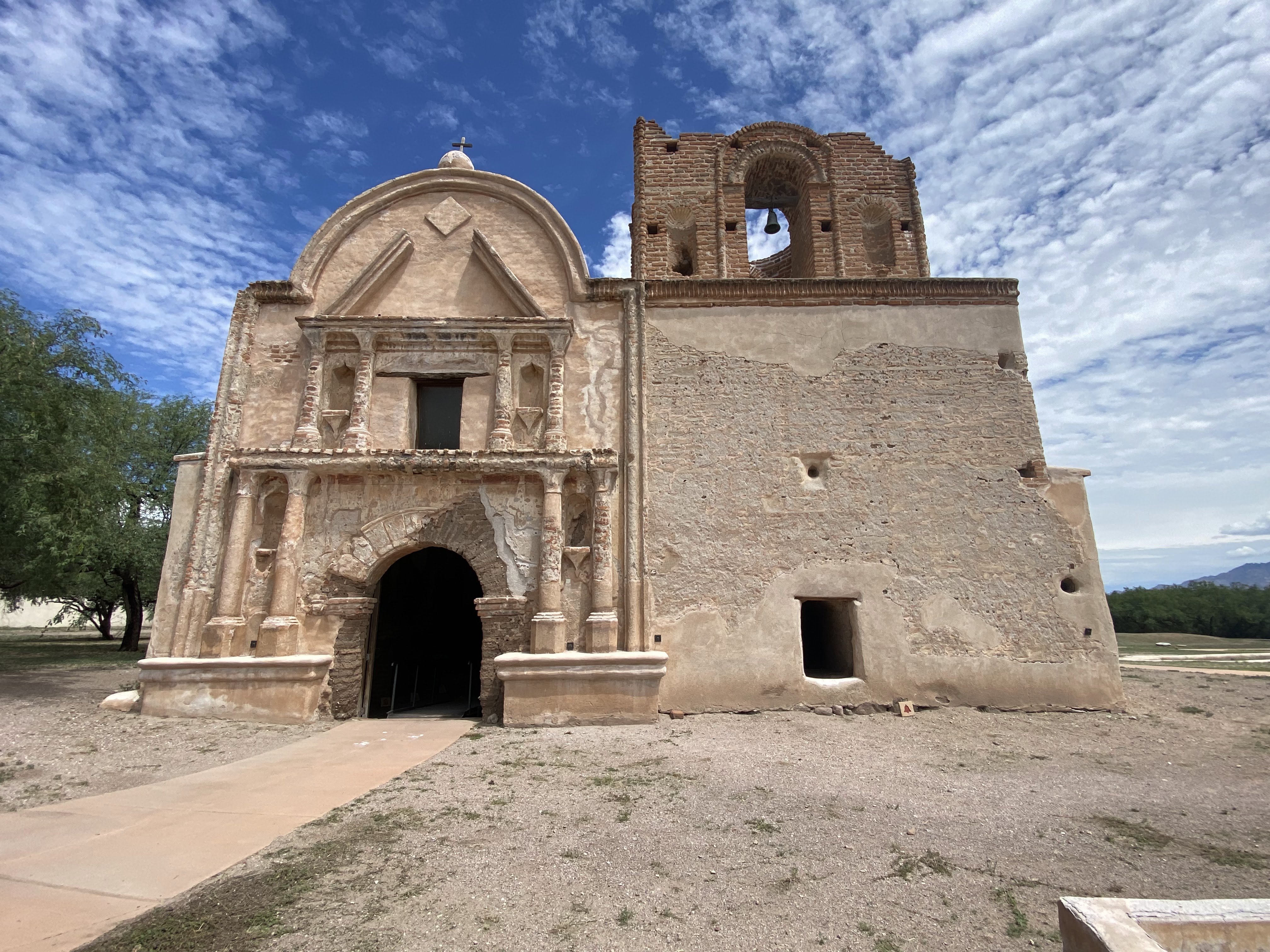
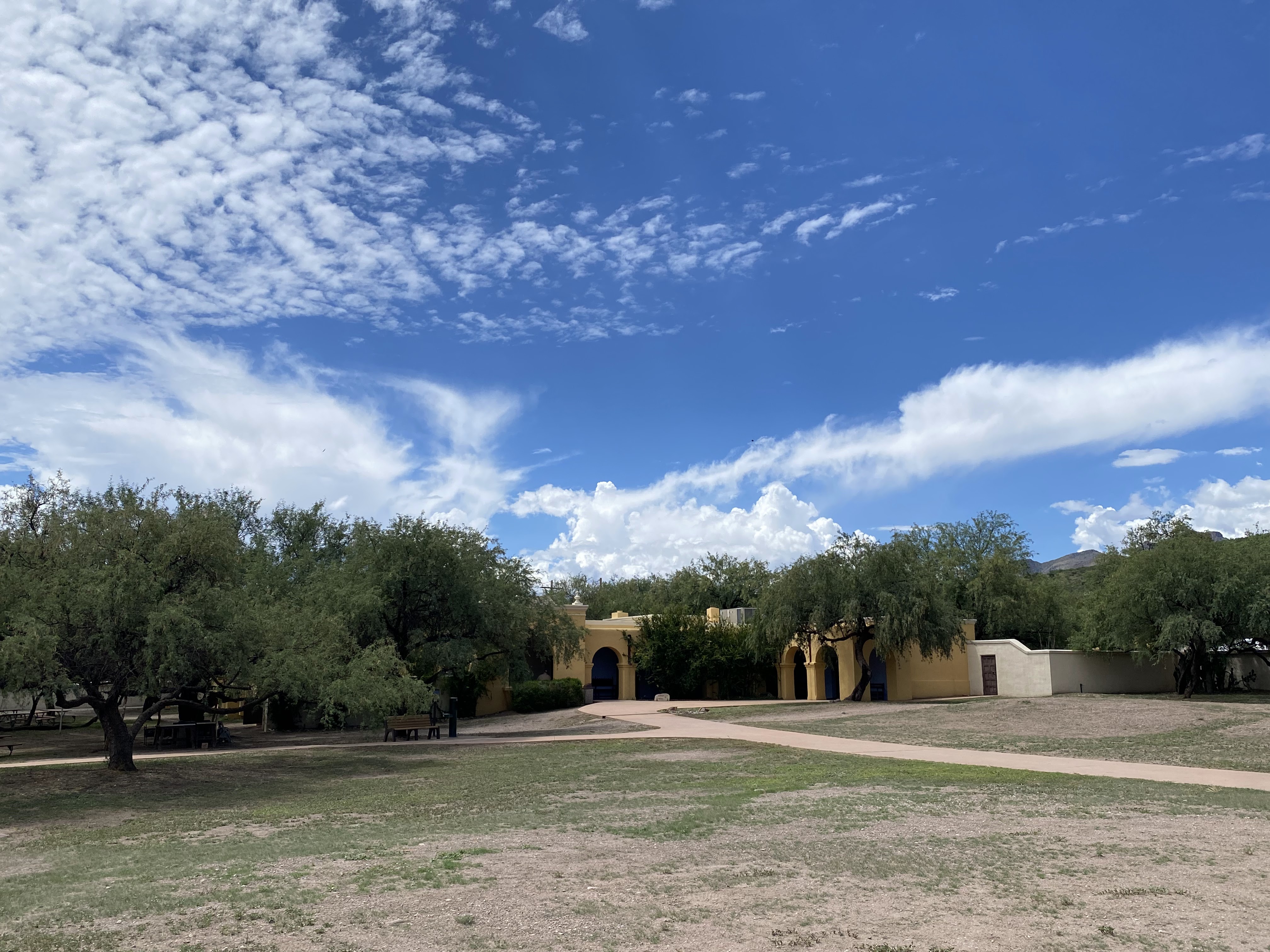
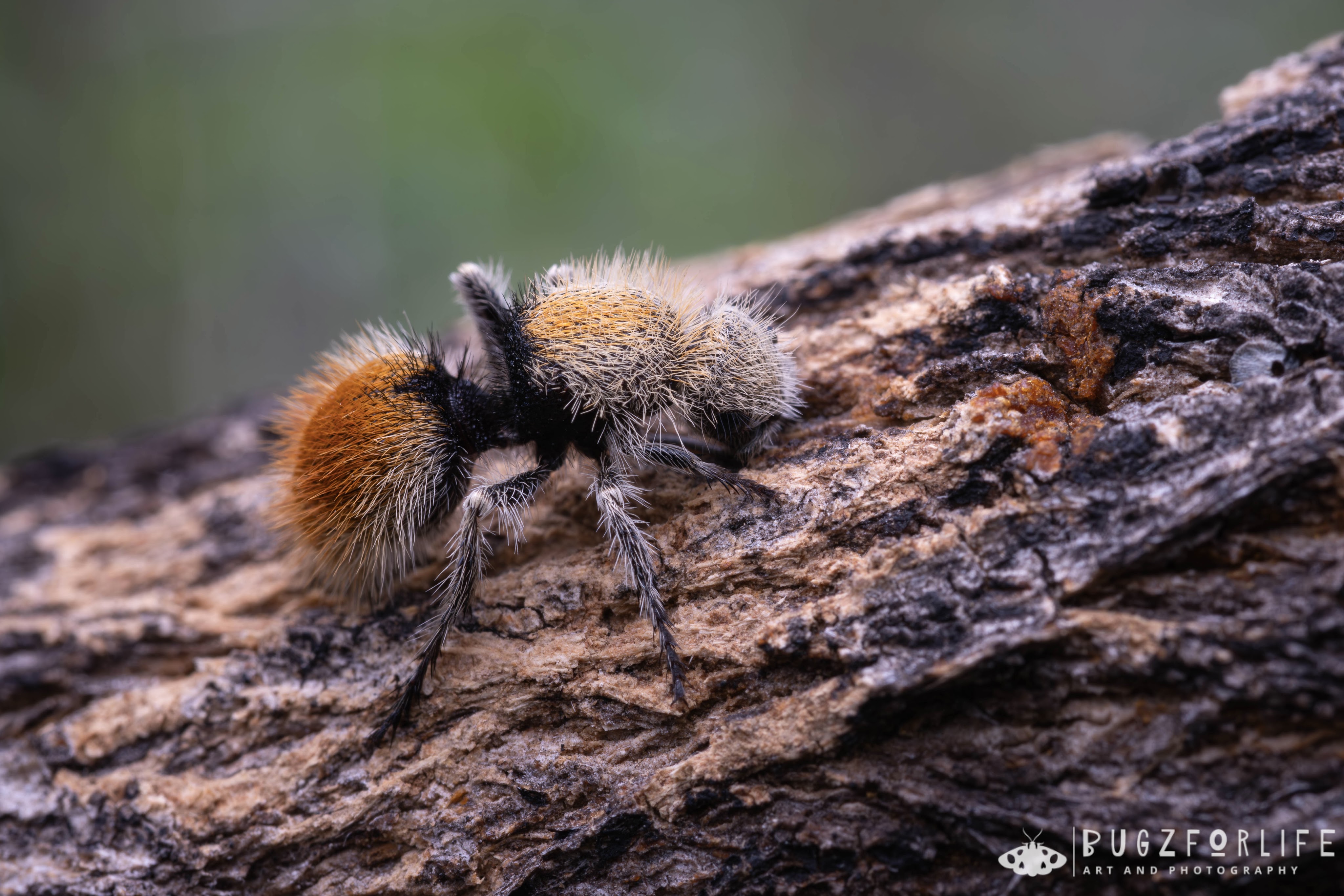
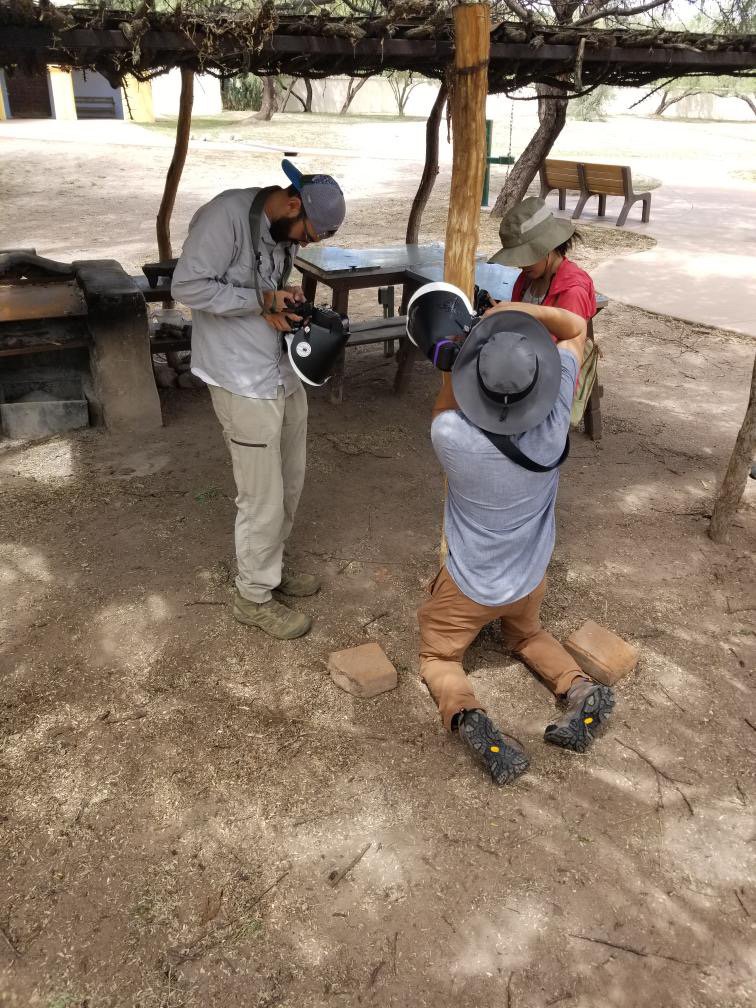
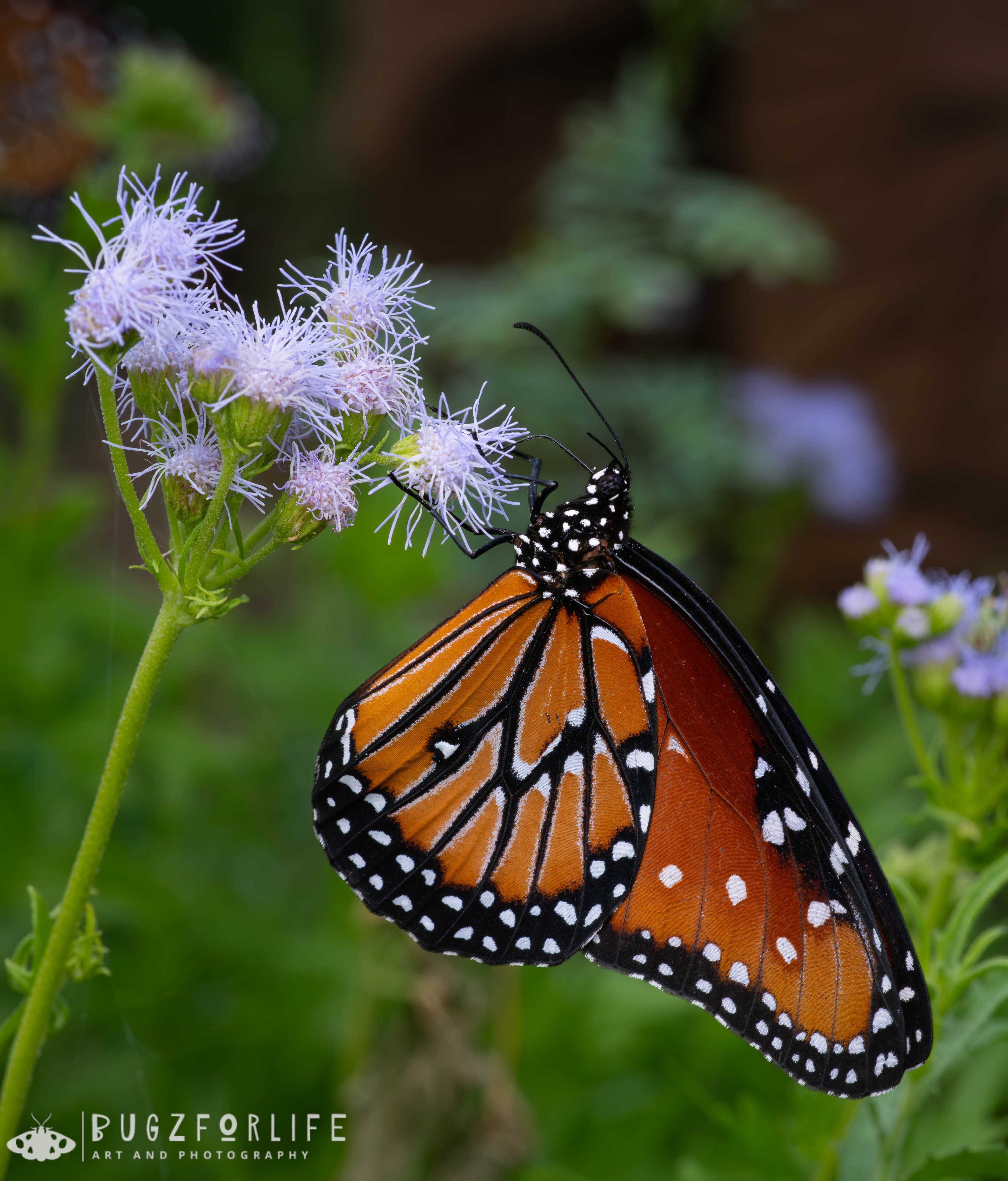
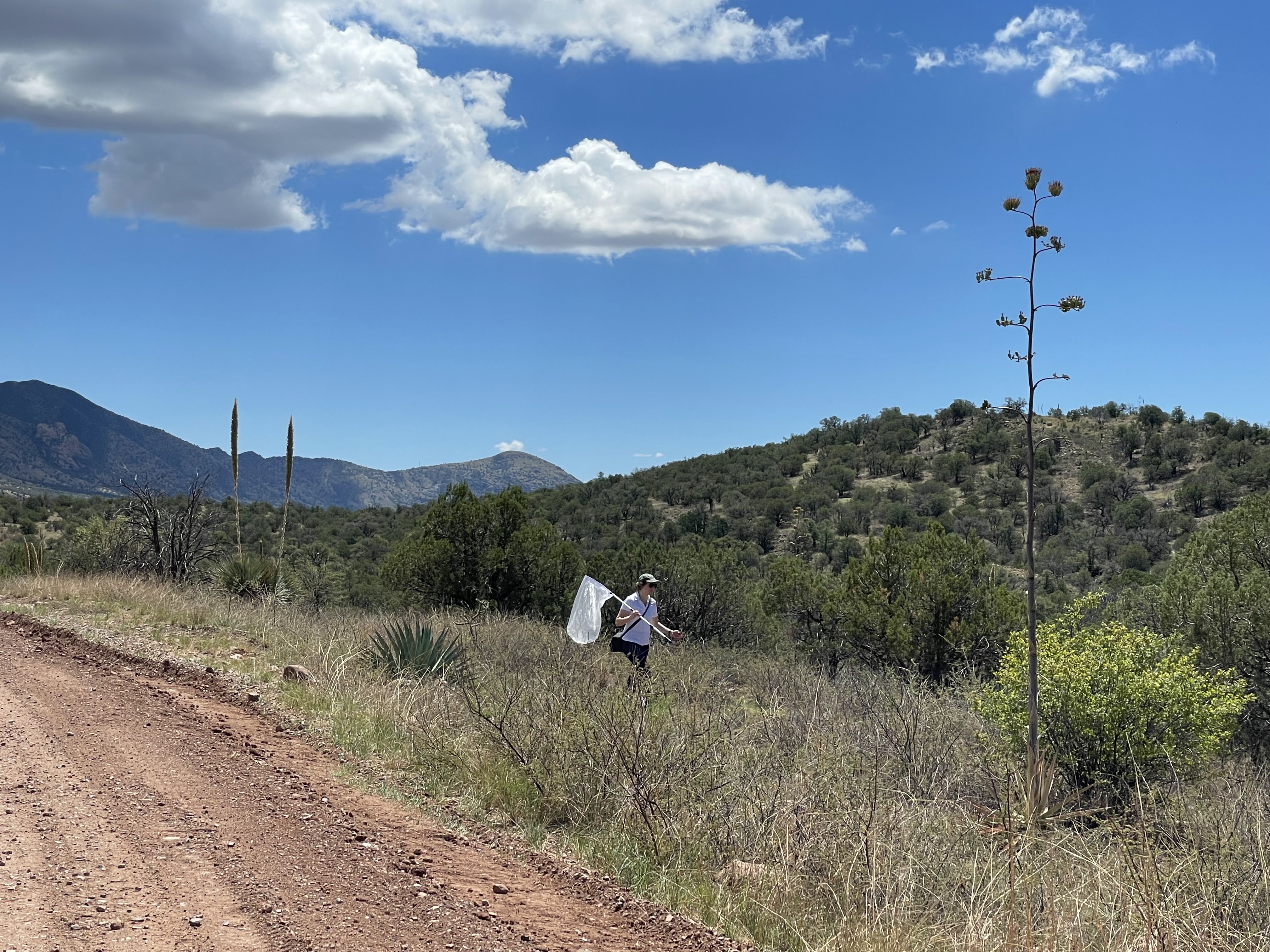
With everyone being well rested and ready to go, I quickly checked the weather radar to make sure we wouldn’t run into any issues on our adventure for the day. Unfortunately, a storm was moving strait towards Miller Canyon, our original destination, so I quickly came up with an alternative area to explore. After suggesting Tumacacori National Historical Park as the “less rainy” option, everyone was on board and we headed out to explore the park and meet up with our good friend Tony. When we arrived it was indeed much drier and warmer than I expected but that didn’t stop us and Tony from finding cool insects and other creatures. We saw plenty of velvet ants along the trail and on the surrounding desert broom (Baccharis sarothroides), along with Queen butterflies (Danaus gilippus ssp. thersippus) and a bright red Summer Tanager (Piranga rubra) that Tony pointed out to us. By midday we were all ready for lunch and said our goodbyes to Tony. We then drove over to the town of Patagonia and had a wonderful lunch at the Ovens of Patagonia (now MoreQ BBQ) before heading back to the airbnb.
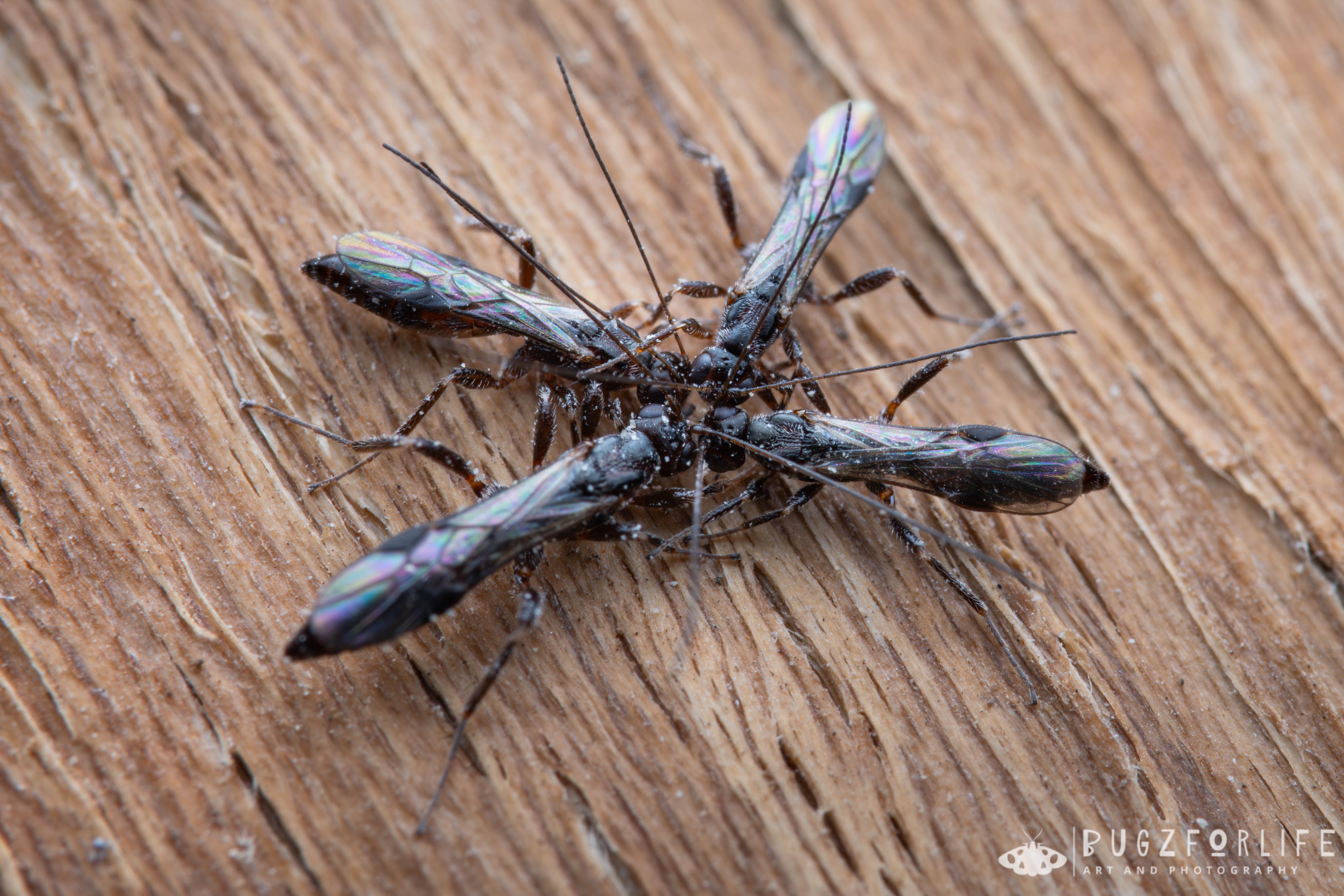
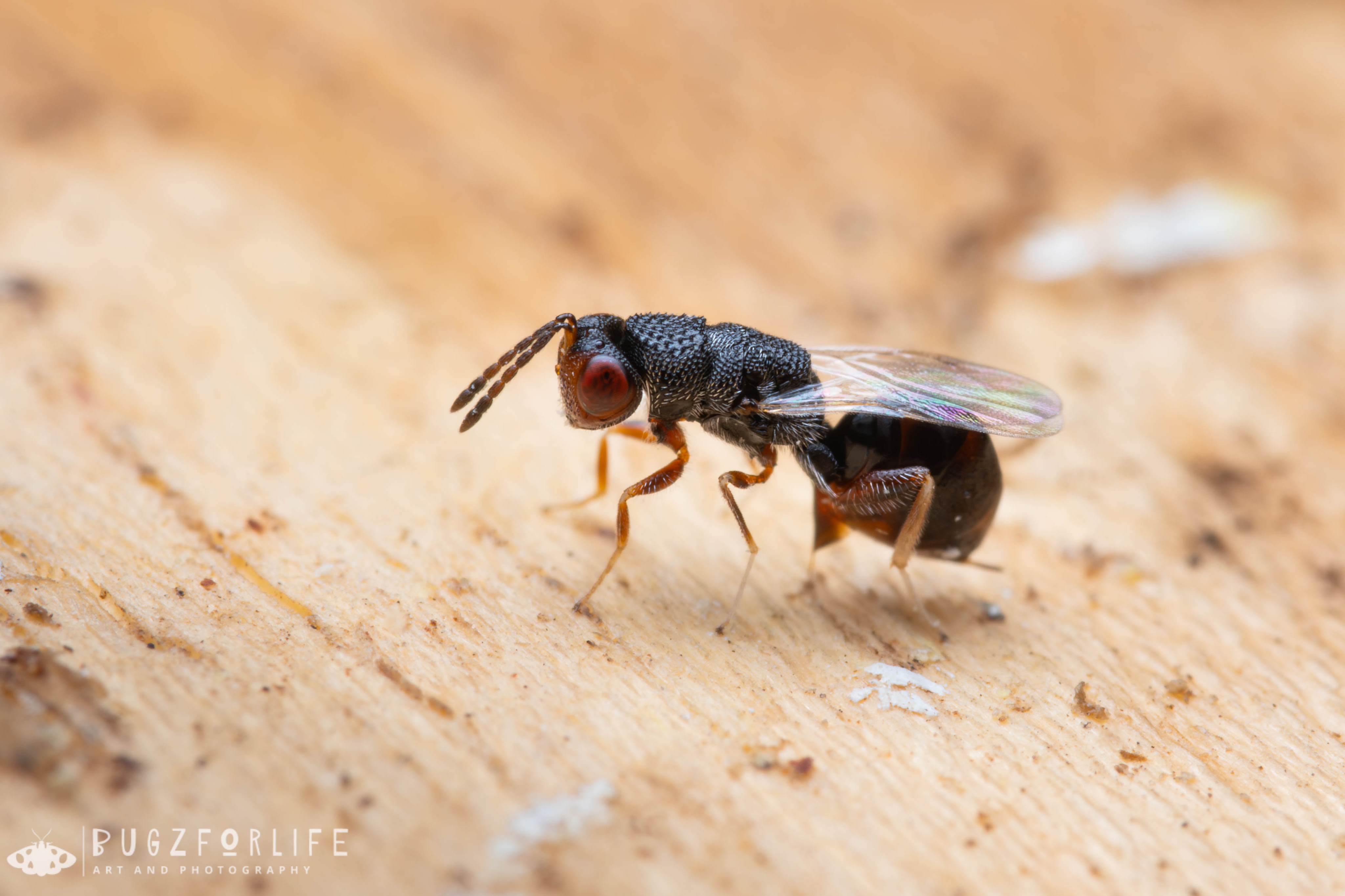
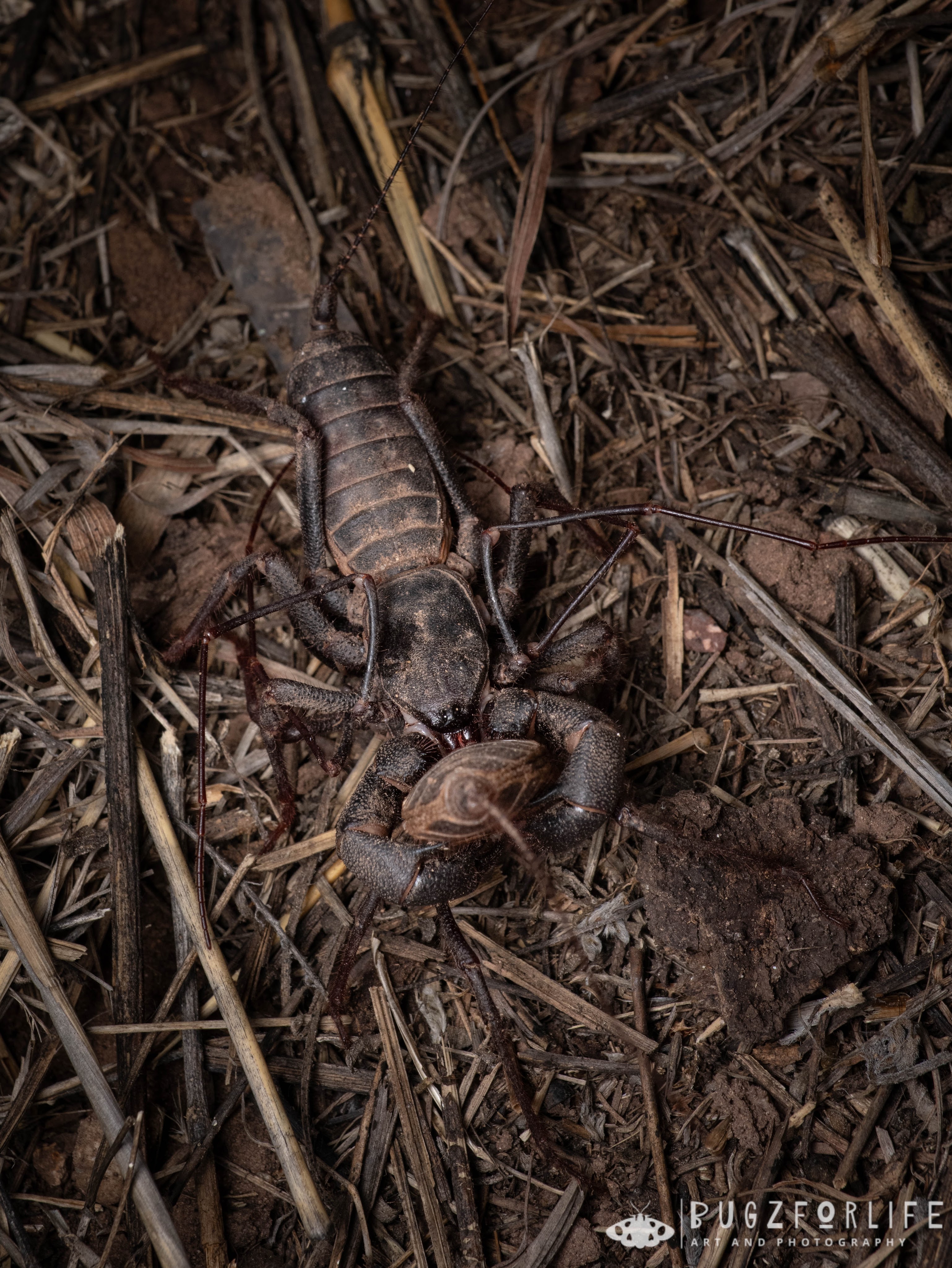
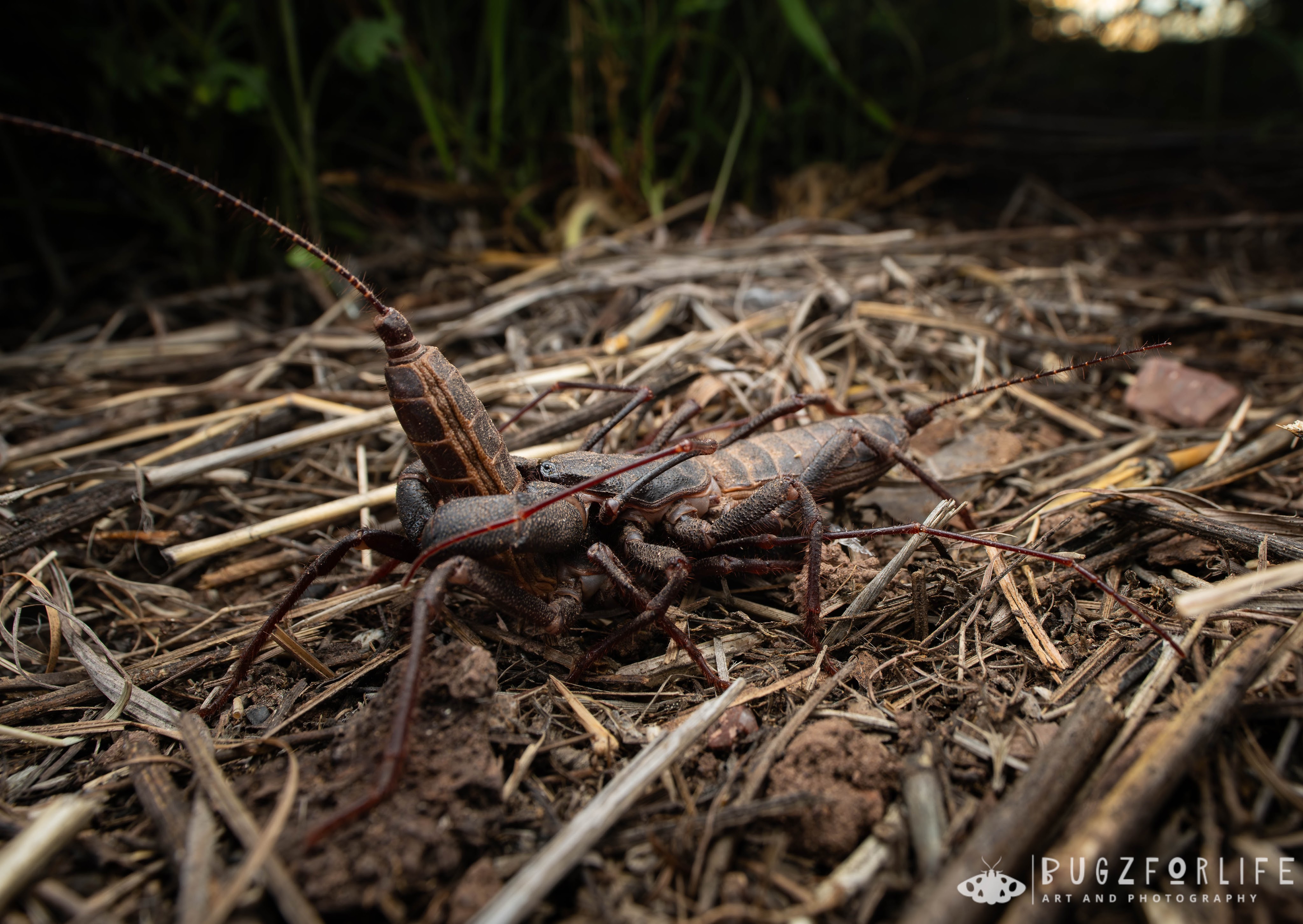
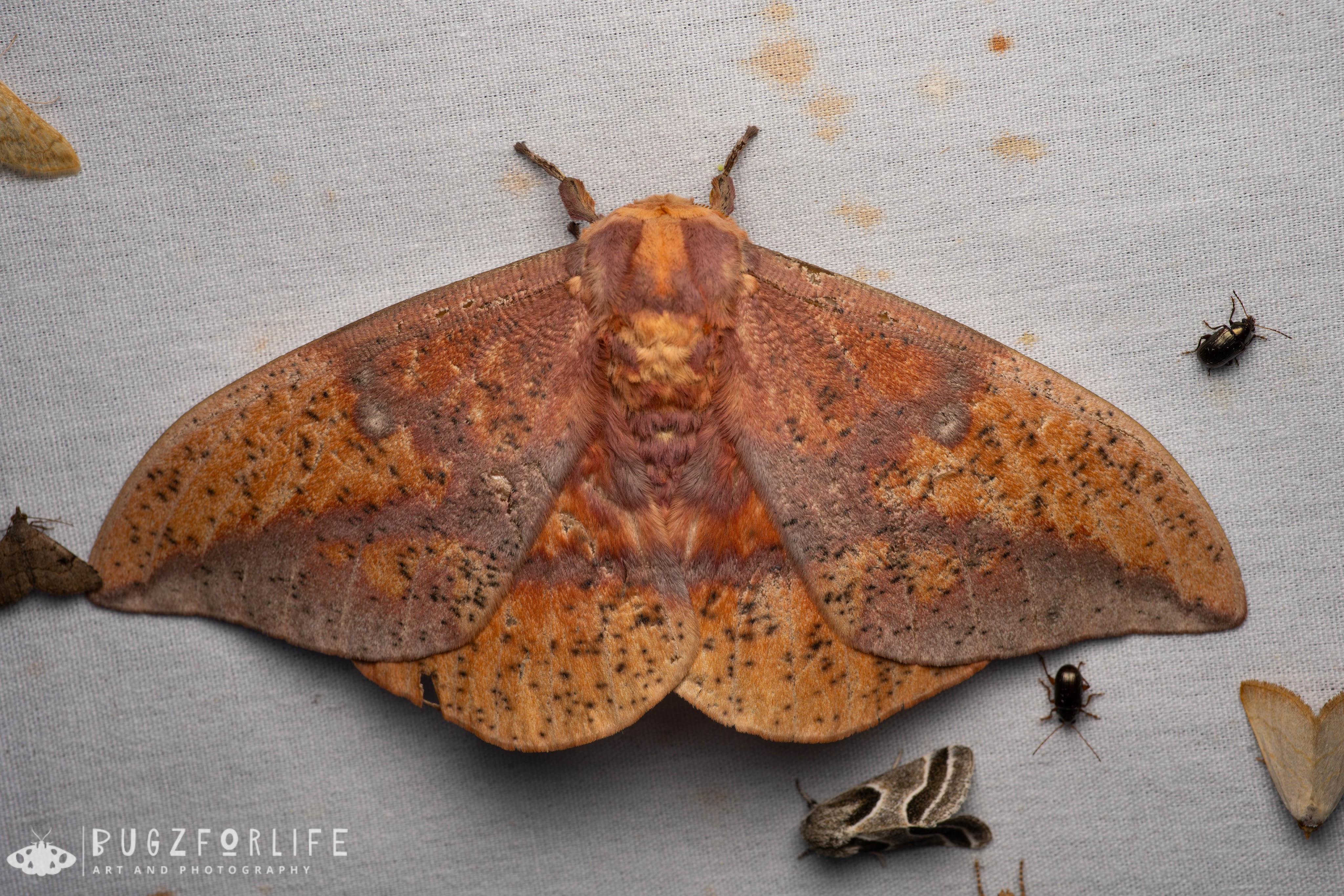
After a long and fairly toasty day, we decided to relax at the airbnb and wait for the blacklights to work their magic. As the sun was setting we flipped a couple boards spread out across the property and discovered a mating pair of vinegaroons! This was a first for all of us because we were so confused by their mating behavior and courtship. We eventually left them alone to go eat dinner and eagerly waited for the insect activity on the sheet to “heat up”. As soon as the 9 o’clock hour began, the insects started to amass on the sheet, starting off slow and then quickly picking up right before 10 pm. The large moths showed up fairly quickly, with saturniids and sphingids being majority of the “big bodied” insects, followed closely by the beetles and other insects including giant antlions, owlflies, treehoppers, and ichneumonid wasps. Similar to the night before, I decided not to stay up too late since the activity at the sheet plateaued around 11 pm and we had another long day ahead of us. I woke up at dawn to check the sheet again and saw nothing new, but noted the increase in large moths compared to the previous morning since it was a possible sign peak emergence was approaching.
Montezuma Pass by Day, Miller Canyon by Night
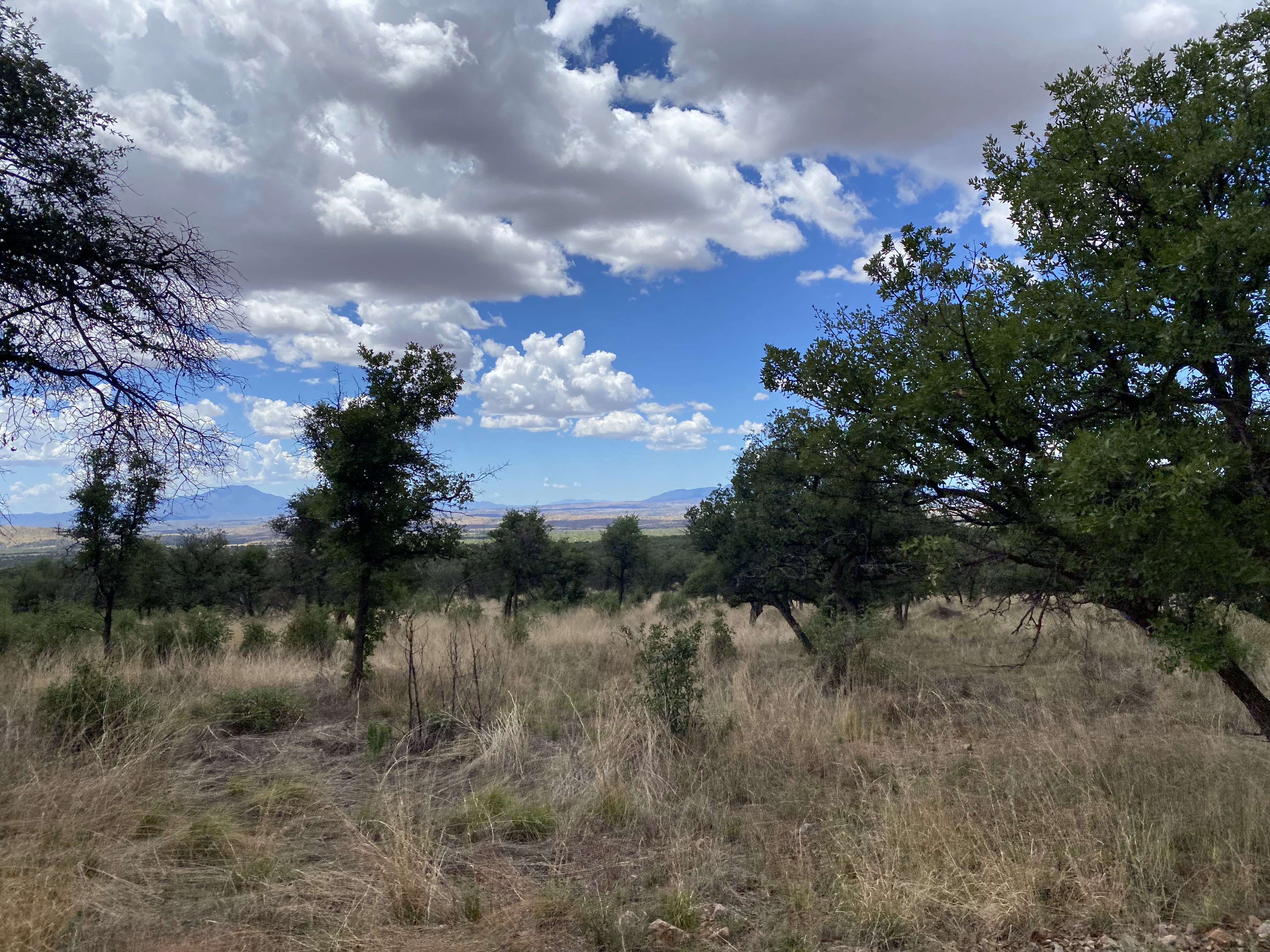
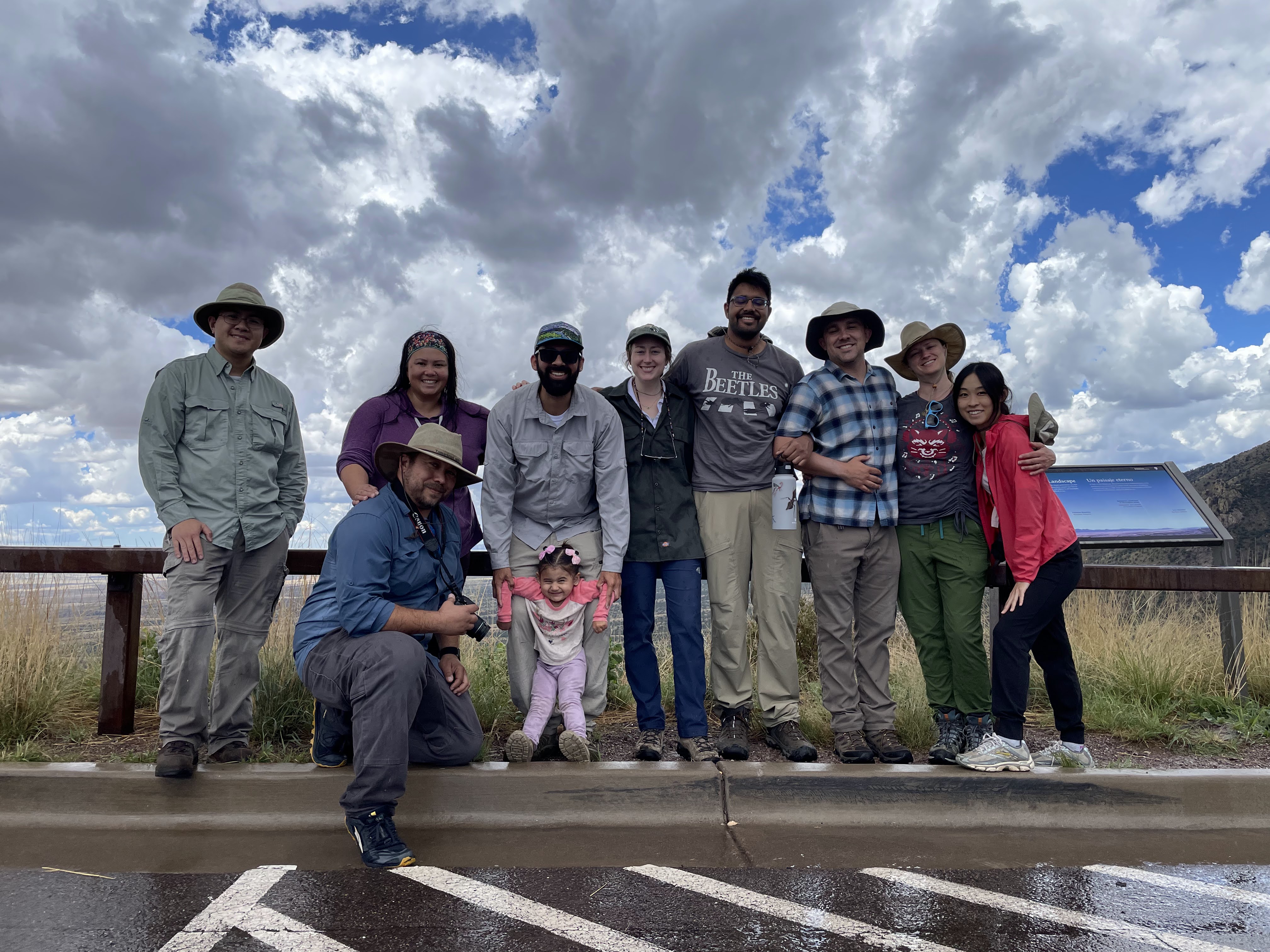
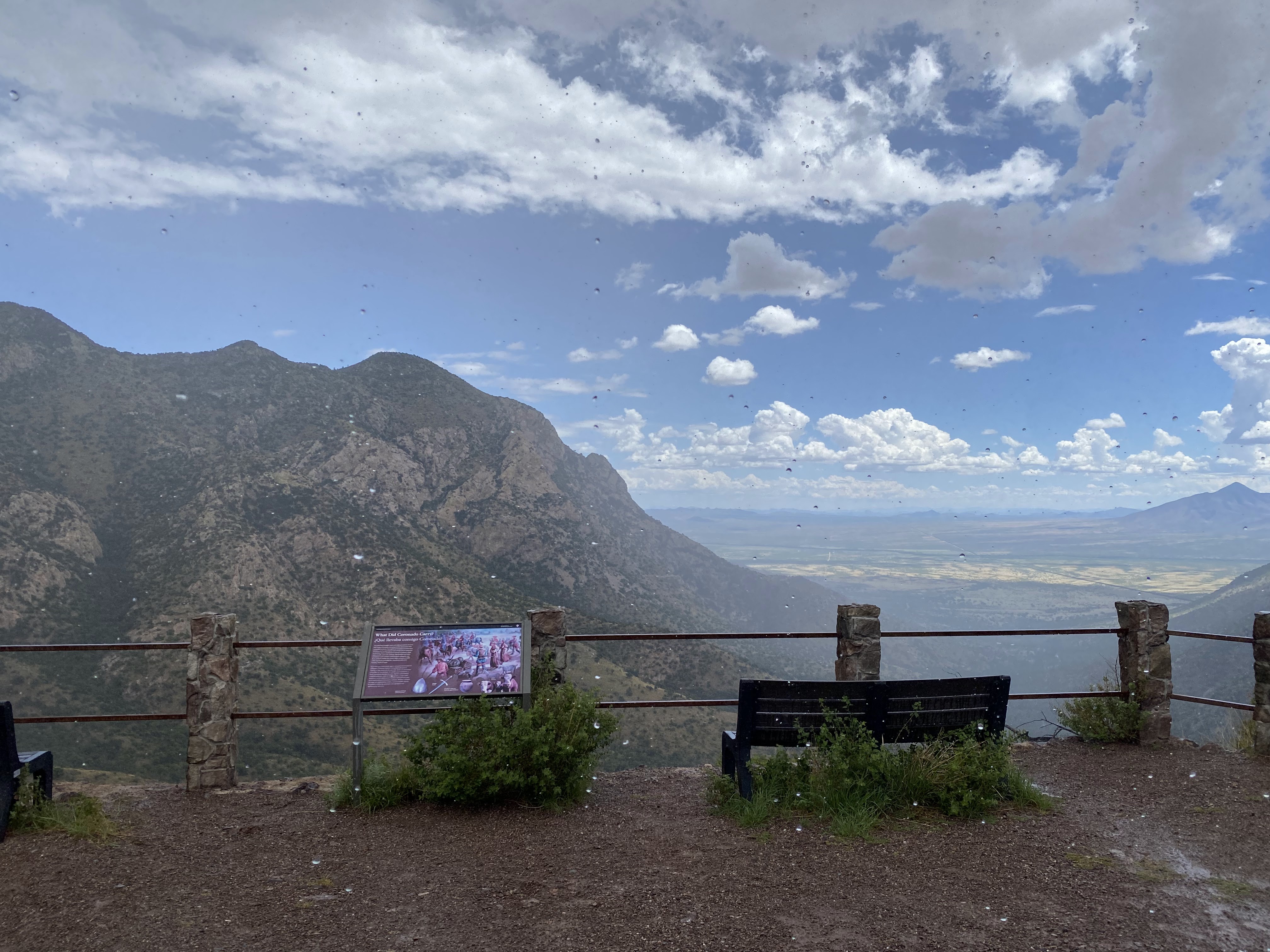
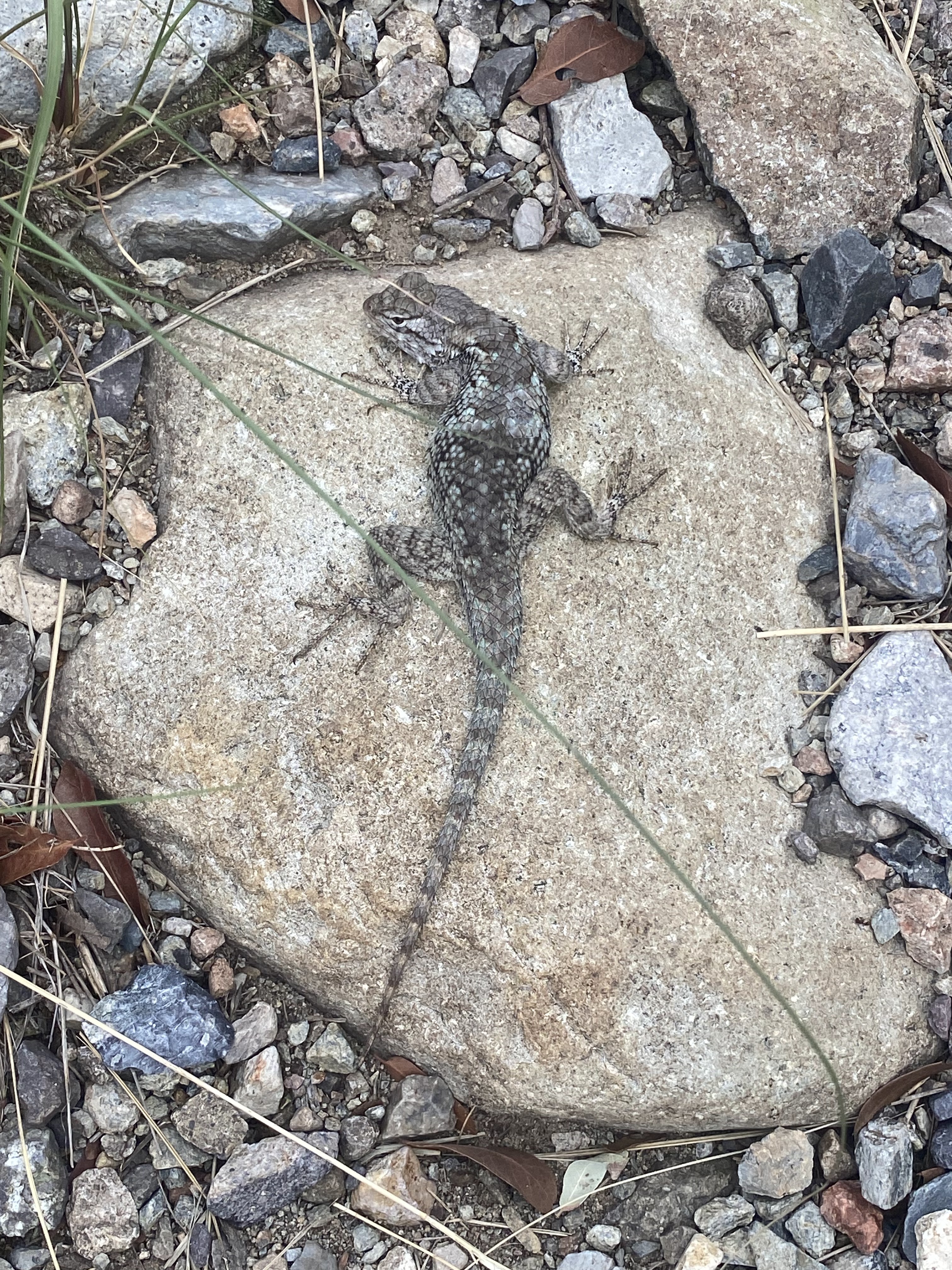
Another day, another weather related change of plans. Due to the increase in thunderstorm activity in the area we were attempting to visit (Miller Canyon), I suggested visiting the Coronado National Monument and Montezuma Pass instead and saving Miller Canyon for the evening. Everyone was onboard and shortly after breakfast we headed towards the pass. Along Montezuma Canyon Rd, there were a couple spots where we pulled over to check out the surrounding foliage. We didn’t find much but I saved these localities for future visits. I also had the group briefly stop in Copper Canyon to check for butterflies, but an approaching thunderstorm cut the visit short and we quickly drove up to the top of the pass. Once there, we ran to the nearby covered viewing area and just watched as the storm slowly passed by. It rained pretty hard for about 10 minutes, with occasional lighting bolts striking down in the distance, and after about 30 minutes the storm passed and we continued to the CNM visitor center. There we found a few critters, including an Arizona walking stick, large robber fly, and a spiny lizard. The thunderstorm activity didn’t let up for the next couple hours, which led us to just grab a couple more supplies in Sierra Vista and head back to the airbnb to rest and wait for our outing in Miller Canyon.
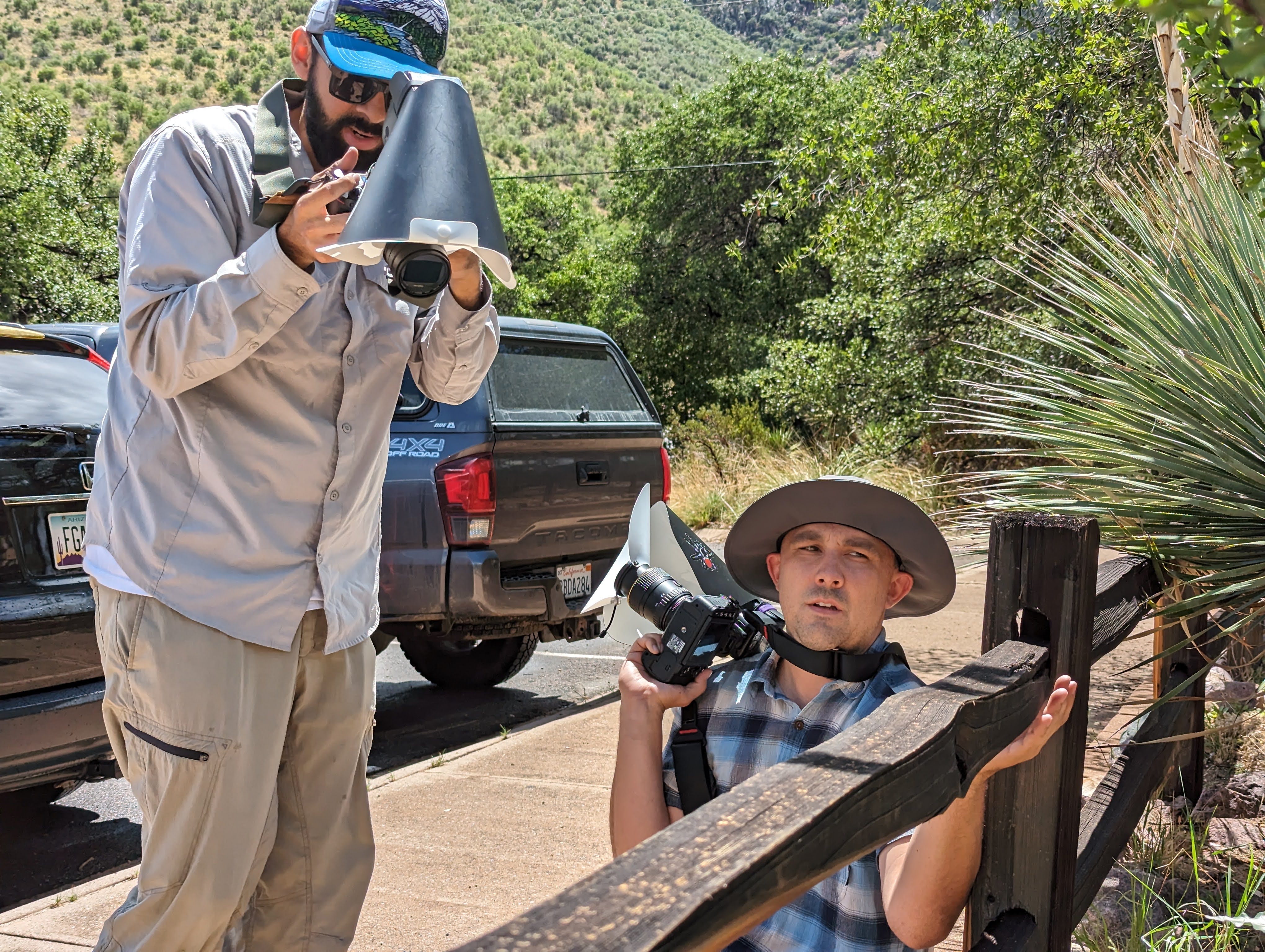
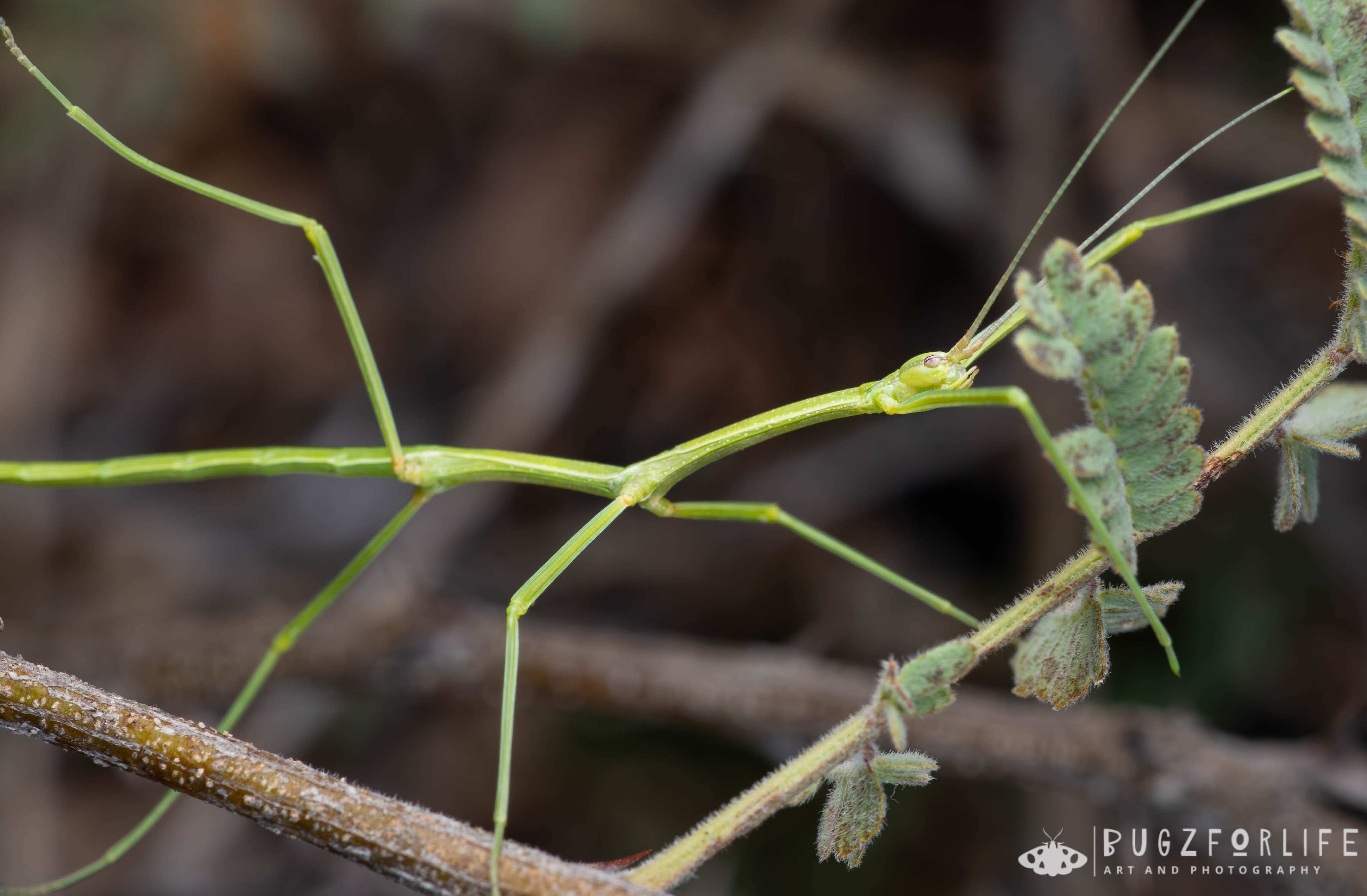
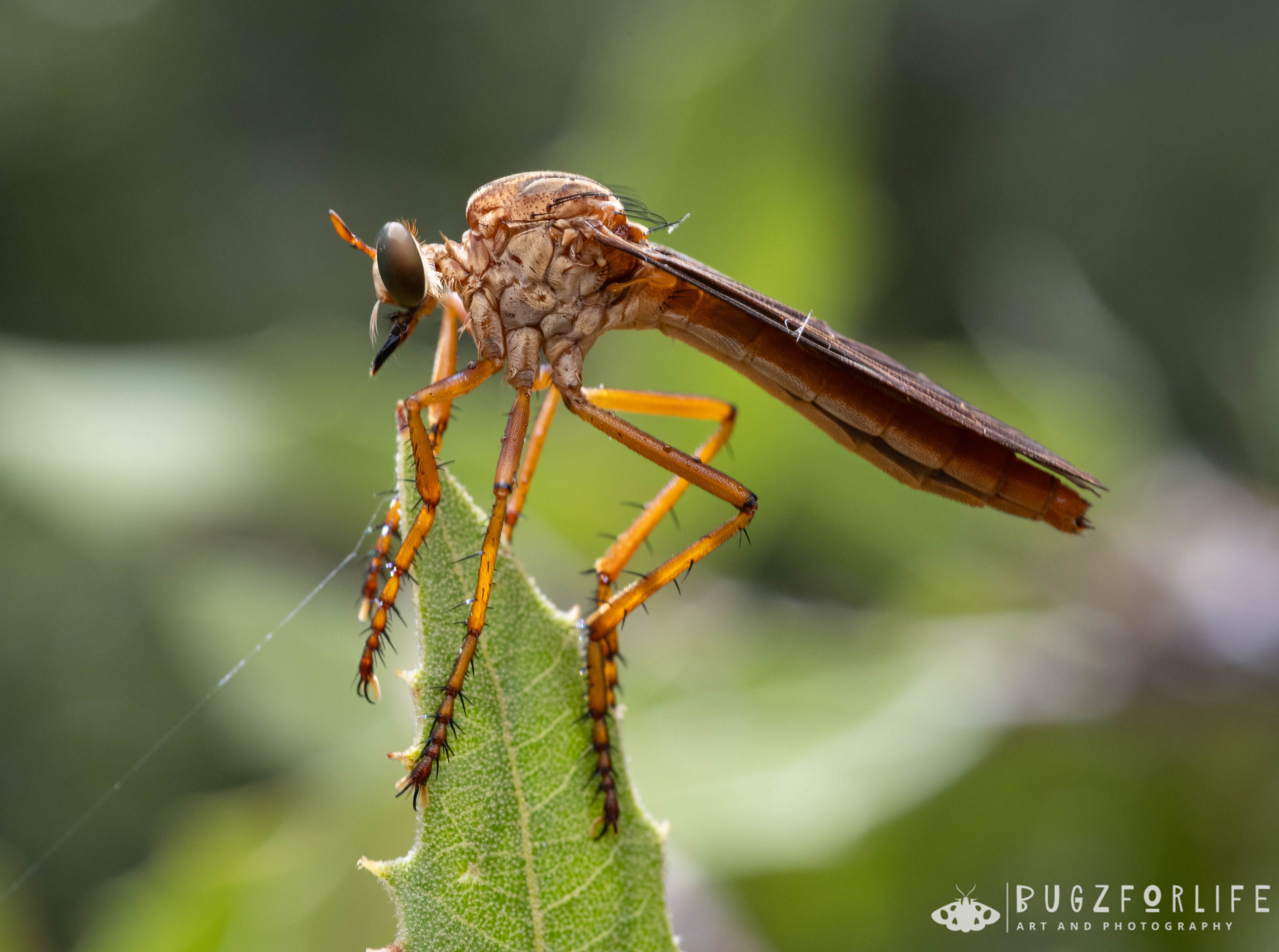
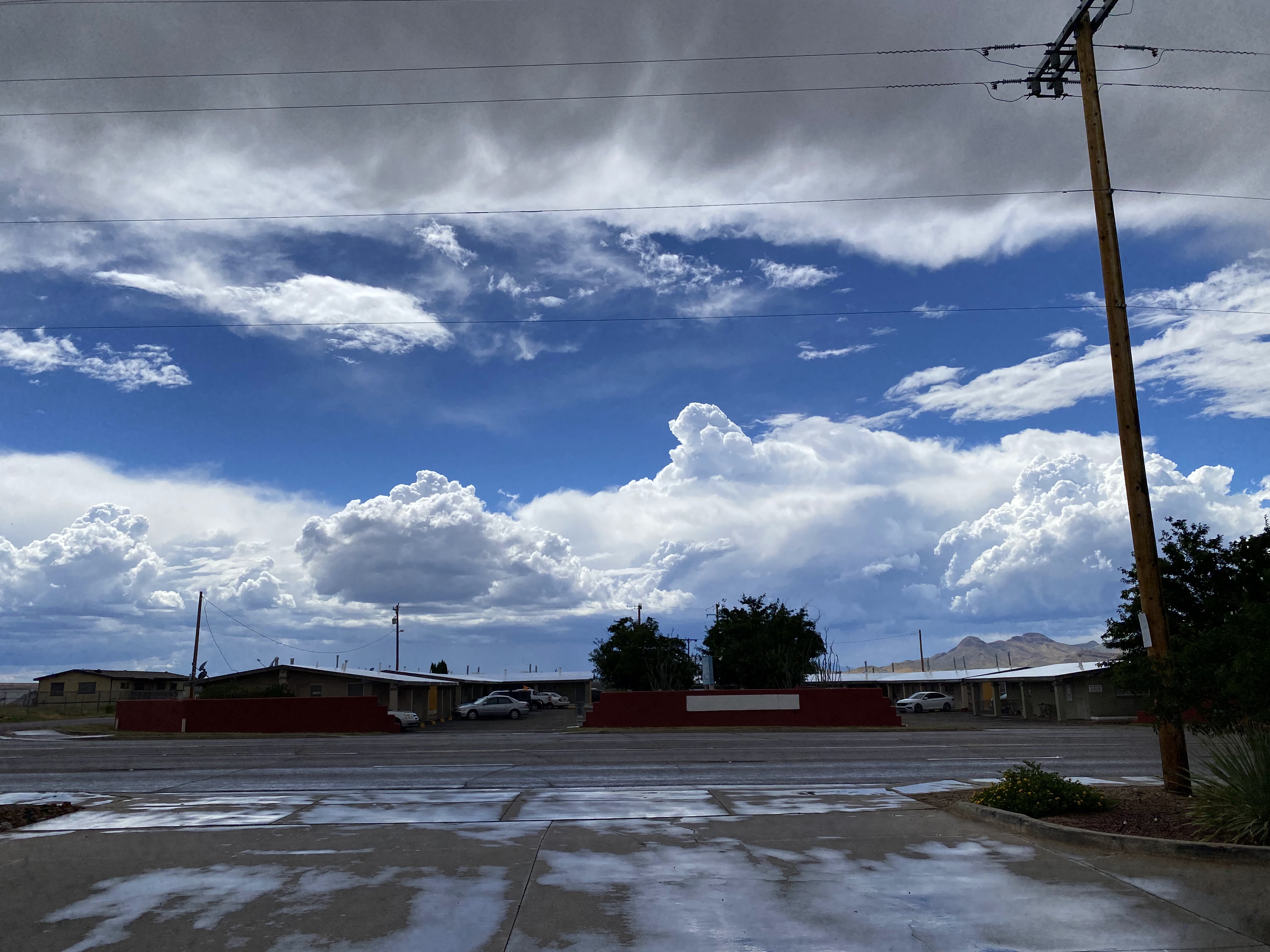
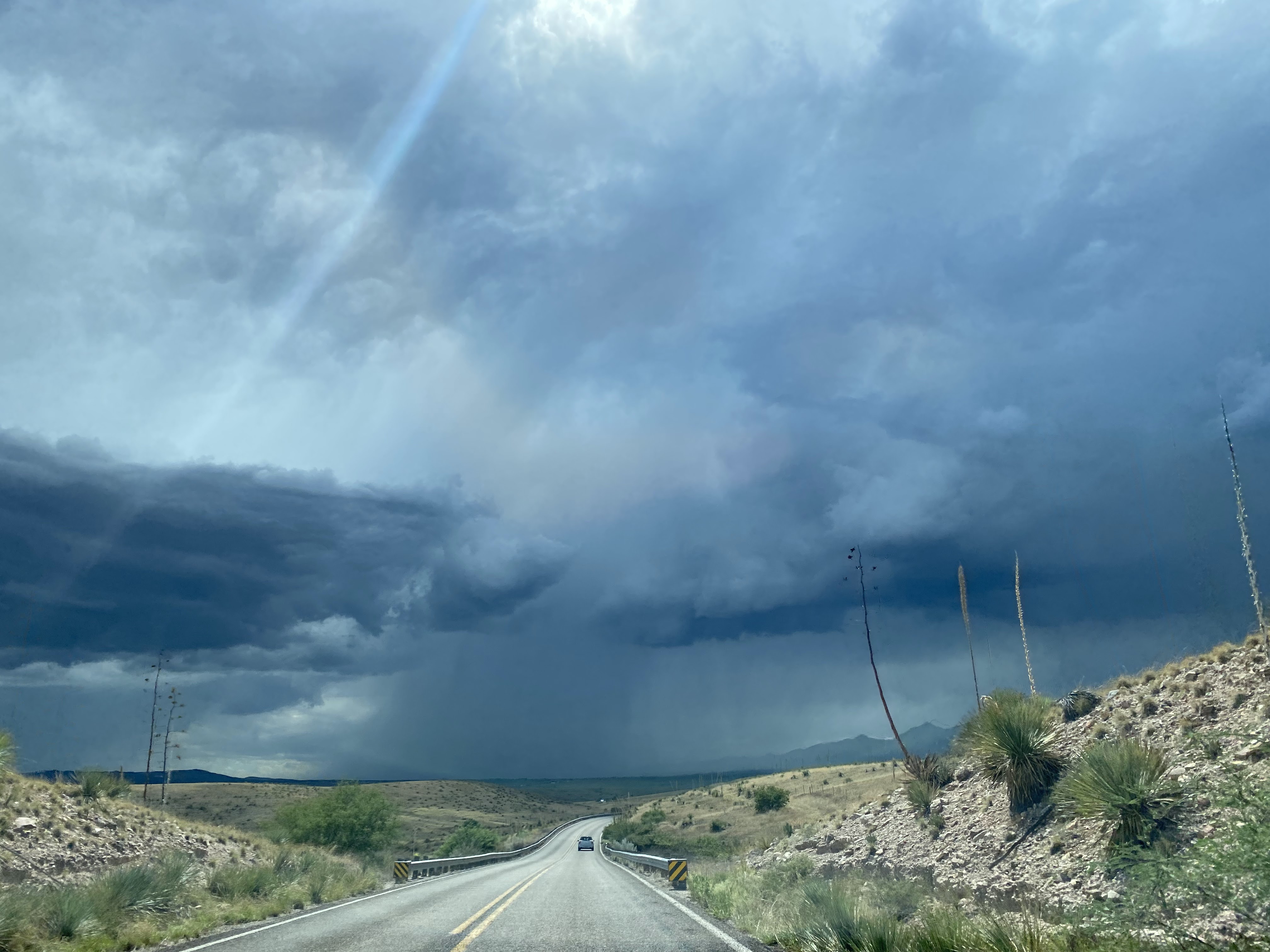
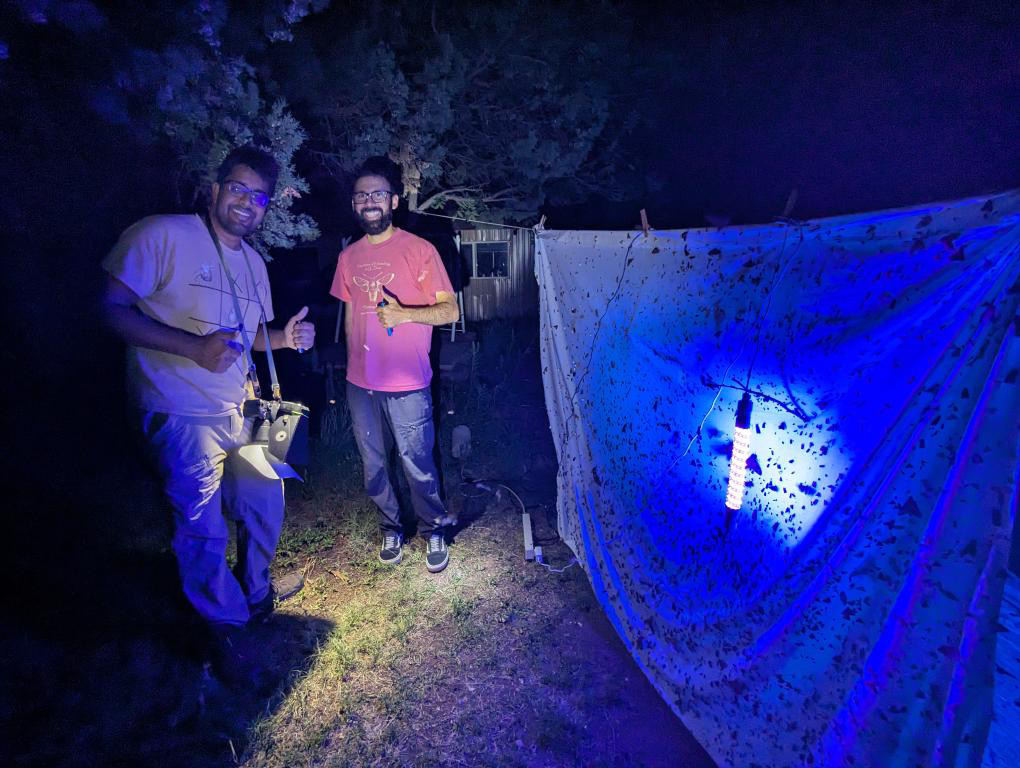
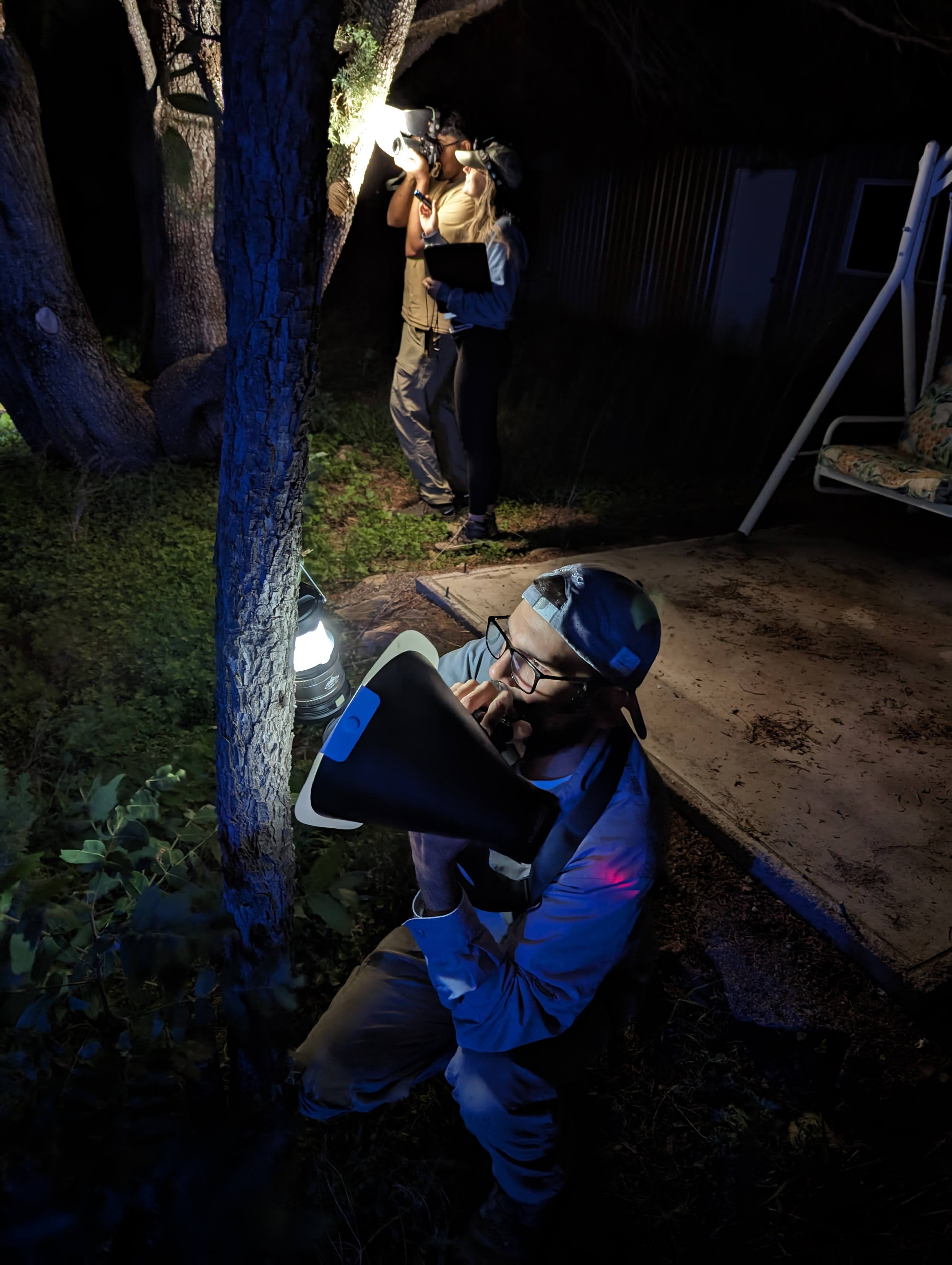
After a long day of dodging thunderstorms, we eventually made it back to the airbnb. Once we were able to rest and regroup, we repacked to head out to Miller Canyon for some blacklighting. I was crossing my fingers the weather would finally give us a break and thankfully it did. We arrived to the spot in the canyon we wanted to set up and were able to put everything together quickly. The blue glow of the UV lights were over powered by the very bright MV light but this combination had been the most successful so far. Not too long after everything was ready, insects began to appear out of the darkness and onto the sheet. The storms earlier in the afternoon caused the temperatures in this area to be a little cooler than what I was hoping for but it ended up working out anyway. Plenty of species came to the sheet including Eacles oslari, Pachysphinx occidentalis, Manduca florestan, Manduca sexta, Chrysina gloriosa and C.beyeri, Strategus aloeus, and Vella fallax. The most notable species that showed up were Crinodes biedermani, which was a new species for everyone, including myself, and Dysschema howardi, the Northern Giant Flag moth. I had not seen an individual D.howardi since the trip back in 2015!
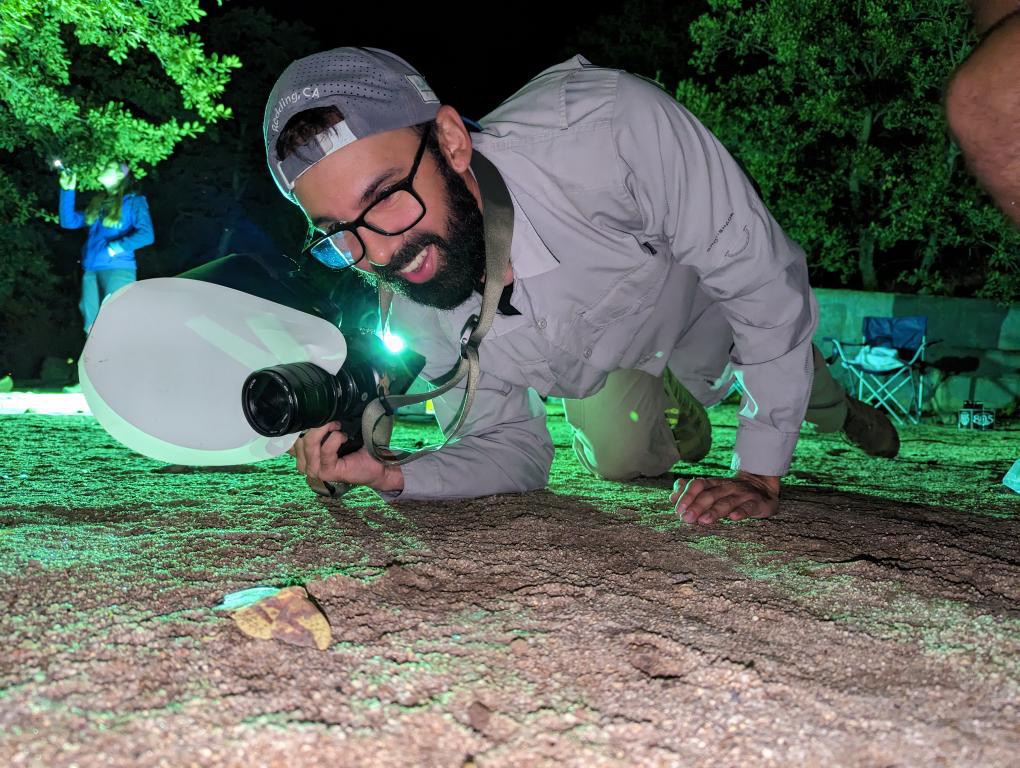
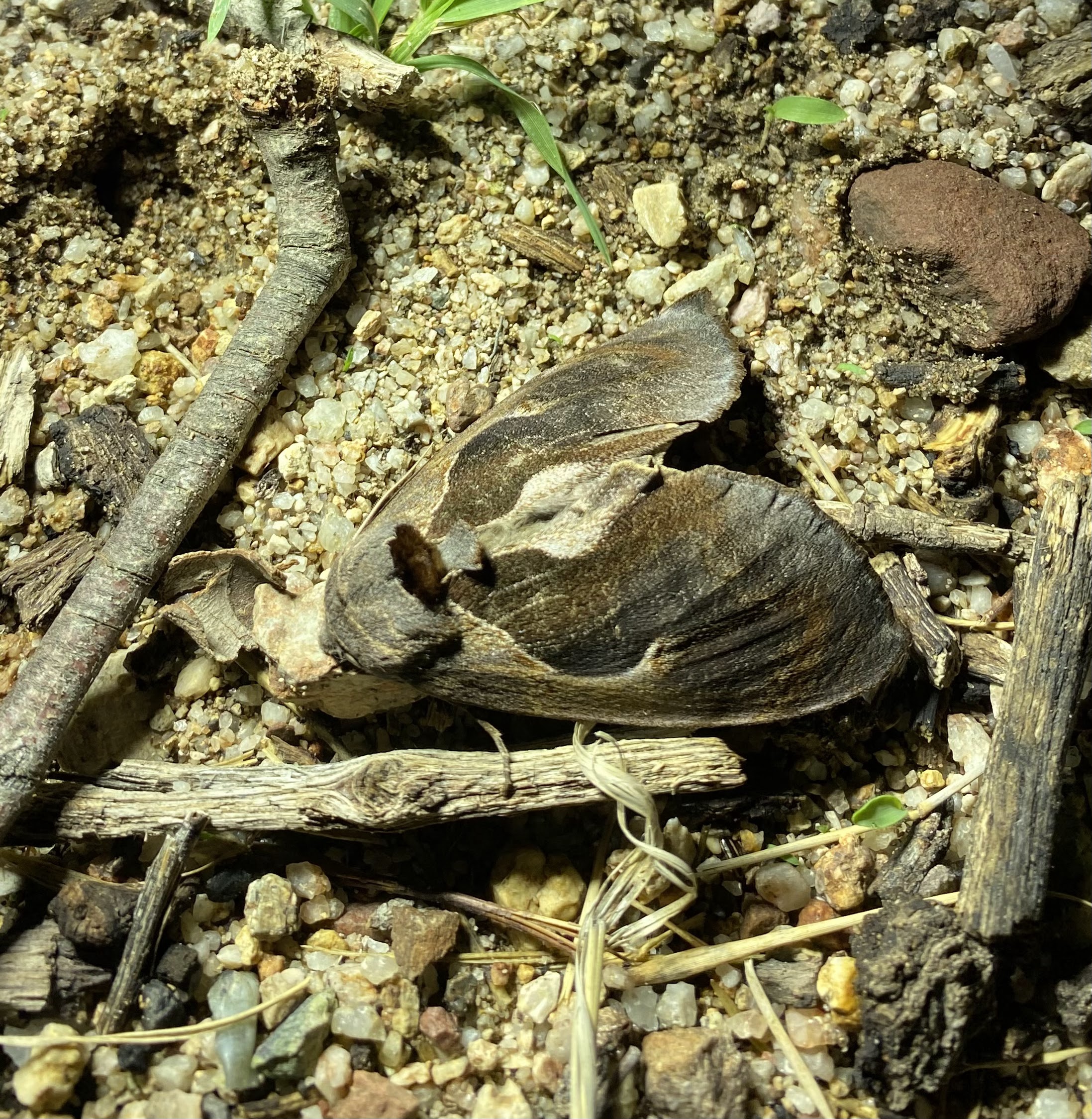
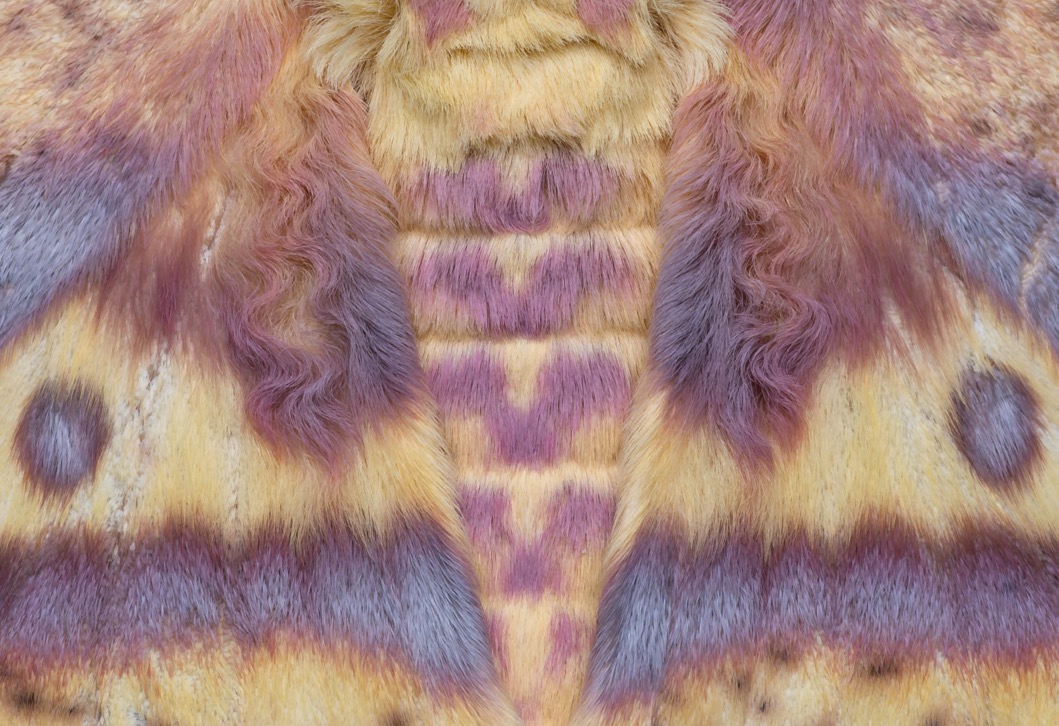
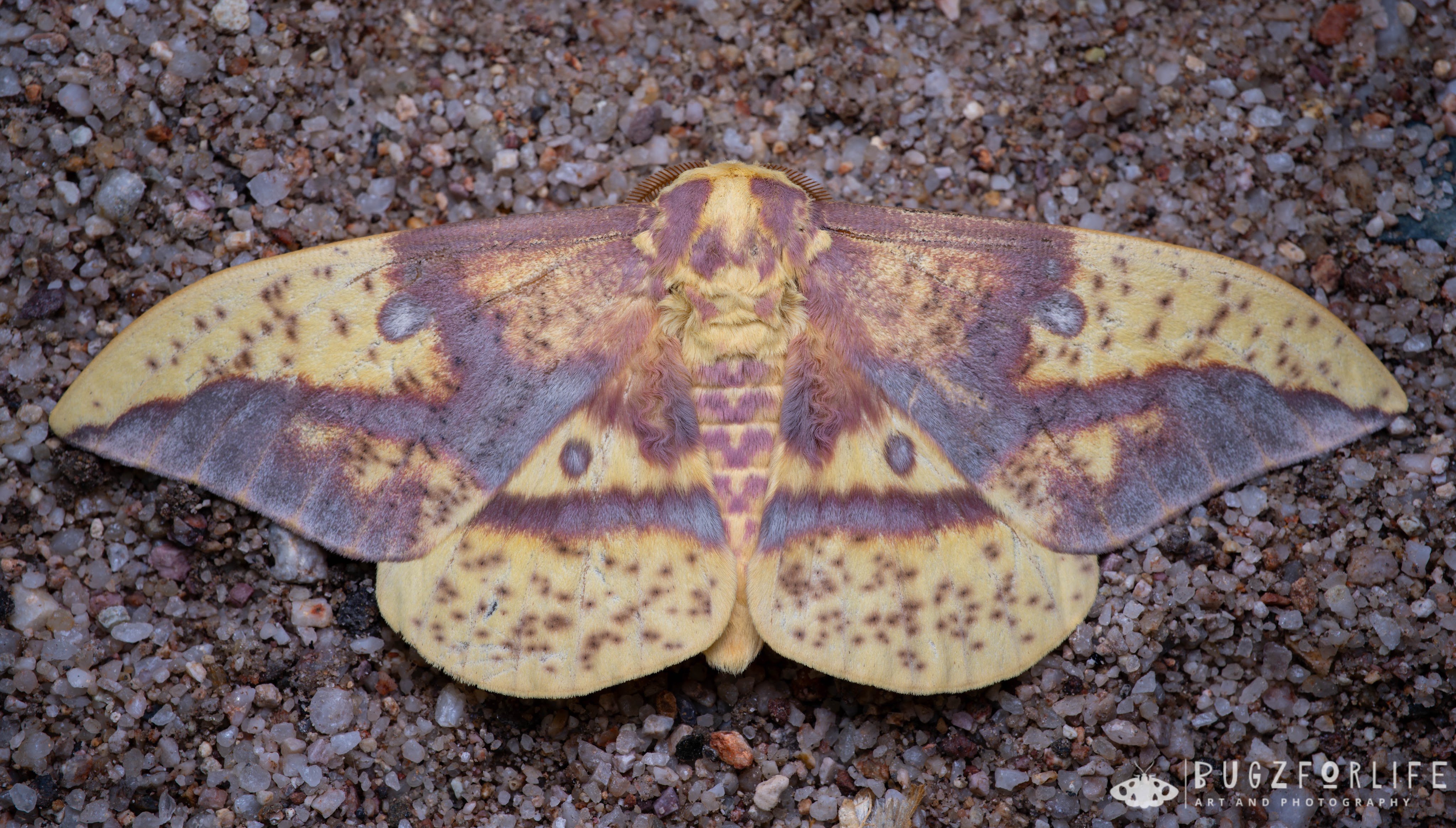
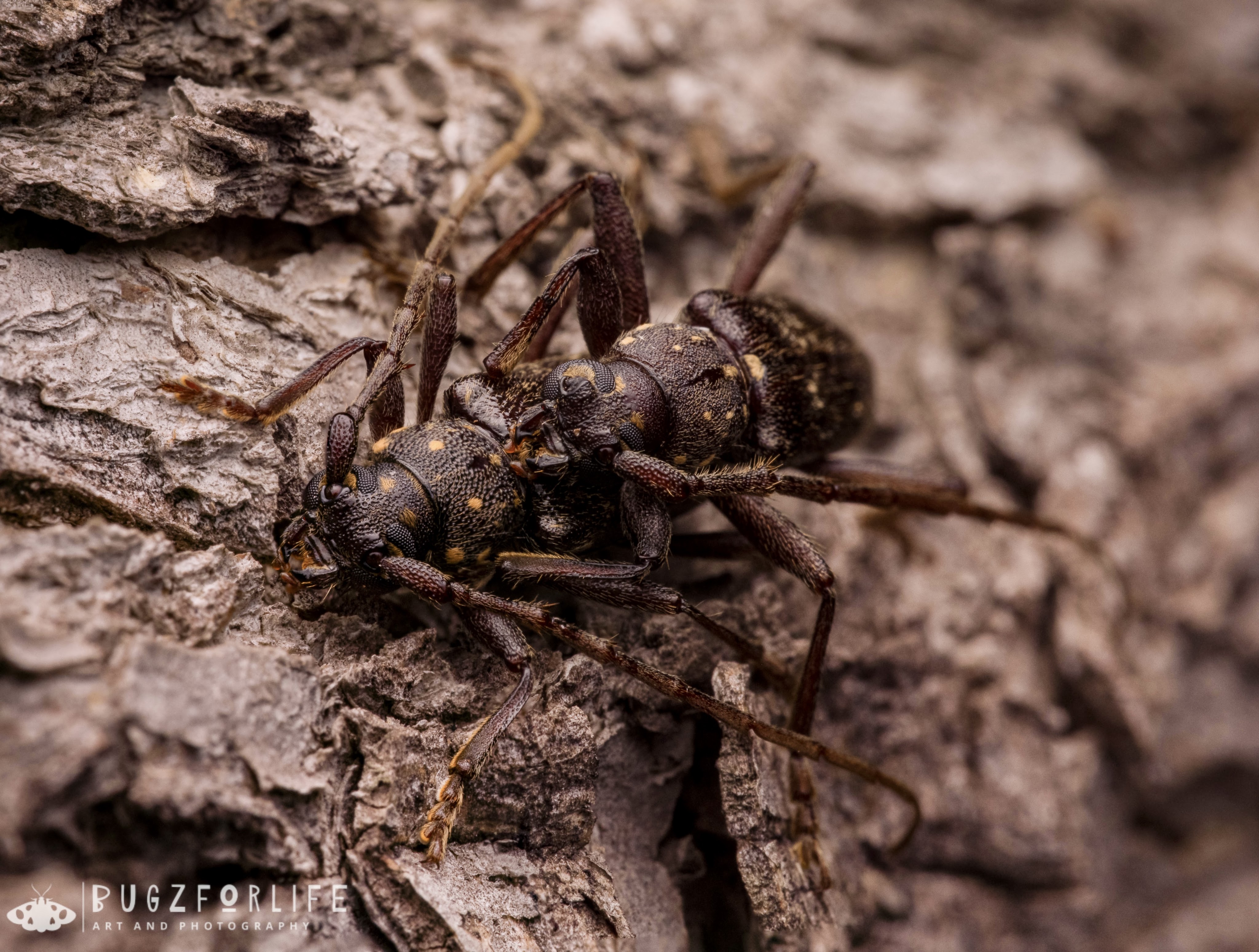
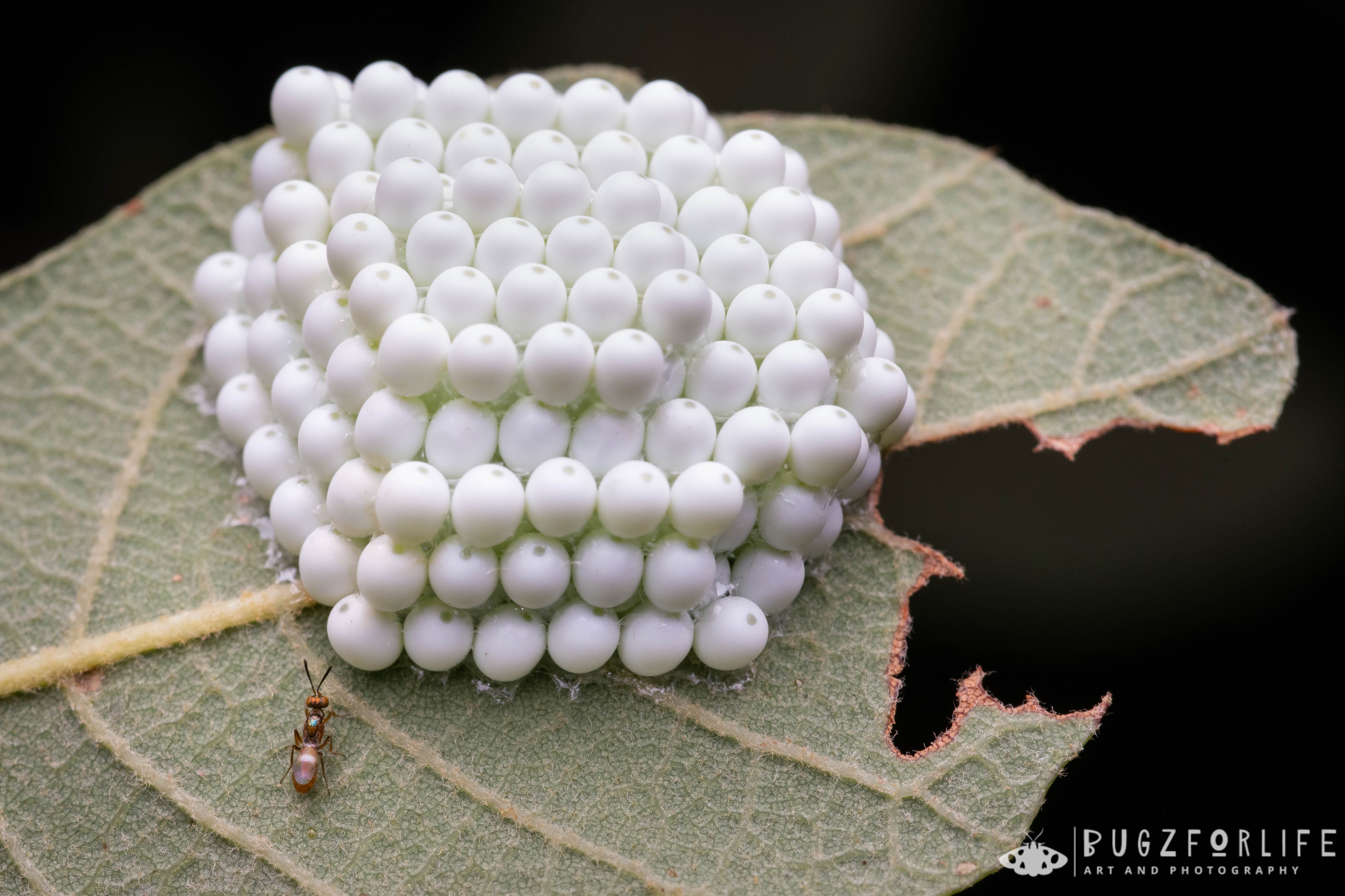
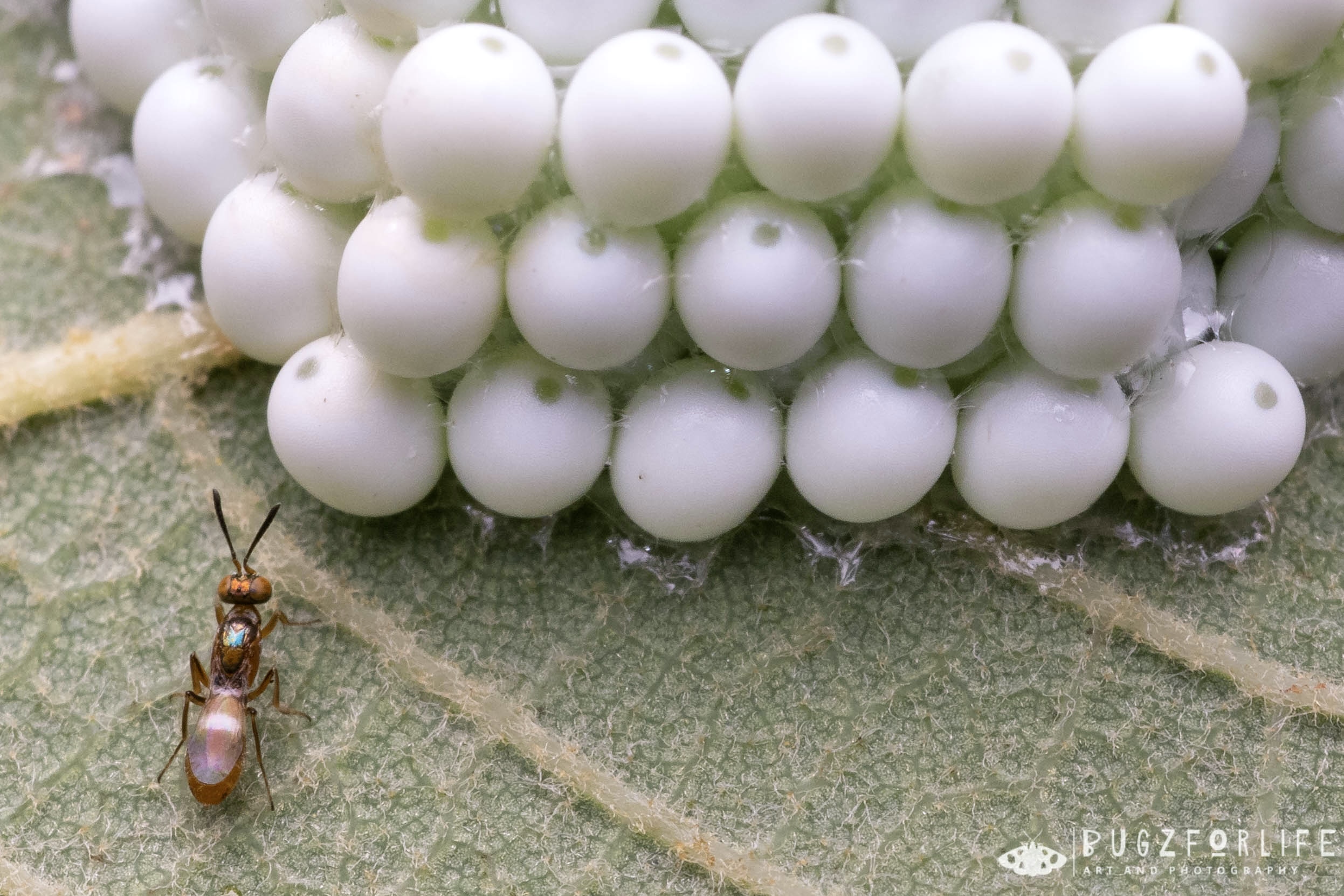
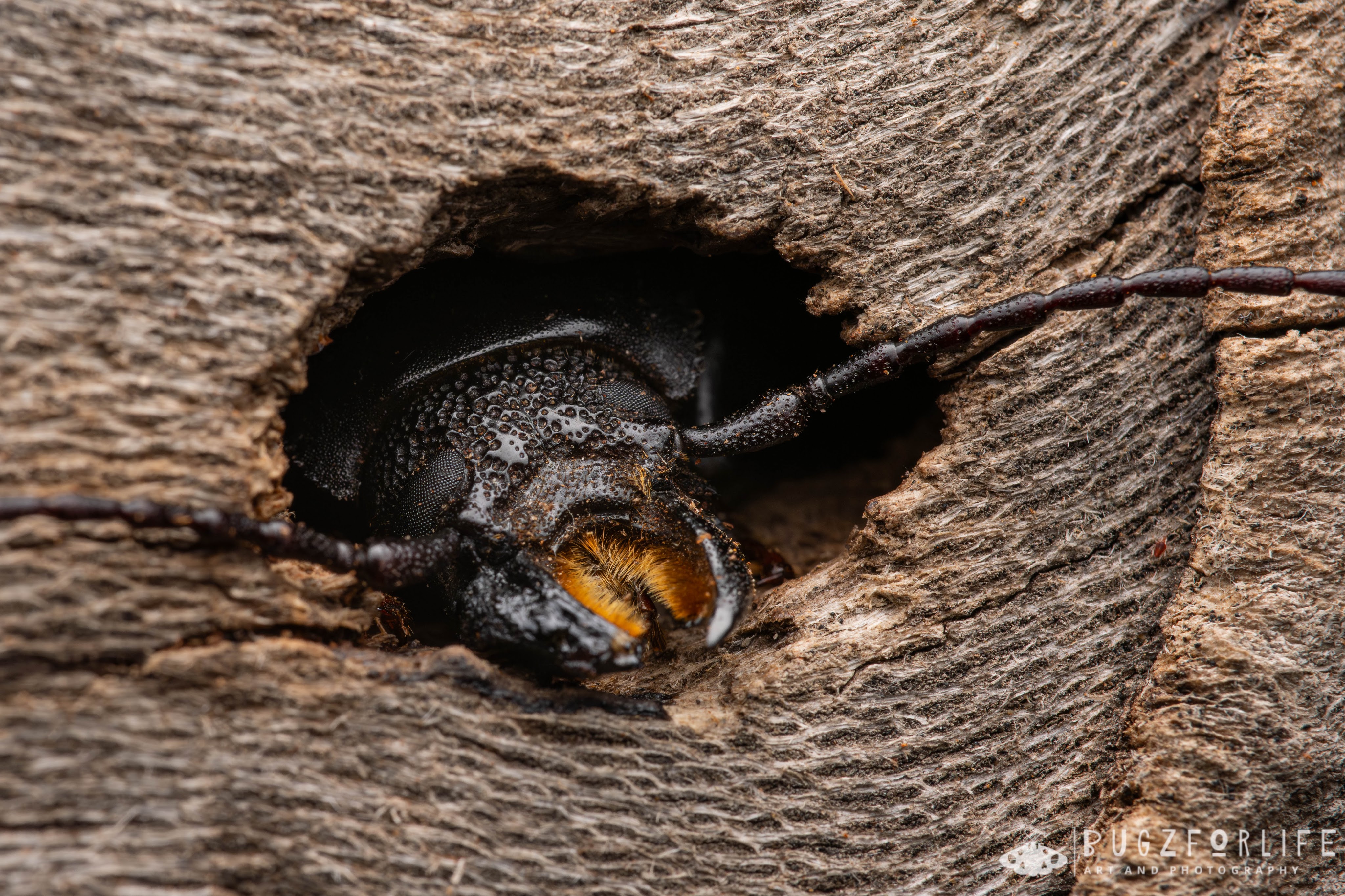
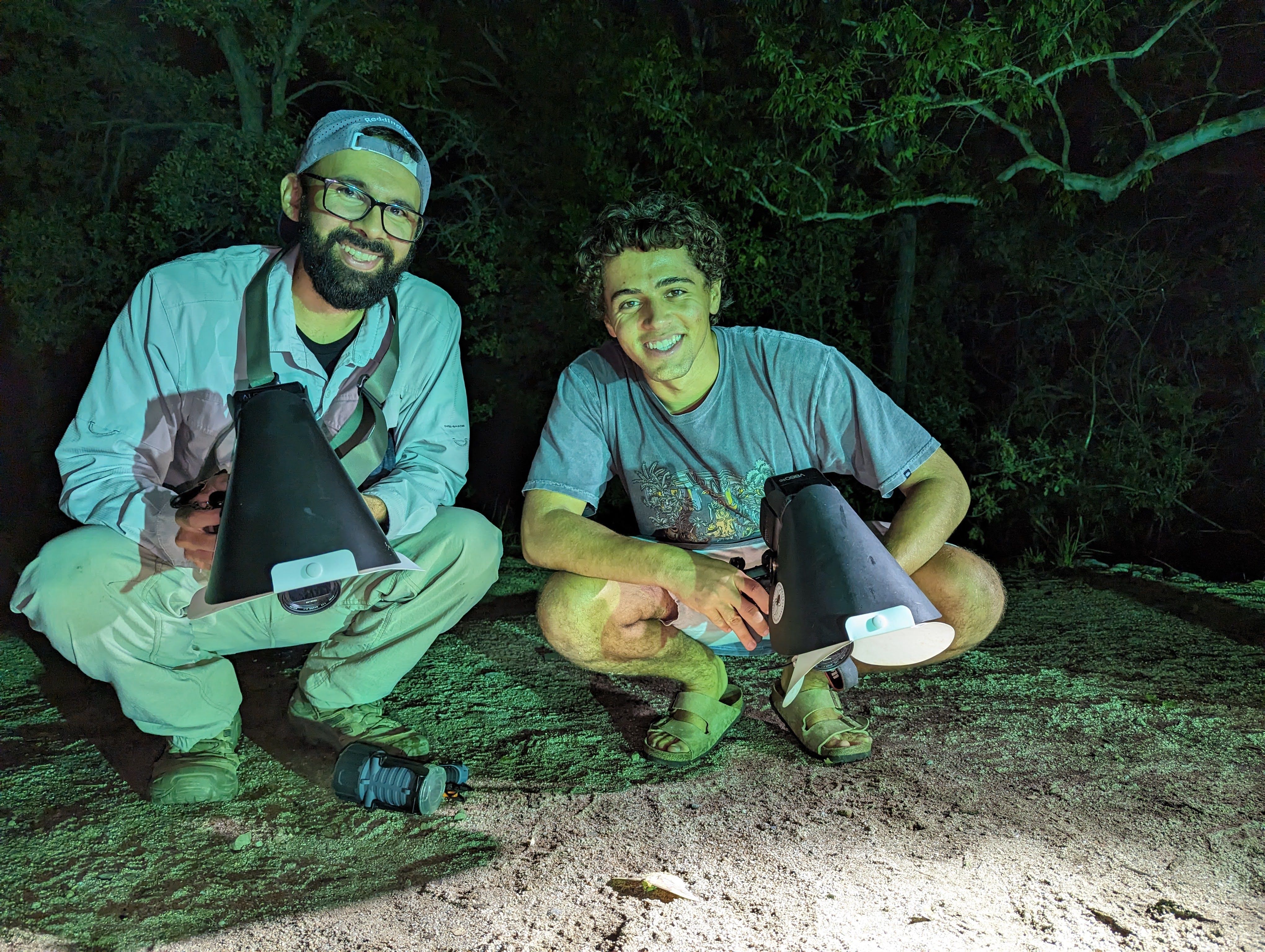
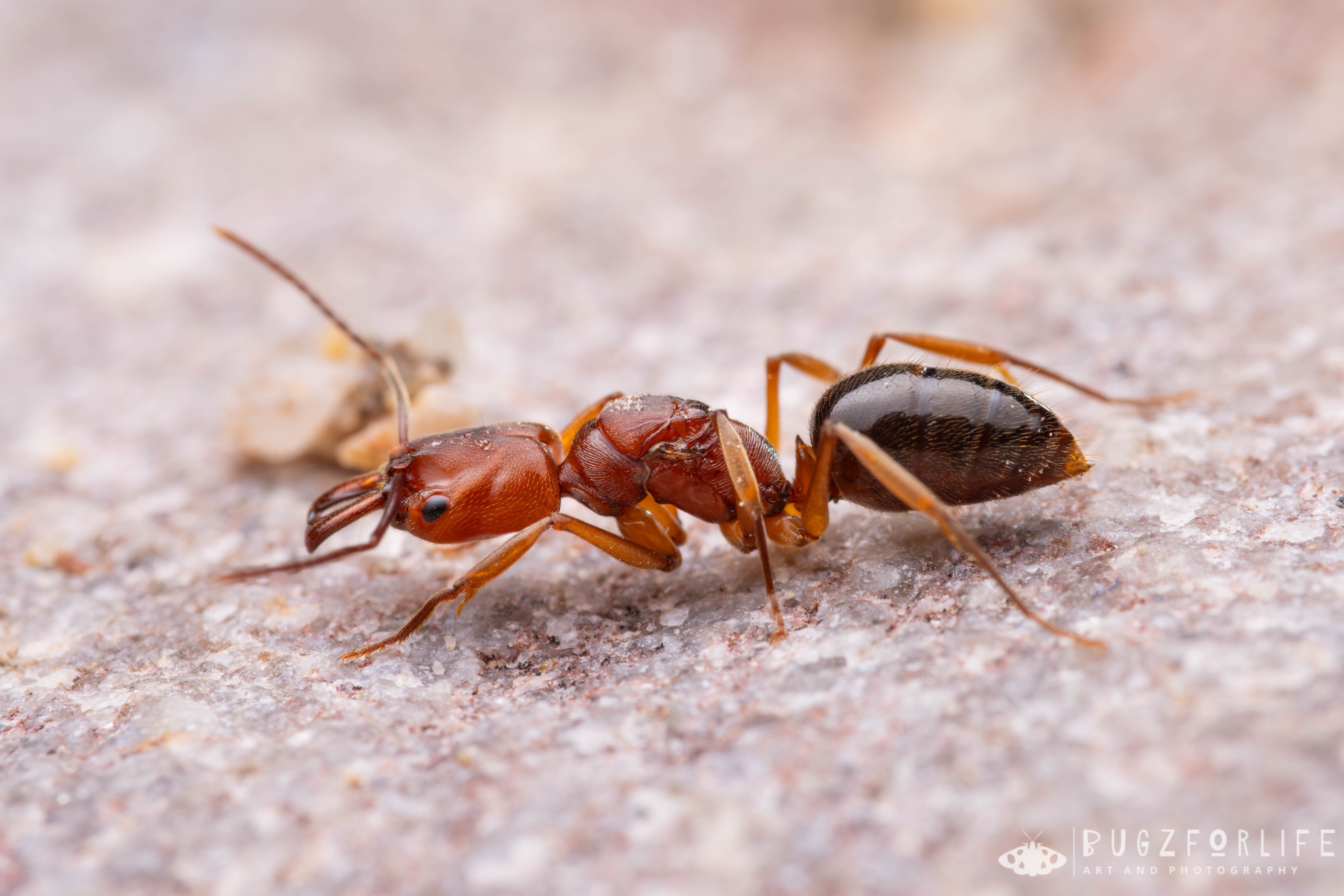
To my surprise, we were also visited by a group of students from ASU, one of which was Mason Salem (@azmacroguy), who I had only ever spoke to through Instagram previously. It was awesome to meet him and his cohort in person and they were equally as excited to meet us as well. We showed them what we had found at the sheet and in return they showed us some cool species we had all never seen before, including desert trap-jaw ants (Odontomachus clarus). Both groups did some exploring in the areas around the sheet and found a couple other species including Lucanus mazama (Cottonwood Stag beetle), Mallodon dasystomus. (Hardwood stump borer), and a parasitoid wasp waiting for eggs to hatch. This was quite a fun outing but I didn’t want to stay too late since it was a fairly long drive back to the airbnb. We said our goodbyes and headed back to get some sleep.
Dry Dragoons and a Cemetery in Harshaw
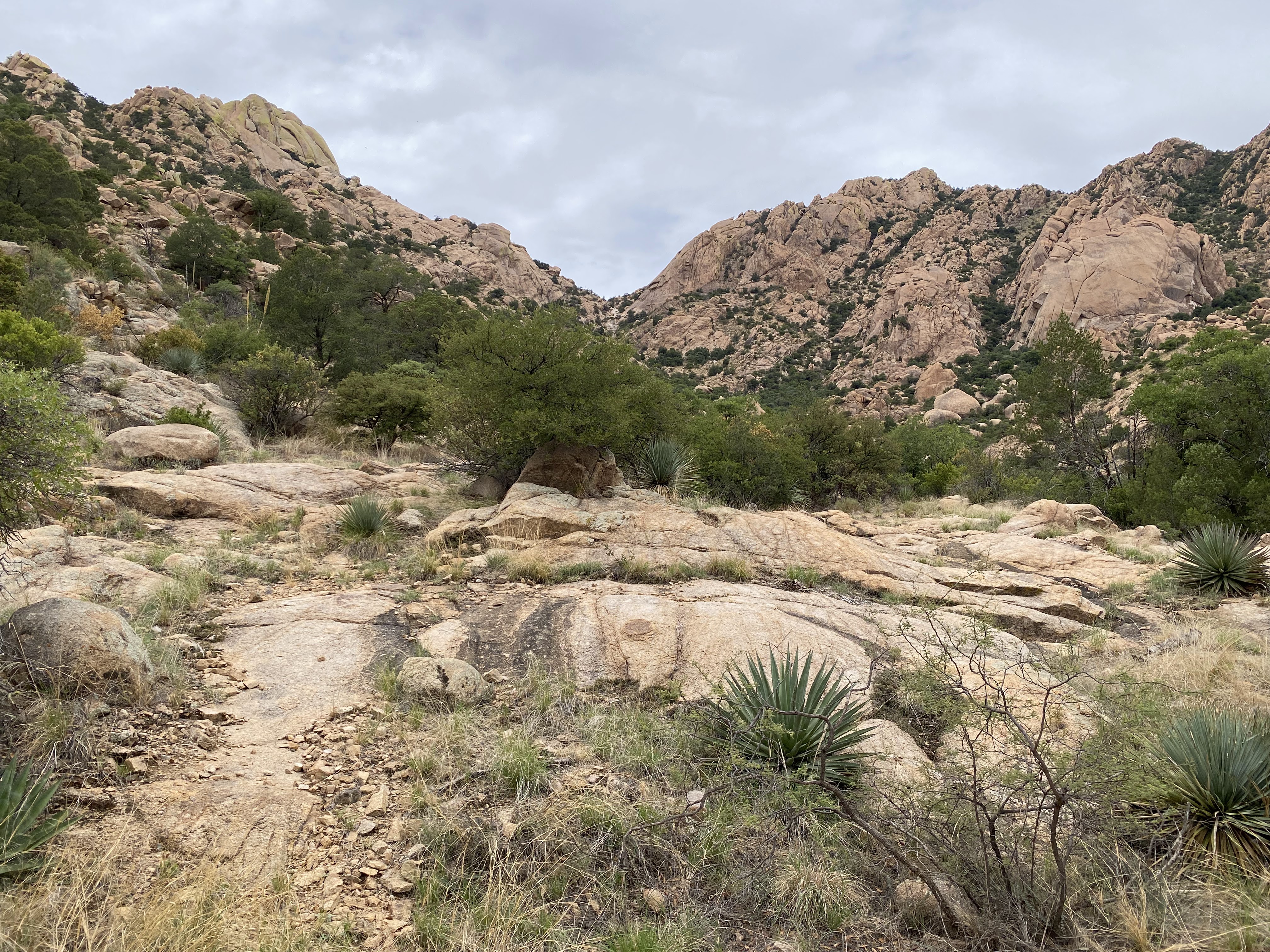
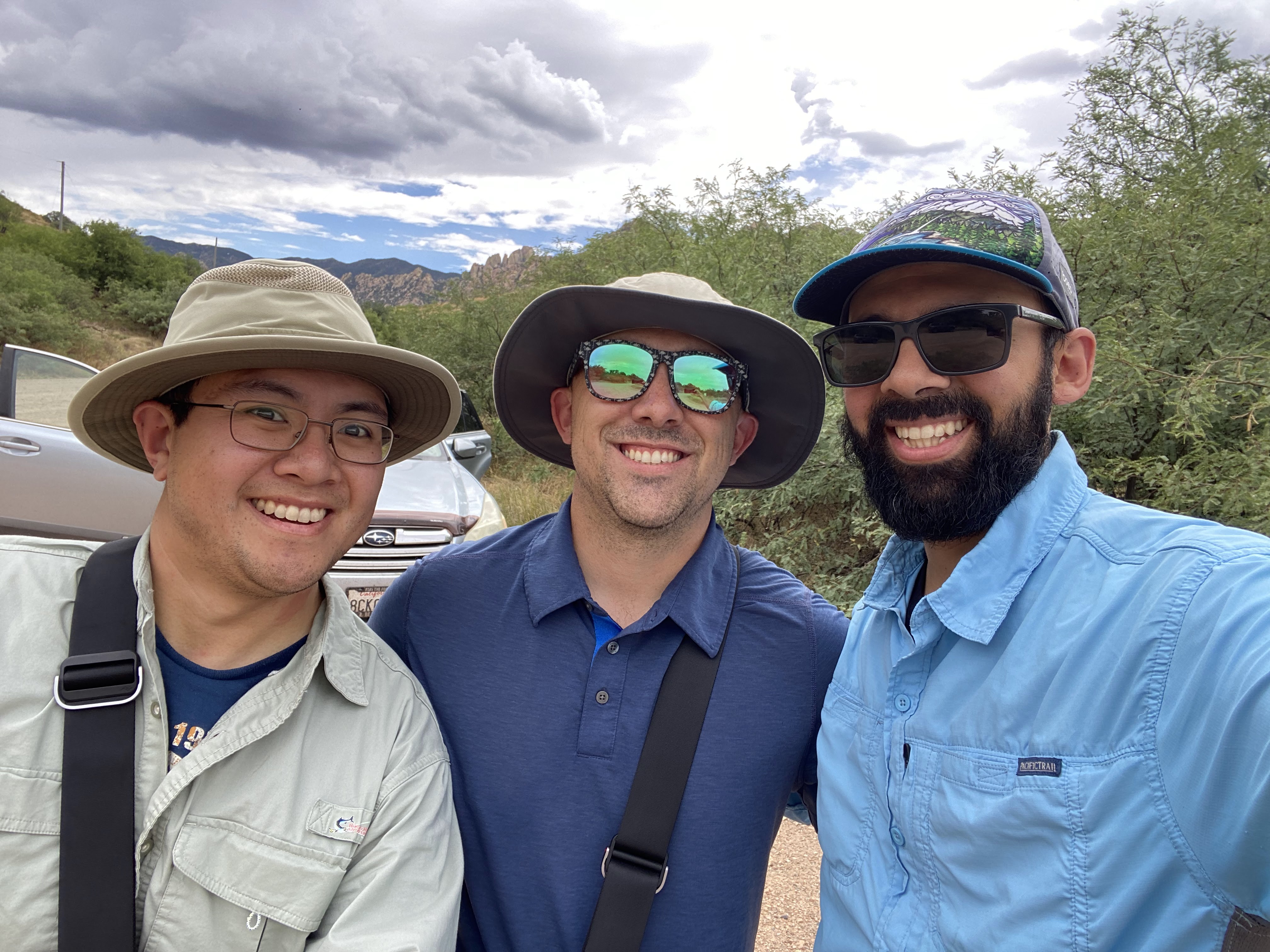
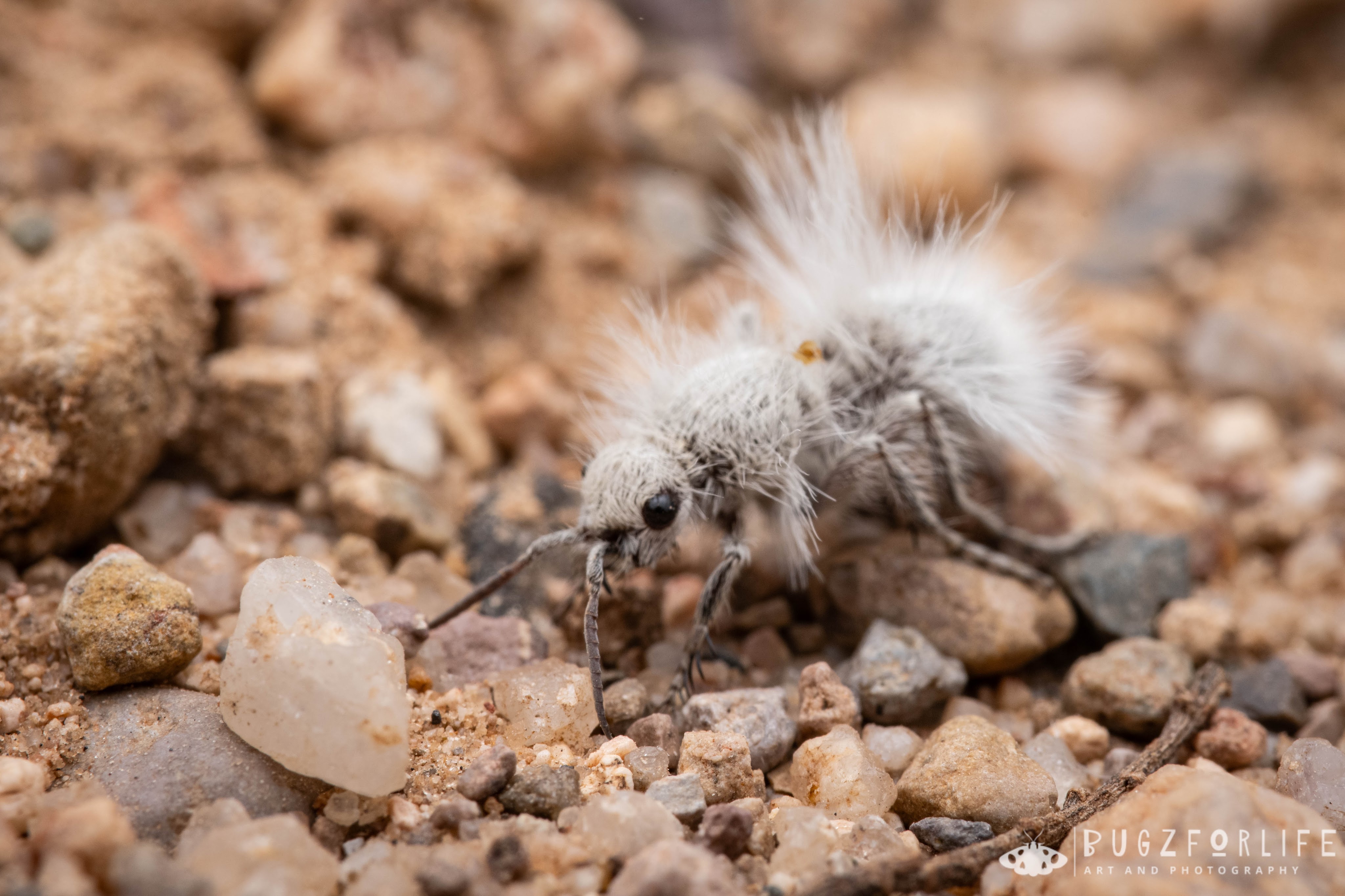
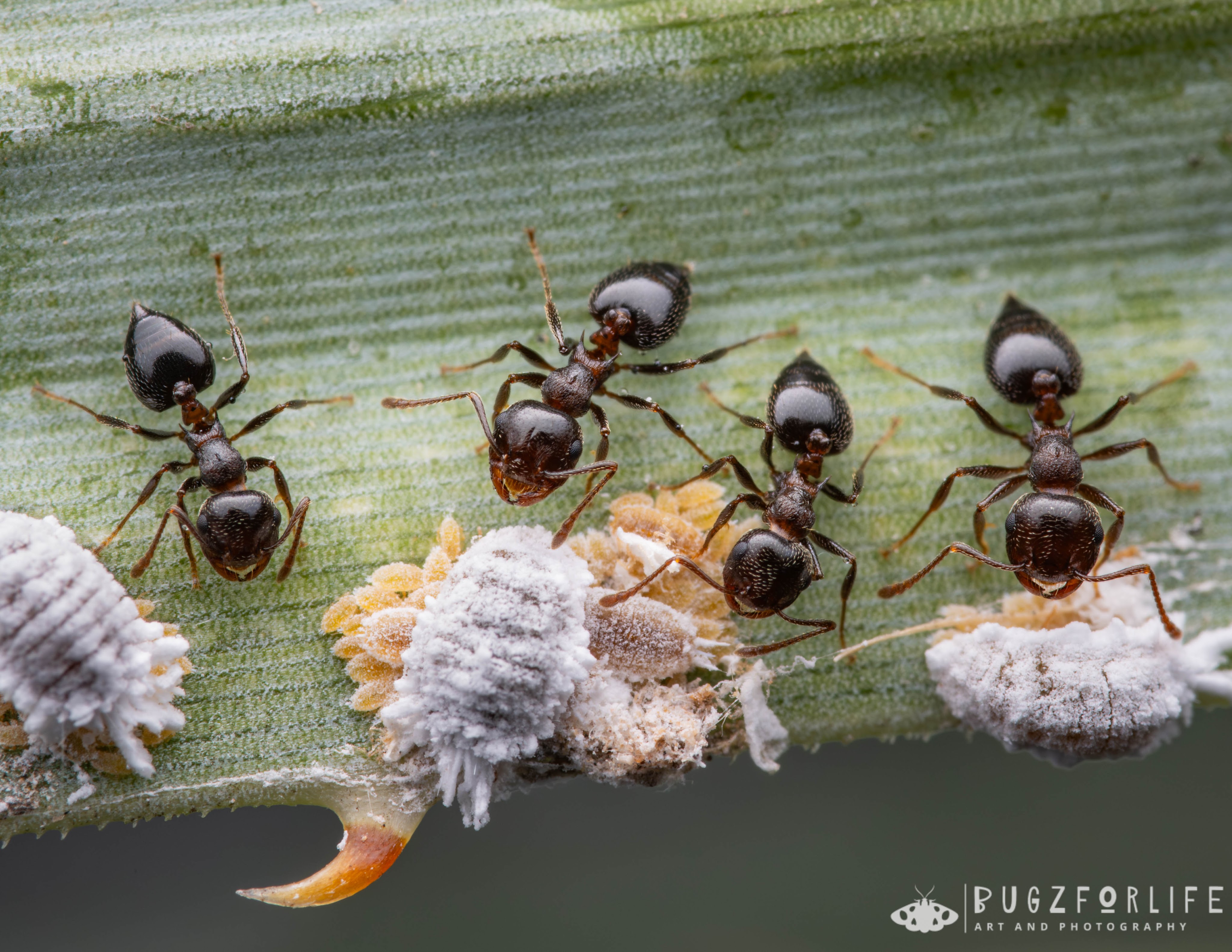
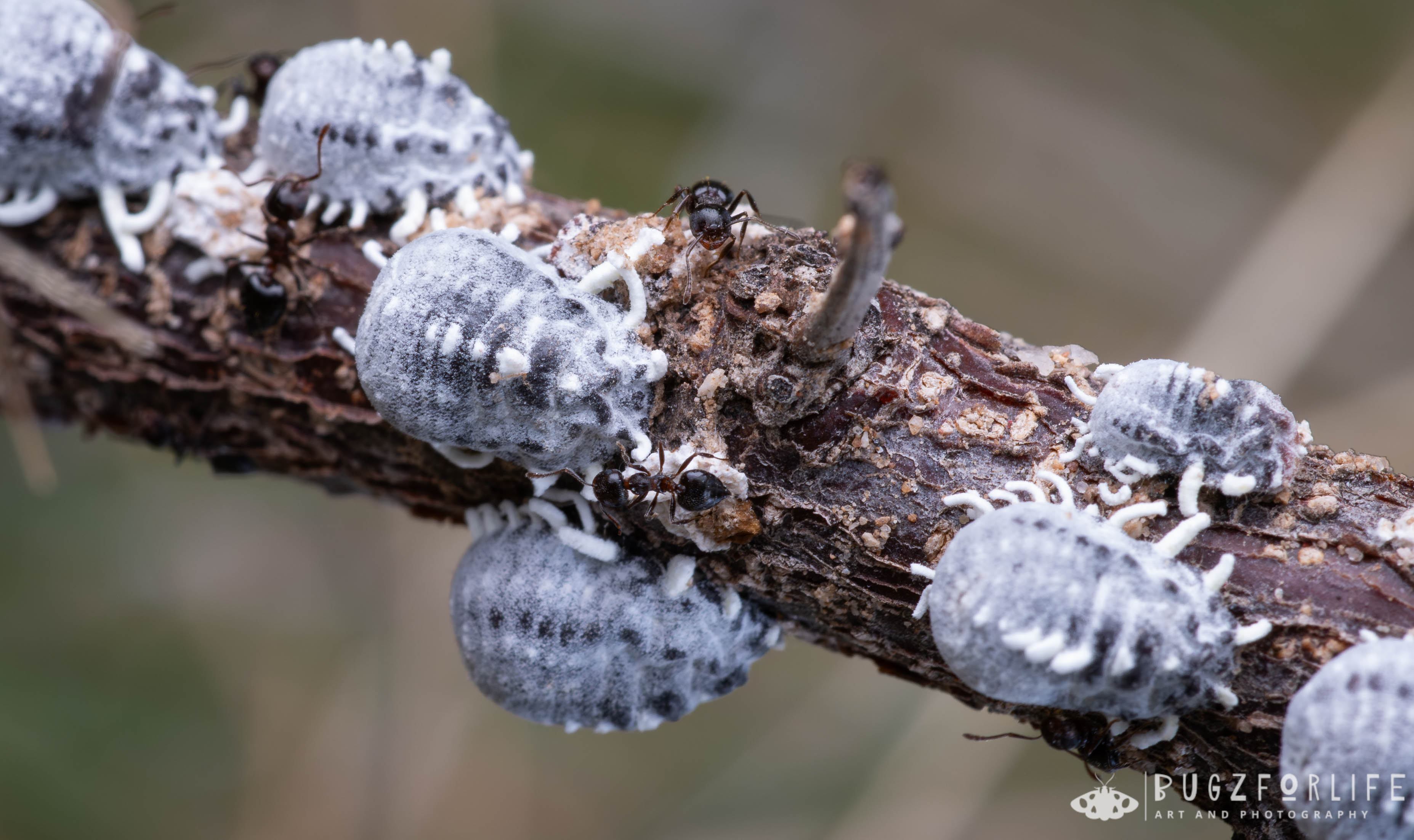
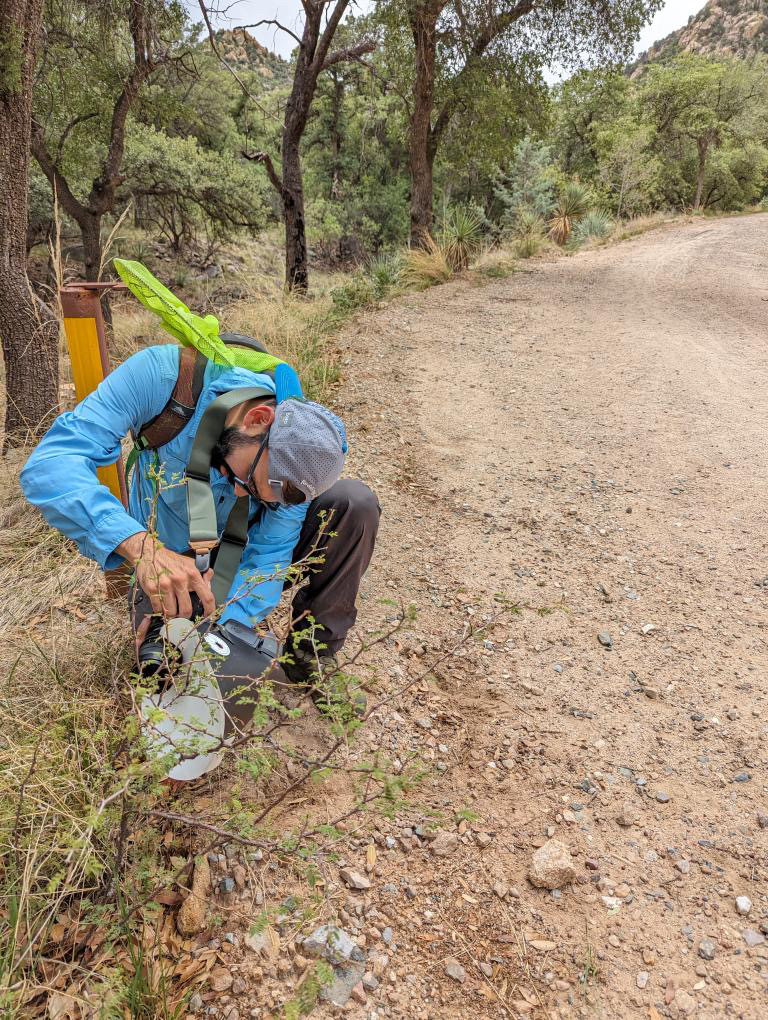
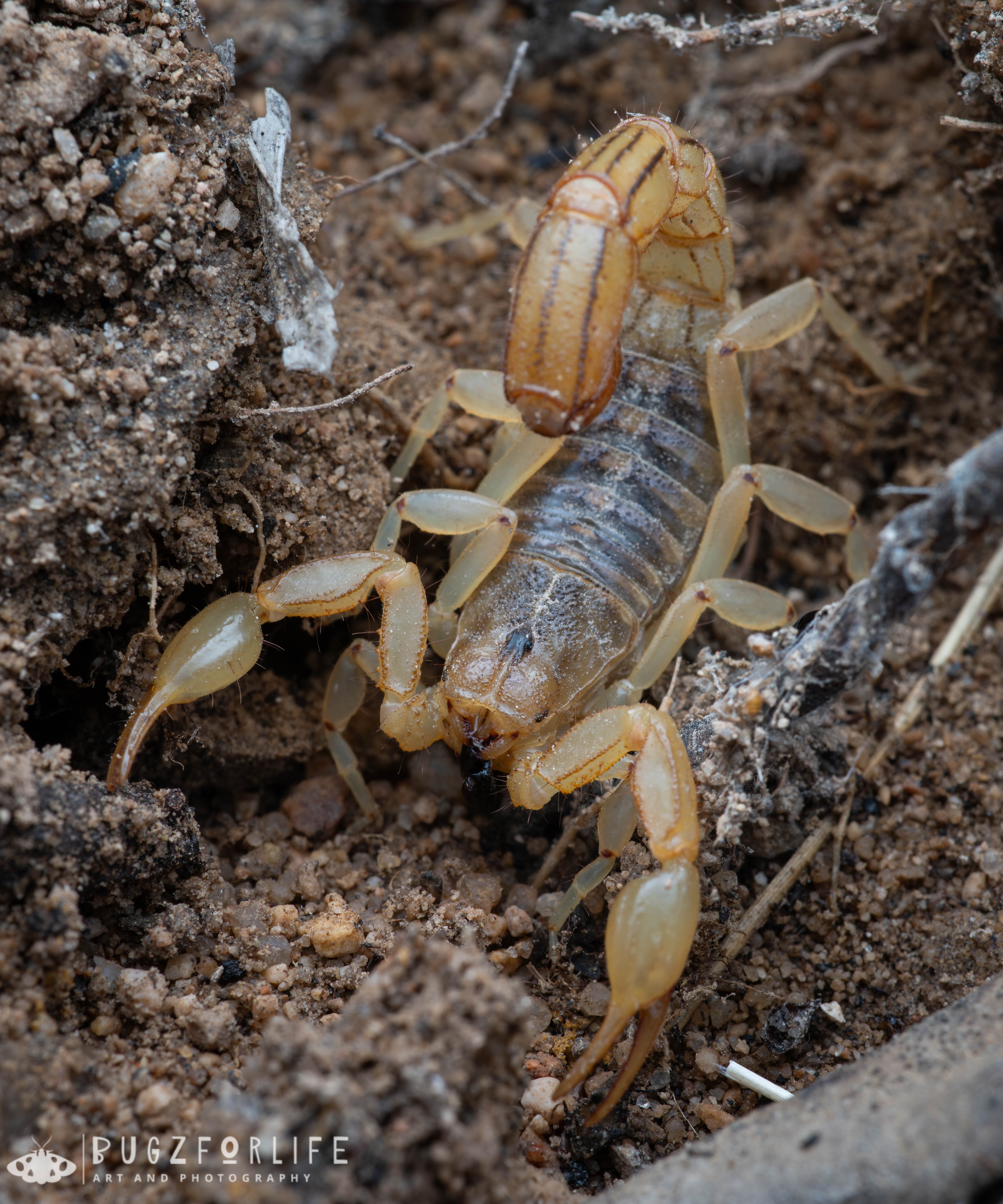
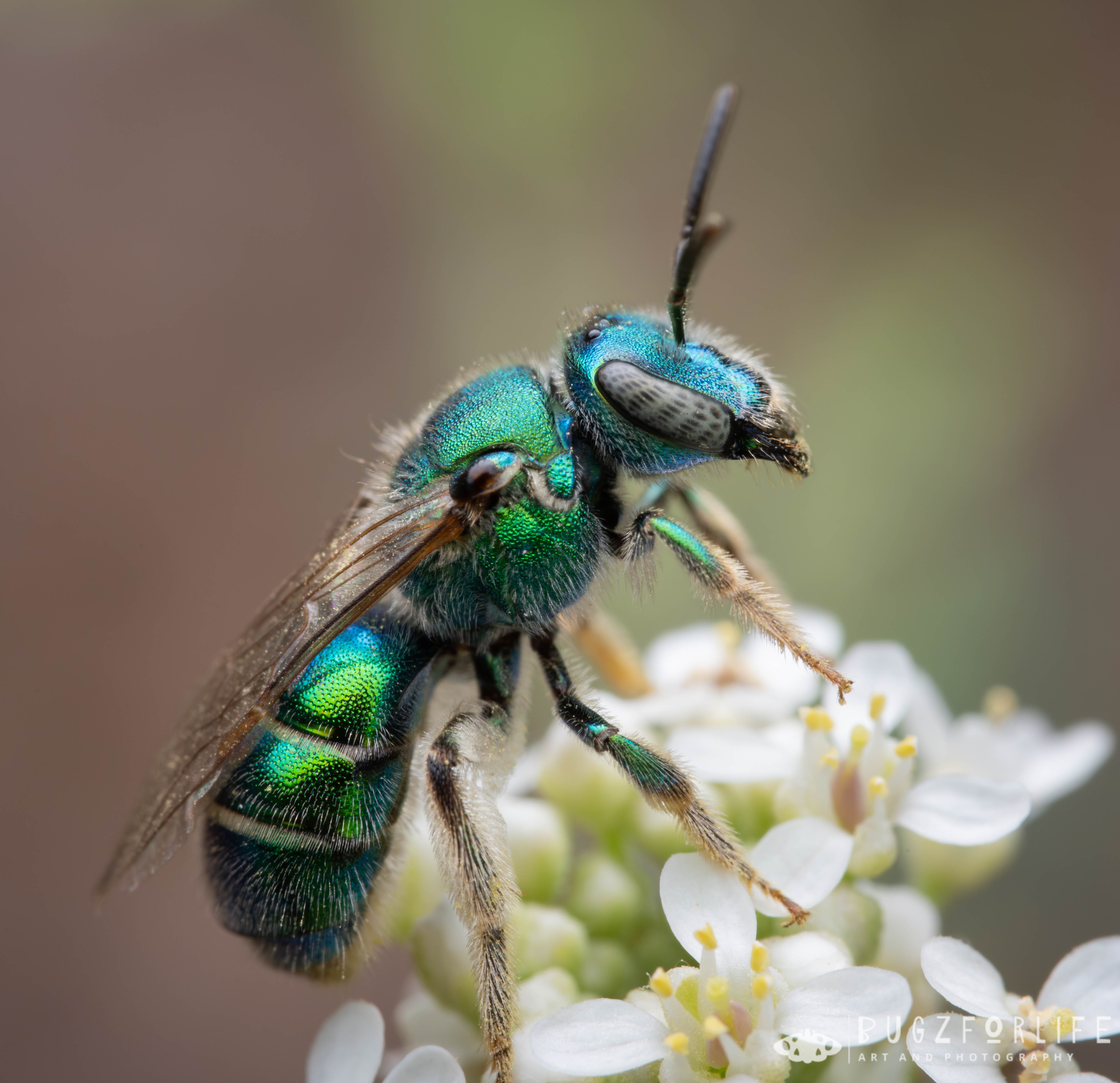
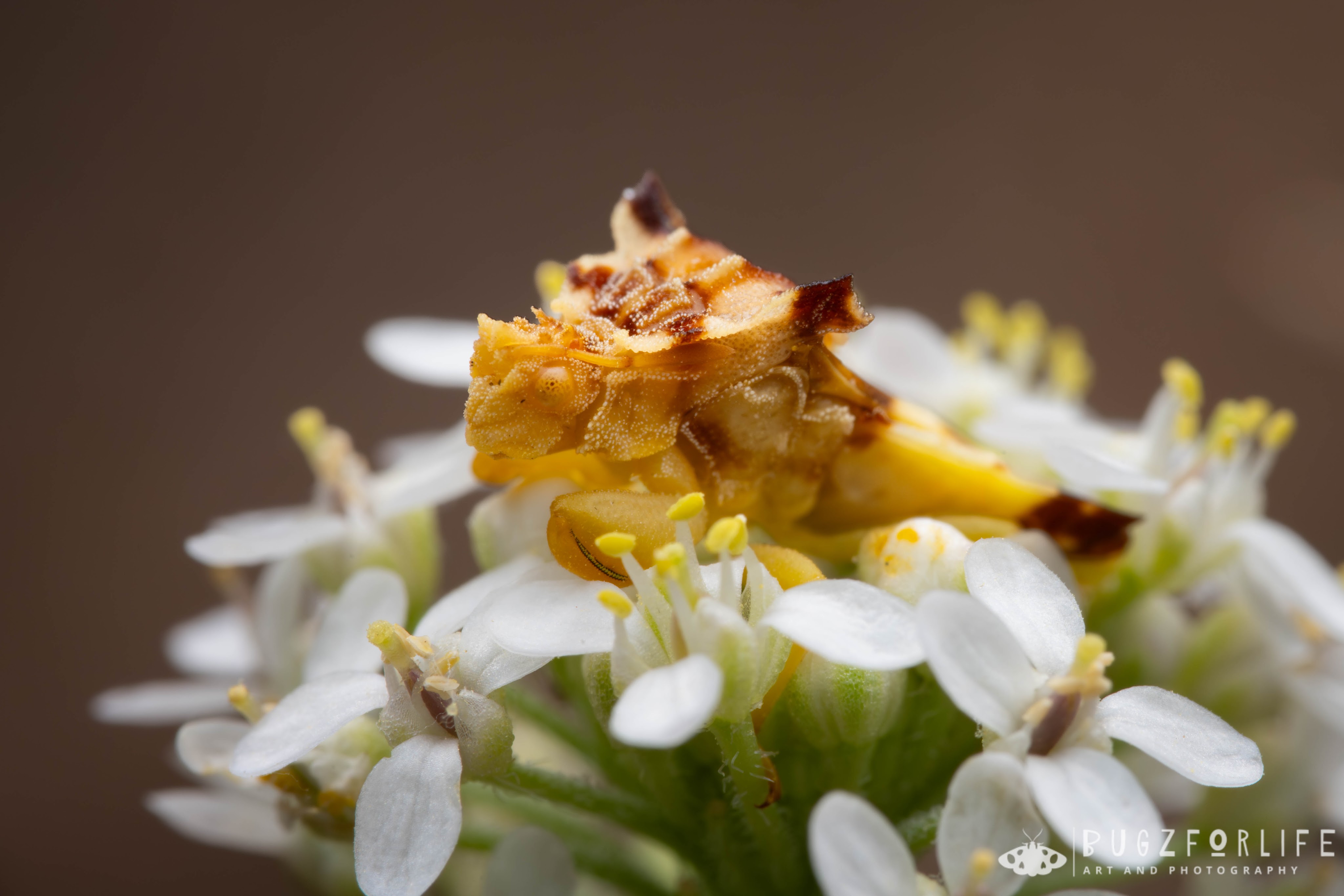
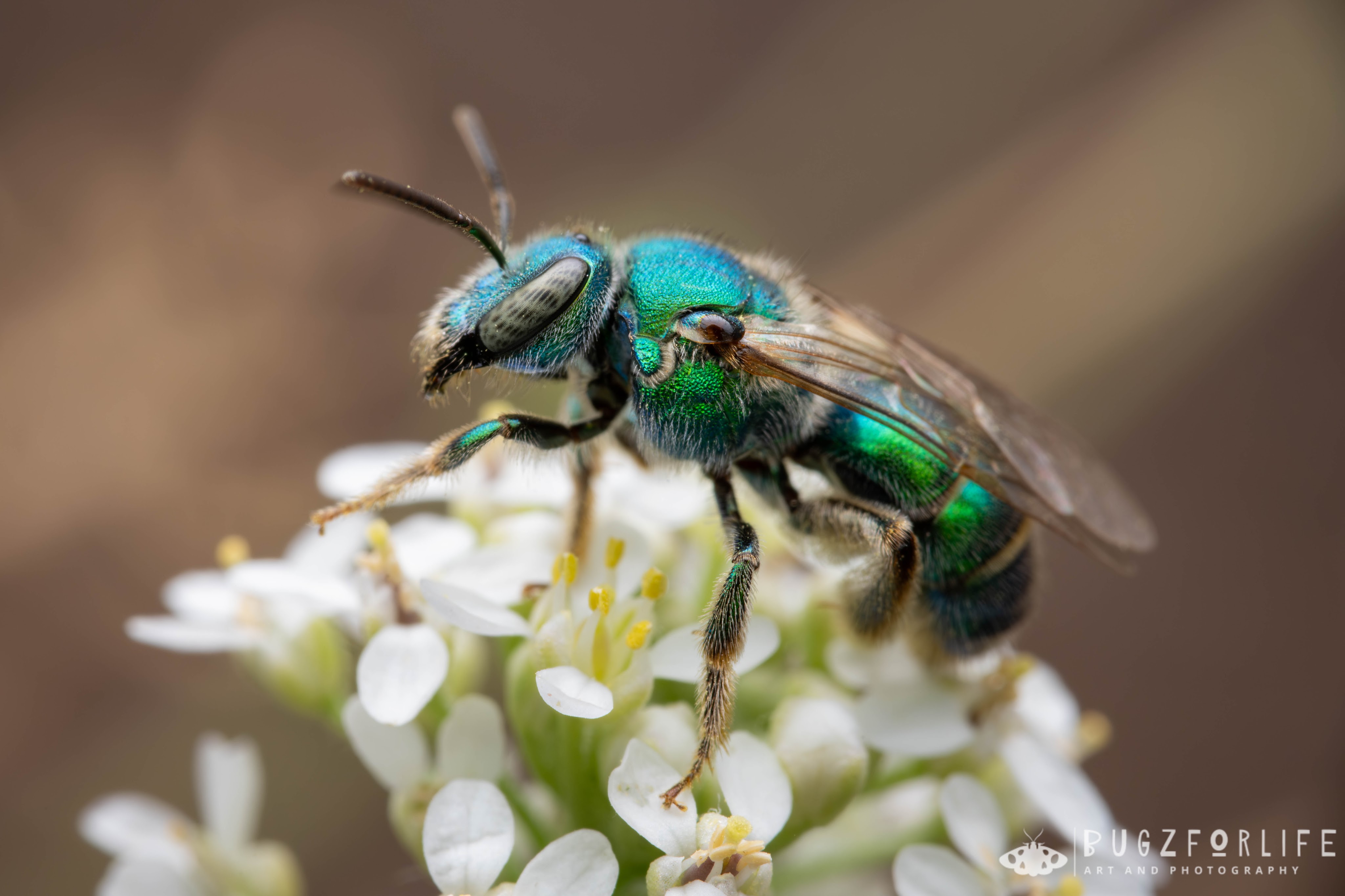
With our visit to Miller Canyon being incredibly successful, we were all excited for our visit to the Dragoon Mountains. Thankfully, the storms were much more cooperative on our adventure out to the Dragoons, but we found out soon enough that they were greatly needed in that area. As soon as we arrived, I immediately noticed the lack of water in the creek and how much less green it was compared to the previous year. We pulled into the small parking area about a hundred yards or so from the Cochise Stronghold camping area and quickly noted the lack of insect activity. The recent thunderstorms seemed to have missed this mountain range, making it much drier than usual. This is most likely the reason for the reduction in vegetation and available nectar sources. Despite the area being dry, we still managed to find quite a bit, including acrobat ants (Crematogaster spp.), stripe-tailed scorpions (Paravaejovis spinigerus), velvet ants (Dasymutilla sp.), and hackberry emperors (Asterocampa celtis). We only stayed in this location for about an hour before we ate our lunches and left. On our way out however, we came across a a decent sized patch of flowers and were surprised to find it covered with native bees! Almost every flower cluster had at least 1 to 2 bees on them and upon closer inspection, we also found an ambush bug waiting patiently for its next meal.
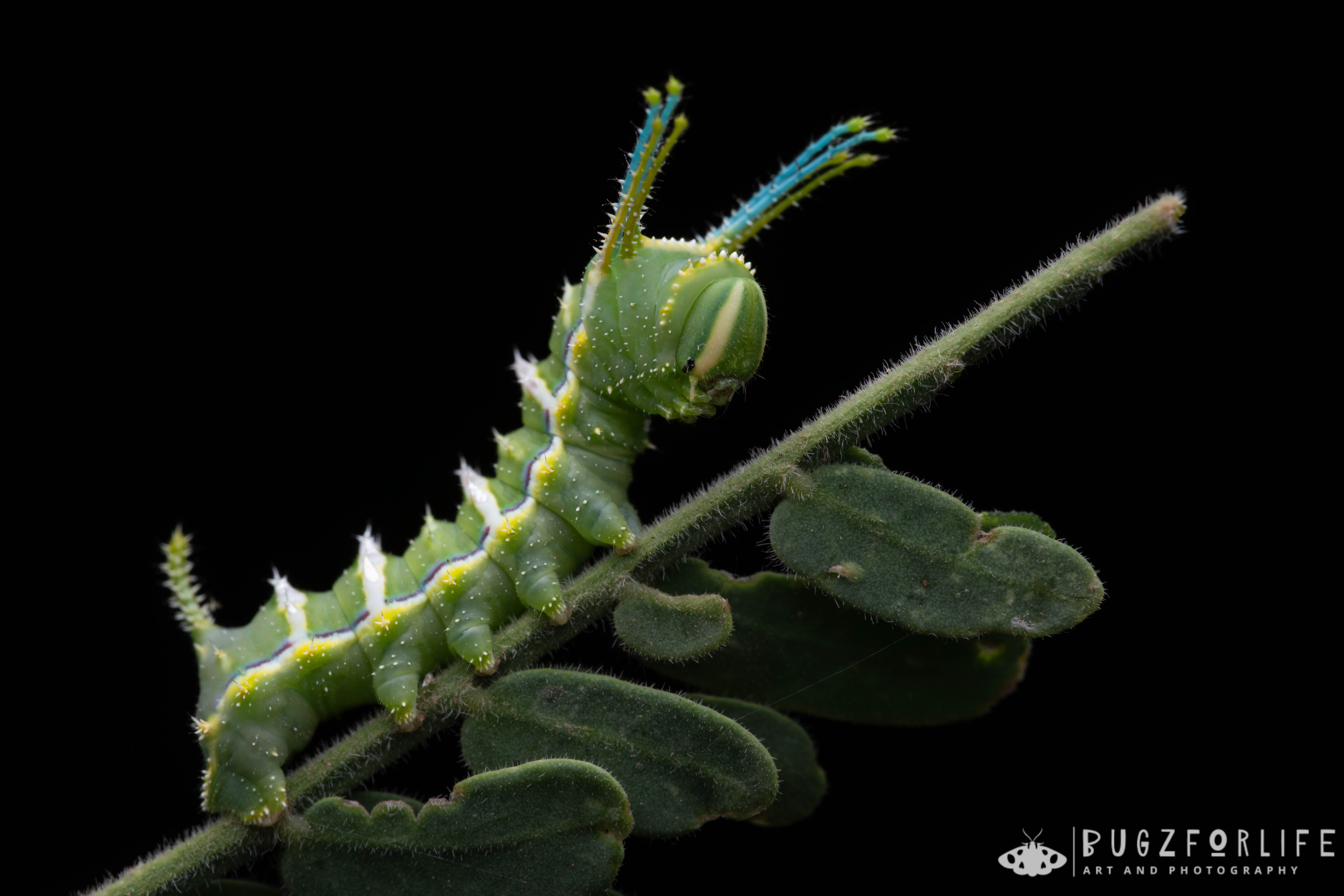
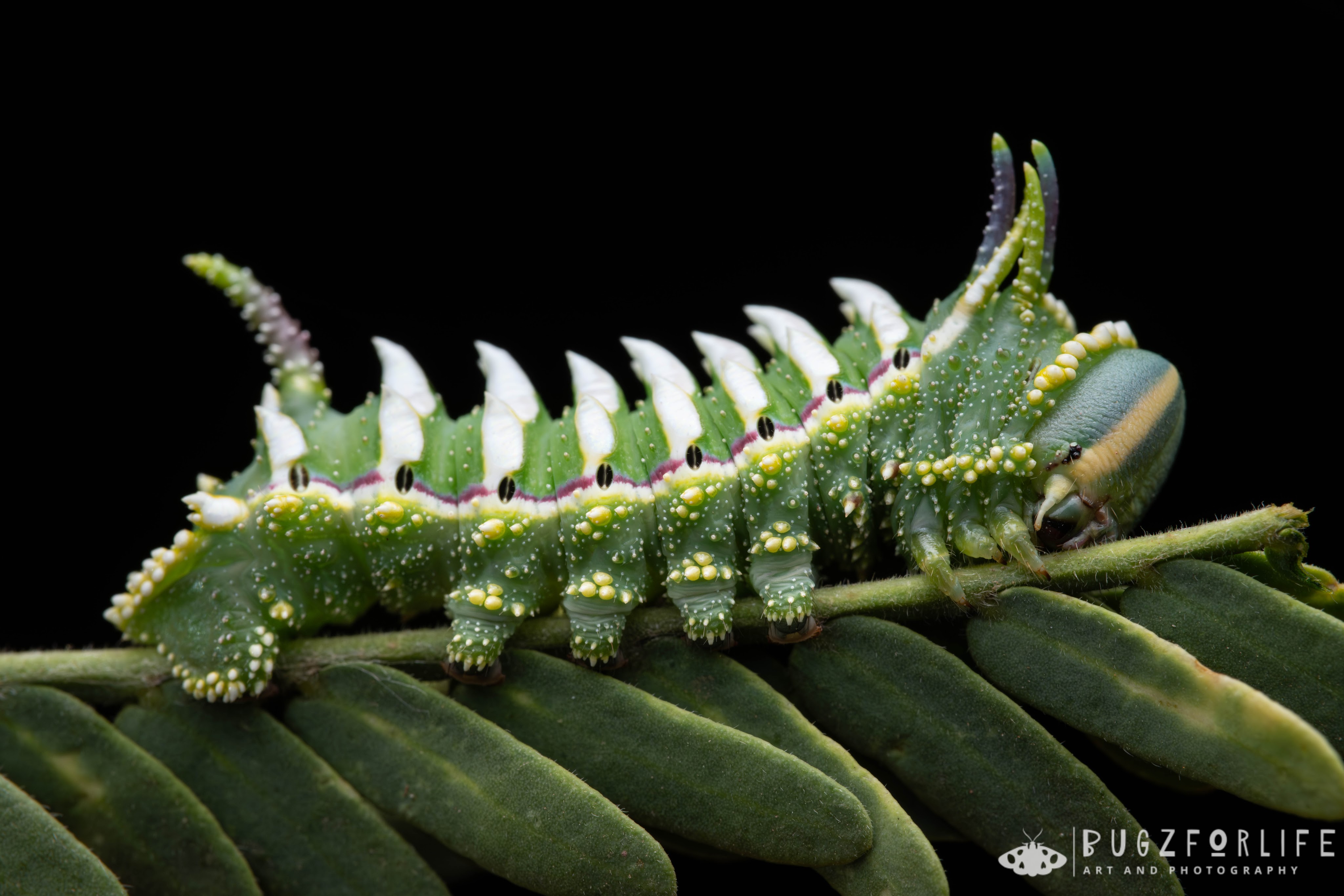
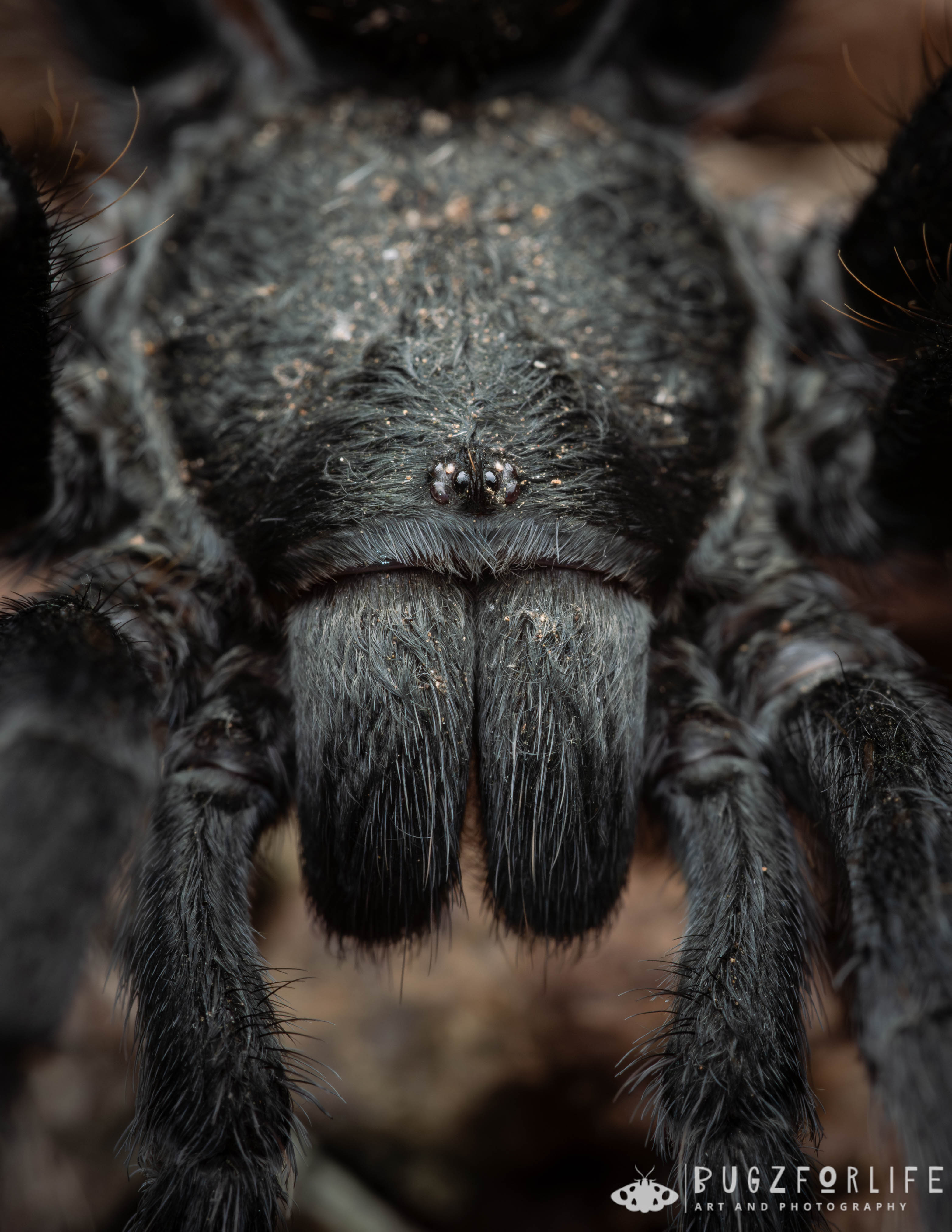
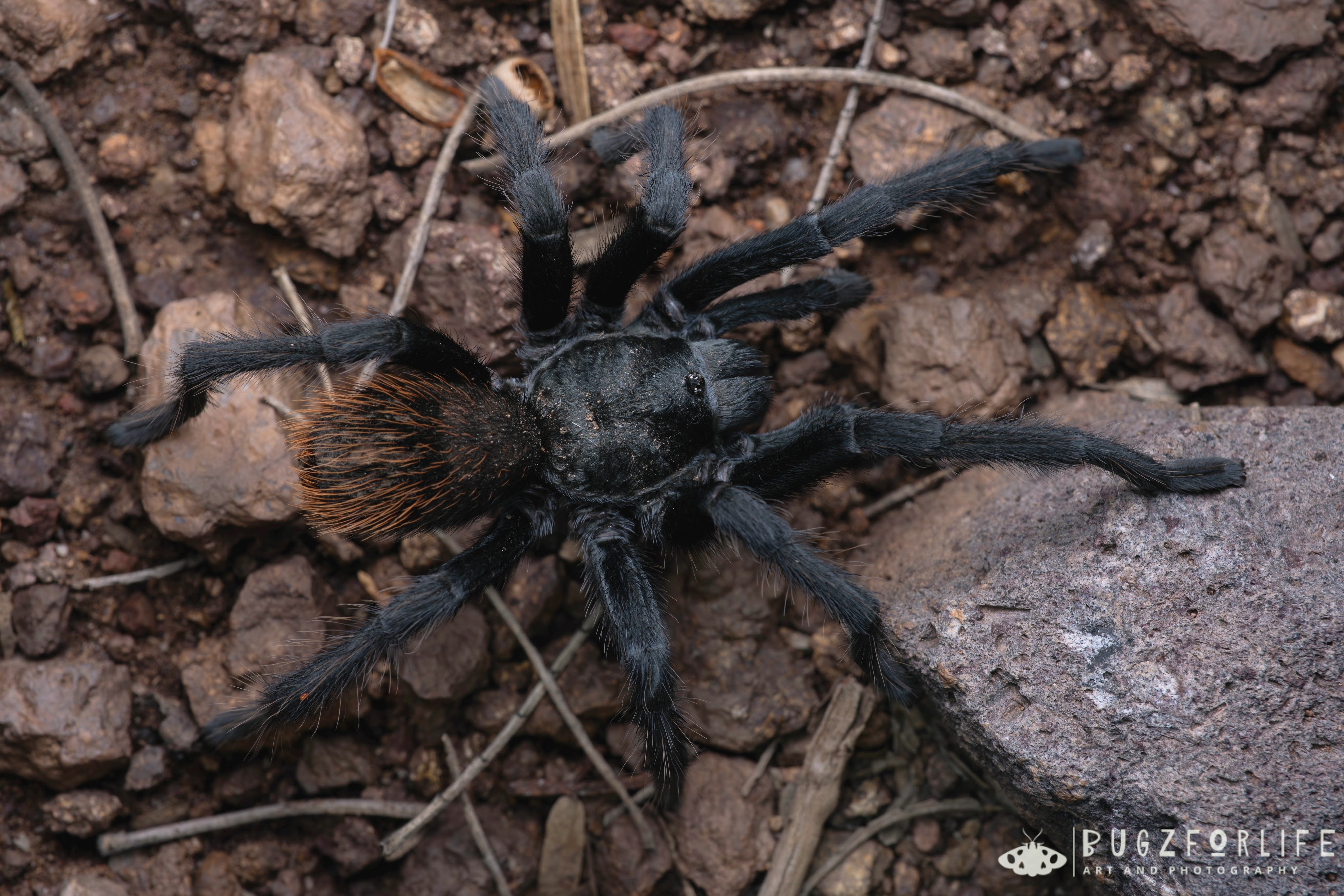
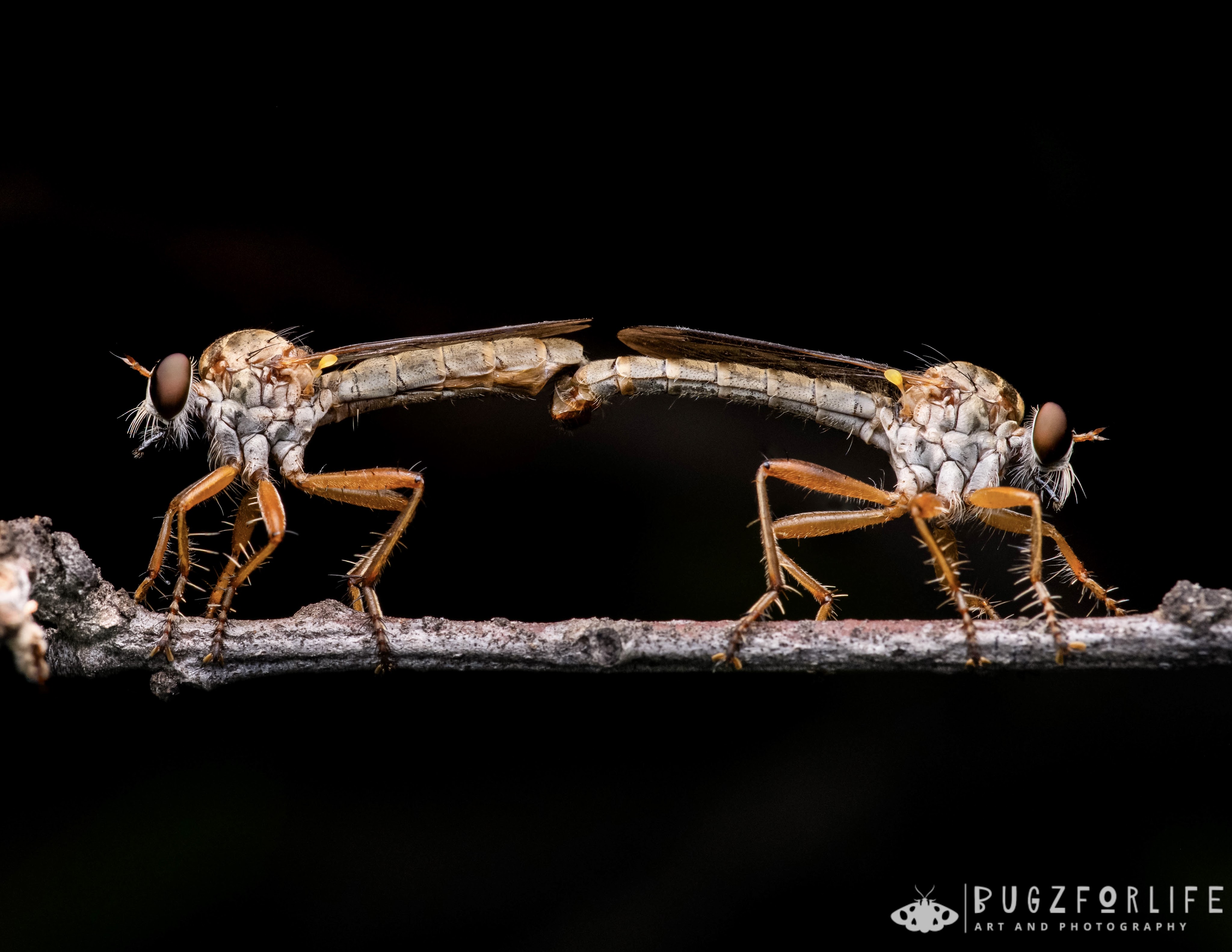
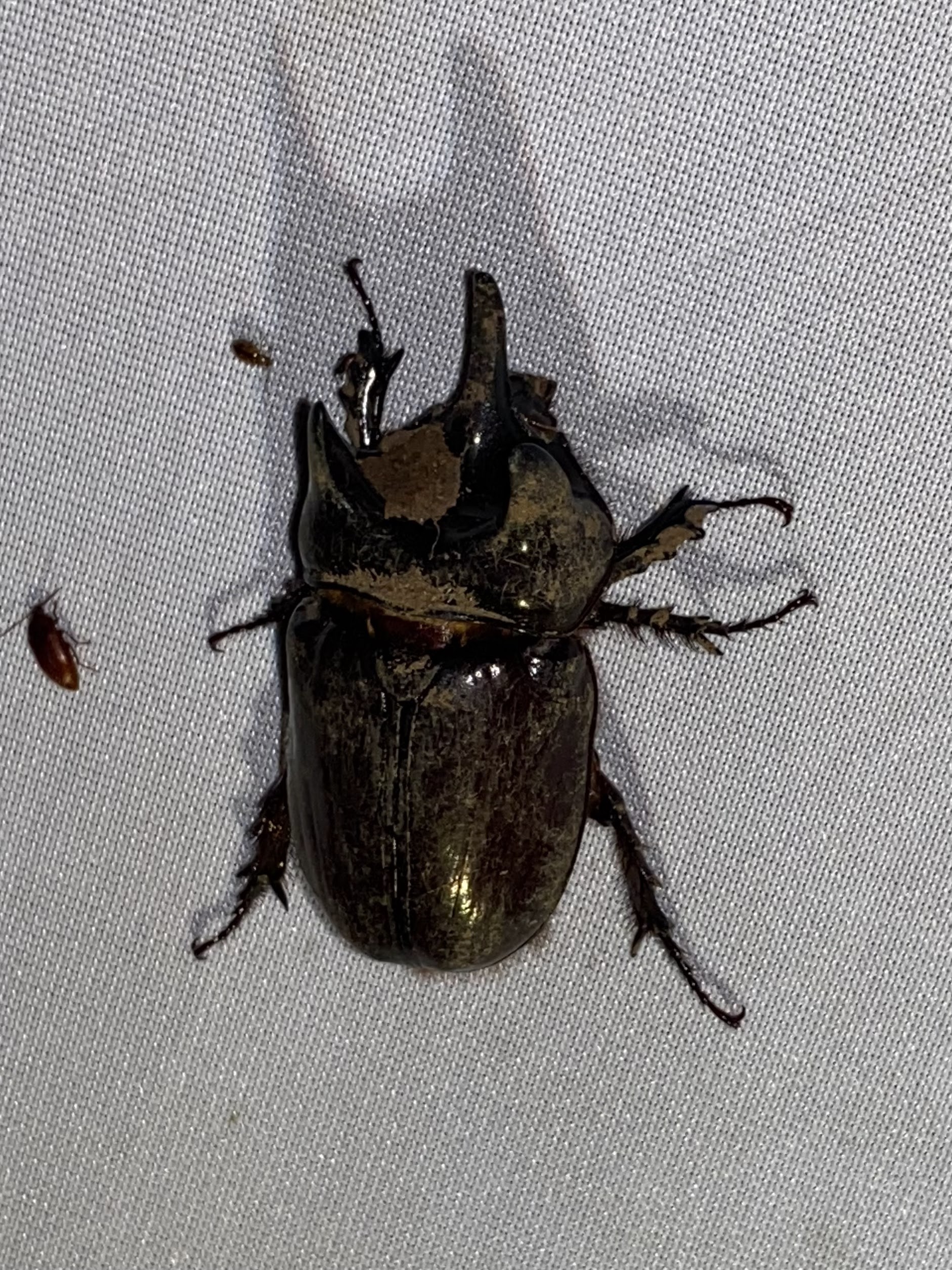
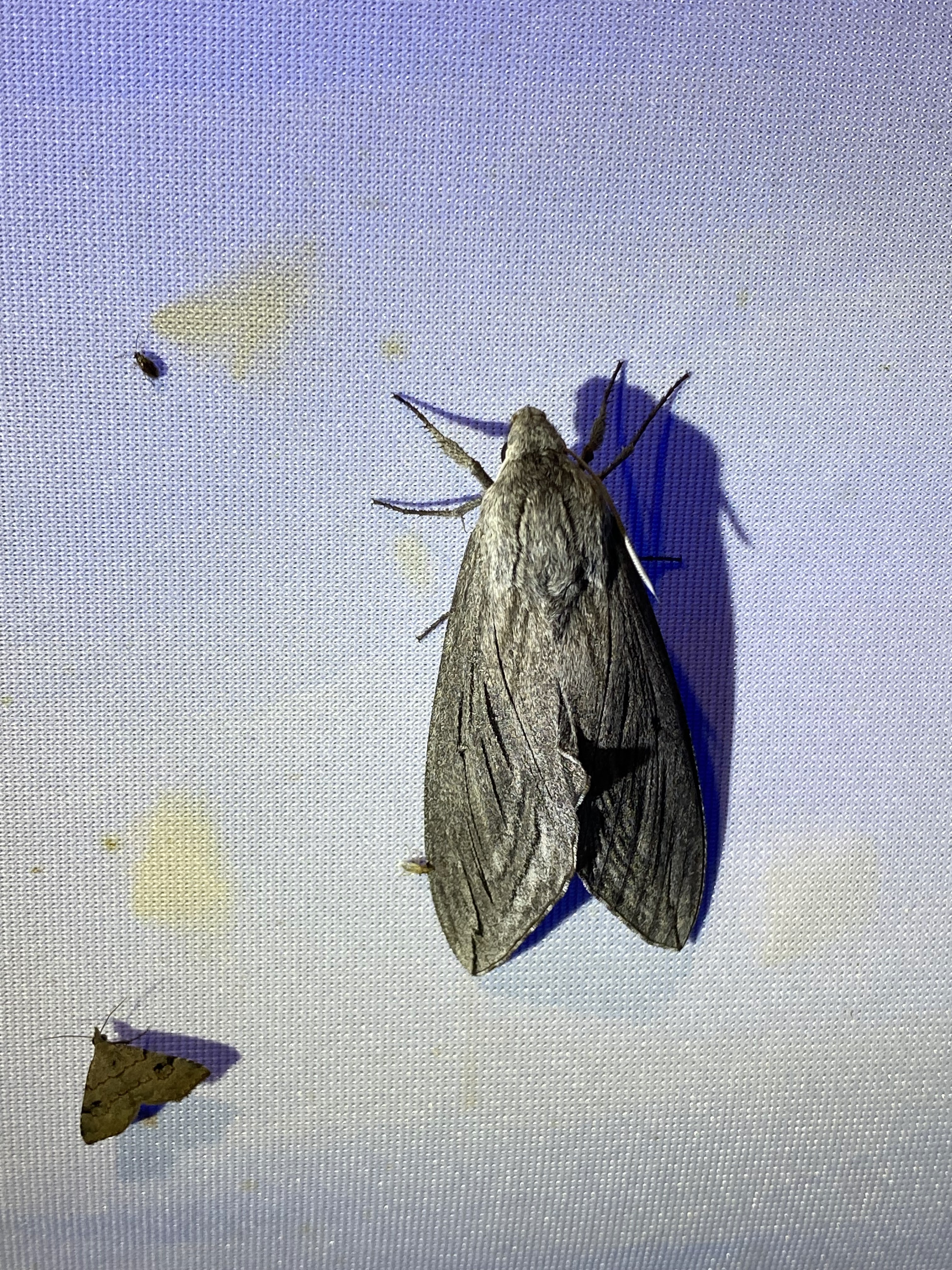
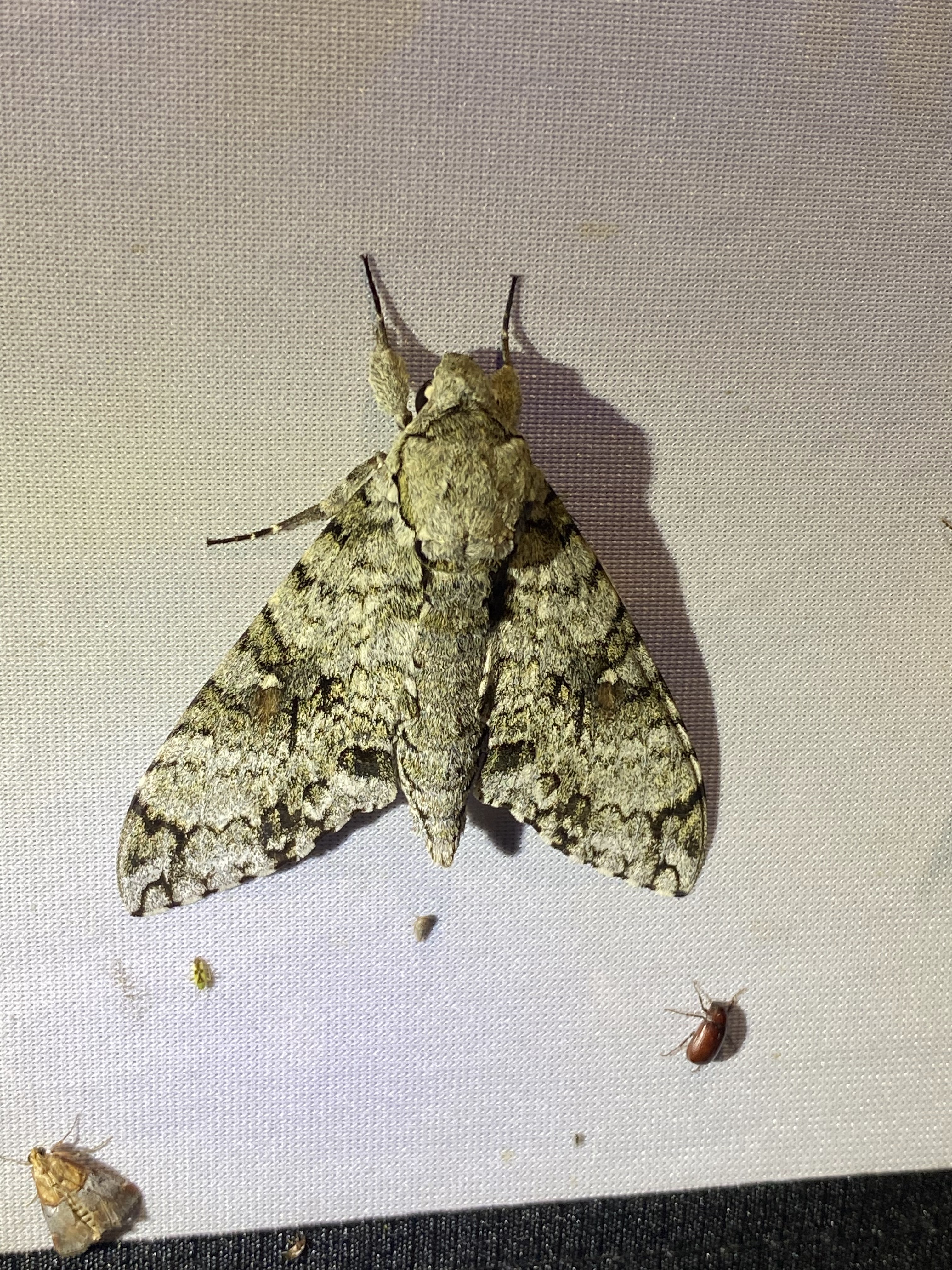
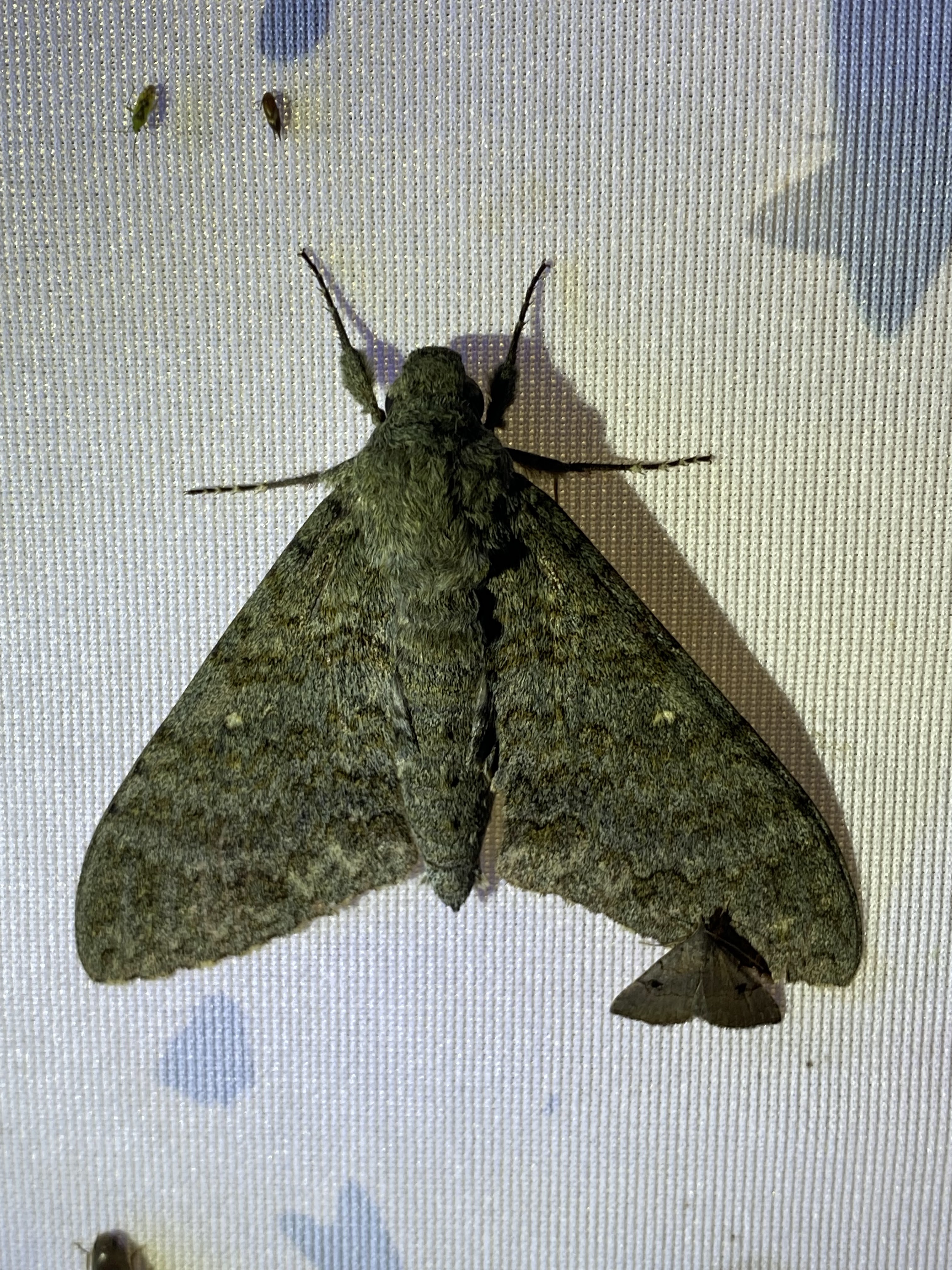
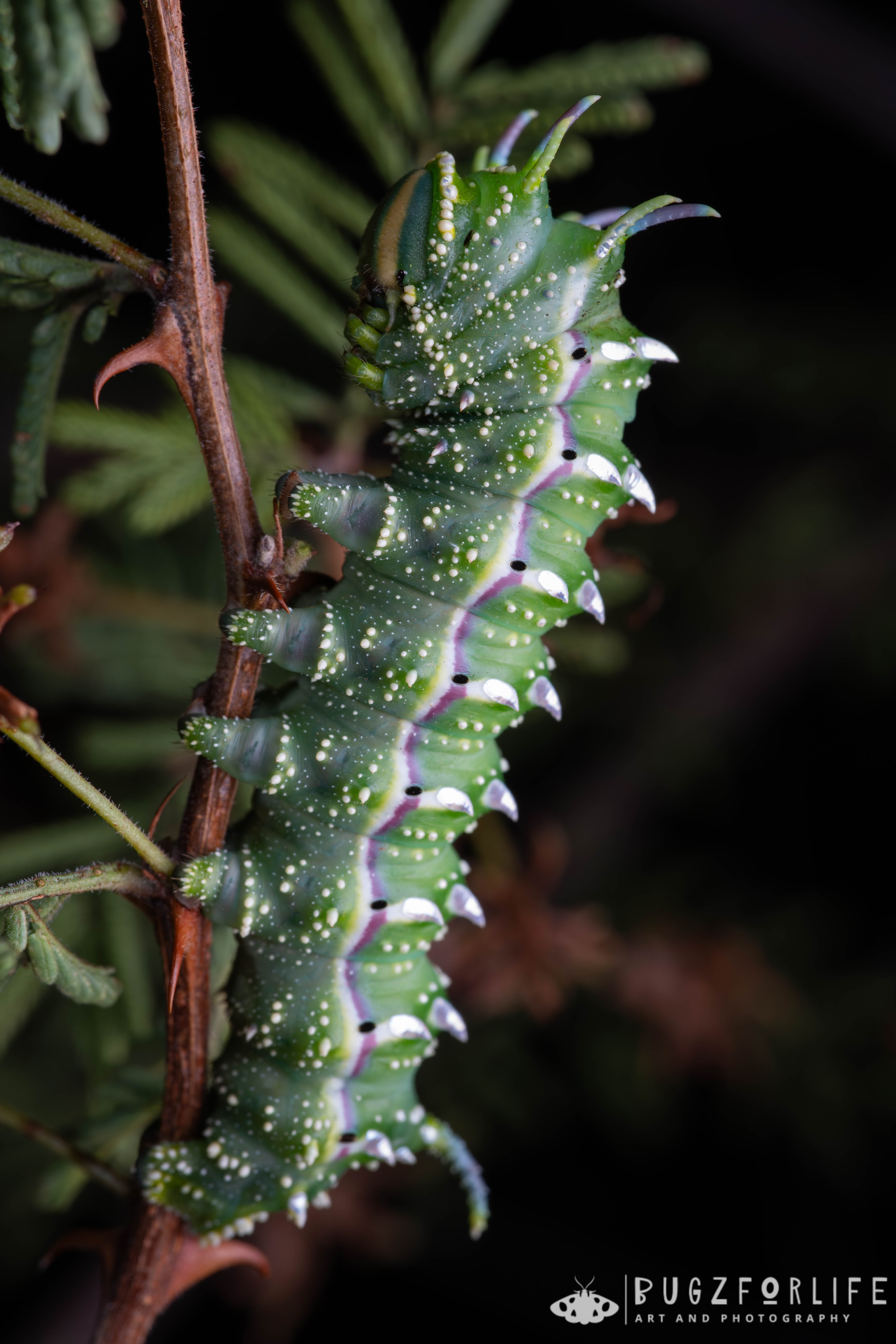
Before we left the Dragoons, I was contacted by our friend Tony who invited our group to blacklight with him in an area near Harshaw Creek. I accepted the invitation, but only a third of our group was interested in going out there since majority of them were fairly tired from the past few days of almost non-stop adventuring. Later that evening, the few who were interested and myself joined Tony, who was there with another small group of people he had invited to join as well. What I didn’t realize, was the location he chose was right next to a small cemetery, which he reassured was not haunted or had any stories associated with it. With that peace of mind we explored the area and found a couple notable critters, including Syssphinx hubbardi (caterpillars), a Mexican Spadefoot toad (Spea multiplicata), a pair of mating robber flies, and a wandering tarantula (Aphonopelma spp.). There wasn’t too much activity on his sheet until a large major male ox beetle (Strategus aloeus) crashed into the ground nearby, creating a little excitement for us and the other group. We ultimately decided to head out after about 2 hours since the tiredness had finally caught up to us and we didn’t want to be exhausted driving back to the airbnb. We thanked Tony for his invitation and headed back.
A More Relaxed Approach
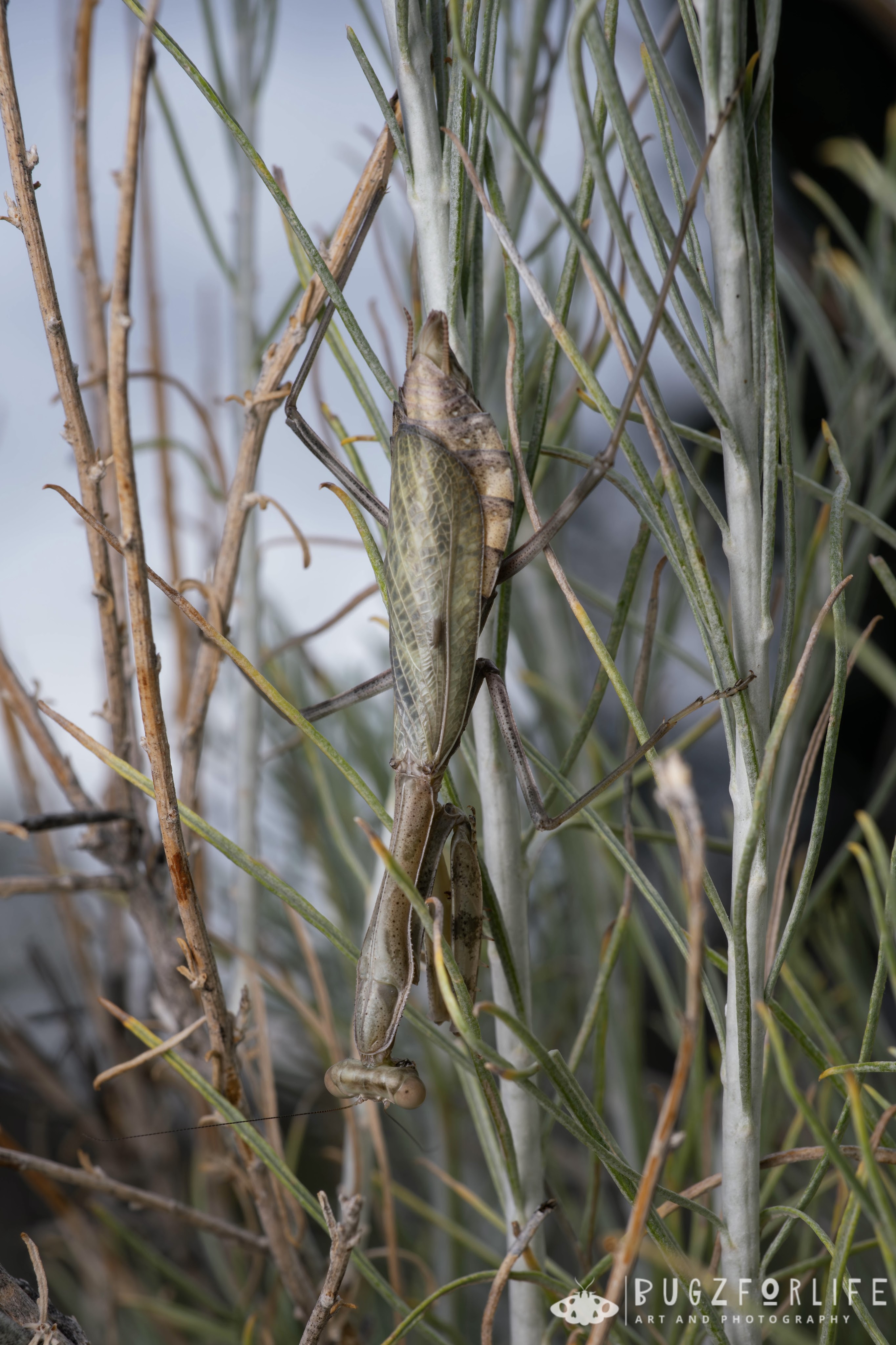
Now that the group had experienced the intense part of the trip, it was time to take a slow day and be a little more relaxed. Majority of the group did the same and slept in. I did wake up early to check the sheet again but it wasn’t much different from before. My family and I took a walk to listen to birds and check out the area surrounding the airbnb. When we returned, I made a suggestion to take a quick drive over to the nearby grasslands of the San Rafael State Natural Area. The few that were interested hopped in with myself, my wife and my daughter and we went to see what we could find. To our surprise, there was not a whole lot of insect activity, but we enjoyed the drive and only stopped maybe once or twice before heading back.
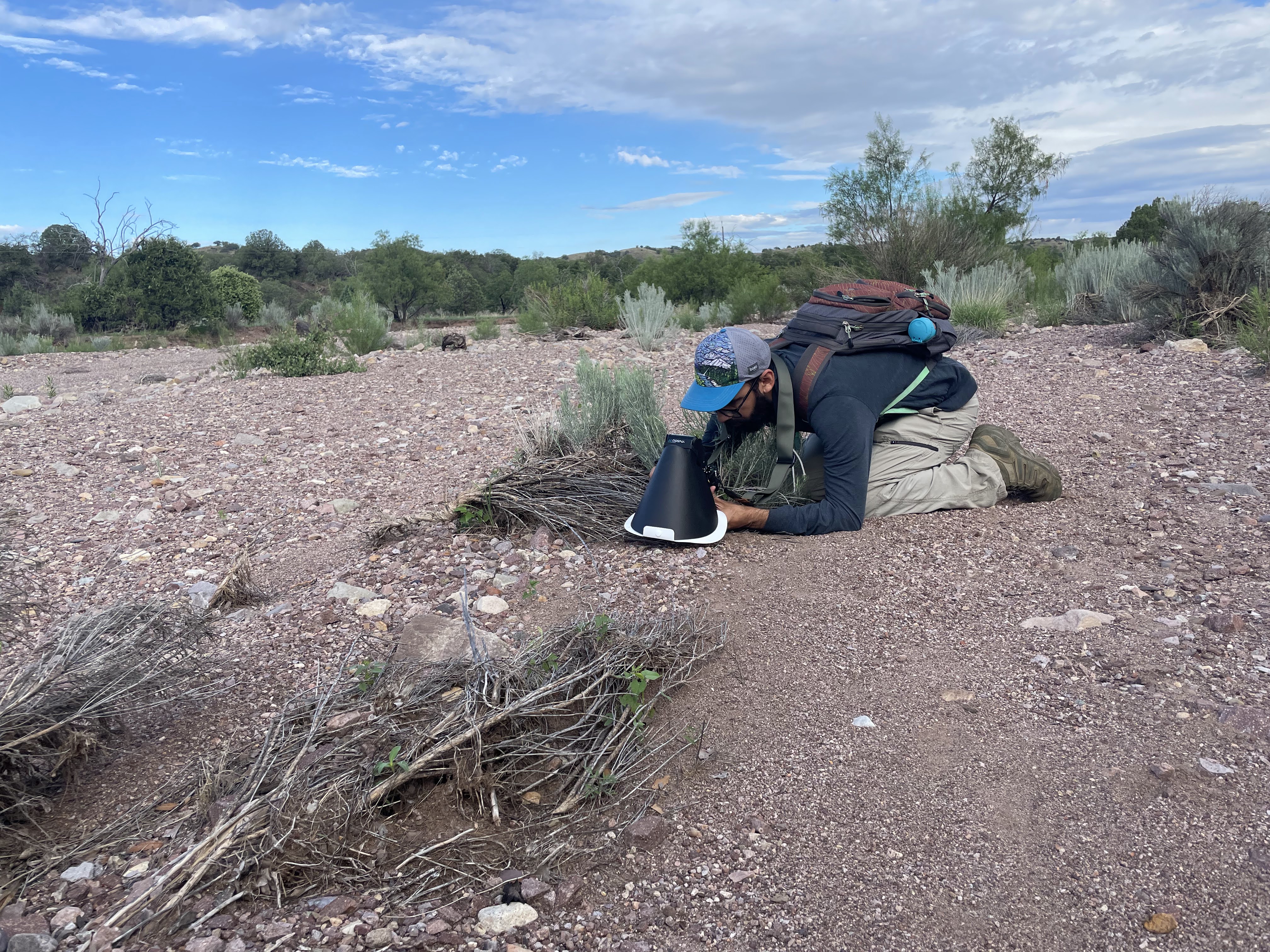
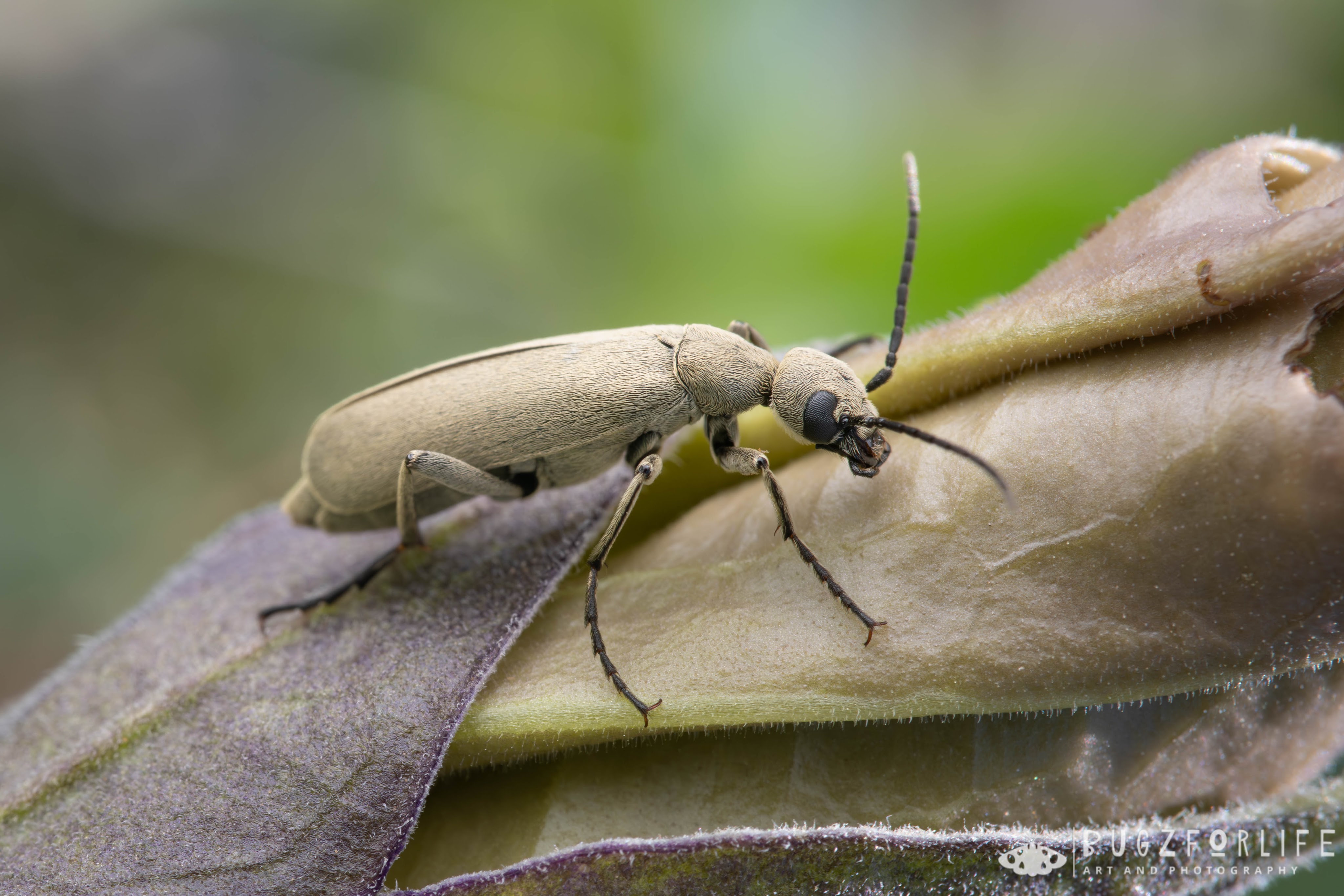
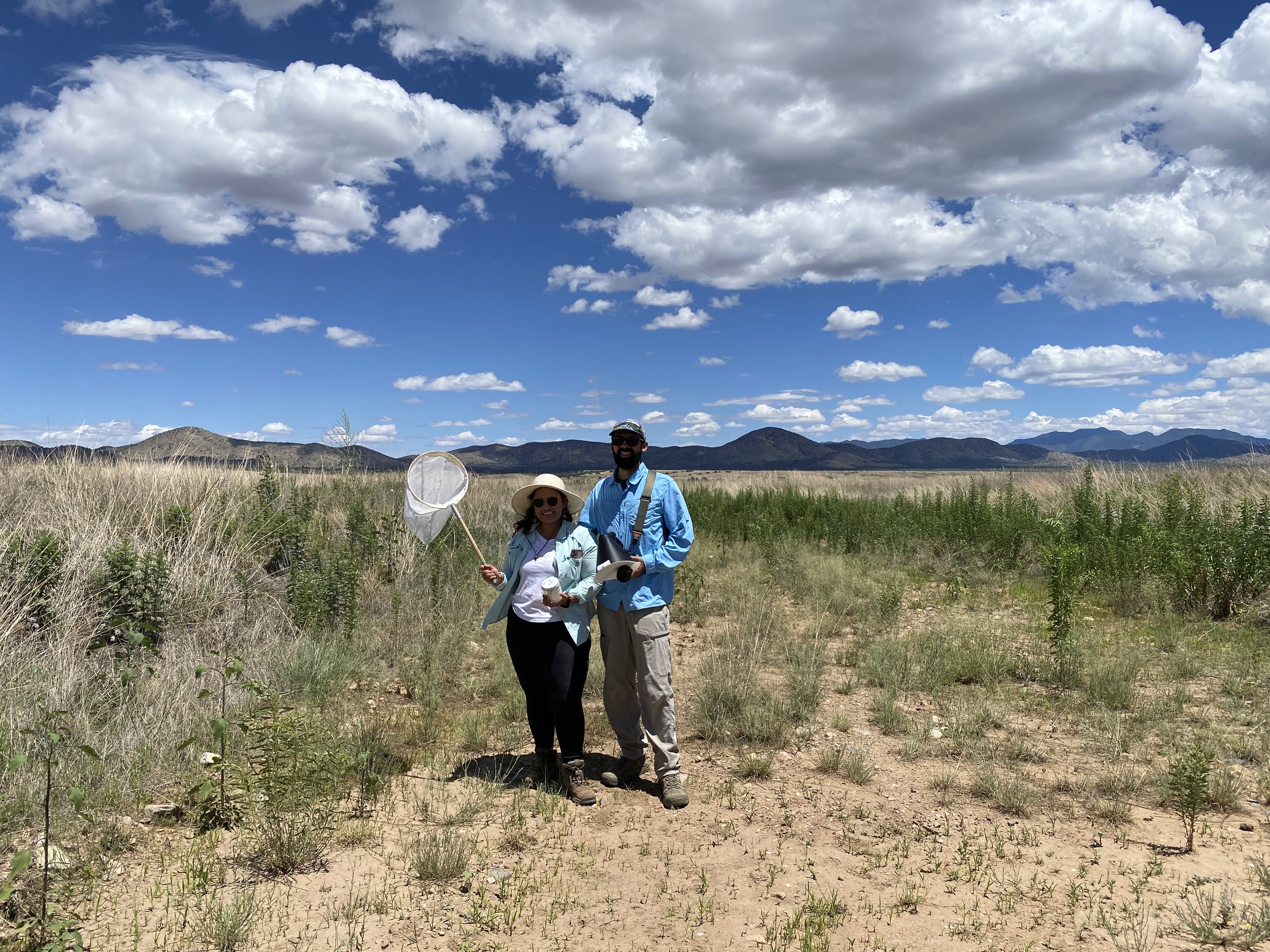
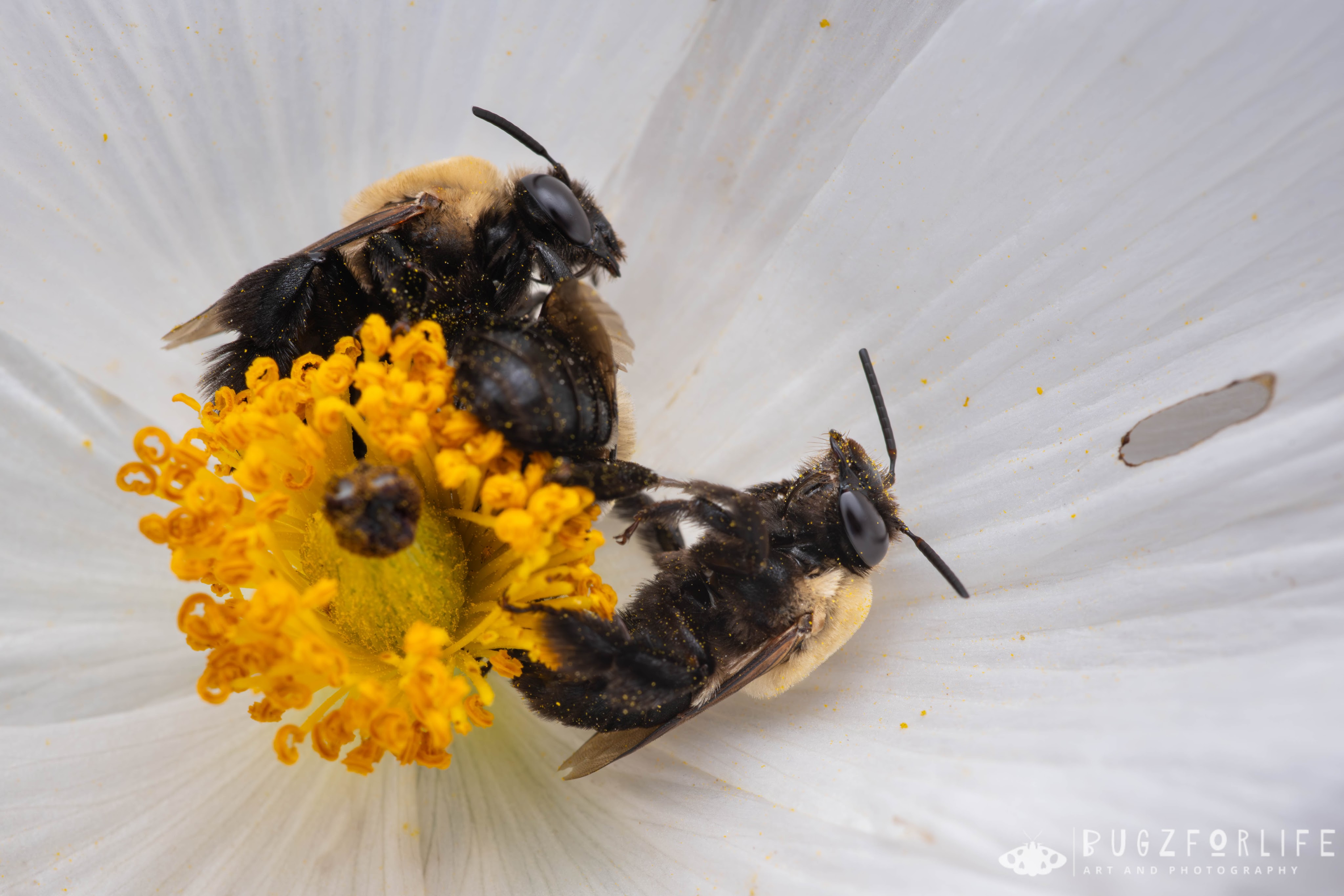
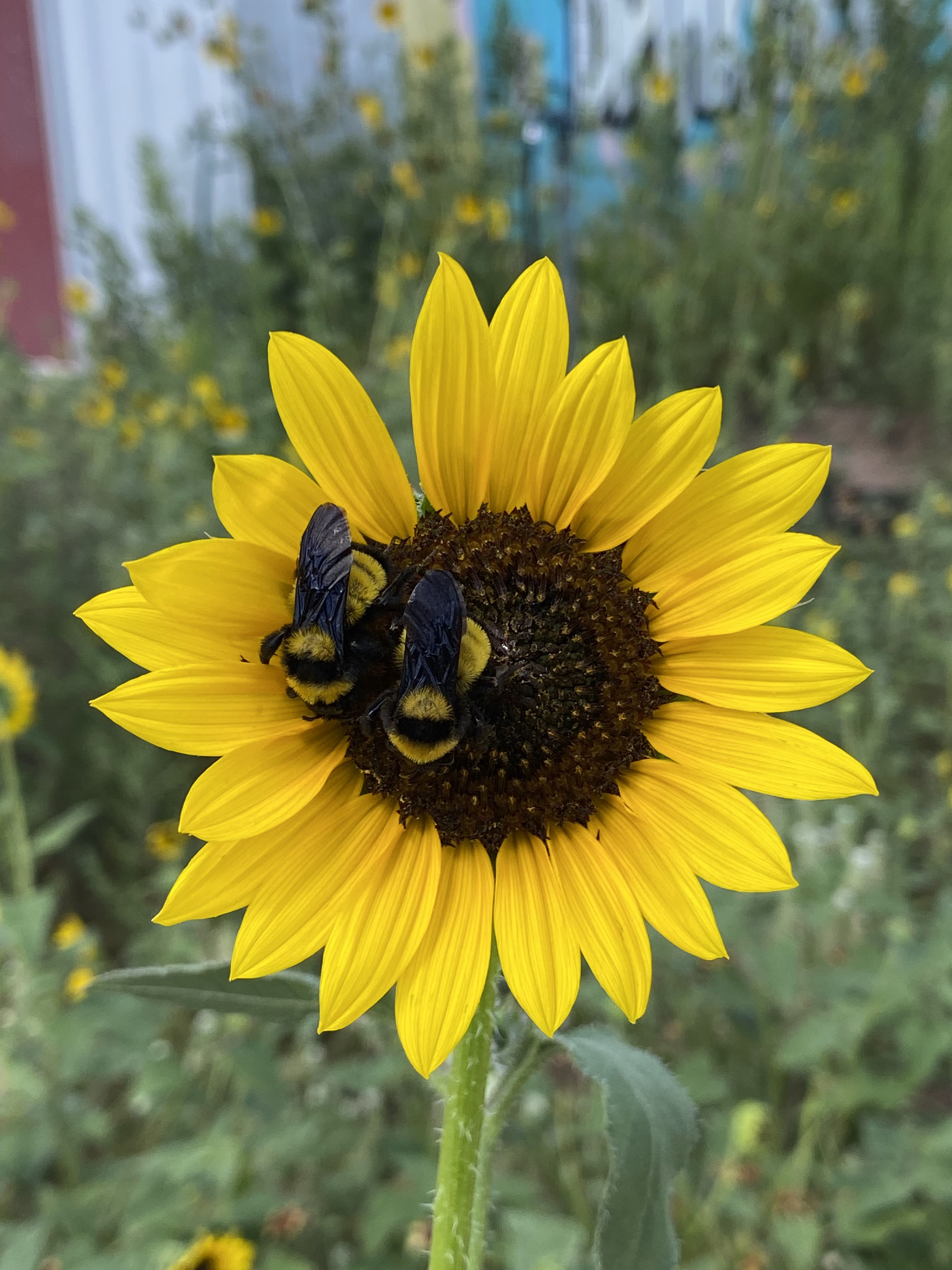
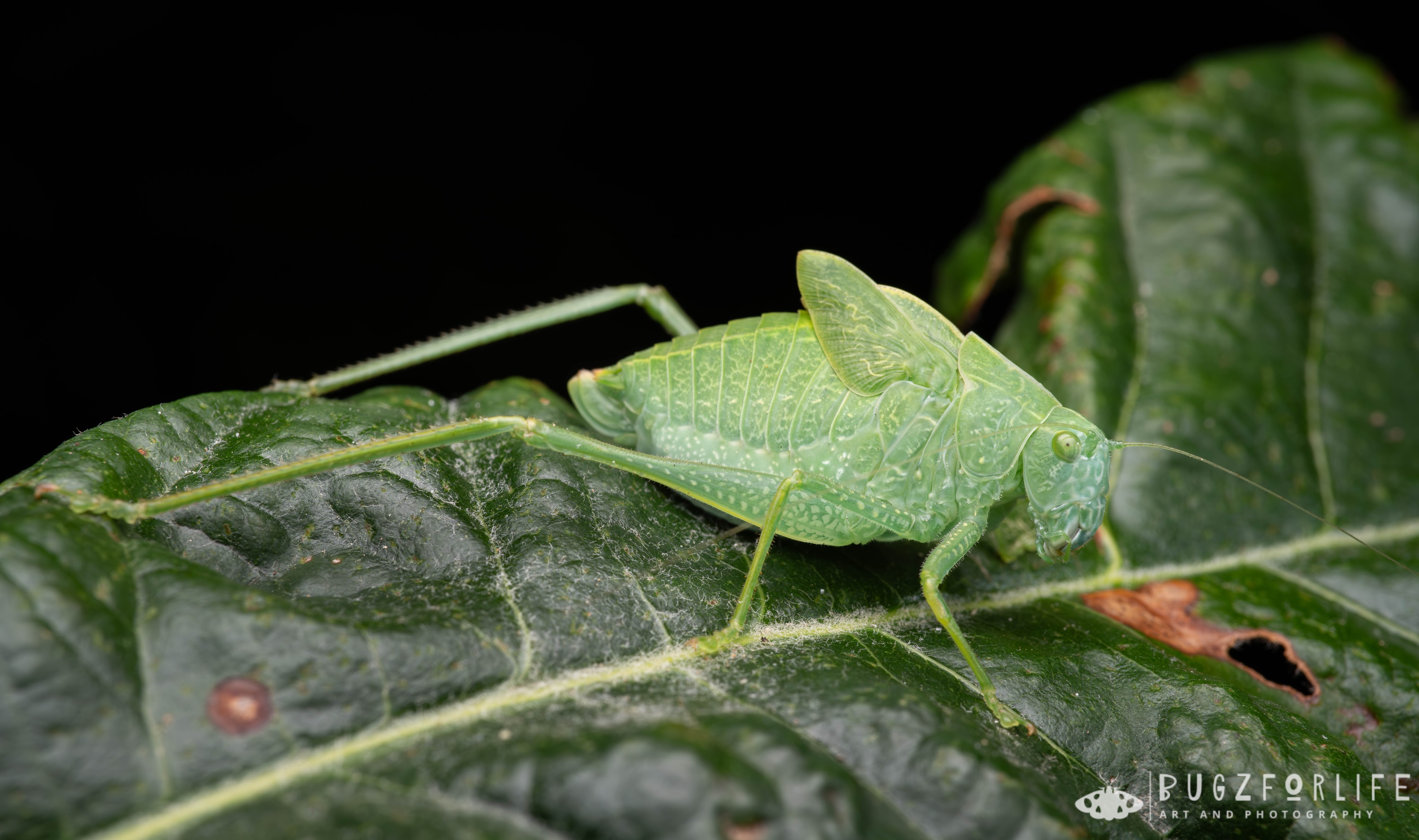
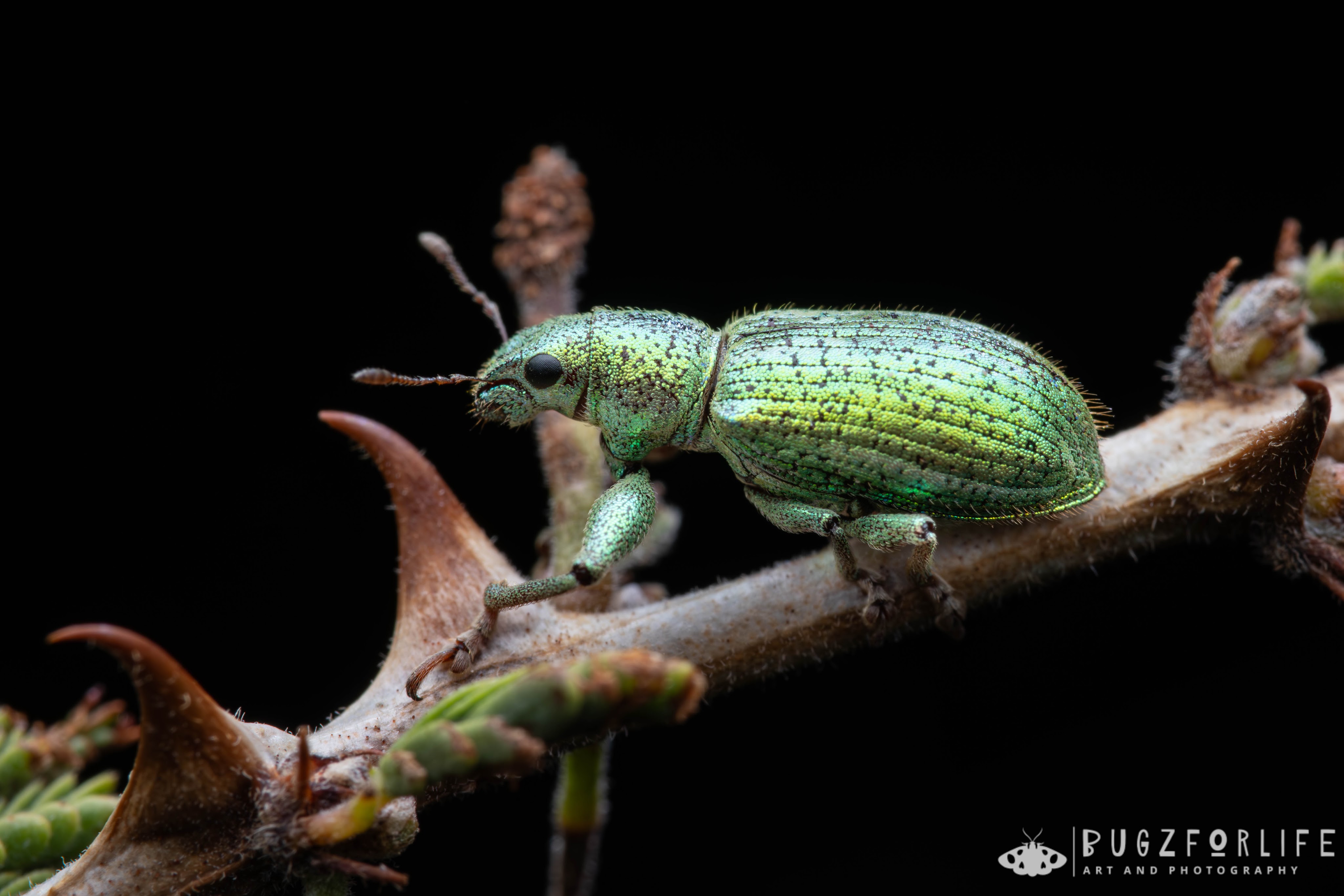
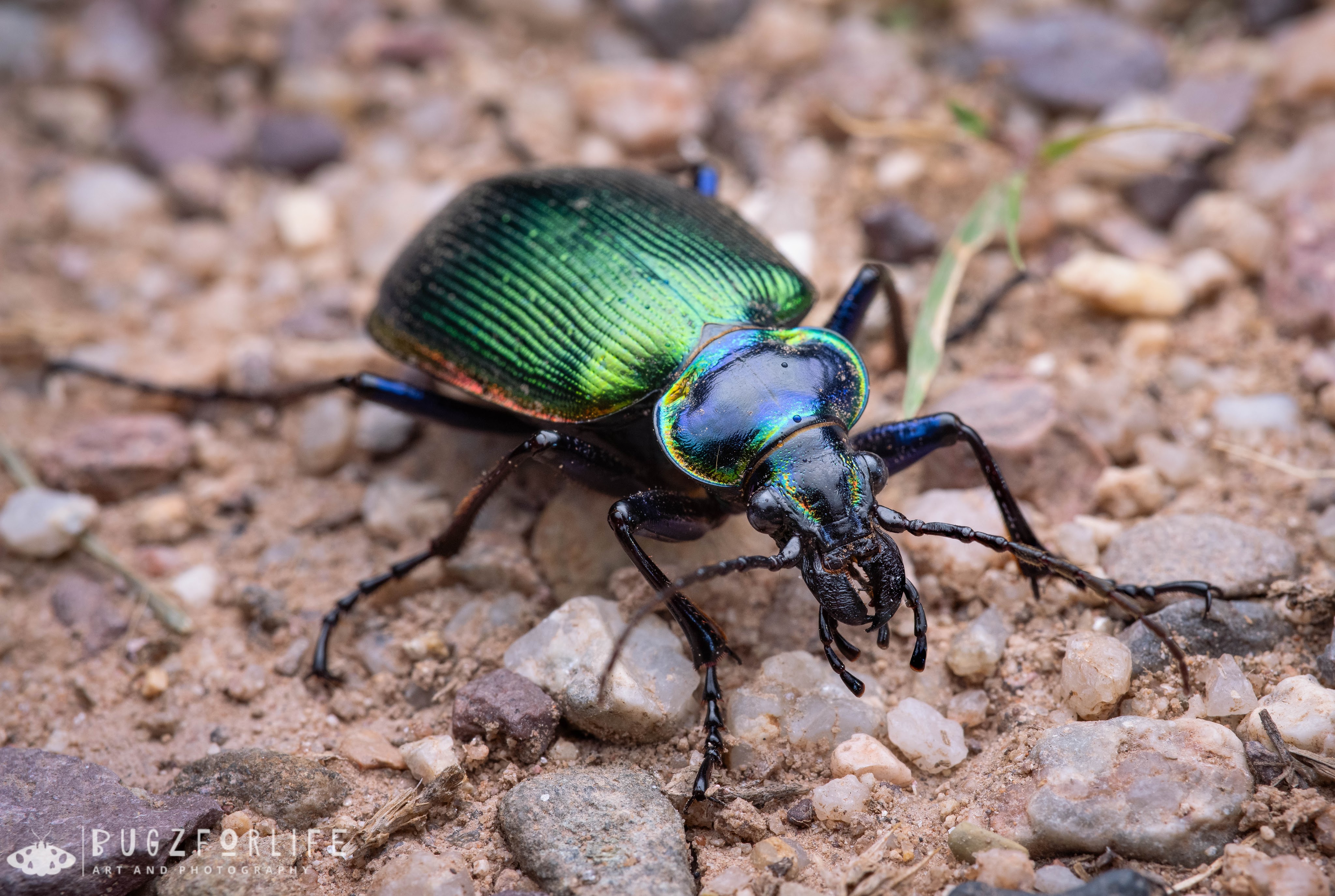
I was able to arrange a meet up at my good friend Peter’s house, who is known by his online business Bugs In Cyberspace, to blacklight in his backyard. The whole group was into it and as a result we ended up exploring Sonoita and kept our travels to a minimum. The Meading Room was decided on as the place to go, so we checked it out and socialized there for a while. After wrapping up our visit, we headed back to have dinner and prepare for our night outing with Peter. When the time came, we packed up our stuff and headed over to Peter’s place. His property had plenty of insects and other critters, so we were excited to walk around and see what would turn up. We found grasshoppers, katydids, vinegaroons, jumping spiders, and plenty of beetles. Notable species spotted by the group were the fiery searcher (Calosoma scrutator), the apache jumping spider (Phidippus apacheanus), panther spotted grasshoppers (Poecilotettix pantherinus), and a shiny weevil (Hadromeropsis opalina). Peter’s lights also attracted quite a few great species as well, including ox beetles (Strategus aloeus), Hubbard’s small silkmoth (Syssphinx hubbardi), a western polyphemus moth (Antheraea oculea), and a fairly large rustic sphinx (Manduca rustica). Before we left we thanked Peter for inviting us to his property and mentioned to him that this was one of the most productive nights so far.
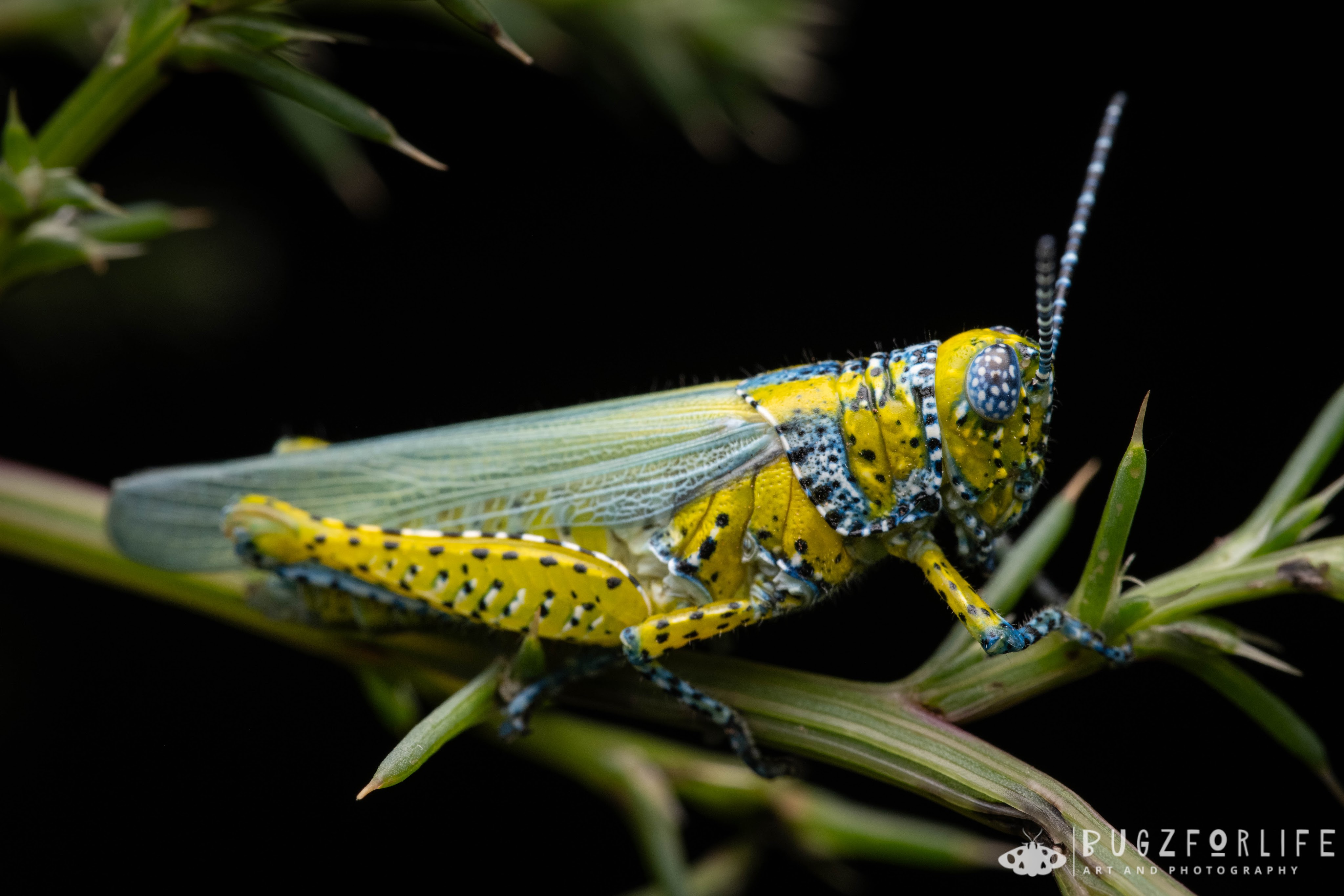
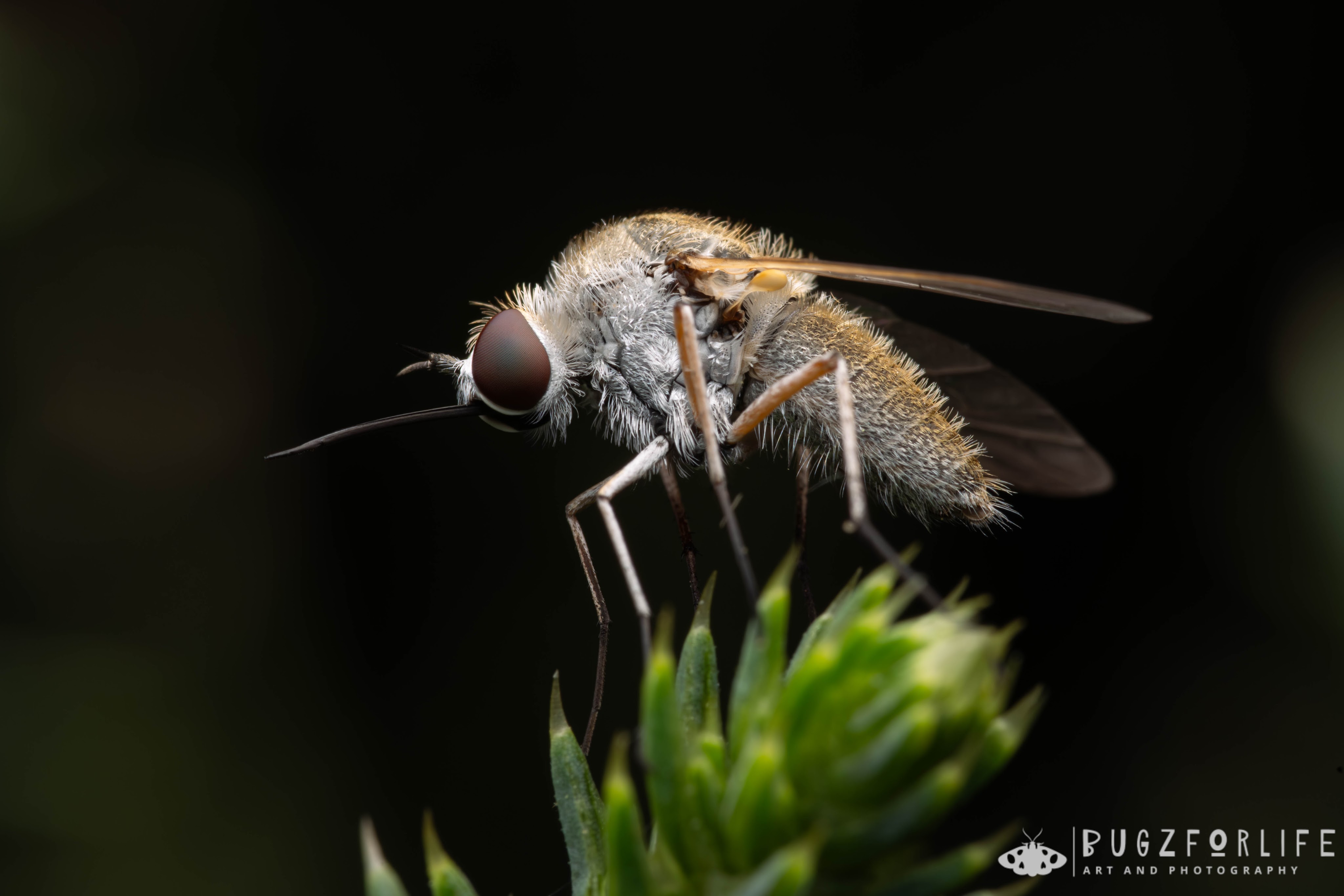
The following day was one of our last major outings of the trip, so I chose to take the group to Ida Canyon, a location I had not been to previously. I knew it was a place many colleagues of mine have been to and had great success both during the day and at night. I only planned a day visit so I was hopeful to find some interesting species here. Once we arrived we all spread out and began exploring the area. We quickly found blue pleasing fungus beetles (Cypherotylus californicus) under a large fallen tree and cicada killer wasps (Sphecius grandis) on patrol along the dirt road. I spotted a couple southern dogface butterflies (Zerene cesonia) flying by, but they were moving too fast for me to attempt to catch them. Right before we were about to rest and eat lunch, I spotted and caught a beautiful Chihuahuan Mountain Kingsnake (Lampropeltis knoblochi). It was the first time everyone, including myself, had ever seen one and I was in awe of how vibrant its color was. This was most definitely the highlight for me in this location and after a couple photos we gently released the snake and it gracefully slithered away into the brush. I suggested one last blacklight outing to everyone during our lunch and thankfully a few were up for it.
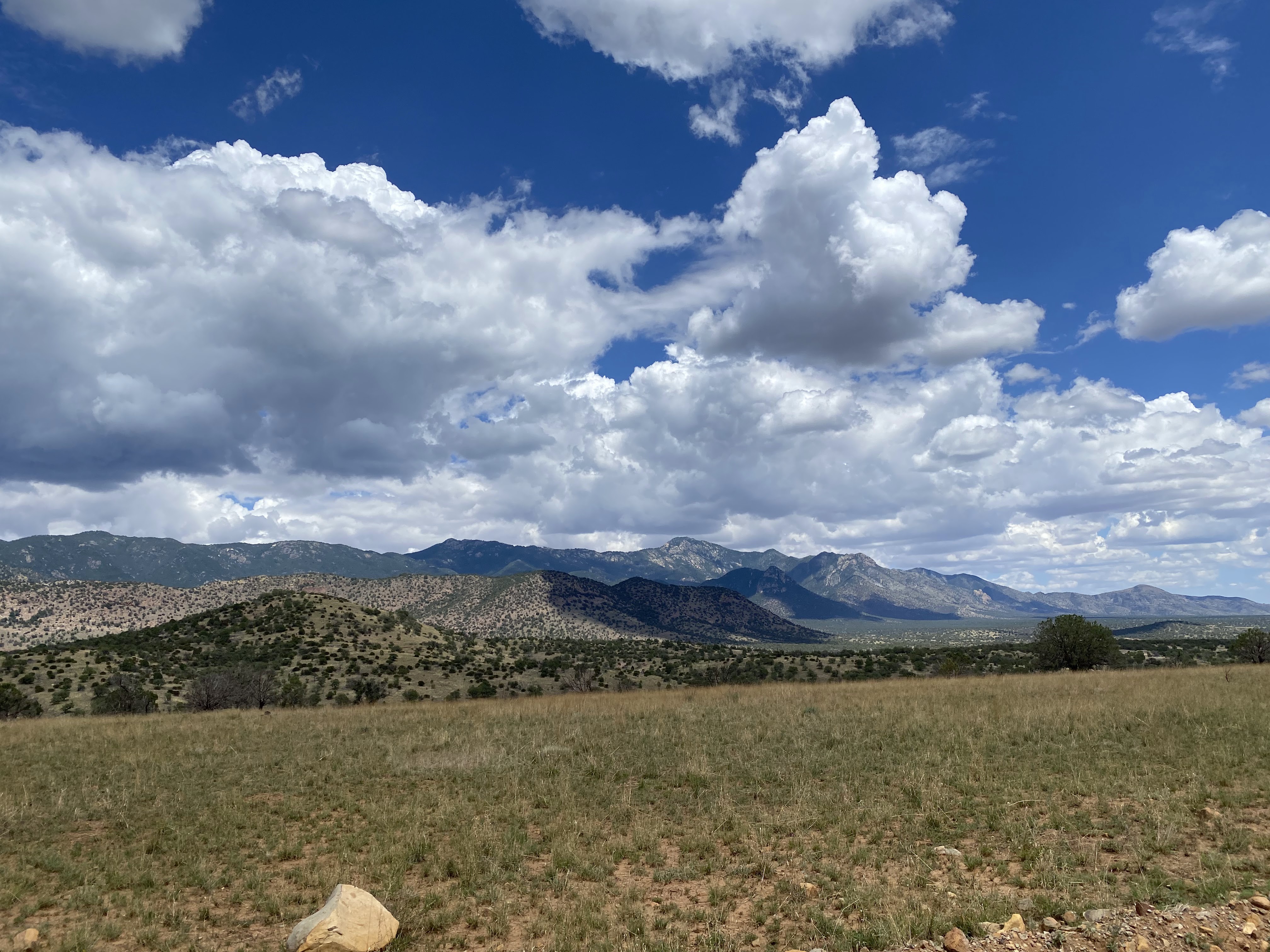
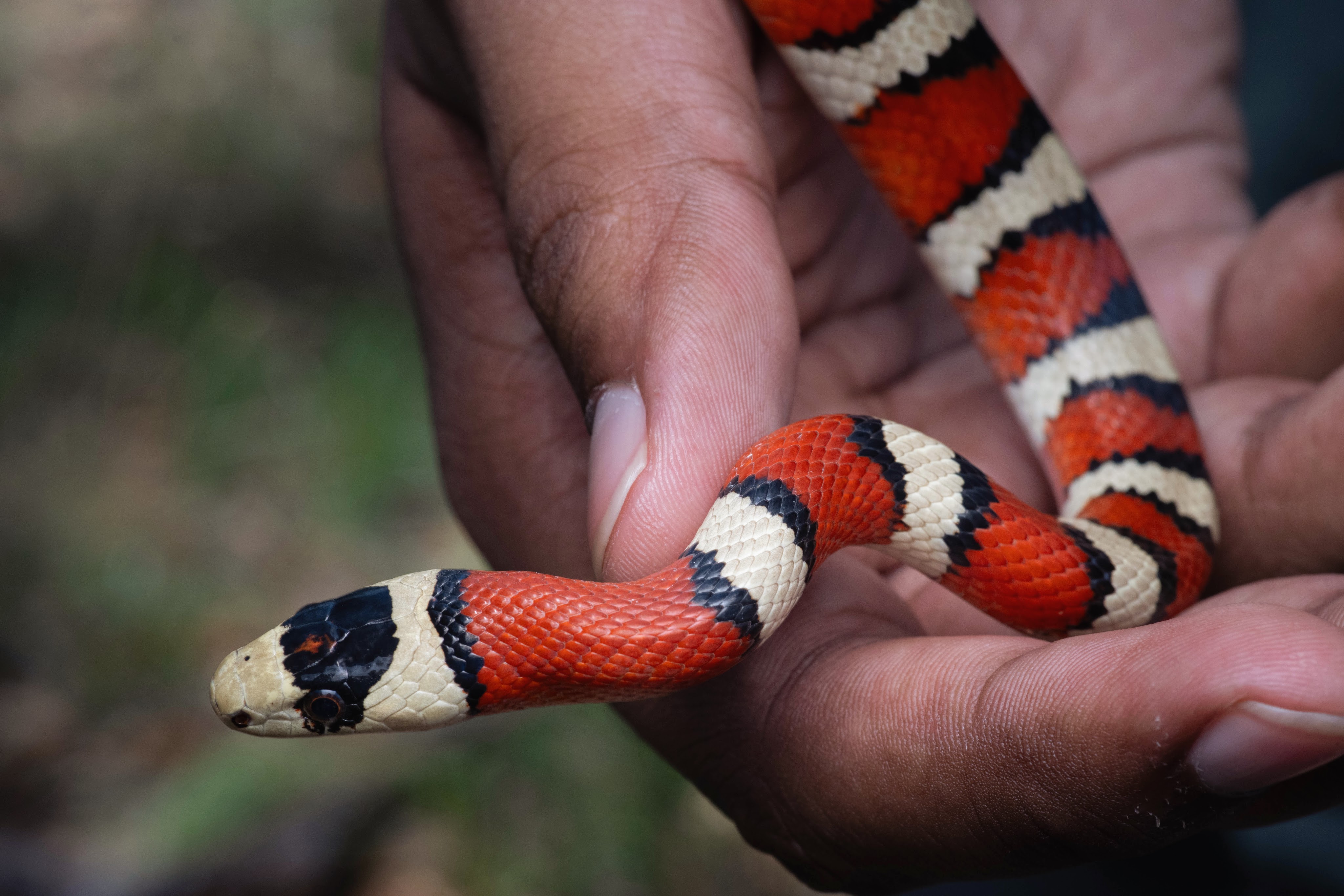
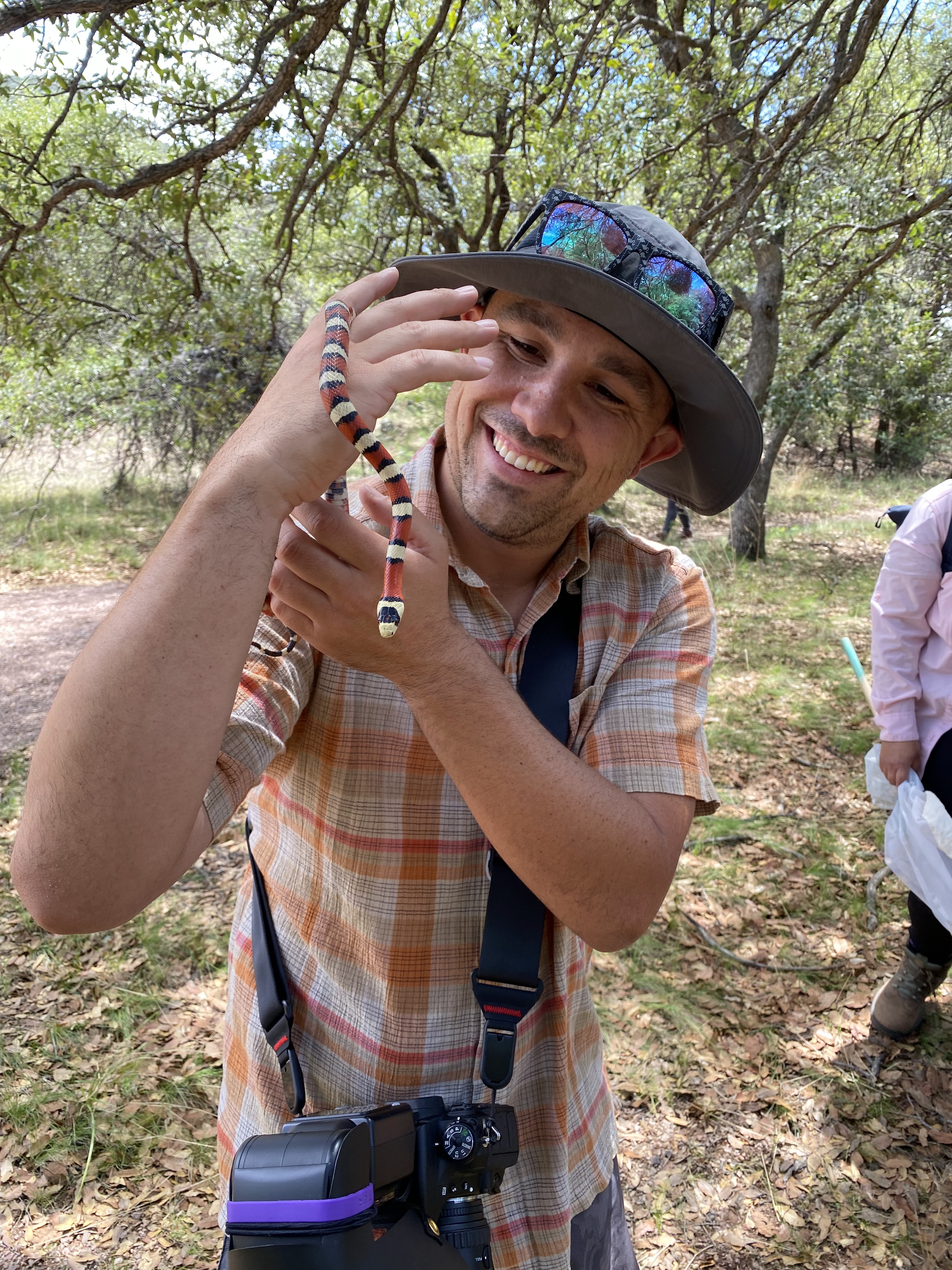
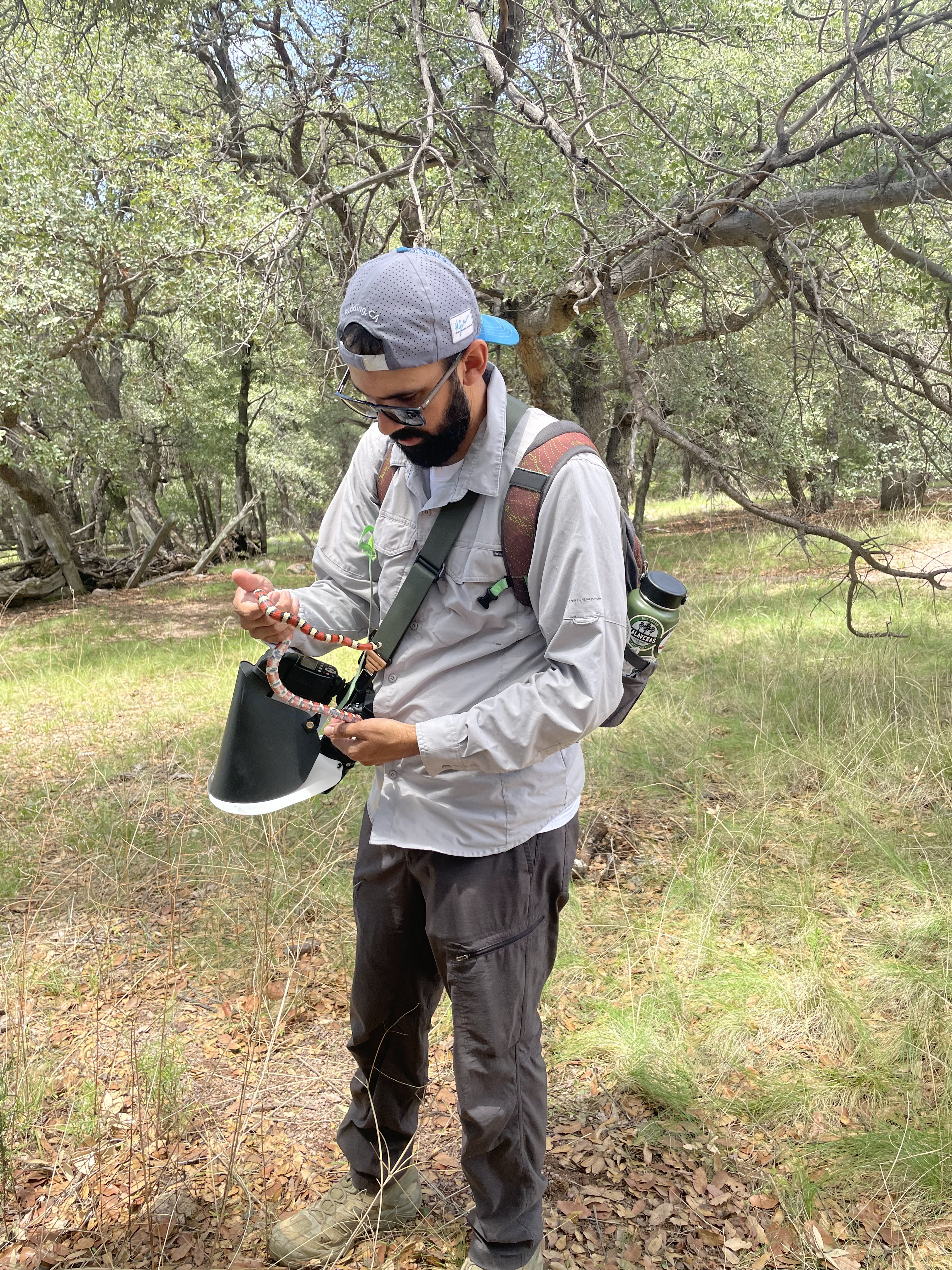
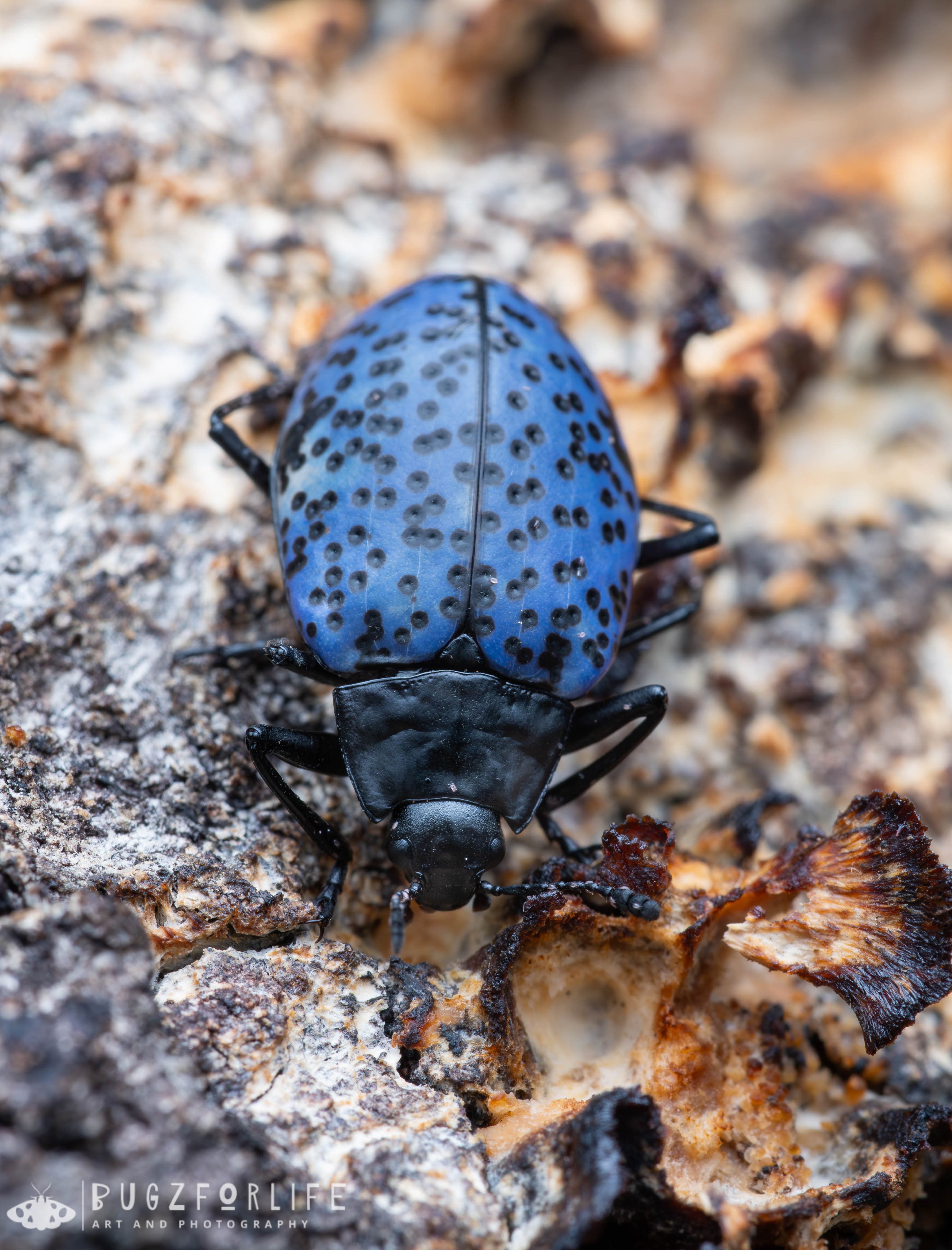
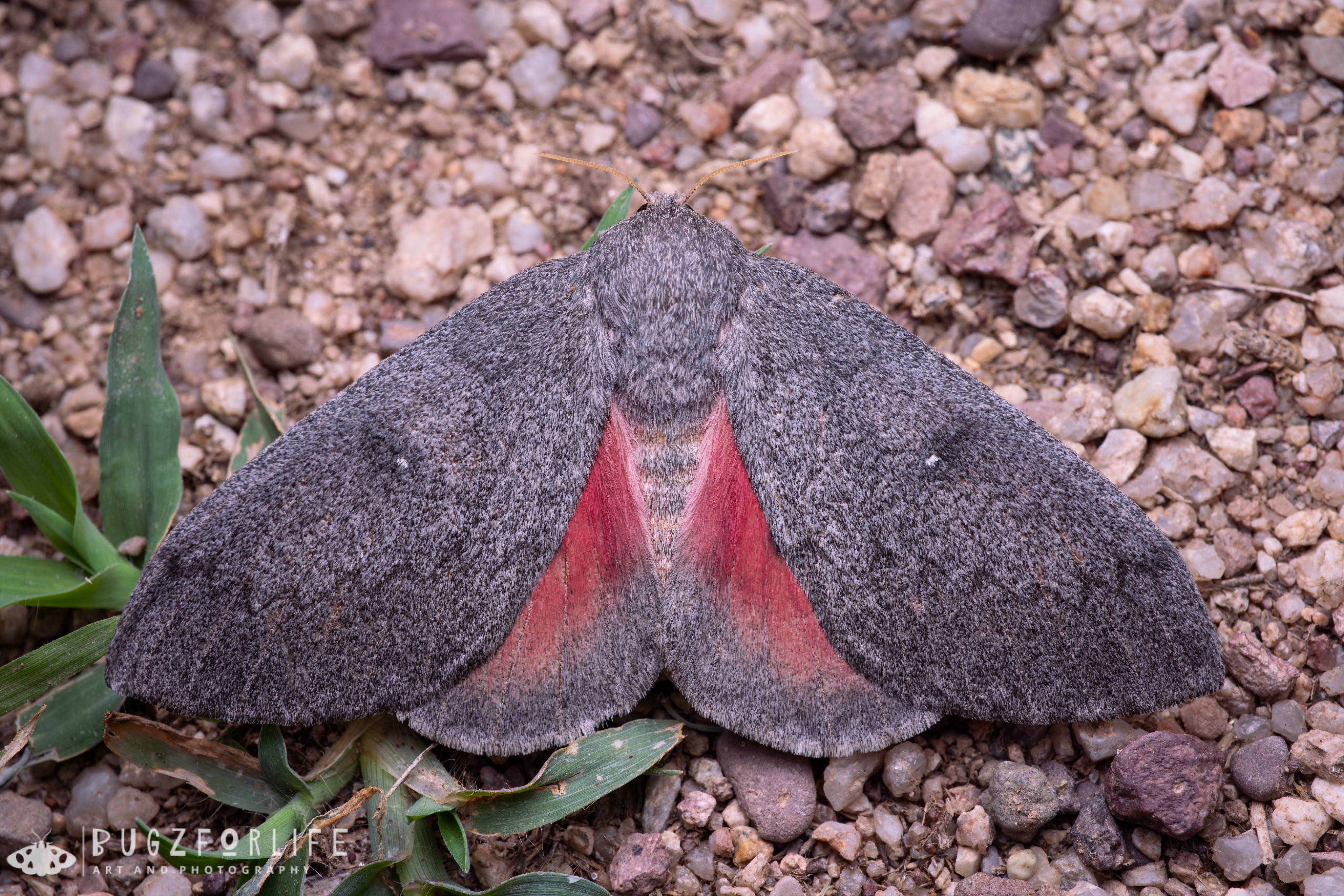
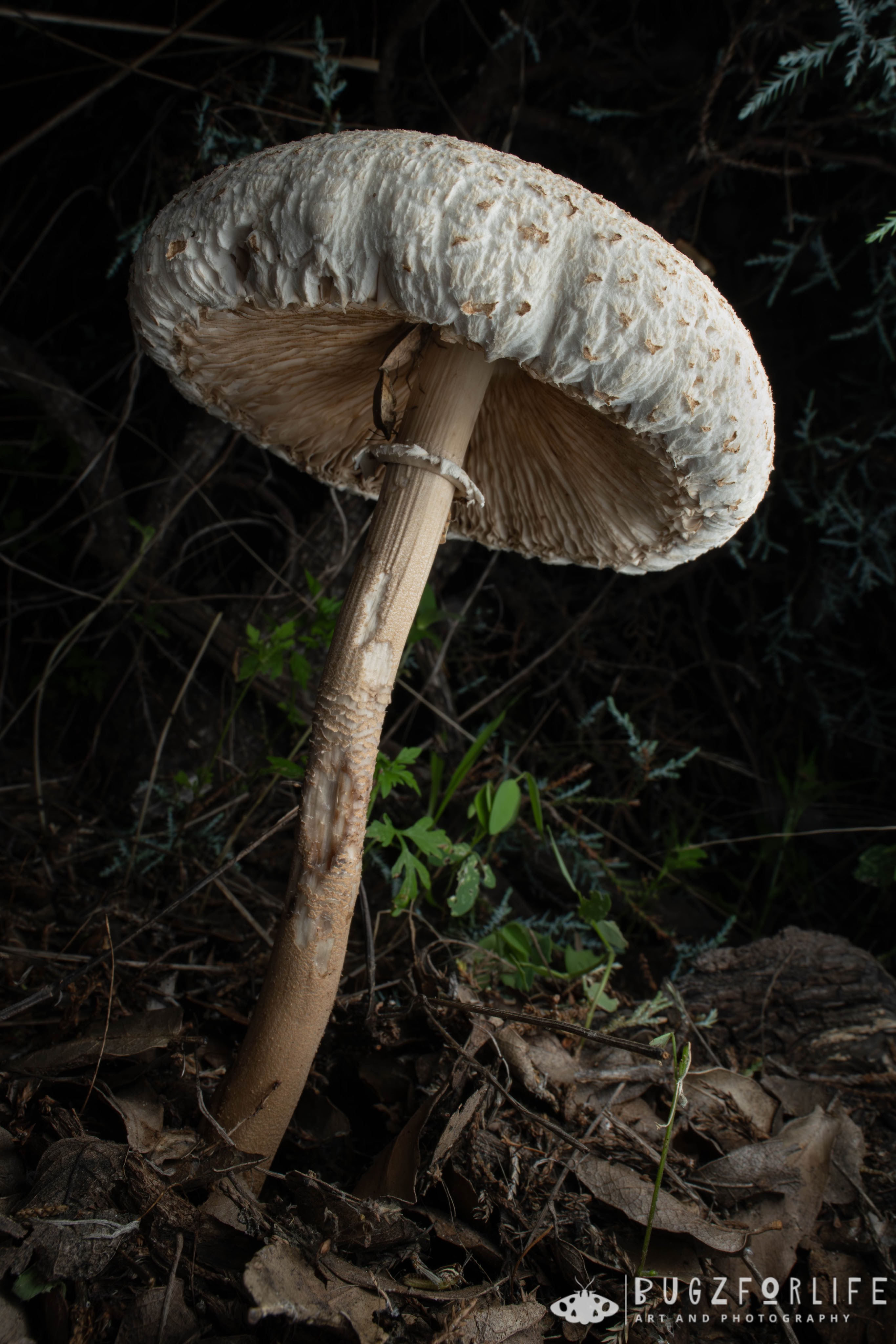
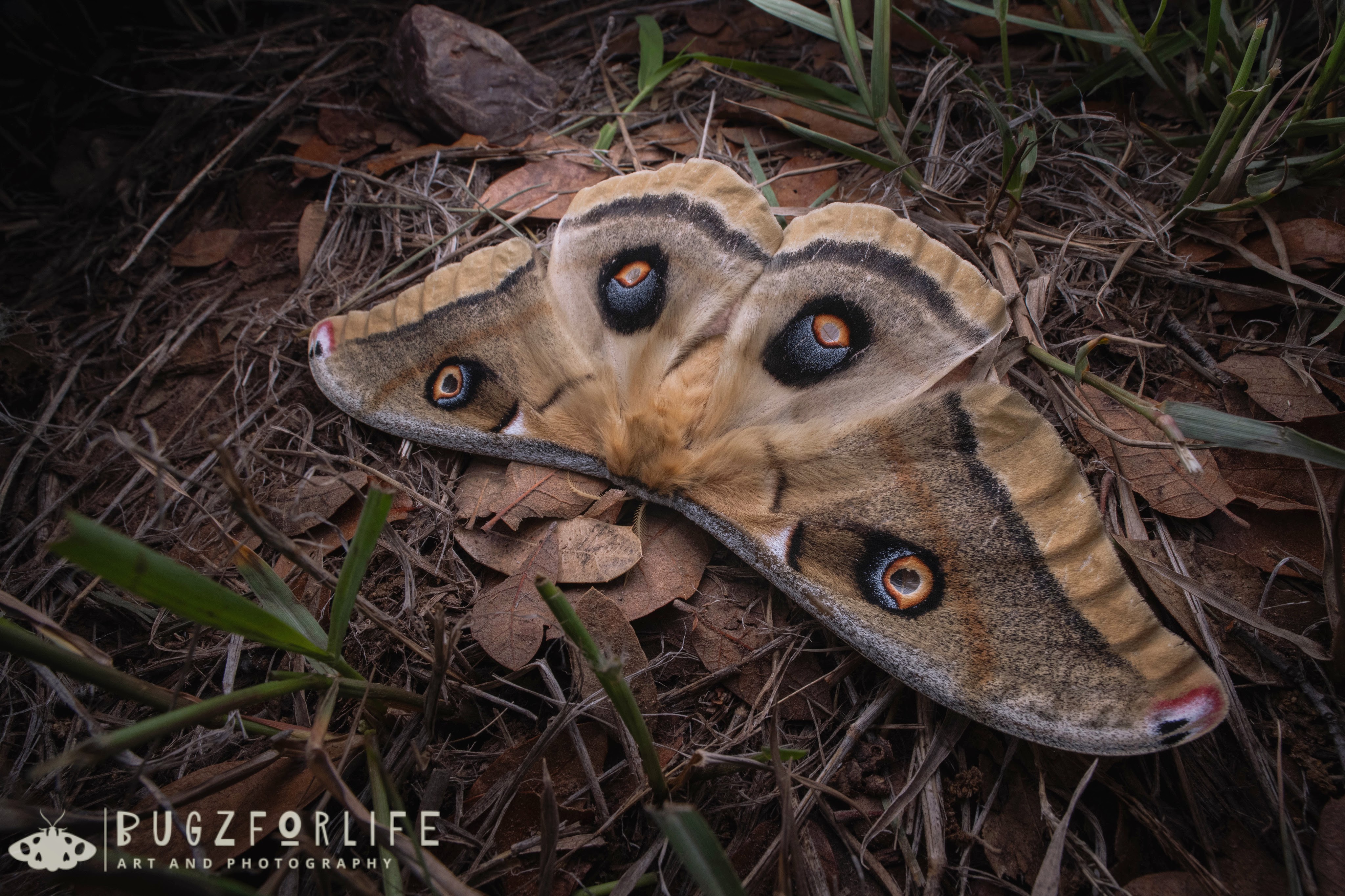
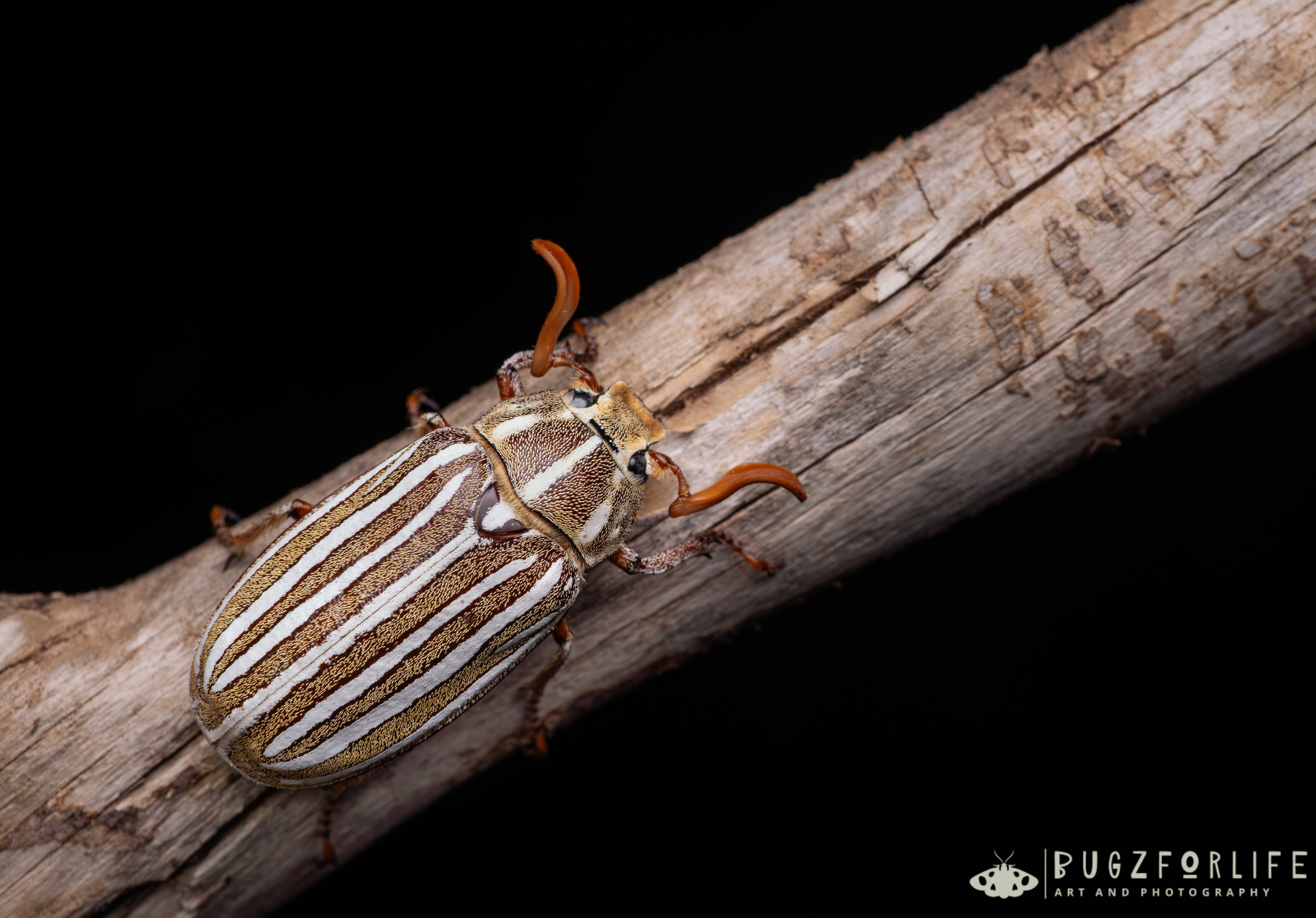
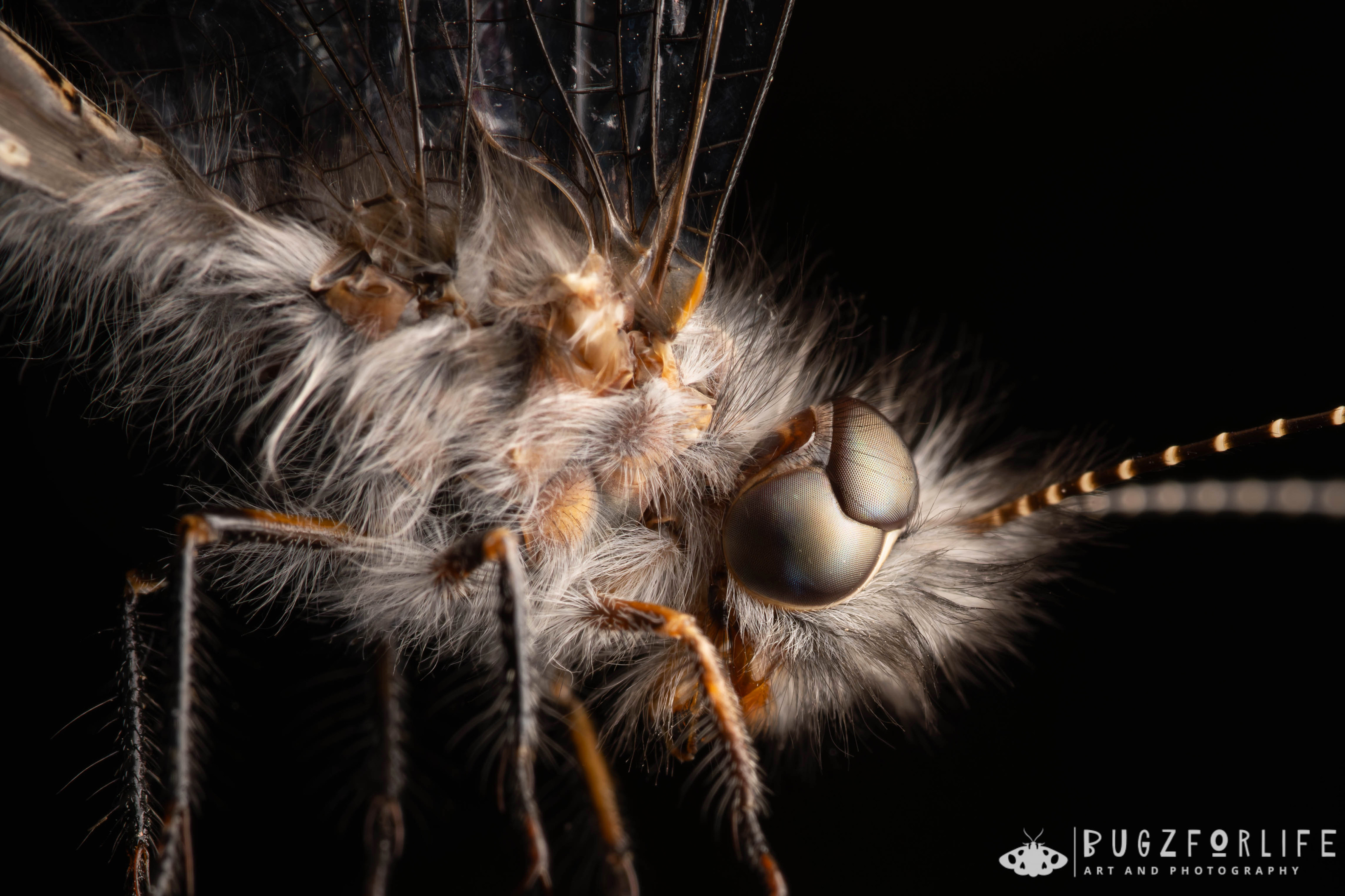
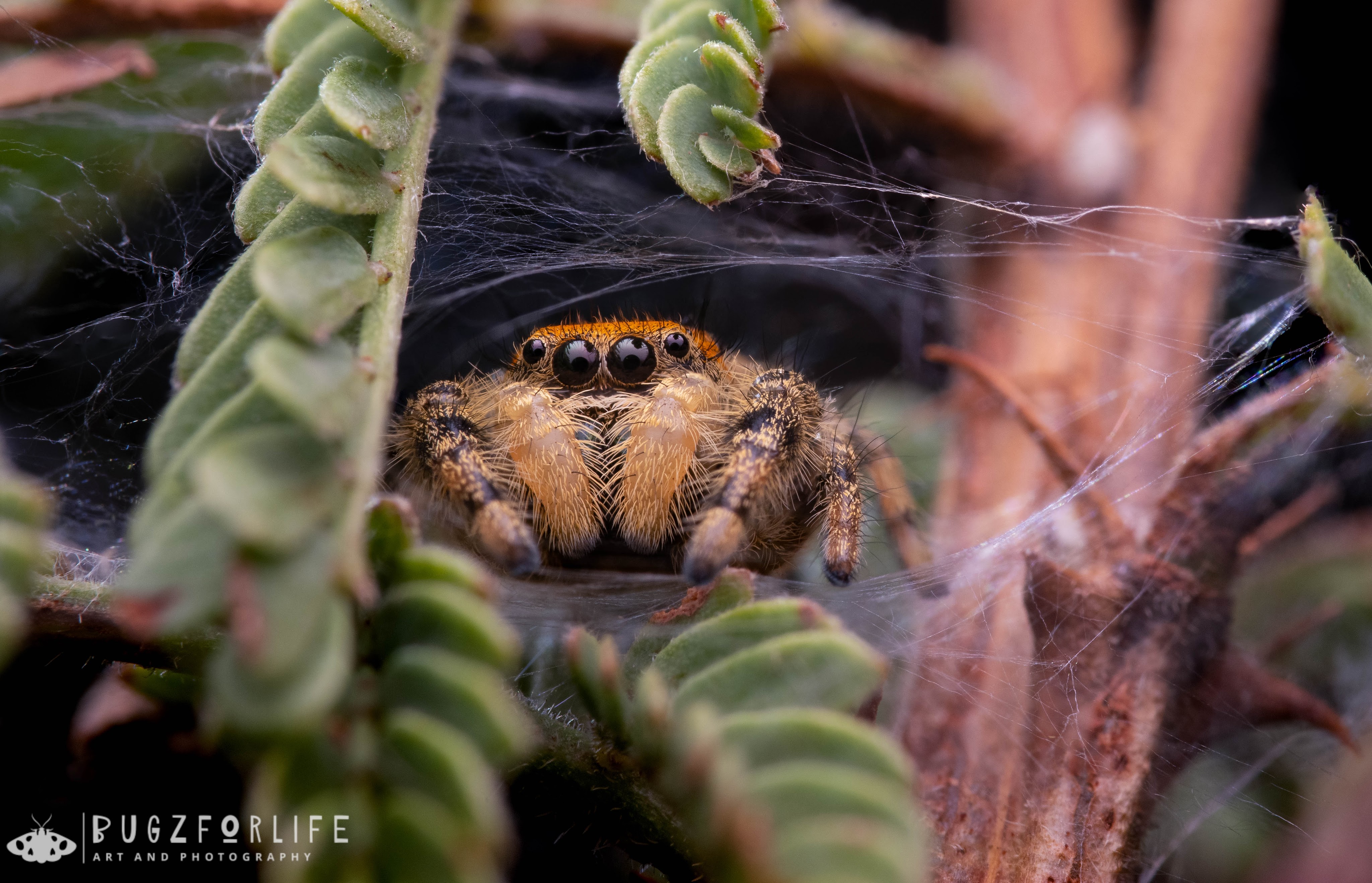
Later that evening I took the few who were interested and set up in an area known as the Canelo Hills. It was a new location and I didn’t necessarily know what to expect but was pleasantly surprised with the insects that came to the sheet. Owlflies were the first to appear, with at least 5 landing on the sheet within the first hour. Soon after the moths showed up, other groups of insects made their appearance, most being what we had already documented on the sheet at the airbnb. Species like the Florestan sphinx (Manduca florestan), ten-lined June beetle (Polyphylla decemlineata), and giant antlion (Vella fallax) were fairly abundant at the sheet. A massive female western polyphemus moth (Antheraea oculea) also flew in, crashing into the grass near the sheet and startling all of us. The sheet activity eventually calmed down and we took short walk around the area. We found a number of critters including a giant mushroom, an Apache jumping spider (Phidippus apacheanus), another Mexican spadefoot toad (Spea multiplicata), and a cecrops eyed silkmoth caterpillar (Automeris cecrops pamina). After everyone had their fill of exploring and time at sheet we packed up and headed back. The next day would be our final adventure day and I had made sure to make it a good one.
A Familiar Place
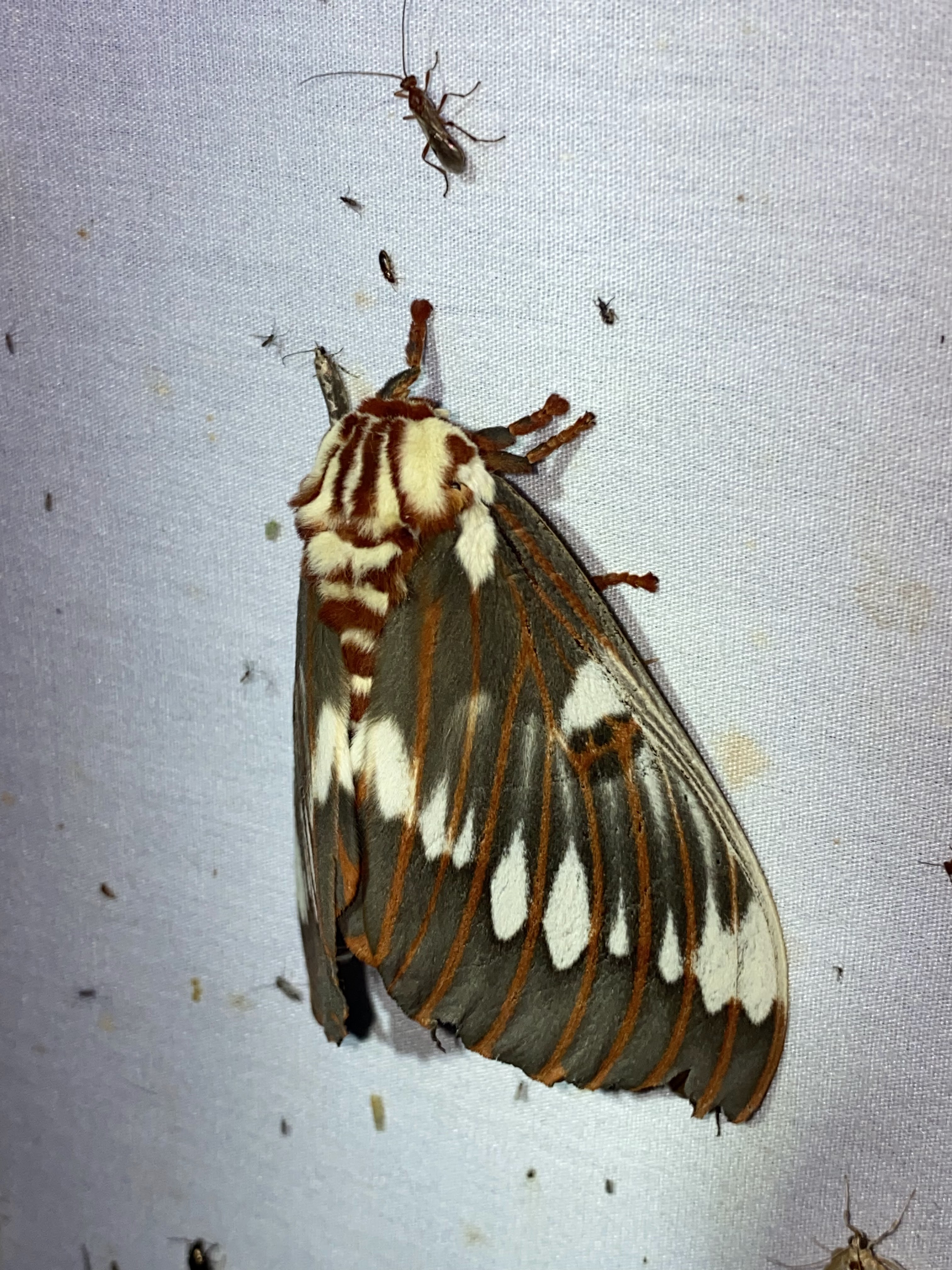
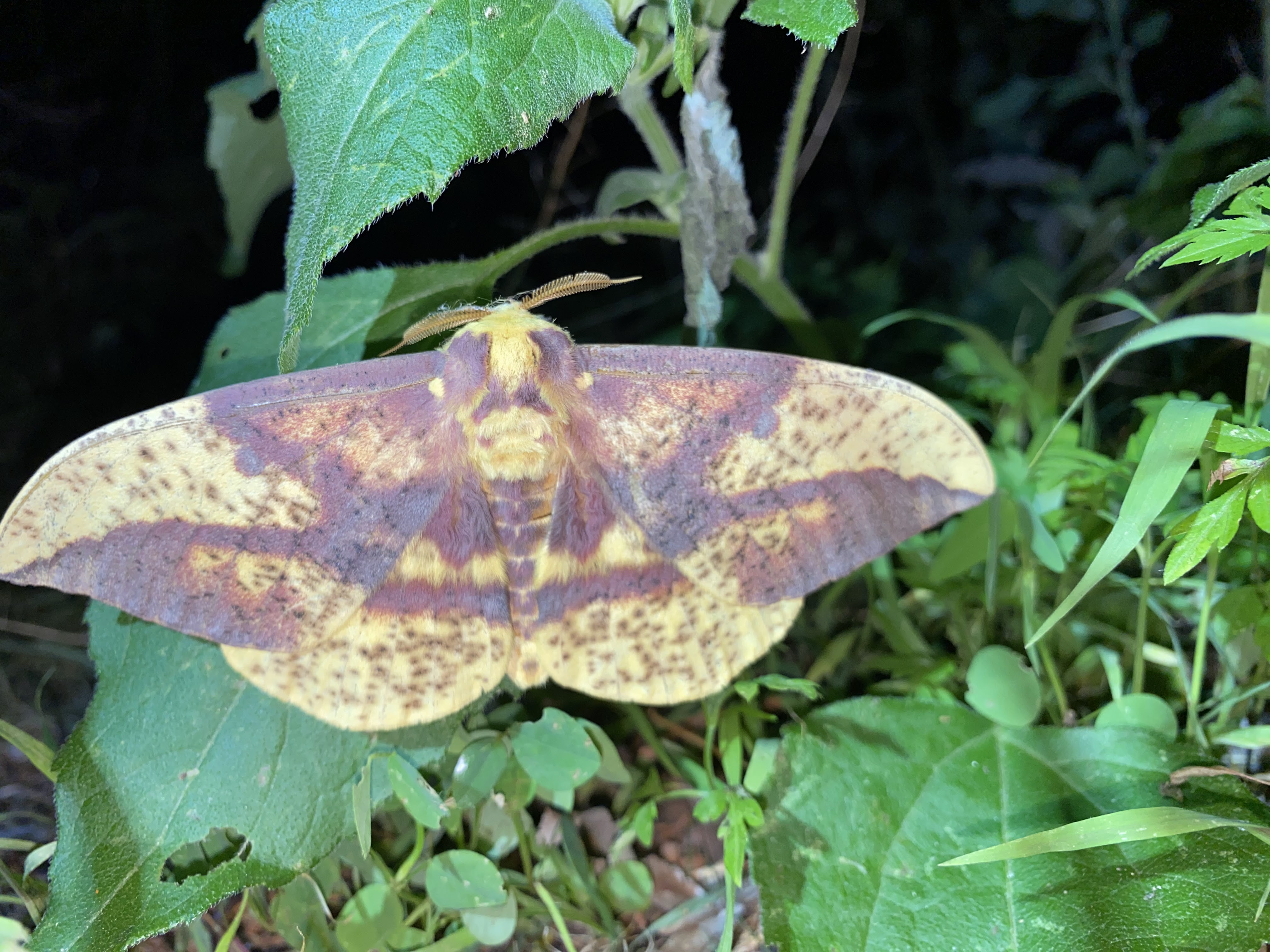
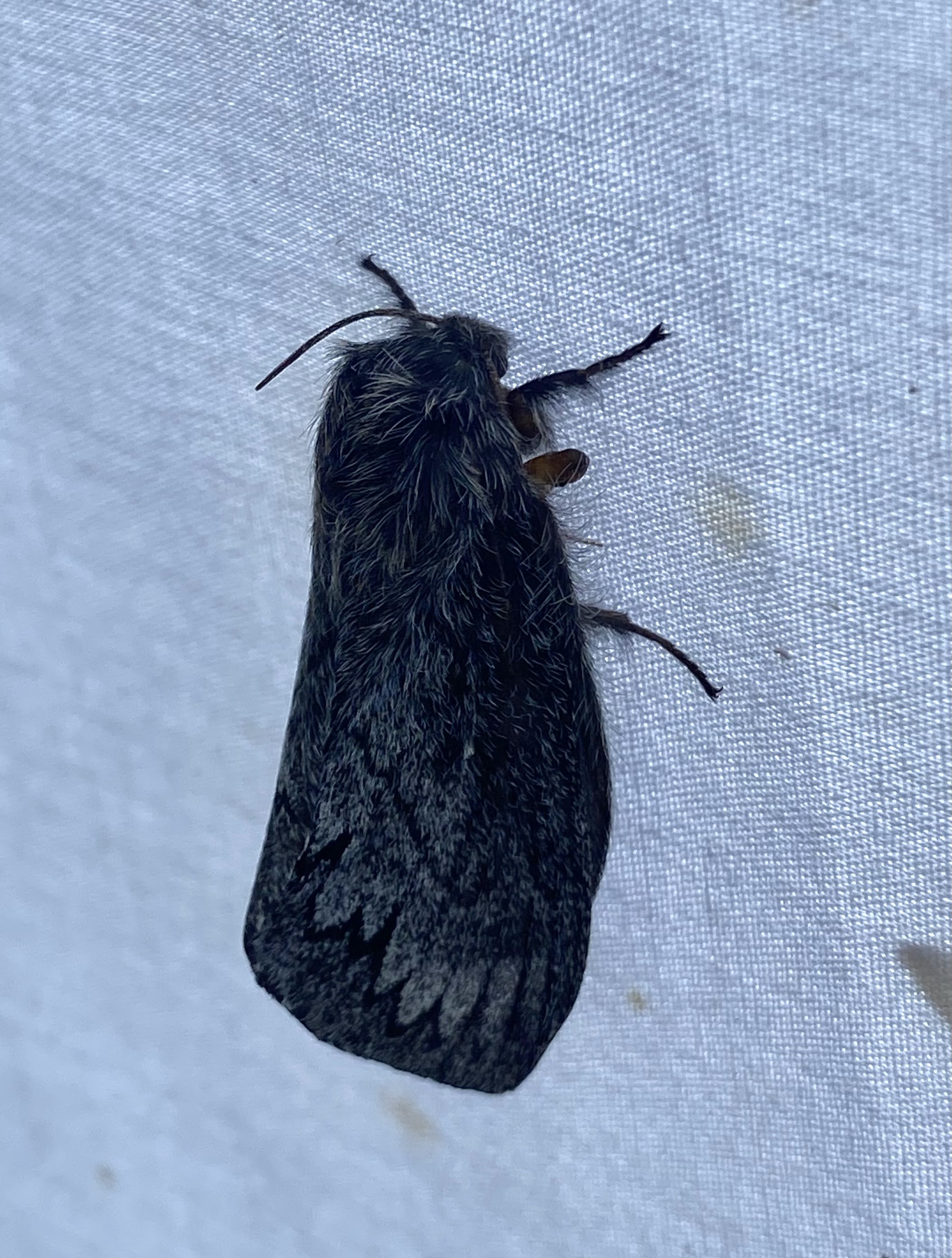
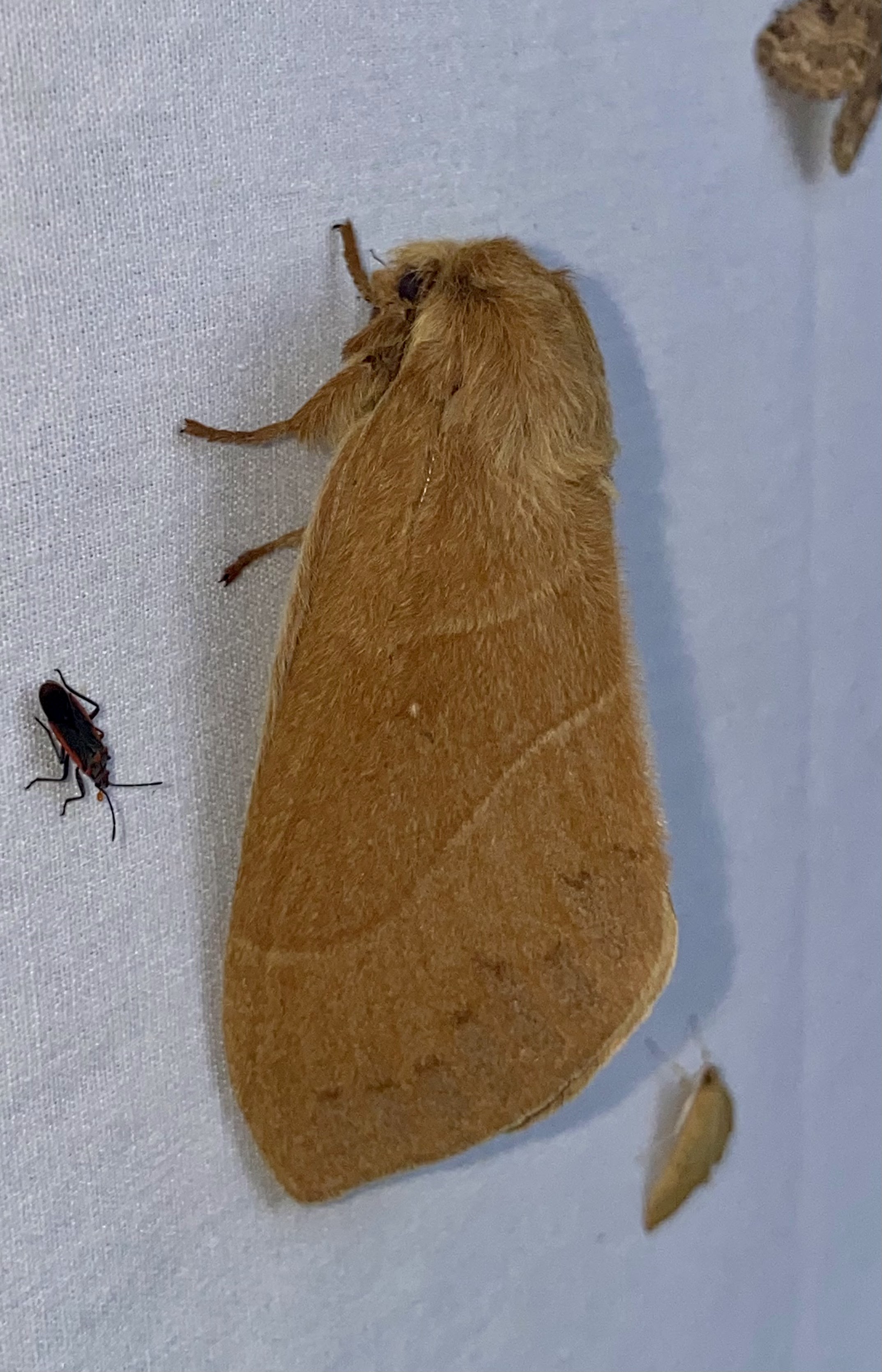
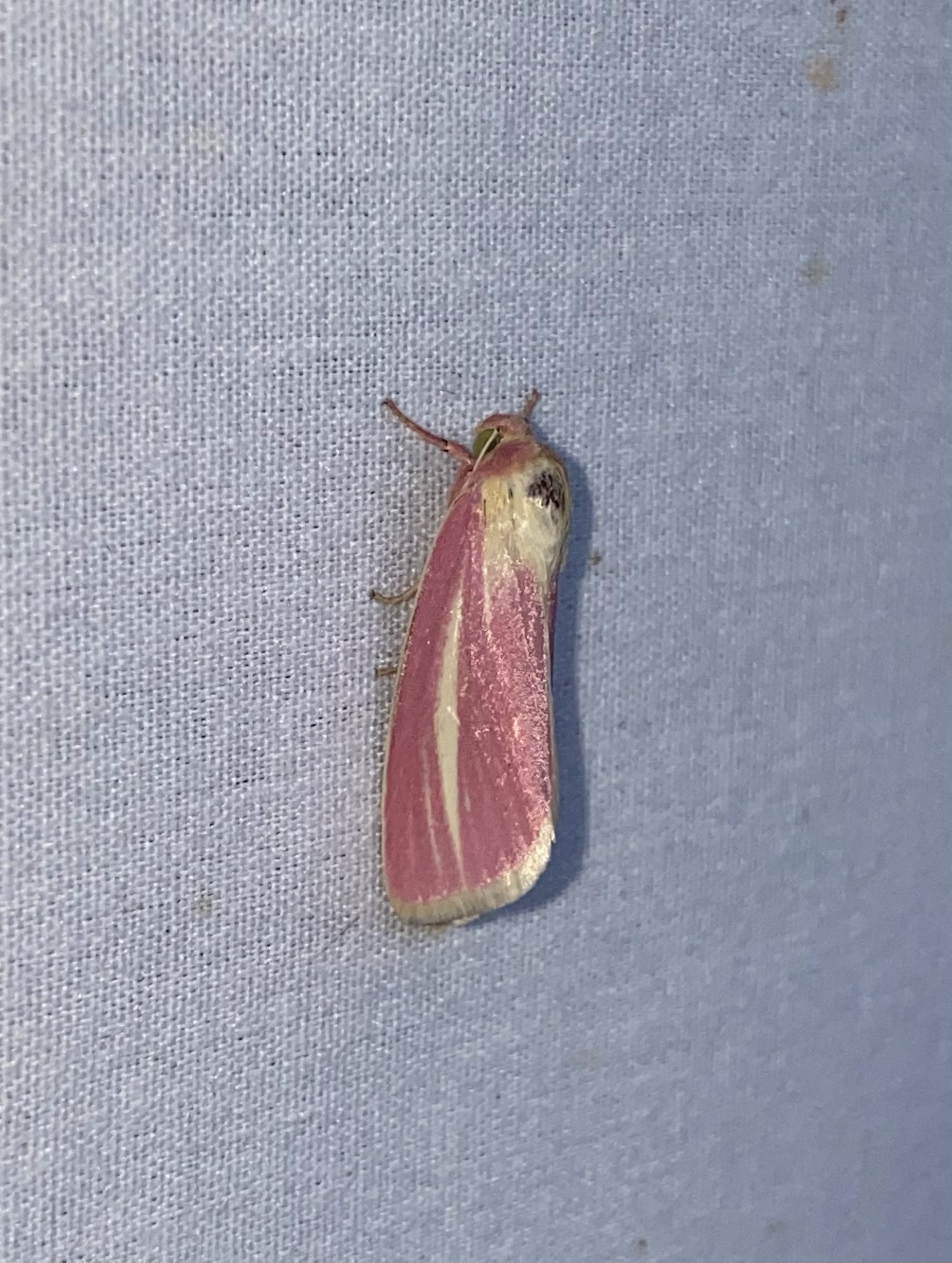
On the morning of our last adventure day, I managed to check the sheet earlier than usual and found quite a few species I had not seen yet on the trip. It was exciting to see these species again, which included Glover’s silk moth (Hyalophora gloveri), Arizona lappet moth (Gloveria arizonensis), a new color morph of Oslar’s imperial moth (Eacles oslari), Barbie moth (Heliocheilus julia), and a pink prairie moth (Psectrotarsia suavis). Once everyone was packed and ready, we set out to our final travel location. I chose Madera Canyon as the place to visit since everyone had been there previously and it has always been a great place to find insects. We arrived in the late morning and stopped by the Santa Rite Lodge for some souvenirs and ice cream. If you have never been to this location, it is a must when visiting the region. We explored the lower canyon and Proctor picnic area but didn’t have a whole lot of success. In the late afternoon we went into Green Valley to eat dinner and then headed over to our blacklighting location, Florida Canyon. The area seemed to have received a decent amount of rain, which I had hoped for since this has been a historically solid place for blacklighting.
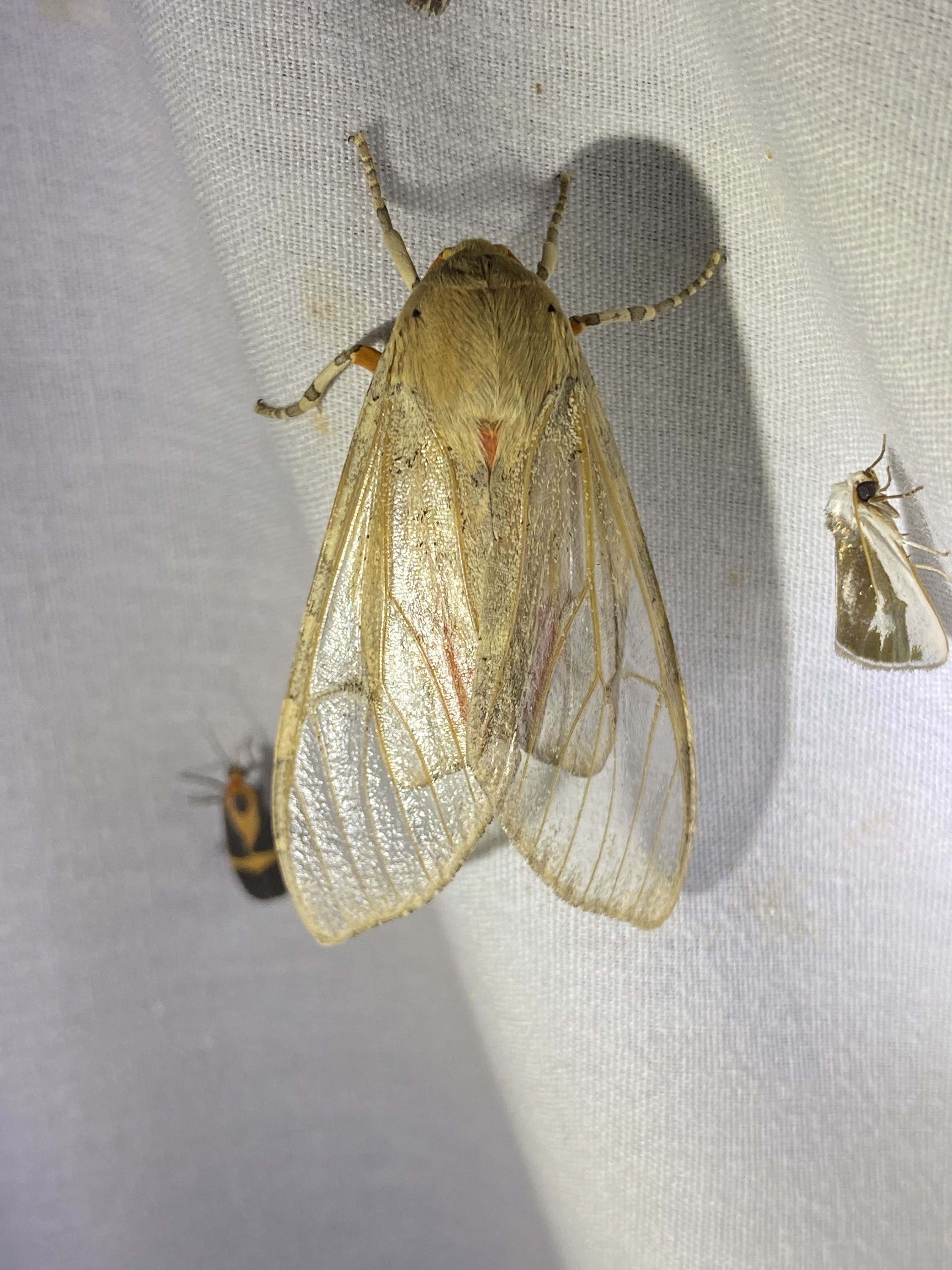
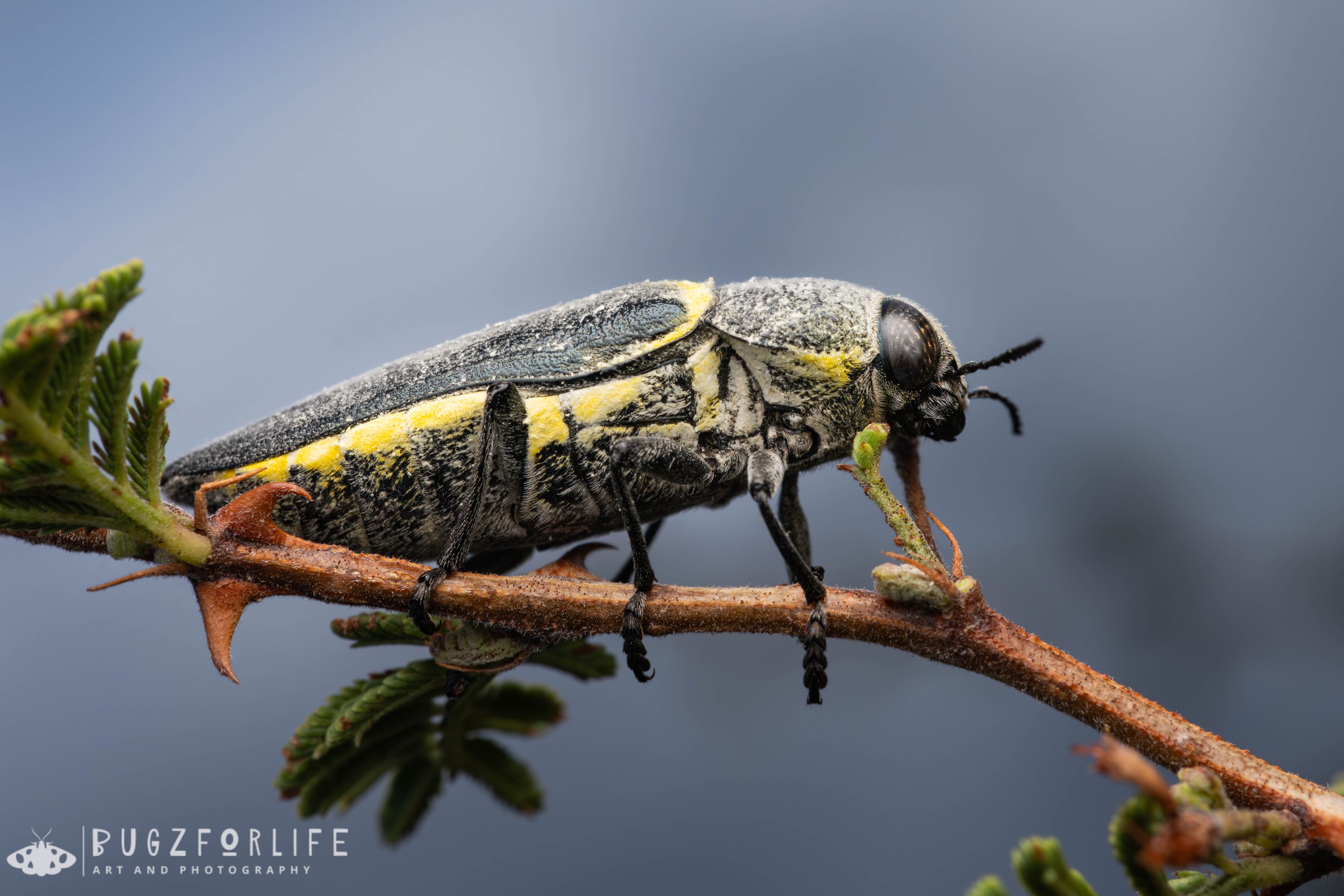
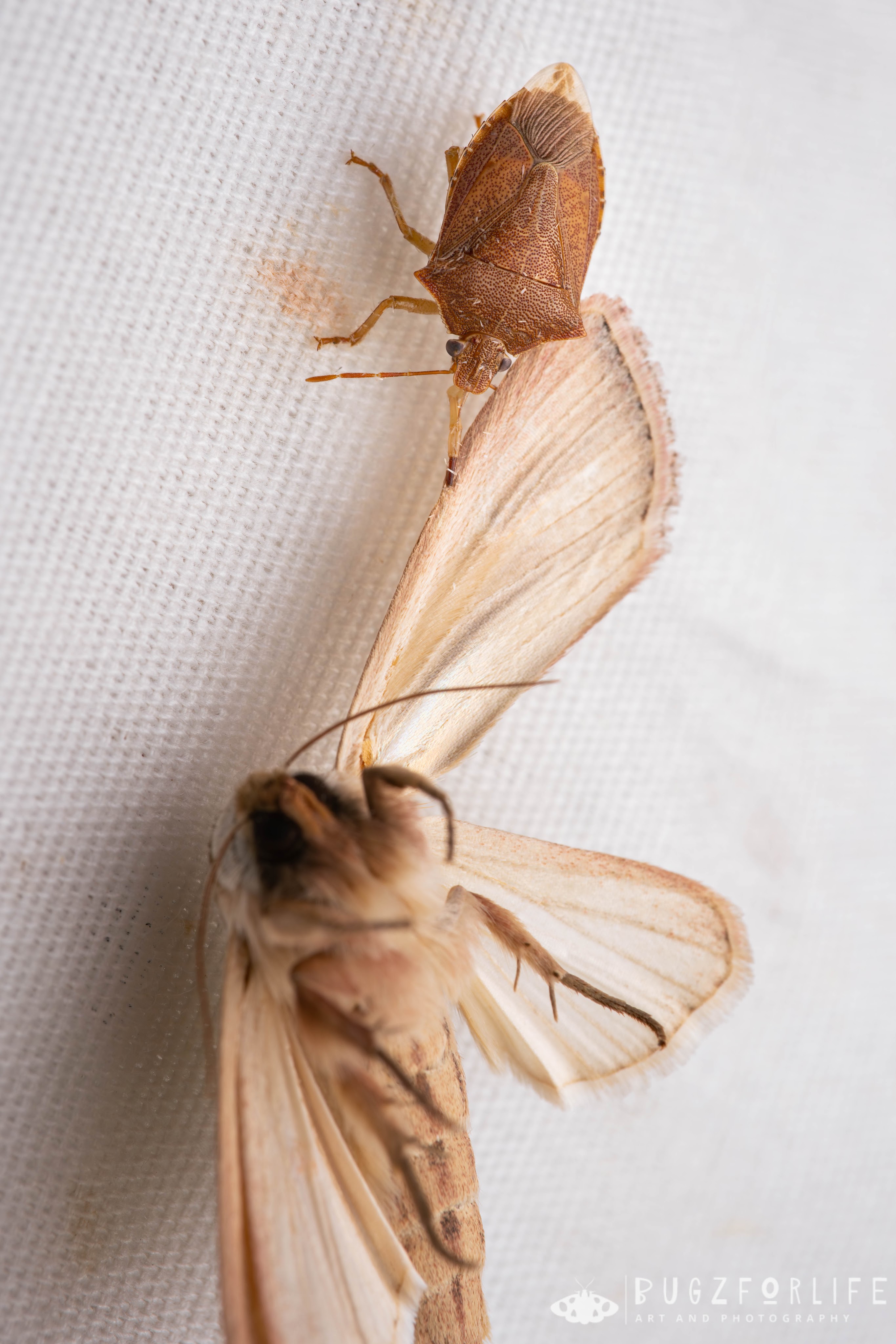
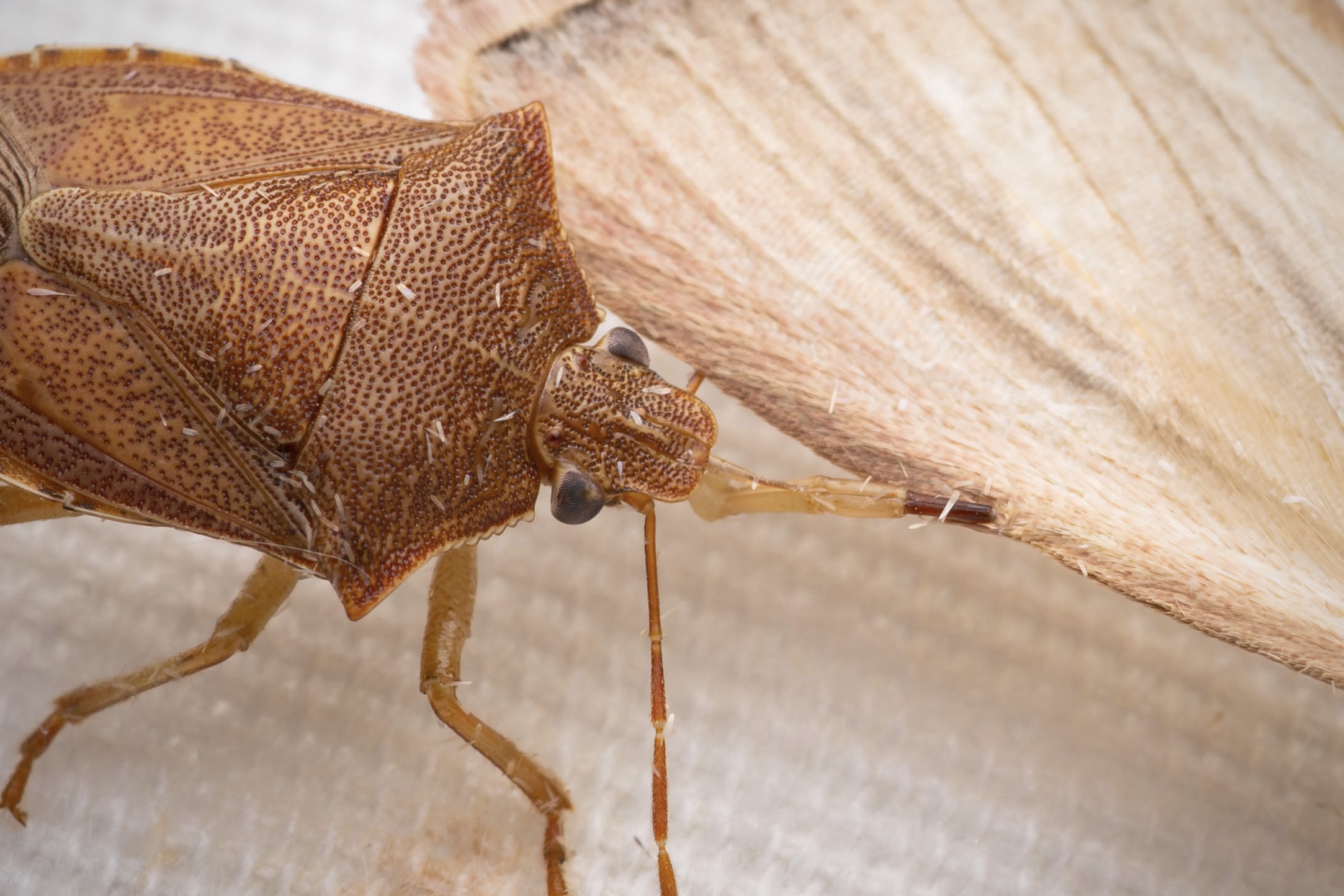
As the sun went down and the lights grew brighter, I noticed a somewhat close storm approaching with lots of lighting. I assured the group that we would be fine since the storm seemed to be tracking northeast of our location, despite the incredible light show it was giving off. The sheet was pretty productive, but the 2 species I was hoping for unfortunately did not make an appearance (2015 was the last time I saw them). Marko and I found a Hubbard’s small silkmoth caterpillar on a nearby mesquite tree and a decent sized buprestid in the neighboring catclaw acacia bush. I made my way back to the sheet and noticed some commotion between a moth and another insect. I could not believe what I was watching. A normal sized pentatomid species holding onto and feeding on a moth 2-3 times its size! I was shocked that it could hold that large of prey with its rostrum. The activity at the sheet ultimately tapered off and we all decided to pack it up and head back. Watching the lightning on the drive back was fairly entertaining and as an added bonus it kept us all awake.
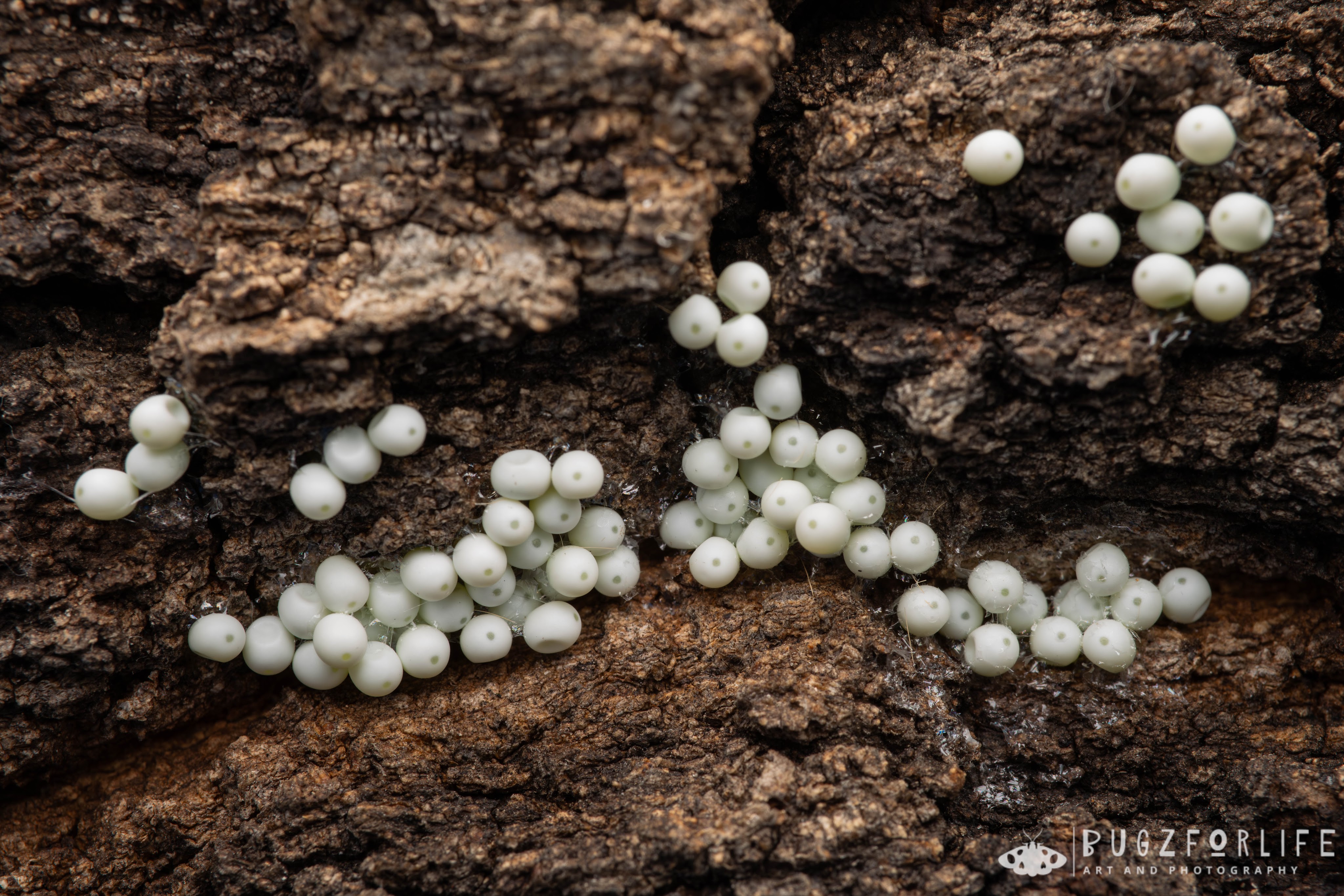
With the last day of the trip finally here, the group decided to just focus on getting everything ready for the travel back to CA. We processed specimens, uploaded photos, and packed up personal belongings so that the next morning wouldn’t be so rushed. A few went into to town to do some shopping and others stayed at the airbnb to rest and relax in preparation for the long journey back home. When the evening rolled around, I decided to set up the extra large moth sheet as one last hurrah at the airbnb. However, the weather had a very intense parting gift for us and we had to quickly take it down. Once we got everything inside, the torrential downpour began. Constant lighting and heavy rain really made the last night quite special, giving us a wild end to the trip and something we will never forget. The next morning was a little bittersweet, but everyone that was part of this week long adventure truly had a great time. There were plenty of new experiences, new finds, and new friendships made, making this one of the best large group trips to SE Arizona in a very long time. Looking forward to what 2024 will hold when we return!