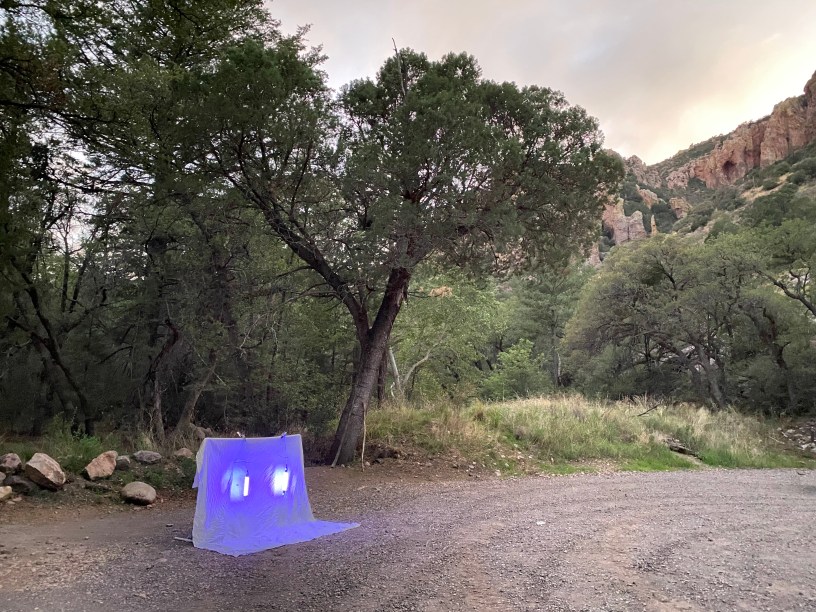
Back in 2017 I made a post describing how one can go about mothing in southern Arizona. However, a lot has changed since then, including localities, equipment, and new techniques that I felt needed to be updated. This will be a revision of that post with updated information and a whole lot more details on what to use and what to expect when searching for moths in southern Arizona.
A Monsoonal Recap
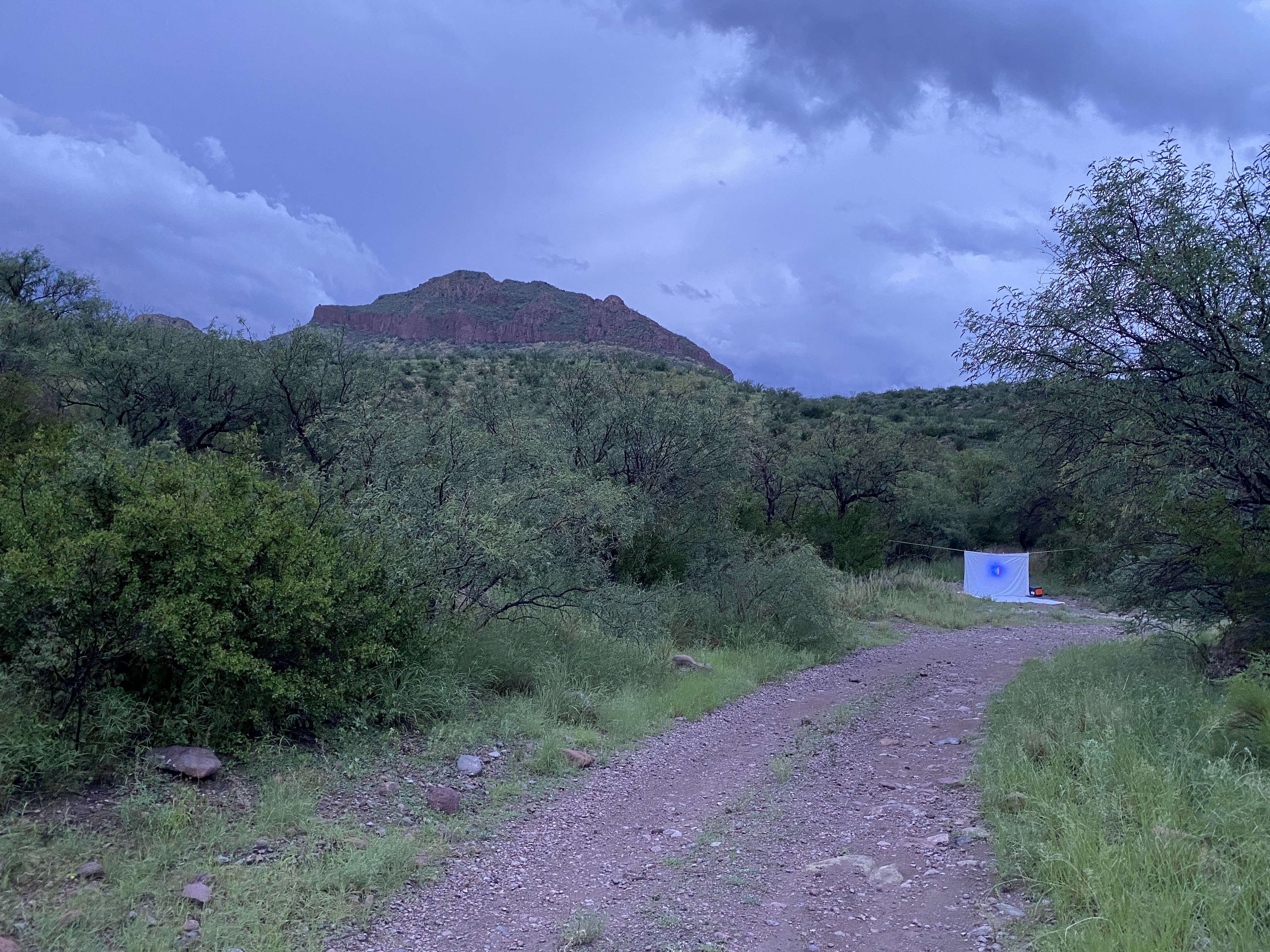
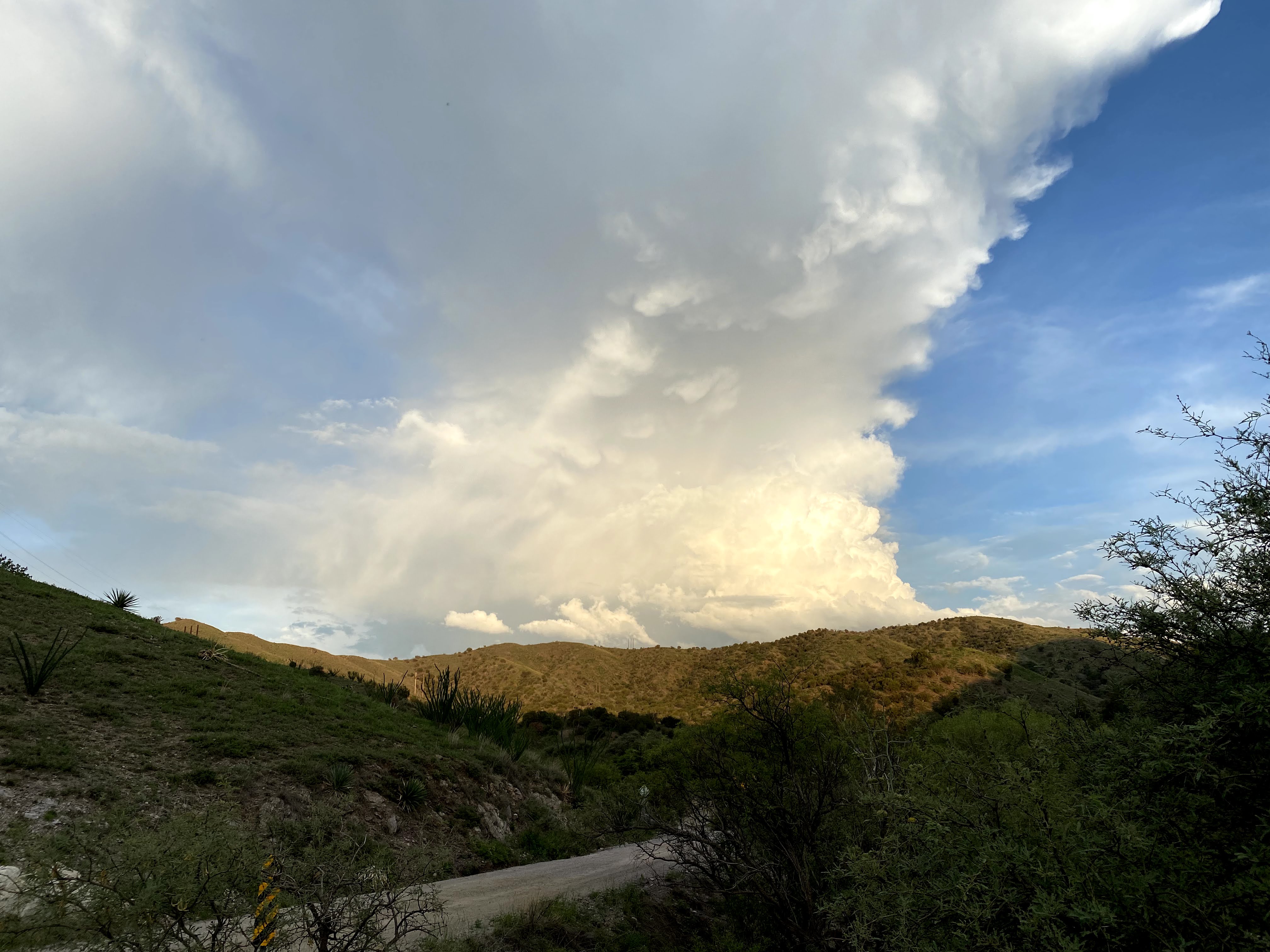
Since 2017, I have returned to this region 6 more times and have gone through many revisions of my overall trip outline when mothing here. This region, as I stated in the previous post, has summer monsoons that are active from July-September and sometimes into October. The increase in moisture created by changes in the atmosphere cause thunderstorms to form over the sky islands, which brings heavy rain, strong winds, and an incredible amount of lighting to this part of the state. All of this increased precipitation allows for an incredibly high amount of vegetation growth and insect diversity. Depending on how much moisture a specific section of the sky islands receives and when, will determine the emergence times of different species.
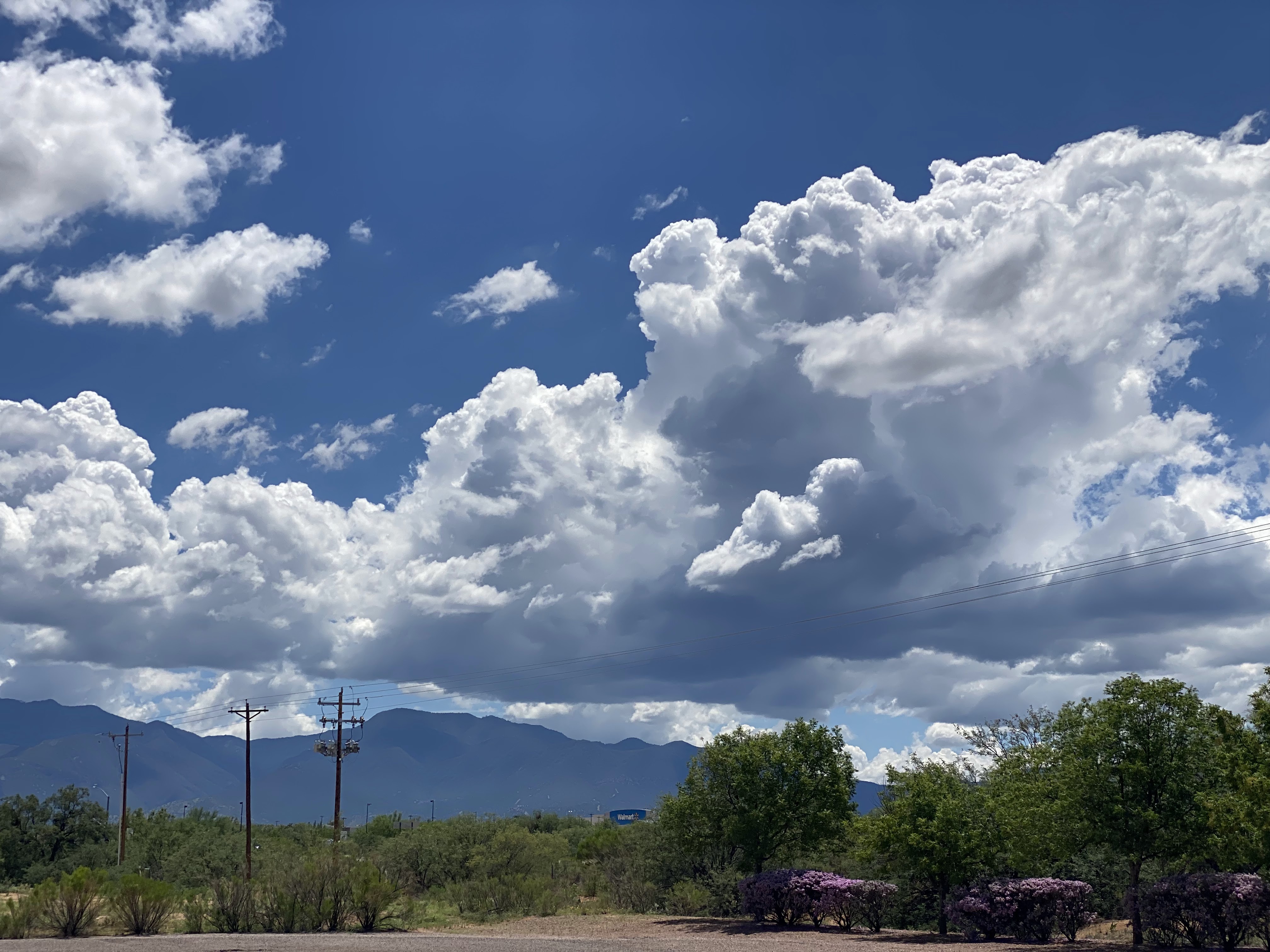
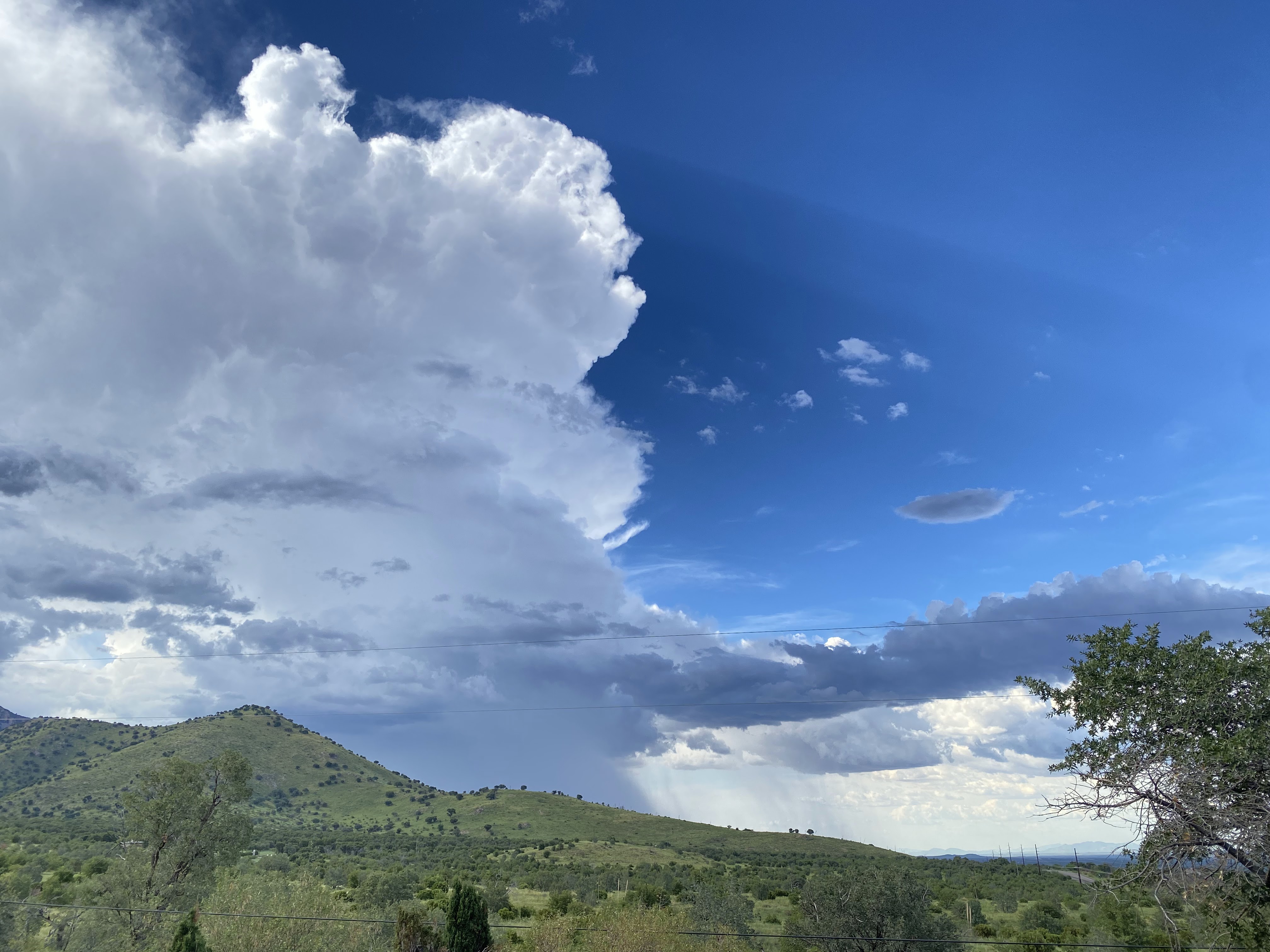
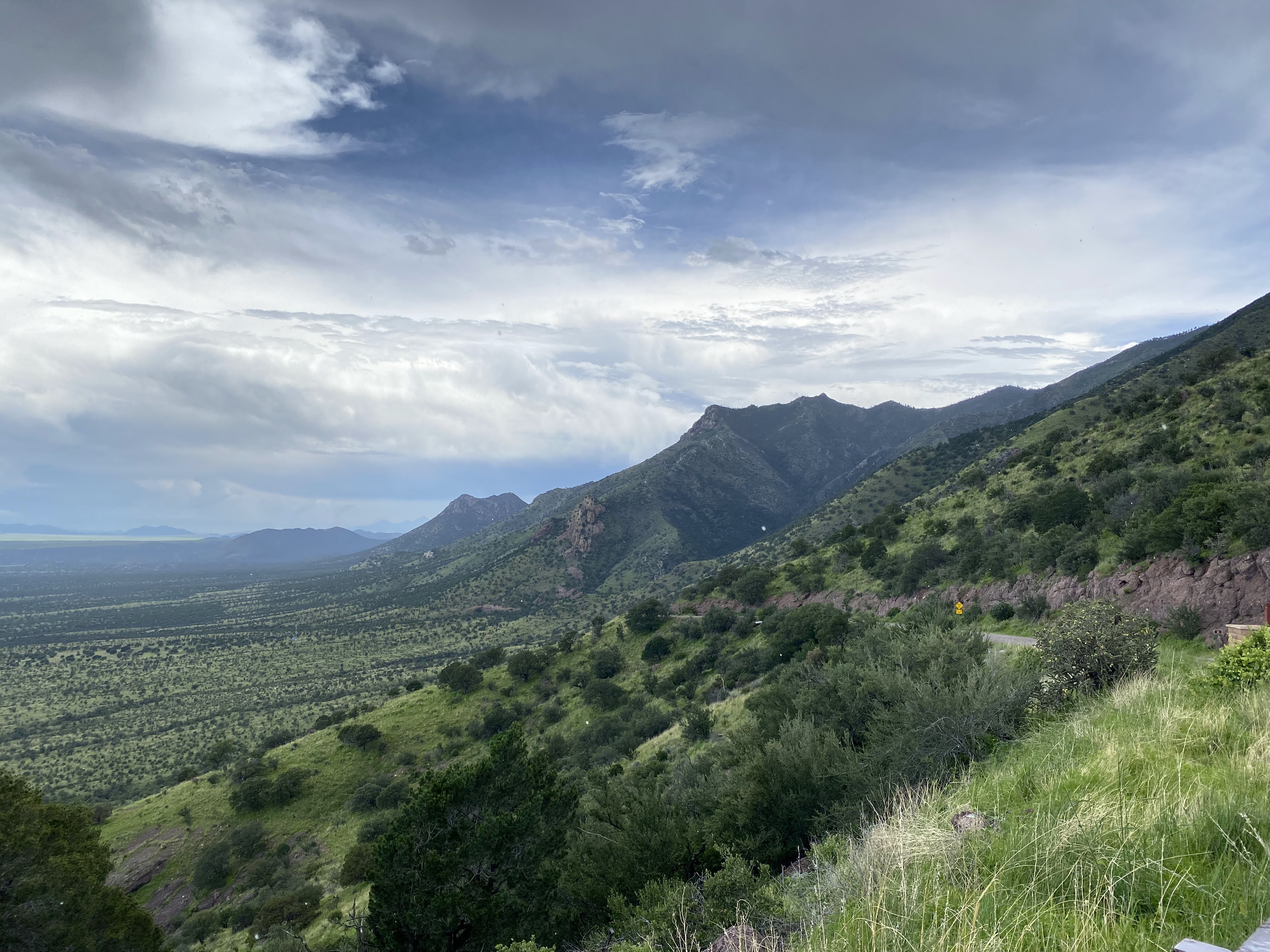
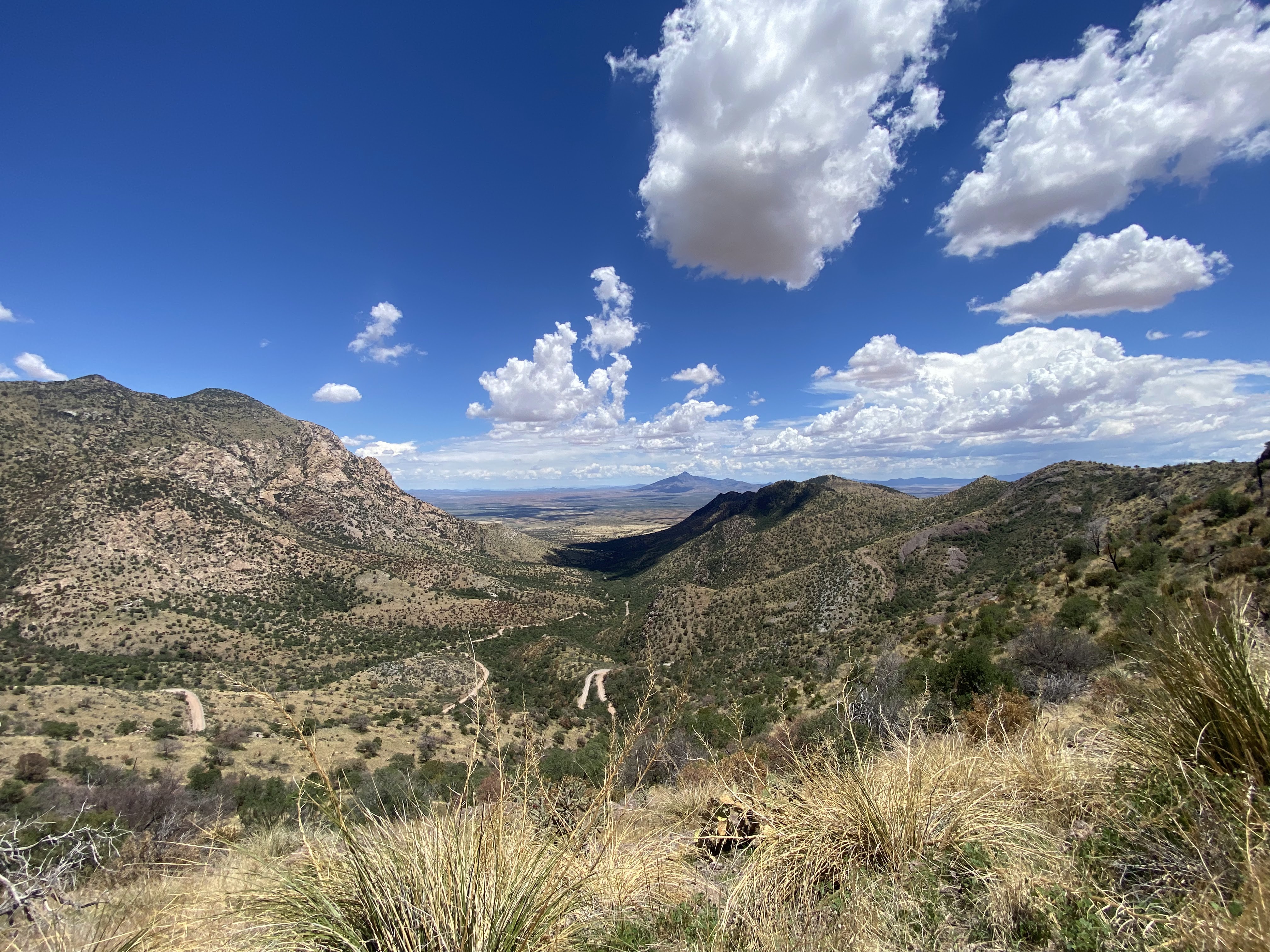
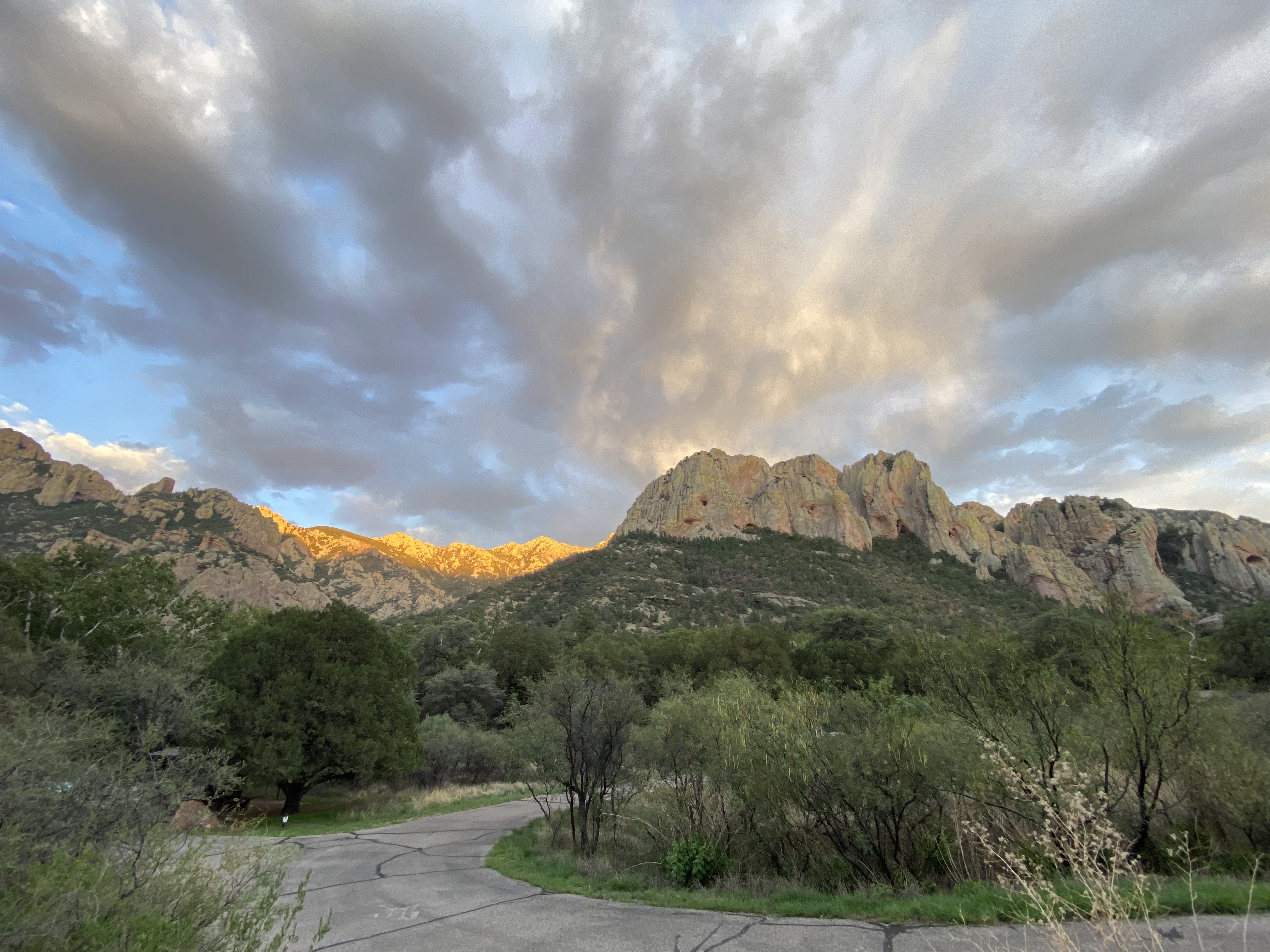
Each mountain range is unique and the amount of precipitation they receive can vary from year to year. The Huachuca Mountains southwest of Sierra Vista tend to receive the most amount of rain due to their location relative to where the storms form once they reach southern Arizona. Other mountain ranges, such as the Santa Ritas, Chiricahuas, and Santa Catalinas, also tend to receive significant amount of precipitation during the monsoon season. In relation to the “mothing” season, it really depends on what you want to see. Larger moths like the saturniids (silkmoths) and sphingids (sphinx moths) tend to emerge early, between mid-end of July and sometimes into very early August. Majority of the other groups of moths will be on the wing from end of July to early September. Late season species, like those in the genera Agapema and Hemileuca, tend to be seen from September into October.
However, due to the monsoons arrival and precipitation amounts being so variable, these ranges of time can fluctuate from year to year. Some years the monsoons start very early (late June), while in other years they start much later (early August). They also vary in intensity, with some years, like 2016 and 2021, being very wet, while other years, like 2017 and 2023, being very dry. In addition to weather, the other important factor when mothing in the region is the moon. A bright full moon will make blacklighting difficult because the moonlight drowns out the lights at the sheet. A new moon is the most ideal when mothing due to the lack of competition with your lights and their ability to attract moths to the sheet. However, one can still be successful at any moon phase, just keep in mind that a full moon will be the most challenging to work around. So, if you are planning a mothing trip to this region during the monsoon season, be very sure on WHEN you are thinking of visiting and remember to periodically check weather reports as well.
Updated Techniques and Equipment
Within the last 3-4 years I have updated and revamped my approach to mothing in southern Arizona. Before 2021 I thought camping was one of the best ways to make the most out of a trip like this since we could just set up the lights at the campsite and not have to move anywhere, especially when the weather was unfavorable in other locations. After 2021, which was the first year I stayed at an airbnb, I realized how convenient it was to have a home base to go back to instead of a tent. So, from then on I have utilized airbnbs when staying in the region. This worked wonders for me and allowed for stays in areas I probably wouldn’t have considered previously. The biggest benefit to staying at an airbnb is being able to set up a designated light that can stay on even if you travel to a different location to go mothing. Not to mention you can leave the light plugged into an outlet and wake up early the next morning to check the sheets, avoiding the need to stay up late making sure your power source (i.e. generator) stays on. Staying at an airbnb has really helped improve the quality of these excursions for myself and those who have joined me.
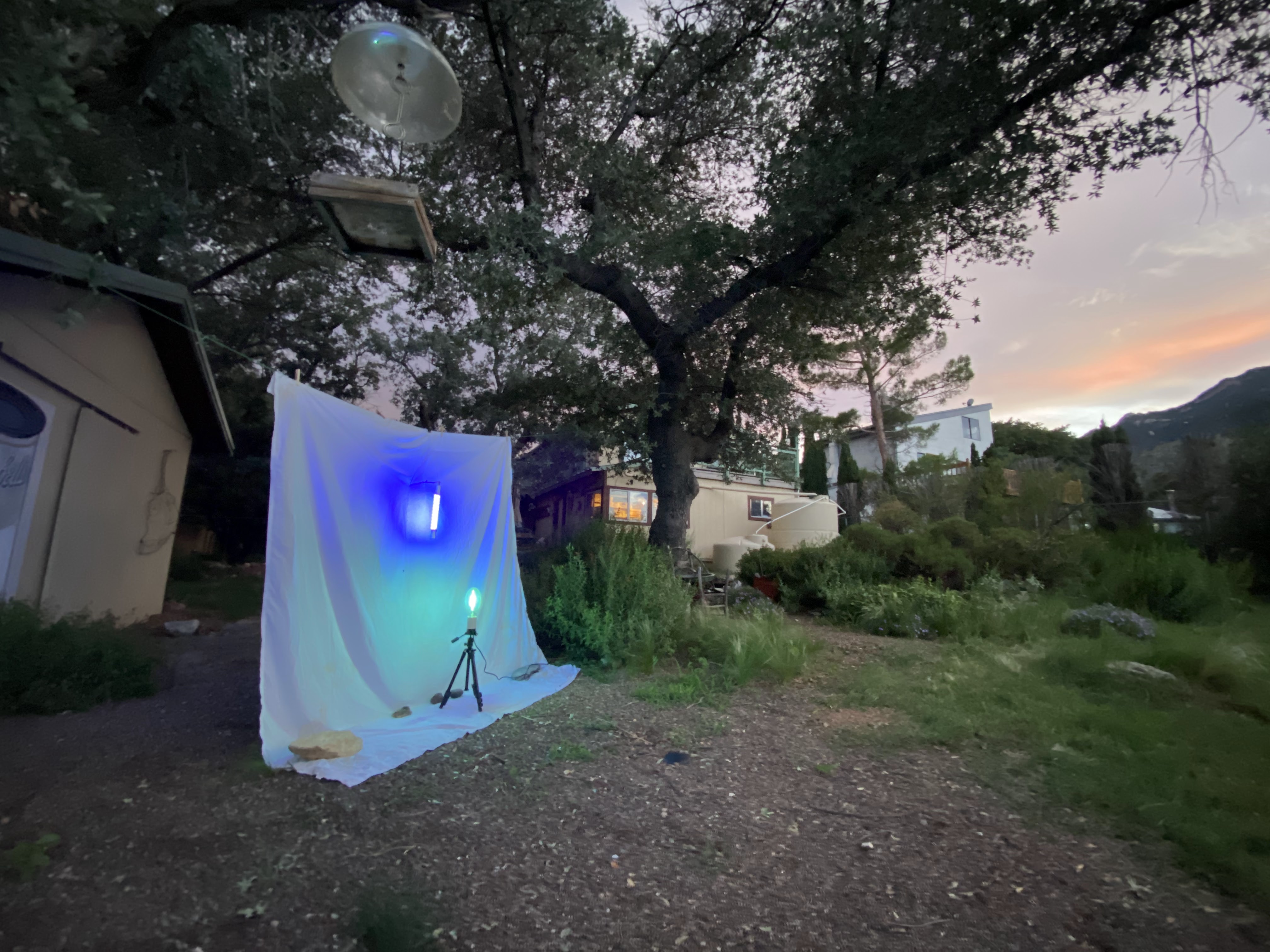
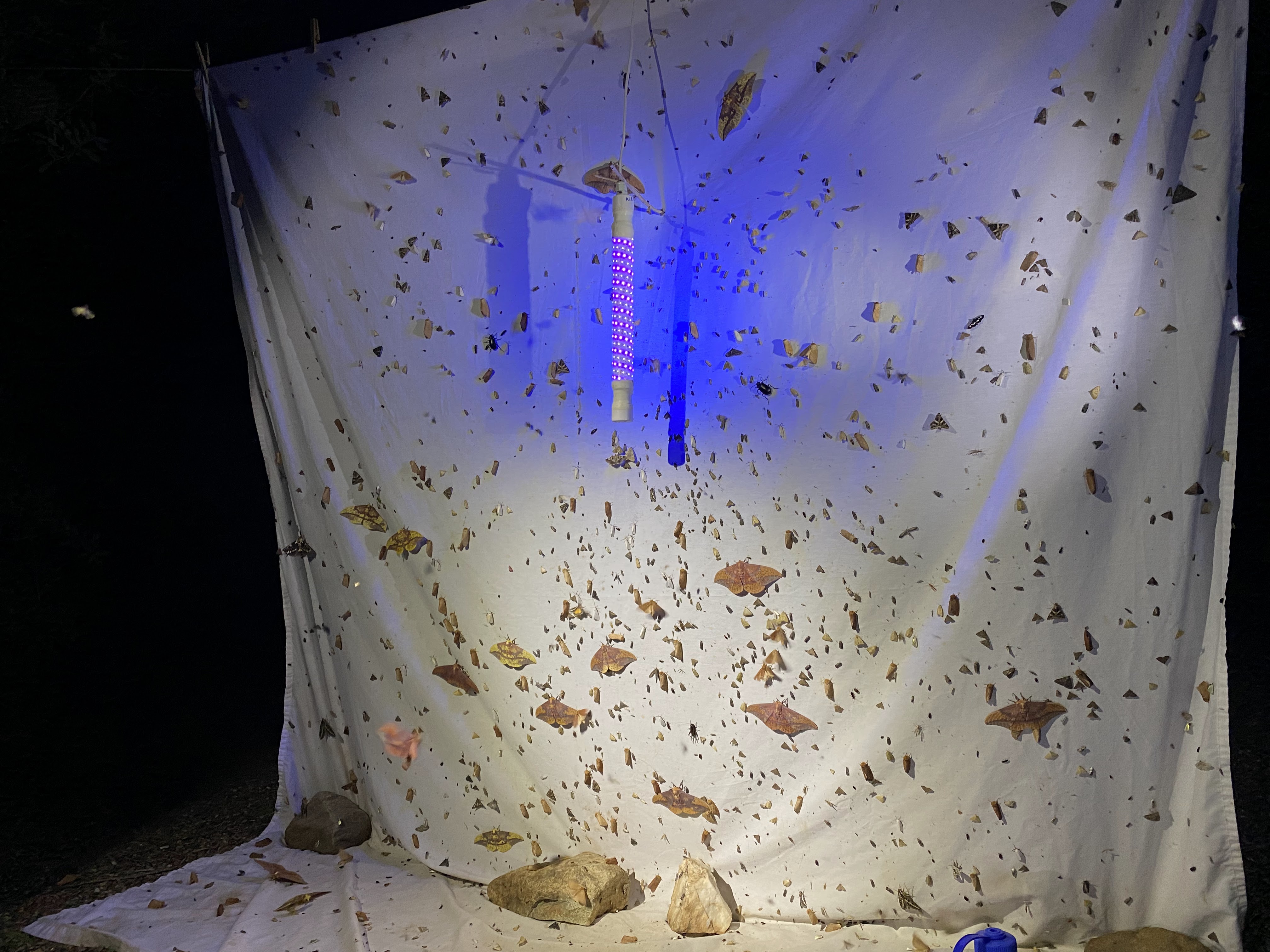
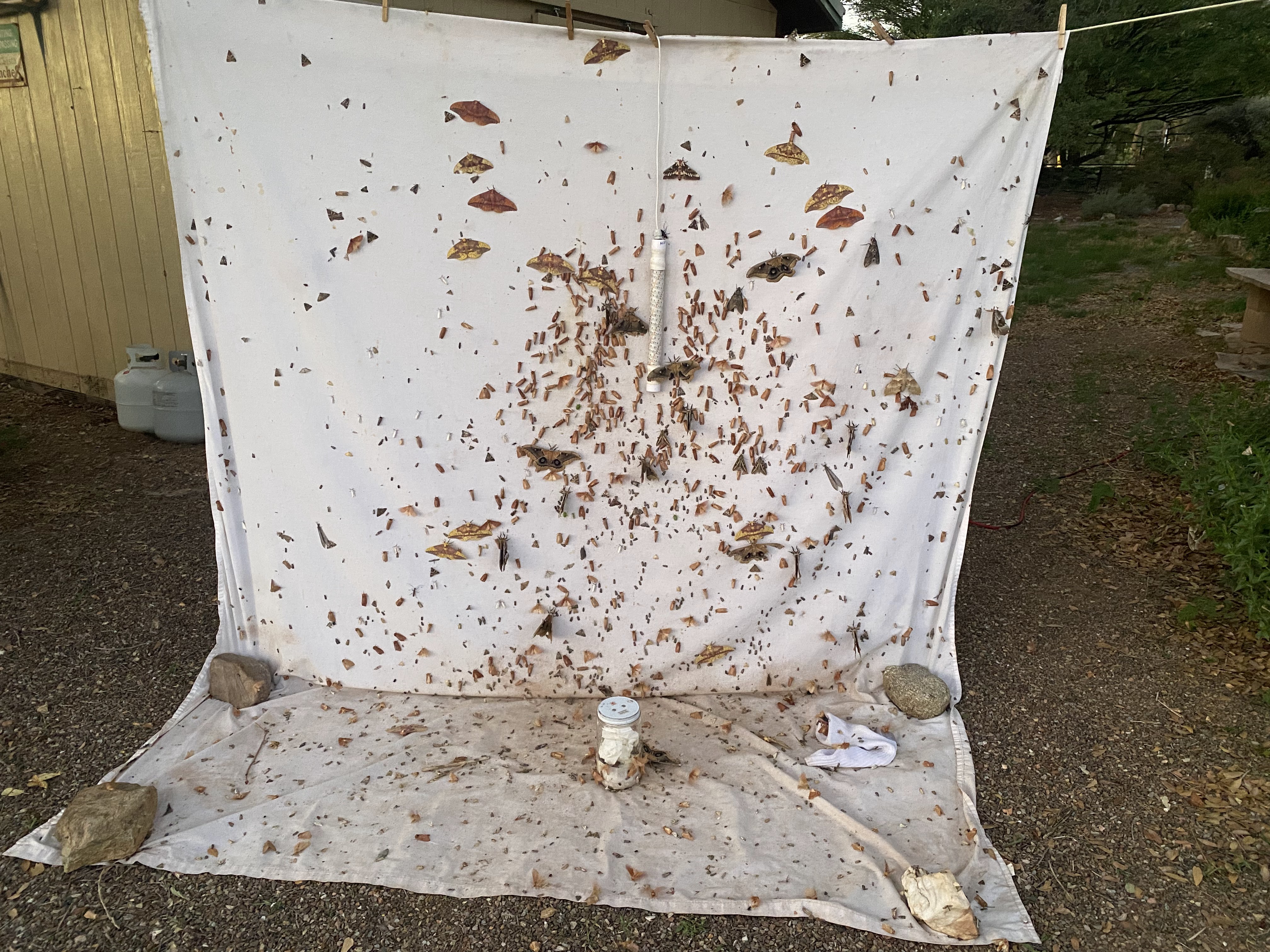
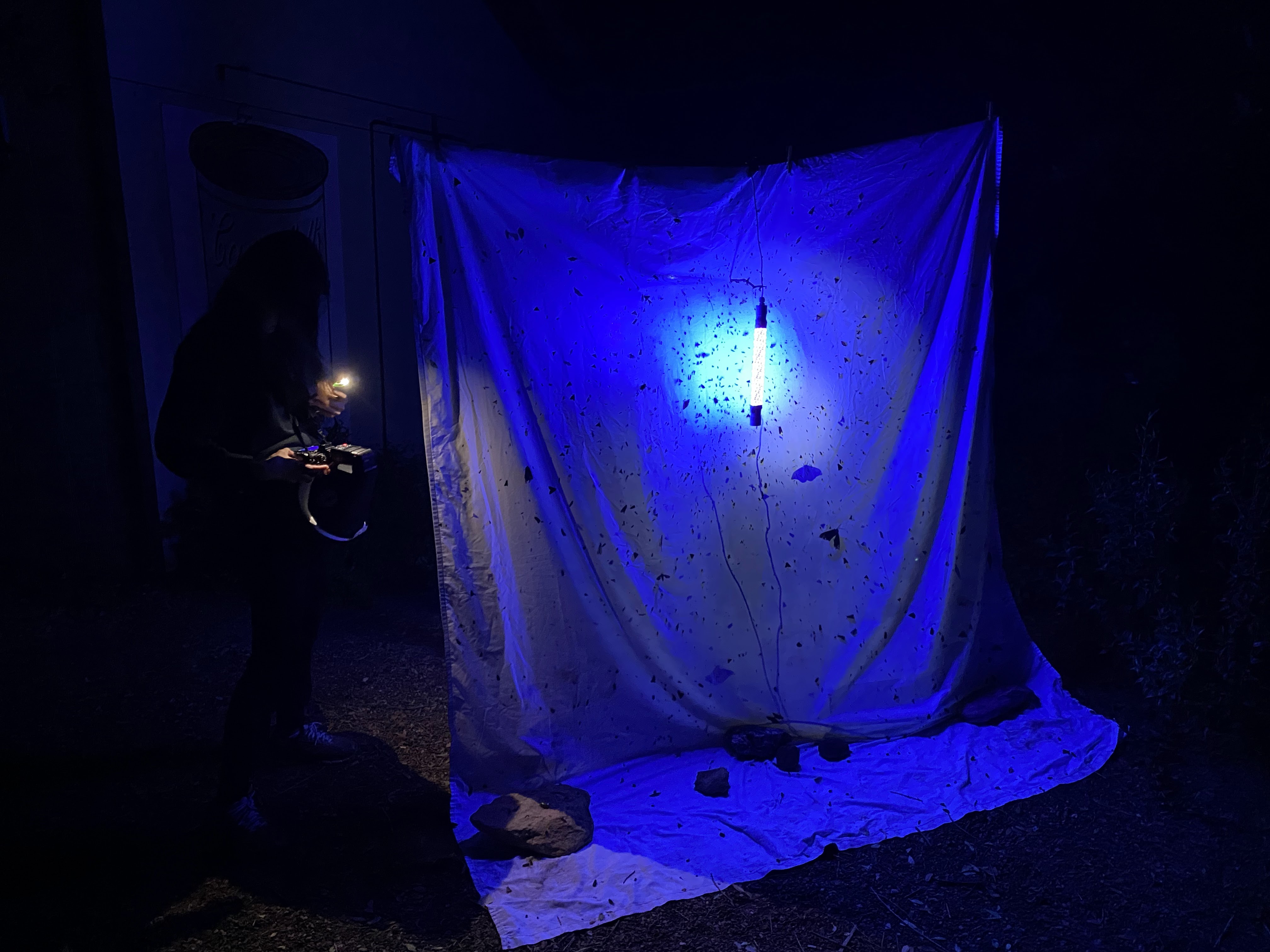
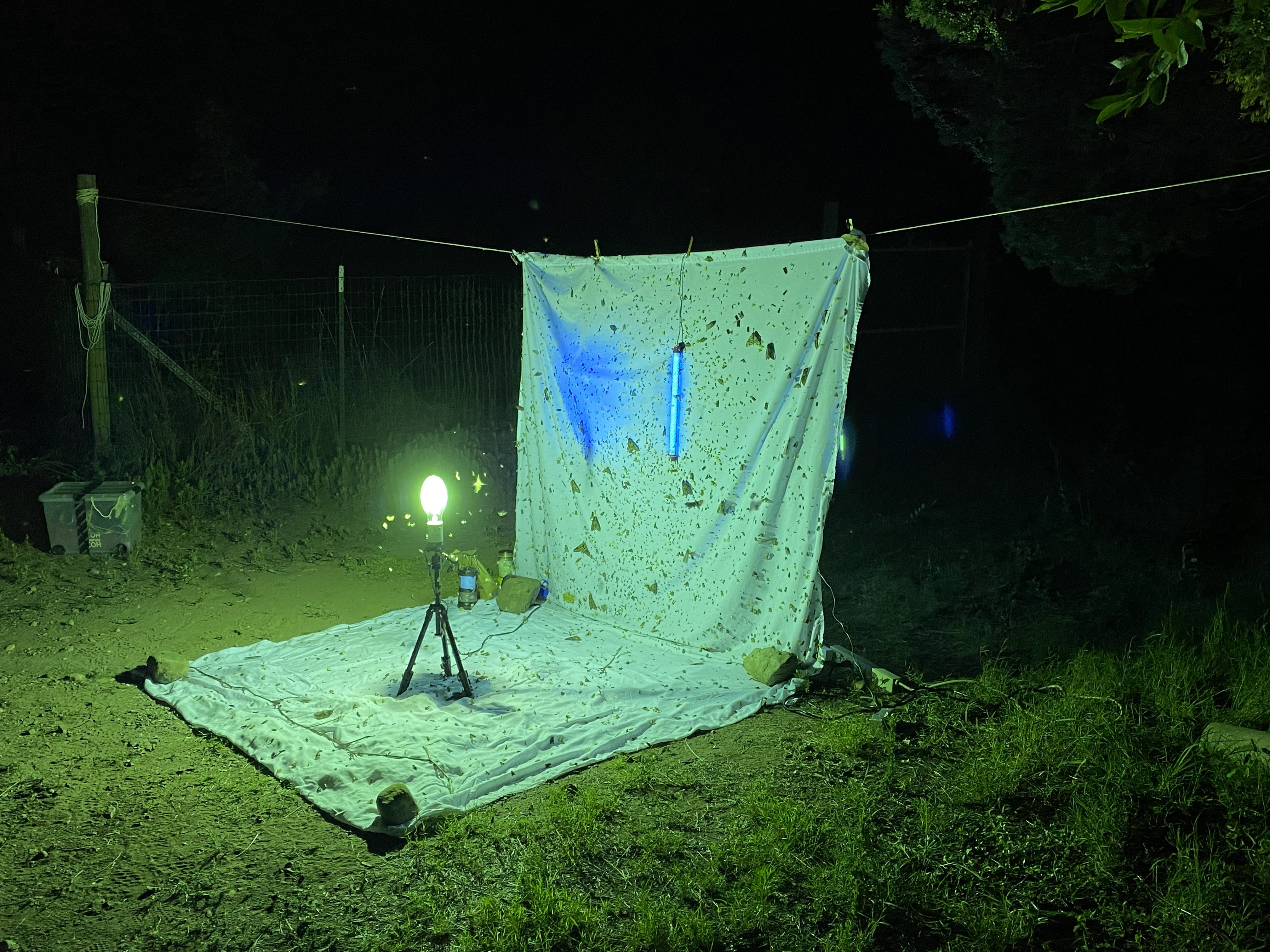
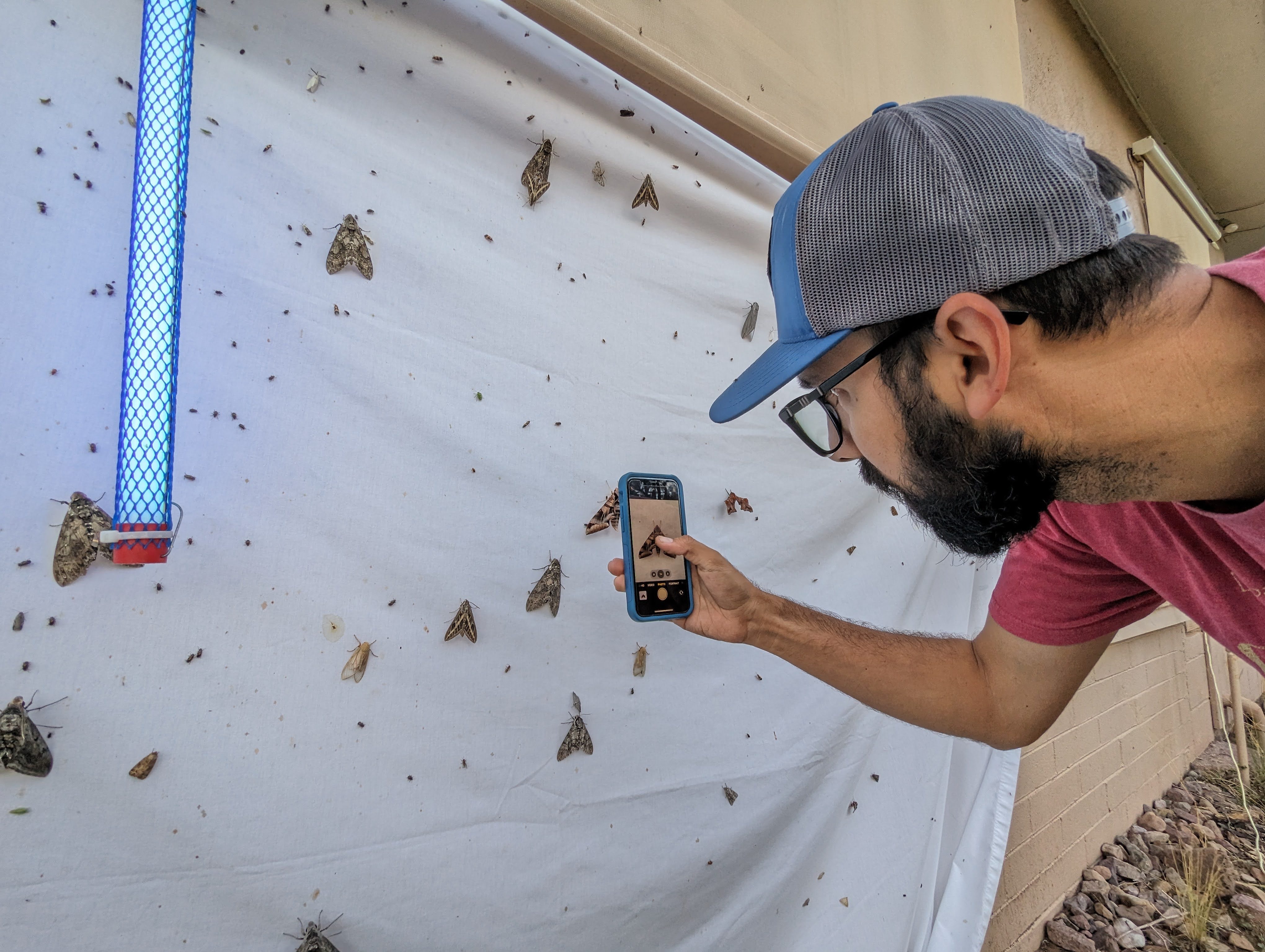
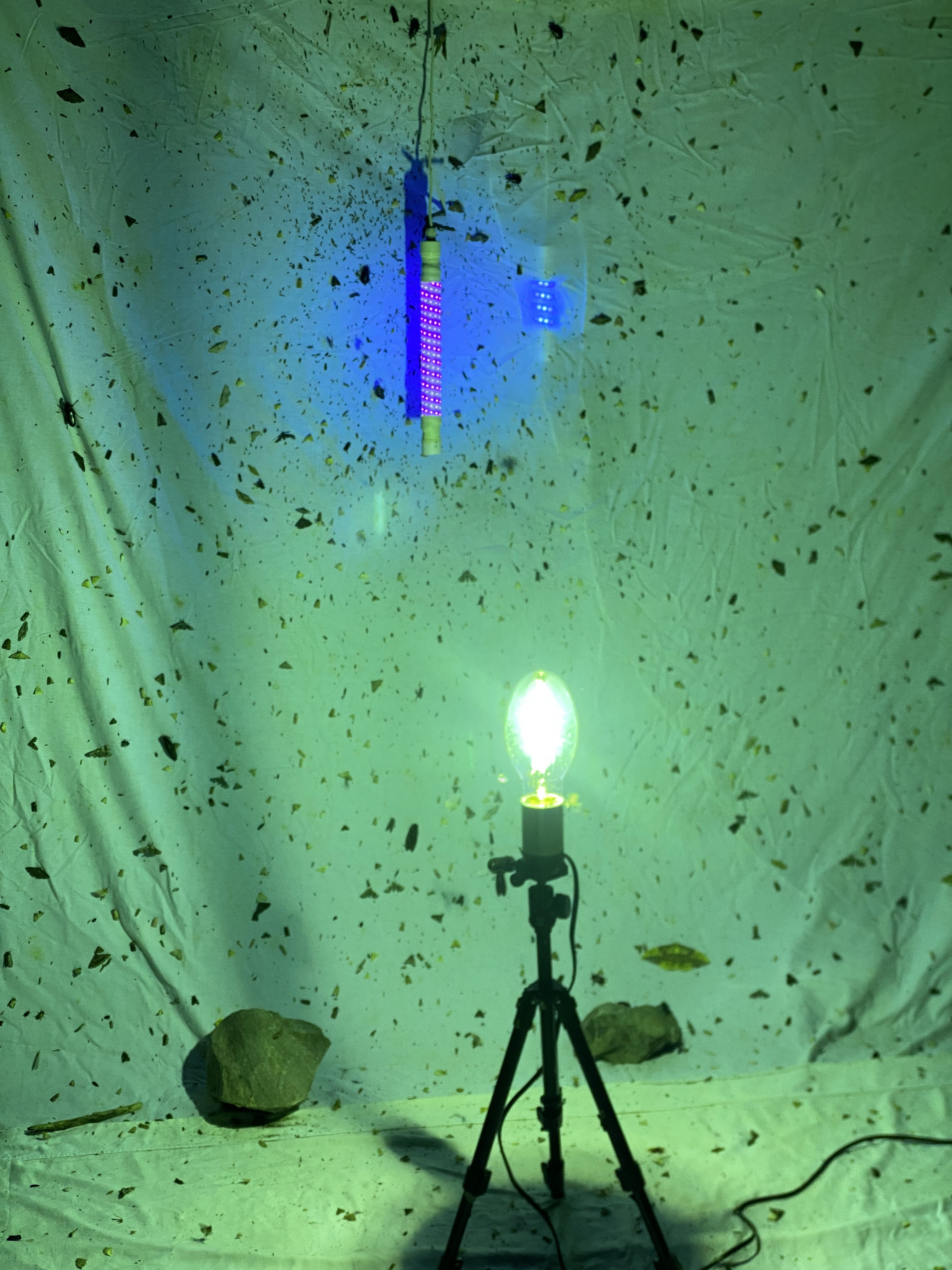
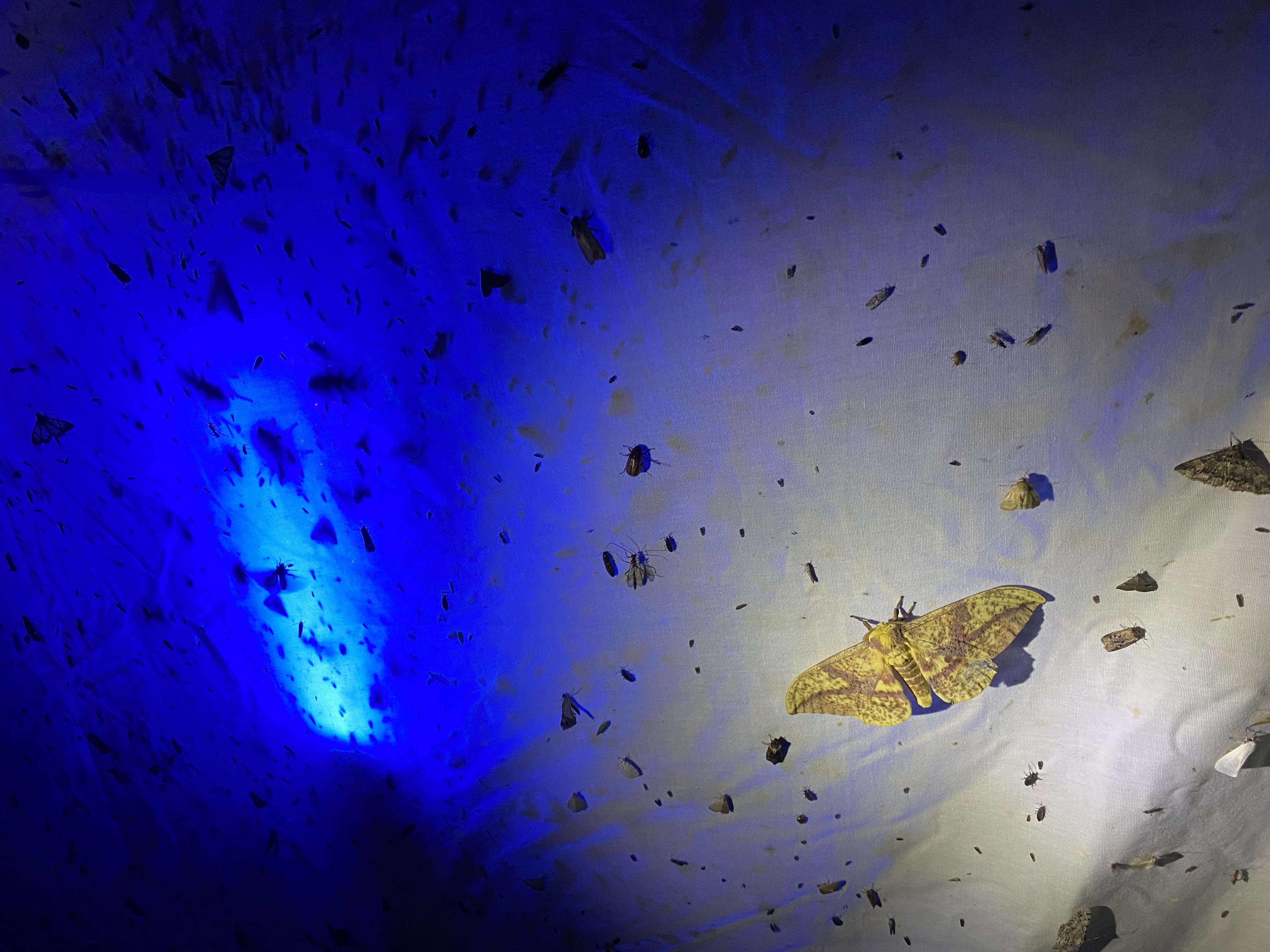
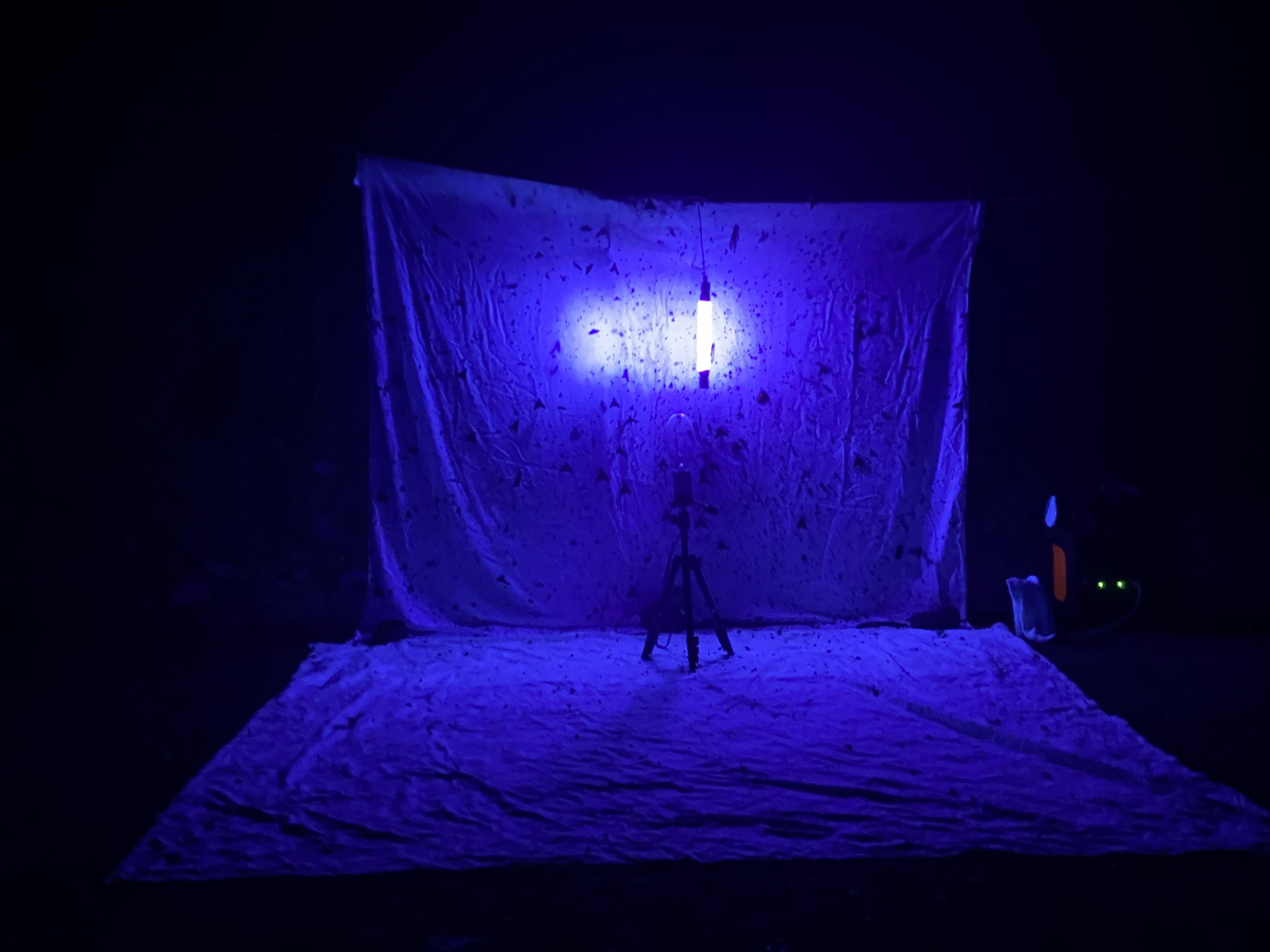
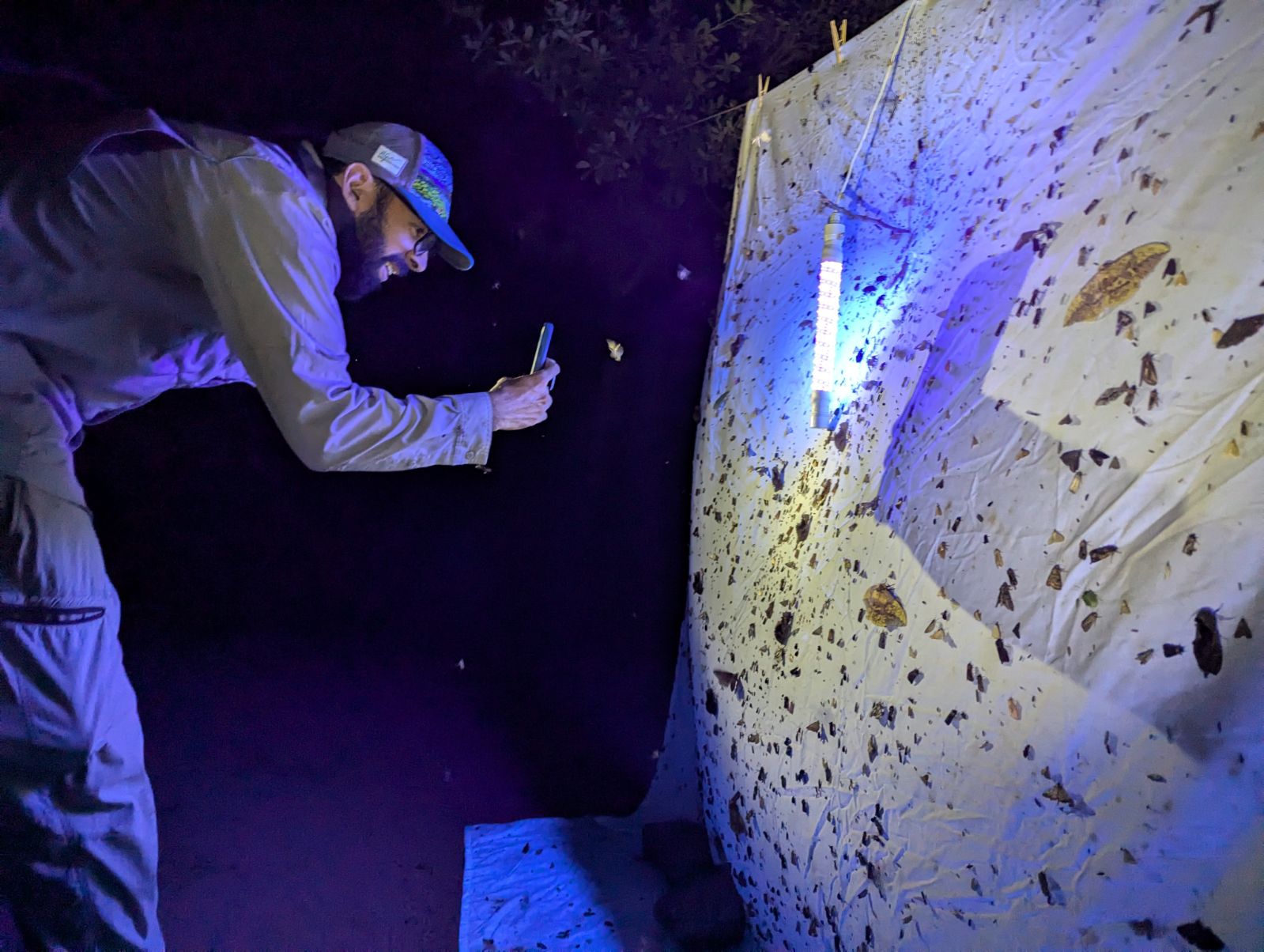
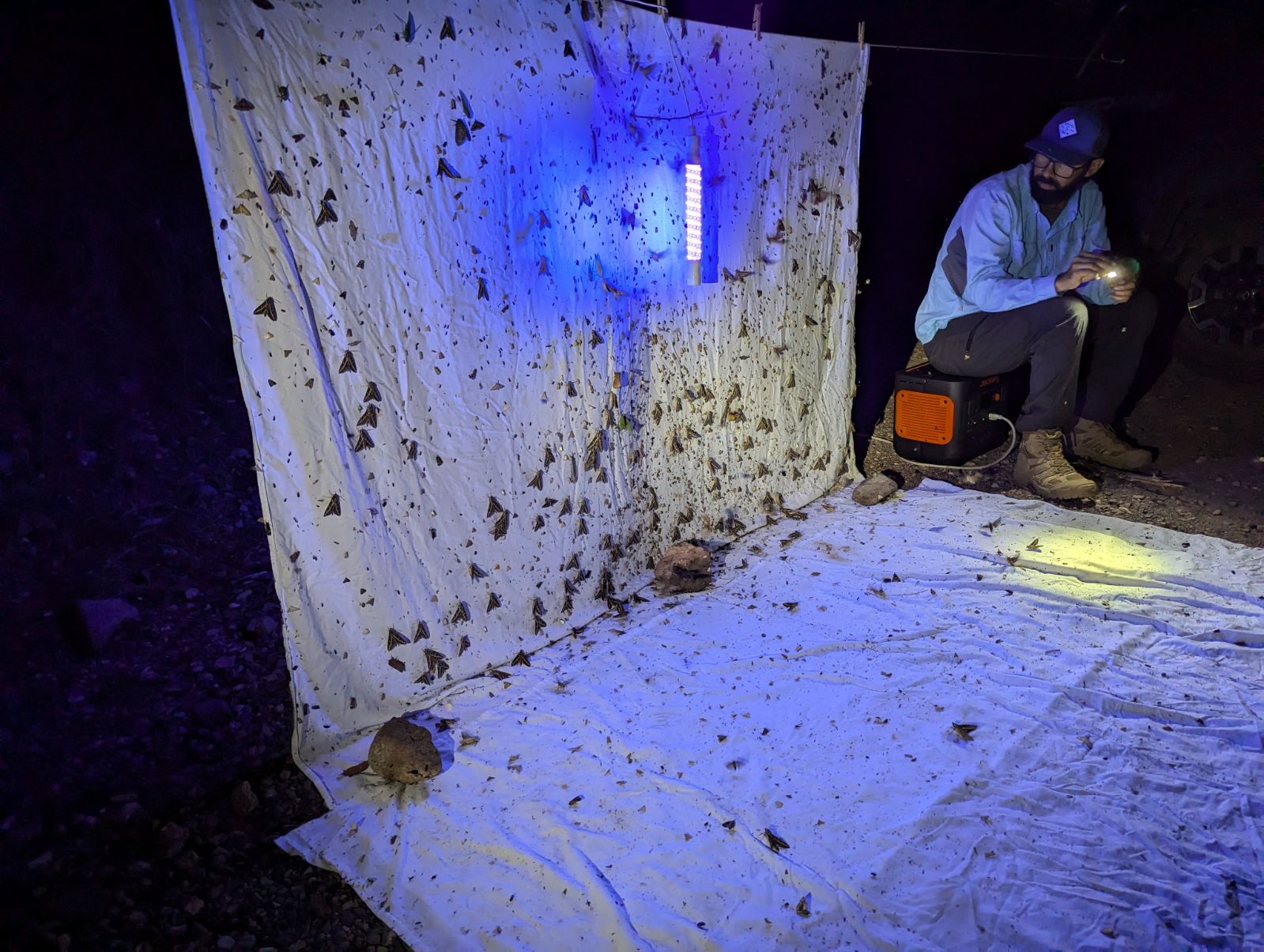
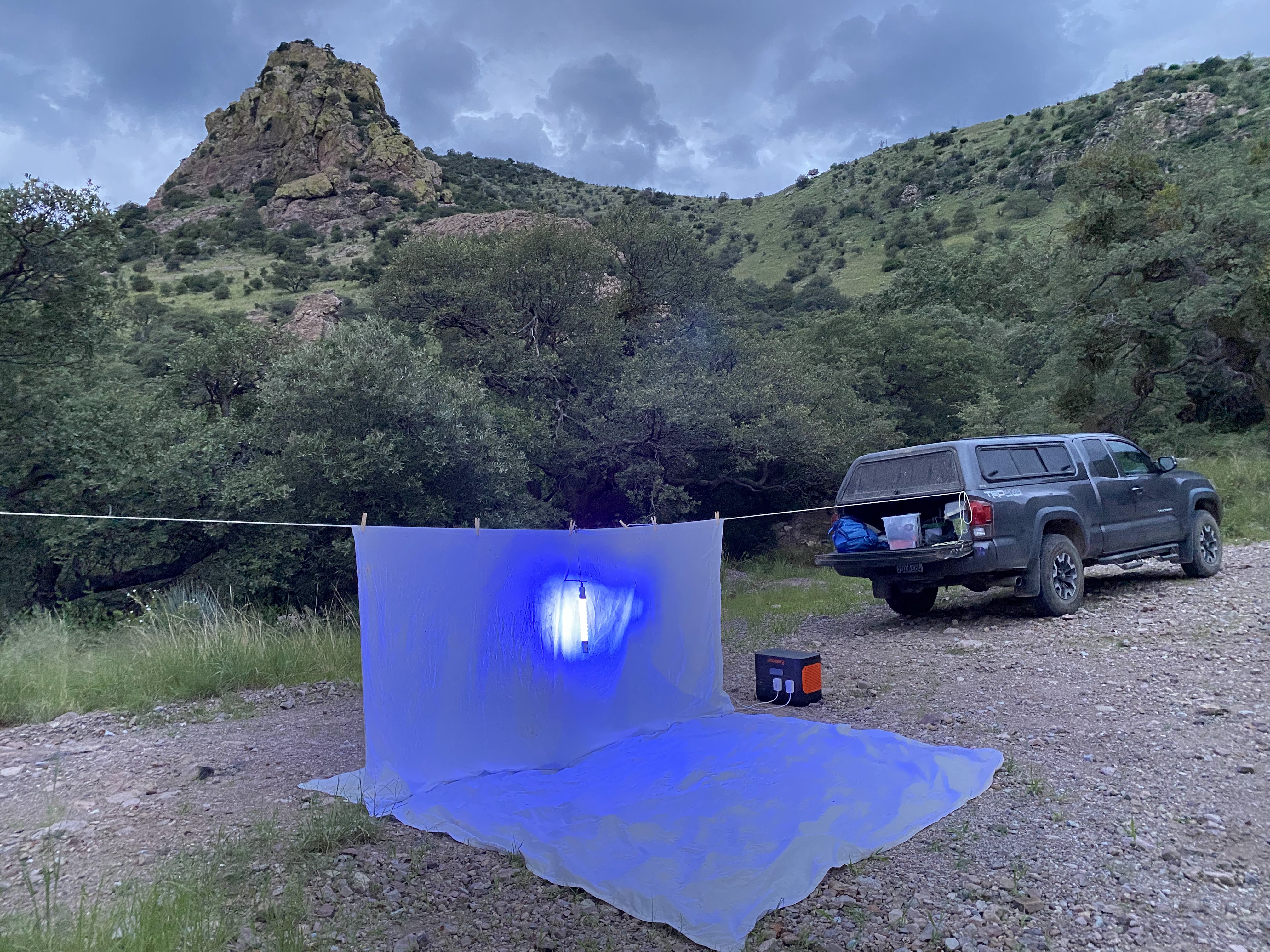
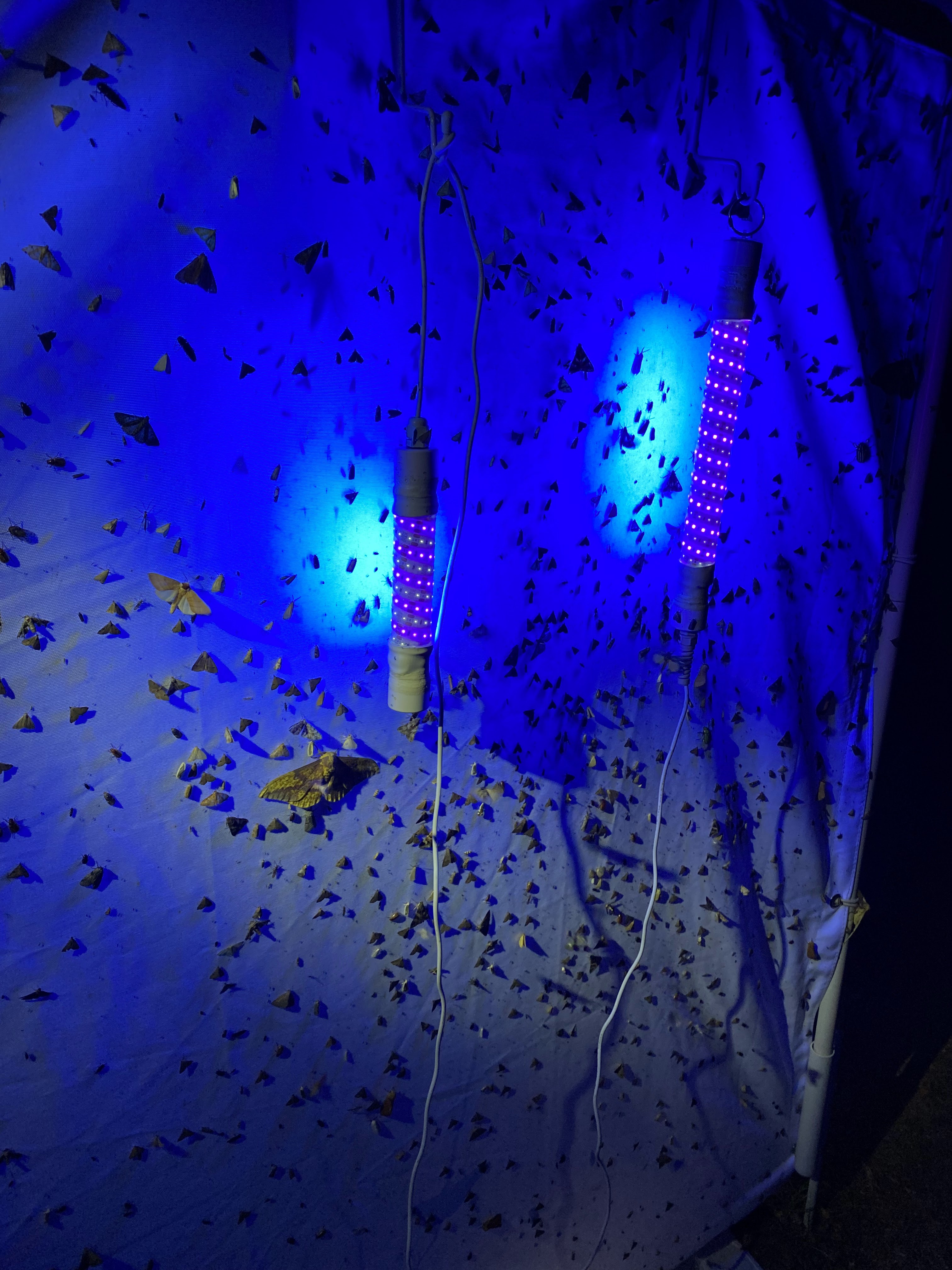
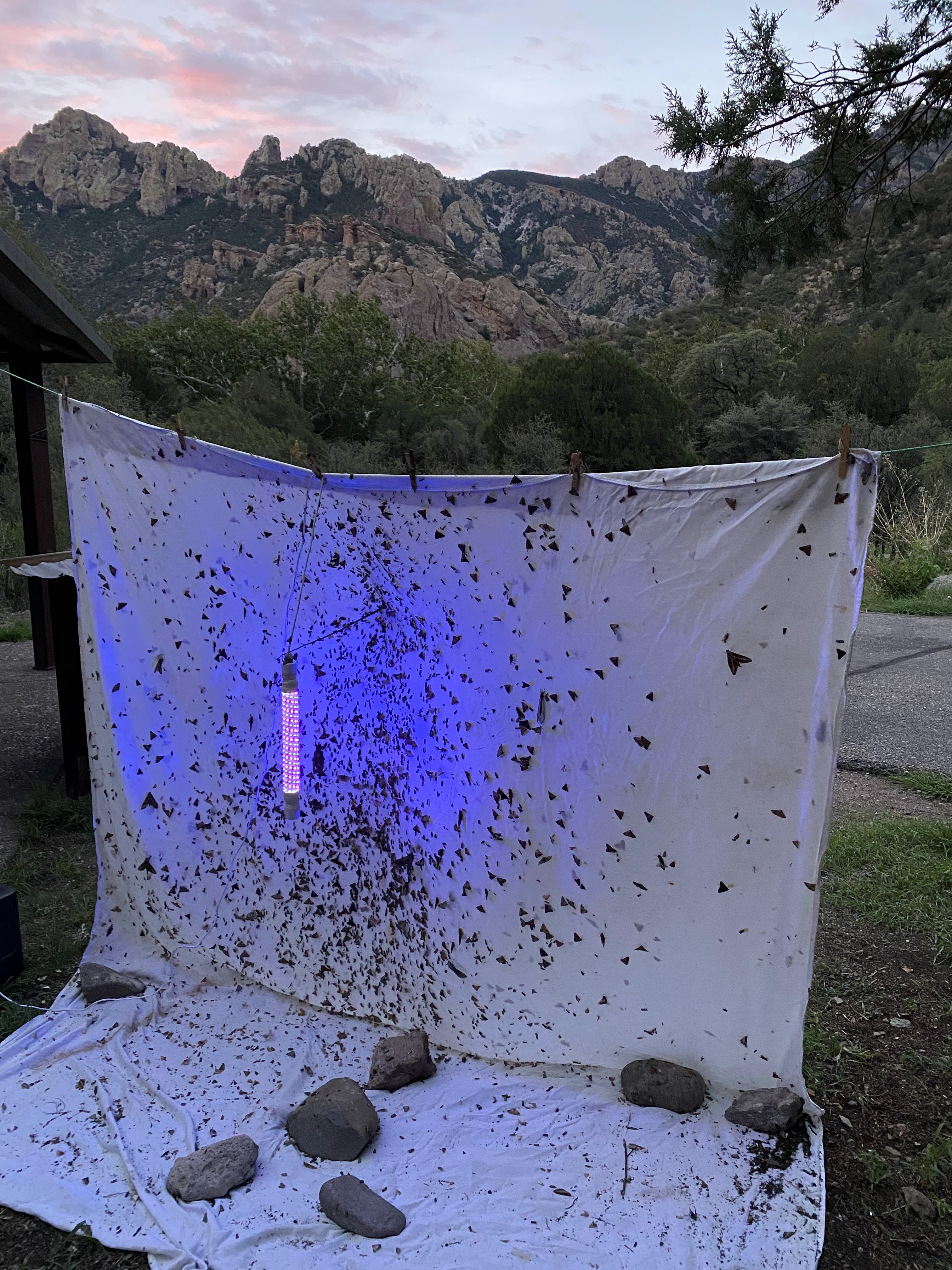
The one major change in the last few years has been the equipment I use for these trips. In the past I used a gas generator to power all of my lights, even if it was just a single light, which at times tended to be quite cumbersome. In 2023 I was introduced to electric power banks and their convenience compared to traditional gas generators. These power banks can provide all the energy I need to keep my blacklights on all night in remote locations without having to worry about gasoline or a functioning generator. I now use a Jackery portable power station to keep my lights running when mothing in southern Arizona and have enjoyed how quiet it is compared to the noisy hum of a gas generator. This is where having an airbnb is also nice, because having a place to charge the power station after a night of mothing is essential. A very recent equipment change was the use of Entoquip lights (UV lights). These lights have been a game changer when mothing in southern Arizona. They have been so good in fact, that I now almost never use my Mercury vapor light. Plenty of my colleagues have tested these lights in the field and have had incredible success in every location they have been set in. I have a couple of these lights now and will do a much more comprehensive review on them in a later post.
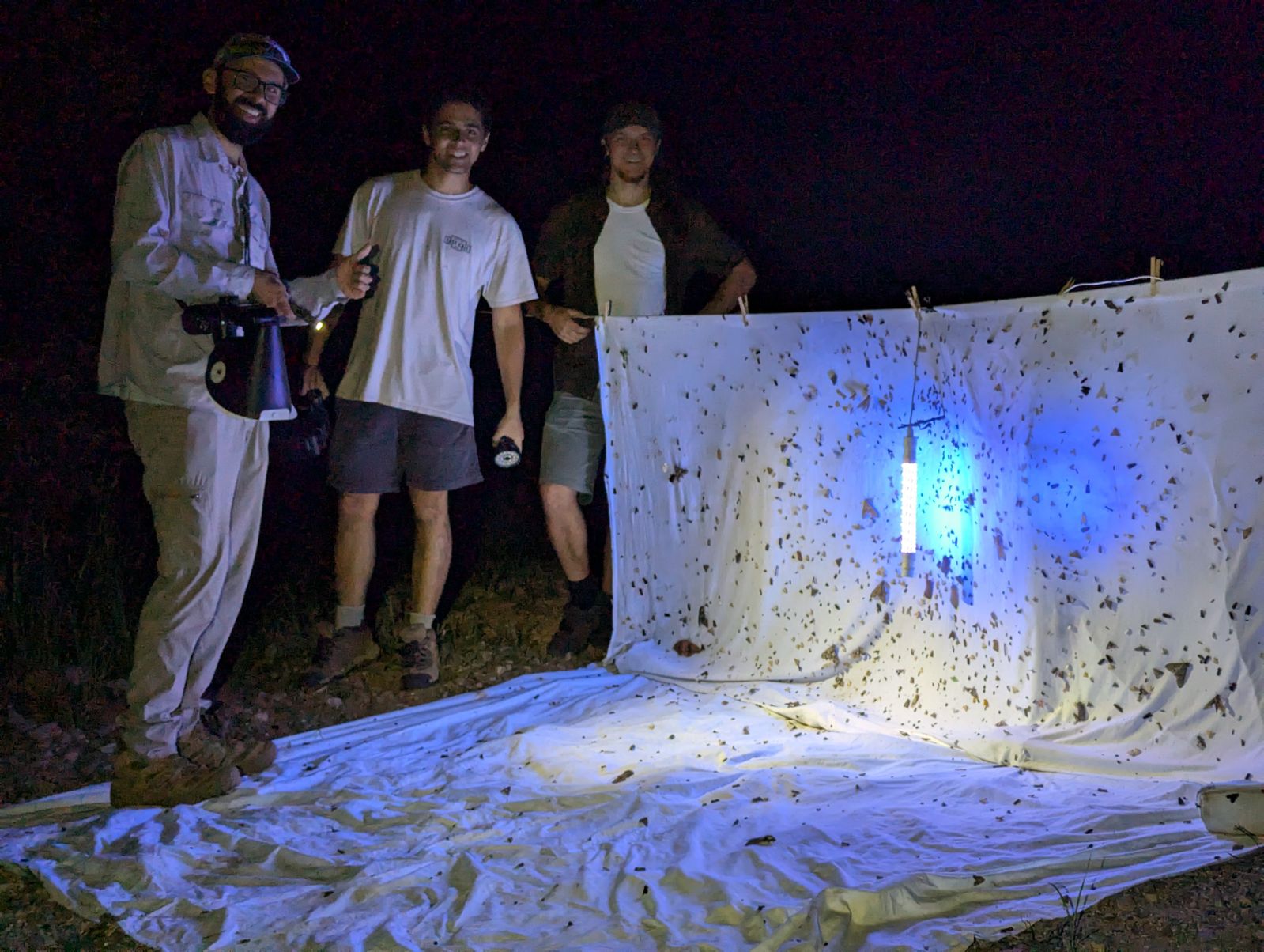
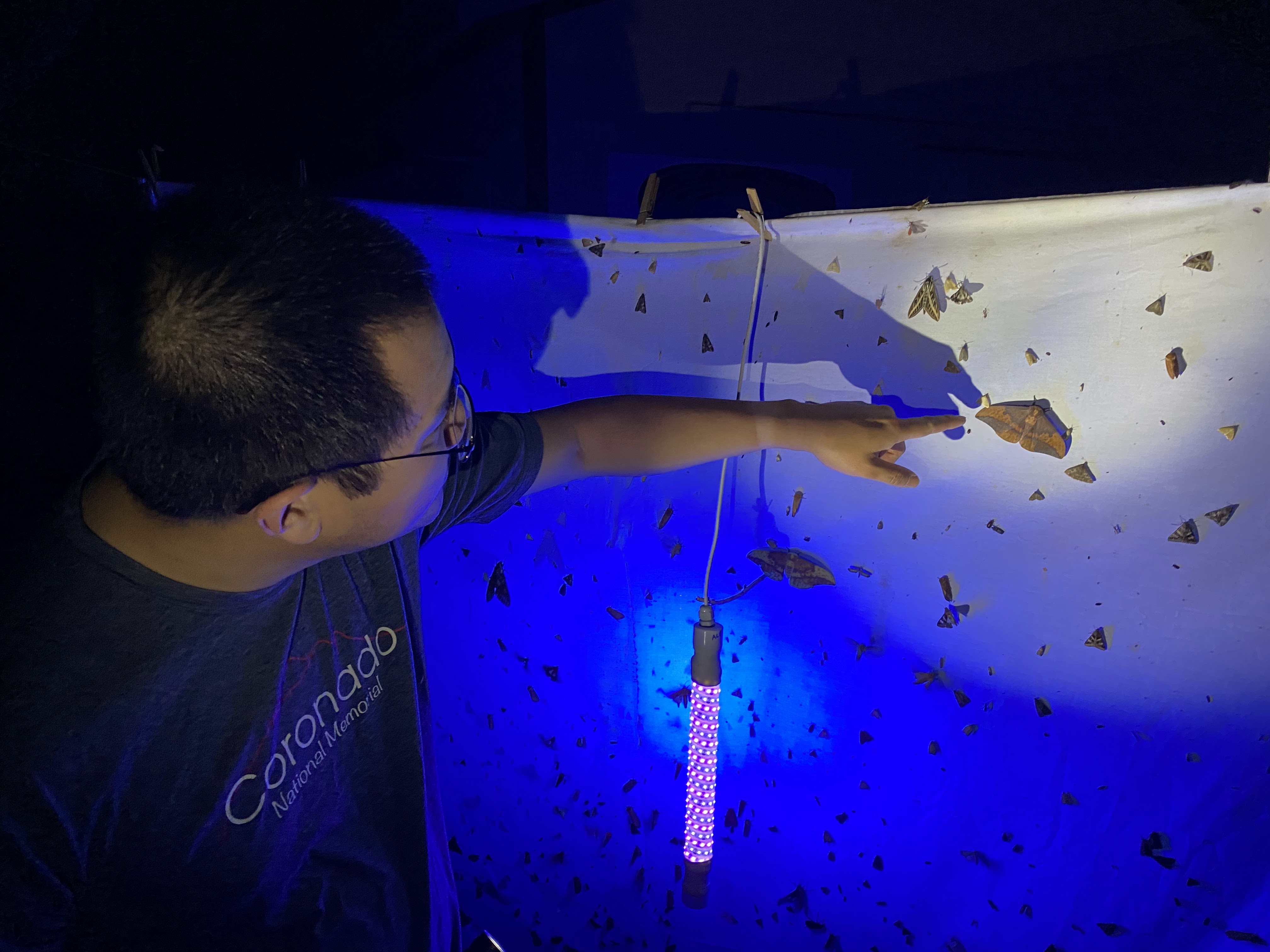
New Moths, New Adventures
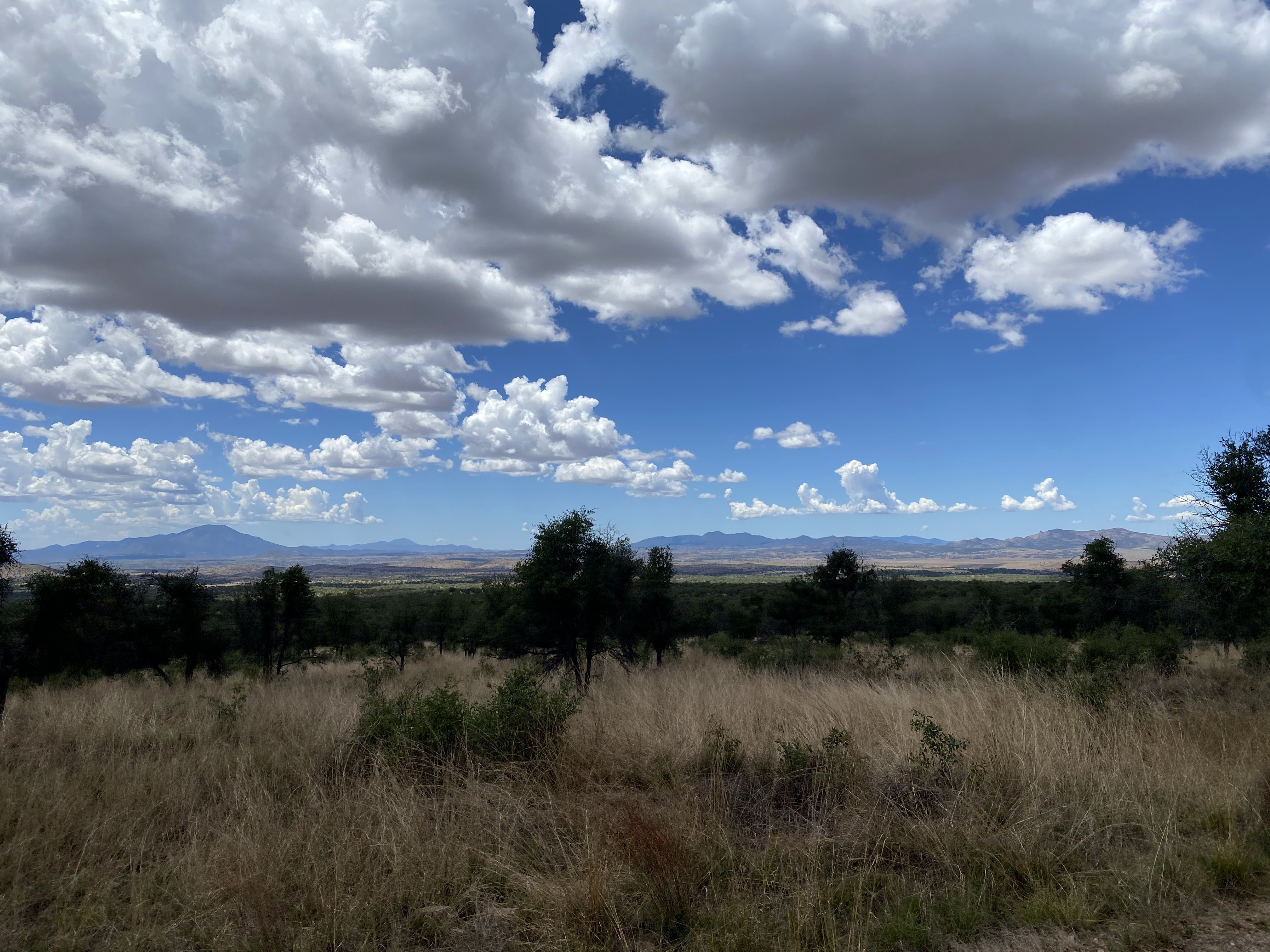
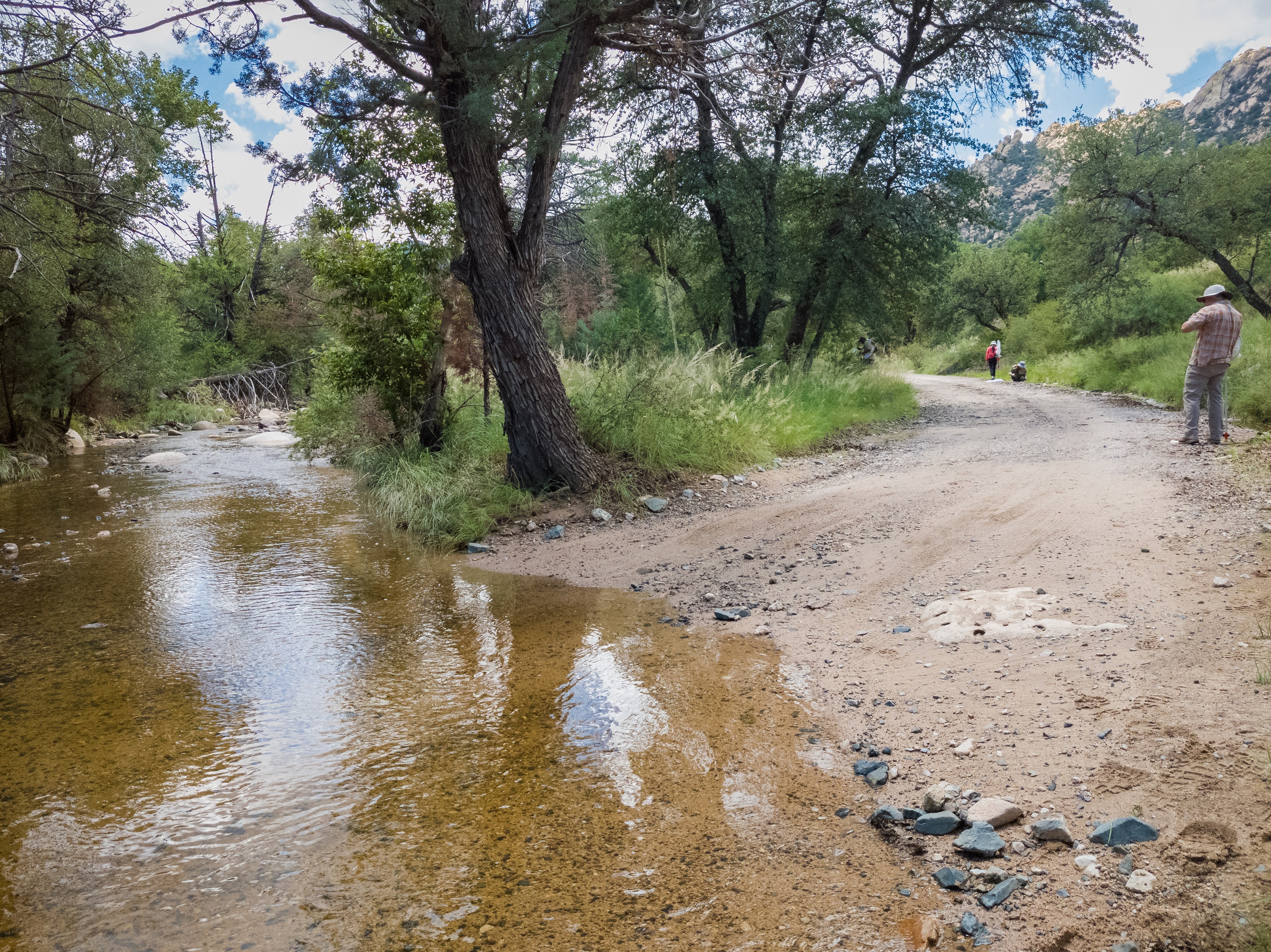
New equipment in combination with new localities, will give anyone the best chance to find new moths. The areas of interest I recommend when visiting southern Arizona for mothing include Madera Canyon, Box Canyon, and Florida Canyon in the Santa Ritas, Ida Canyon, Copper Canyon, Miller Canyon, Hunter Canyon, and Ash Canyon in the Huachucas, and Pinery Canyon Rd, Onion Saddle, Cave Creek Canyon, as well as Turkey Creek Rd in the Chiricahuas. Other locations of interest include Pena Blanca Lake, Harshaw Creek, Sycamore Canyon (Ruby Rd), Parker Canyon Lake, Cochise Stronghold, and Rock Corral Canyon.
Most of these locations I highlighted in a previous post (see Areas of Entomological Significance in the Sky Islands of Southeastern Arizona Pt.1), but for the other locations I did not mention in that post, I will be highlighting them in Pt 2. Every location is unique and will produce a plethora of moths. For those that are just beginning when it comes to mothing, I suggest sticking to the Huachuca mountains. This mountain range has an incredibly diversity and the places to set up lights are very accessible. As for those in the advanced mothing category, the Chiricahuas are fairly remote, but showcase some of the best moth diversity that the state has to offer.
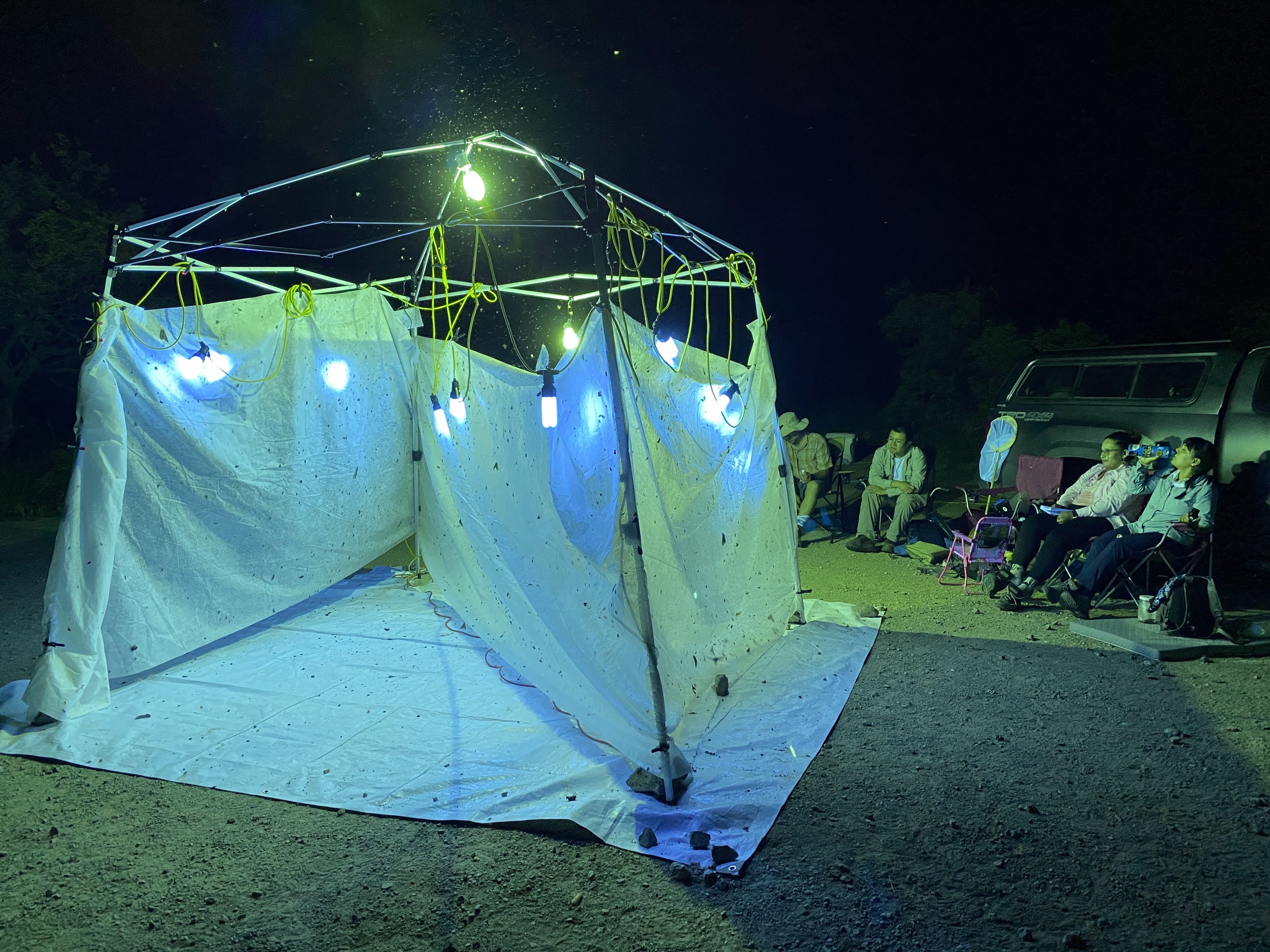
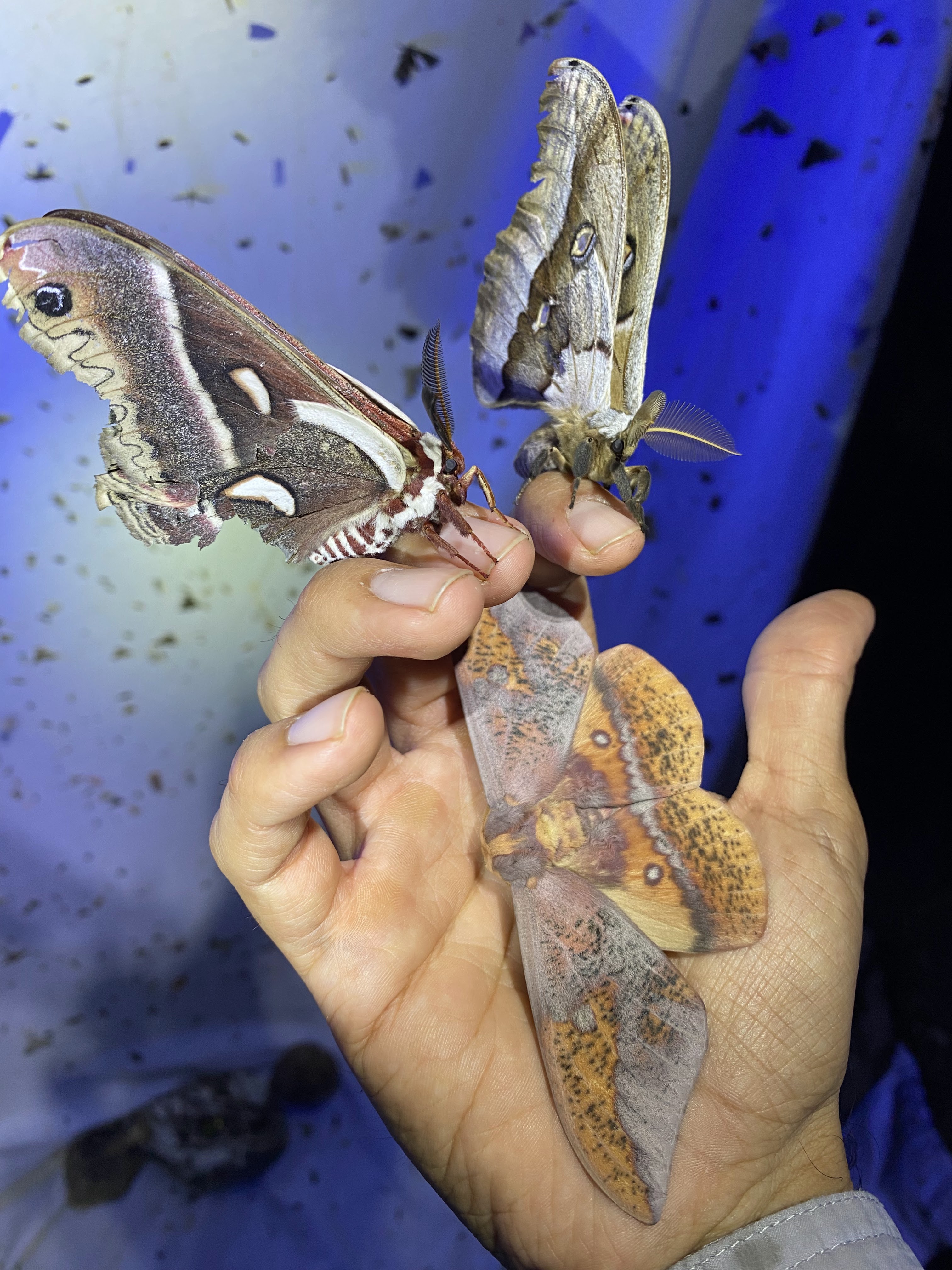
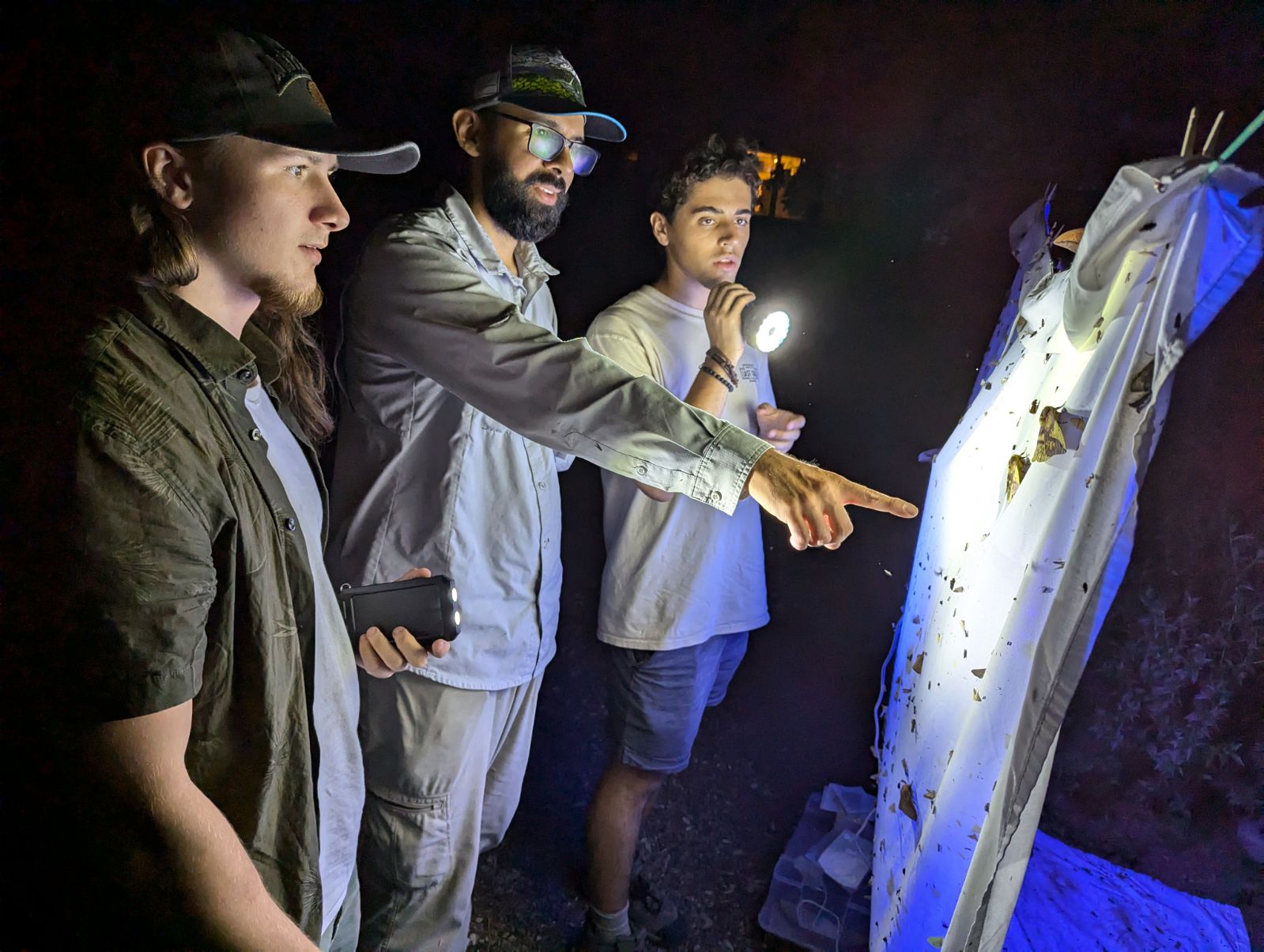
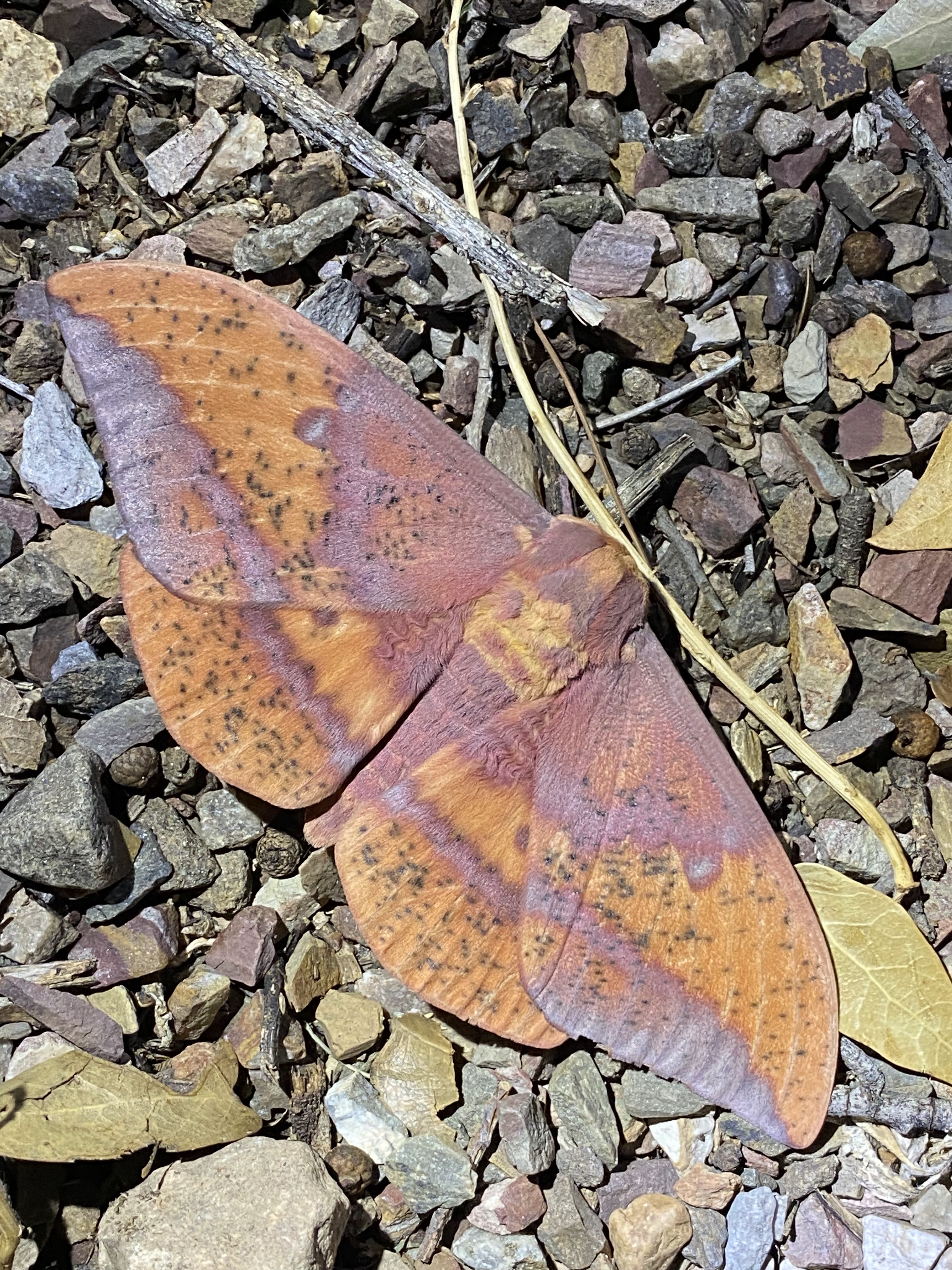
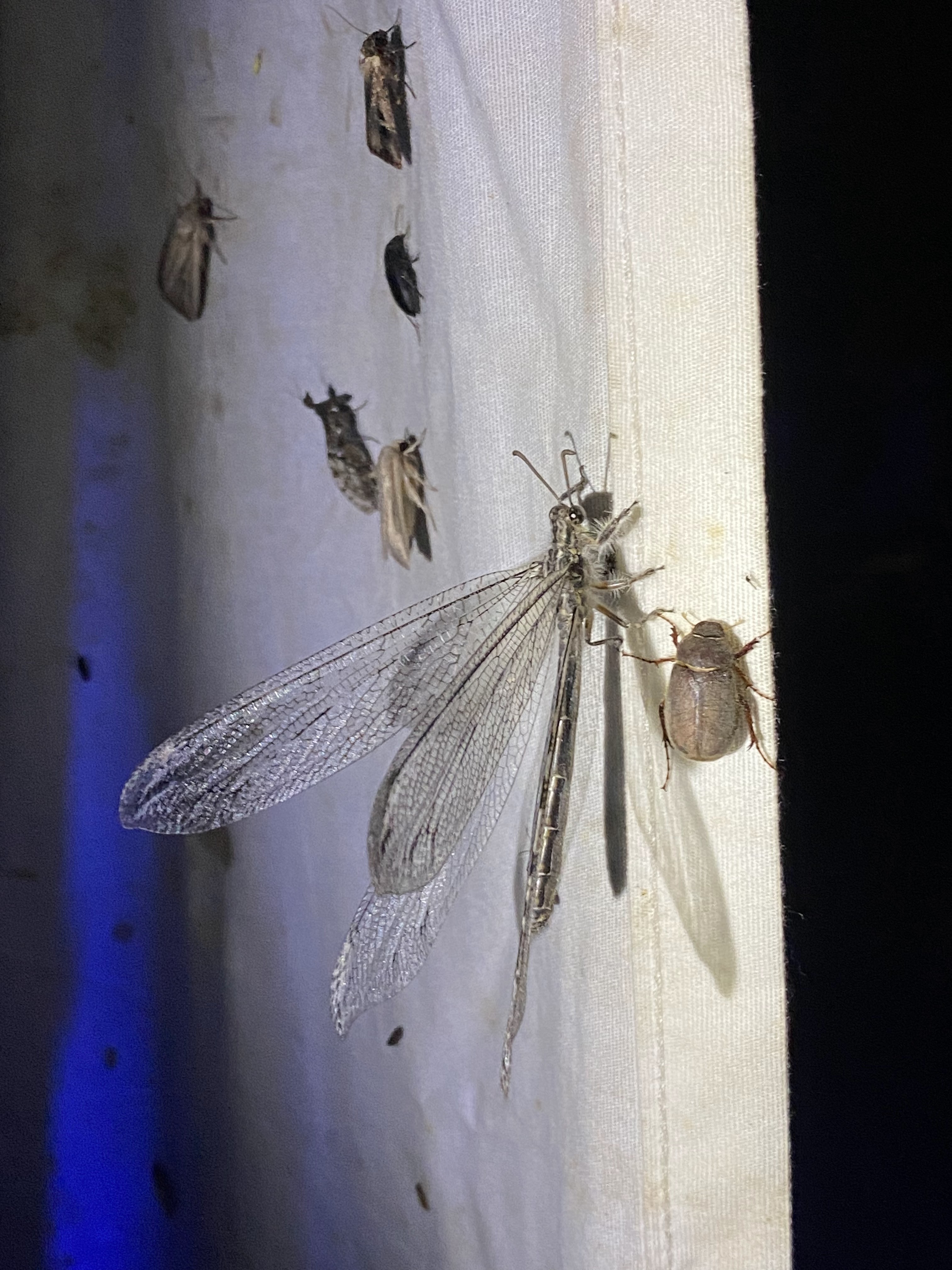
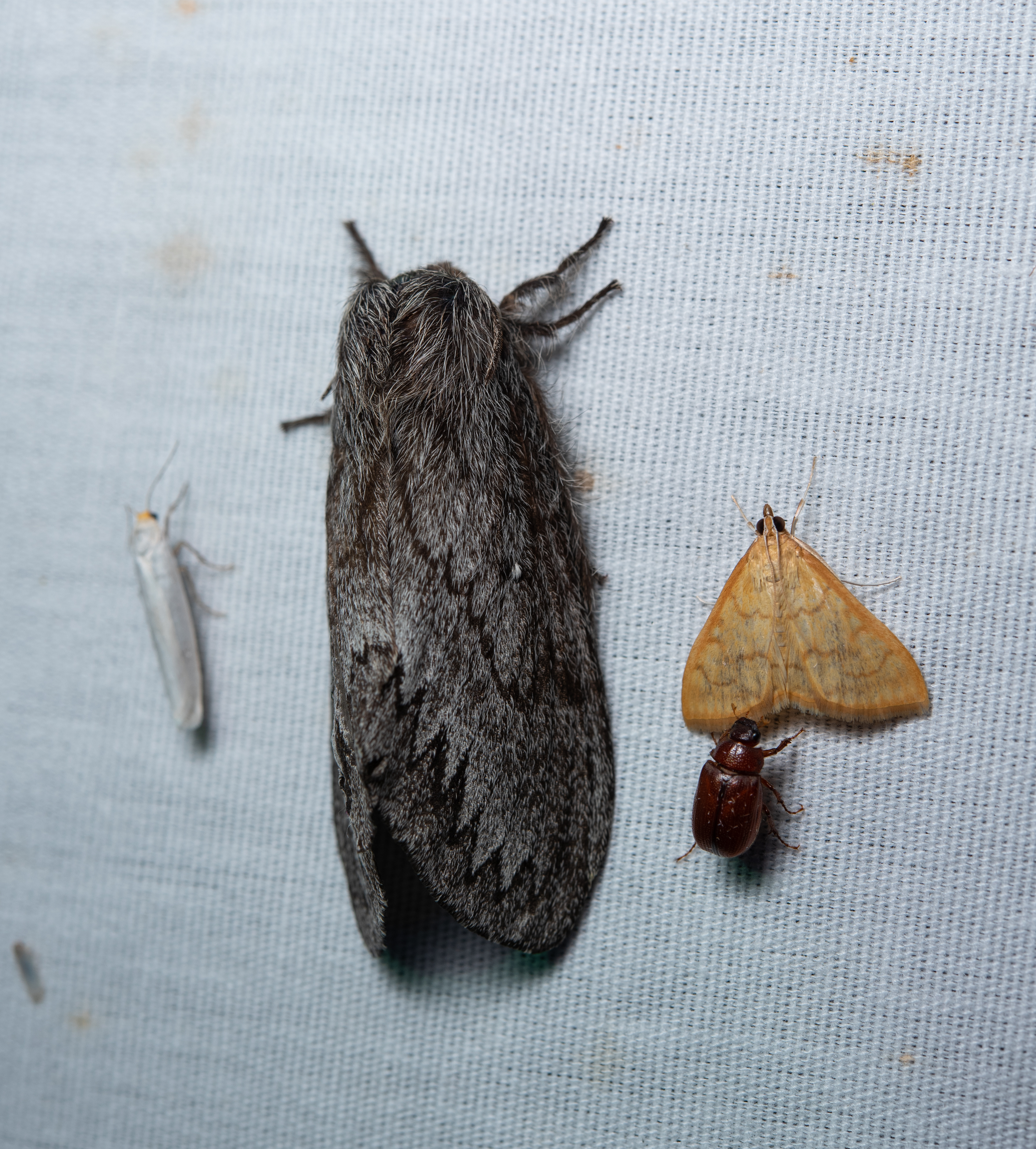
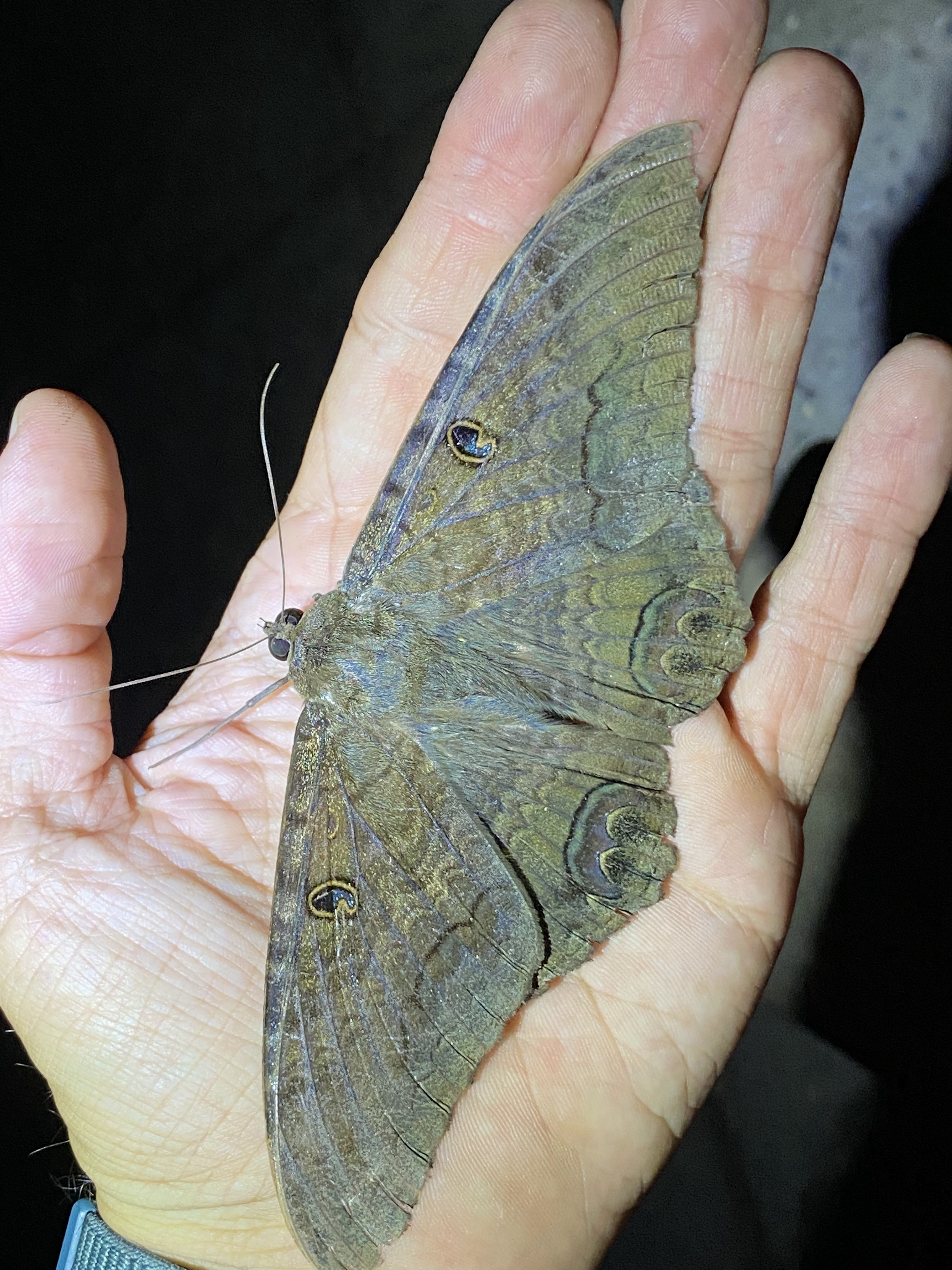
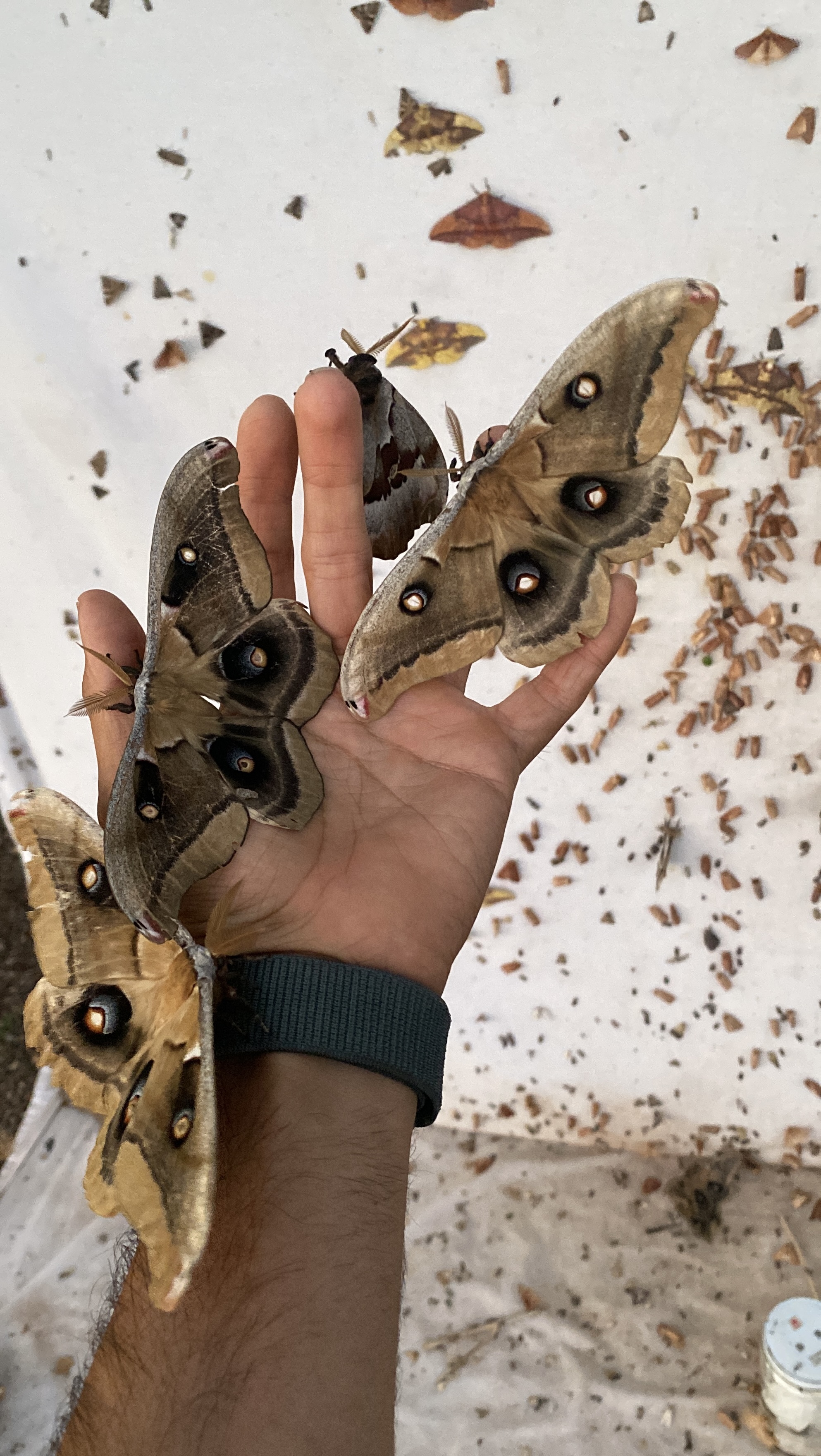
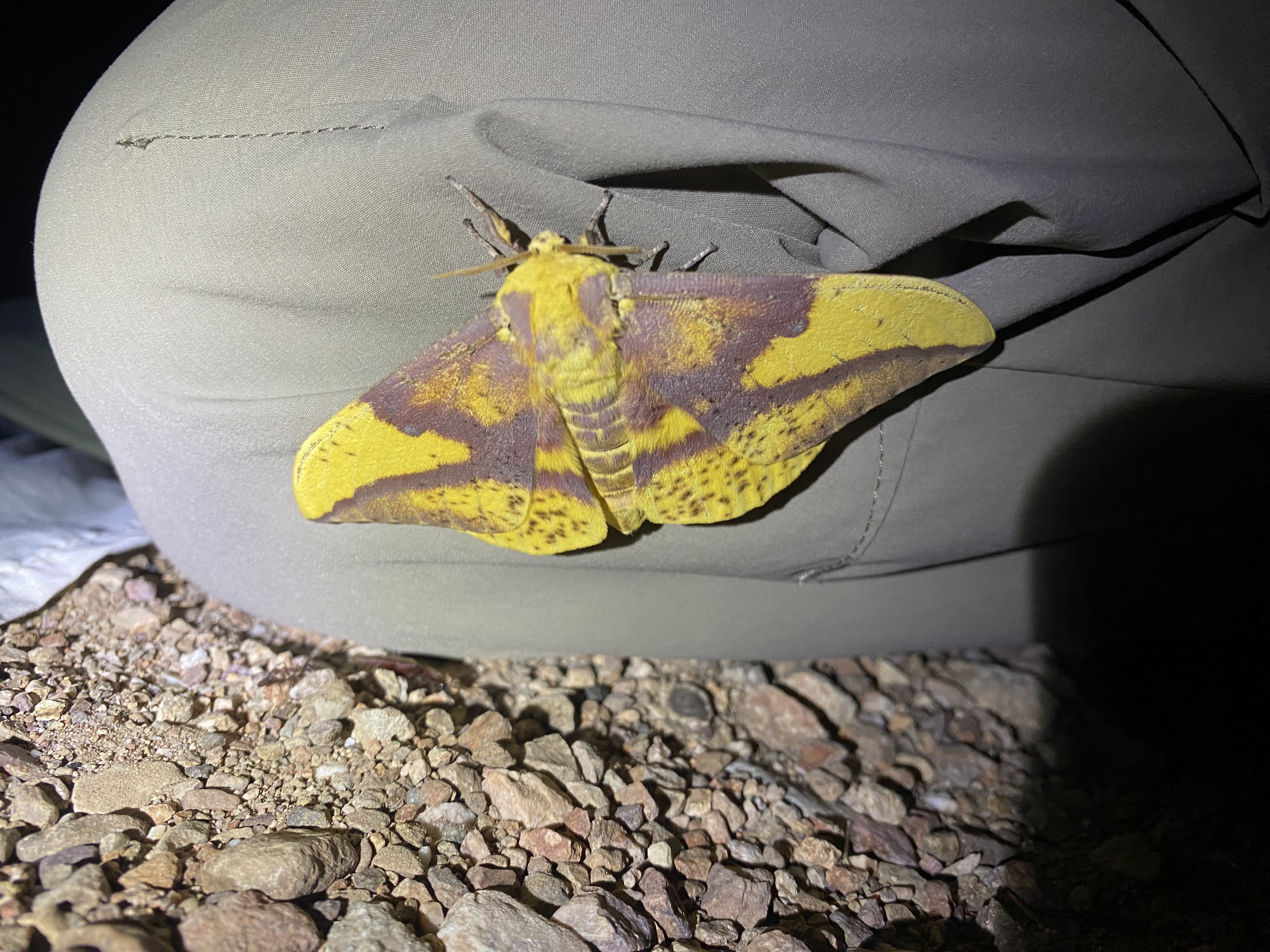
Southern Arizona is an incredible place and has some of the coolest moths I have ever seen in the US. I highly recommend visiting the region if you have the opportunity to do so. From my experience, even just having one light when spending time out there can be fruitful. Since there is quite a lot of information to sift through for what to take, here is a list of supplies I recommend bringing for a mothing trip to AZ.
- White sheet w/ rope and clothes pins
- Power source (i.e. generator, power bank, car battery, etc.)
- UV light (blacklights or MV light or both)
- Collecting supplies (if you intend to collect specimens)
- Camera/photography equipment (if you intend to collect photos of what is on the sheet)
- Containers/small mesh cage for viewing live specimens
- Flashlights/headlamps
- Specific location(s) already in mind
- Someone who knows the region (optional, but can be very helpful)
Since there has been quite a bit of interest in mothing recently, I will be creating a post on the basics of blacklighting. I will highlight techniques, equipment, optimal localities, and timing based on locations. National Moth Week has also gained popularity and has helped immensely to bring moths into the spotlight. As for mothing southern Arizona, I hope this updated guide helps you if and when you decide to plan a trip out there. Happy Mothing!

