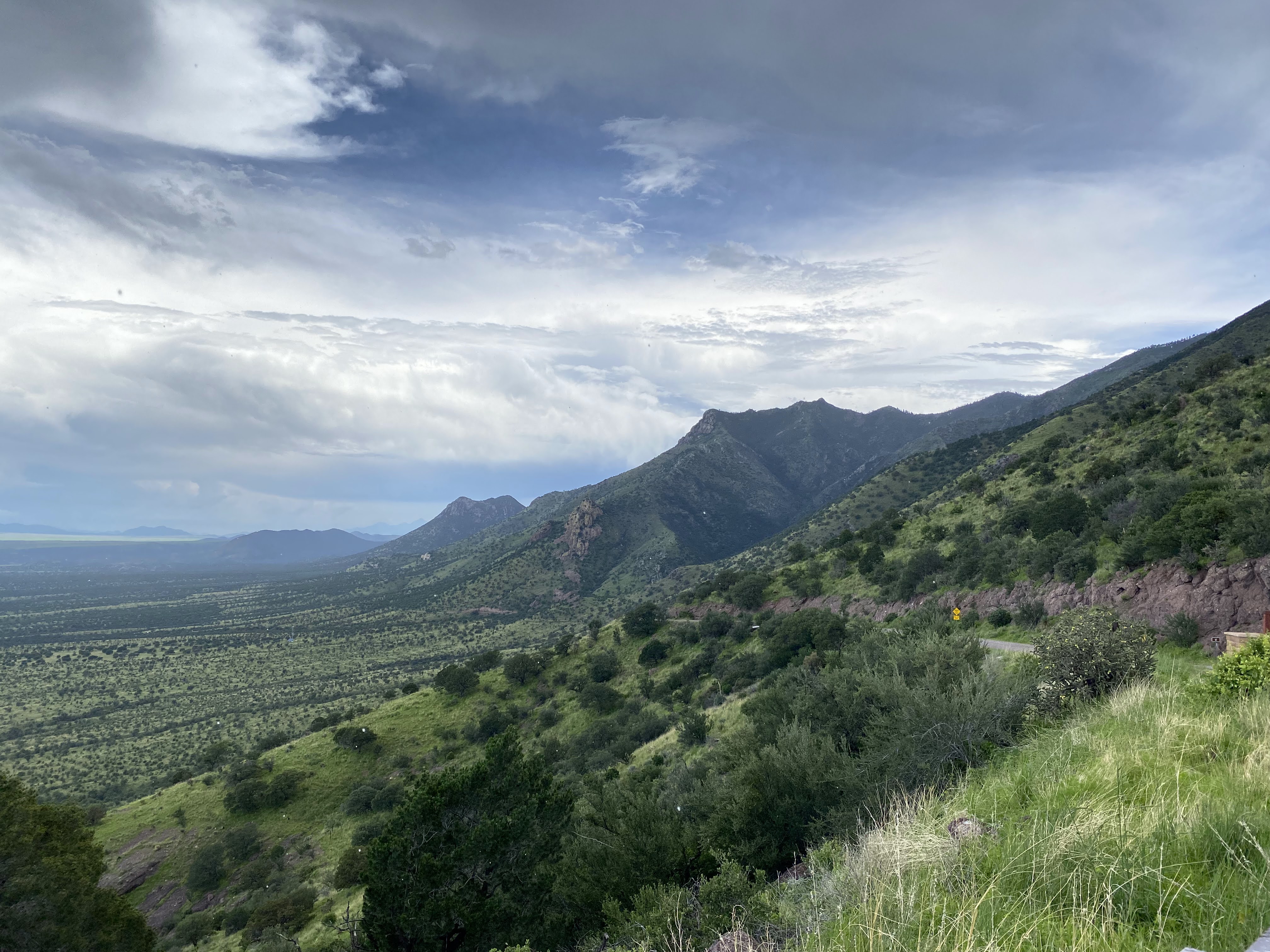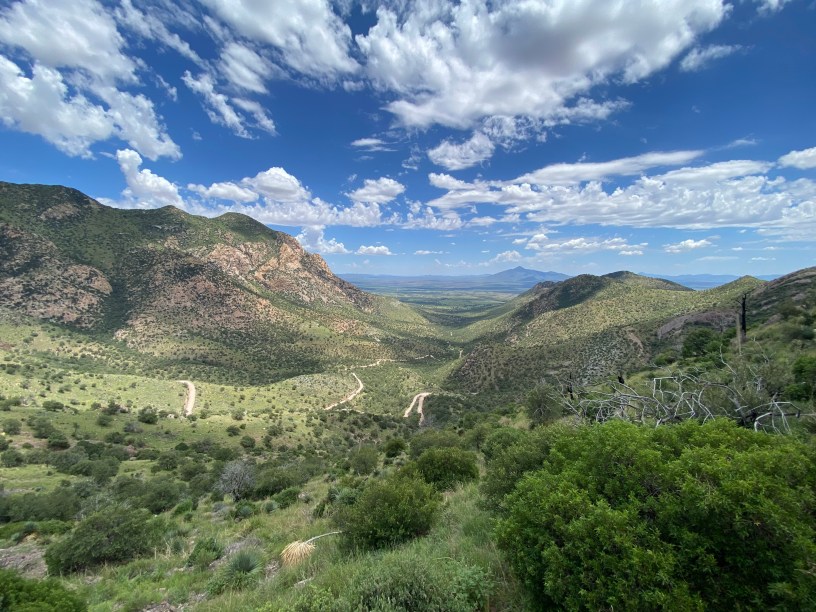
For the past 11 years, I have led entomological expeditions down to the southeastern corner of Arizona. I have explored many different mountains, canyons, and wild areas across the many sky islands that this section of the state is known for. With the help of many of my colleagues, fellow entomologists, and other insect enthusiasts, I finally have enough material and knowledge to create a proper guide for this region in respect to its entomological significance, both during the day and at night. I have separated the guide based on the different mountain ranges that encompass the sky islands and their respective canyons and habitats.
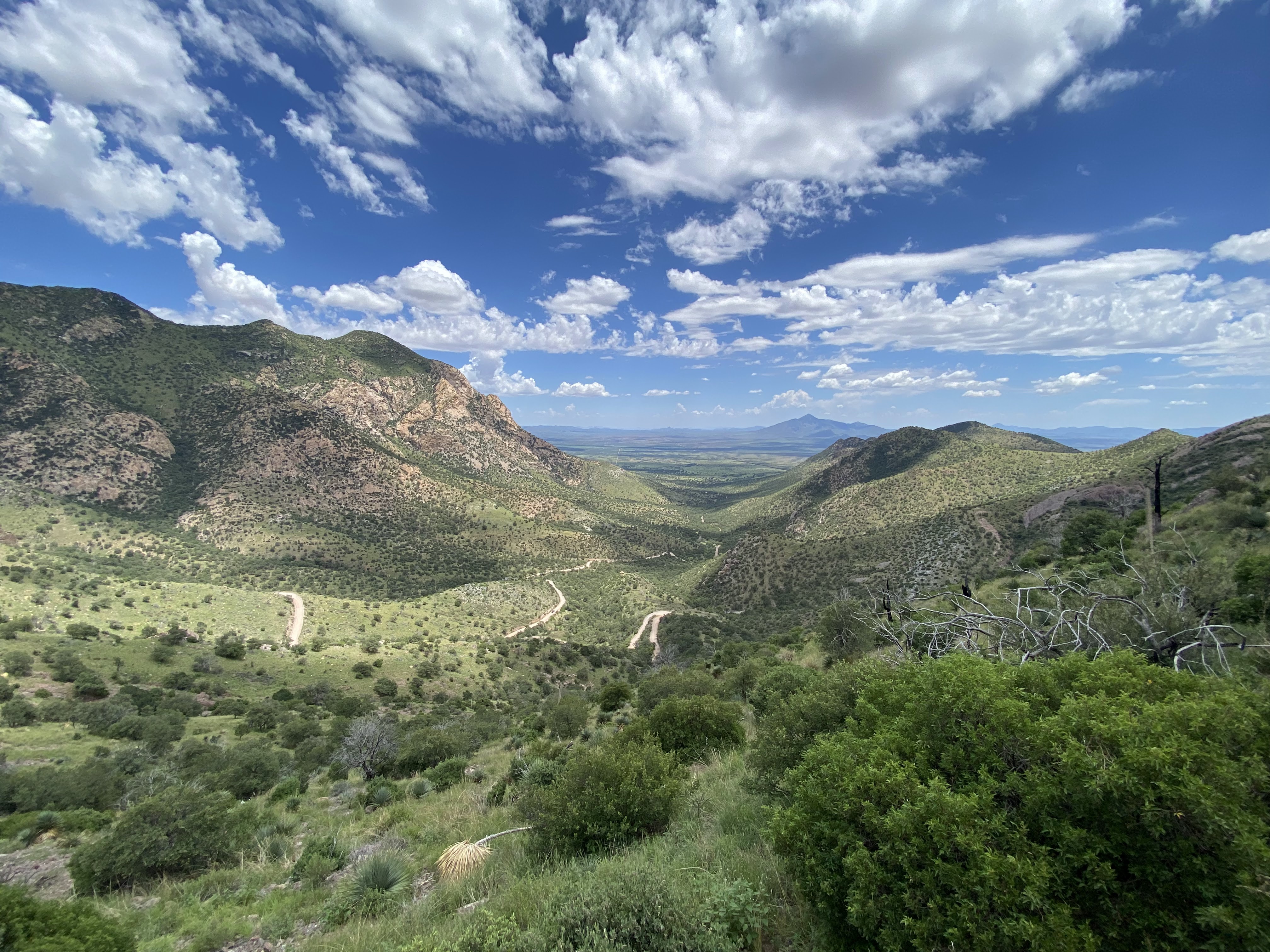
The Santa Ritas
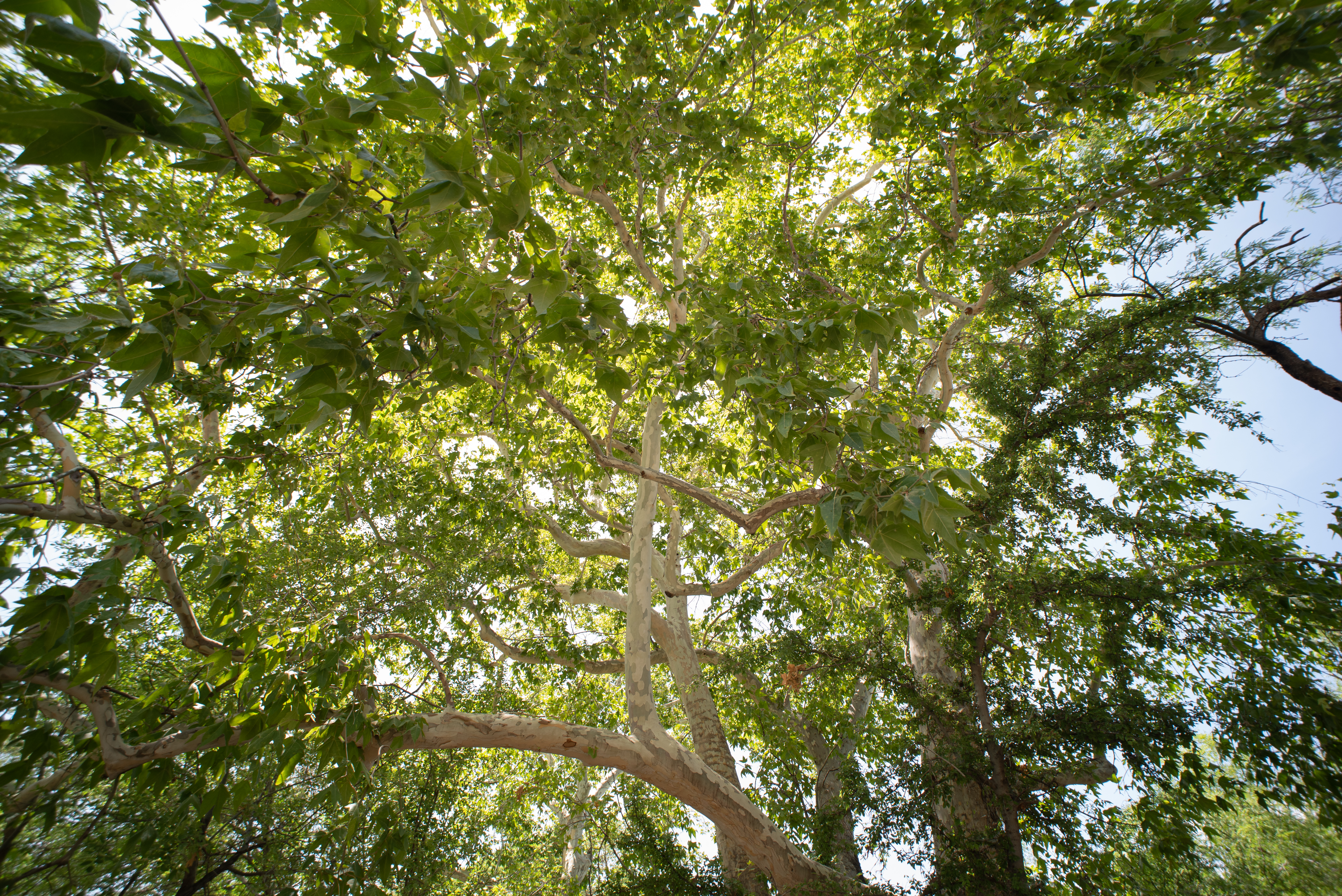
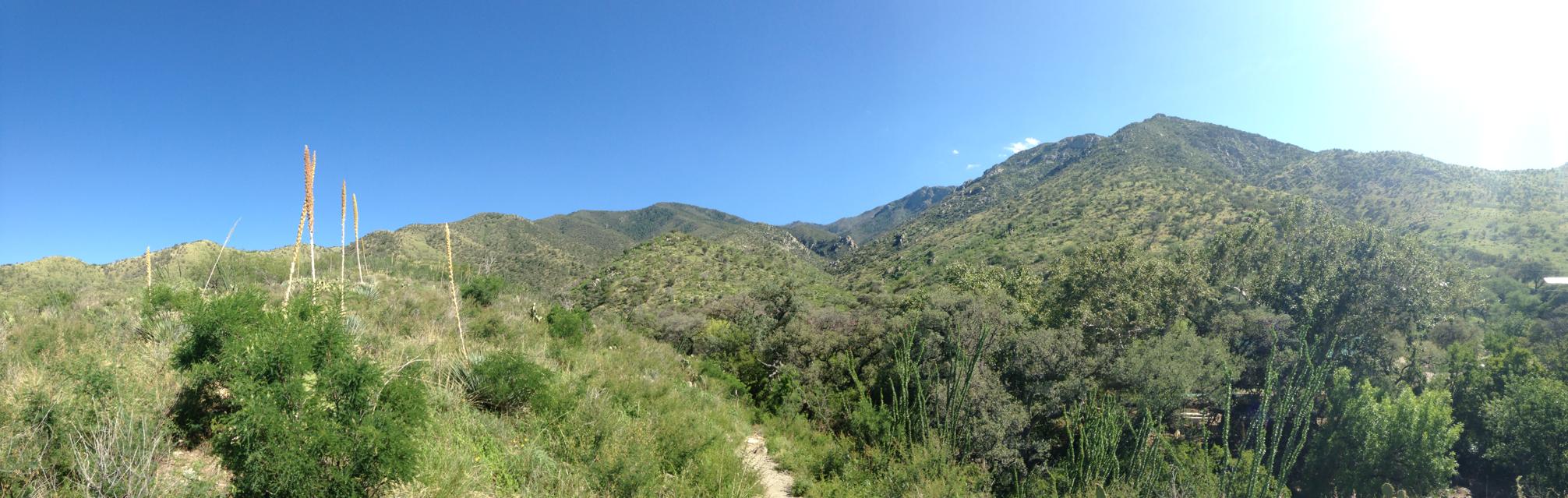
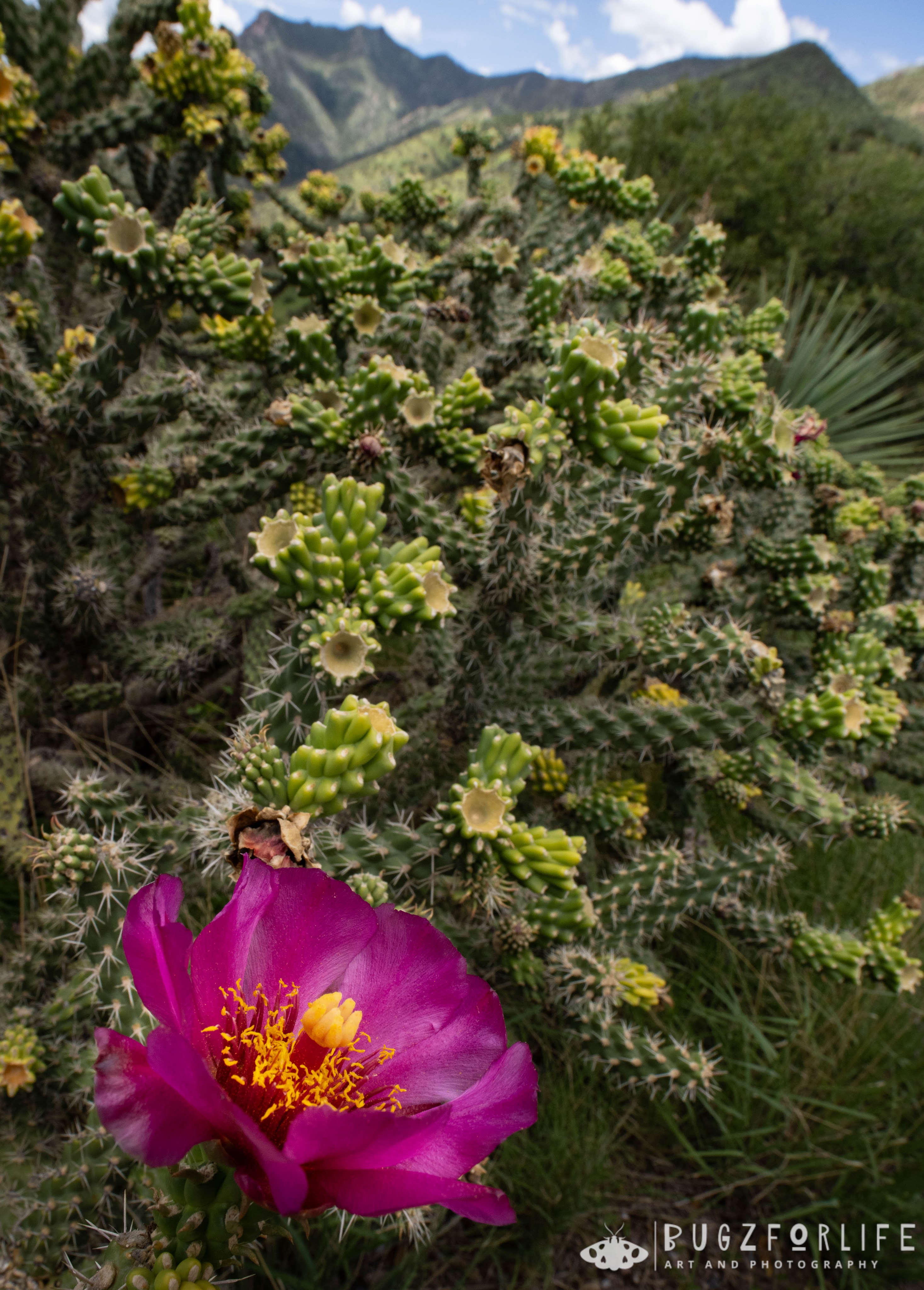
Being one of the most well known mountain ranges of SE Arizona, the Santa Ritas are incredibly biodiverse and have a wide variety of habitat types, including desertscrub, mesquite grasslands, riparian corridors, oak woodlands, and mid elevation pine forests. When travelling to this particular mountain range you will pass through the lower elevation desert scrub which dominates most of the area surrounding its western front. As you travel east towards the mountains themselves you will slowly notice the change from desertscrub (predominantly cacti, mesquite, and creosote) to grassland as grasses, ocotillo, desert broom, and other shrubs begin to appear. Once you move through the grasslands, the elevation will begin to noticeably change and a more riparian habitat will appear as you reach the section where sycamores, oaks, willows, and cottonwoods become the norm. After you reach the mid elevation forests, ponderosa and other pines become more abundant, as well as evergreen oaks and hardy shrubs, such as manzanita and ceanothus.
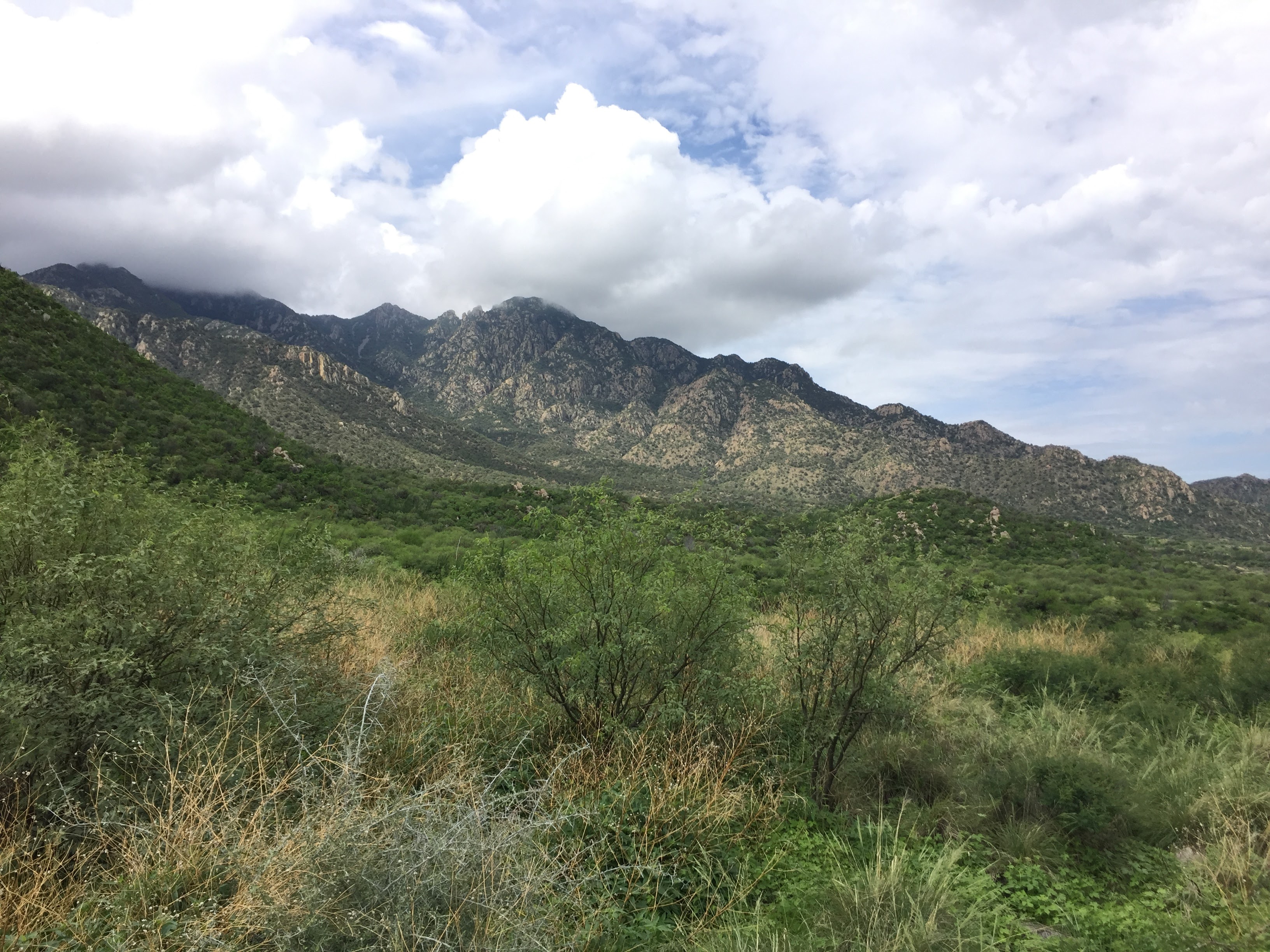
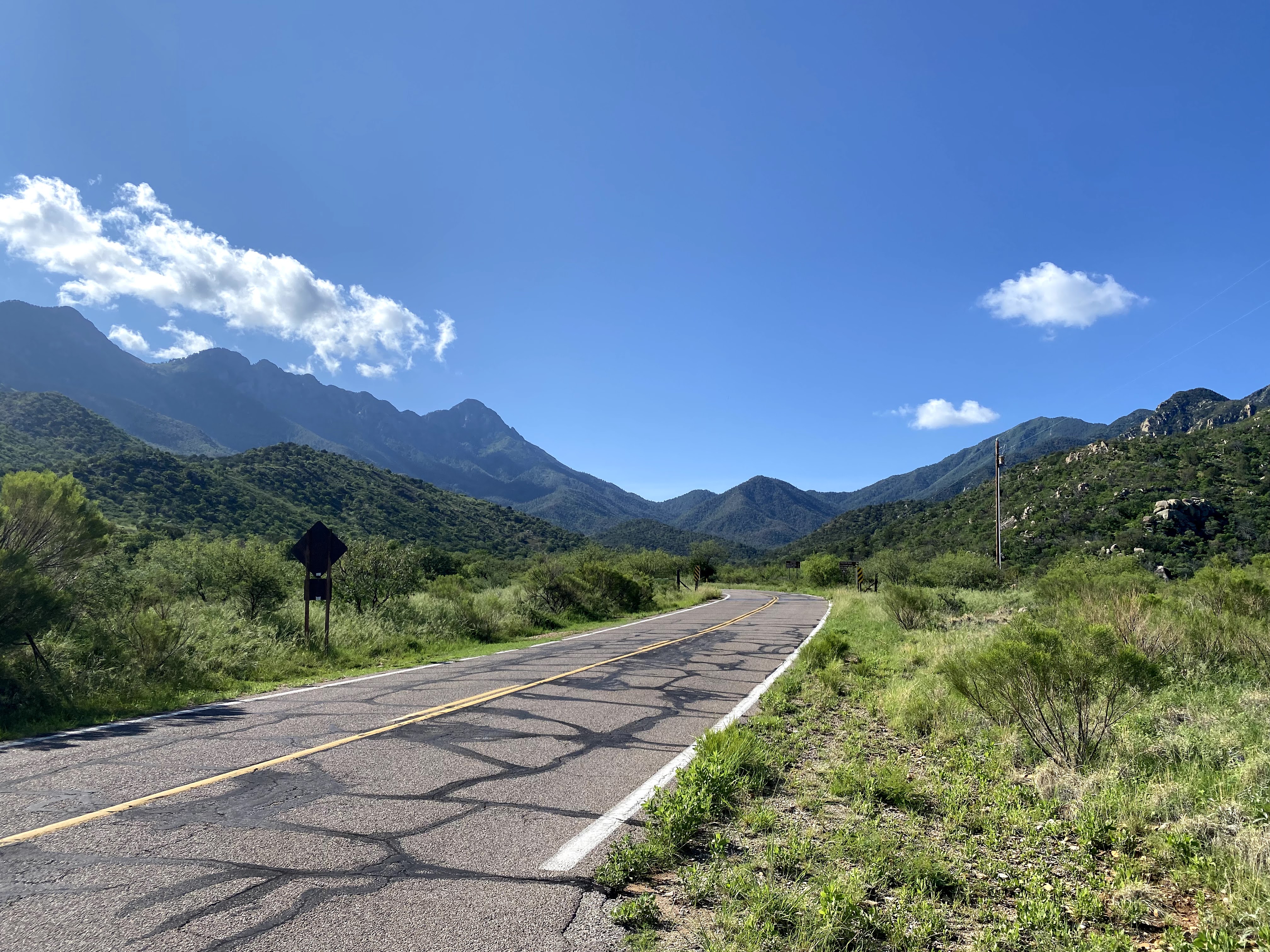
There are numerous canyons and notable areas on the western side of the Santa Rita Mountains, but I will focus primarily on the ones that are the easiest to access and locate. The locations are as follows:
- Madera Canyon
- Florida Canyon
- Box Canyon
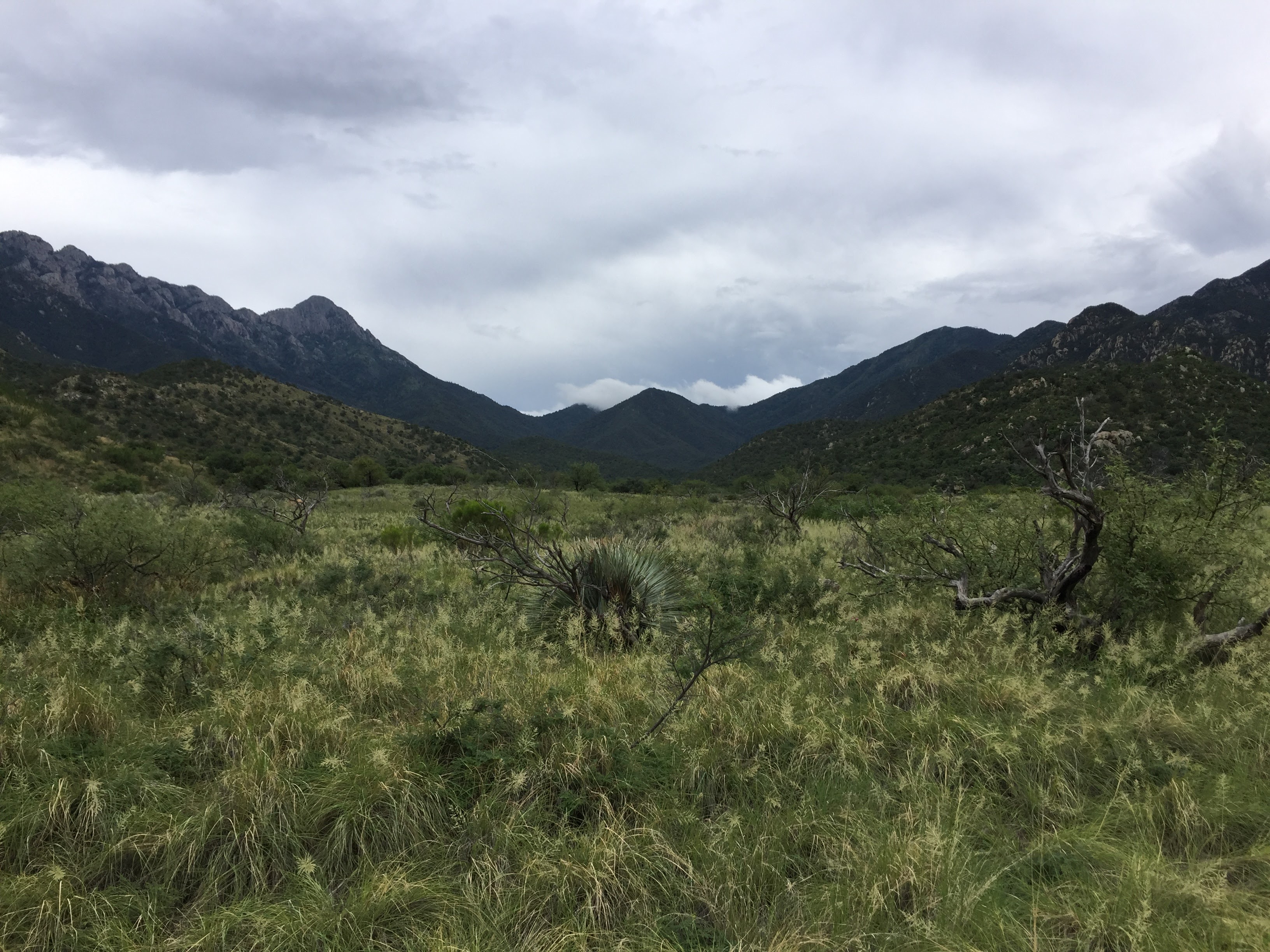
Madera Canyon
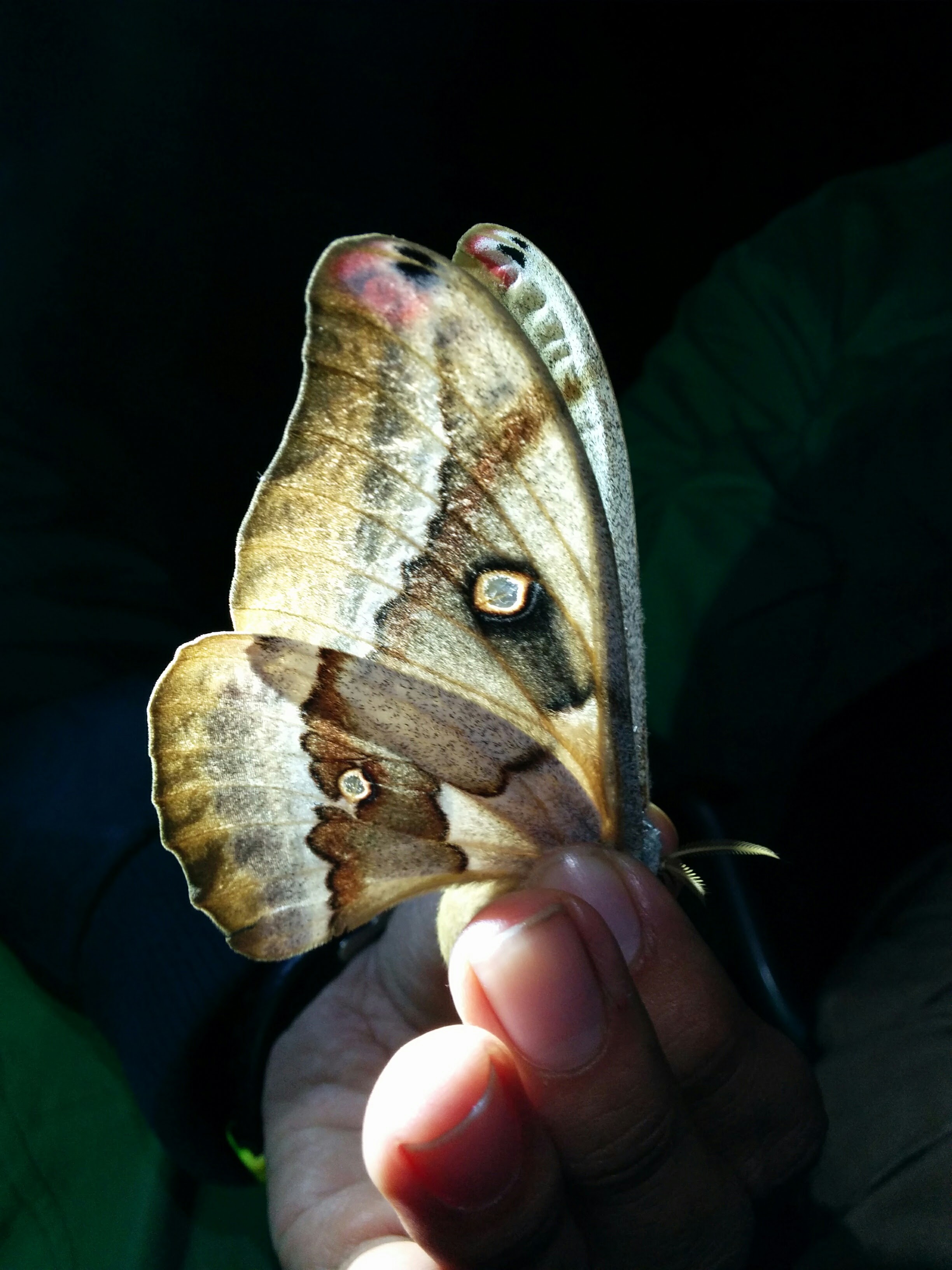
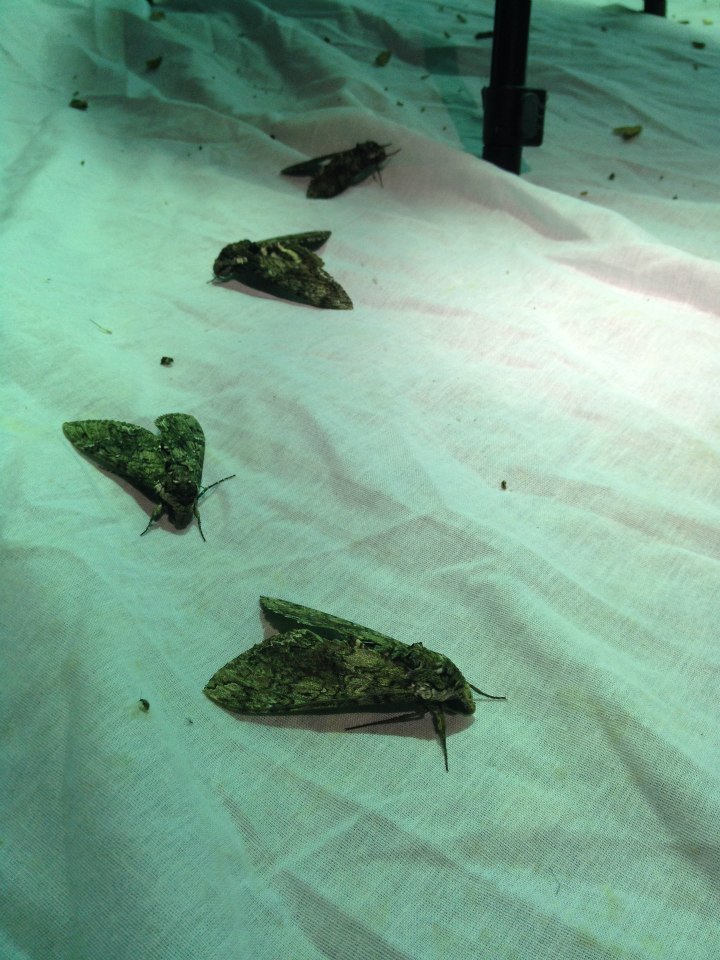
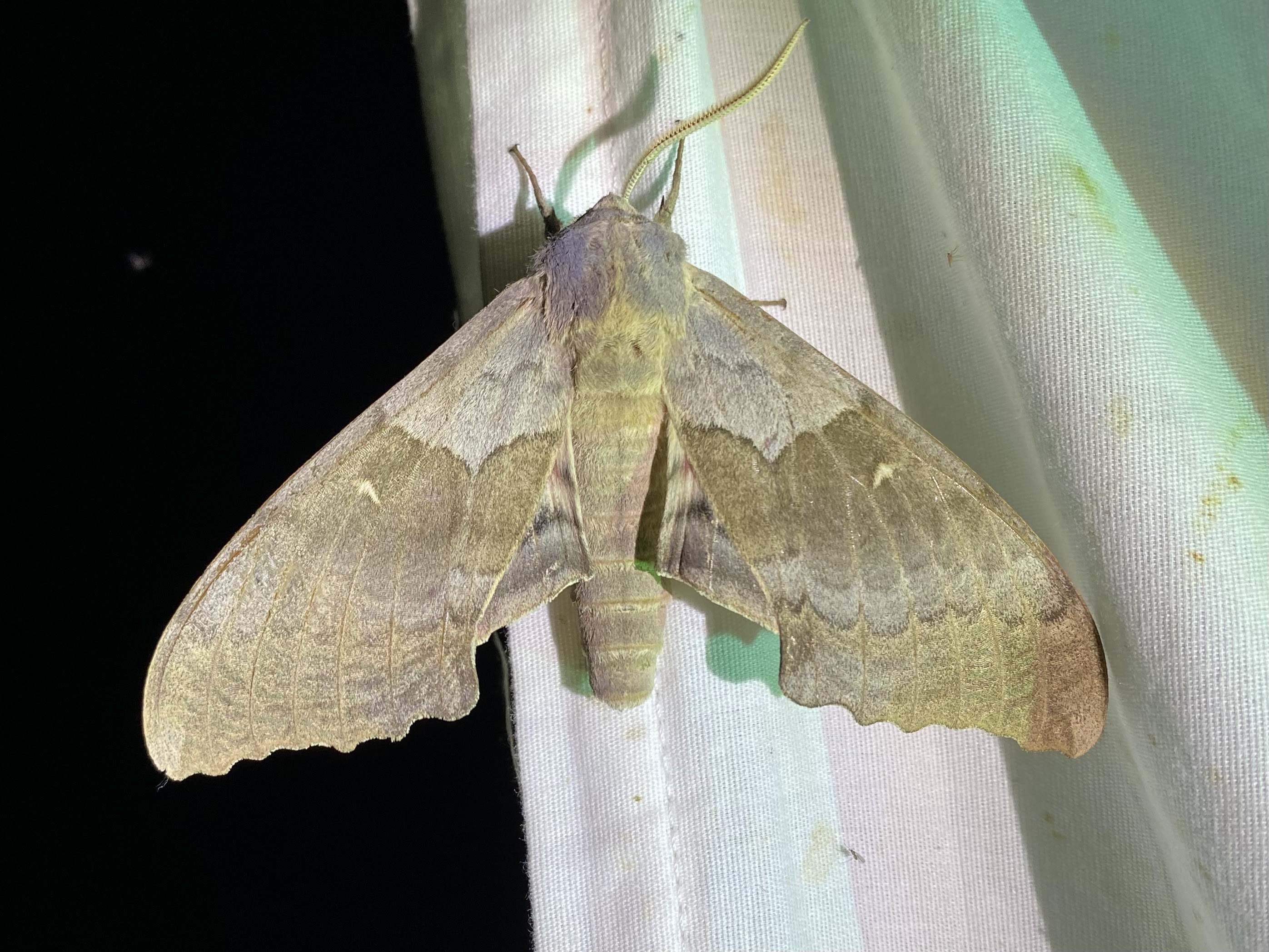
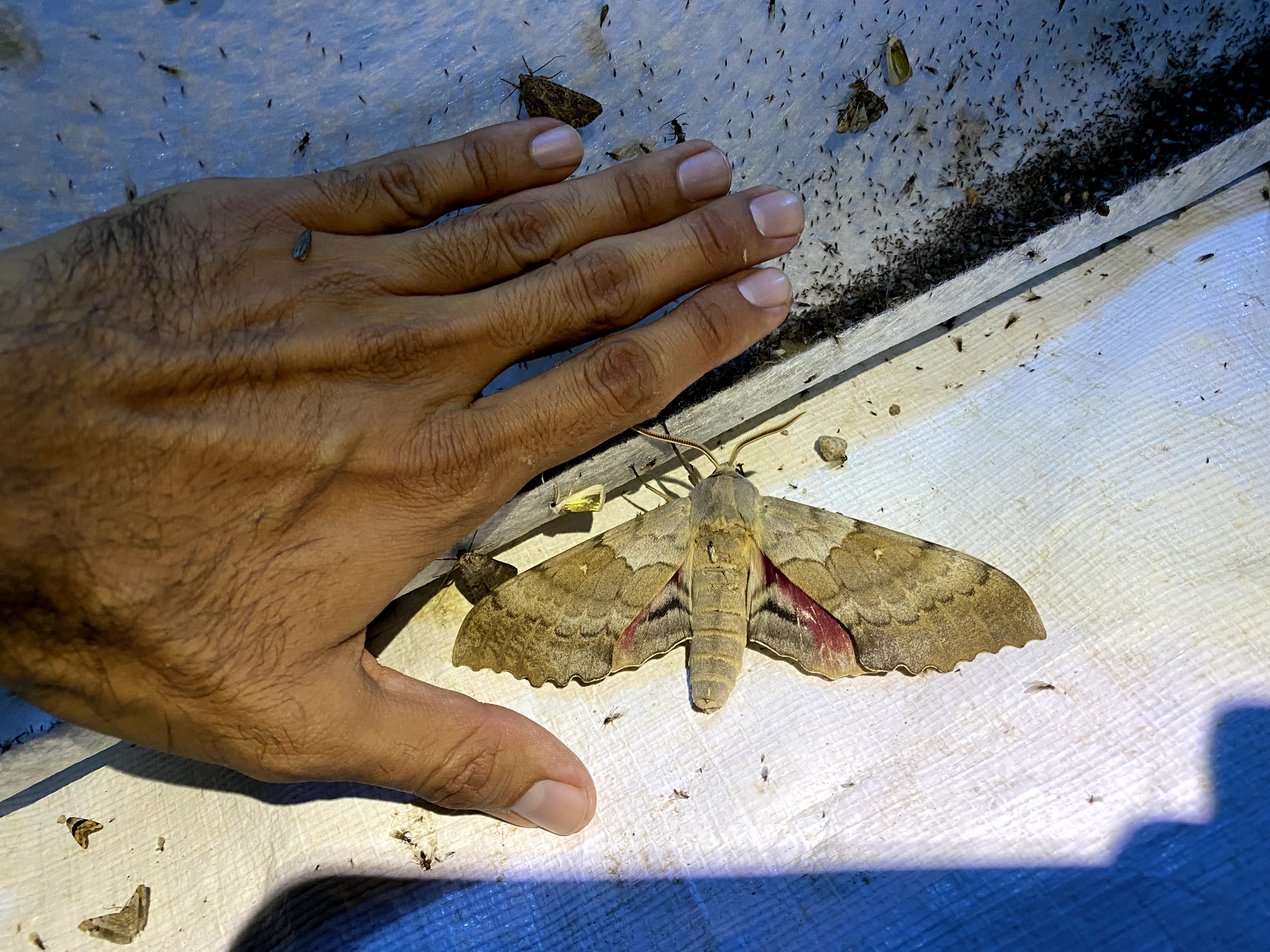
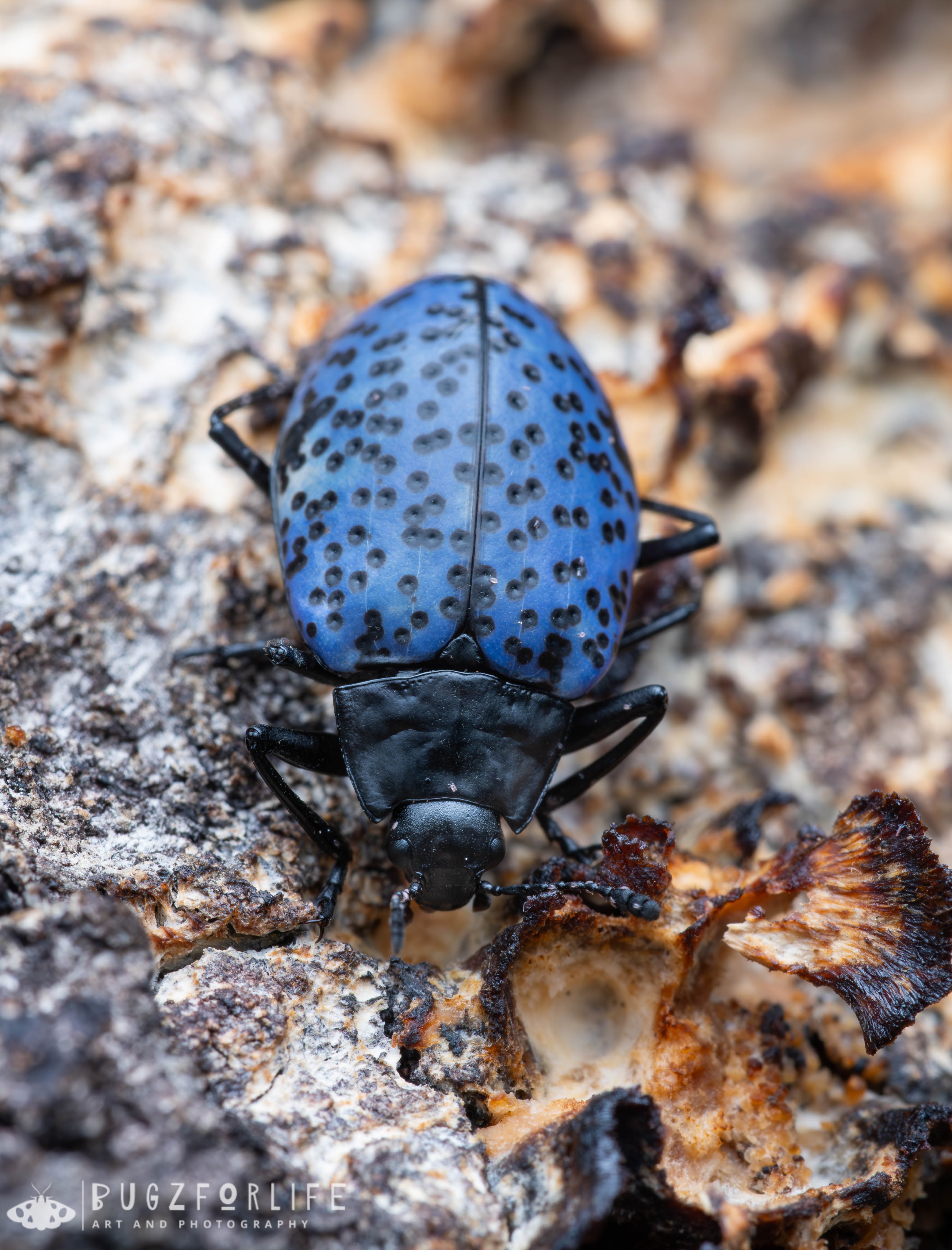
One of the most well known and visited canyons in SE Arizona. This canyon has plenty of notable areas that have been collected in for the past couple decades and somehow, new species are still being discovered. Madera Canyon can be broken up into three sections where collecting can vary quite a bit based on the elevation. The base of the canyon, where Proctor Picnic Area and the surrounding habitat is located, offers many species of notable interest including the green/blue click beetle (Chalcolepidius smaragdinus), two-tailed swallowtail (Papilio multicaudata), and the giant mesquite bug (Thasus neocalifornicus). The lower/middle canyon, where Whitehouse Picnic Area, Madera Picnic Area, and Bogg Springs Campground are all located. This area is where species such as the Western hercules beetle (Dynastes grantii), Western poplar sphinx (Pachysphinx occidentalis), and Arizona sister butterfly (Adelpha eulalia) can be found. The final section, the upper canyon, is at a higher elevation and as a result temperatures can vary quite a bit, especially during the monsoon season. The species here do not vary quite as much from the lower canyon compared to the base of the canyon, but notable species include the dull firetip (Apyrrothrix araxes), blue pleasing fungus beetle (Cypherotylus californicus), and Leconte’s jewel scarab (Chrysina lecontei).
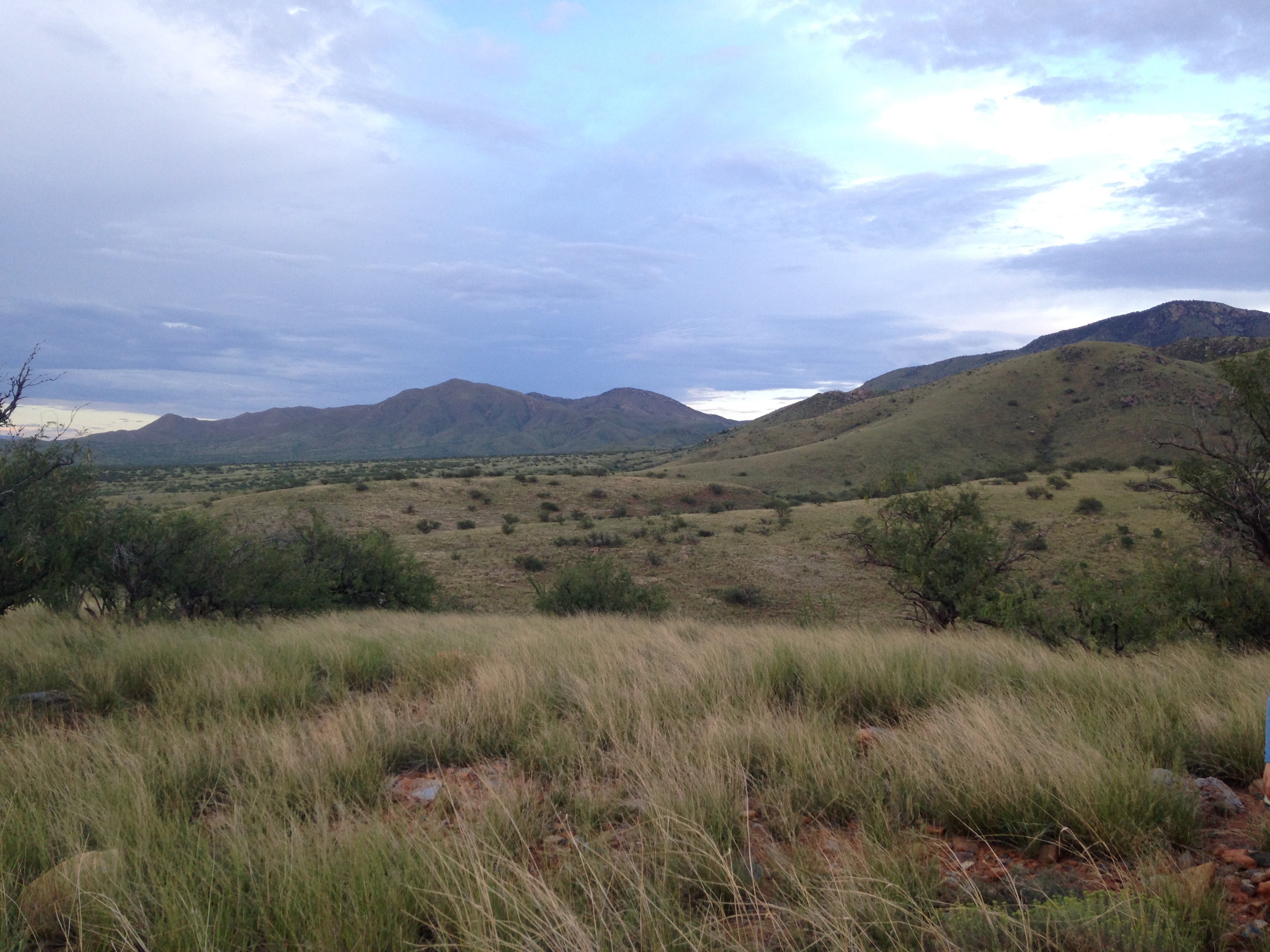
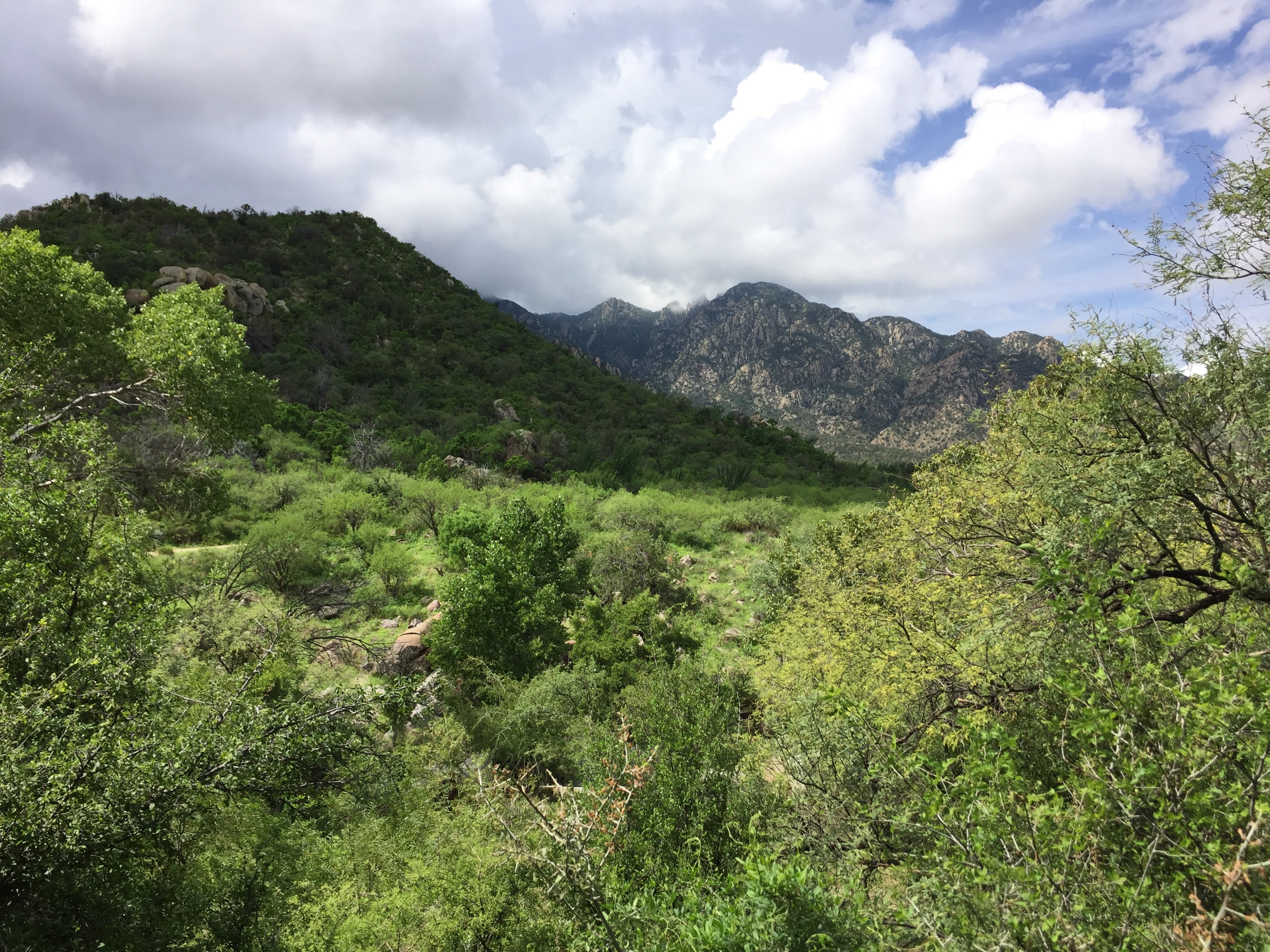
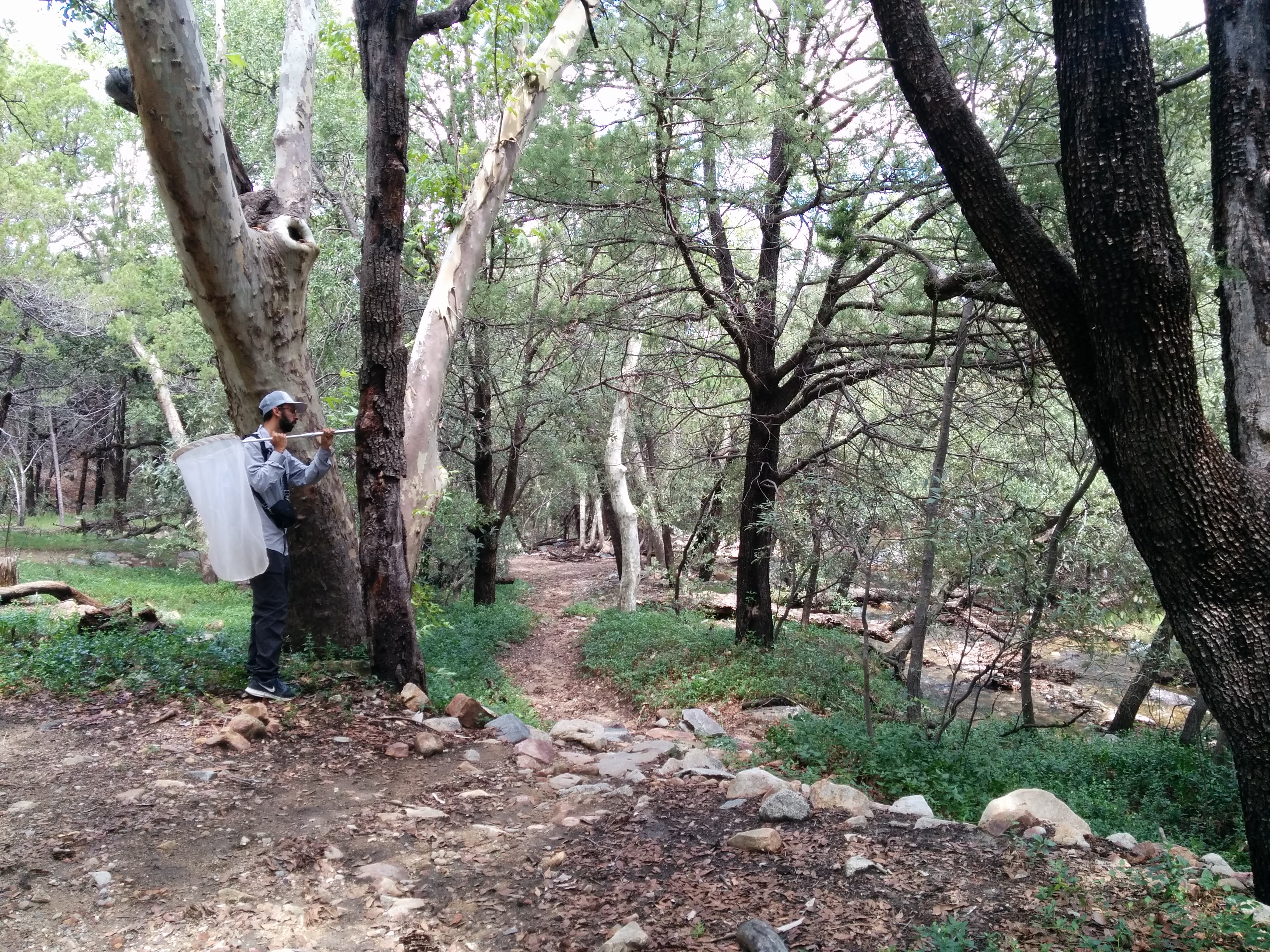
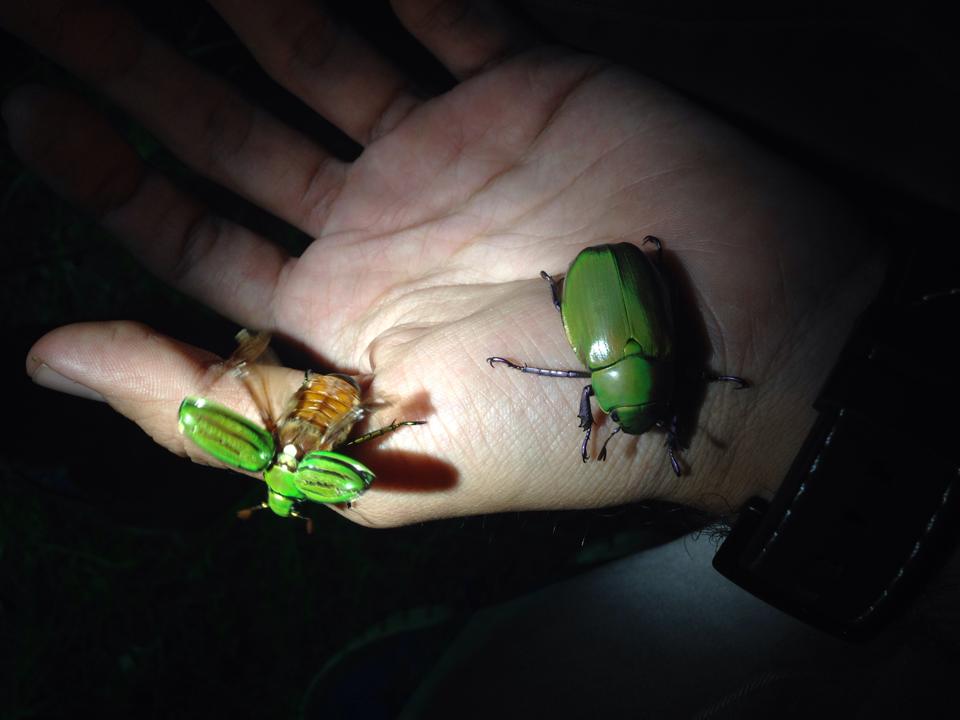
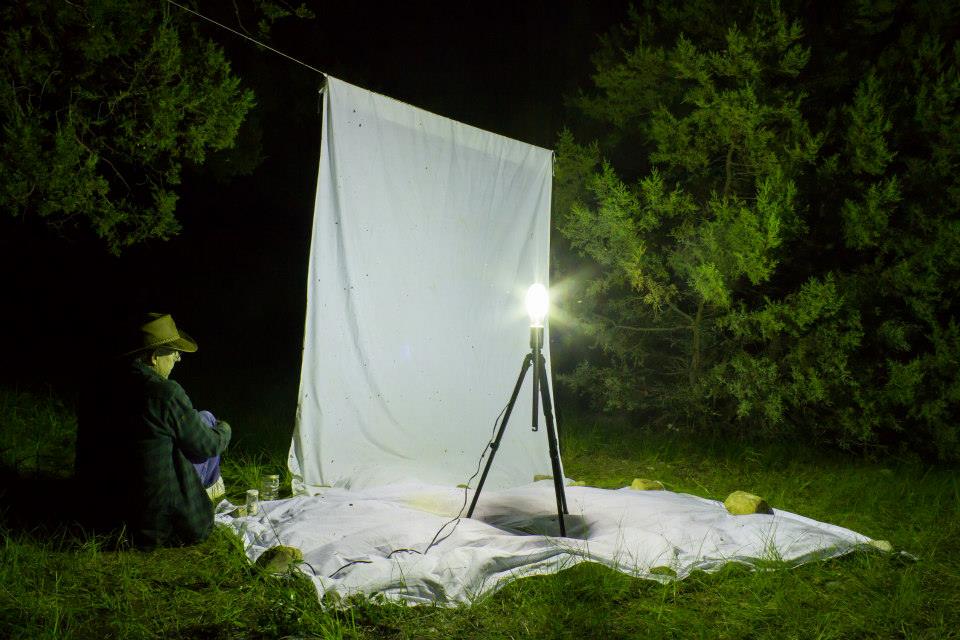
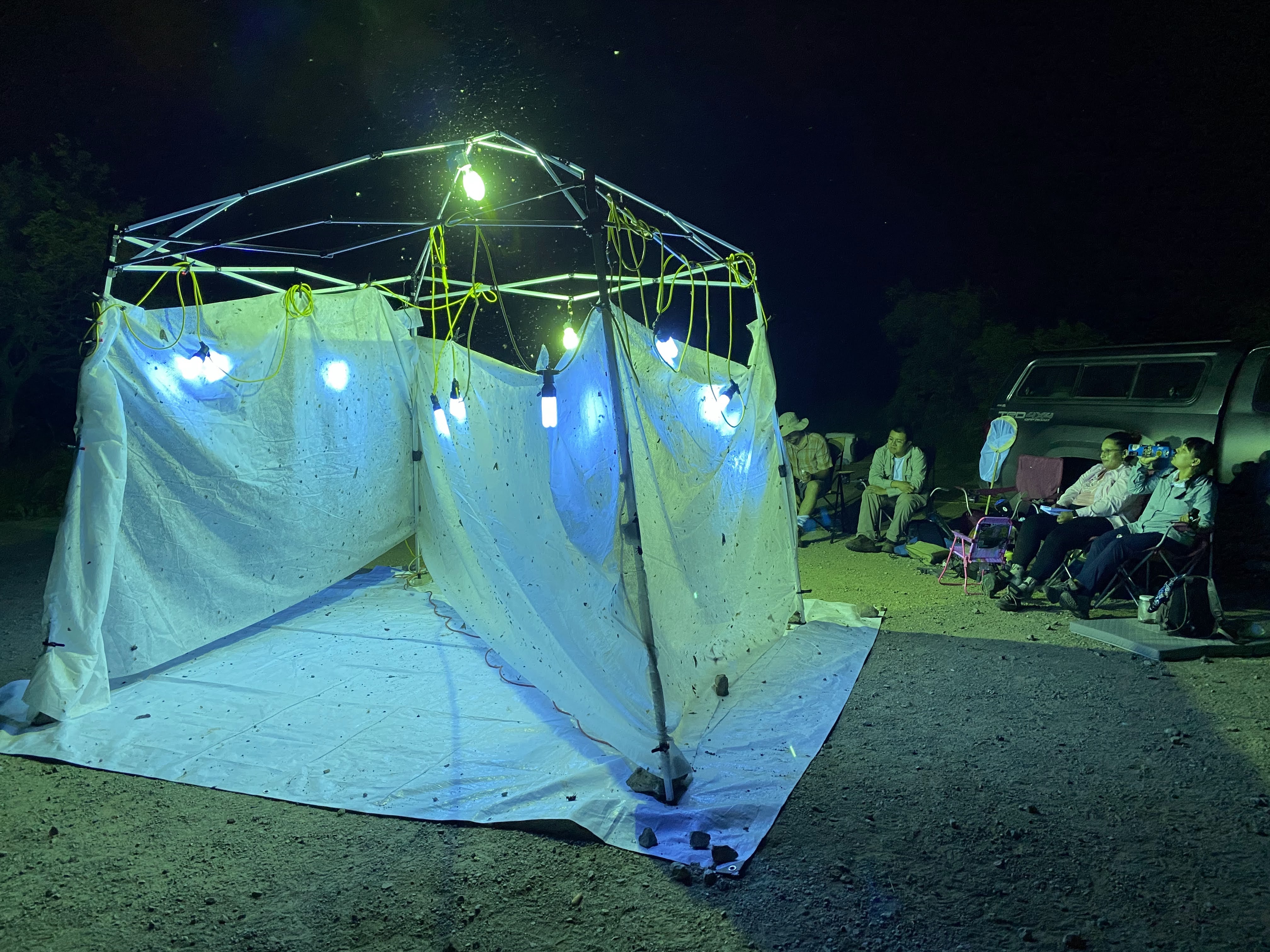
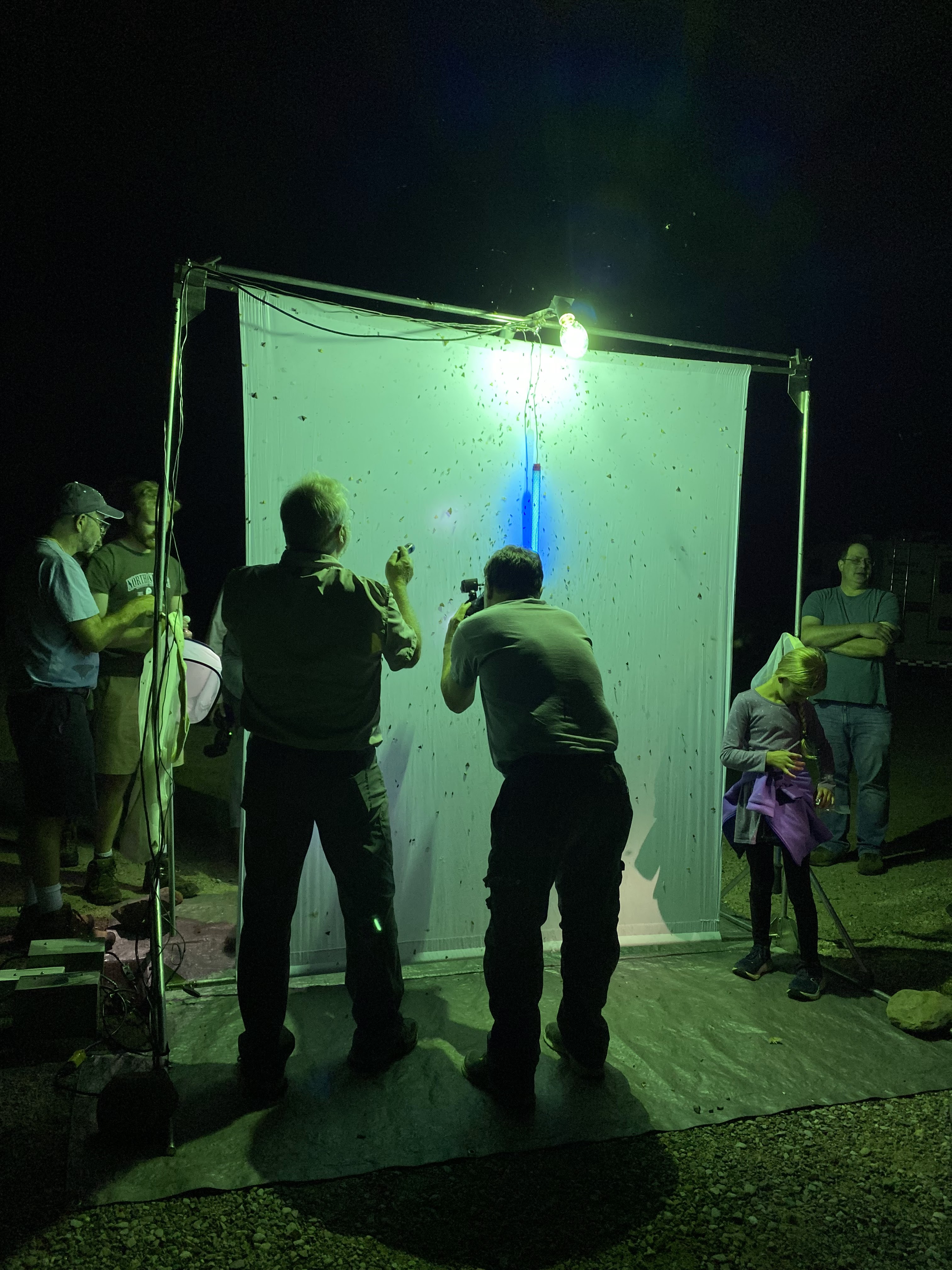
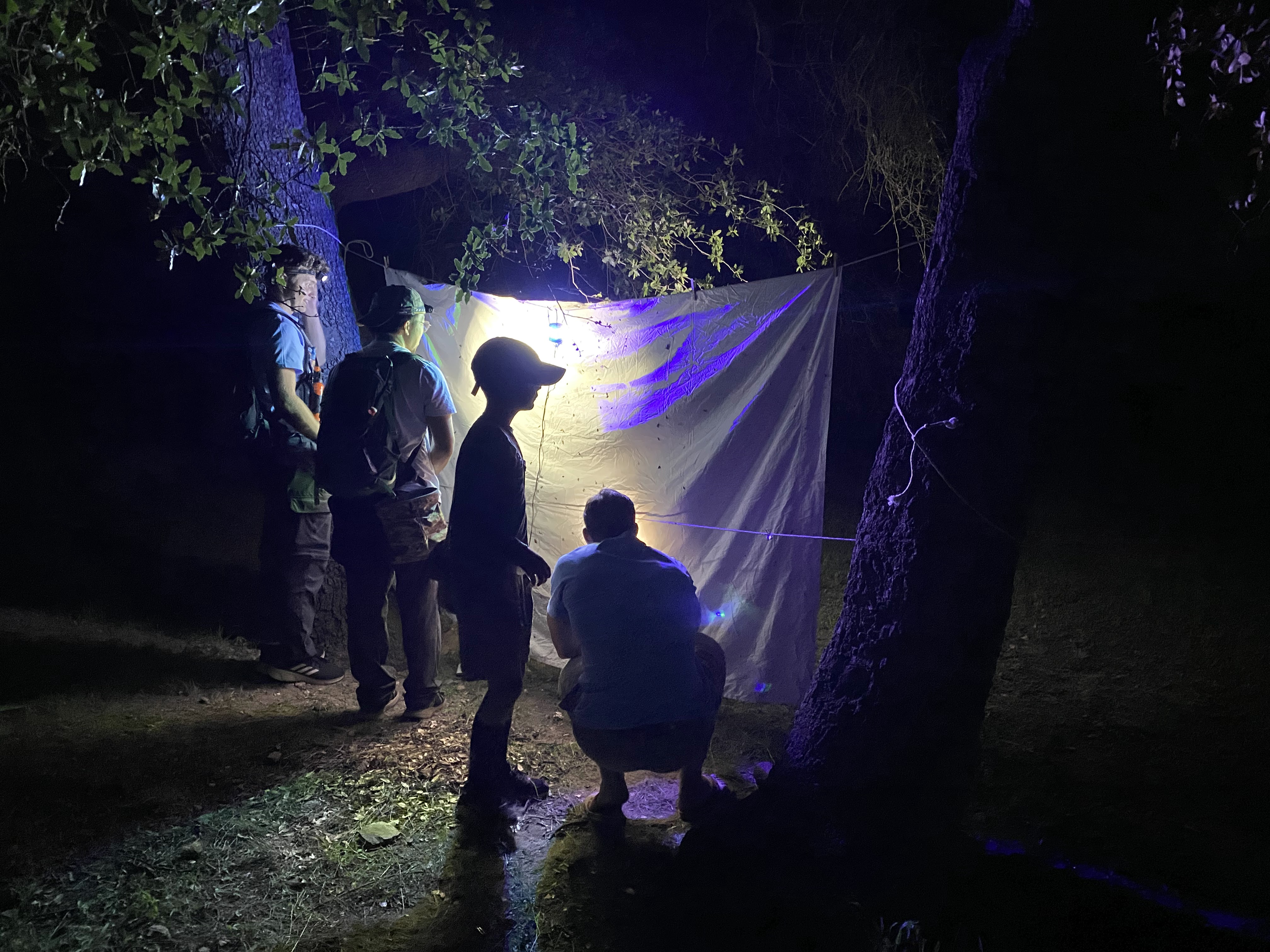
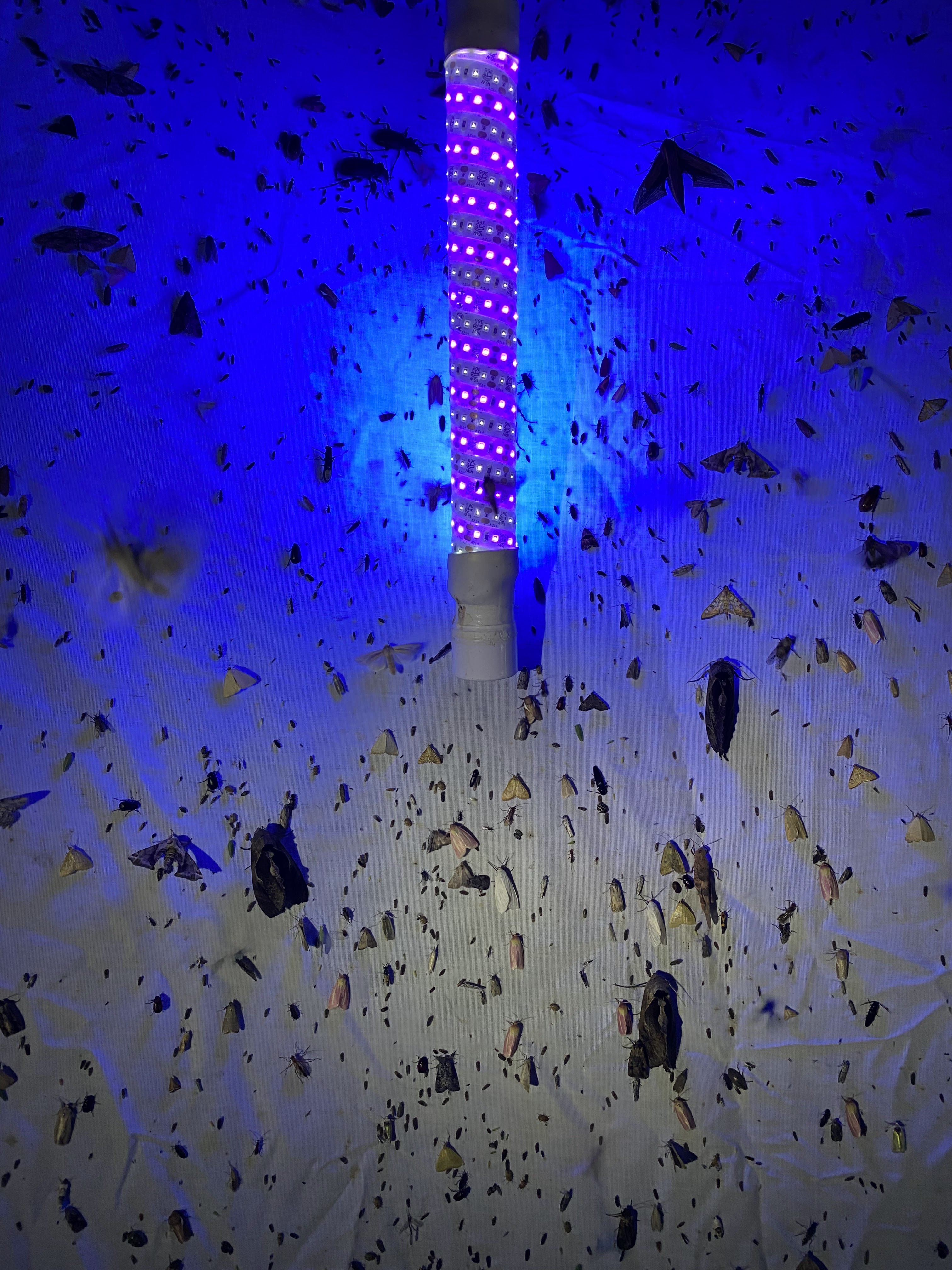
All three sections of the canyon are fantastic for observing and collecting both during the day and at night. Madera Canyon is also a well known place to blacklight for insects, utilizing a large white sheet and UV light and/or MV light. There is quite a bit of uniformity in the species diversity when blacklighting. You are more likely to see certain nocturnal species in all sections of the canyon, versus their diurnal counterparts. Two species that come to mind are Hubbard’s silk moth (Syssphinx hubbardi) and the glorious jewel scarab (Chrysina gloriosa), where I have recorded both species up and down the canyon, especially during good monsoon years when the canyon receives plenty of rain.
Florida Canyon
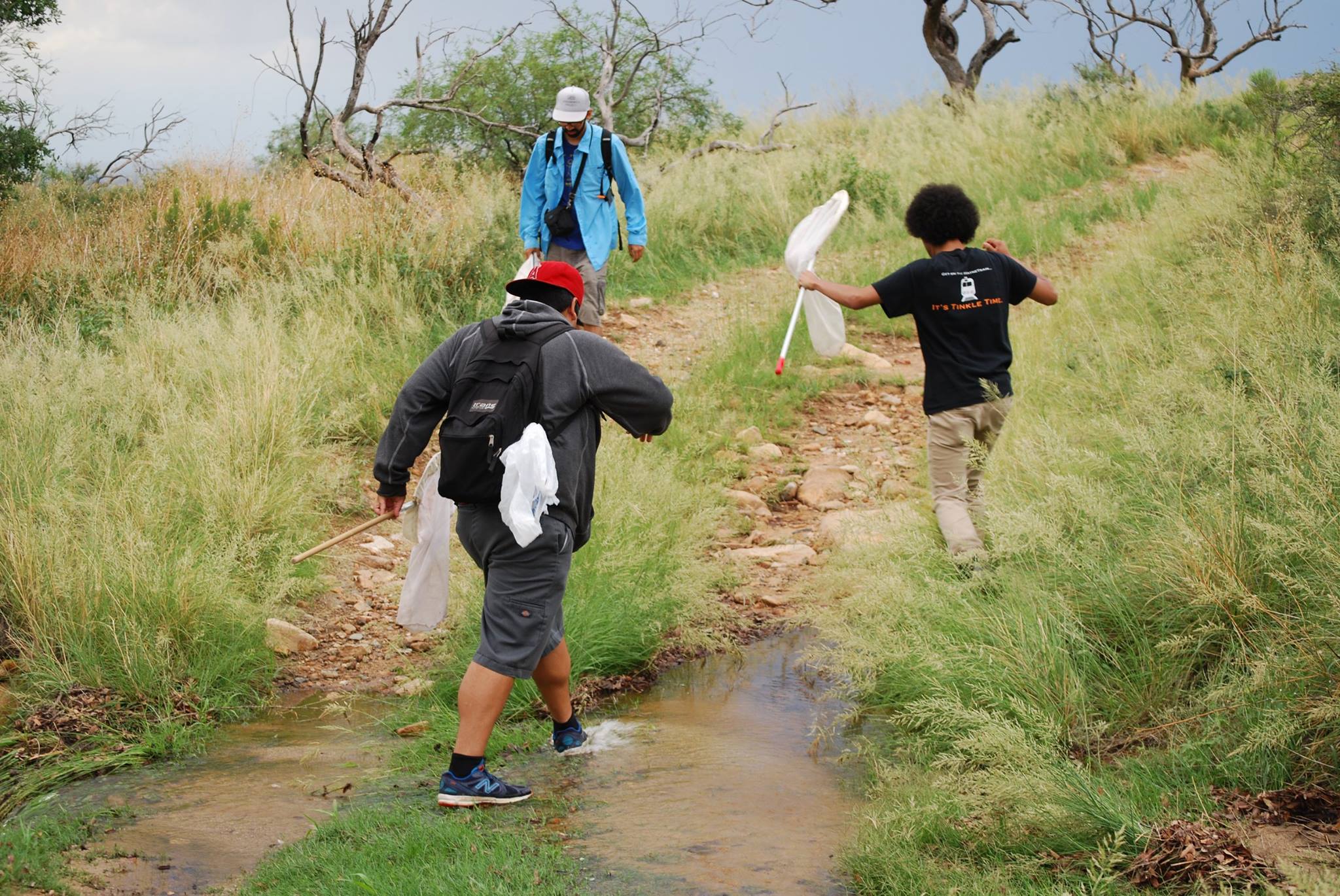
This canyon might is the least visited out of the bunch, but it is one of the staple collecting localities for many entomologists and hobbyists. Florida Canyon is smaller and a little more challenging to get to, but it has always delivered on the diversity of species one can encounter there. As an added bonus, this canyon is also where the Santa Rita Experimental Range station is located. This is where the University of Arizona does most of their field work and data collection in regards to entomological studies/surveys.
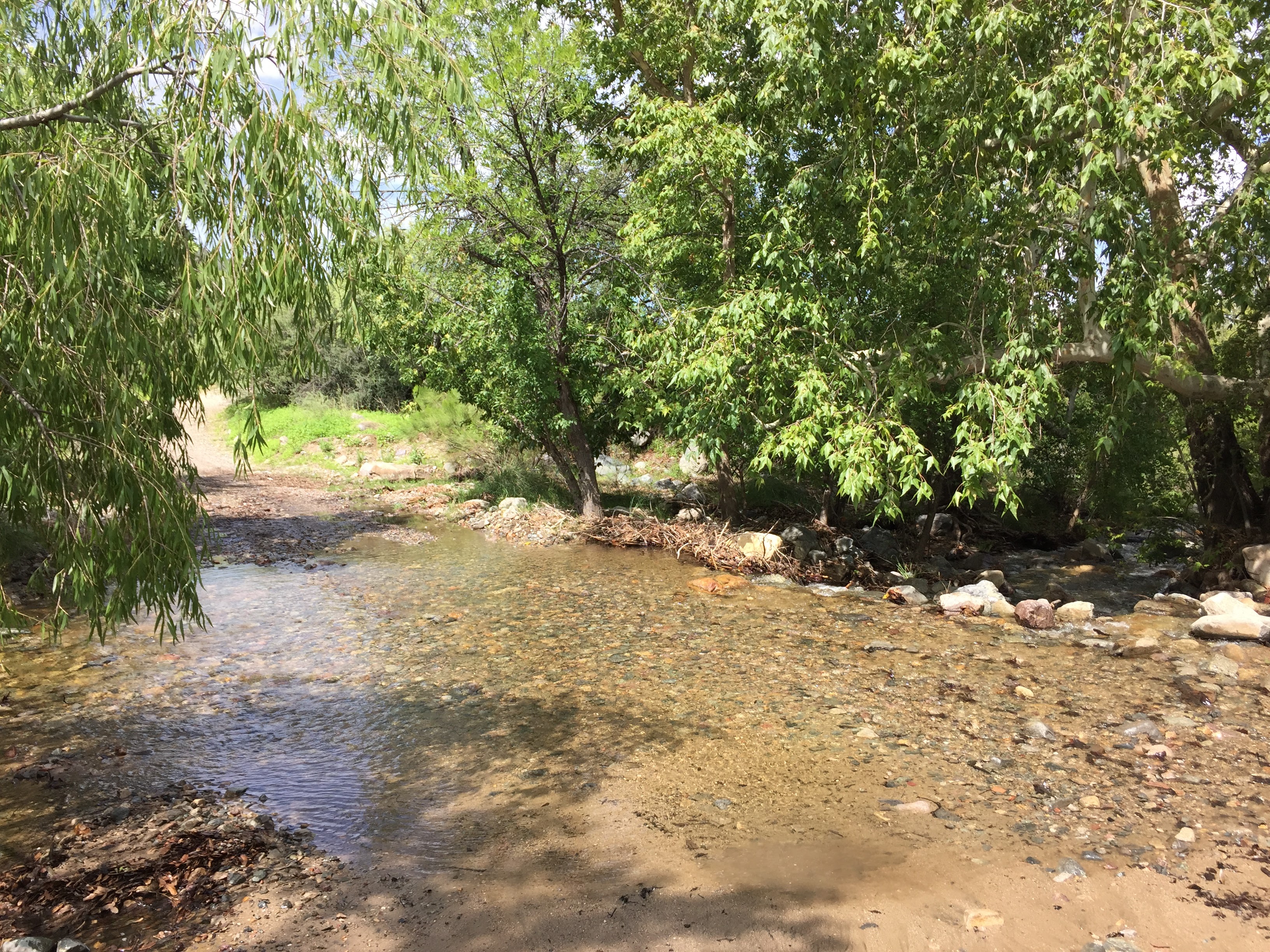
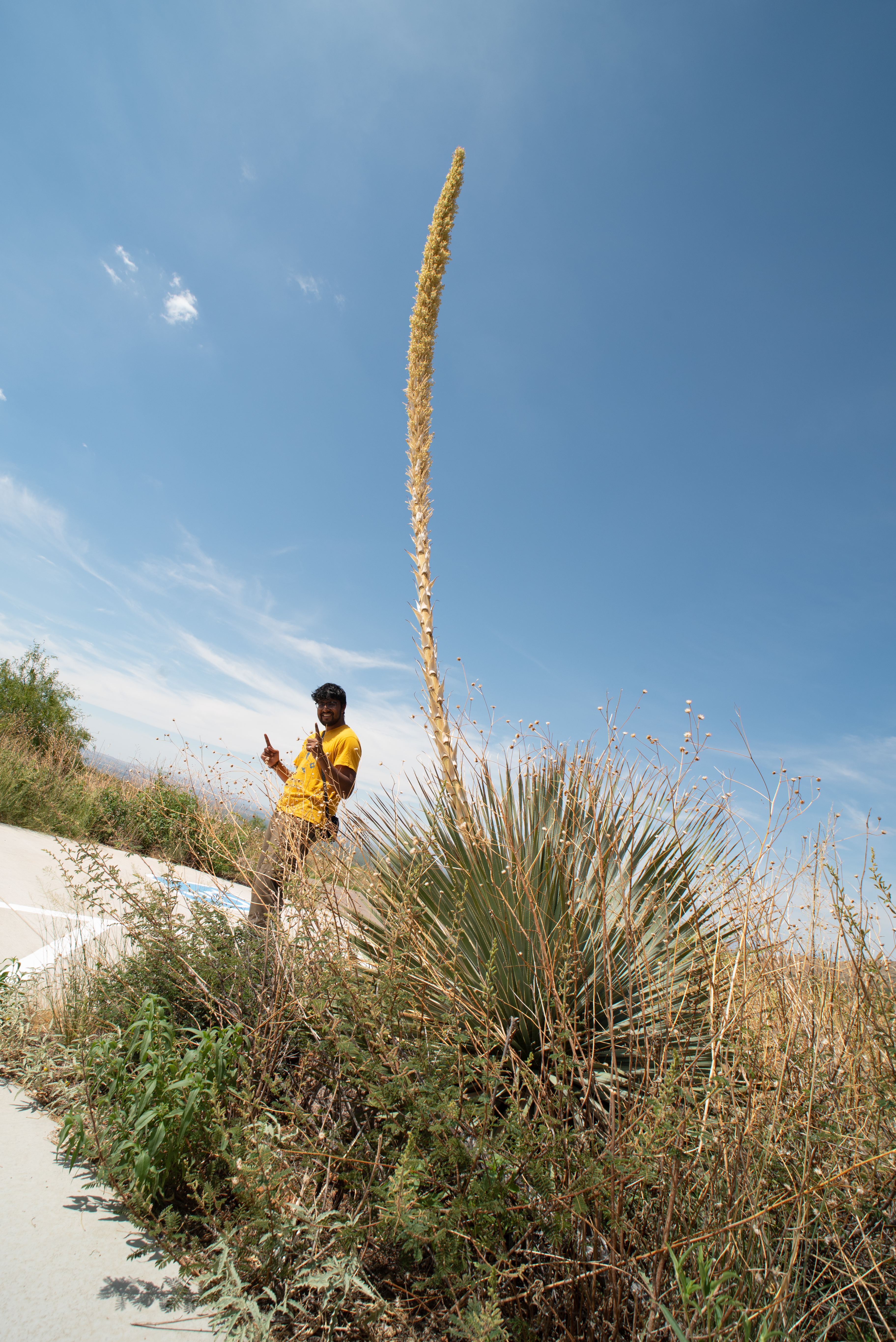
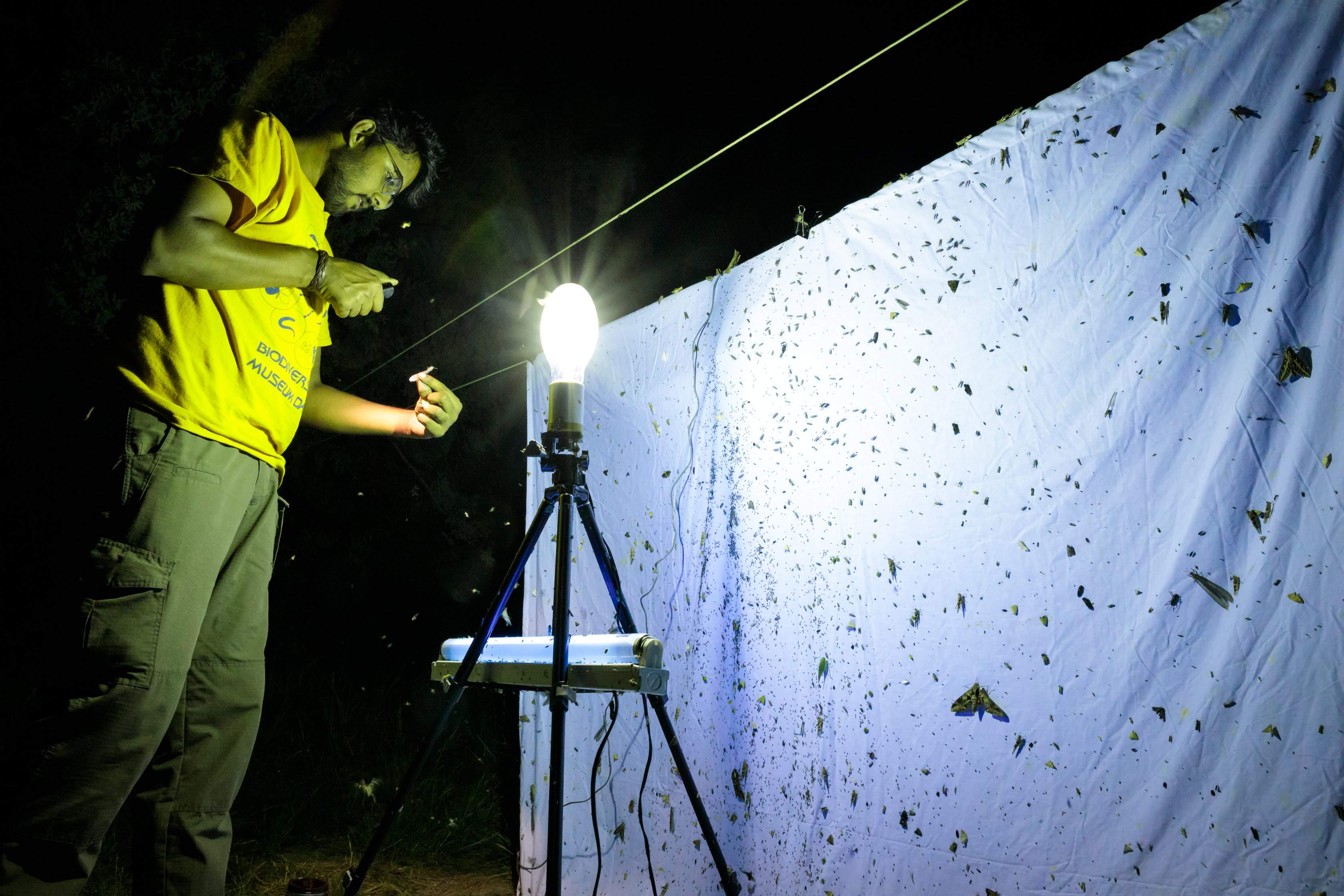
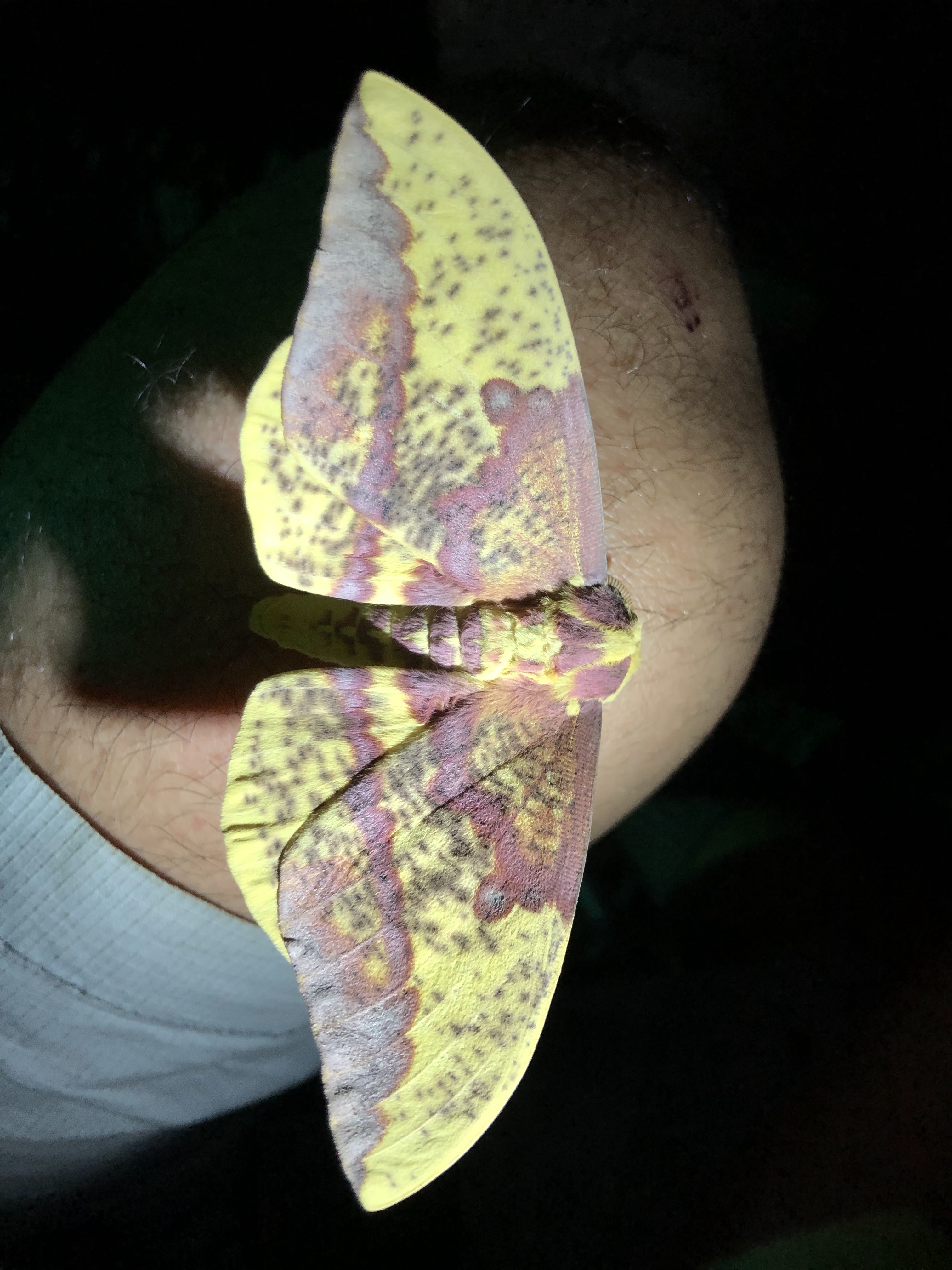
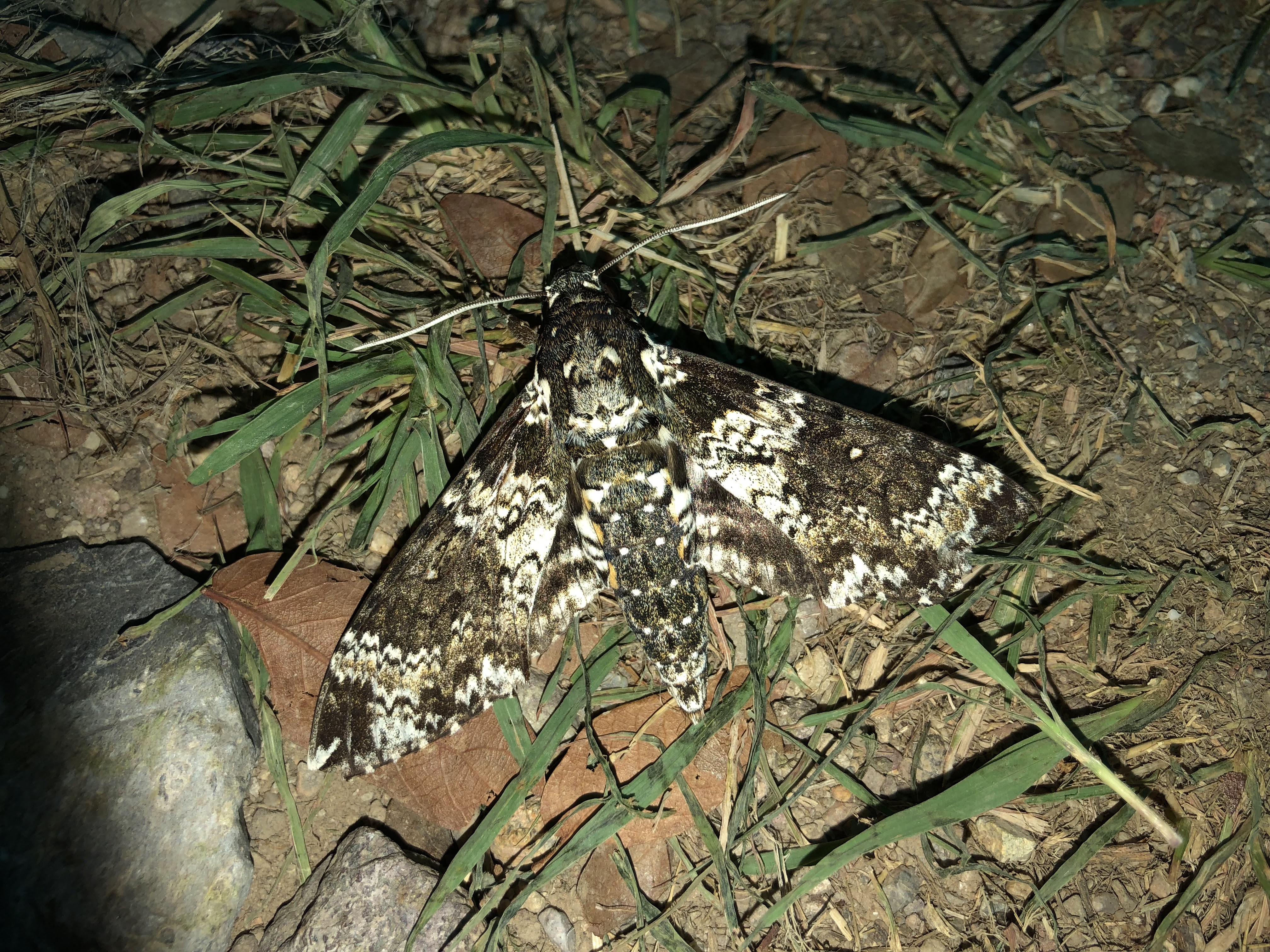
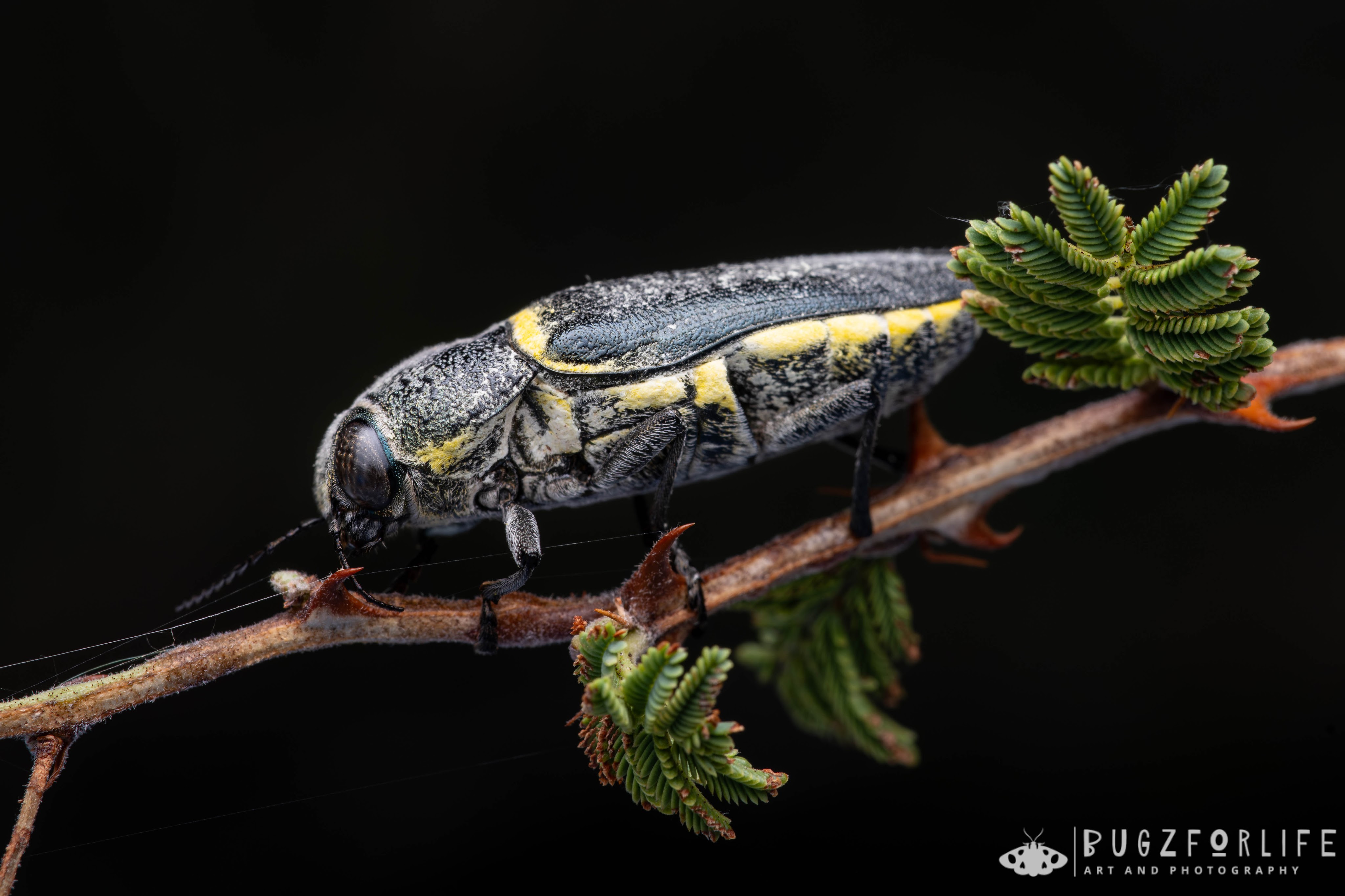
Collecting here has been quite the surprise over the years and the locality still continues to amaze myself and others who venture there. This canyon is much drier than Madera and is similar to the Proctor picnic area, but has a small creek that flows through it. The hillsides are covered with ocotillo, yuccas, and grasses, while larger species like oaks, mesquite, hackberry, wild cotton, and catclaw acacias surround the trail more sporadically up the canyon. Notable species here include the Apache click beetle (Chalcolepidius apacheanus), Splendid Royal moth (Citheronia splendens), and the Hackberry Emperor (Asterocampa celtis). Blacklighting in this location has produced some species I have seen nowhere else in the region and is one of my favorite places to set up my lights. This is the only location where I have ever seen and collected both the Calleta silkmoth (Eupackardia calleta) and the Vine sphinx (Eumorpha vitis).
Box Canyon
By far one of the most well known places to collect in the Santa Rita mountains. Box Canyon is pretty unique due to the fact that differing habitat types all converge in one area. From grasslands with mixed mesquite scrub woodland at the base to a combined riparian and oak woodland at the top, this canyon’s diverse environment allows for a wide range of insect species to thrive here.
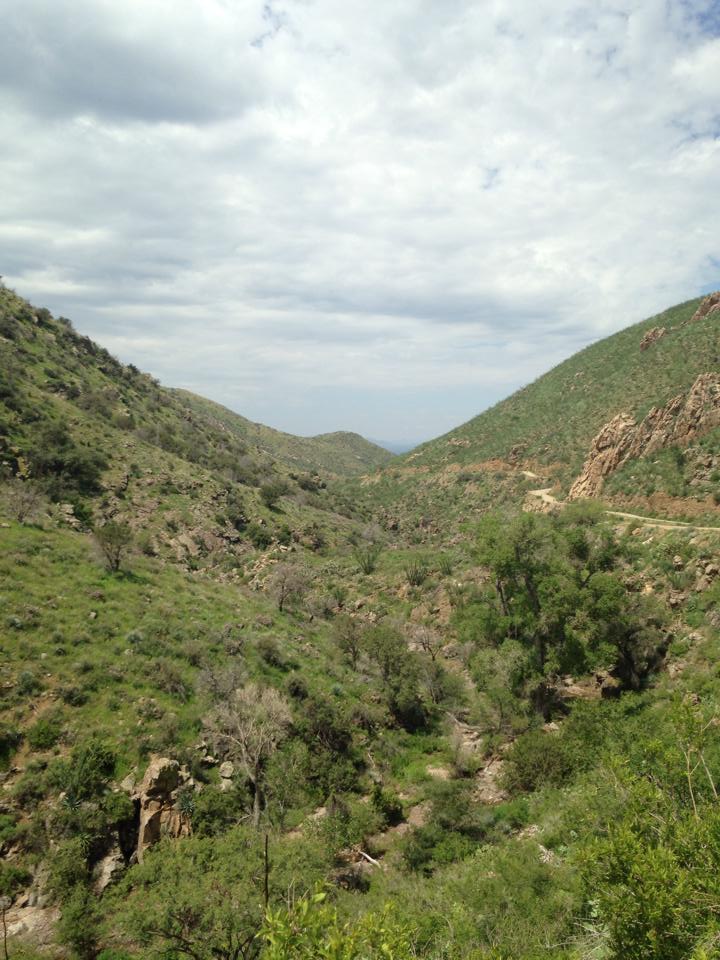
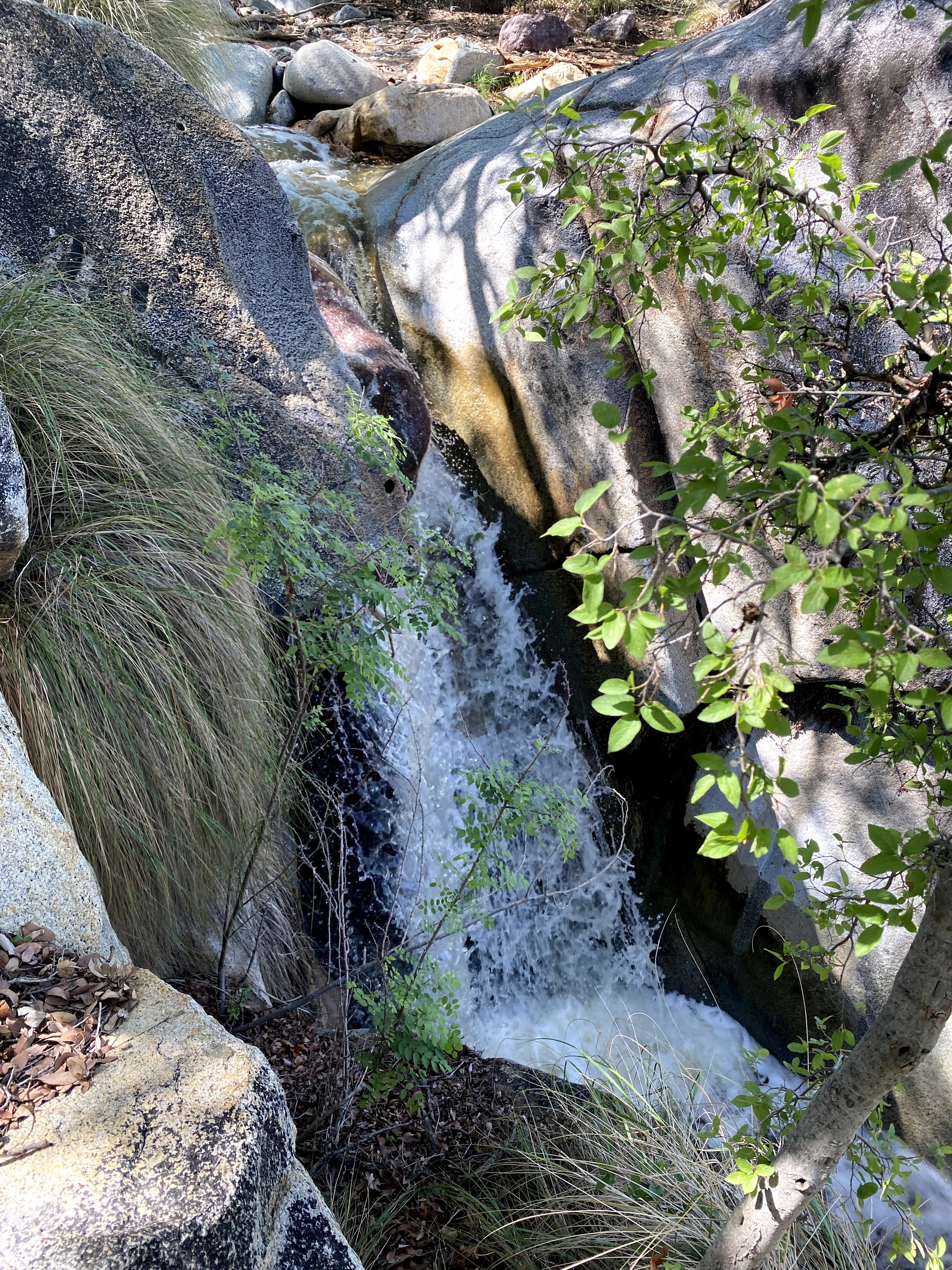
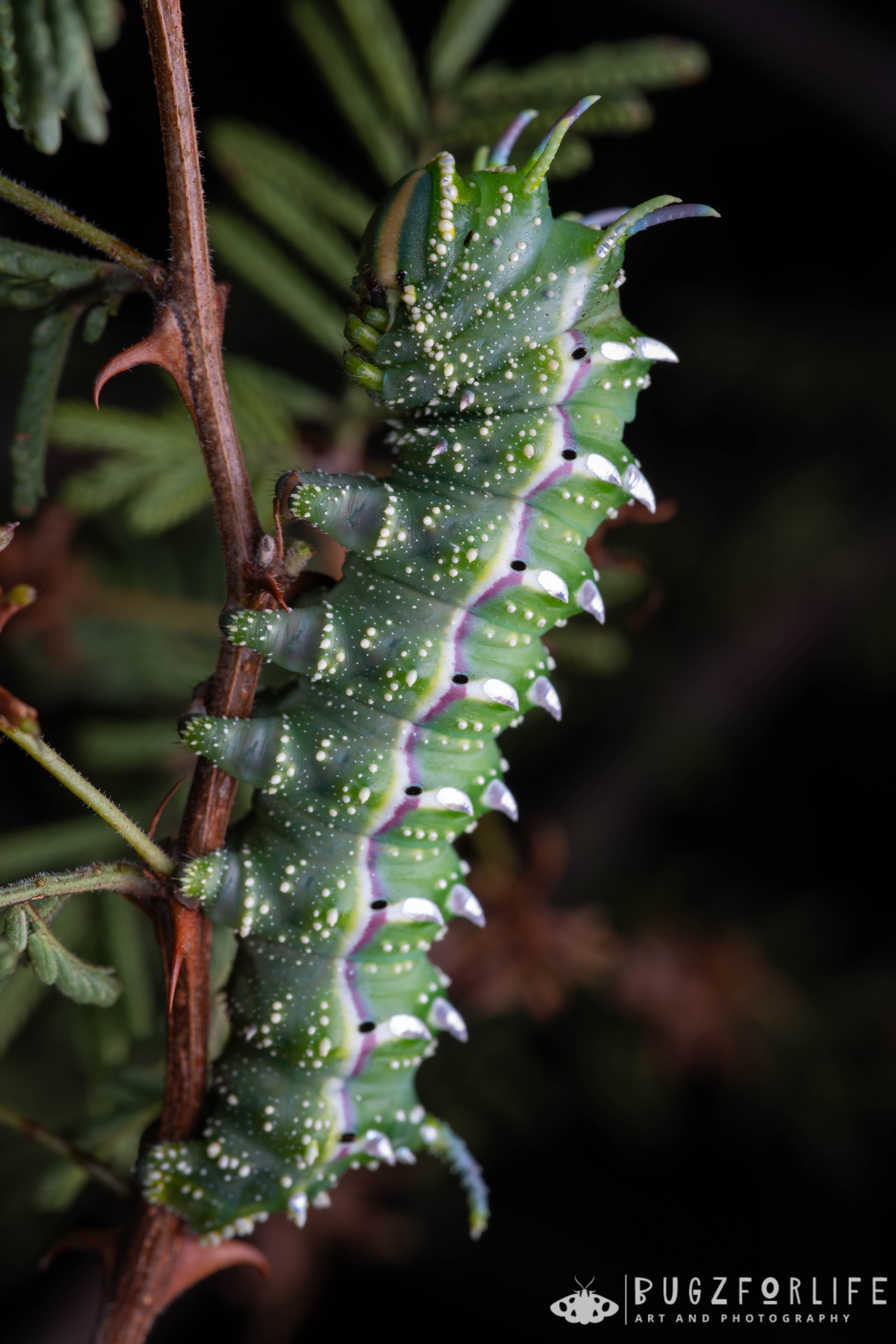
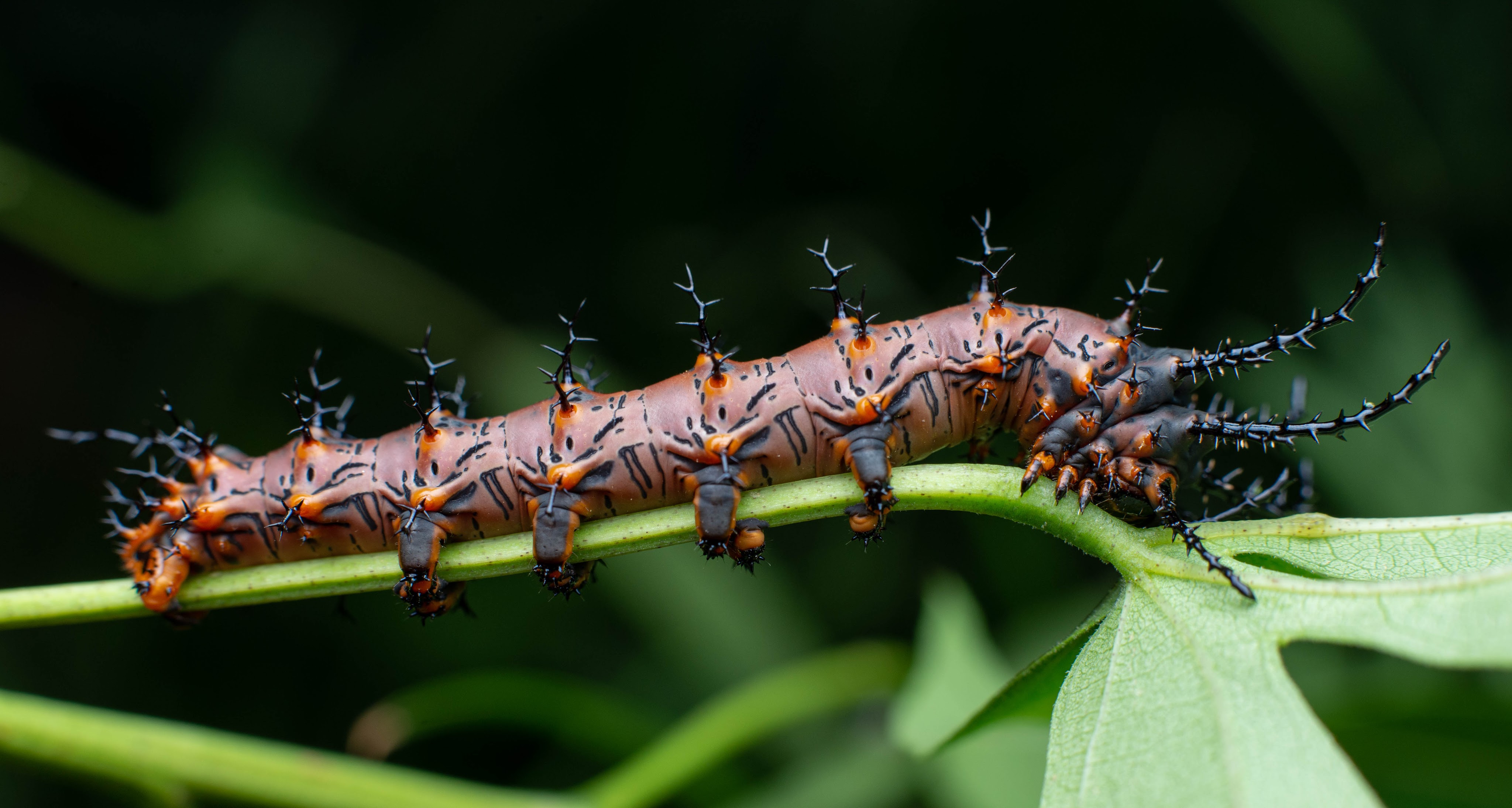
The lower part of the canyon offers easy access to the small creek running through it, but only really contains water during the summer monsoon or early spring. This area is a flyway for many species of insects including the southern dogface butterfly (Zerene cesonia), tarantula hawk wasps (Pepsis sp.), and flower chafer beetles (Euphoria sp.). When water is present and flowing, plants like wild cotton (Gossypium thurberi) and mule fat (Baccharis salicifolia) become prevalent and attract a wide range of species. Wild cotton is the host plant for the Splendid Royal moth caterpillars (Citheronia splendens) and mule fat is an insect magnet due to its high nectar production. Notable species seen on mule fat include the Arizona net-winged beetle (Lycus arizonensis), Arizona and Zela metalmark butterflies (Calephelis arizonensis & Apodemia zela), and fire-tailed scoliid wasp (Triscolia ardens). As you move up the canyon the habitat stays somewhat the same since the two habitat types are parallel to each other until the top of the canyon, where the habitat changes completely to an oak dominated woodland.
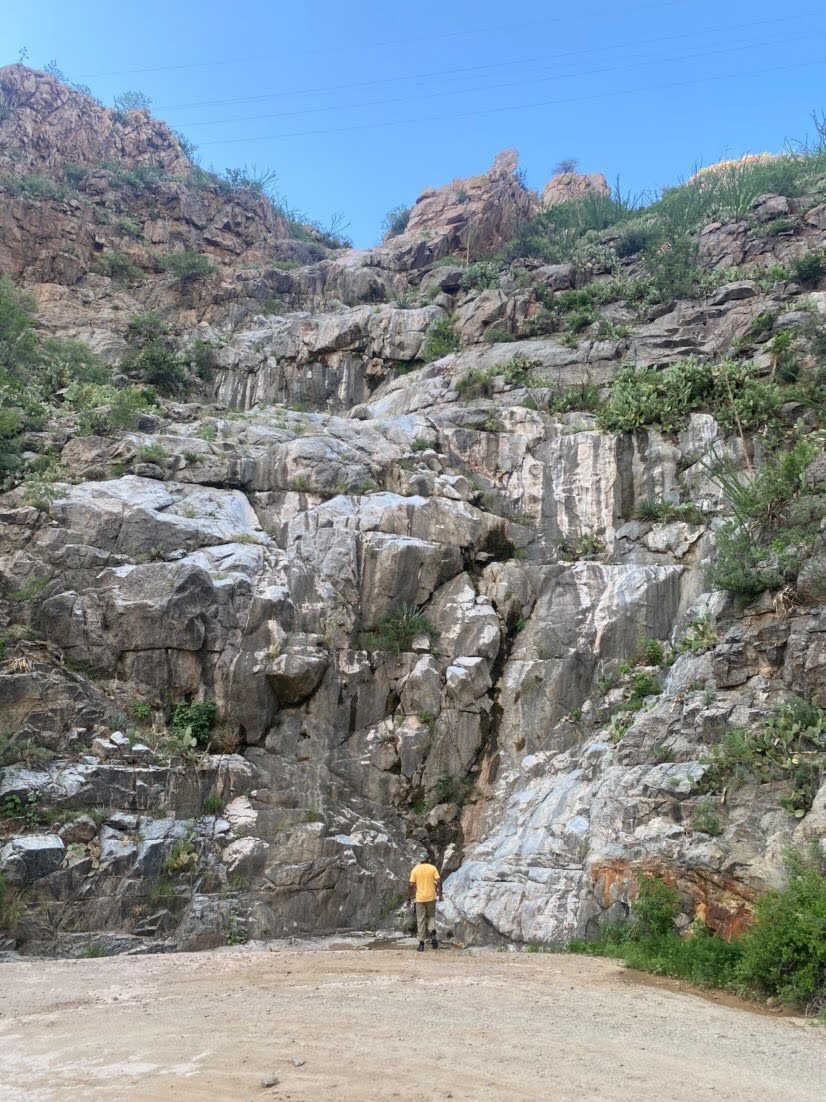
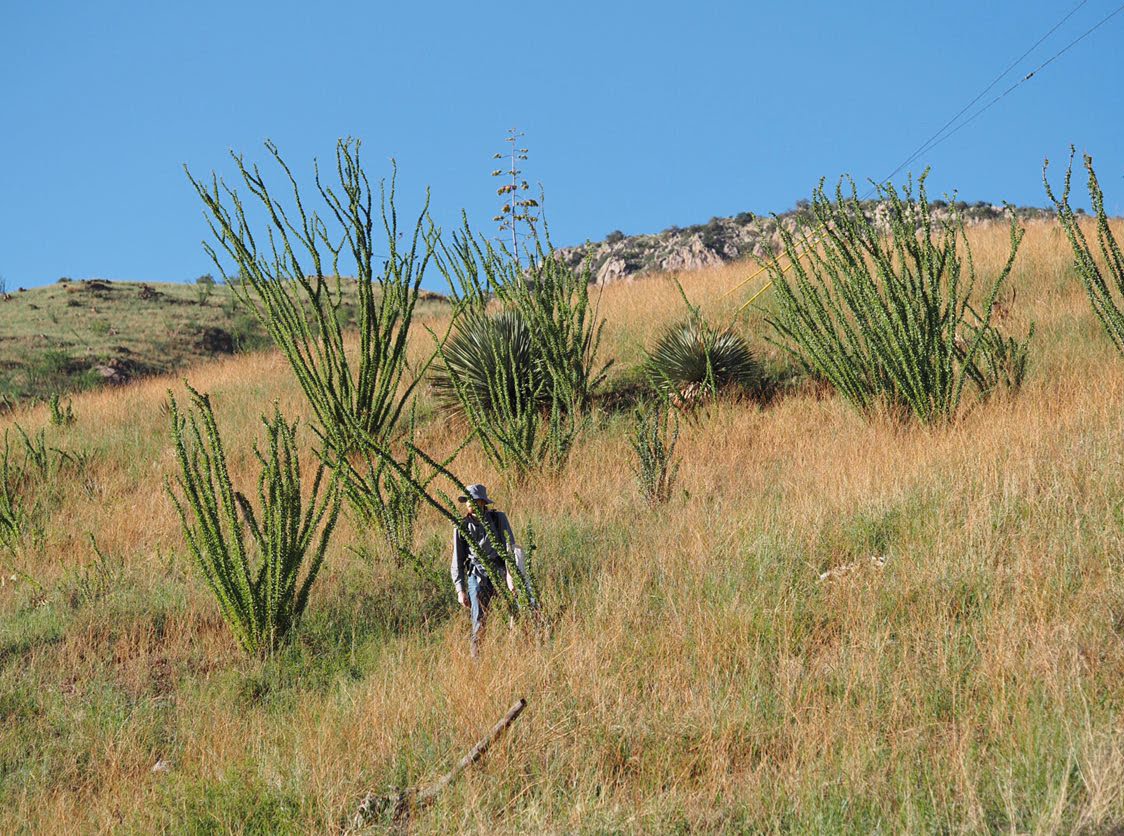
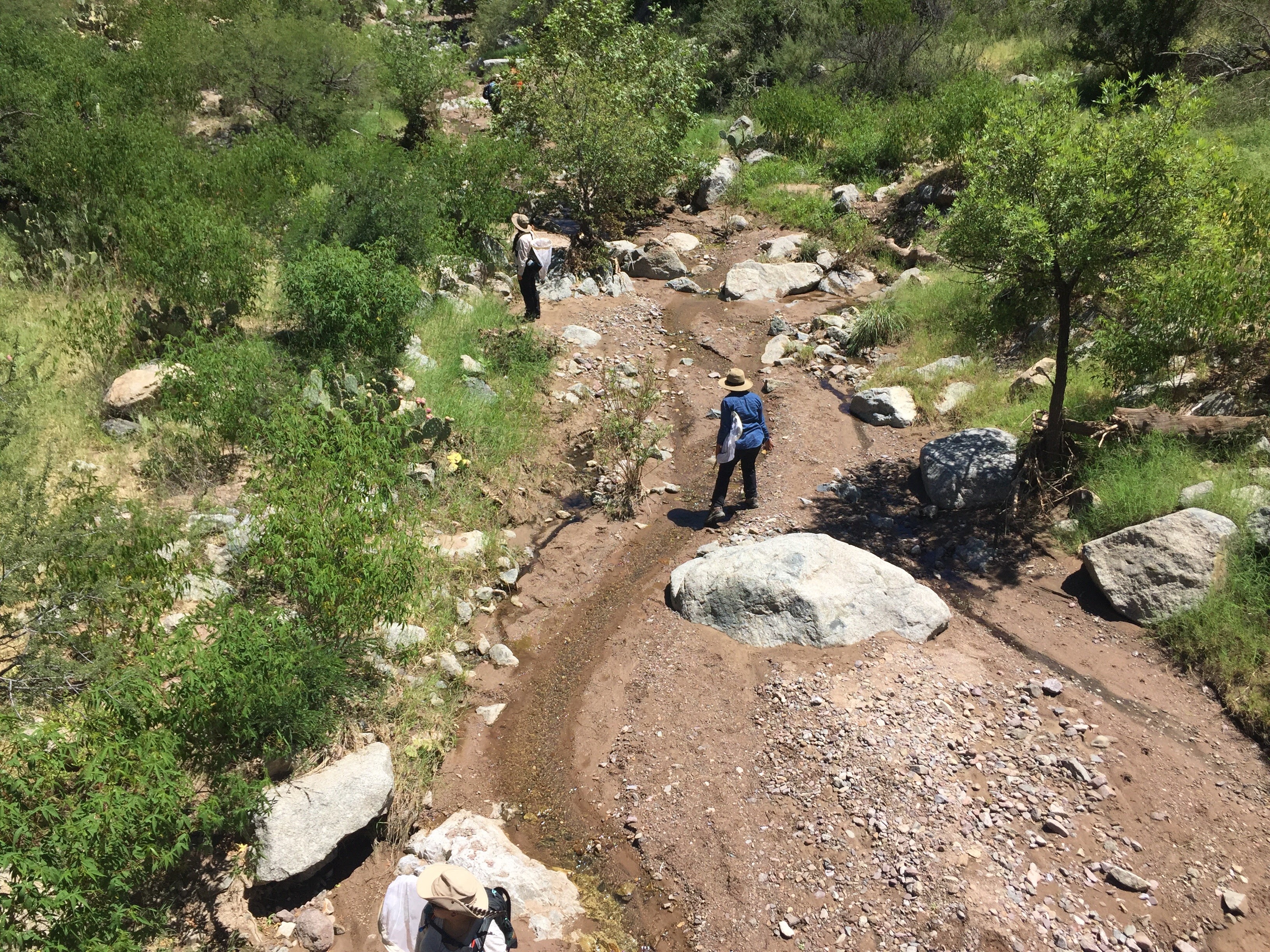
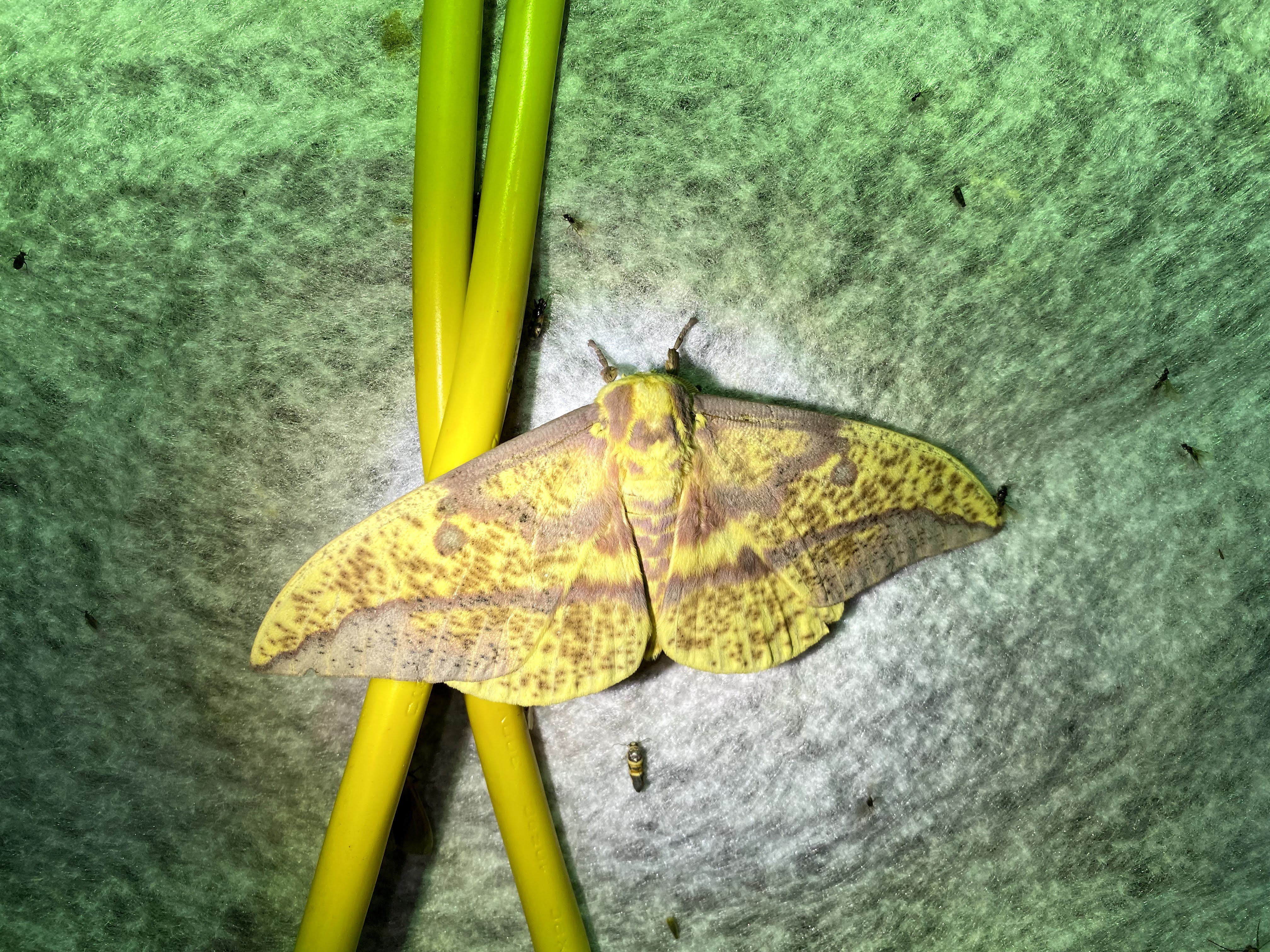
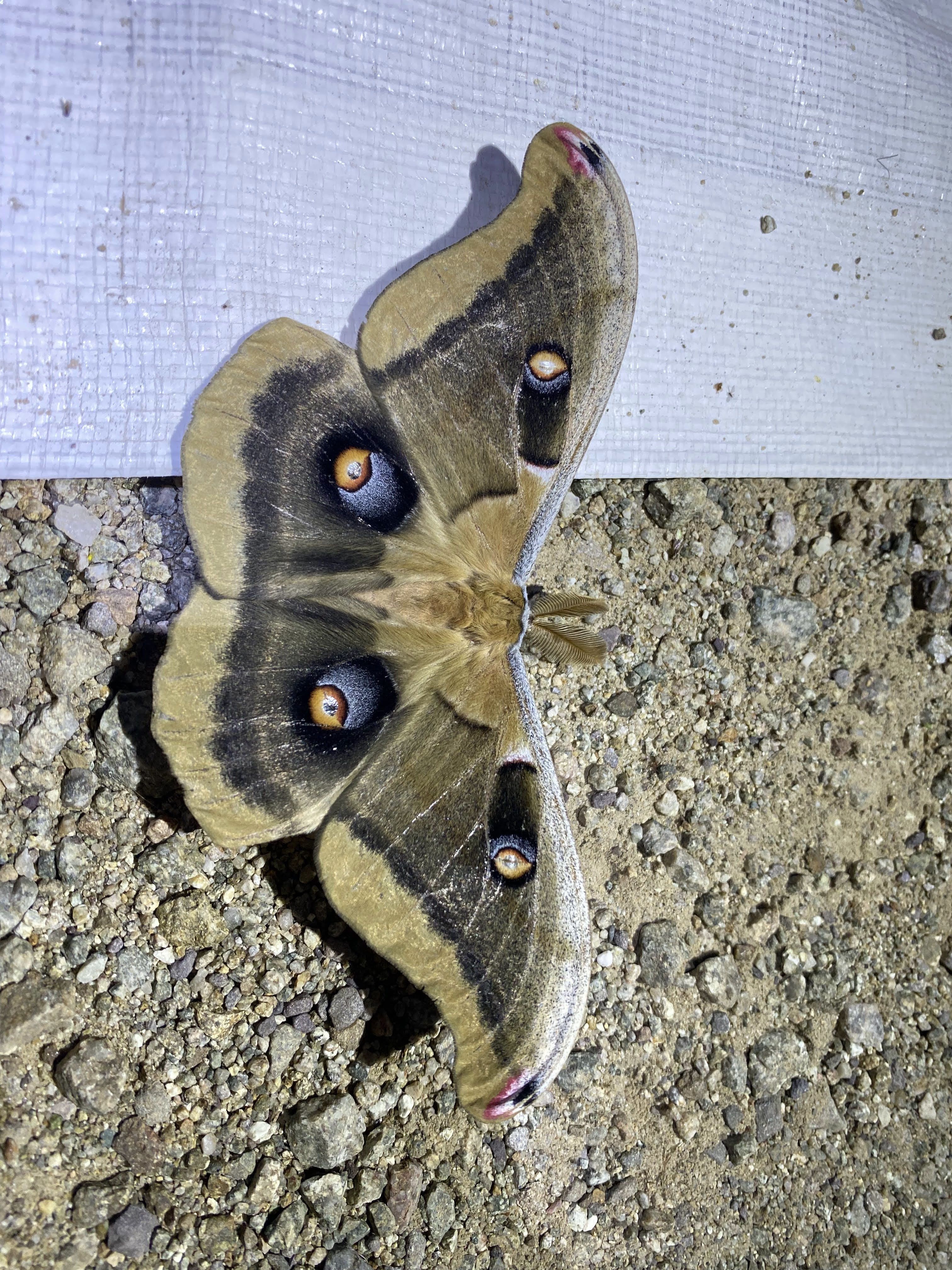
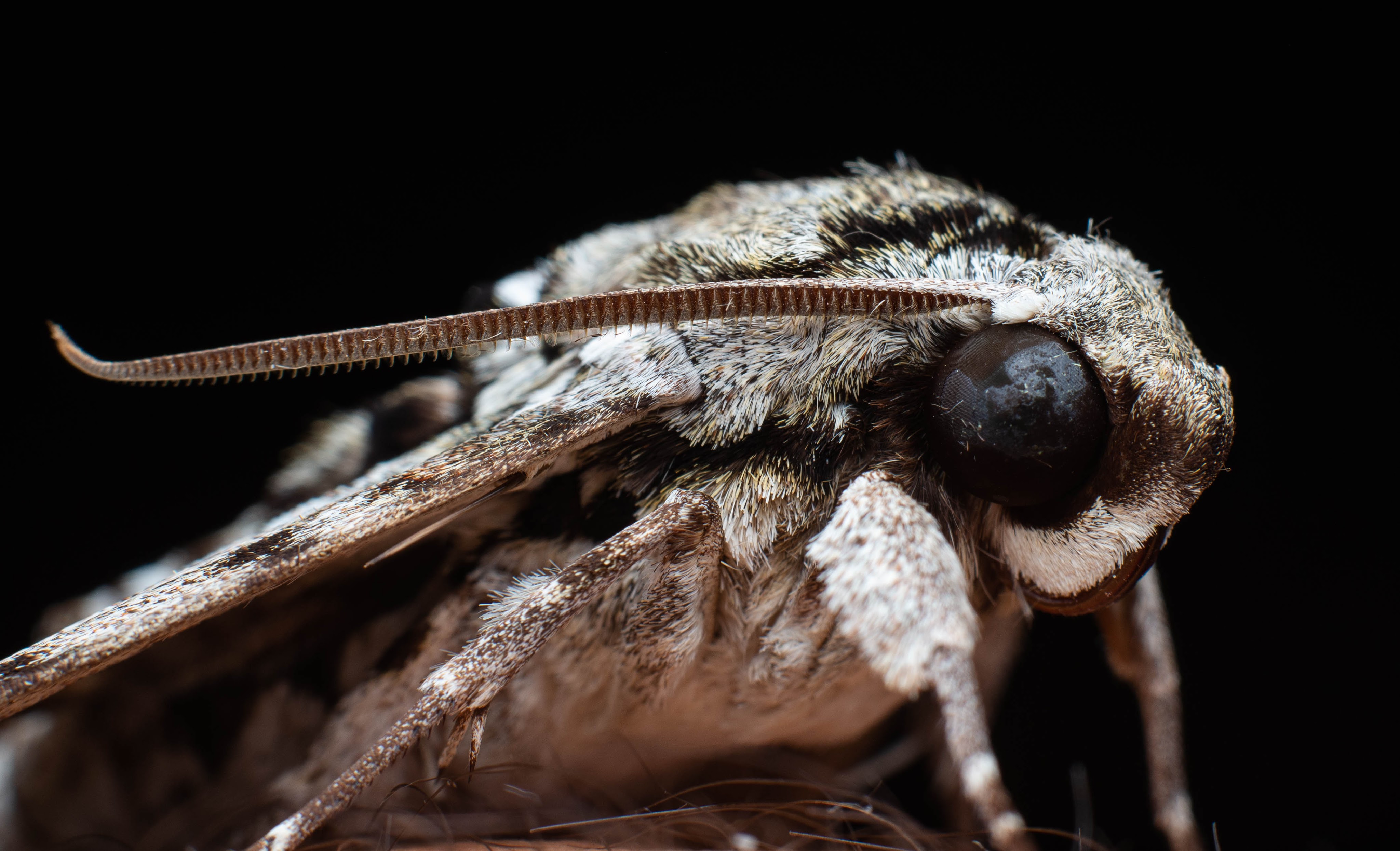
This transitional area is where the highest diversity of insects reside in the canyon. In the riparian area you have the opportunity to find the western Hercules beetle (Dynastes grantii) and the black witch moth (Ascalapha odorata). However, the night collecting is where this canyon really shines. At the blacklight many notable species make their appearances, including the splendid royal moth (Citheronia splendens), ox beetle (Strategus aloeus), western Polyphemus moth (Antheraea oculea), and giant water bug (Lethocerus medius). The night collecting is always a highlight for many entomologists, especially those focused on Lepidoptera and Coleoptera due to the high species diversity present on the light sheet within those two insect orders. Box Canyon is one of the most explored areas of the Santa Rita mountains, but it tends to surprise me to this day when I visit.
The Huachucas
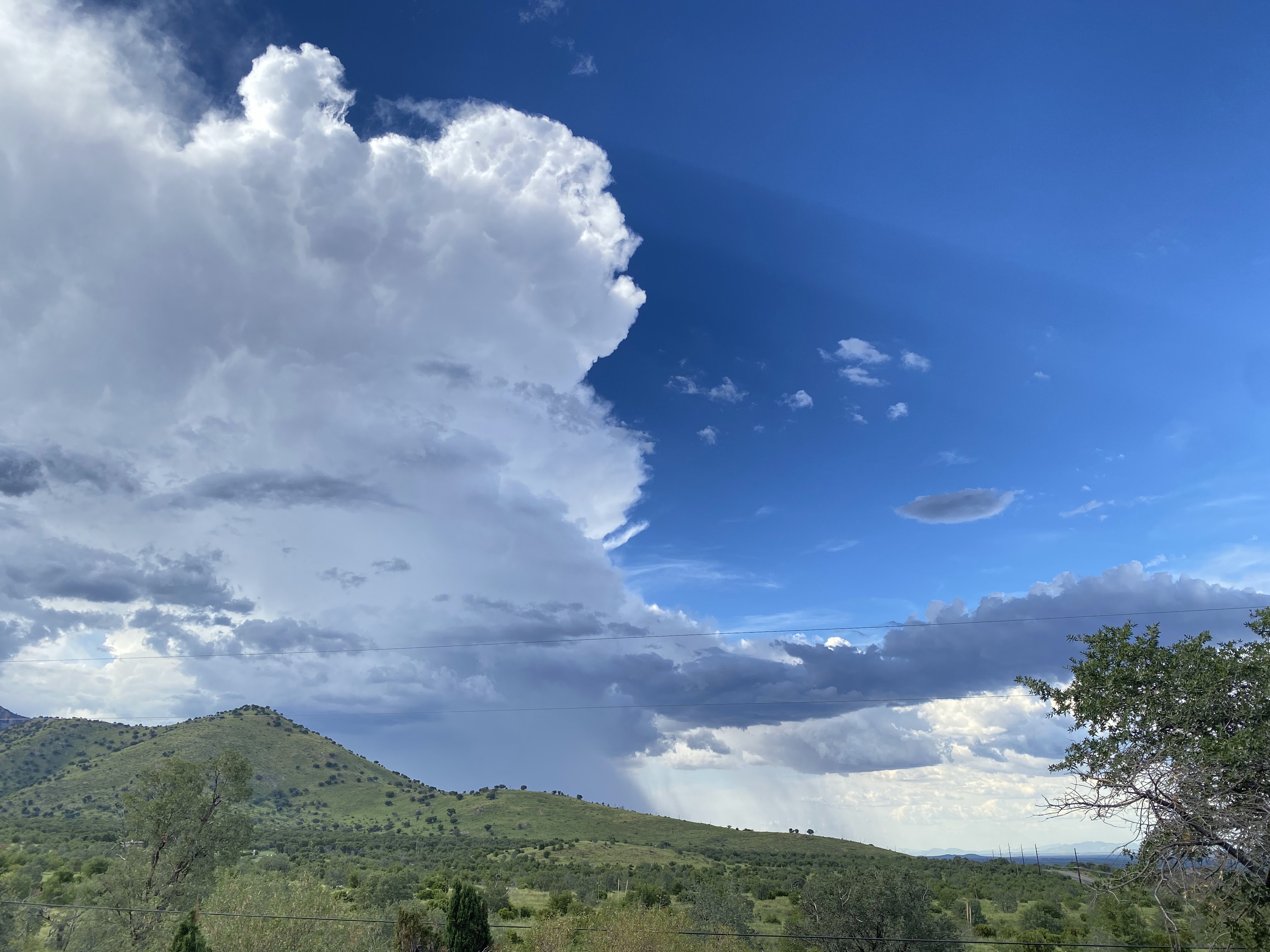
One of the most well known areas of the sky islands for insect collecting and observing, the Huachuca Mountains have a rich history among entomologists and hobbyists as being one of the top places to be during the summer monsoons. The habitats within these mountains don’t vary quite as much but contain much denser forests and more available water, which aids in sustaining the insect populations that reside there. When exploring the canyons up and down both the east and west side of these mountains, you will be met with a variety of locations that are fairly similar but have noticeable differences. The habitat types that are the most prevalent are riparian and oak/juniper woodlands, where the creeks are lined with towering sycamore and cottonwood trees. The only notable exception to this is the southern and southwestern sides of the mountain range, where grasslands and scrub woodlands become more integrated within the oak woodlands along the road connecting both sides of the mountain.
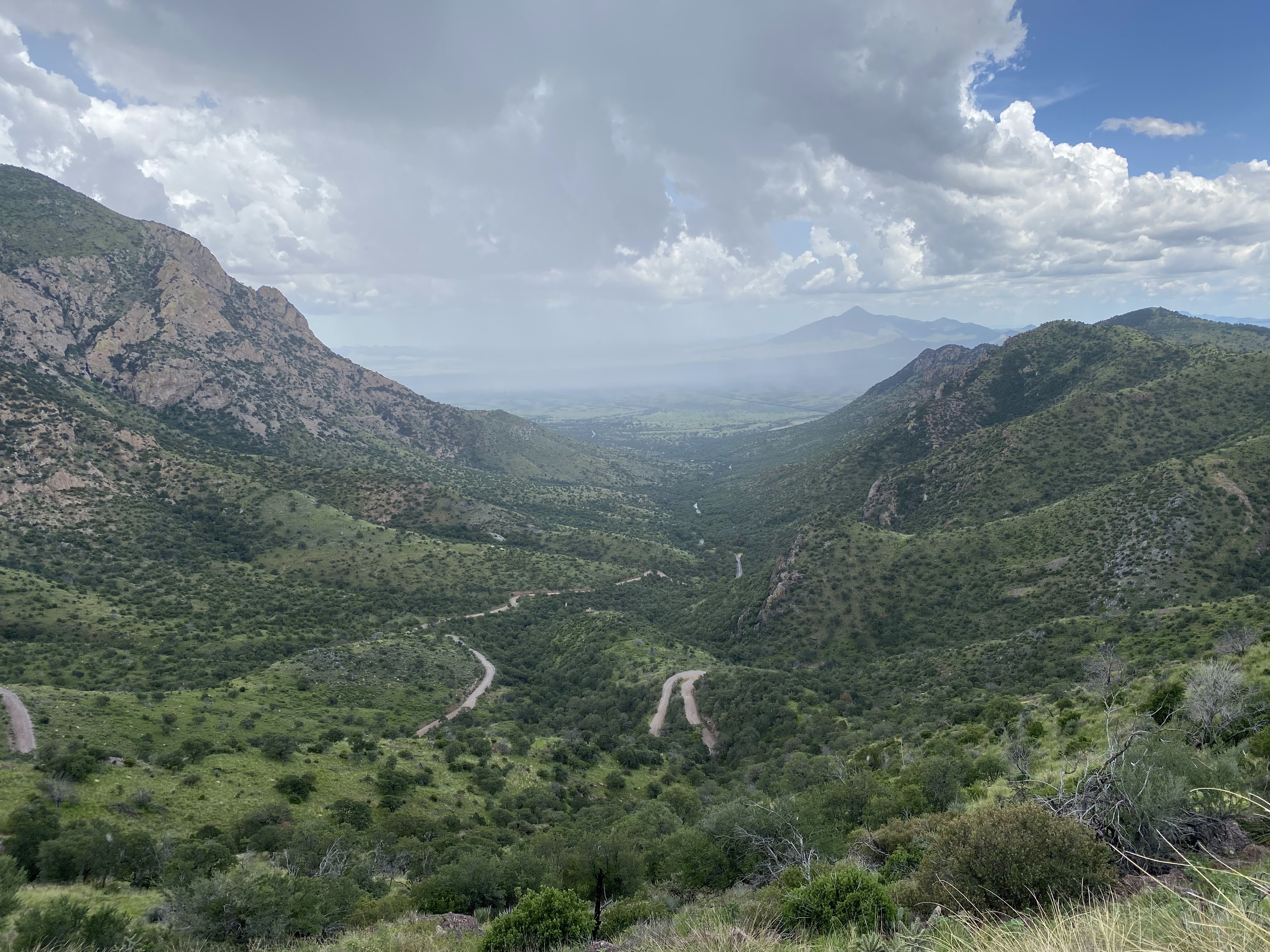
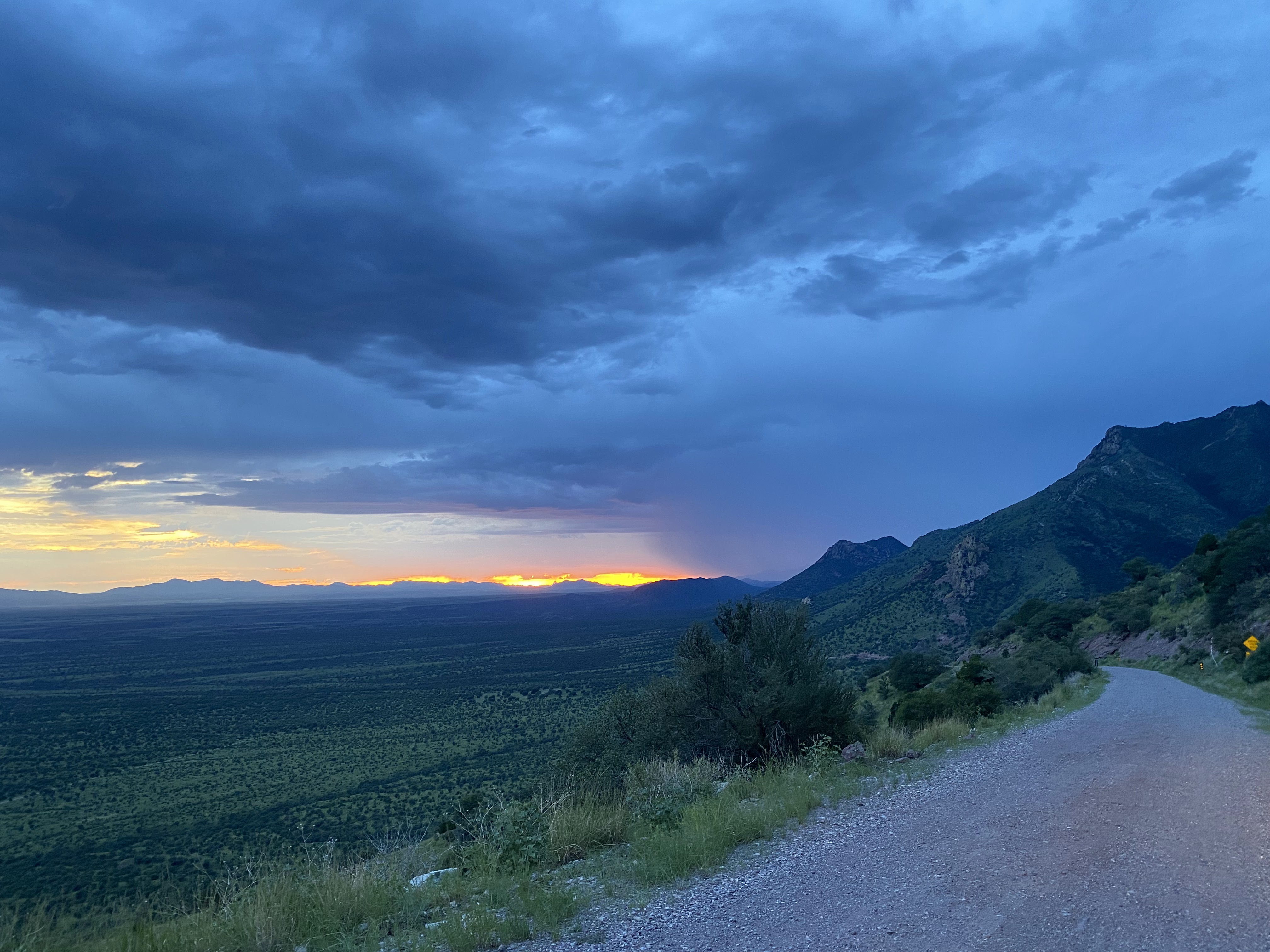
There are numerous canyons and notable areas on the eastern and western sides of the Huachucas, but I will focus on the most popular and well known.
The localities are as follows on the east side of the mountain range:
- Carr Canyon
- Miller Canyon
- Hunter Canyon
The localities are as follows on the west side of the mountain range:
- Copper Canyon
- Ida Canyon
- Parker Canyon Lake and adjacent areas of interest
Carr Canyon
Carr Canyon is another location that has been very thoroughly explored and is unique in its range of elevation to venture through. At the picnic area in the lower canyon the elevation is roughly 5200 ft (1585 m) and the upper canyon, where available campgrounds are located, is around 7200-7400 ft (2195-2255 m). This large range in elevation allows for a broader diversity of insects and other wildlife to be observed. There are also plenty of historically significant landmarks in the canyon, which have information stations that provide more details about the canyon and its former (human) inhabitants.
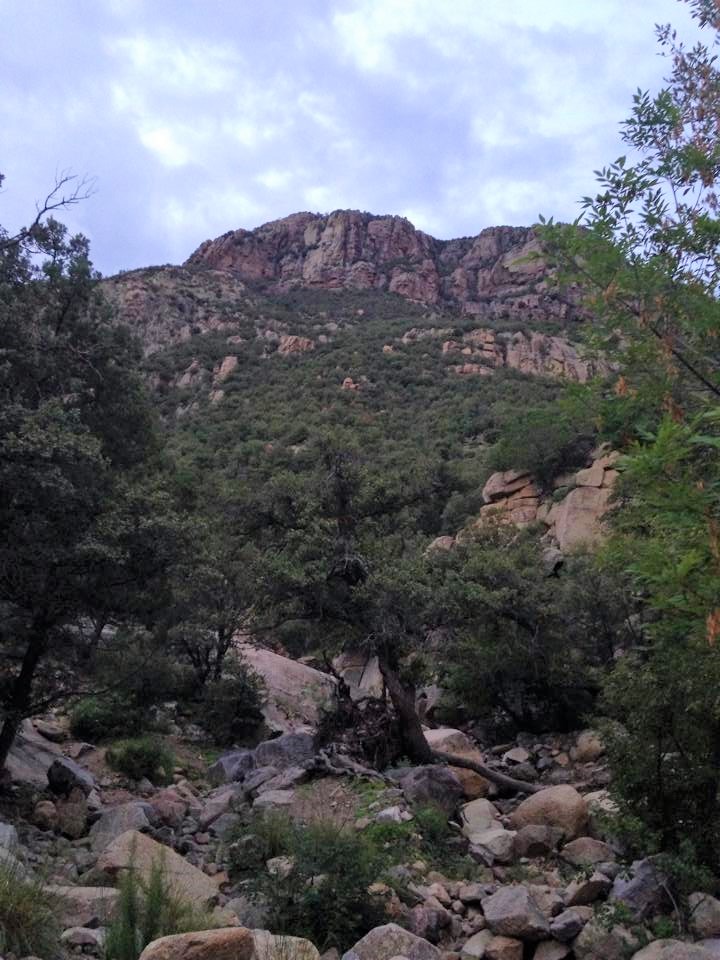
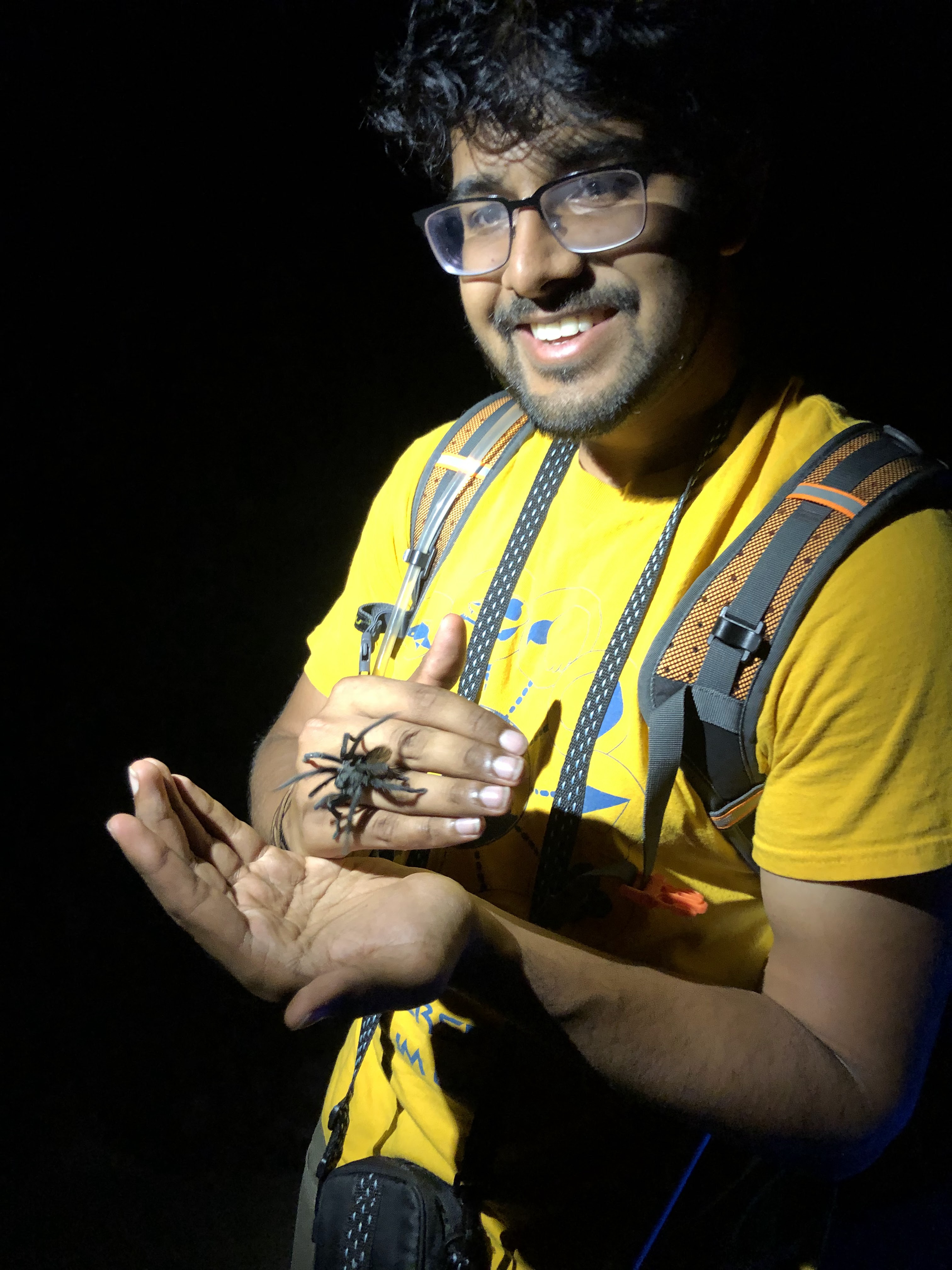
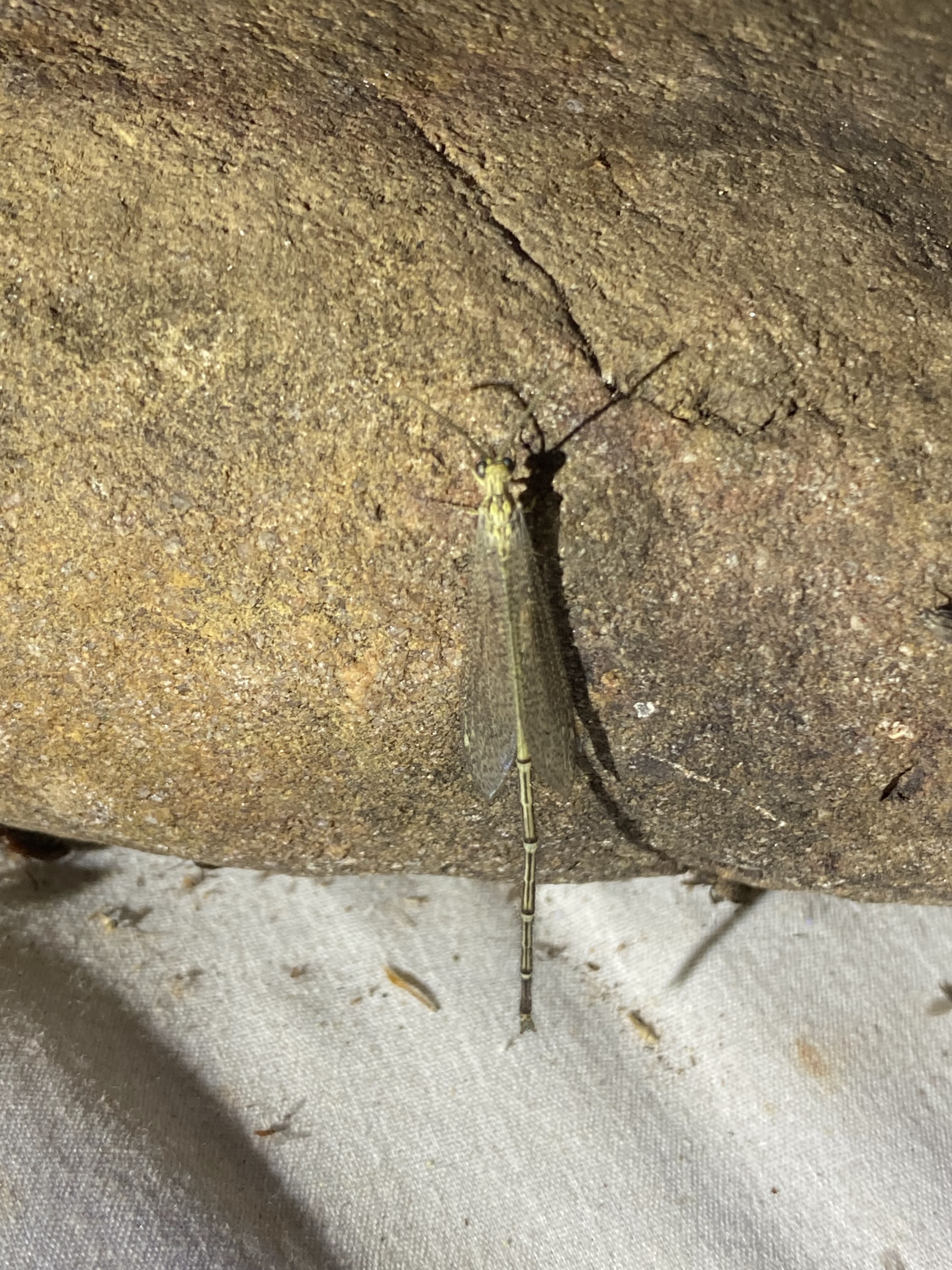
This canyon is similar to the other canyons on the list, but I have unfortunately not spent too much time here in recent years. The last time I was in Carr Canyon was 2014, but visited the canyon for a blacklighting event with the Lepidopterists Society last year (2025). This area has plenty of the more well known diurnal insect species like the blue pleasing fungus beetle (Cypherotylus californicus), two-tailed and black swallowtails (Papilio multicaudata & polyxenes), western cicada killer wasp (Sphecius grandis), and western horse lubber grasshopper (Taeniopoda eques). At night one could expect to see other wandering invertebrates like the Arizona blonde tarantula (Aphonopelma chalcodes), giant desert centipede (Scolopendra heros), and desert millipede (Orthoporus ornatus). If a UV/MV light is set up, you can expect to see plenty of the usual suspects like the western polyphemus moth (Antheraea oculea), splendid royal moth (Citheronia splendens), Oslar’s imperial moth (Eacles oslari), black witch moth (Ascalapha odorata), Beyer’s Jewel scarab (Chrysina beyeri), glorious jewel scarab (Chrysina gloriosa), and giant antlion (Vella fallax).
Miller Canyon
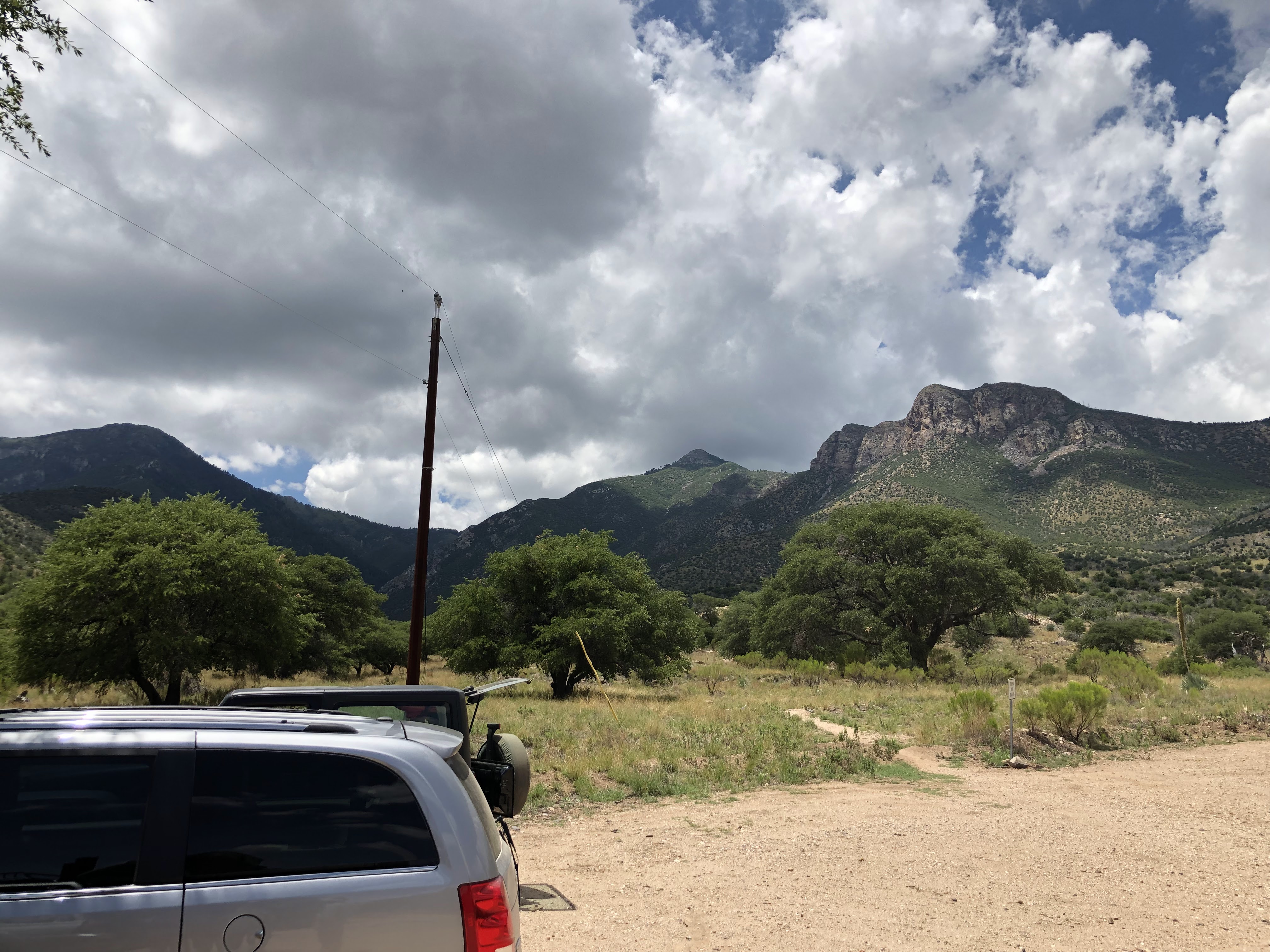
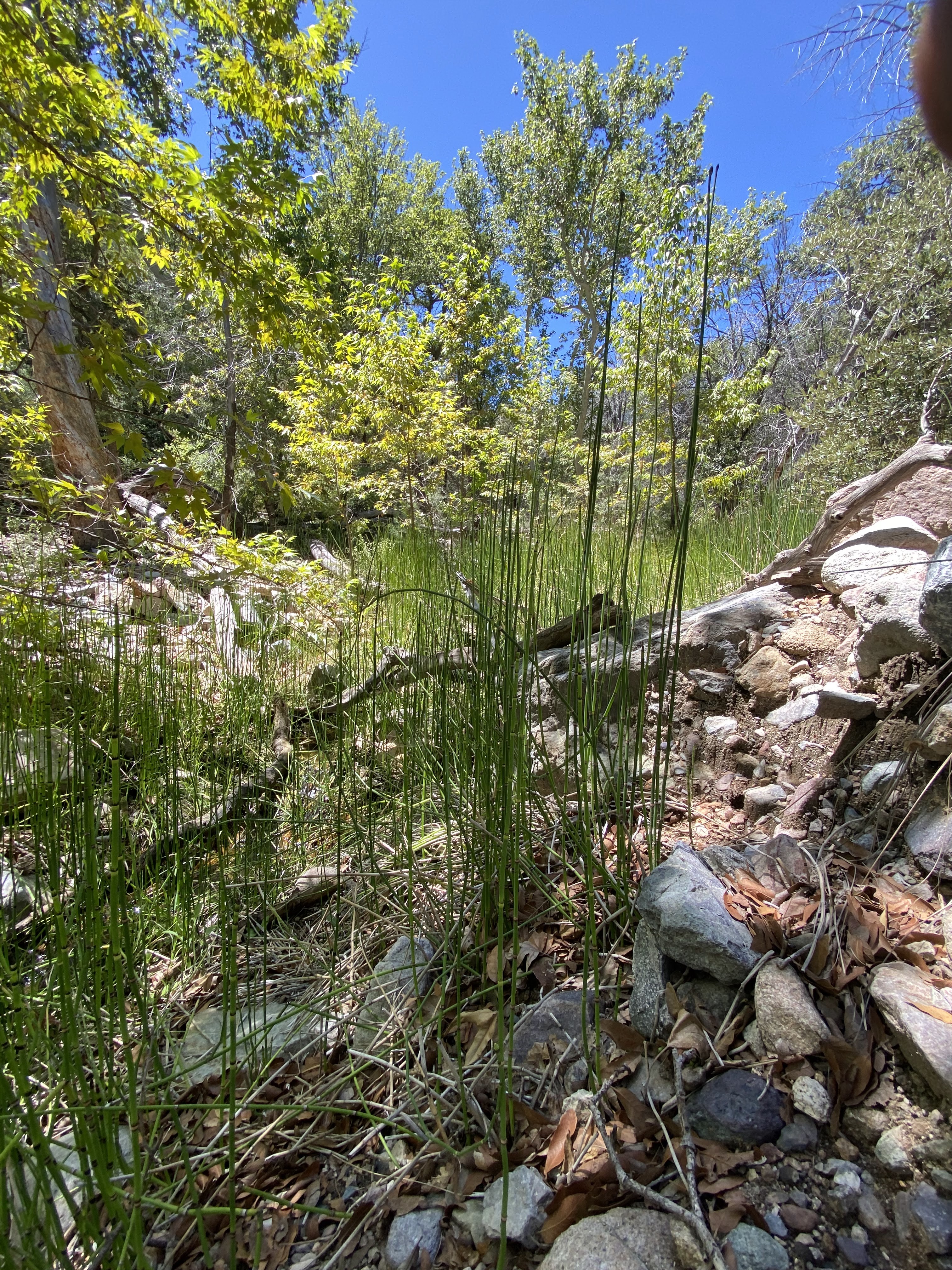
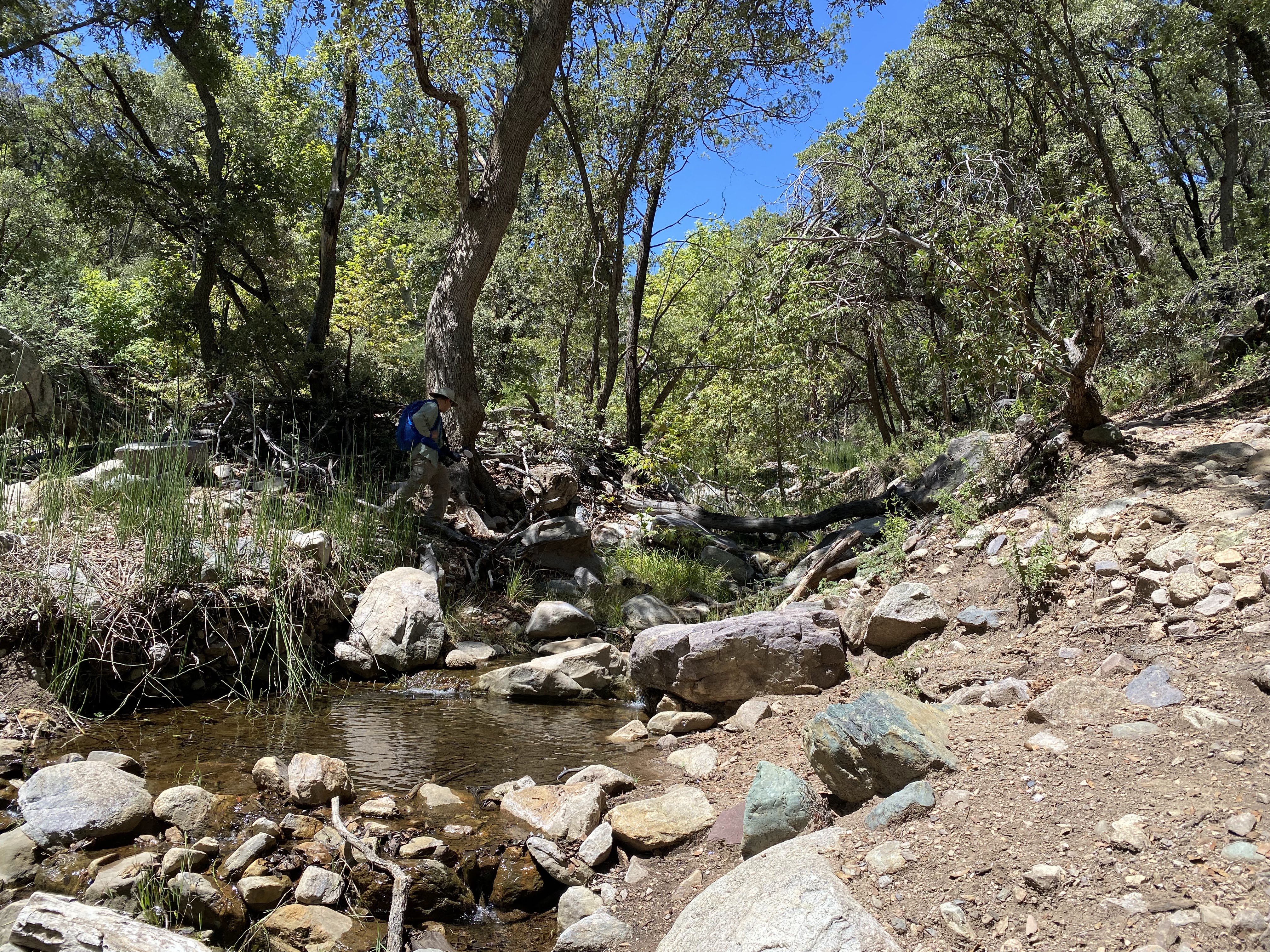
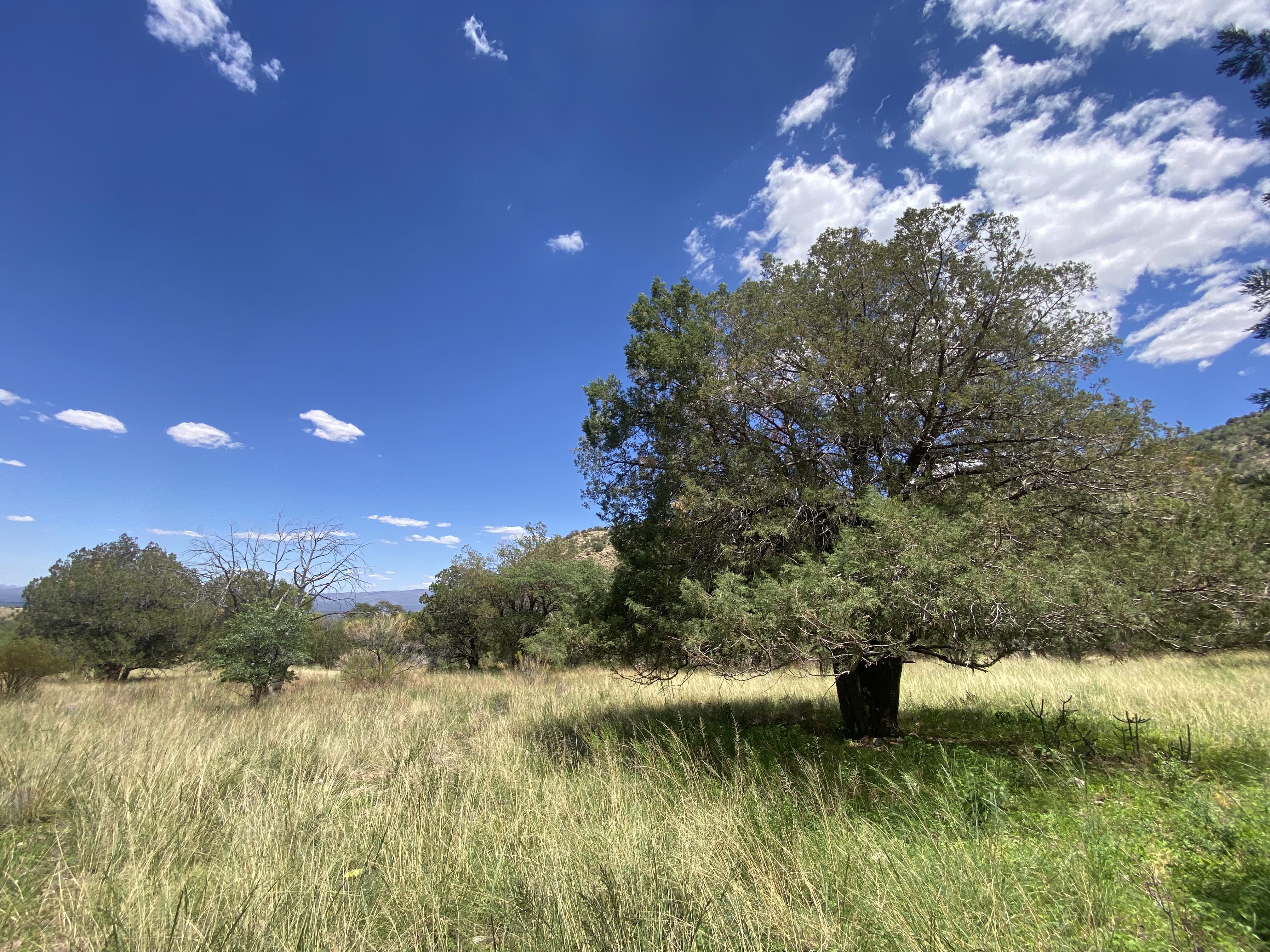
One of if not the most well known places in SE Arizona for entomologists and hobbyists, Miller Canyon provides a wide range of habitats types and is home to a plethora of iconic insect species. There are a number of insect species that have had their type specimens collected and described in this locality. The canyon goes from a mixed acacia and Emory oak scrub woodland to a mixed juniper-oak woodland, eventually ending in an dense oak and sycamore dominated forest. A small creek flows along the center of the canyon and fluctuates with the monsoon rains. Along this creek are towering sycamores and cottonwood trees, and in the later part of the monsoons, large thickets of mule fat (Baccharis salicifolia) occupy notable sections along the creek. This locality is productive both during the day and at night throughout the summer monsoon season, and is a must visit when exploring SE Arizona.
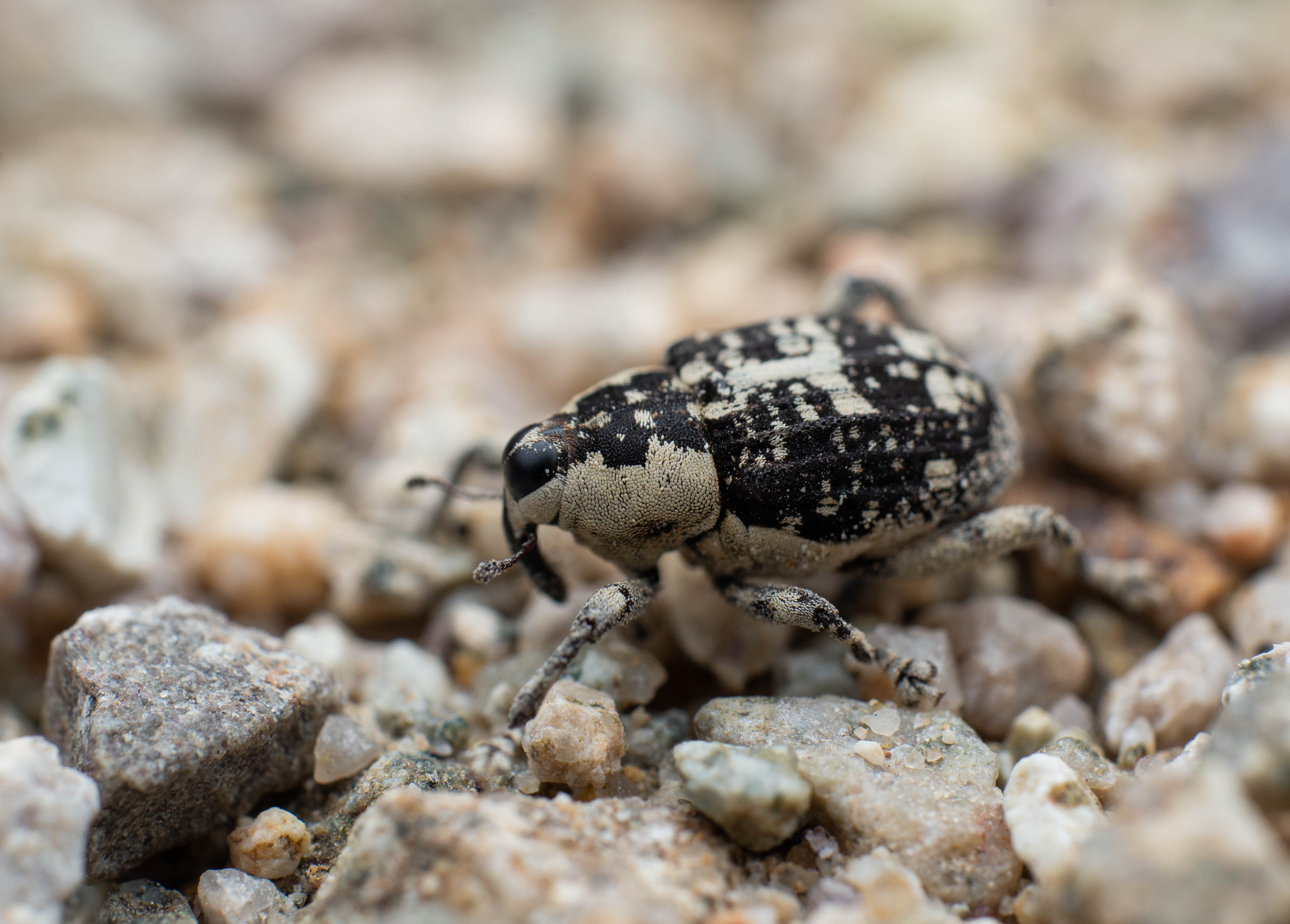
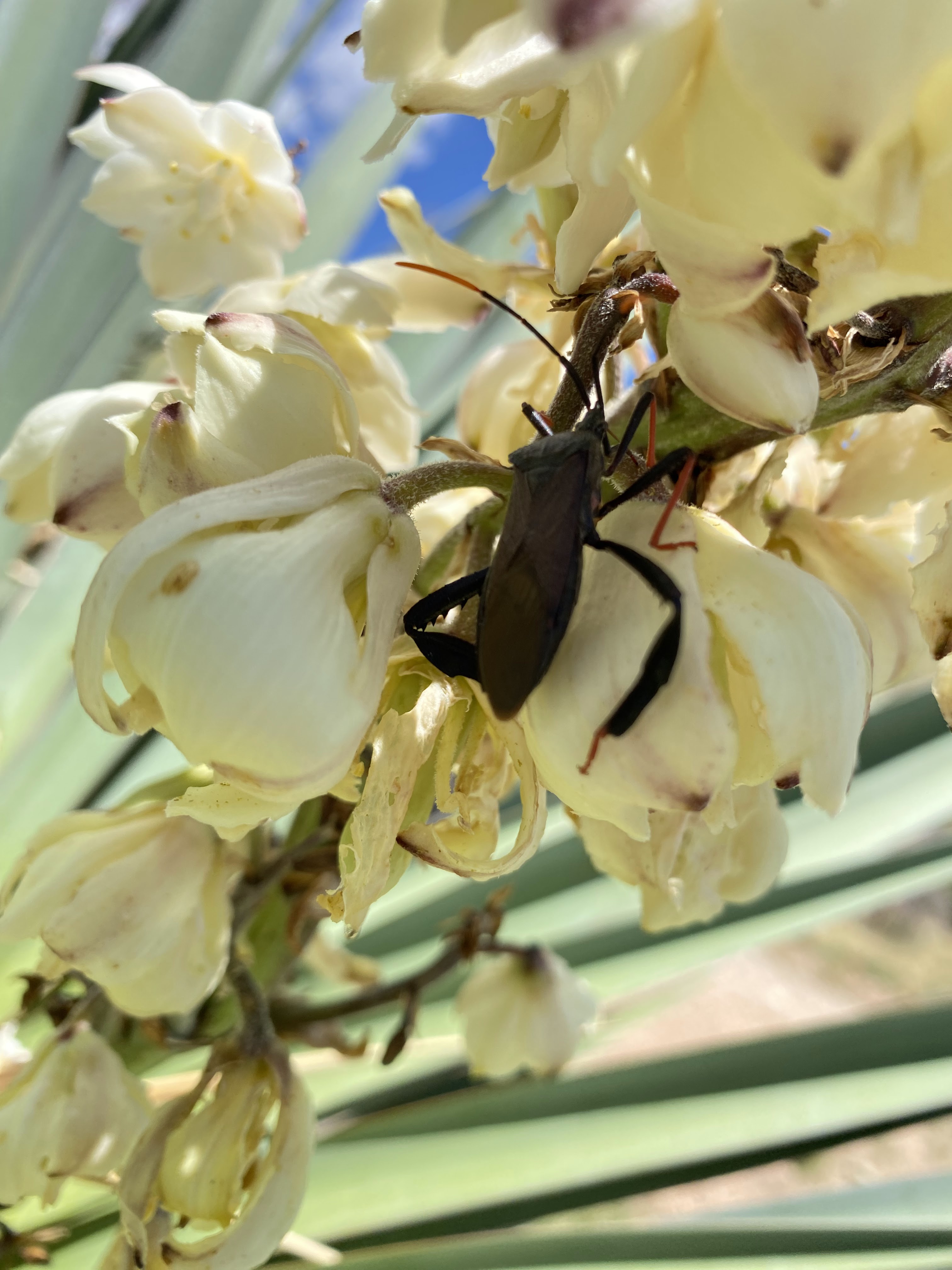
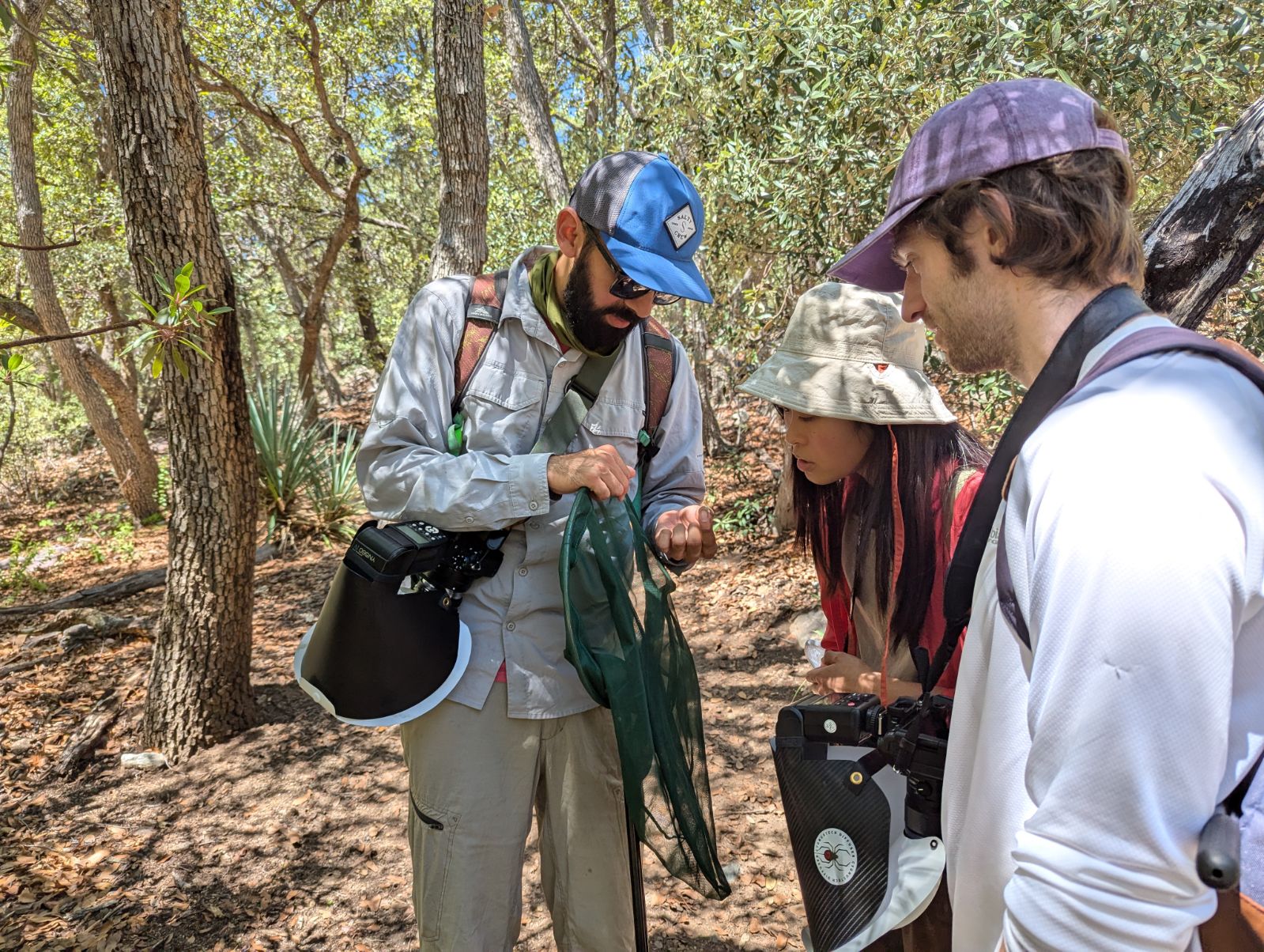
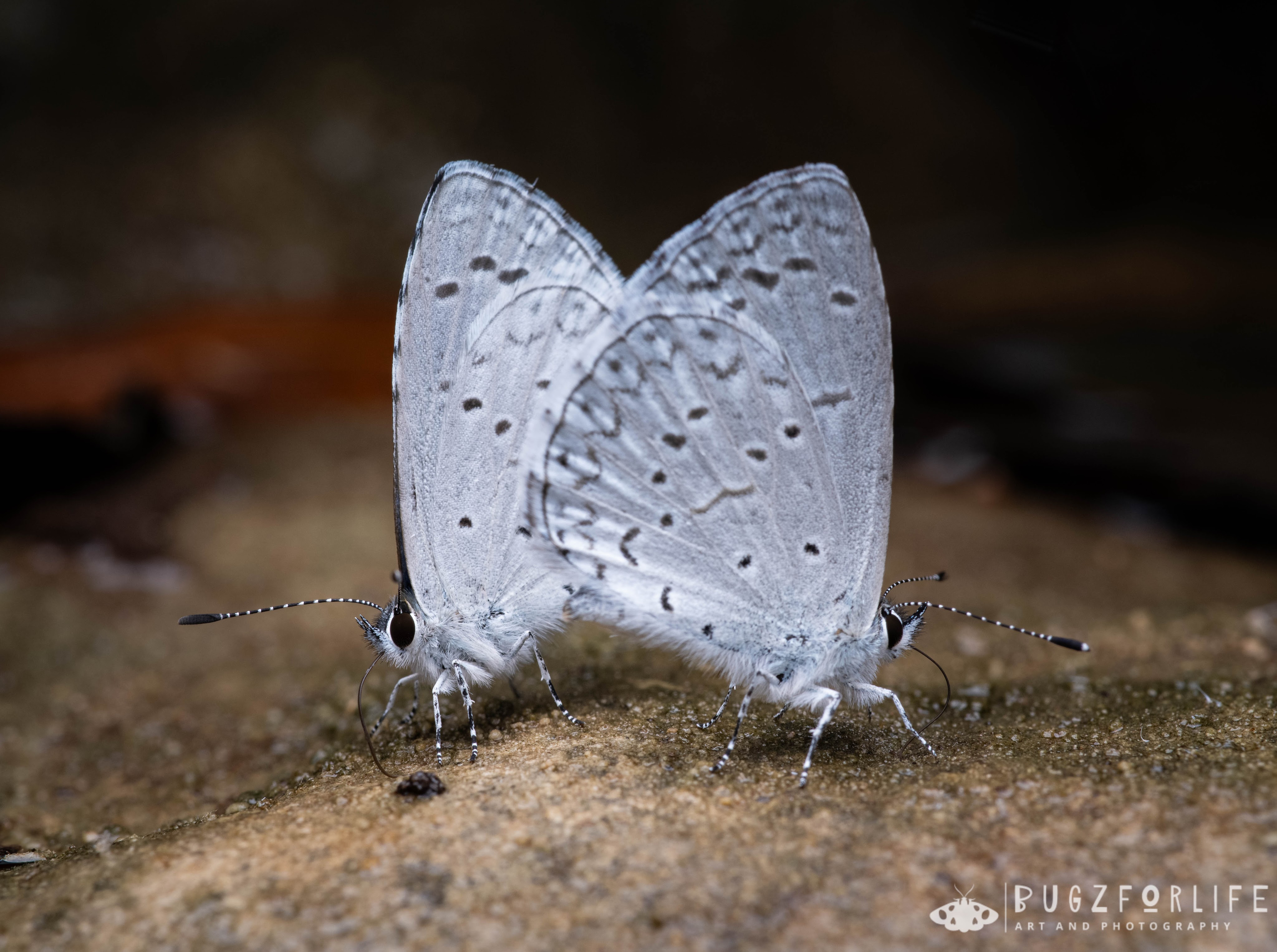
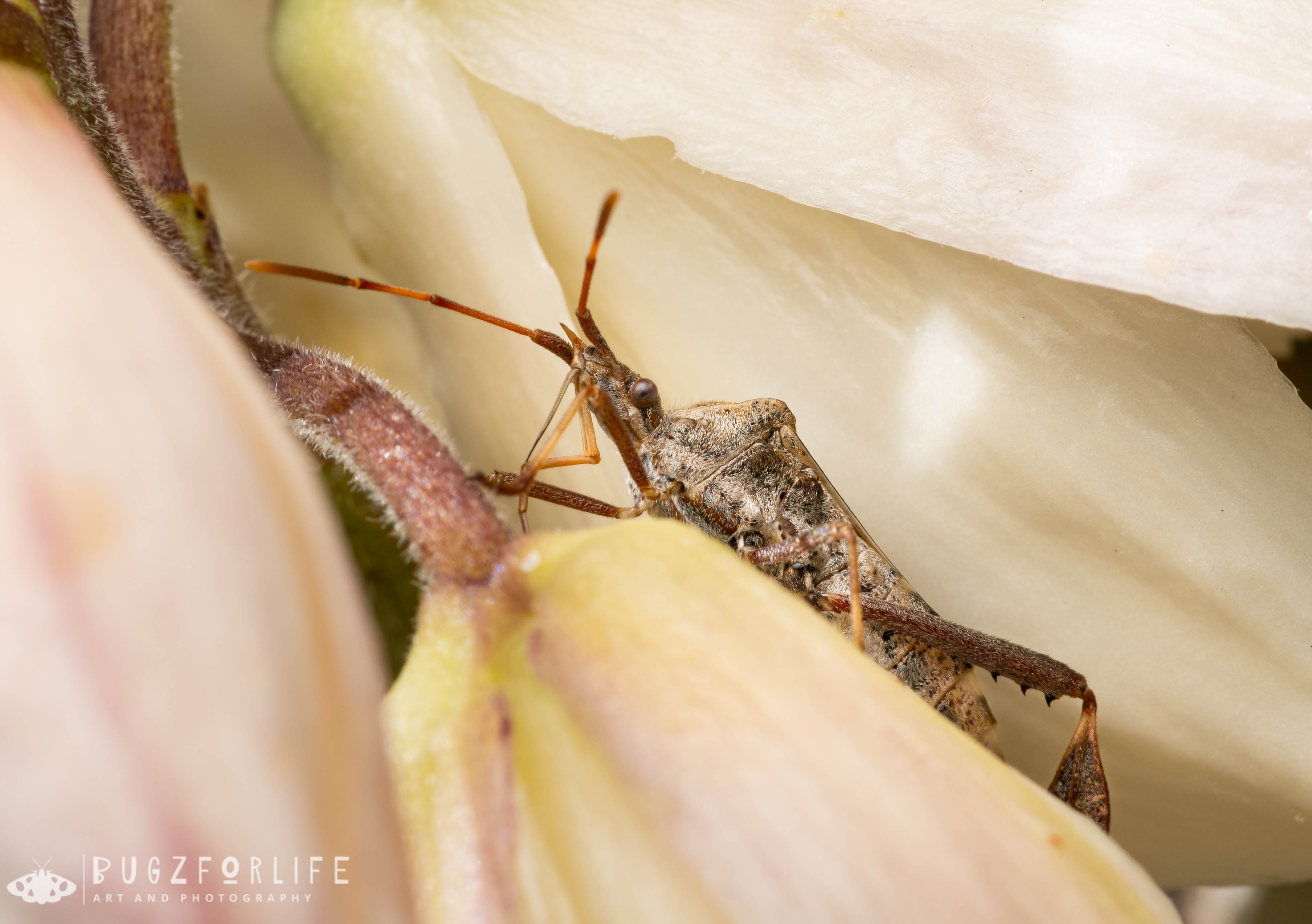
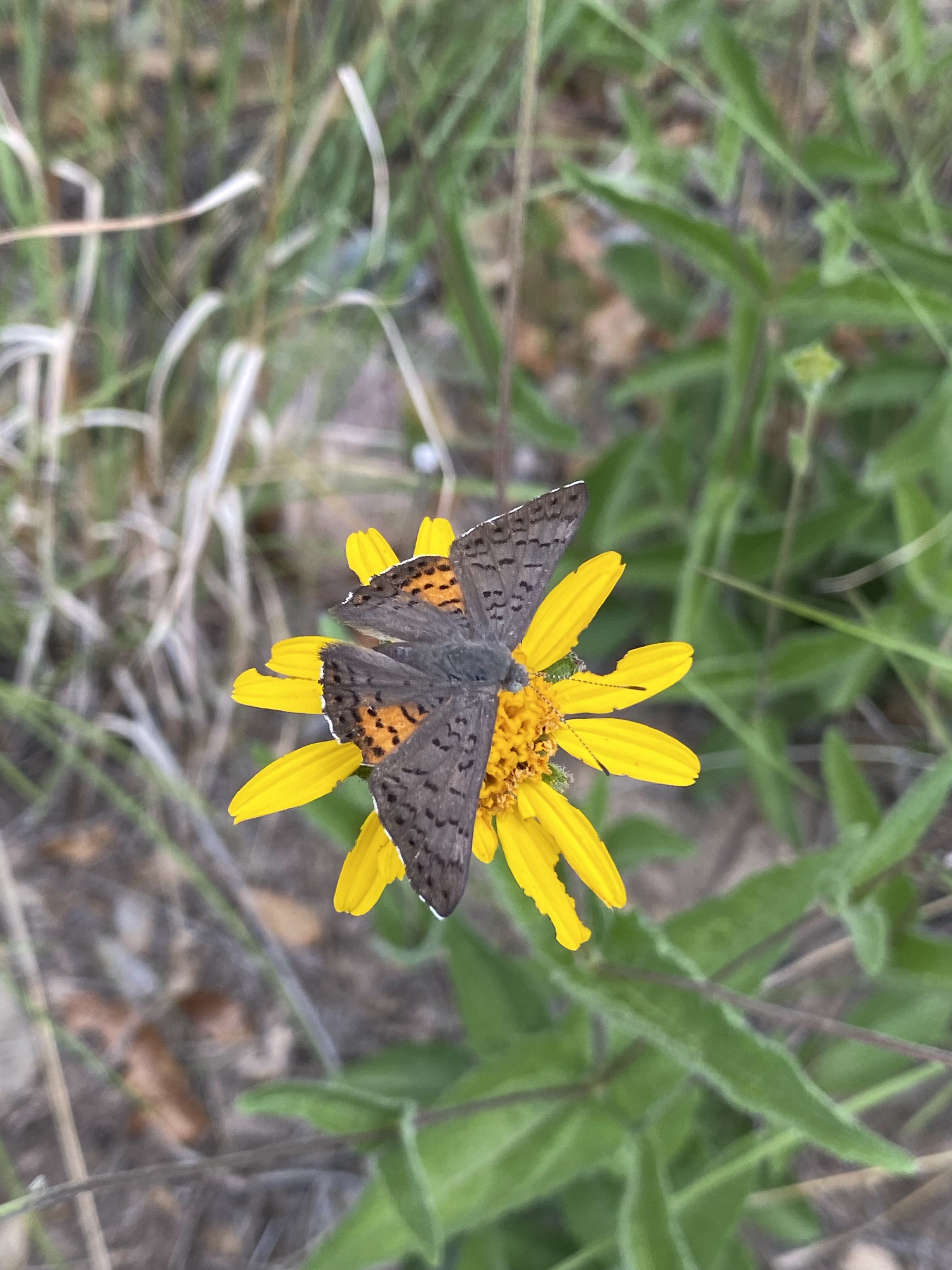
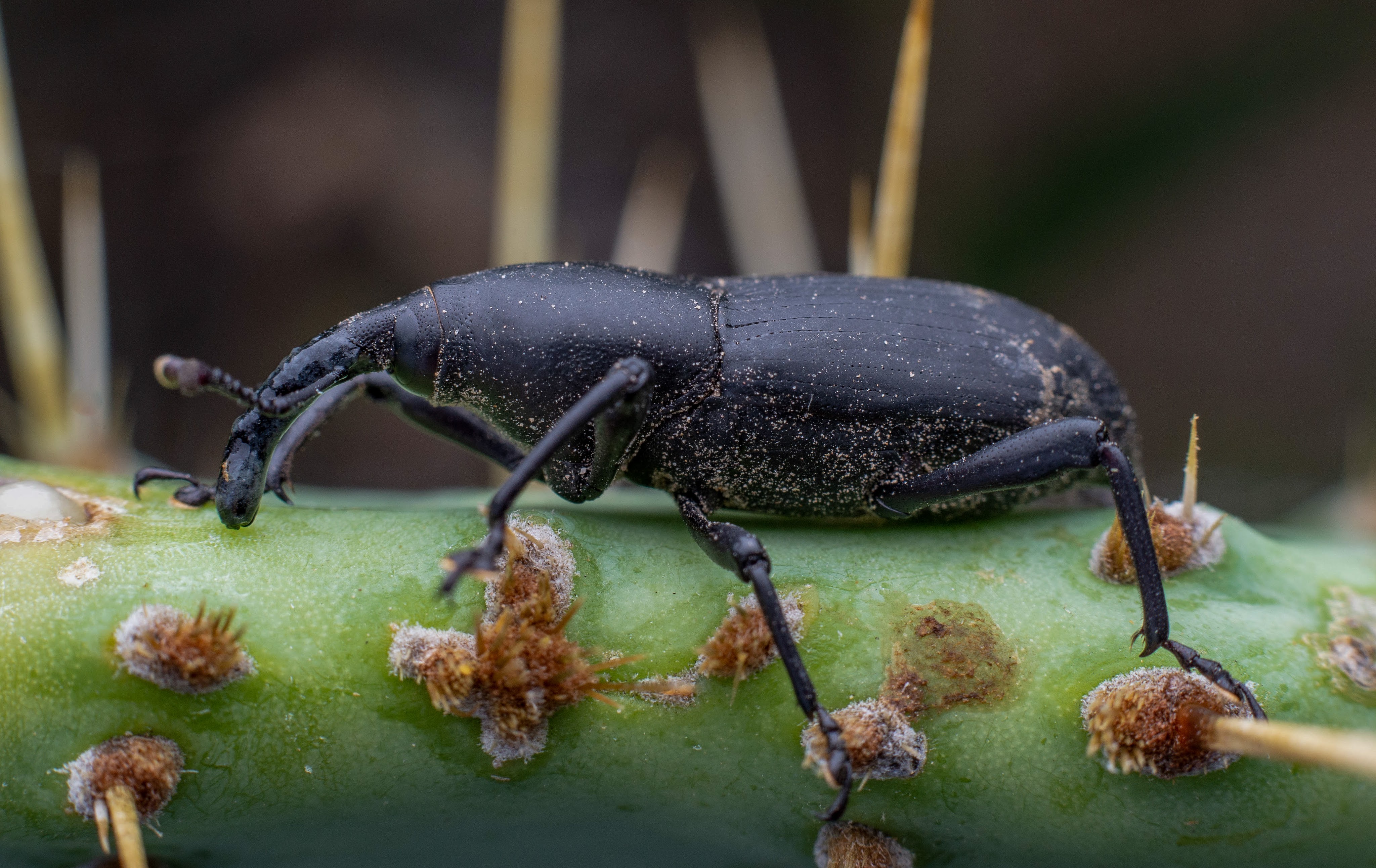
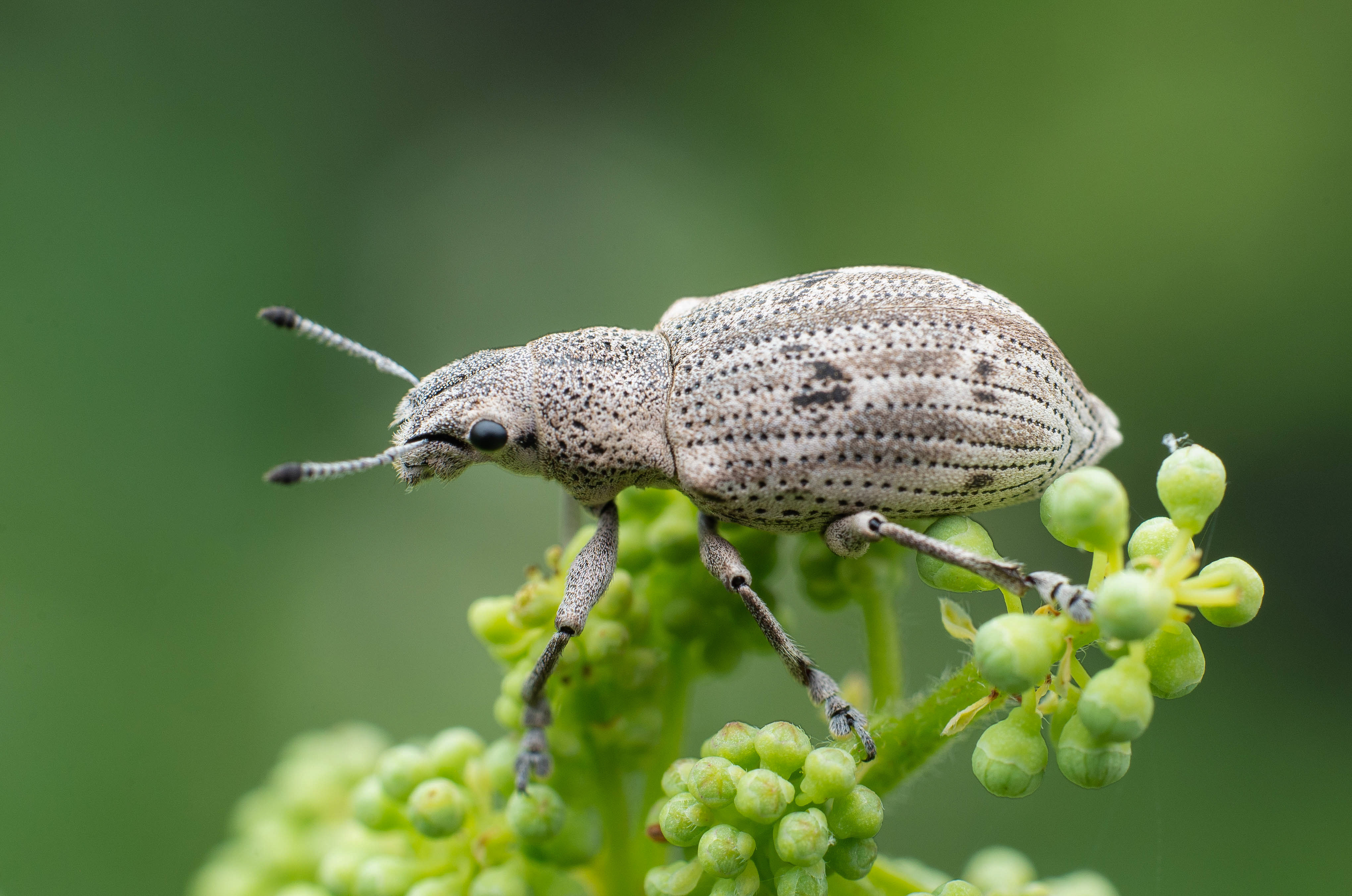
When exploring during the day, one can expect to see plenty of species both common and uncommon. These include the two-tailed swallowtail (Papilio multicaudata), blue pleasing fungus beetle (Cypherotylus californicus), hackberry emperor butterfly (Asterocampa celtis), panther spotted grasshopper (Poecilotettix pantherinus), large robber flies (Promachus & Diogmites sp.), zela metalmark butterfly (Apodemia zela), cactus weevil (Cactophagus spinolae), echo azure butterfly (Celastrina echo), southwestern eyed click beetle (Alaus zunianus), and red and black soldier beetle (Chauliognathus lecontei). One can also expect plenty of flowering shrubs and wildflowers lining the road up to the top parking lot of the canyon, but be sure to look on the desert broom and cat claw acacia for other notable species such as tarantula hawk wasps (Pepsis sp.), green fig eater beetle (Cotinis mutabilis), Mexican yellows (Eurema mexicana), Wood boring beetles (Hippomelas sp.), green flower chafer (Euphoria monticola), and plenty of flies, bees, and leaf footed bugs (Coreidae).
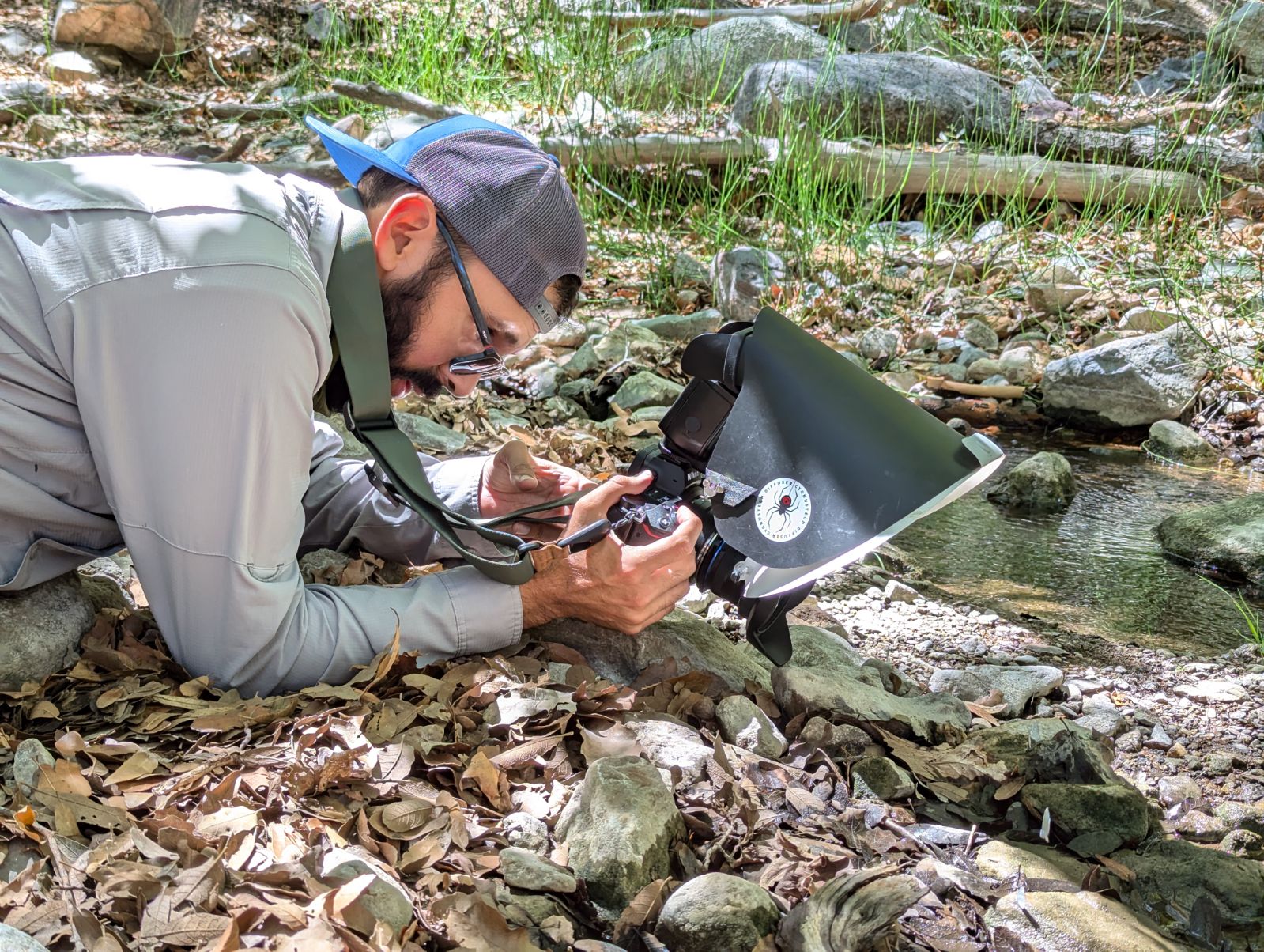
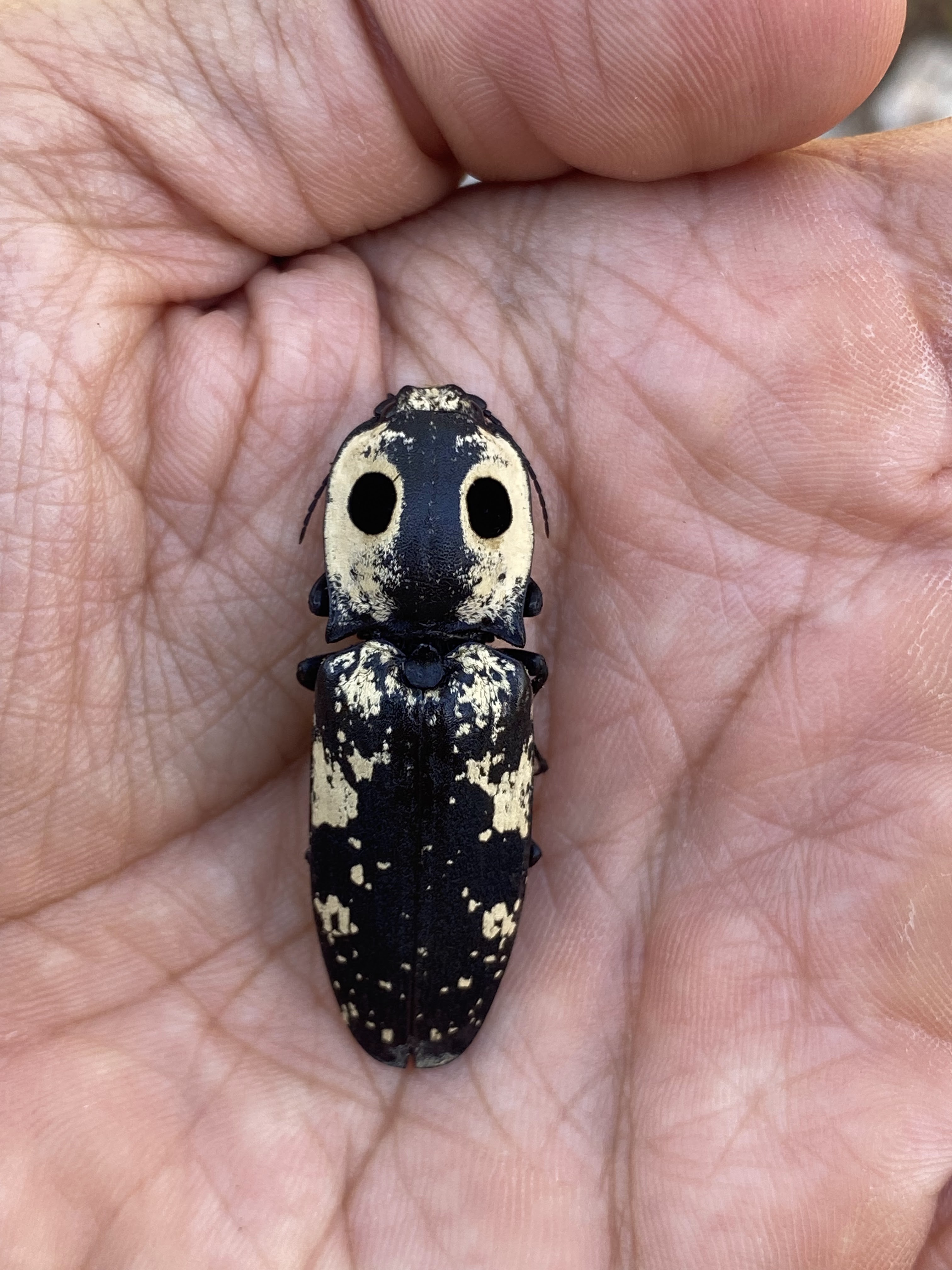
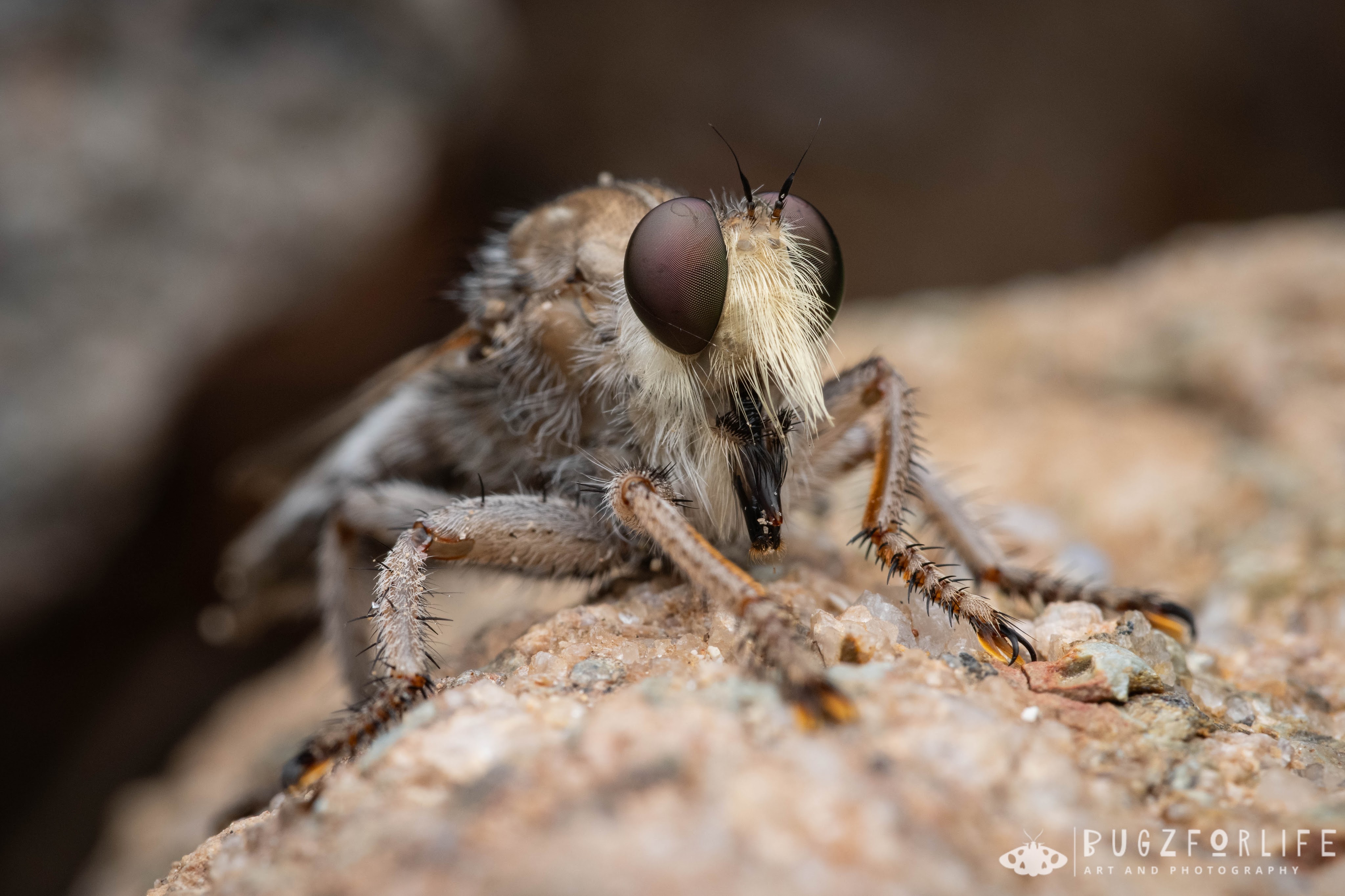
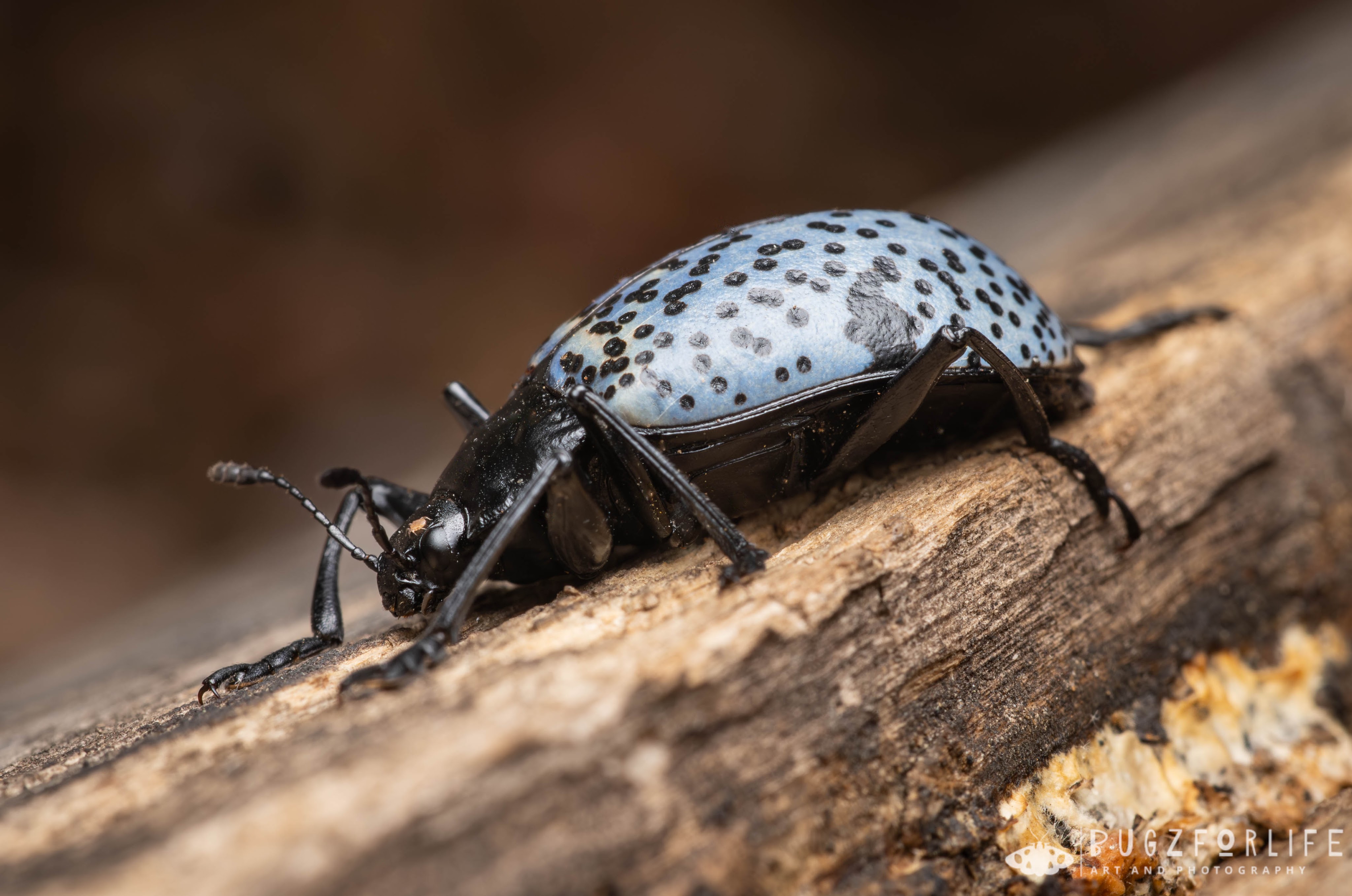
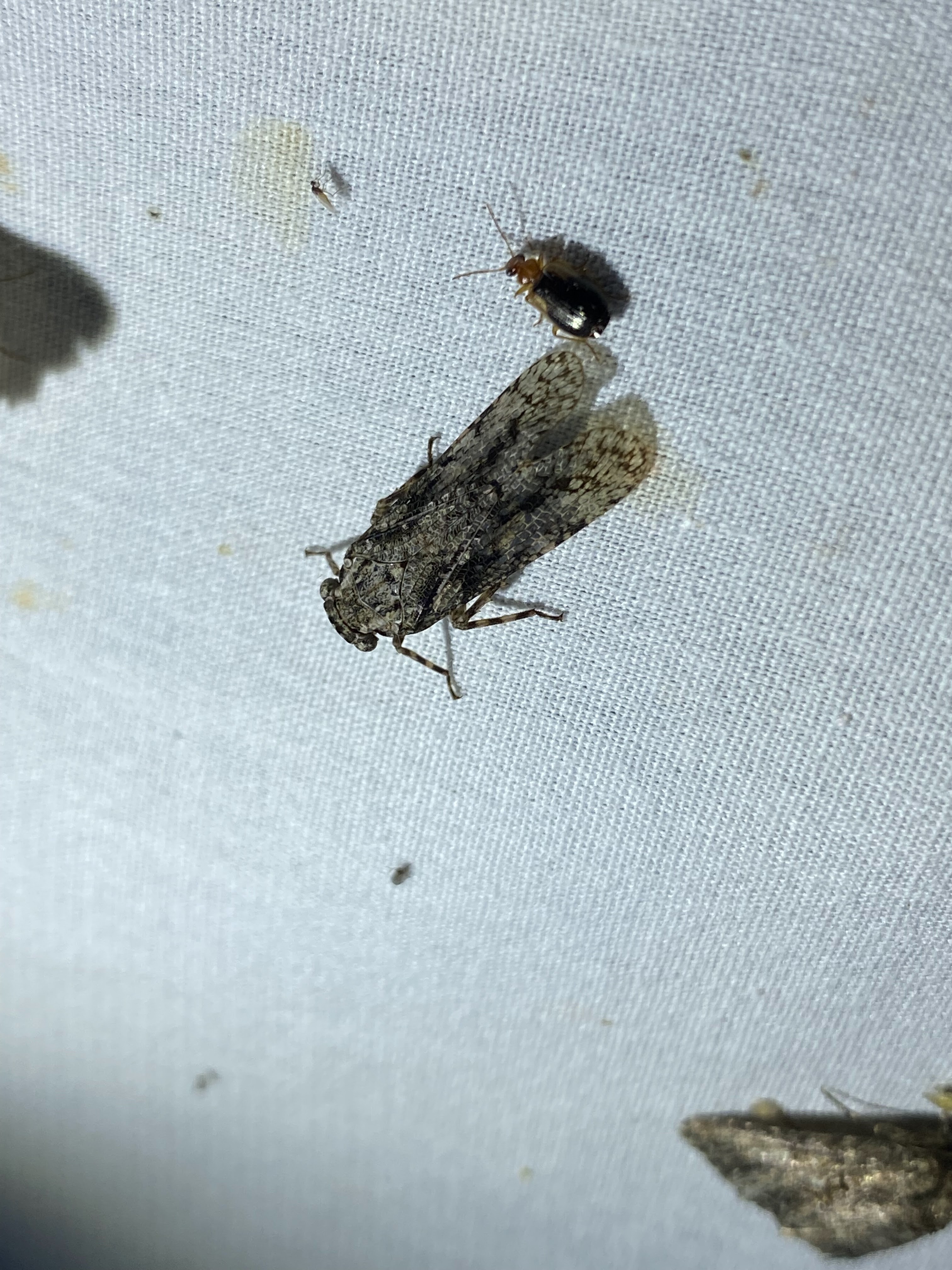
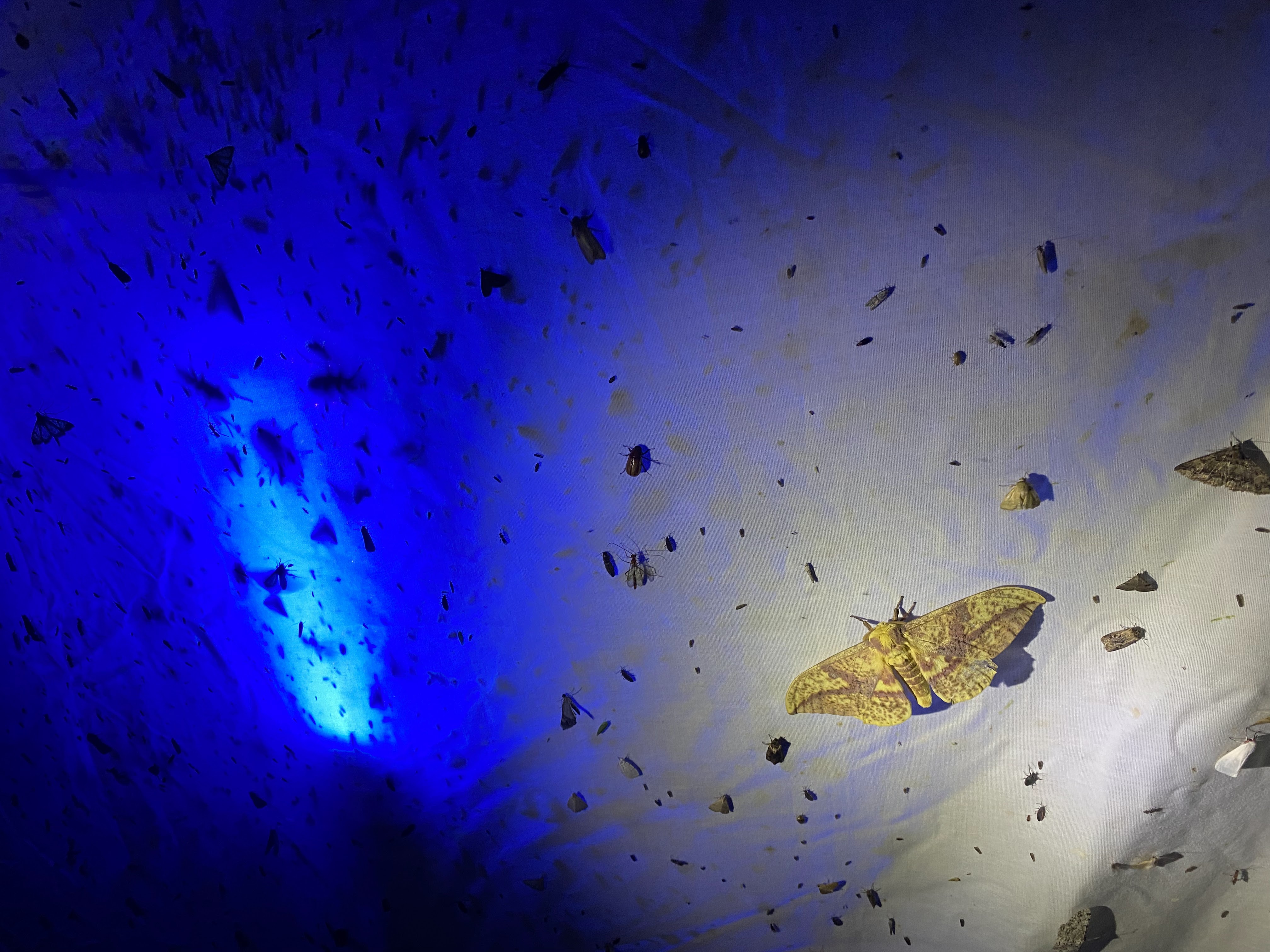
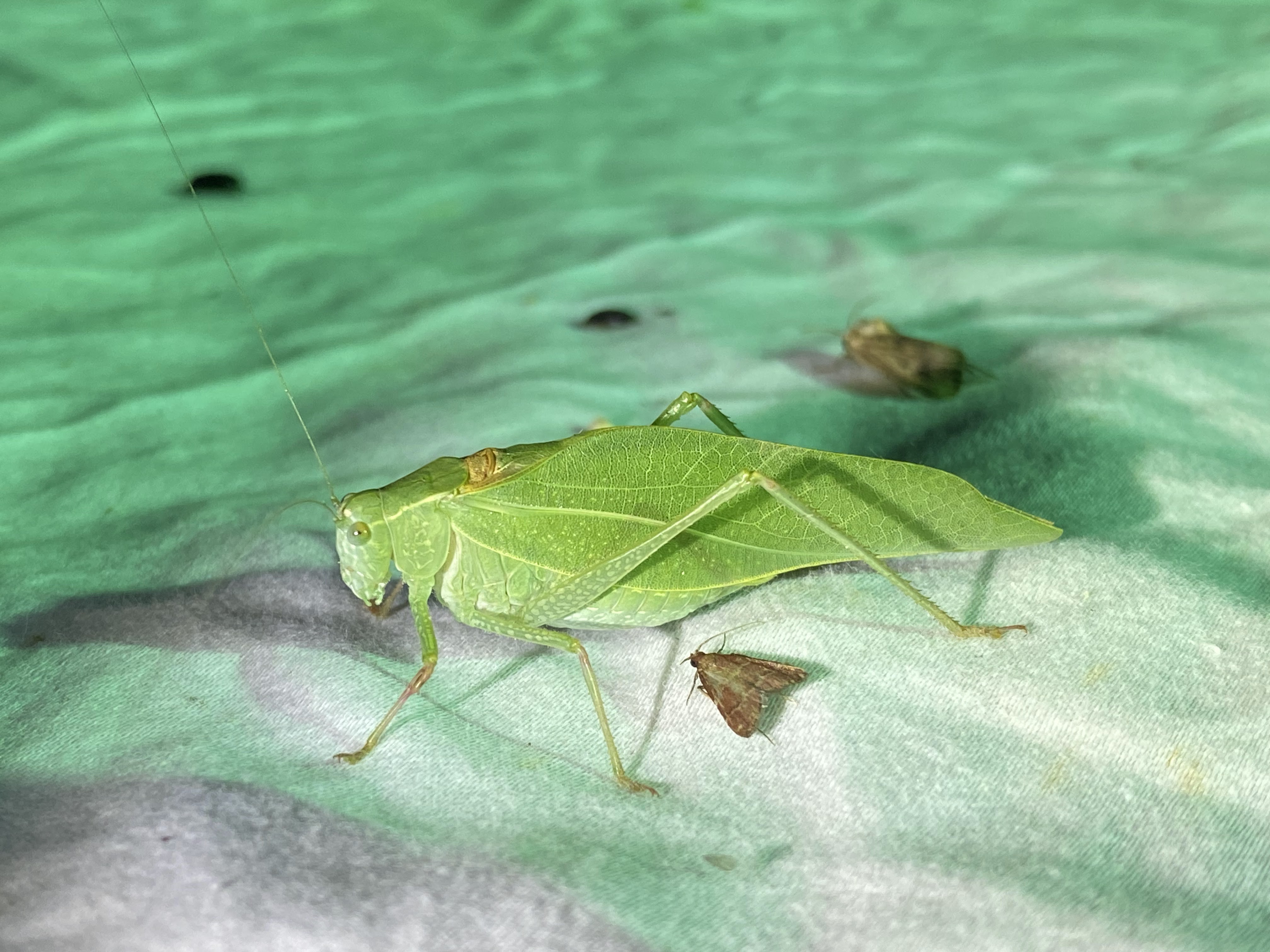
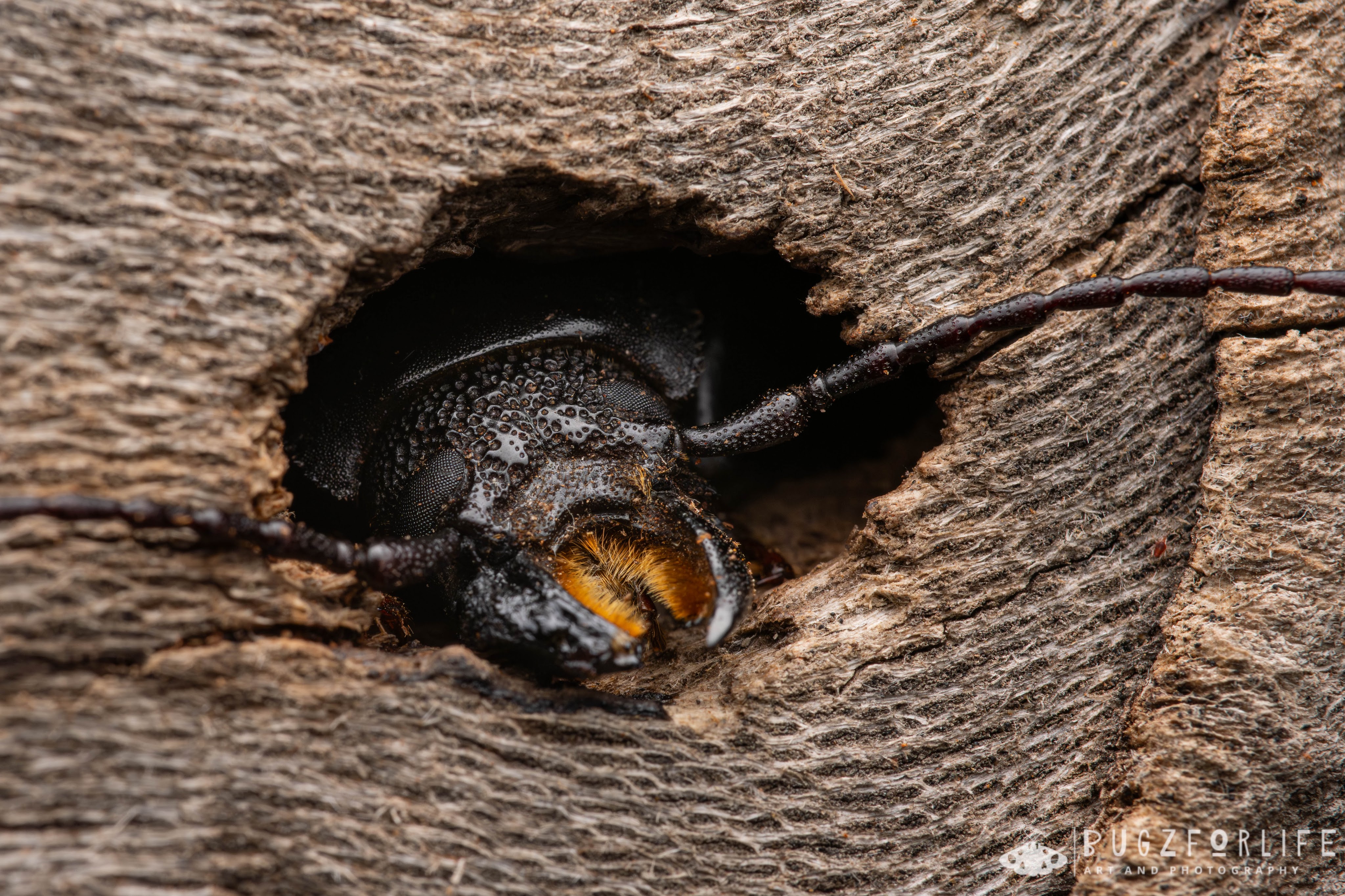
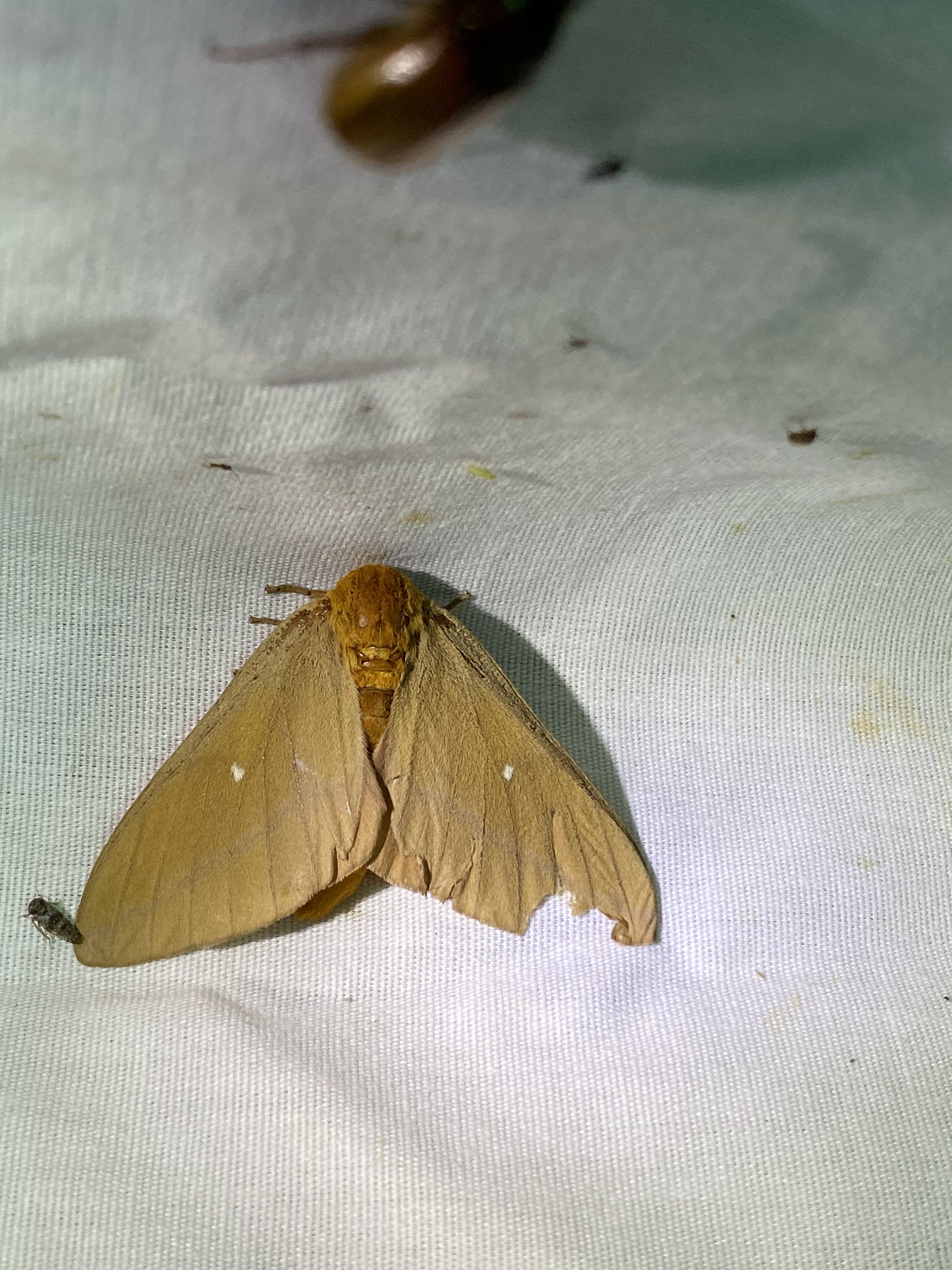
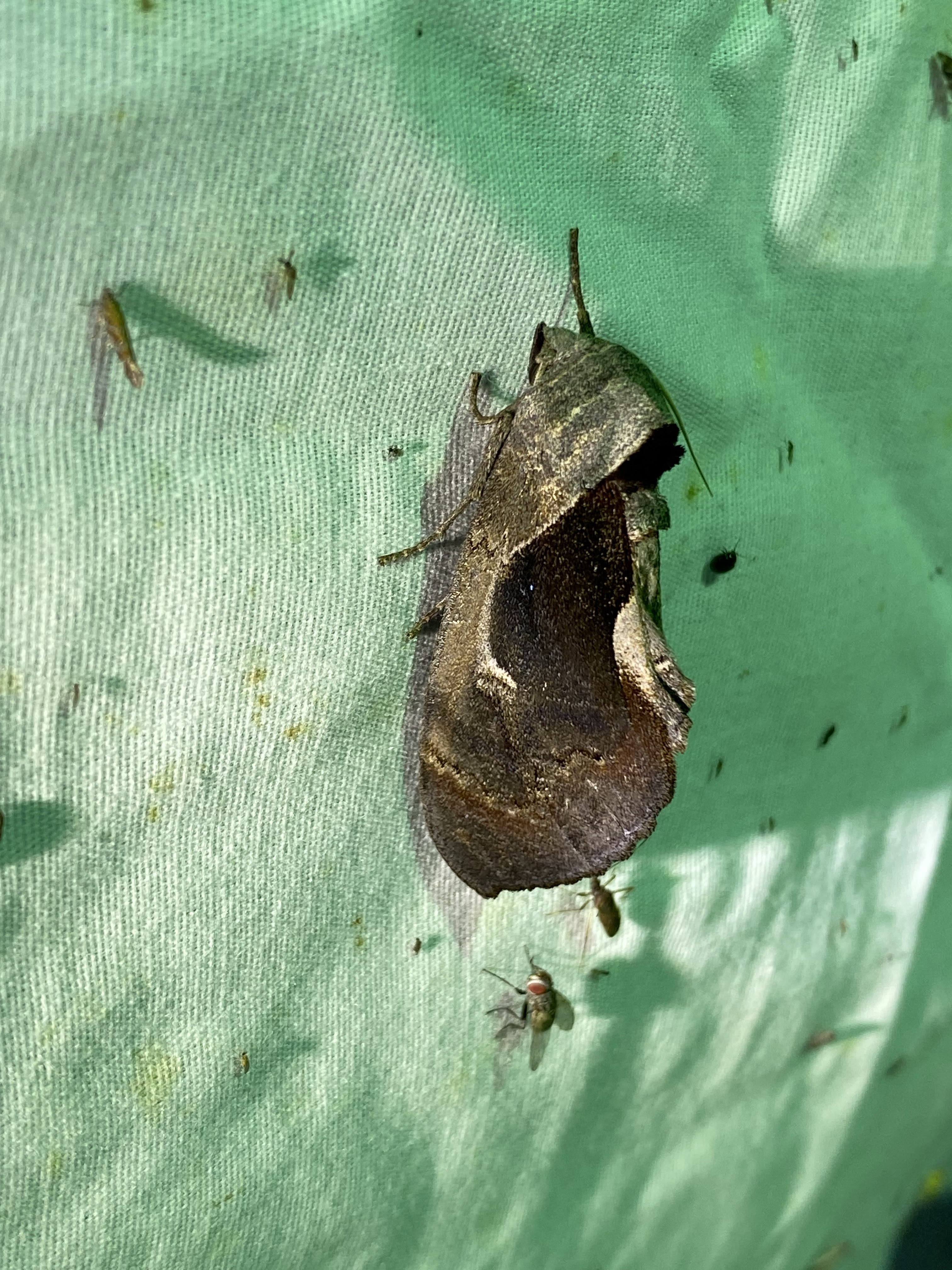
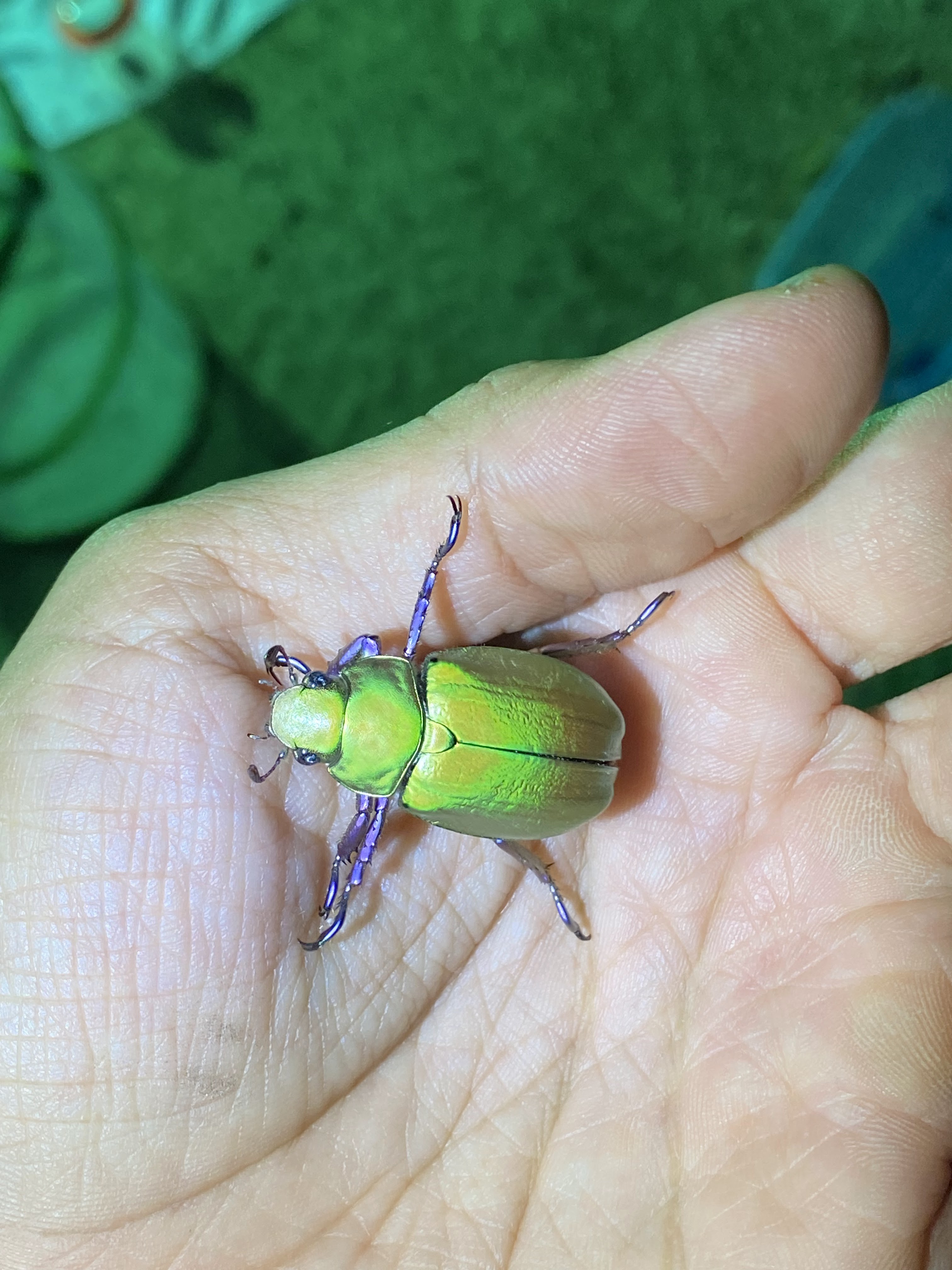
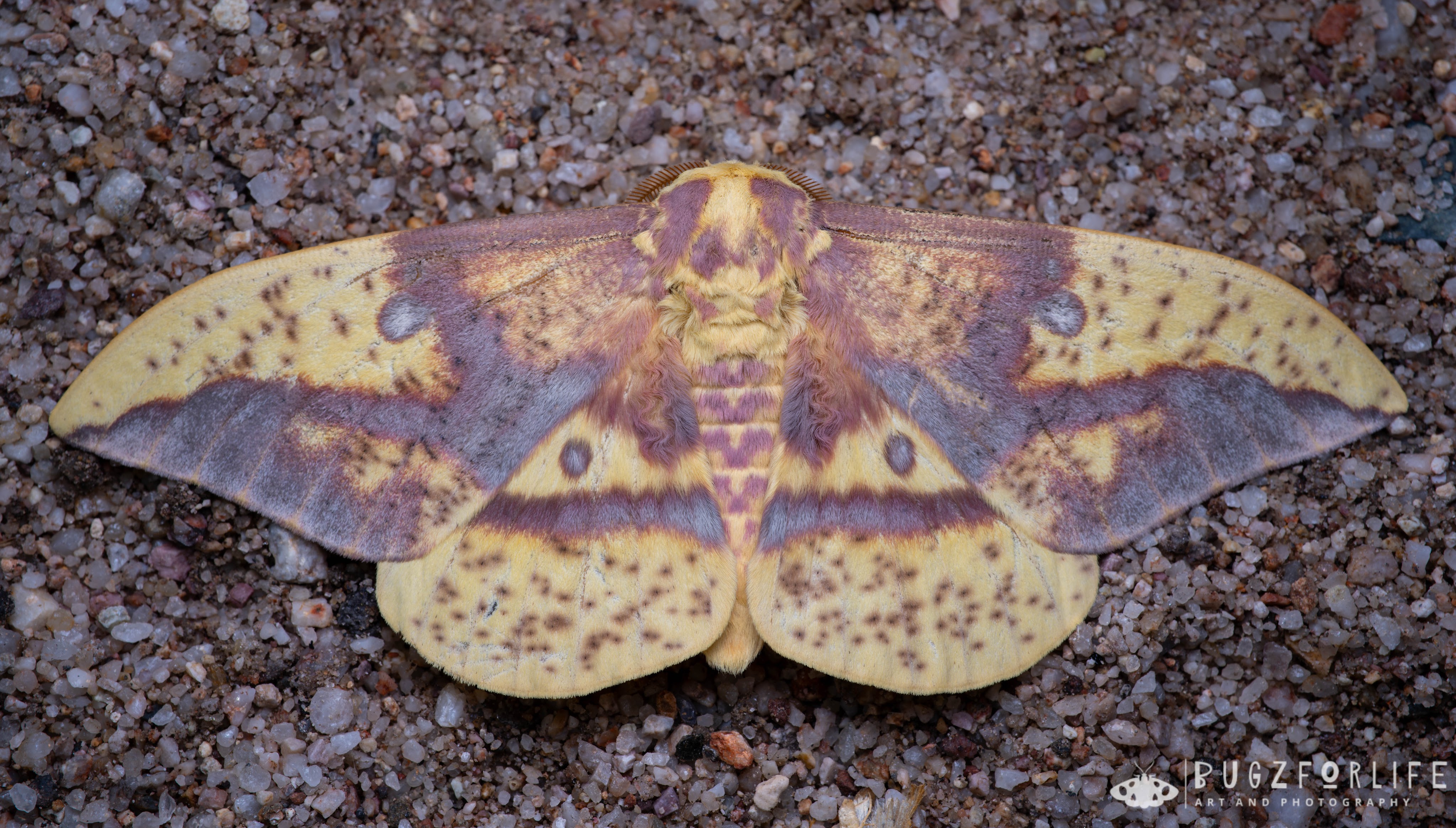
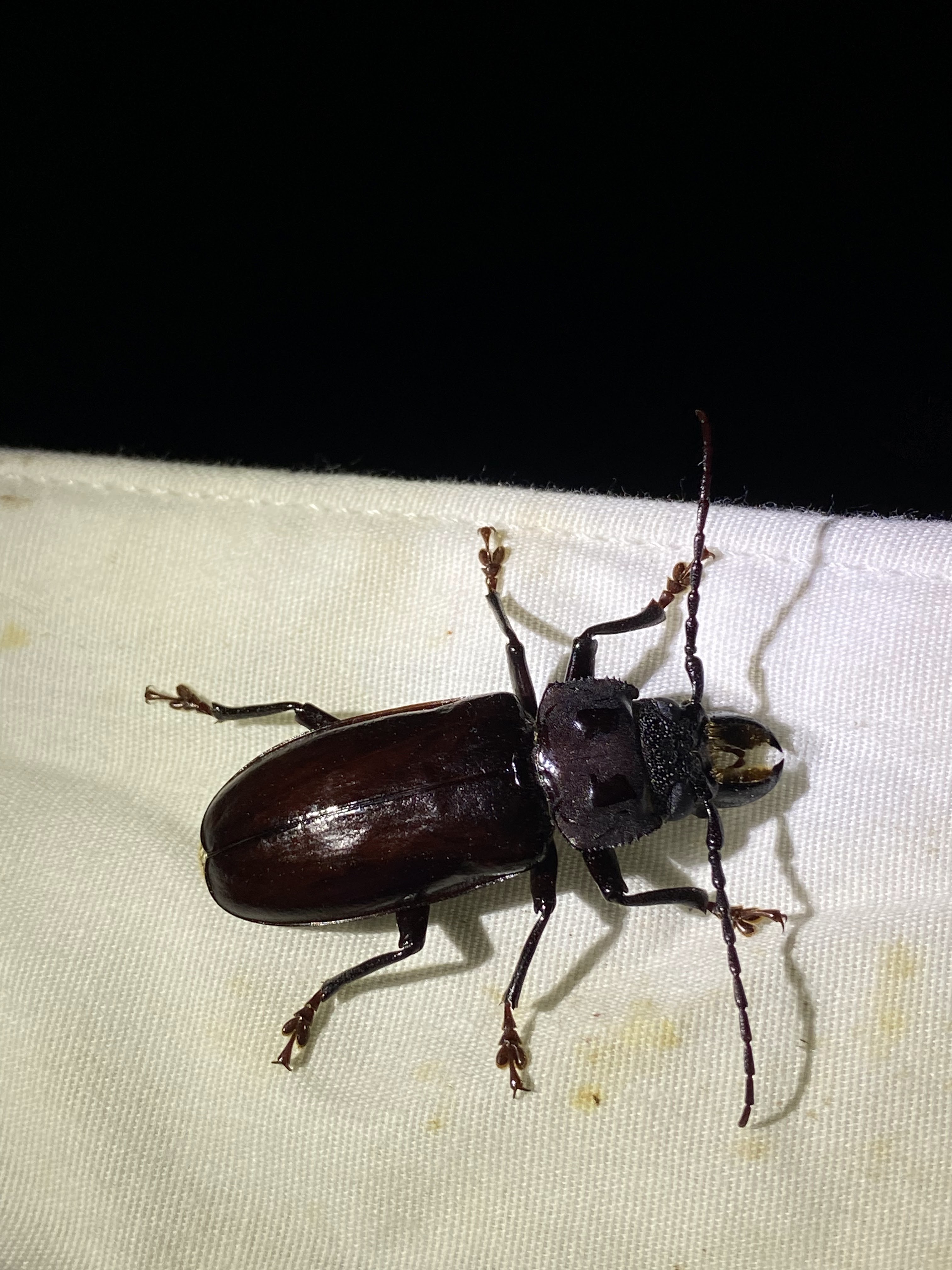
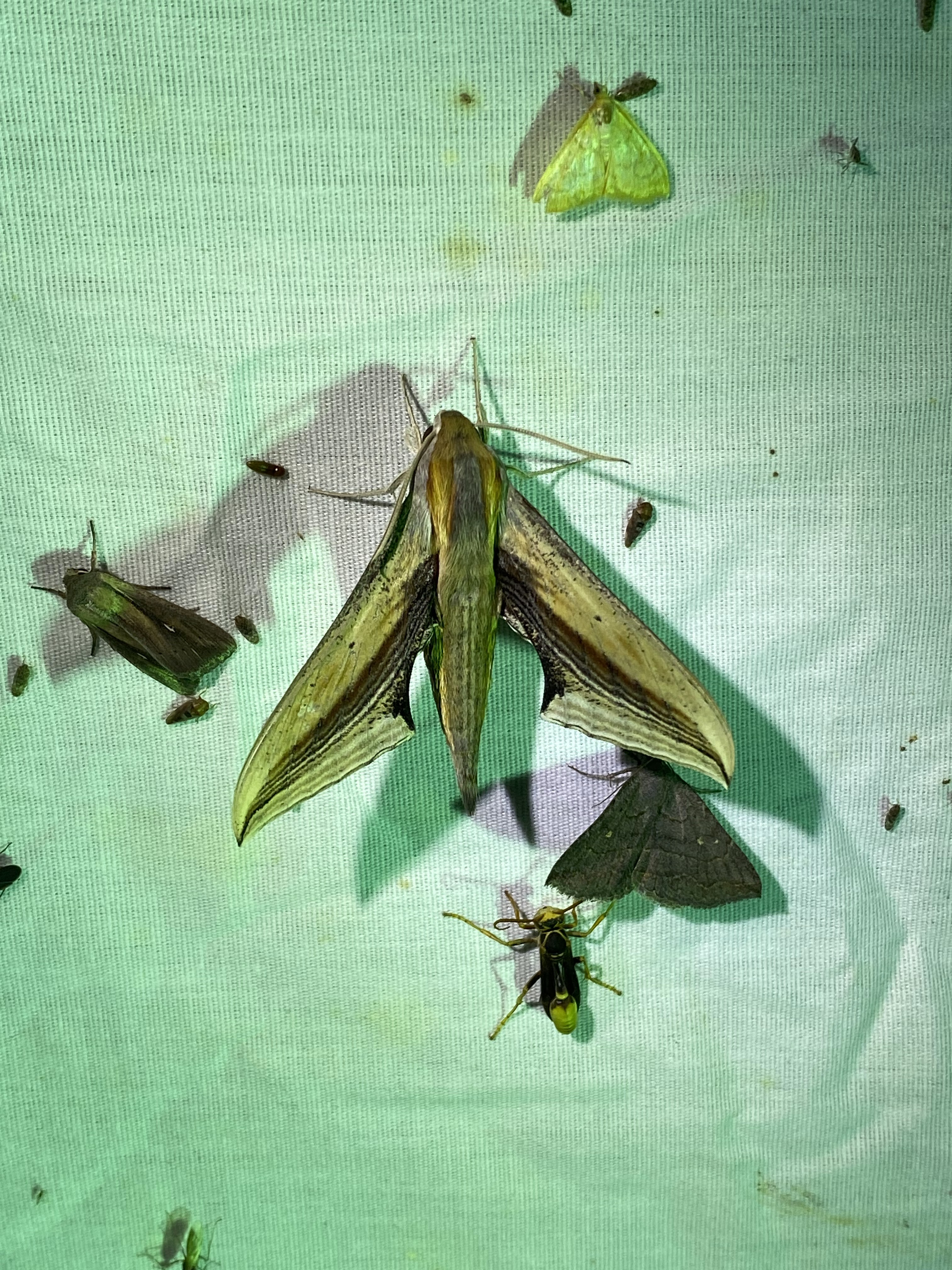
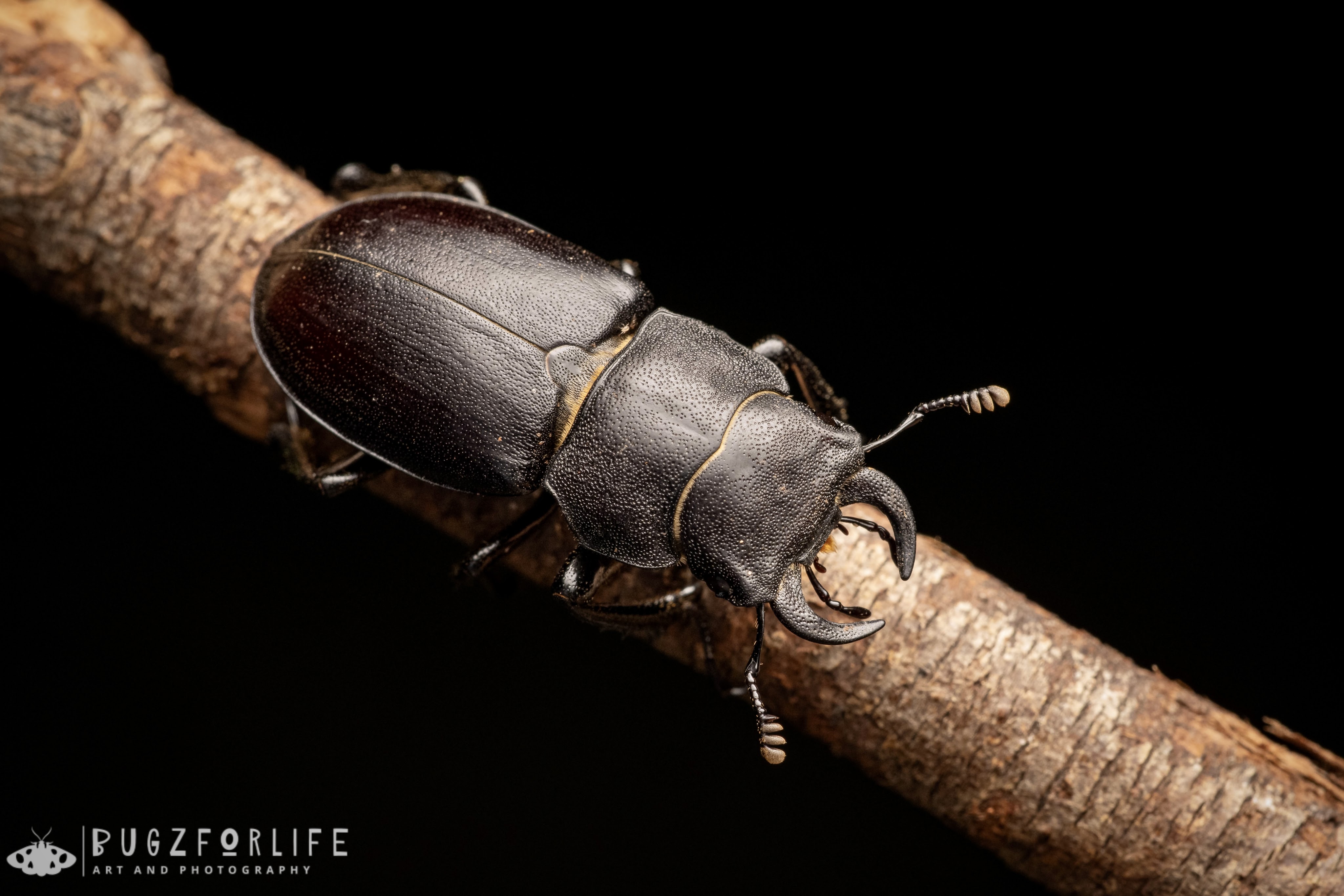
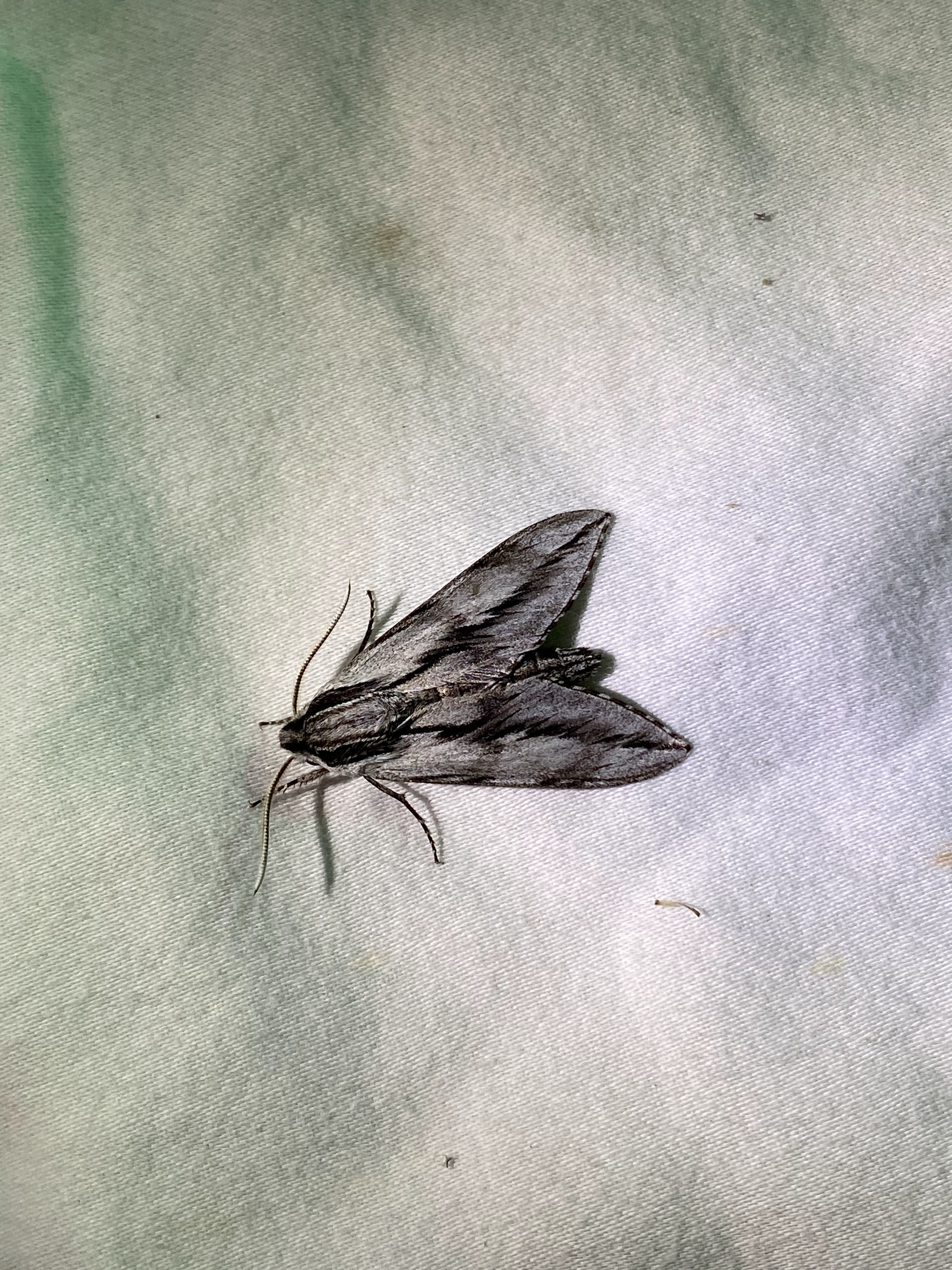
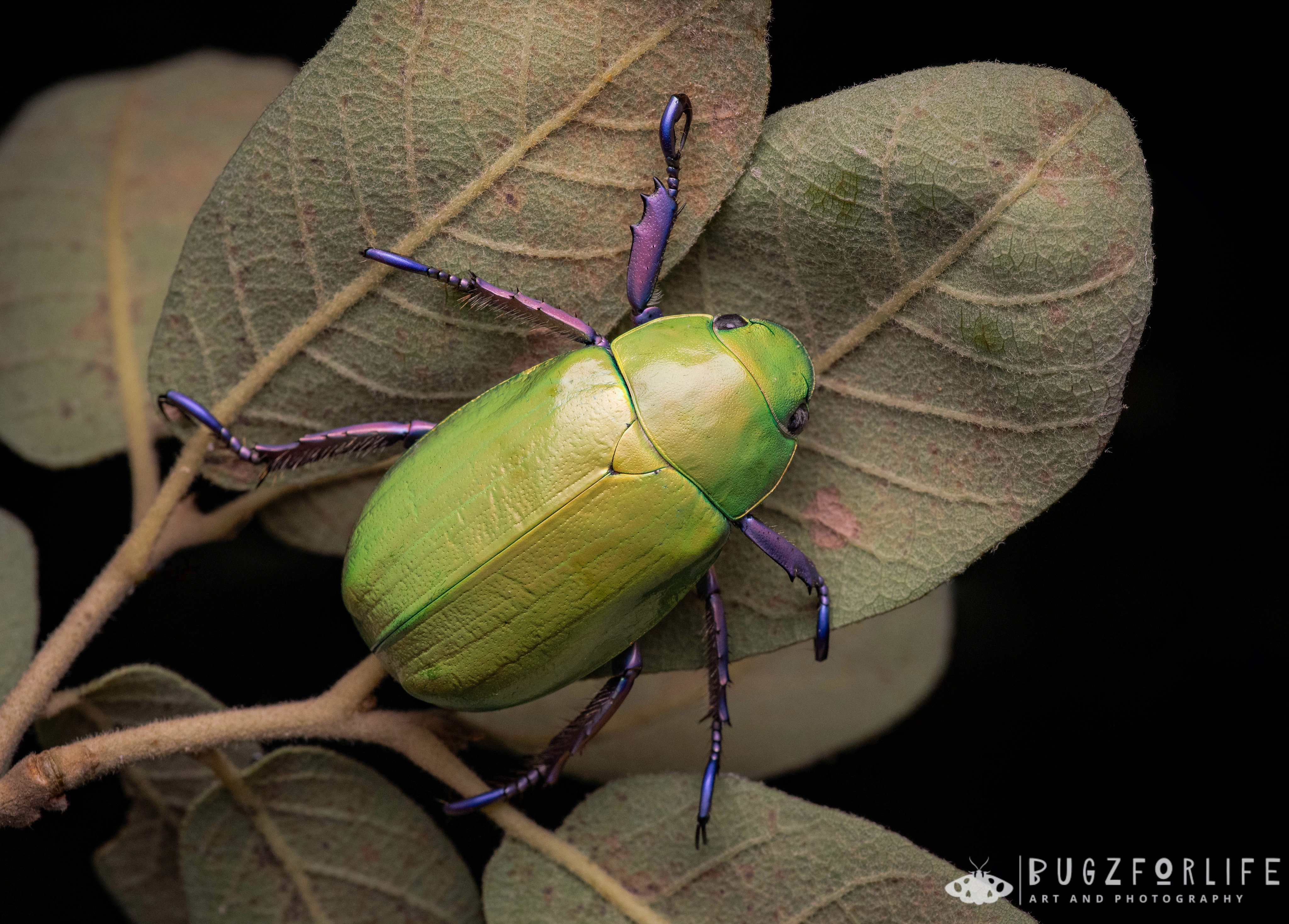
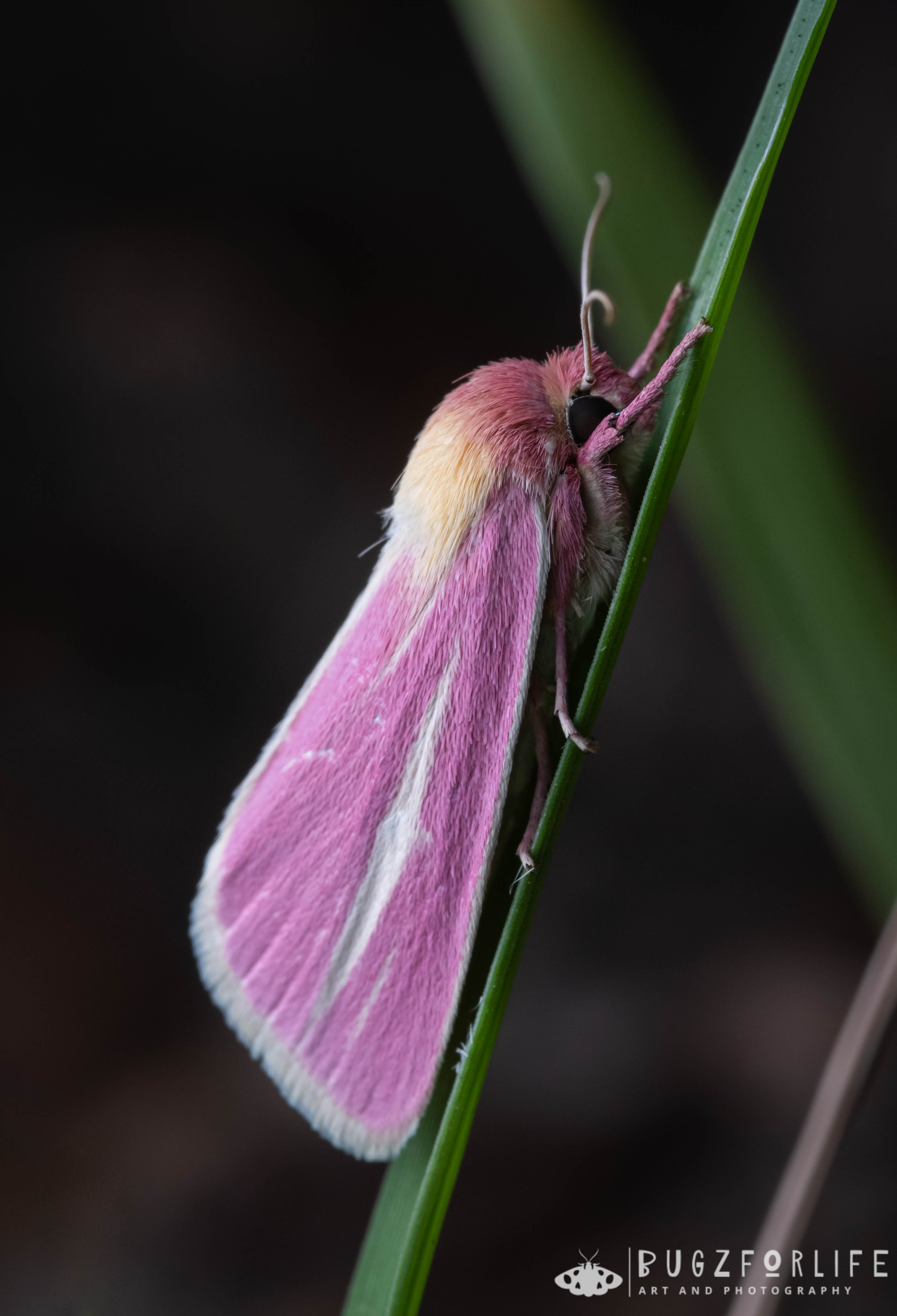
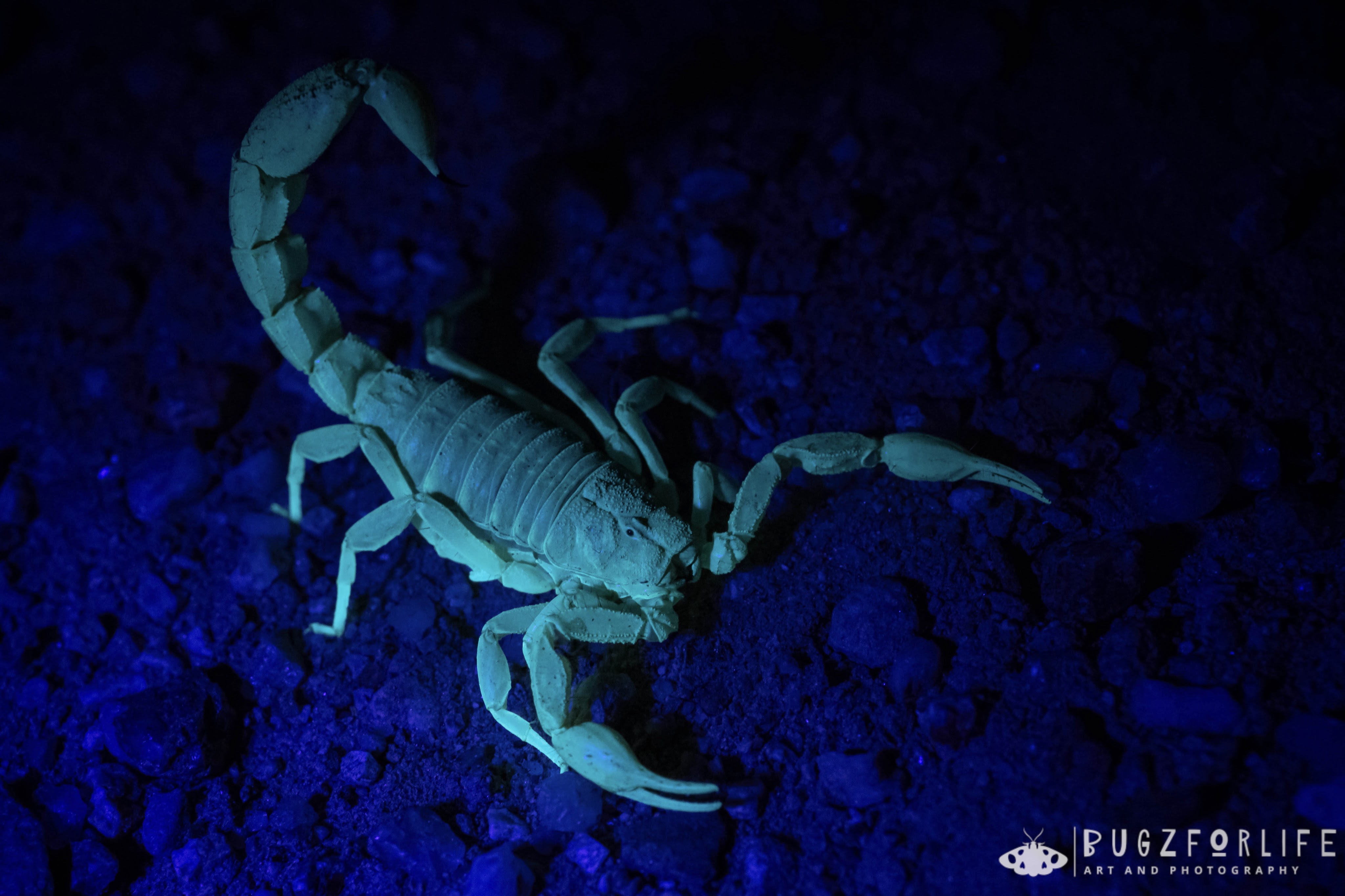
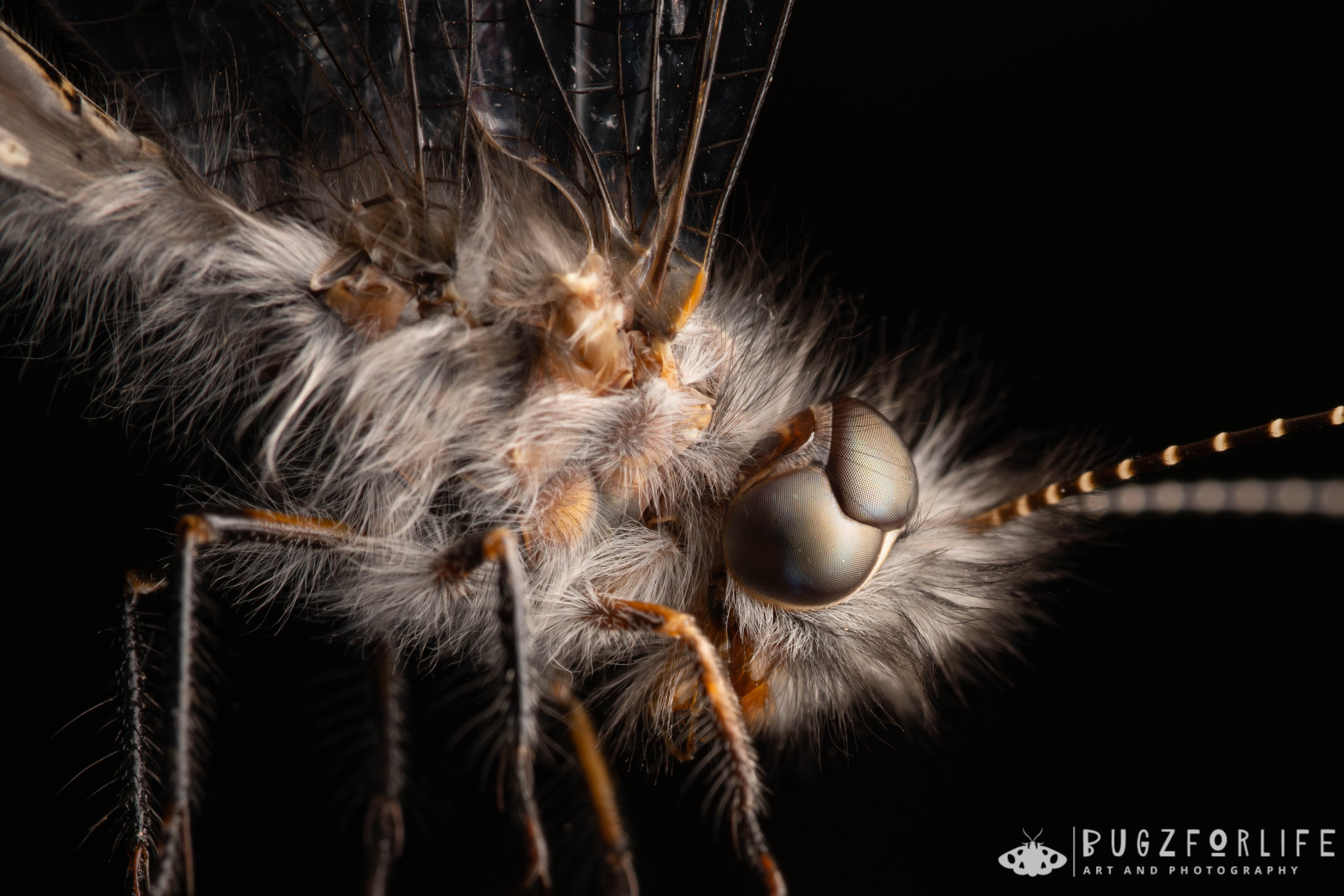
During the monsoon season Miller Canyon, like many of the other nearby canyons, becomes teaming with wildlife during the day and at night. At night however, one can get a much better understanding of how diverse the insects are in this canyon. Moths, beetles, flies, wasps, and neuropterans are just a few groups that come to mind when spending time in this canyon at night, especially with a UV/MV light set up. Expect to see plenty of moths, such as Oslar’s imperial moth (Eacles oslari), western polyphemus moth (Antheraea oculea), Oslar’s oakworm moth (Anisota oslari), Hubbard’s small silk moth (Syssphinx hubbardi), western poplar sphinx (Pachysphinx occidentalis), Istar sphinx (Lintneria istar), falcon sphinx (Xylophanes falco), small eyed sphinx (Paonias myops), Doll’s sphinx (Sphinx dolli), and many more. Plenty of beetle species, like Beyer’s jewel scarab (Chrysina beyeri), glorious jewel scarab (Chrysina gloriosa), hardwood stump borer (Mallodon dasystomus), fiery searcher (Calosoma scrutator), Arizona headlight click beetle (Vesperelater arizonicus), ox beetle (Strategus aloeus), and cottonwood stag beetle (Lucanus mazama) can also be seen on the moth sheet. Other notable species like the angle wing katydid (Microcentrum sp.), owlfly (Ululodes sp.), and fulgorid planthopper (Scaralina cristata) tend to also make an appearance on the light sheet.
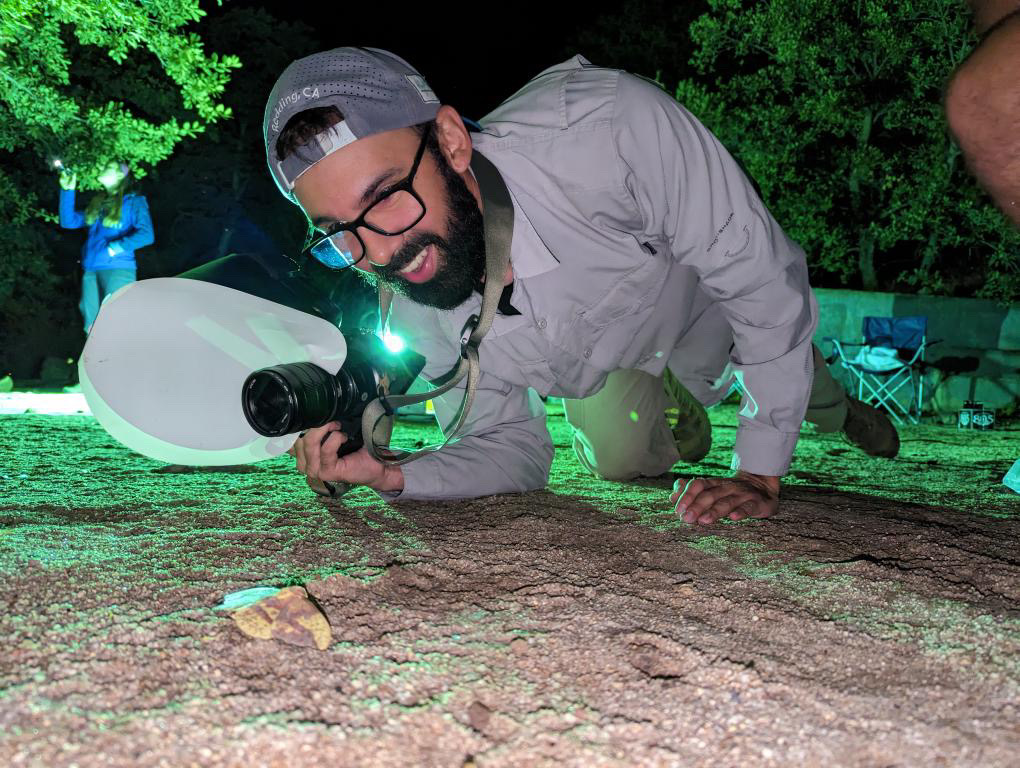
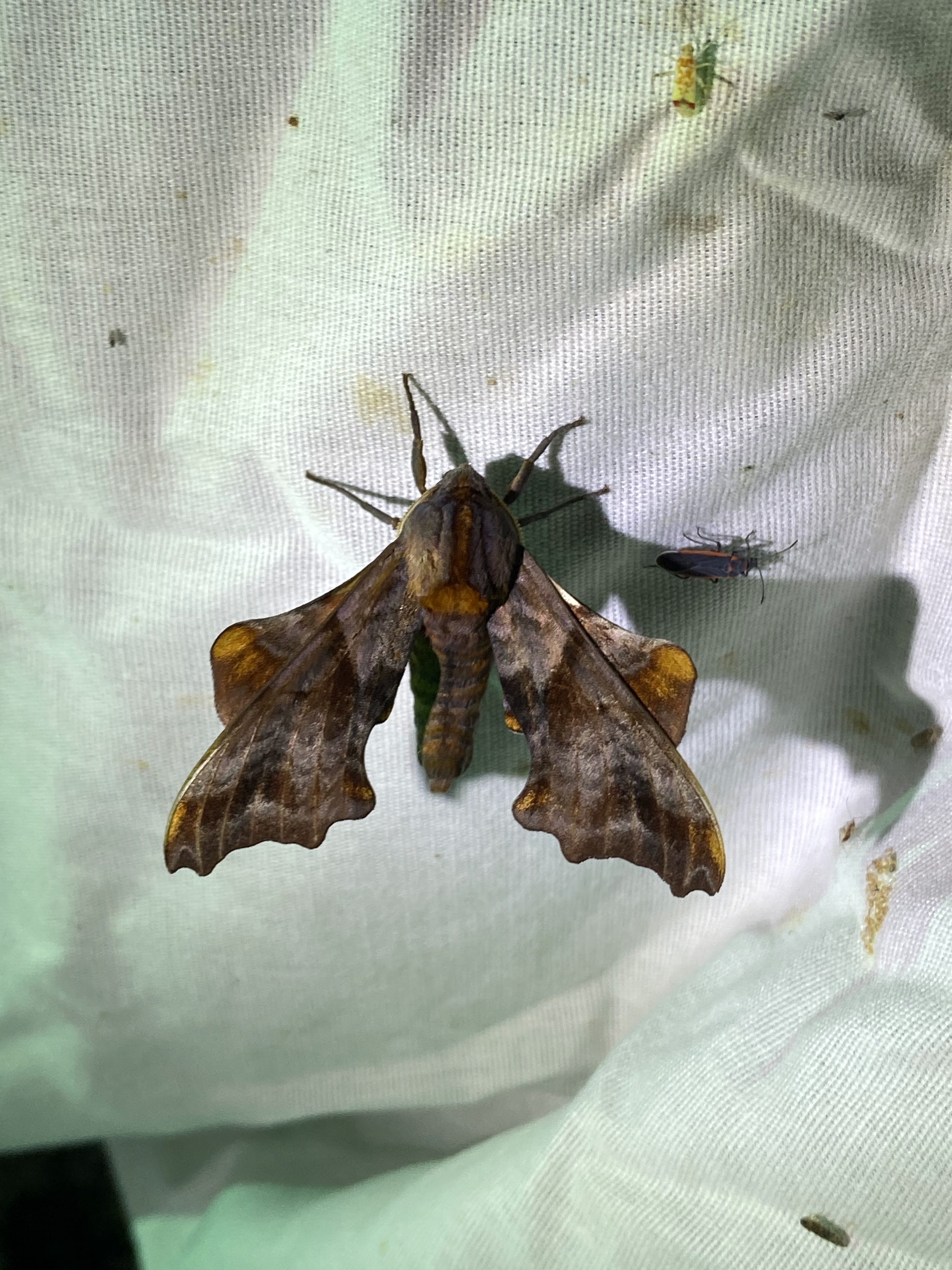
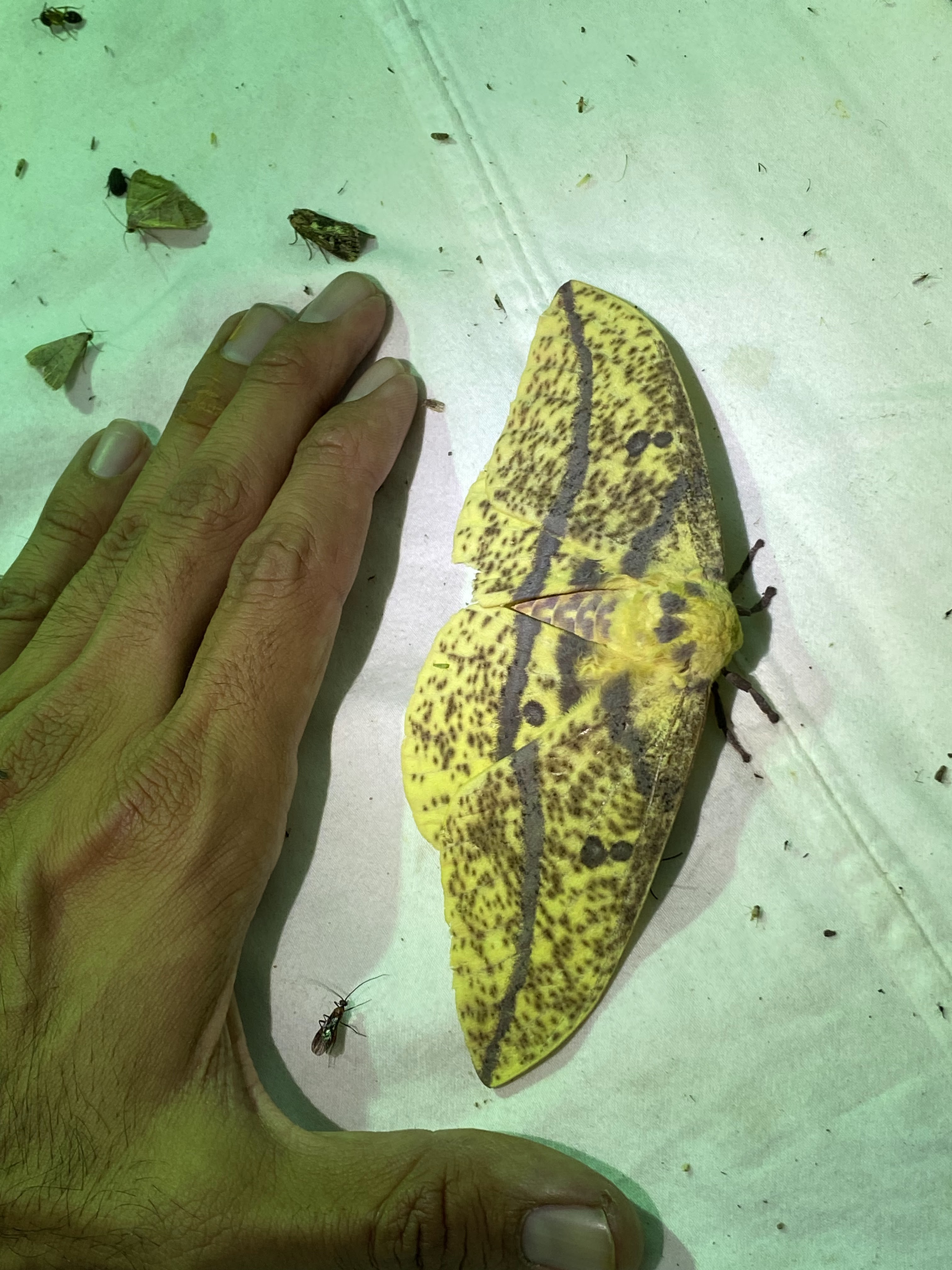
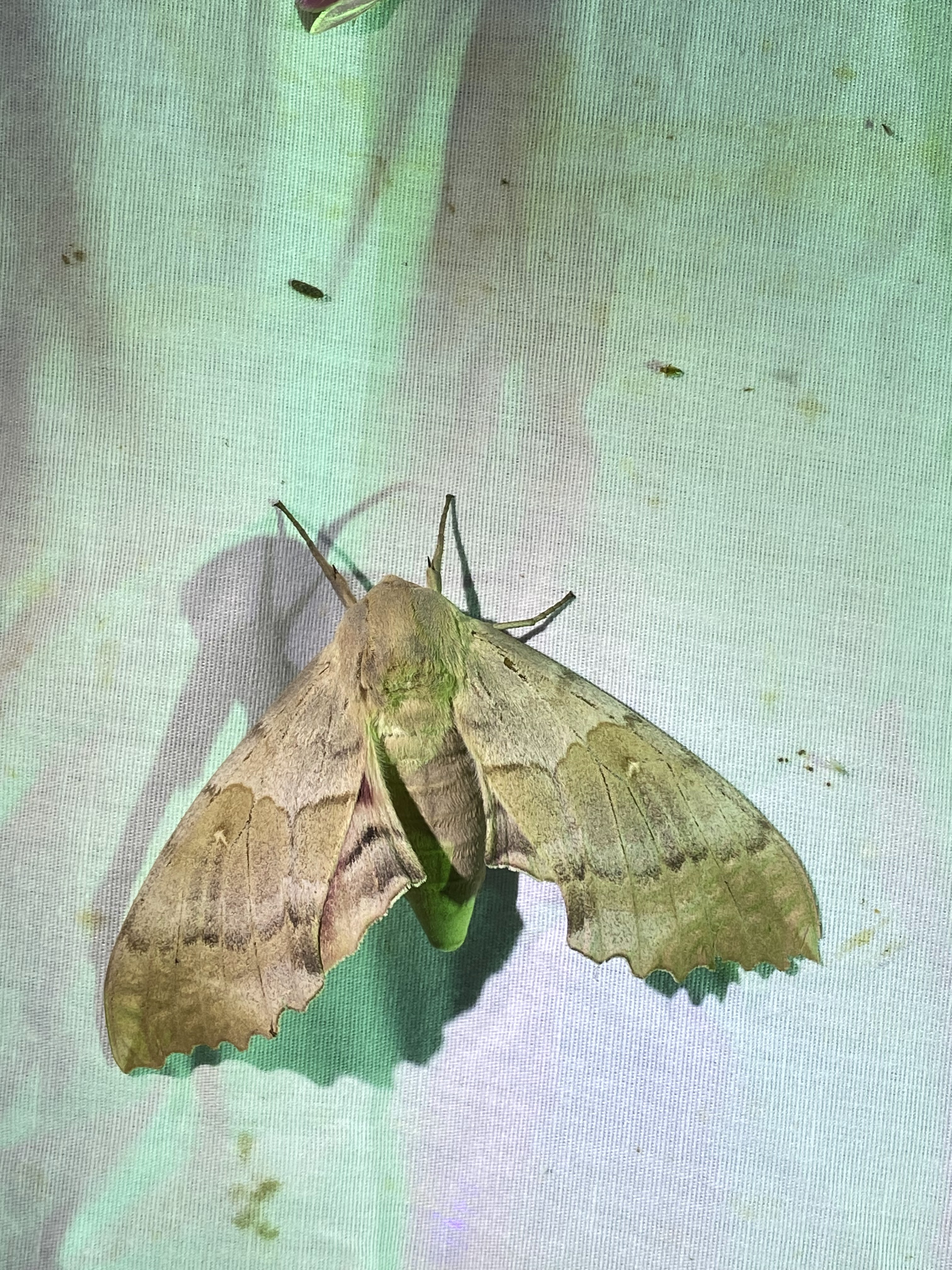
Miller Canyon is one of the best locations to visit in the region and it continues to provide its visitors with plenty of species diversity. It really shines at night when more insect diversity can be observed on a white sheet with a UV/MV light. As someone who has been to this area countless times, I will say that this canyon is by far one of my favorites to observe, collect, and photograph insects and other arthropods.
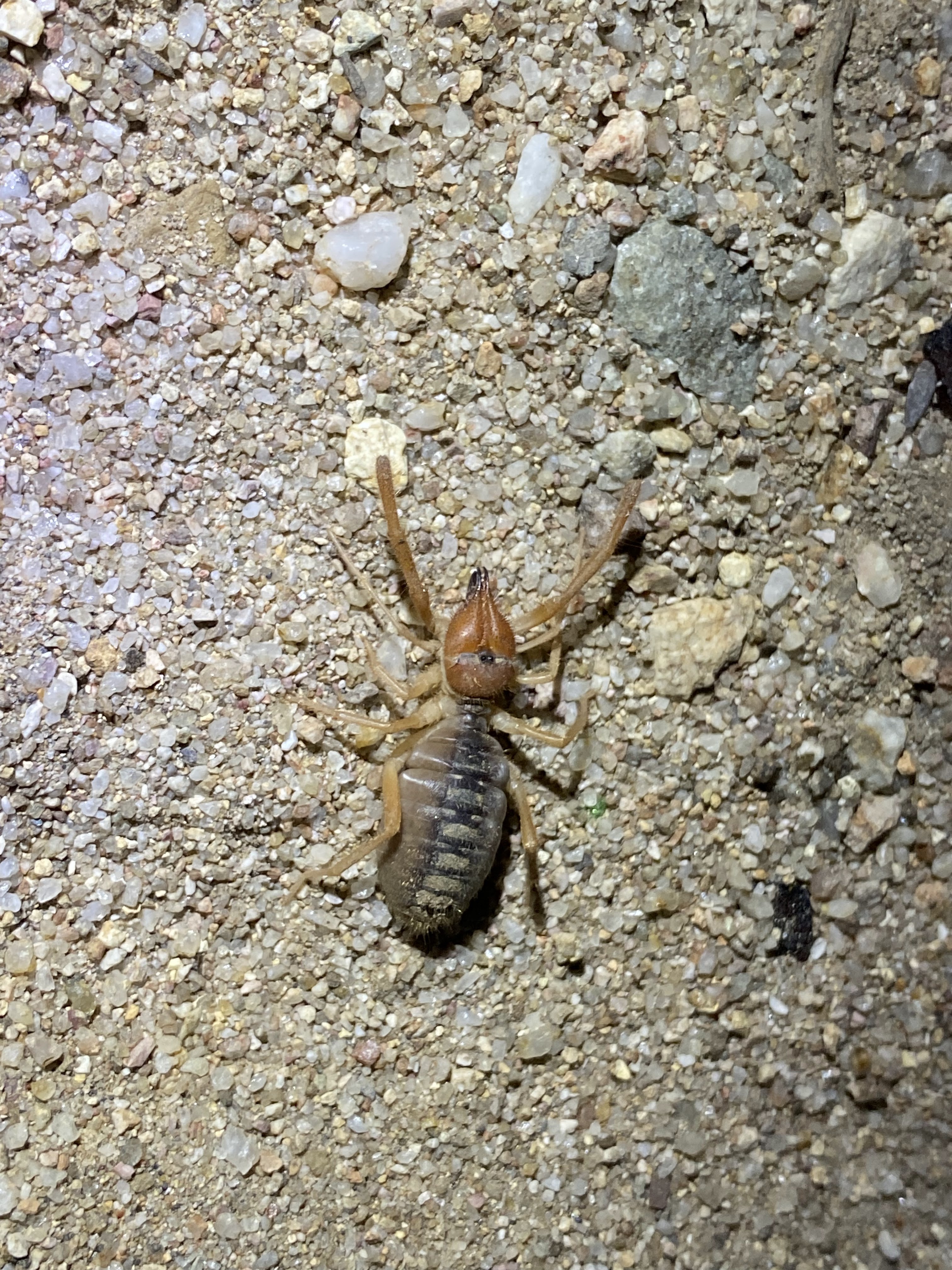
Hunter Canyon
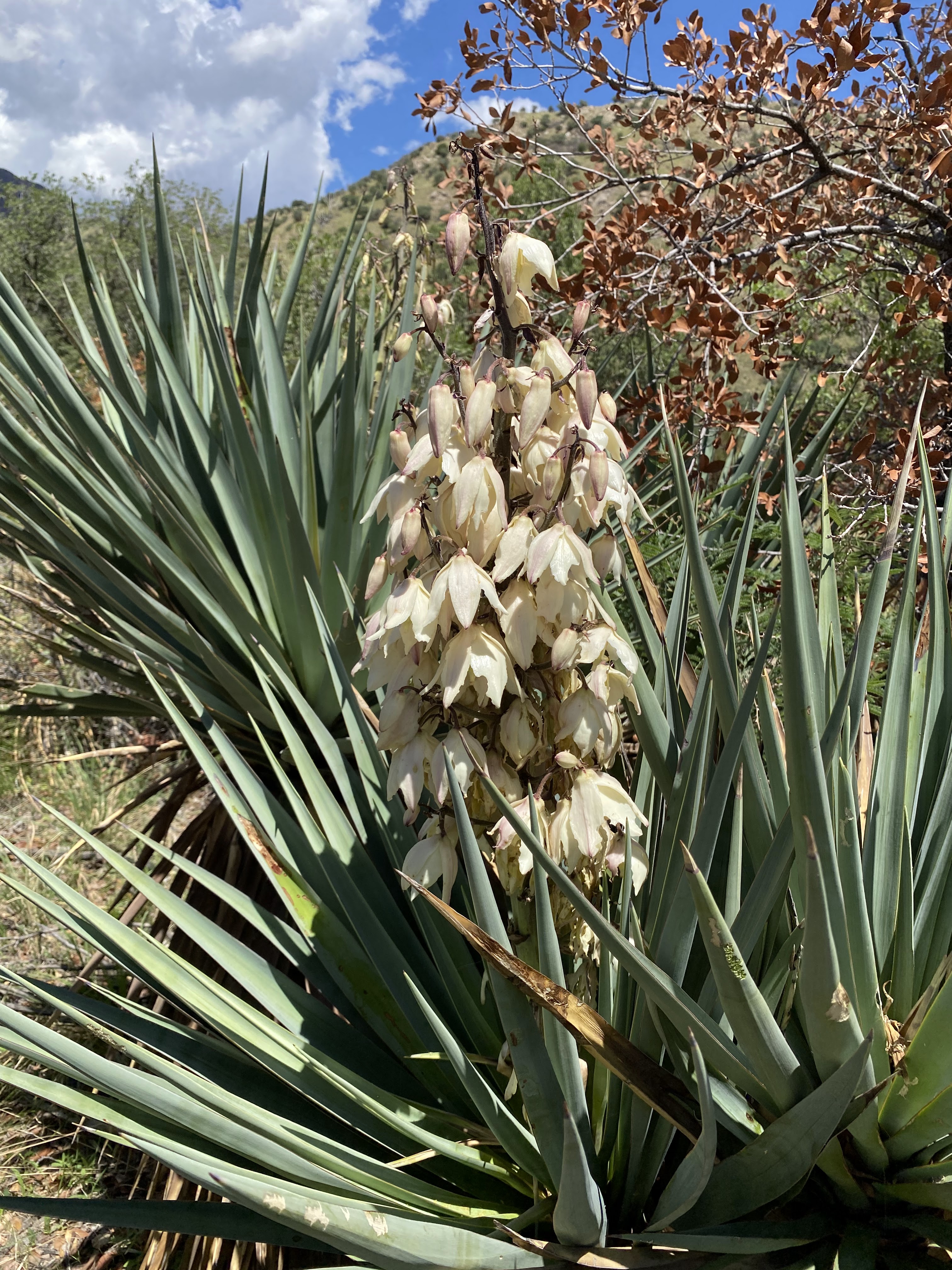
This area is a little less explored than the other two, but is just as diverse. Similar to the other two canyons, the best time to see majority of the hidden insect diversity of the canyon is at night. However, visiting during the day does allow you to see some slightly different species that you otherwise wouldn’t find in other nearby canyons. This canyon is split in two sections to explore, the lower trail and the upper trail. The lower trail is much more dense with oaks, junipers, and sycamores, and as you explore this section you will notice the yuccas, acacias, desert broom, and hackberry mixed in. The upper trail is more exposed and follows the tree line, but still has quite the plant diversity to support plenty of insects.
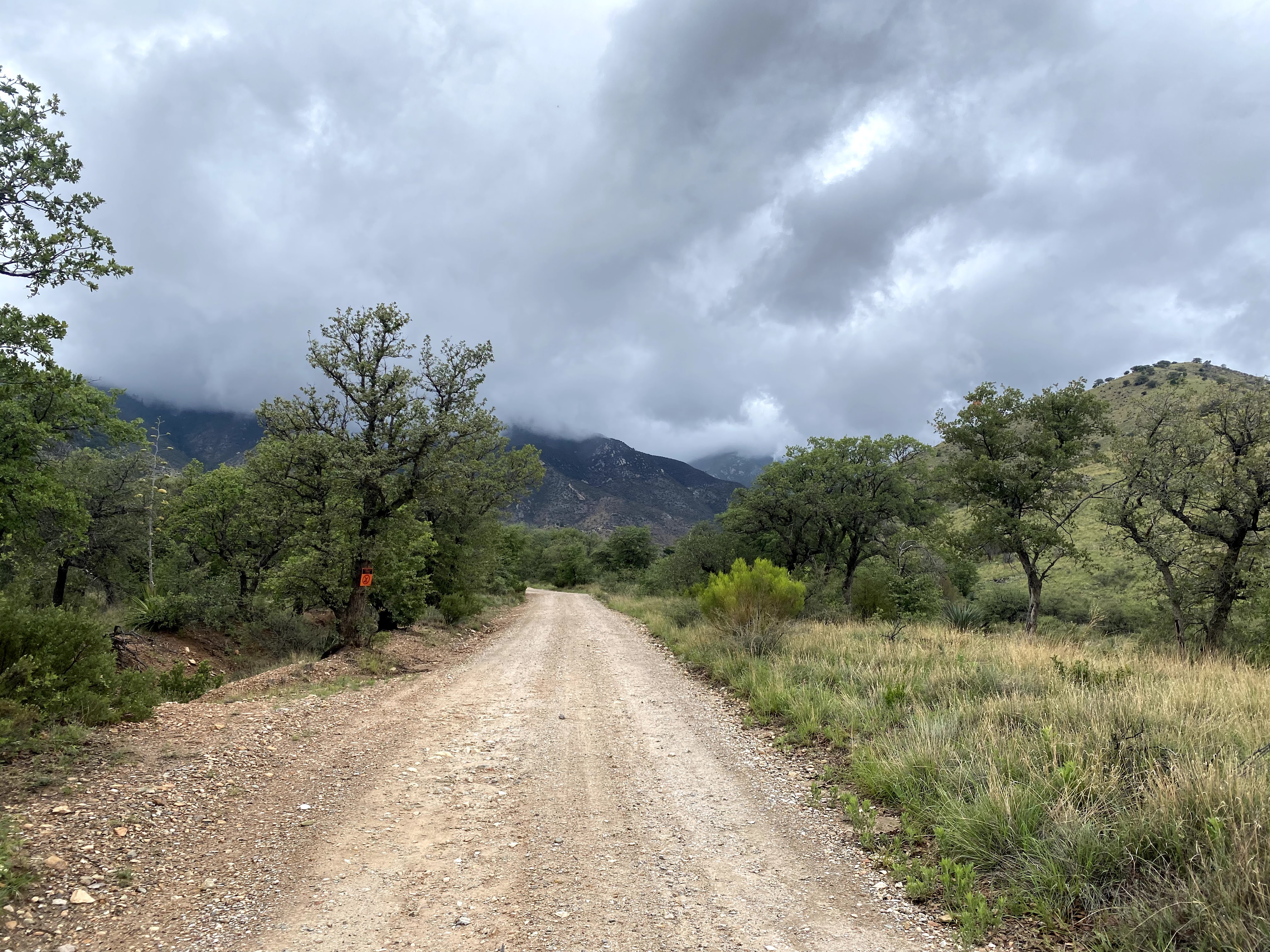
Hunter Canyon, like the other two canyons, is very similar in what insect species you can expect to find both during the day and at night. During the day you can expect to see most of the species mentioned from the other two canyons (Miller and Carr), but other uncommon species like Drummond’s blue-footed buprestid (Lampetis drummondi), Texas Canyon longhorn (Megapurpuricenus magnificus), sleepy orange butterfly (Eurema nicippe), and purple sharpshooter (Oncometopia alpha) can also be found here. At night you will most likely be greeted by the usual large silk moths, but if you stay out into the early hours of the morning you could potentially see Glover’s silk moth (Hyalophora gloveri), Coronado lappet moth (Dicogaster coronada), Typhon sphinx (Eumorpha typhon), Eyed sikmoth (Automeris iris hesselorum), and wandering vinegaroons (Mastigoproctus tohono). With a UV/MV light, the species you can see is quite extensive so be sure to utilize this method when visiting this canyon and others.
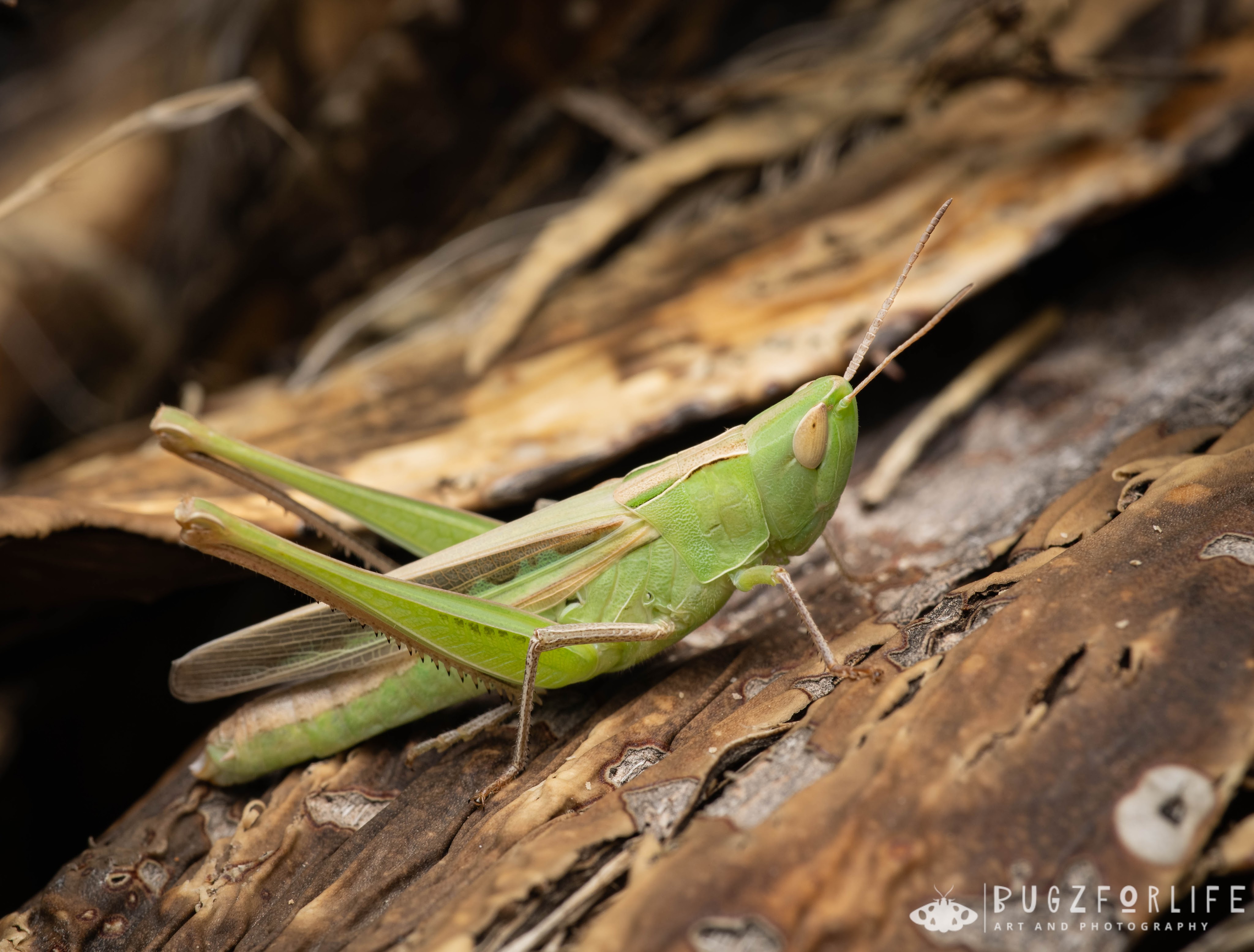
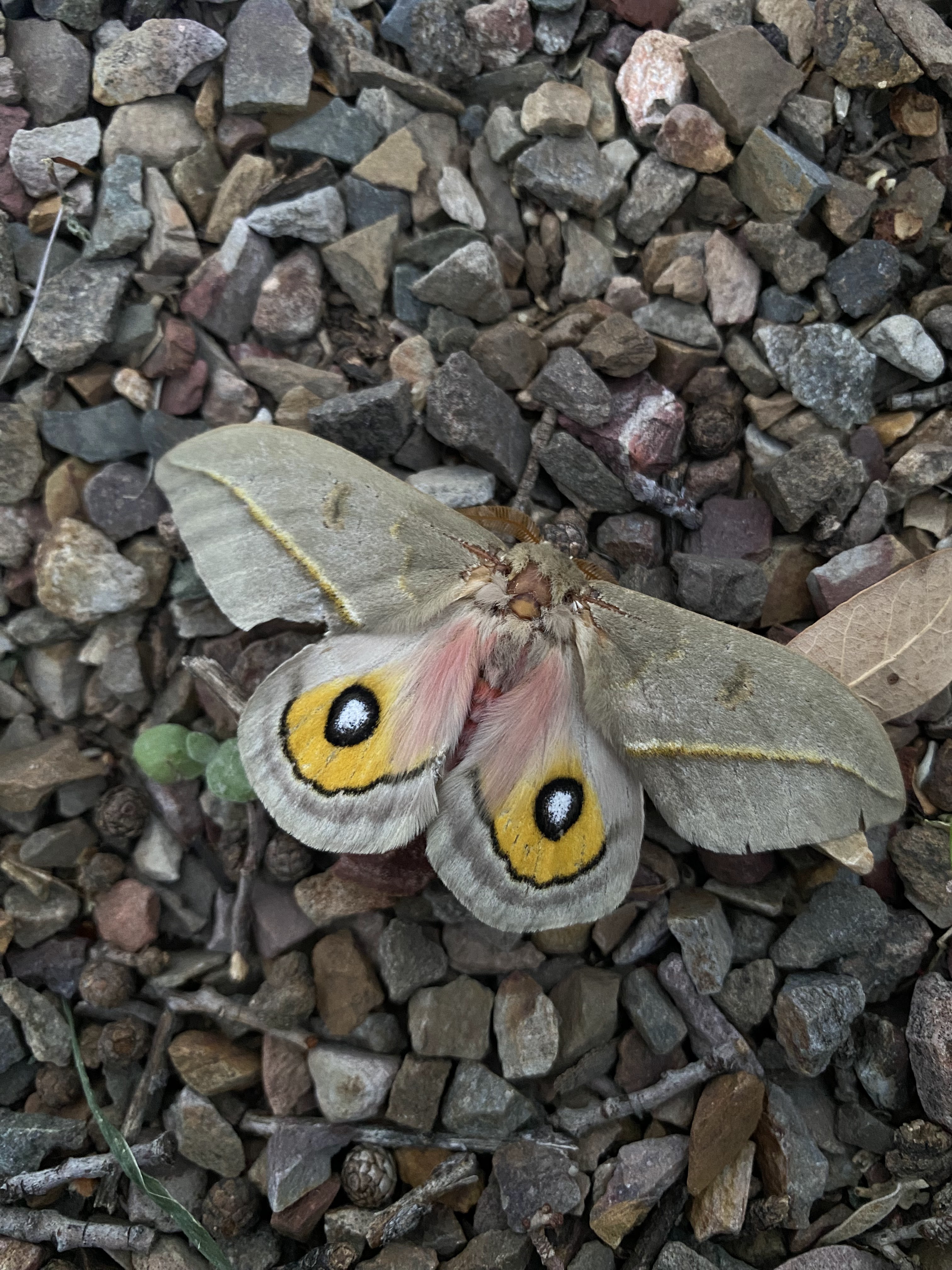
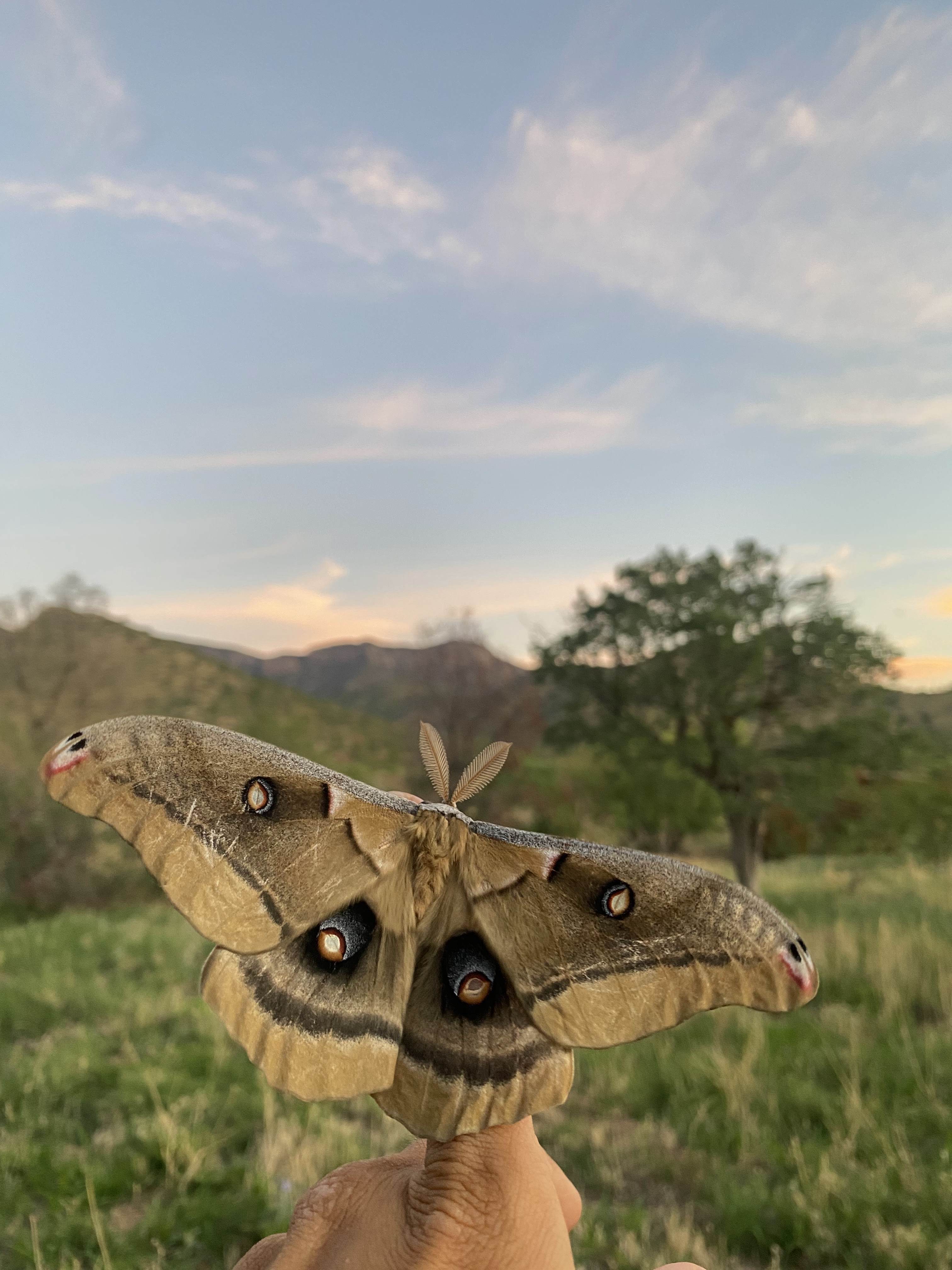
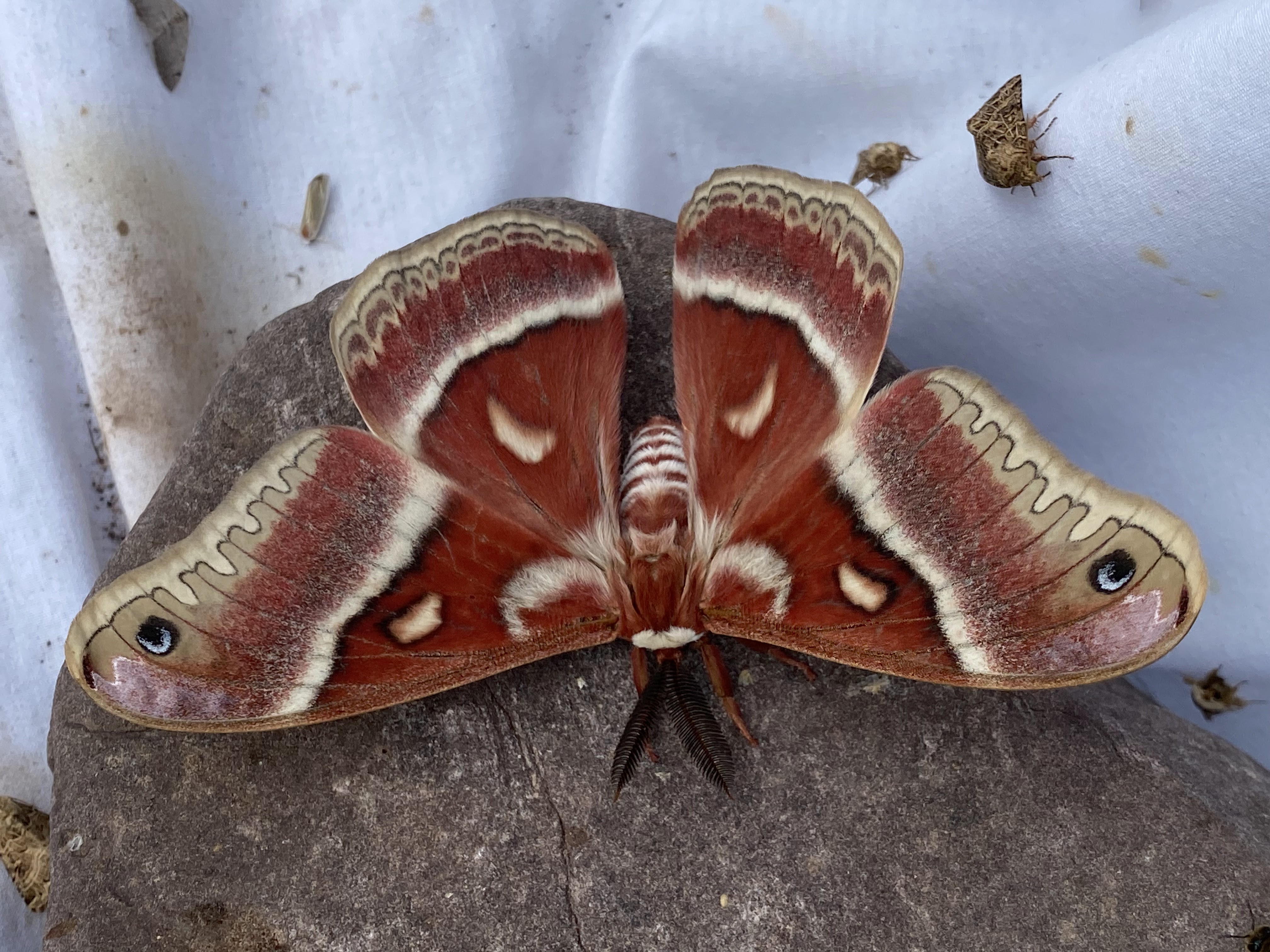
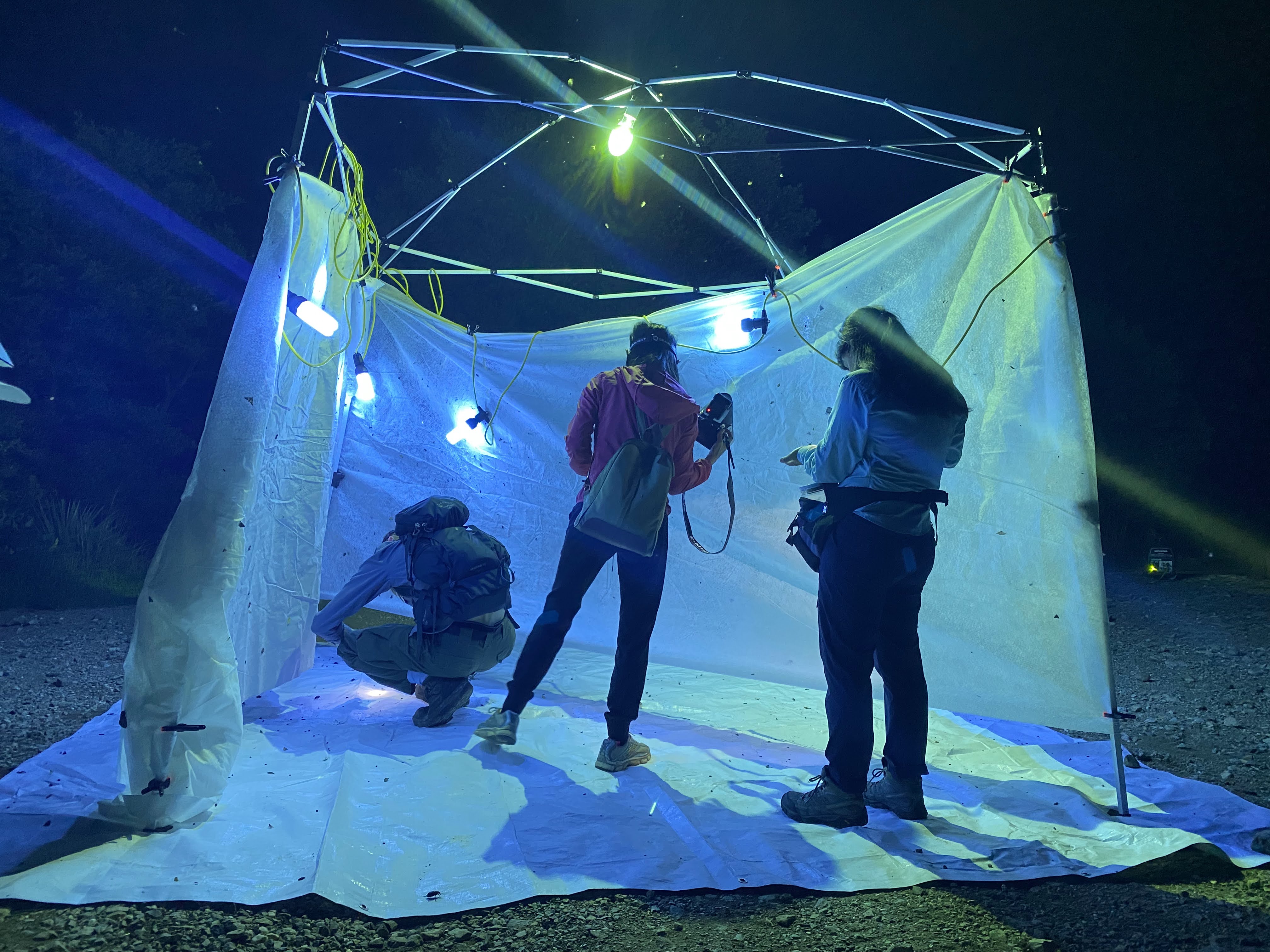
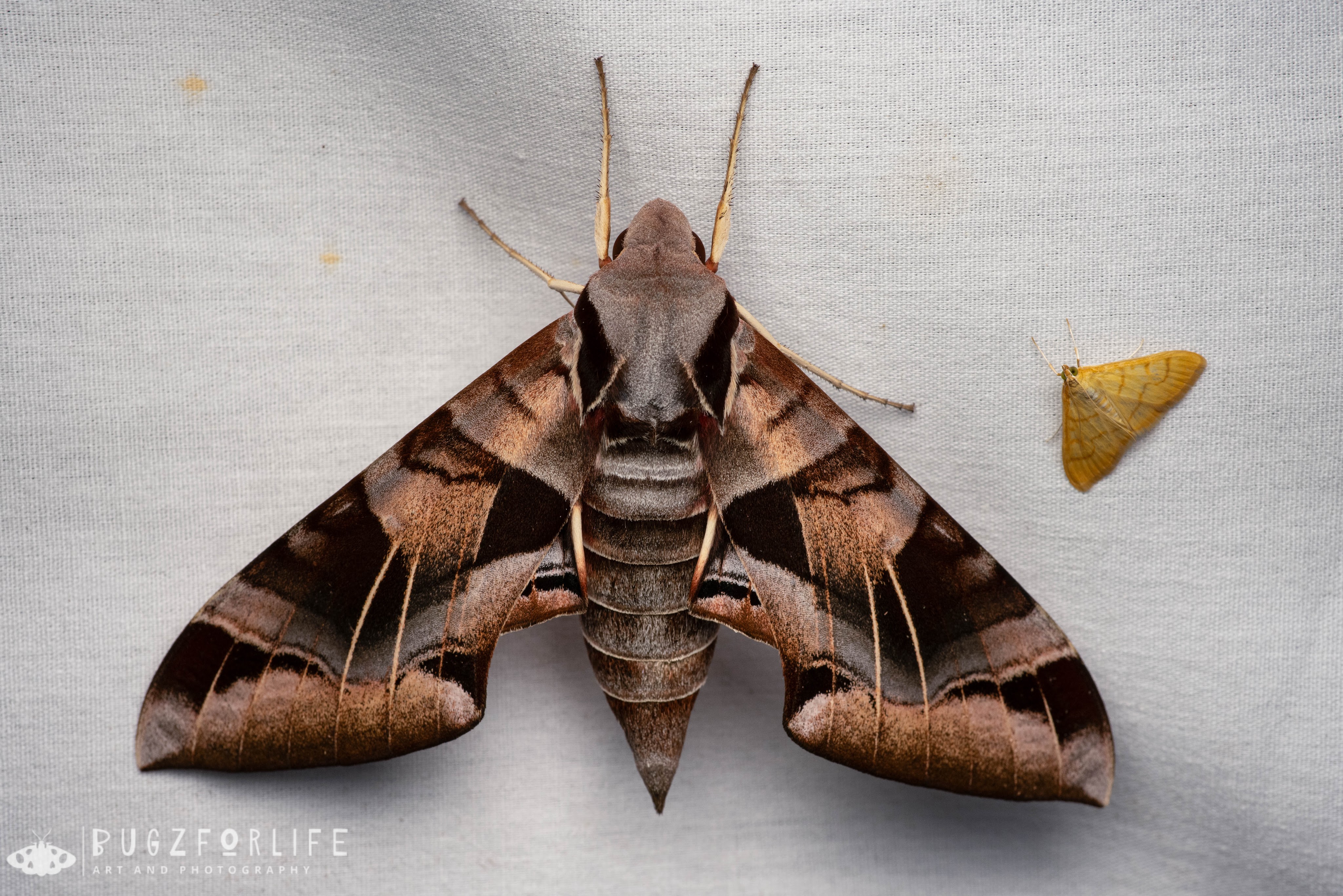
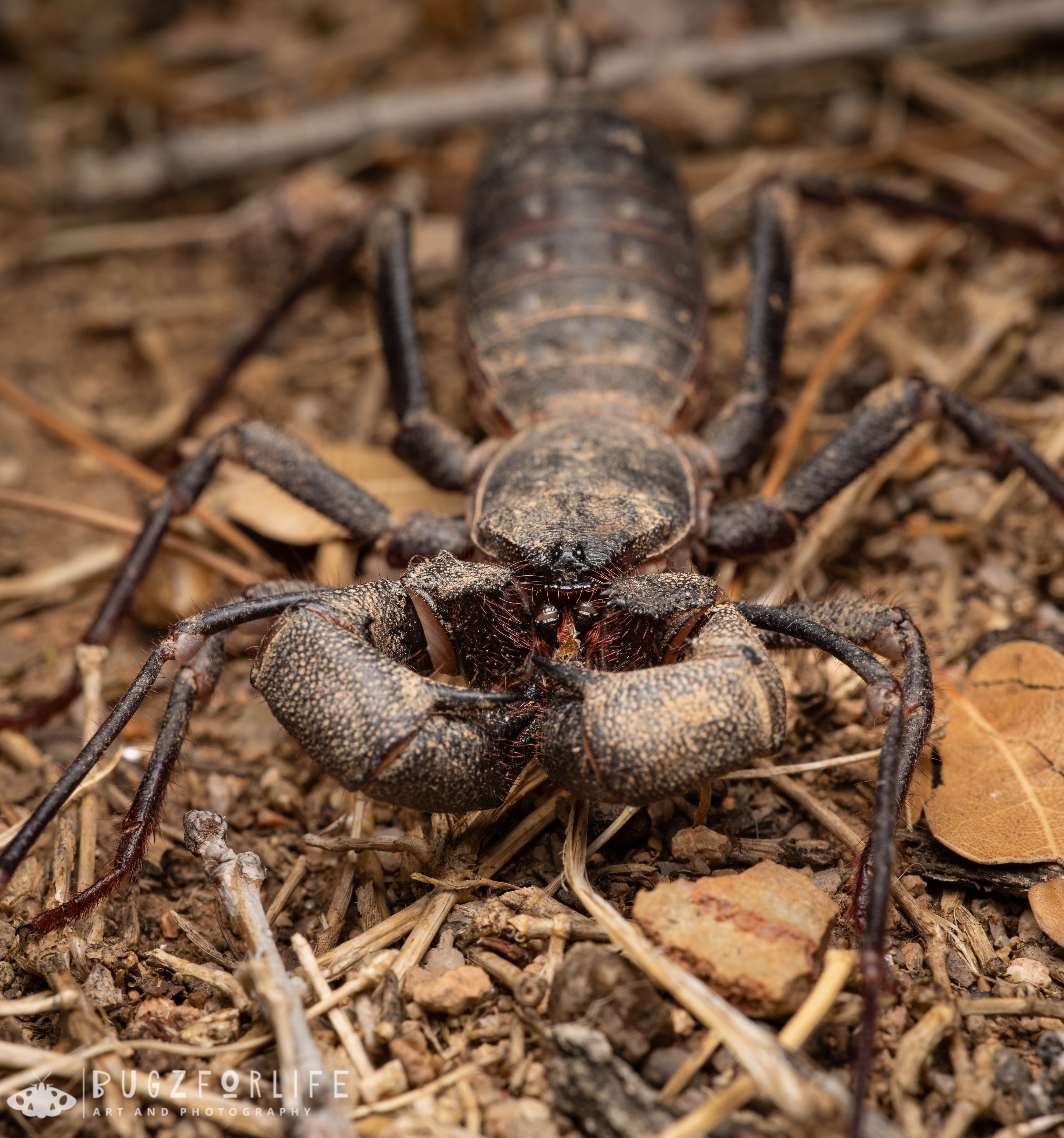
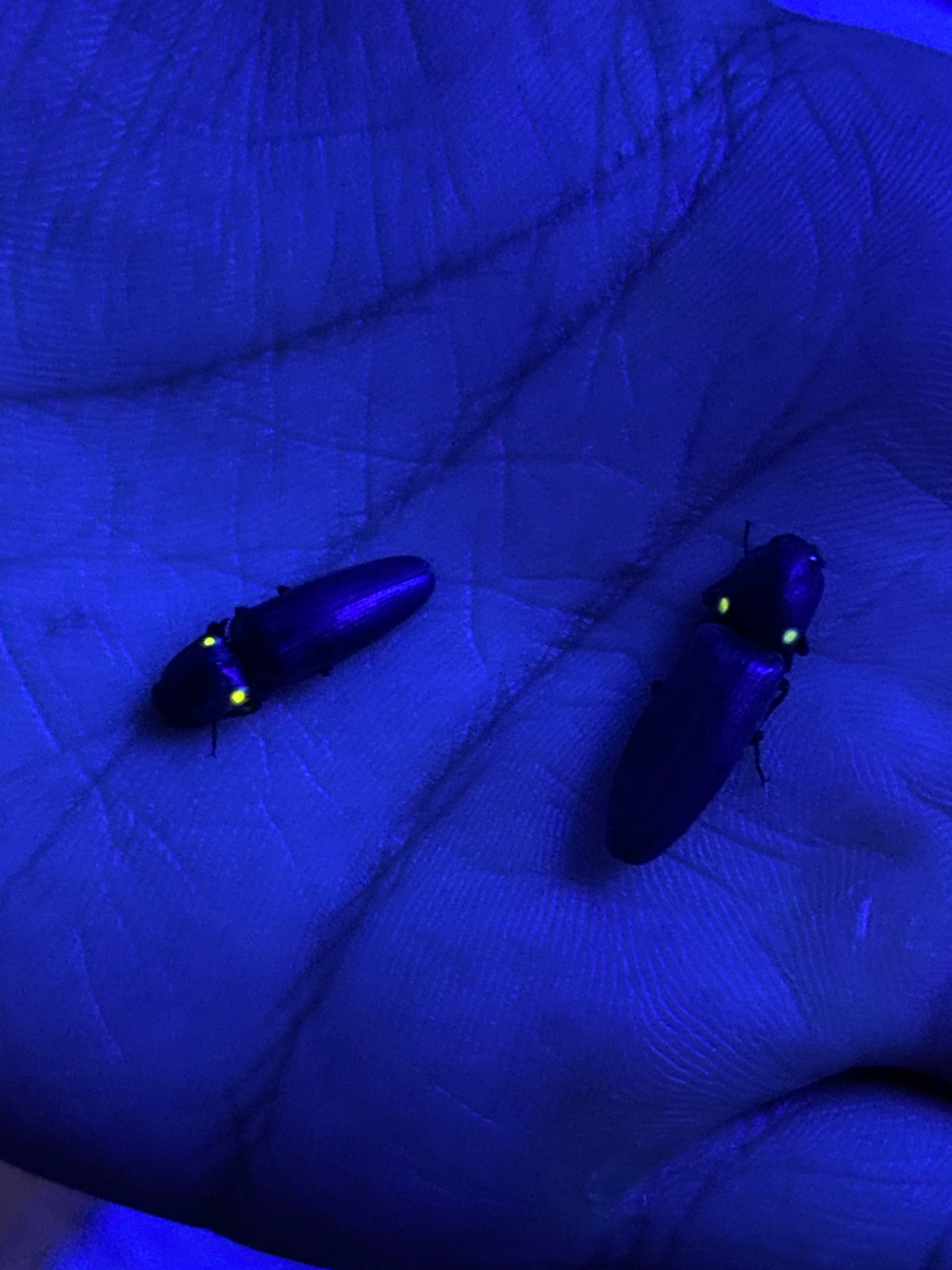
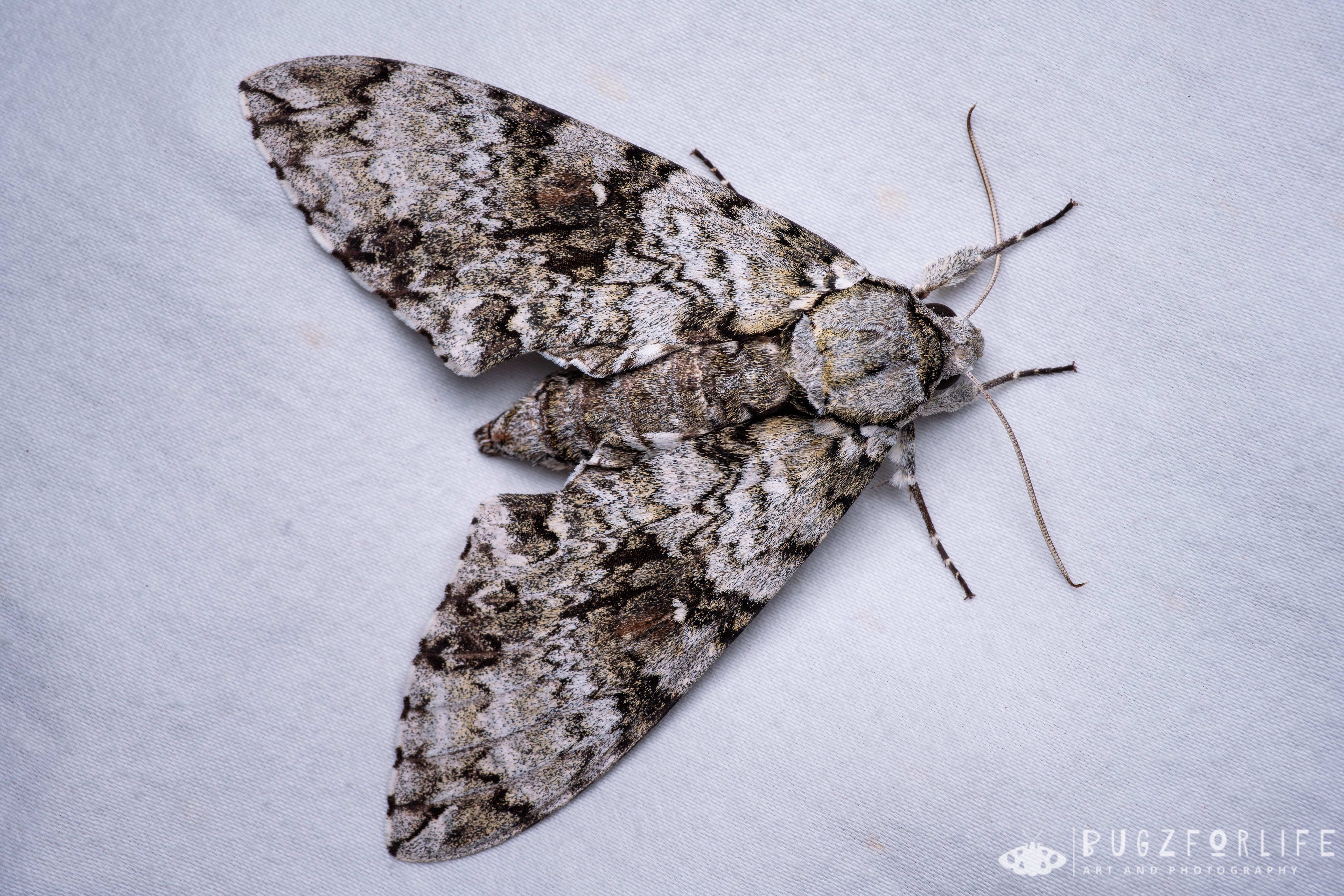
The east side of the Huachuca mountains are home to a plethora of insect species and it is one of the many biodiversity hot spots in the entire southeastern region of Arizona. The canyons I highlighted were just a few of the accessible areas you can explore here, and with other notable places like Ramsey Canyon, Ash Canyon, Garden Canyon, and the Coronado National Memorial, the only limiting factor is time.
Copper Canyon
Shifting to the western side of the Huachucas, this area has a similar habitat types to the eastern side except they change less abruptly. The west side of these mountains have much larger areas of drier habitats like scrub woodland and oak savanna, which eventually transition to more dense deciduous forests and riparian areas as you move up in elevation within each canyon. There is a notable difference in species diversity on this side of the mountains, but each canyon has its own species that make them unique.
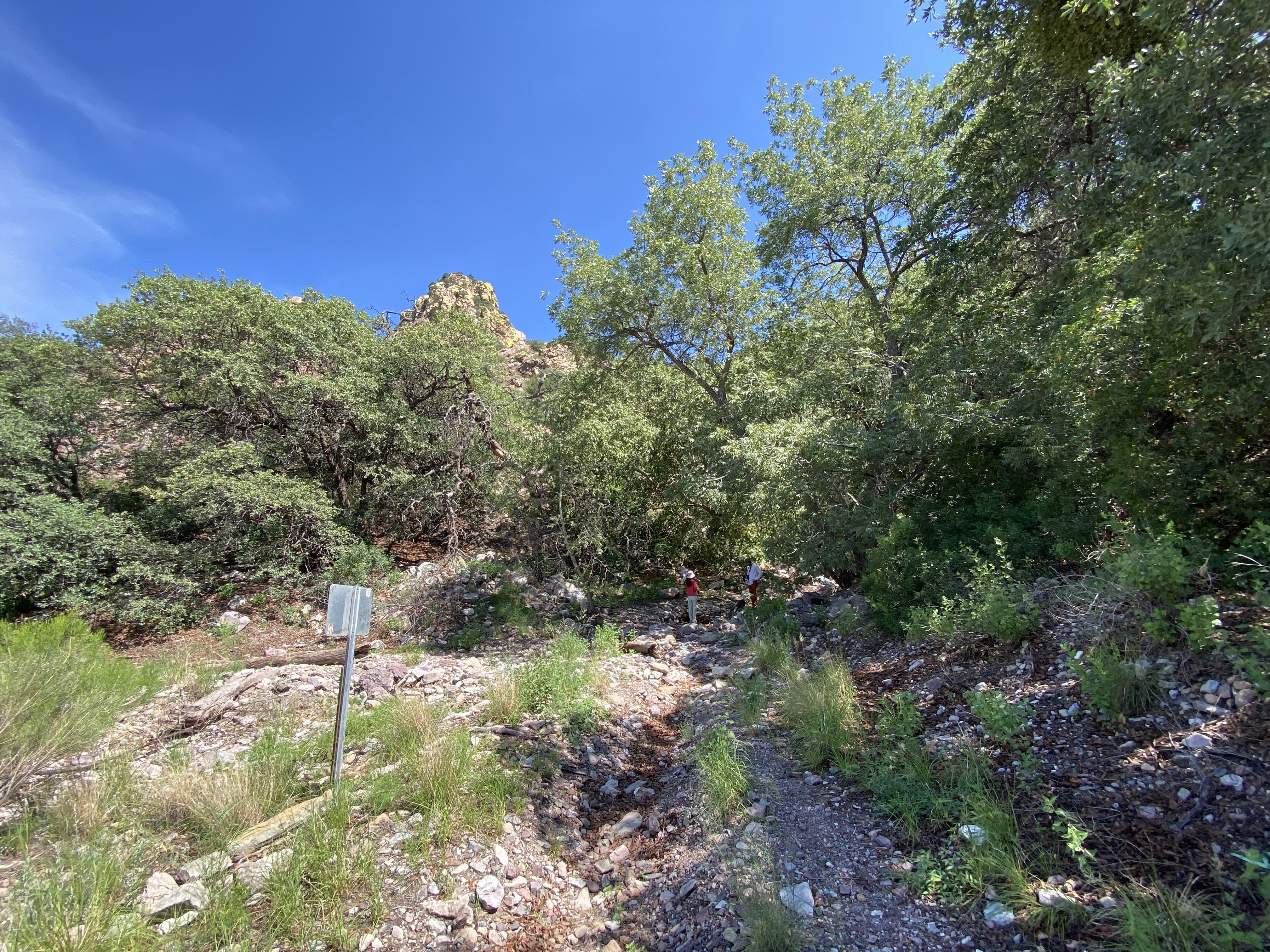
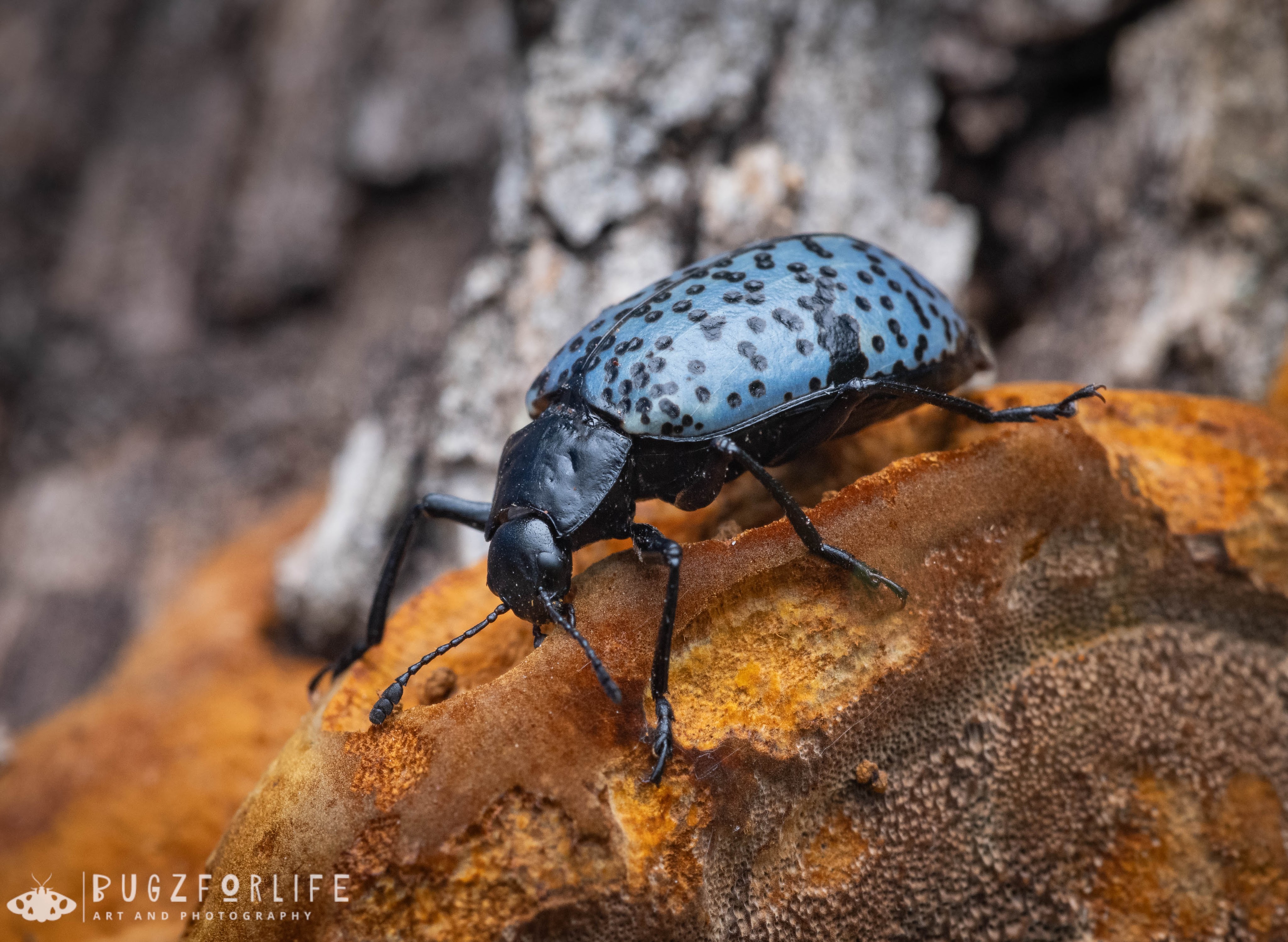
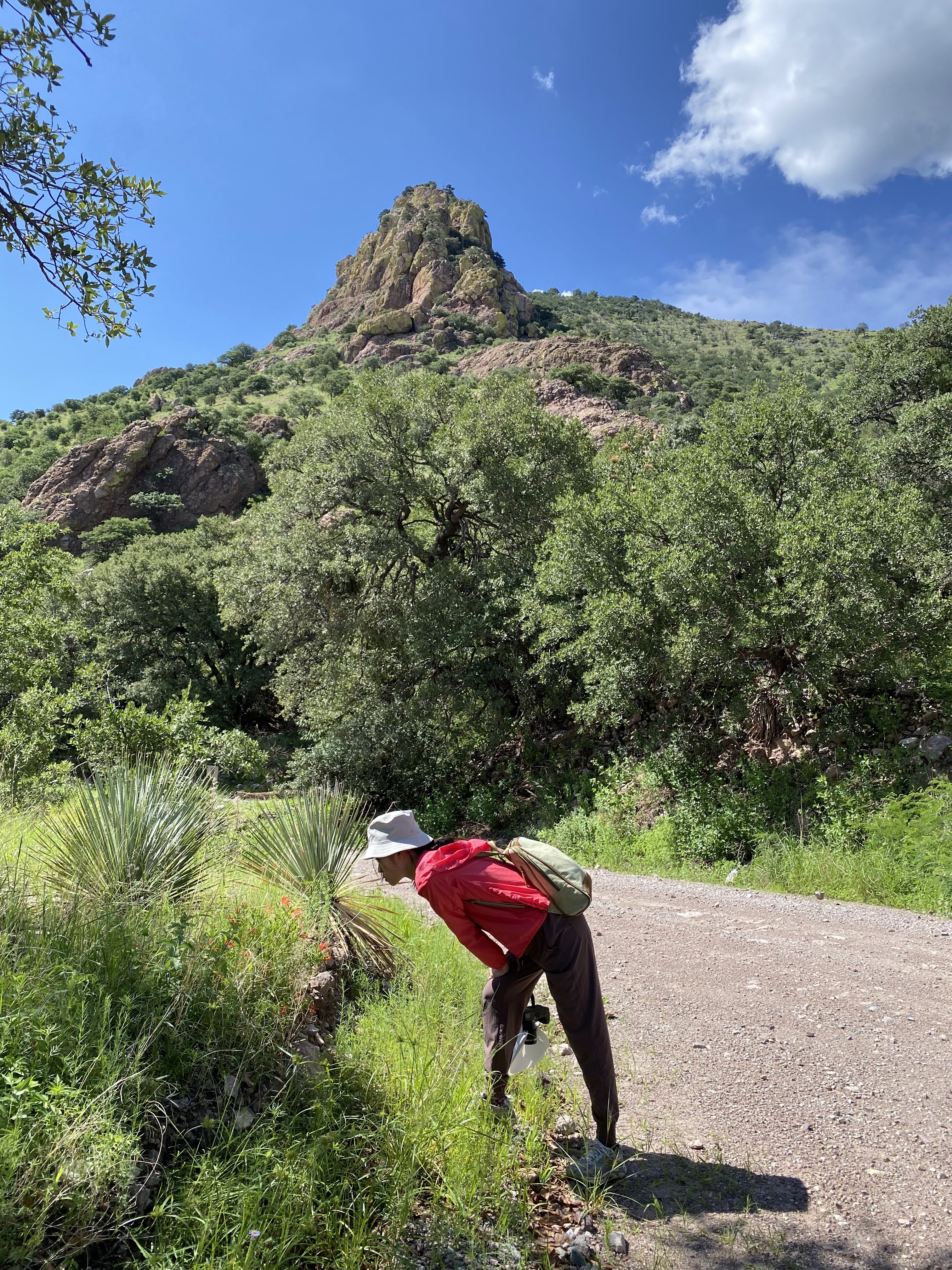
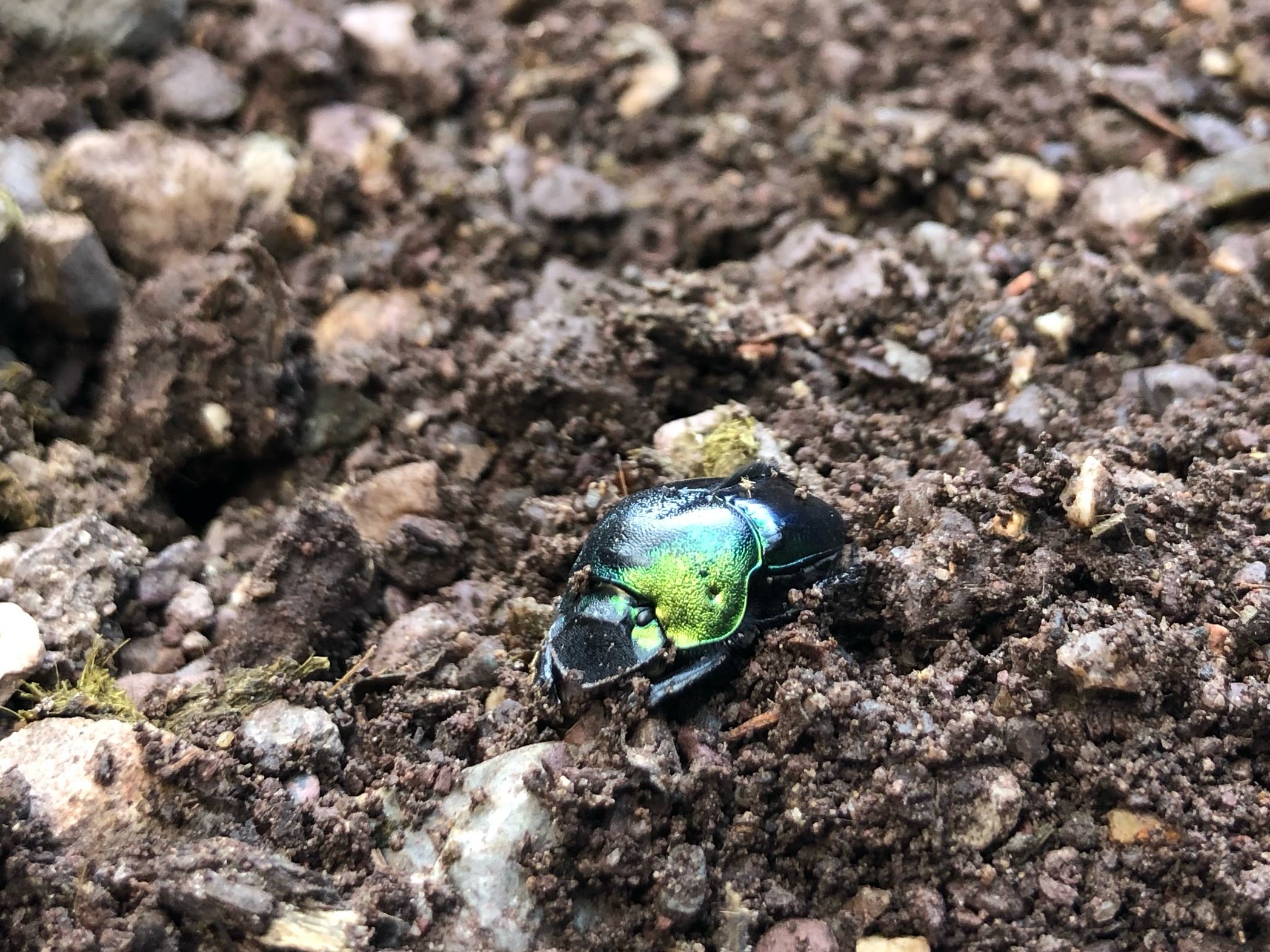
Copper Canyon is fairly unique compared to most of the other canyons on my list, due to the fact that it is the driest out of the bunch and it is the closest to the US/Mexico border. This allows for some species to occur here that you normally wouldn’t find in other nearby canyons. There are some common species that are present here like the blue pleasing fungus beetle (Cypherotylus californicus), two-tailed swallowtail (Papilio multicaudata), southern dogface (Zerene cesonia), and Mexican yellow (Eurema mexicana), that can be found right off the road near the canyon entrance. Other uncommon species like the red-spotted purple (Limenitis arthemis), rainbow scarab (Phanaeus quadridens), southwestern eyed click beetle (Alaus zunianus), and dainty sulphur butterfly (Nathalis iole). Fun fact about the dainty sulphur, it is the smallest species of sulphur butterfly in North America. Copper Canyon provides an excellent flyway for many insects and other wildlife, which is why it is a must visit when exploring this region.
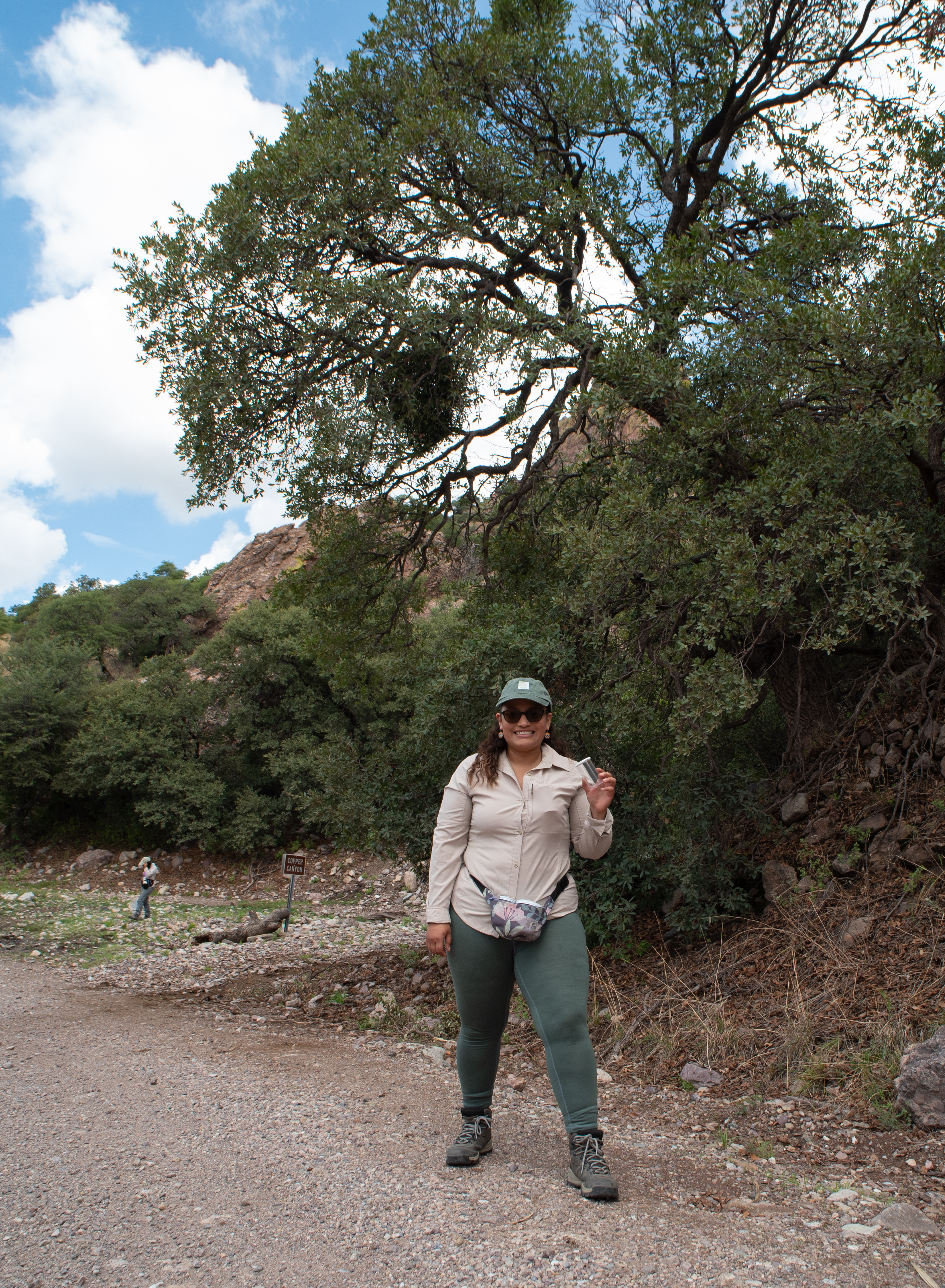
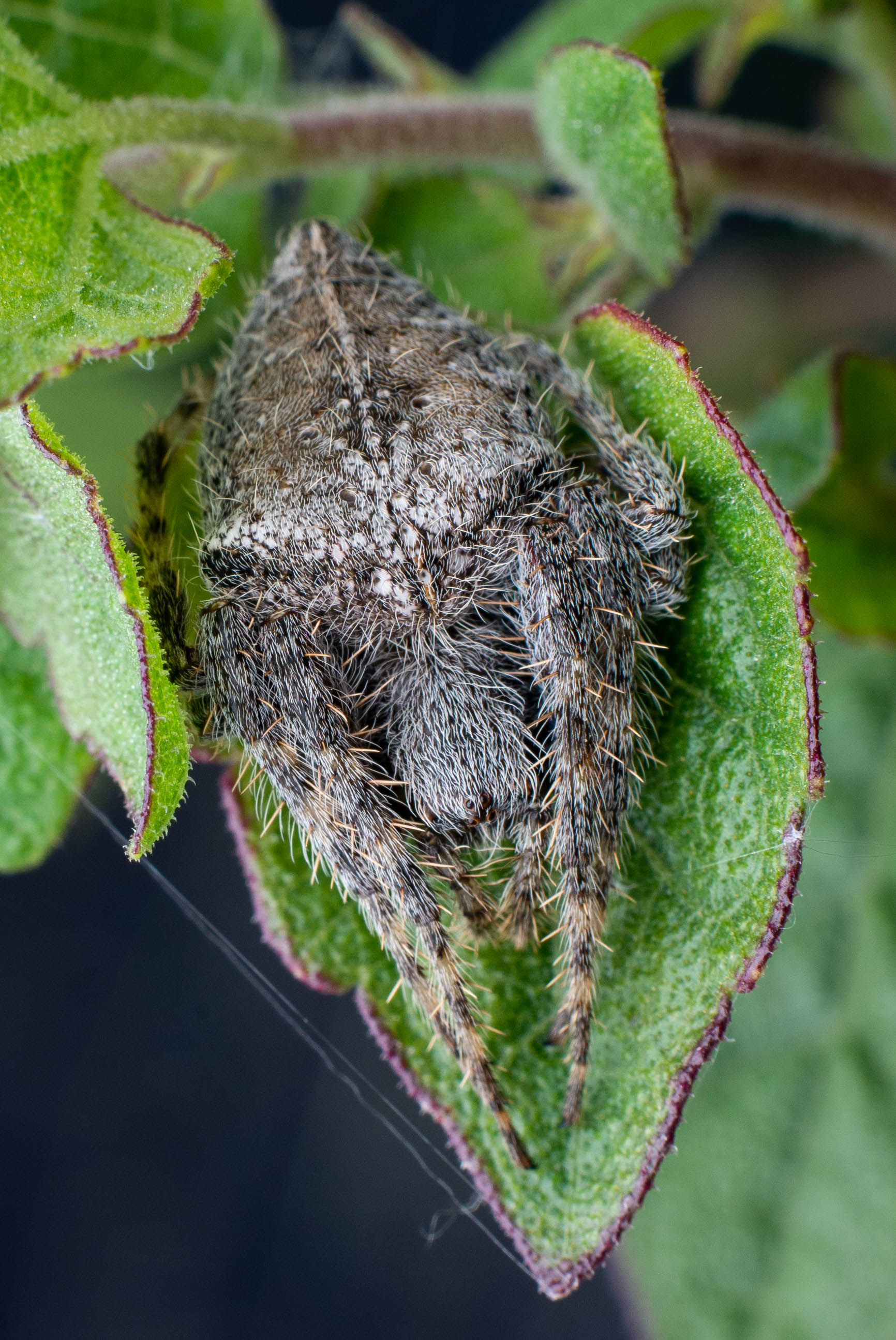
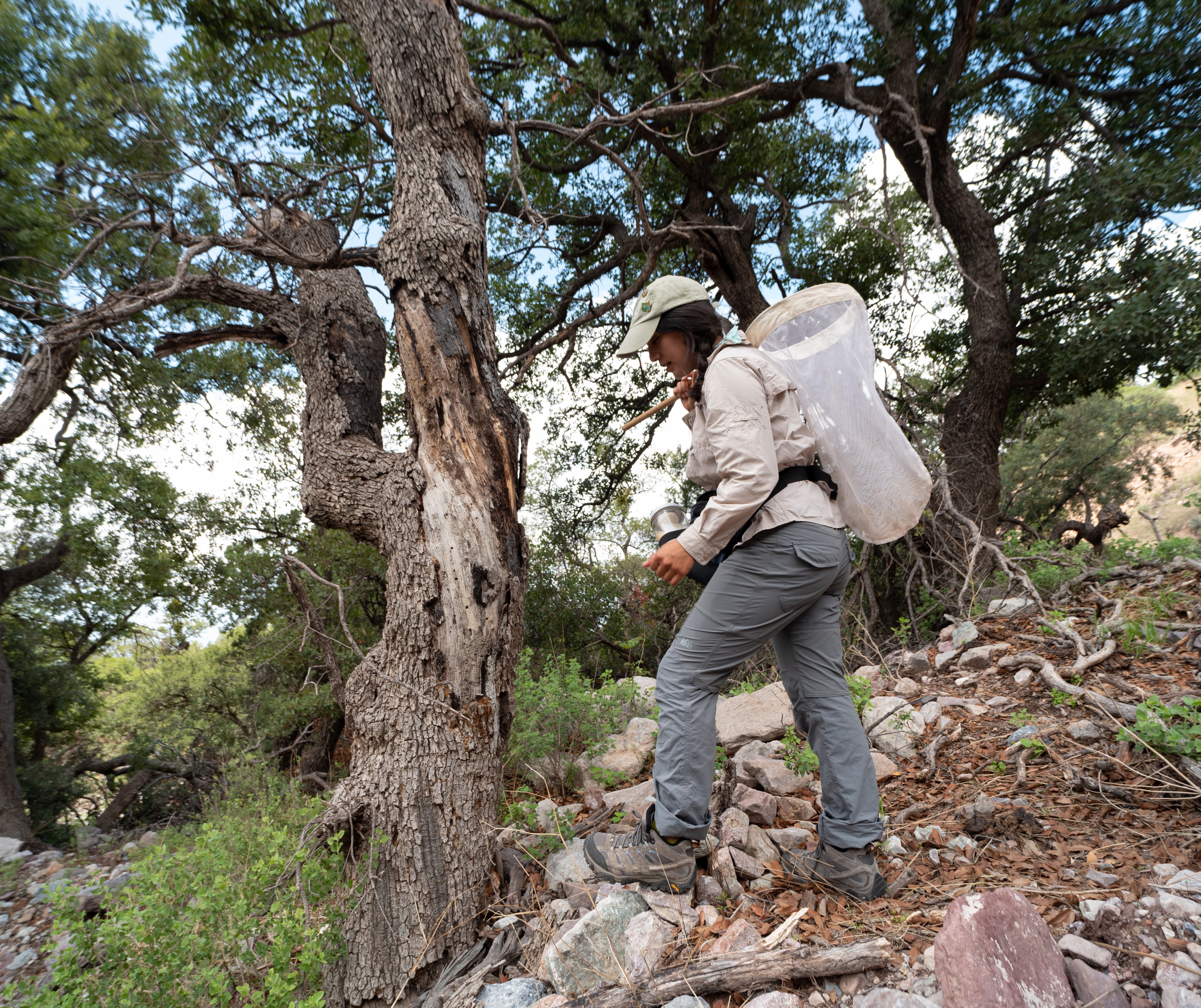
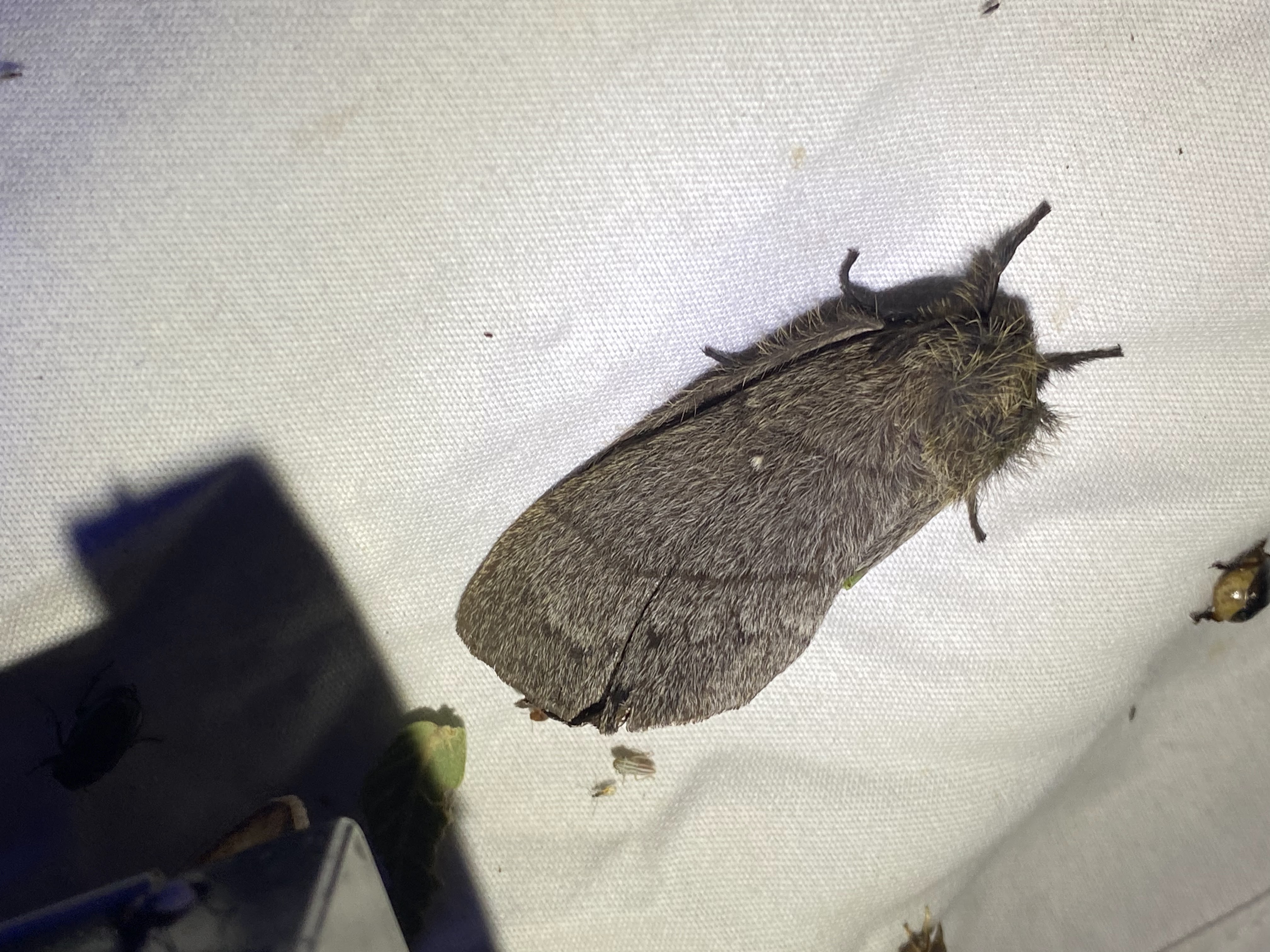
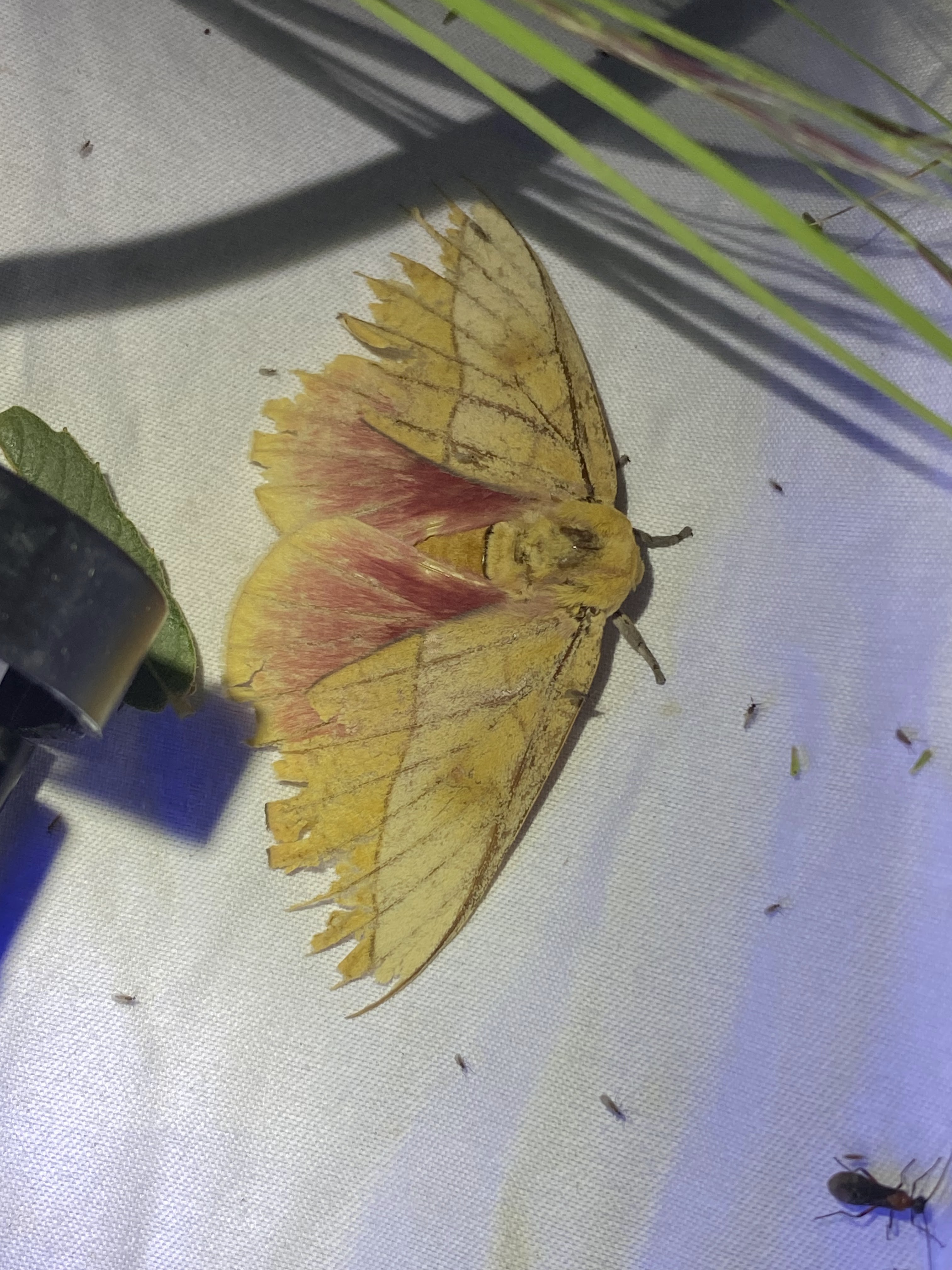
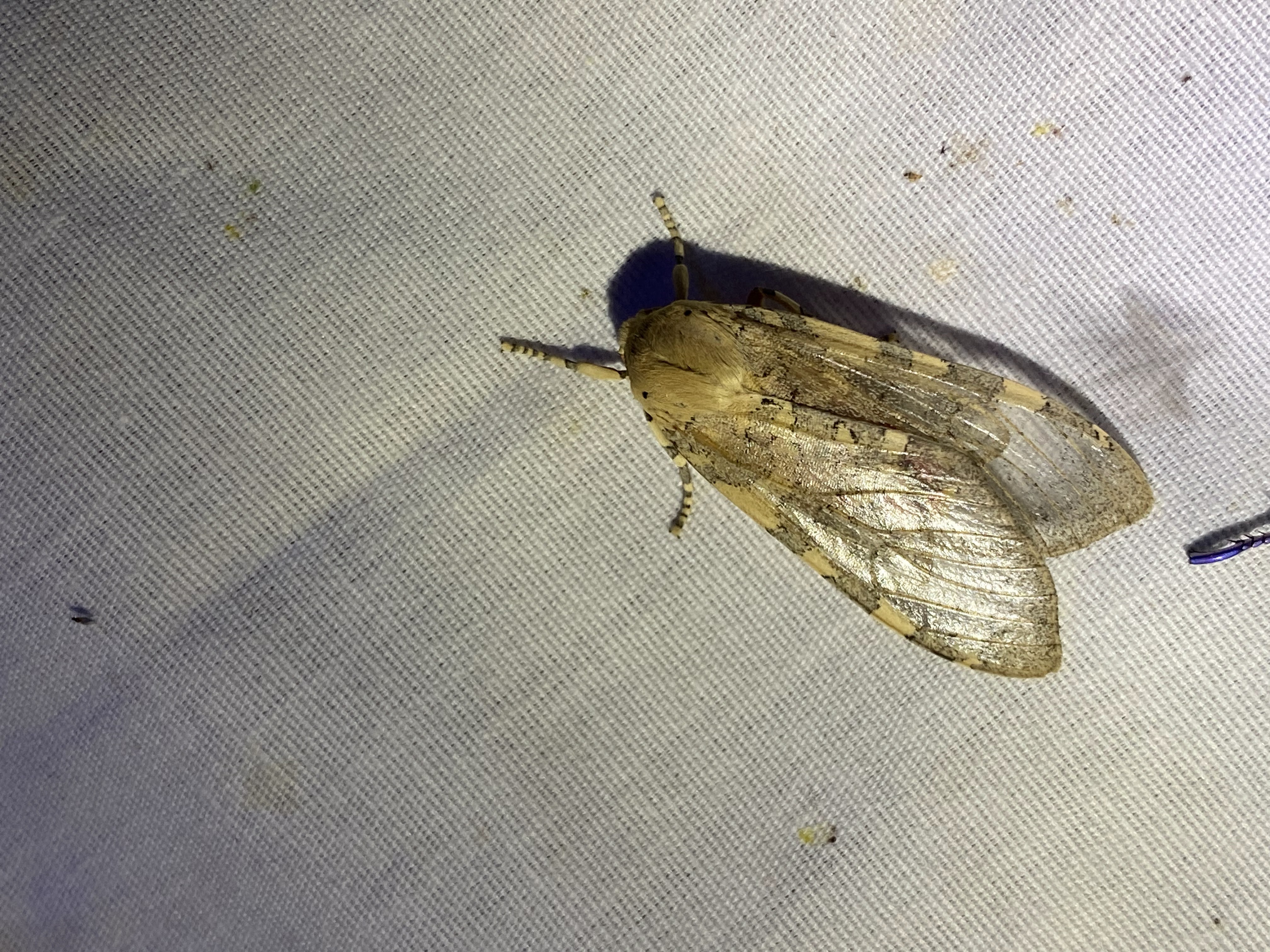
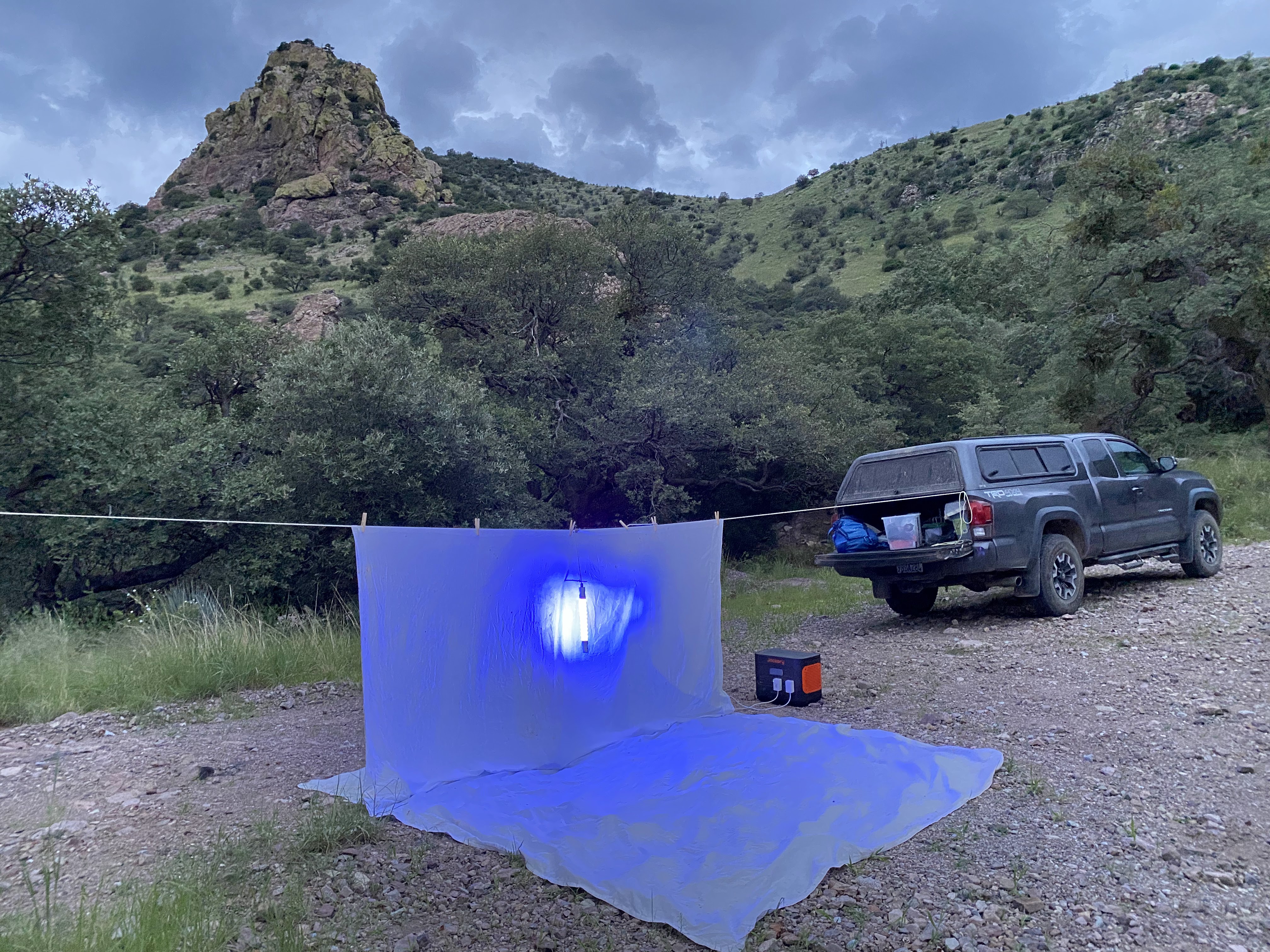
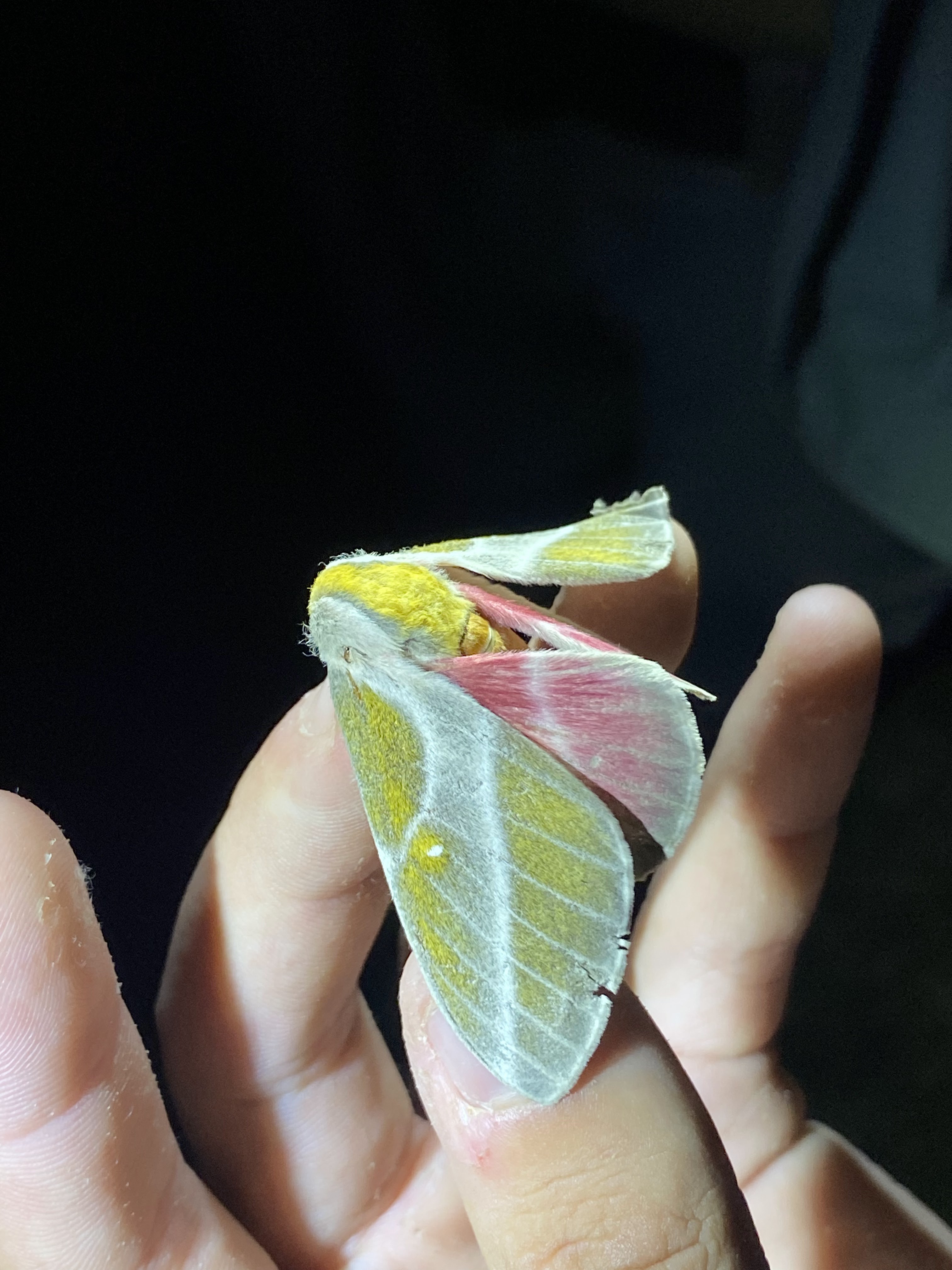
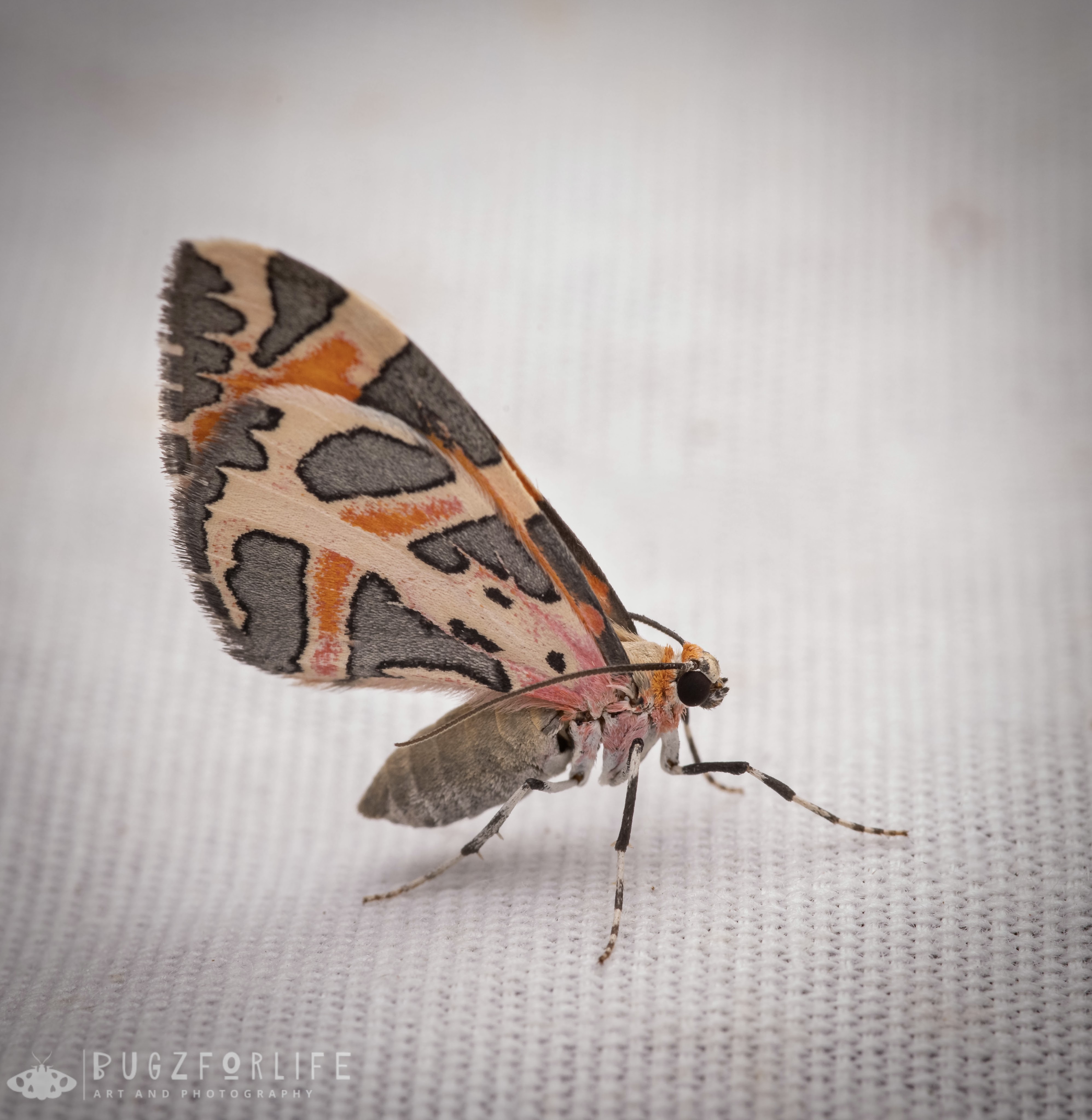
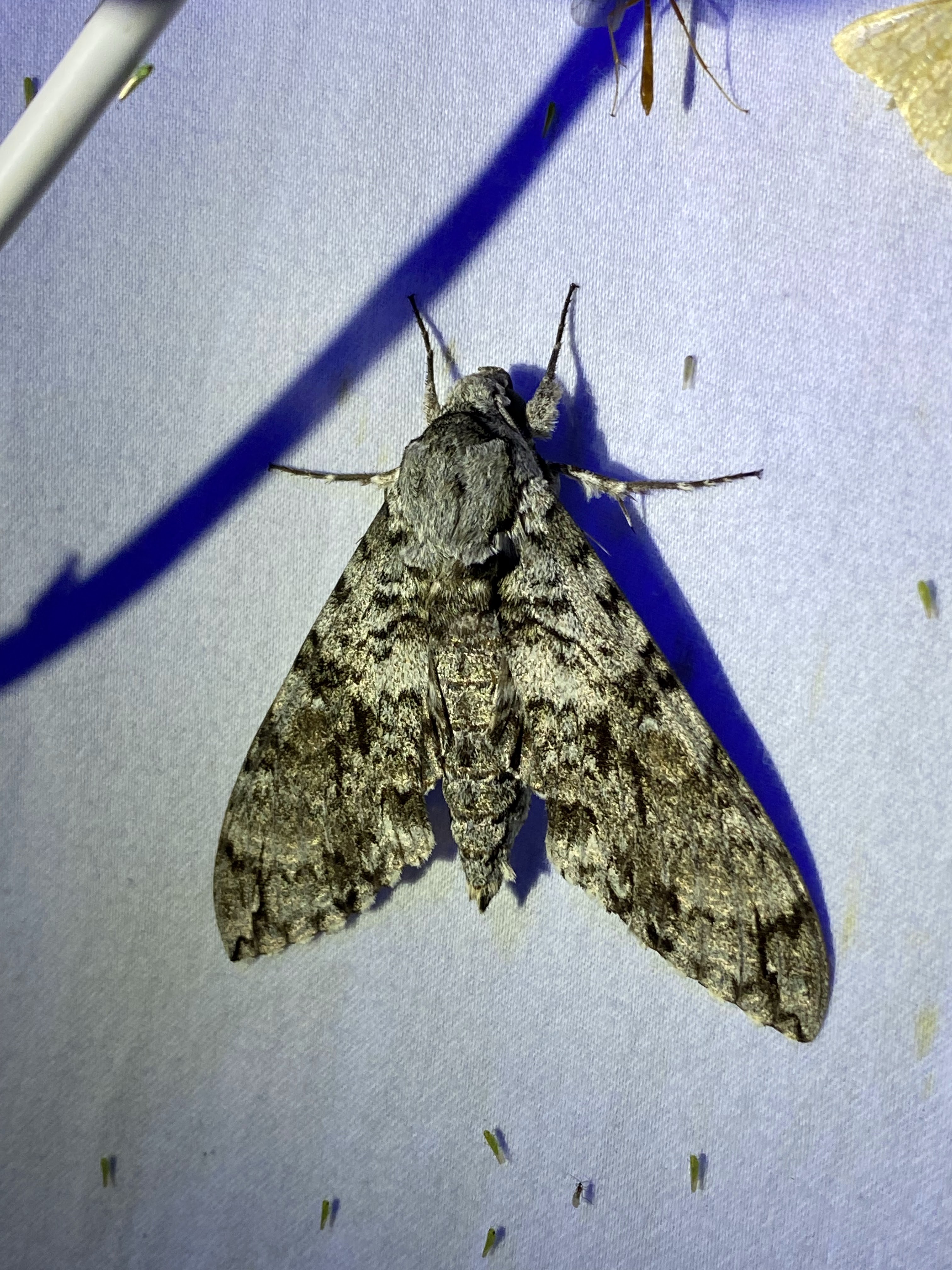
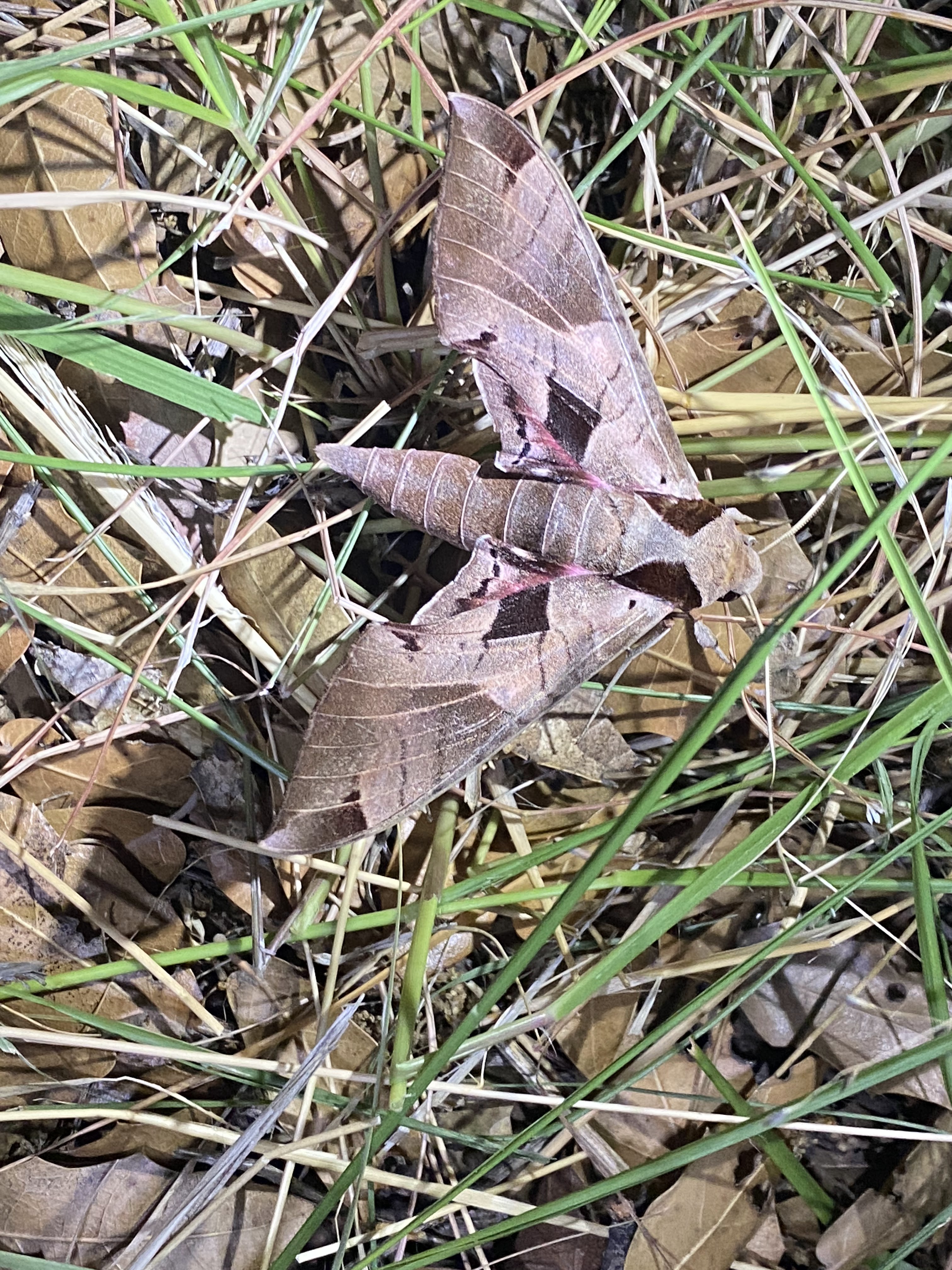
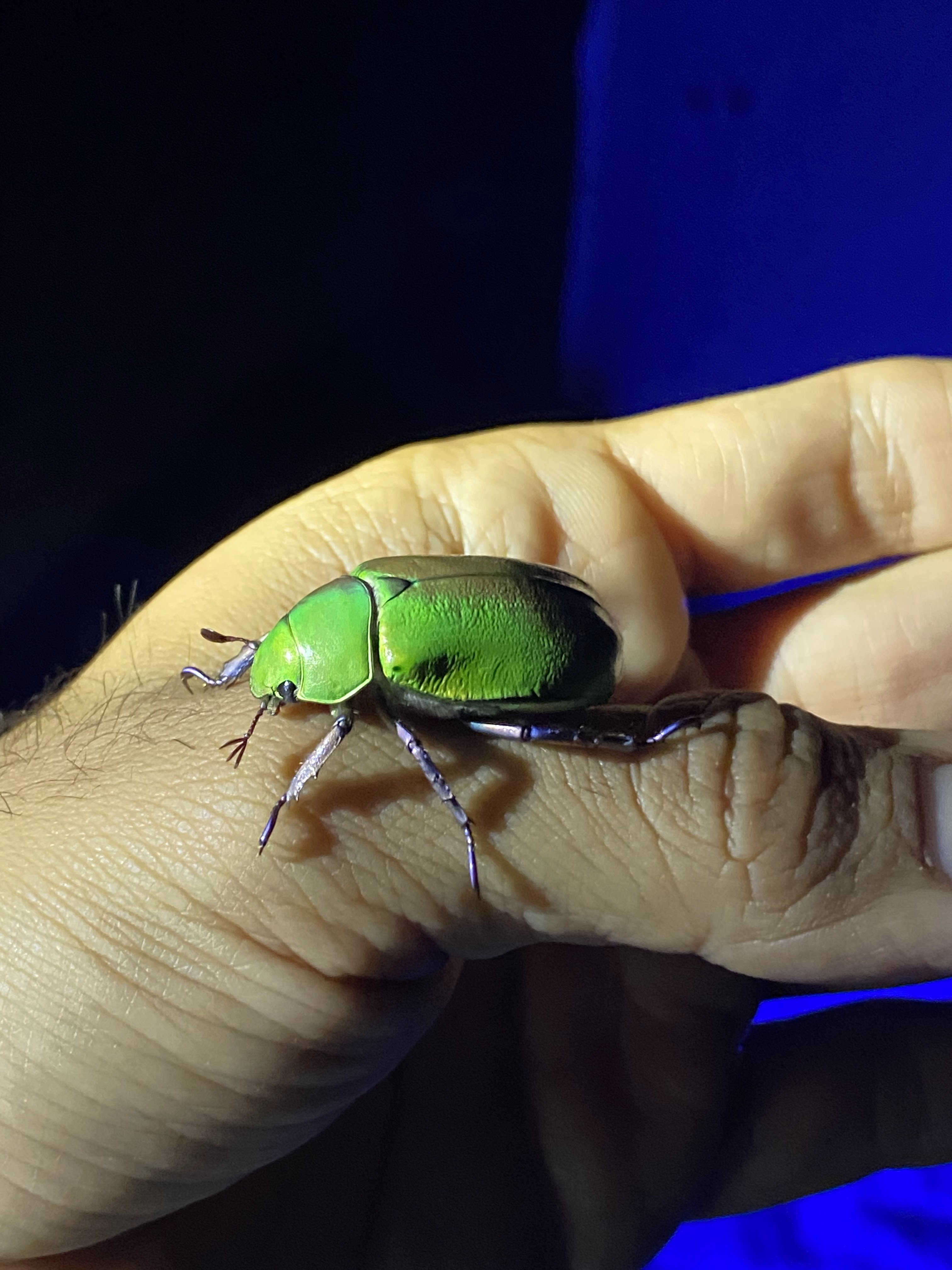
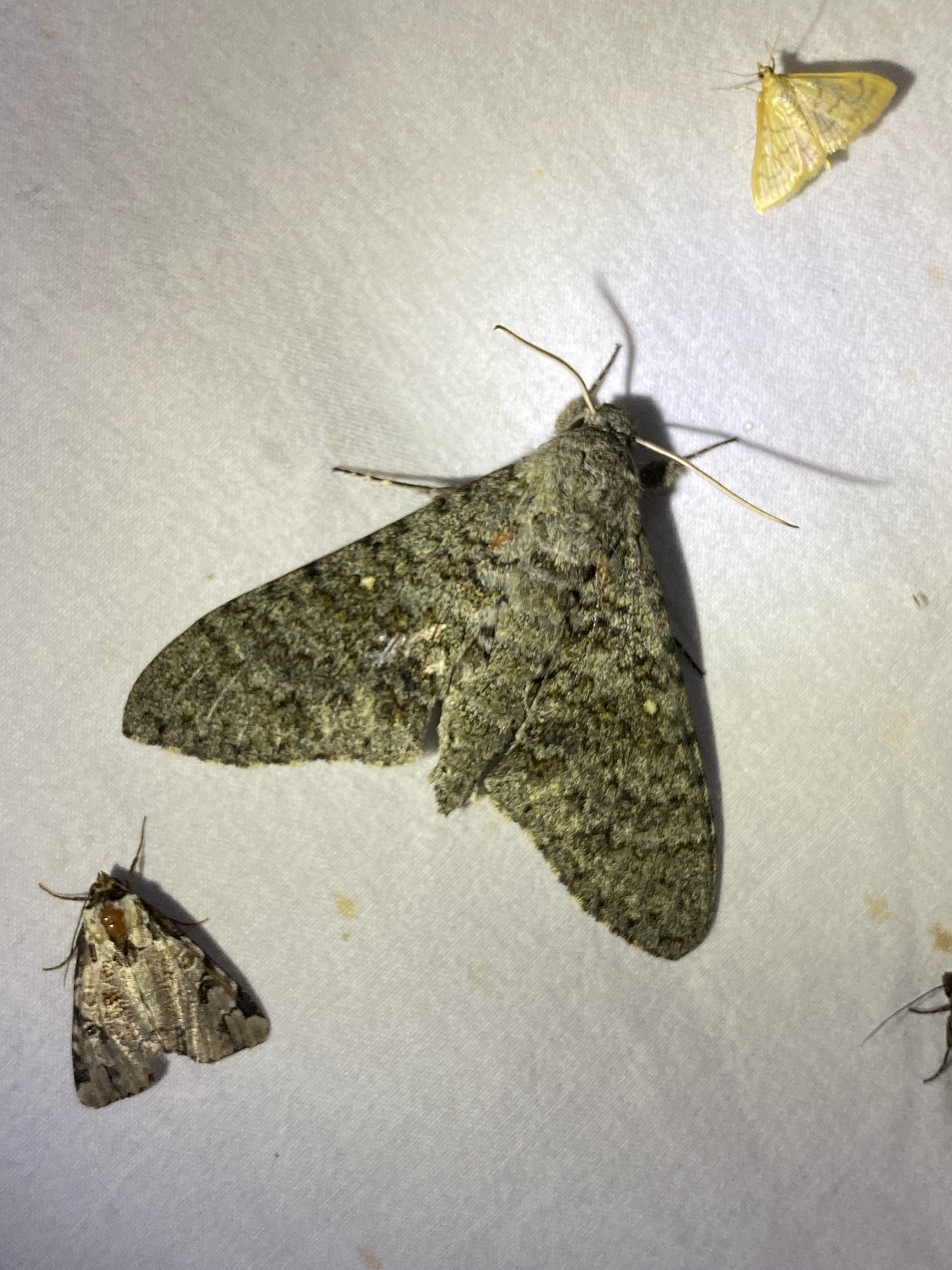
At night there is zero light pollution, which means having a UV/MV light is setup will bring in plenty of amazing species that you probably wouldn’t see any where else in the region. Being so close to the border usually means you will sometimes get rare or uncommon stray species that make their way into southern Arizona. Some of these strays include the satellite sphinx (Eumorpha satellitia), falcifera sphinx (Callionima falcifera), Adeloneivaia isara, streaked calidota (Calidota laqueata), and hieroglyphic moth (Diphthera festiva). Species that I have seen plenty of over the years at the sheet in this locality include Oslar’s imperial moth (Eacles oslari), Typhon sphinx (Eumorpha typhon), muscosa sphinx (Manduca muscosa), Ello sphinx (Erinnyis ello), underwing moths (Catocala sp.), glorious jewel scarab (Chrysina gloriosa), Beyer’s jewel scarab (Chrysina beyeri), fiery searcher (Calosoma scrutator), ox beetle (Strategus aloeus), and sunburst diving beetle (Thermonectus marmoratus). There are plenty of other species that will make their appearance on the sheet but you will have to visit to see them for yourself!
Ida Canyon
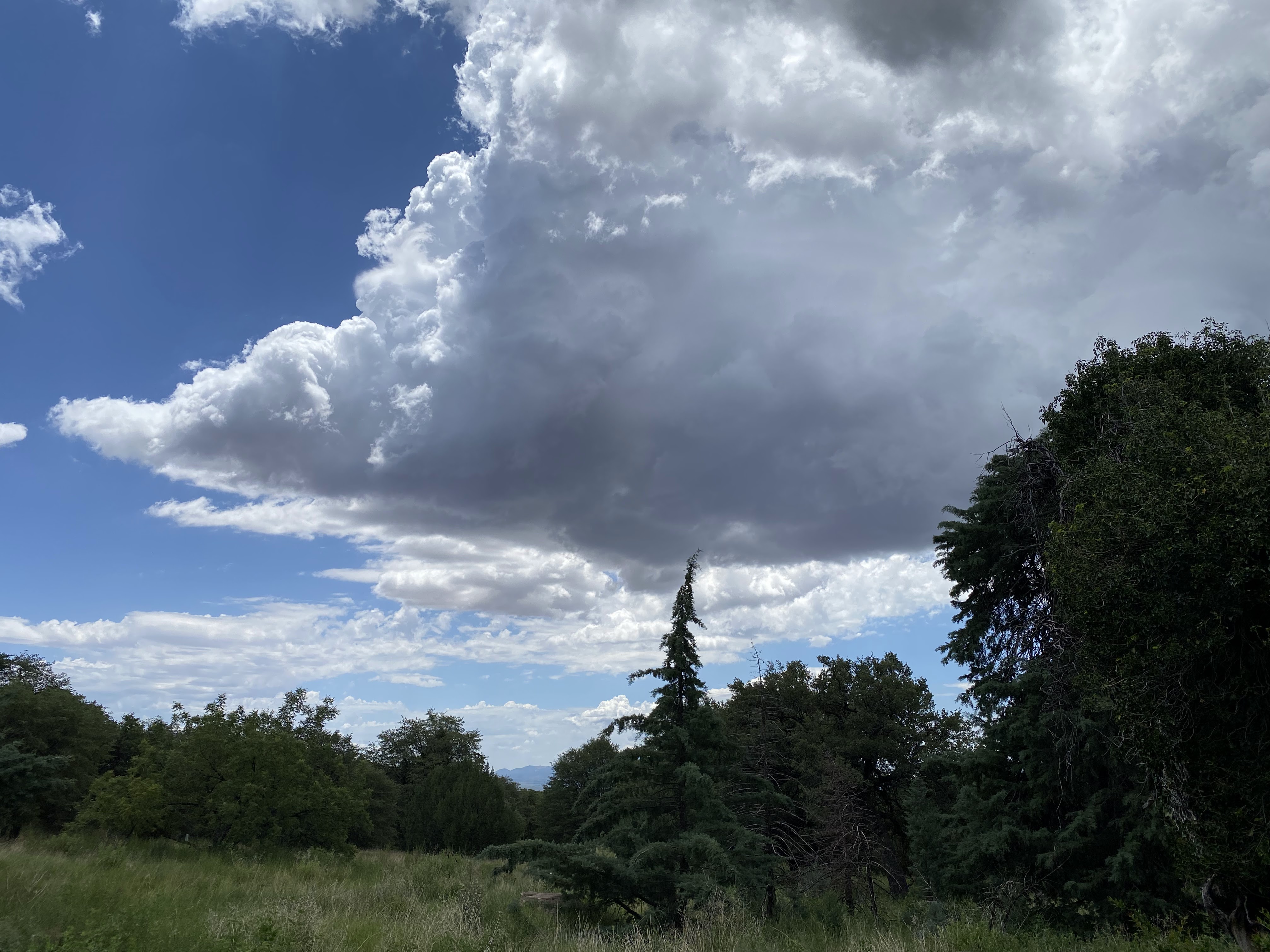
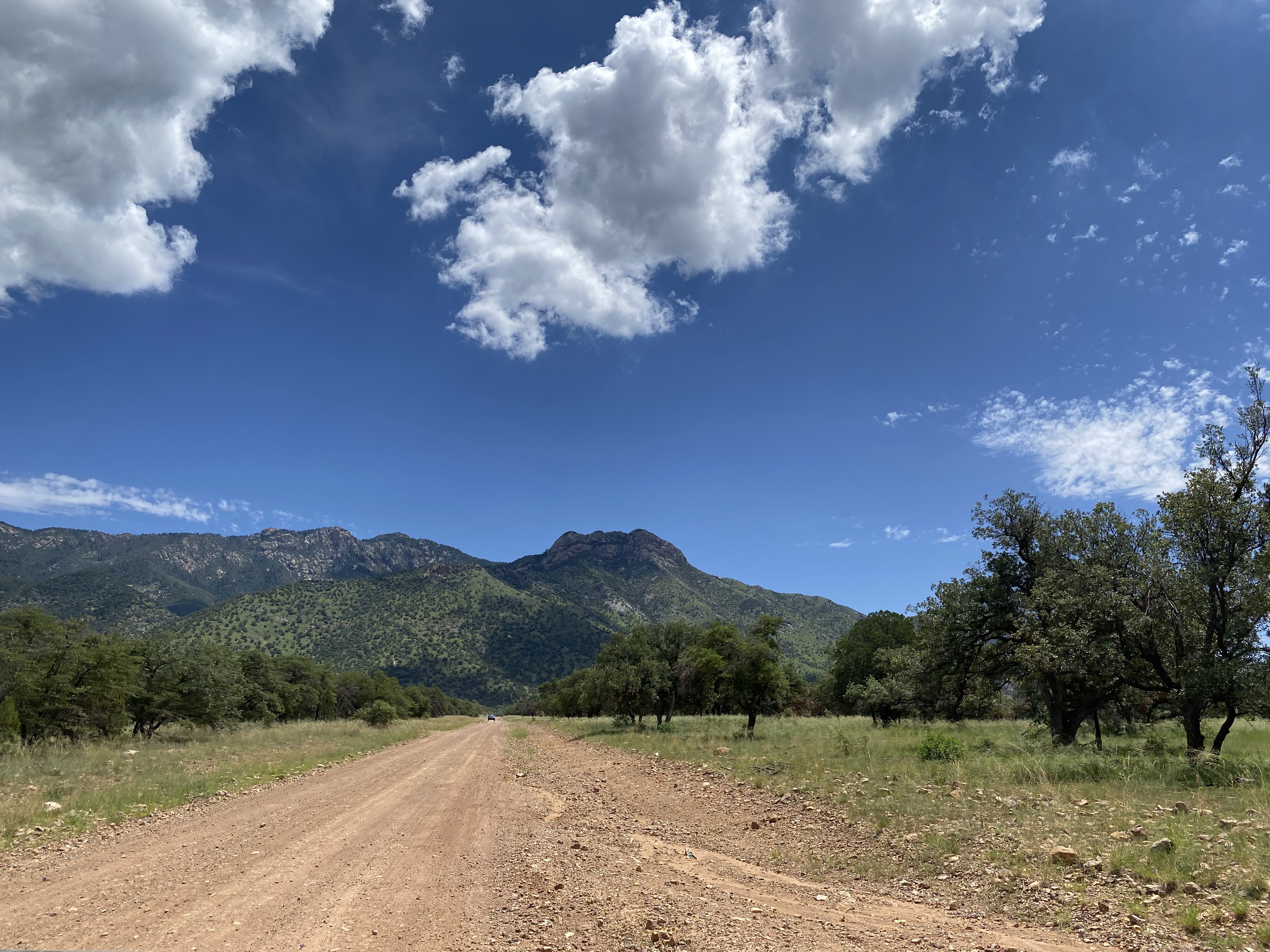
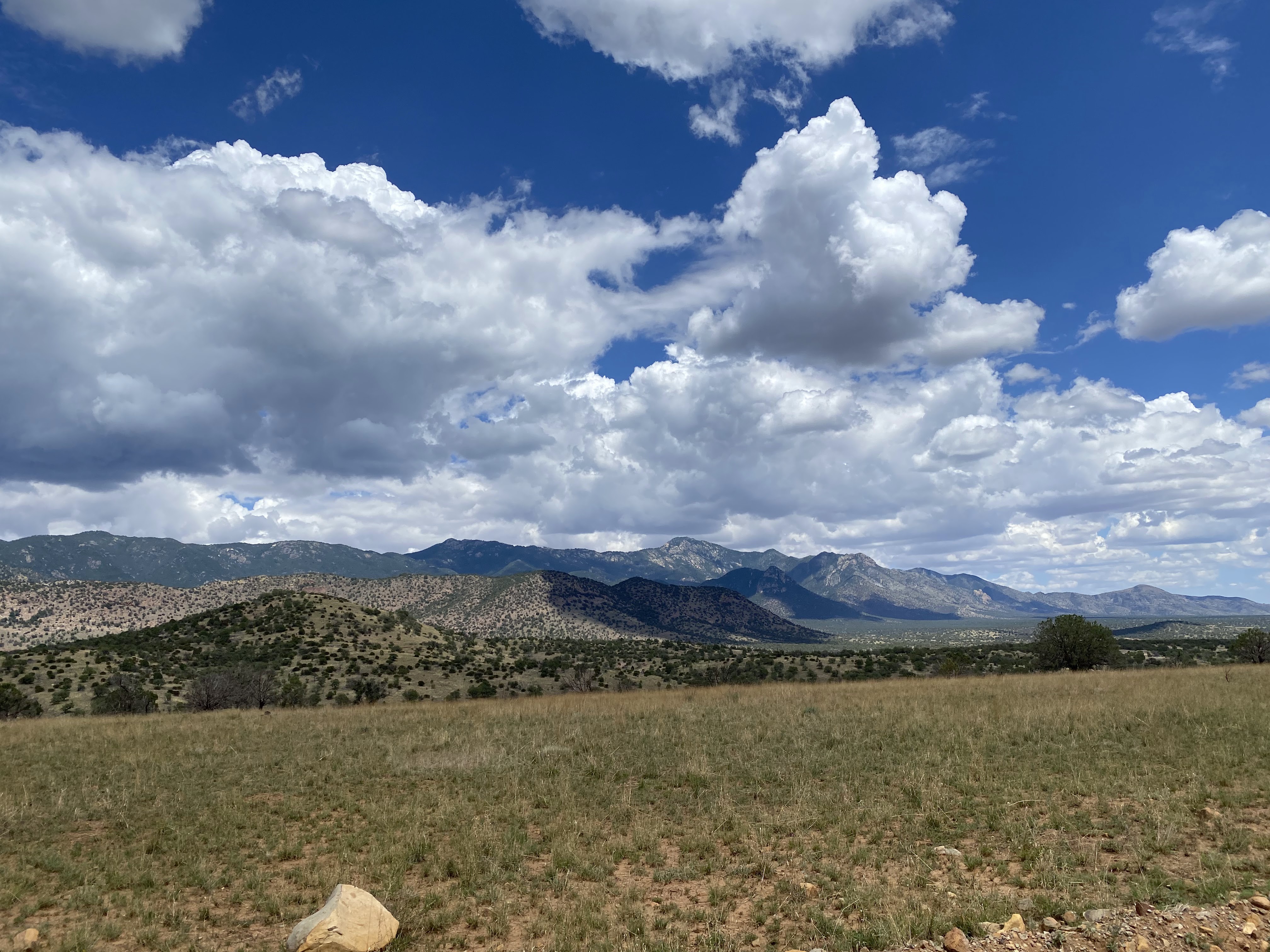
One of the lesser visited canyons on the west side of the Huachuca mountains, Ida Canyon is an interesting location with a much longer transitional zone between the lower and upper sections of the canyon. The lower section of the canyon has an extended area of mixed oak savanna and scrub woodland, where large oak trees can be seen next to mesquite and multiple species of acacia. As this mixed habitat moves upward, it eventually gives way to a much denser forest with mixed oak, juniper, and sycamore trees dominating the canopy. There is also a small creek that flows down the canyon, but its level fluctuates depending on how much rain the area has received. One good thunderstorm can transform this slow creek into a strong flowing stream in a very short amount of time. The observable insect diversity (day and night) seems to fluctuate much more here than in other nearby canyons, but it its still a great visit if one decides to do so.
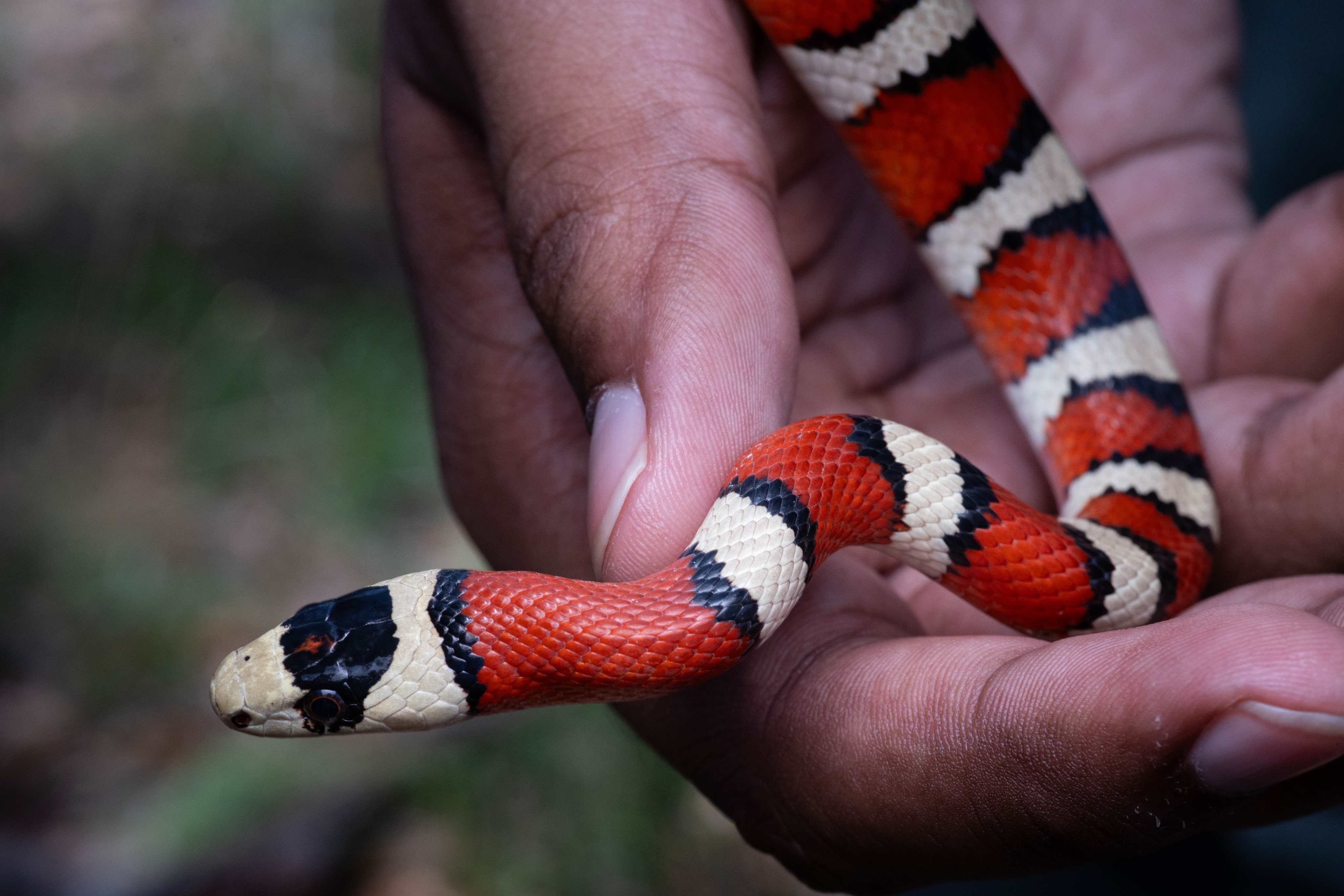
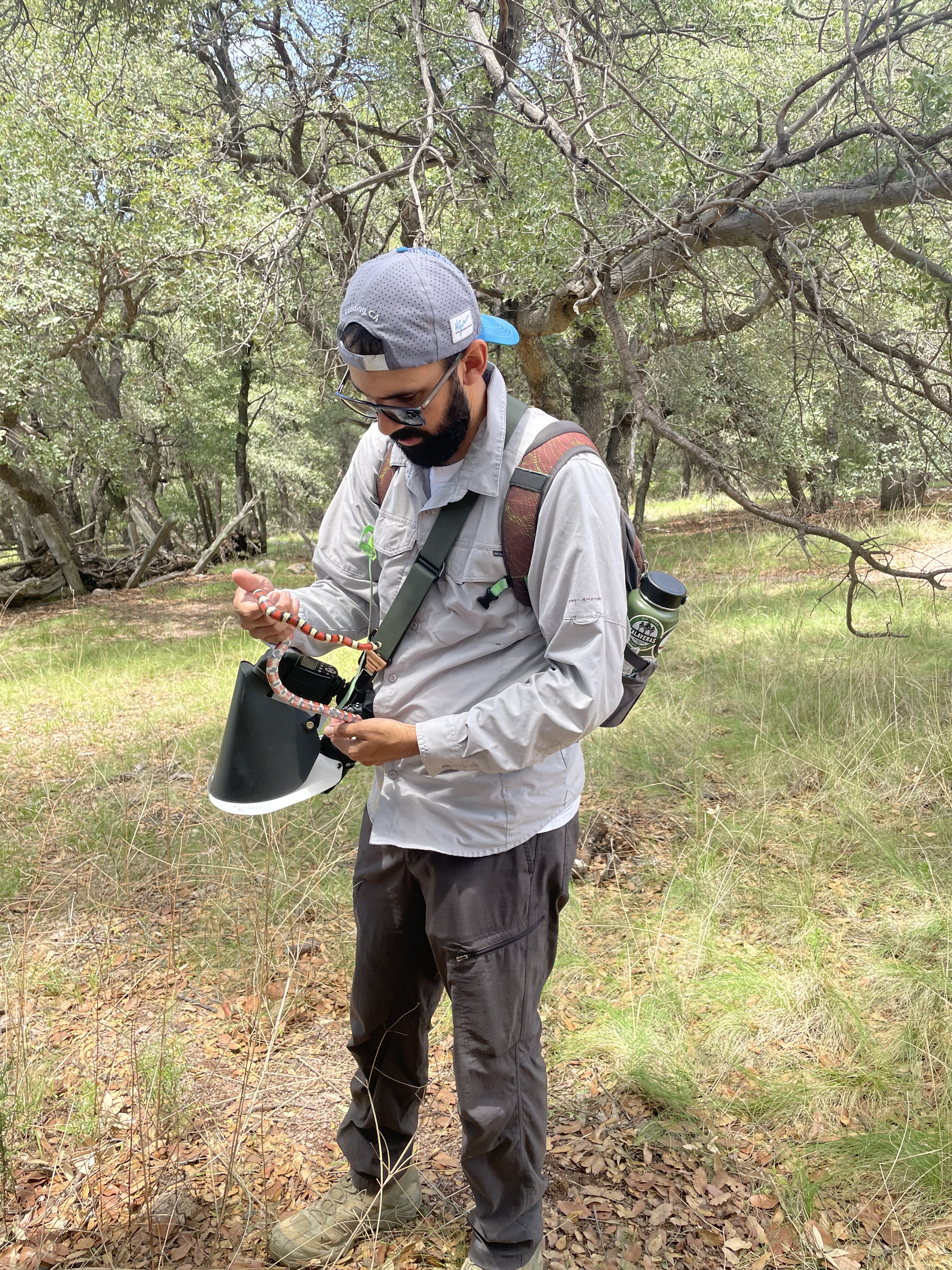
Ida Canyon has an interesting assortment of insect species, both during the day and at night. During the day you can expect to find plenty of butterflies, including the southern dogface, sleepy orange, Arizona sister, dainty sulphur, zela metalmark, Arizona metalmark, and Mexican yellow. Under one of the large juniper trees near the parking area in the upper canyon is a patch of low growing herbaceous plants. These plants tend to have an abundance of tortoiseshell beetles and other insects that use them as plant hosts. Species I have seen in this micro habitat include the Arizona tortoiseshell beetle (Physonota arizonae), red tortoiseshell beetle (Jonthonota mexicana), clavate tortoise beetle (Helocassis clavata), globe mallow leaf beetle (Calligrapha serpentina), and golden tortoise beetle (Charidotella sexpunctata). Other notable species that have been recorded here are the western cicada-killer wasp (Sphecius grandis), Arizona walking stick (Diapheromera arizonensis), and fiery searcher (Calosoma scrutator). At night the species present are similar to other nearby canyons, but I unfortunately have not done any blacklighting here. From what I have been shown and told by others is that most of the common large silk moths are present here, as well as other large moths like the black witch (Ascalapha odorata) and Dicogaster coronada. Another special species I know that can be been found here is the northern giant flag moth (Dysschema howardi), which can be quite rare. I highly recommend visiting this canyon, but a word of caution that this area is somewhat remote and the main road is subject to flooding during the monsoon season so be sure to plan accordingly.
Parker Canyon Lake and adjacent areas of interest
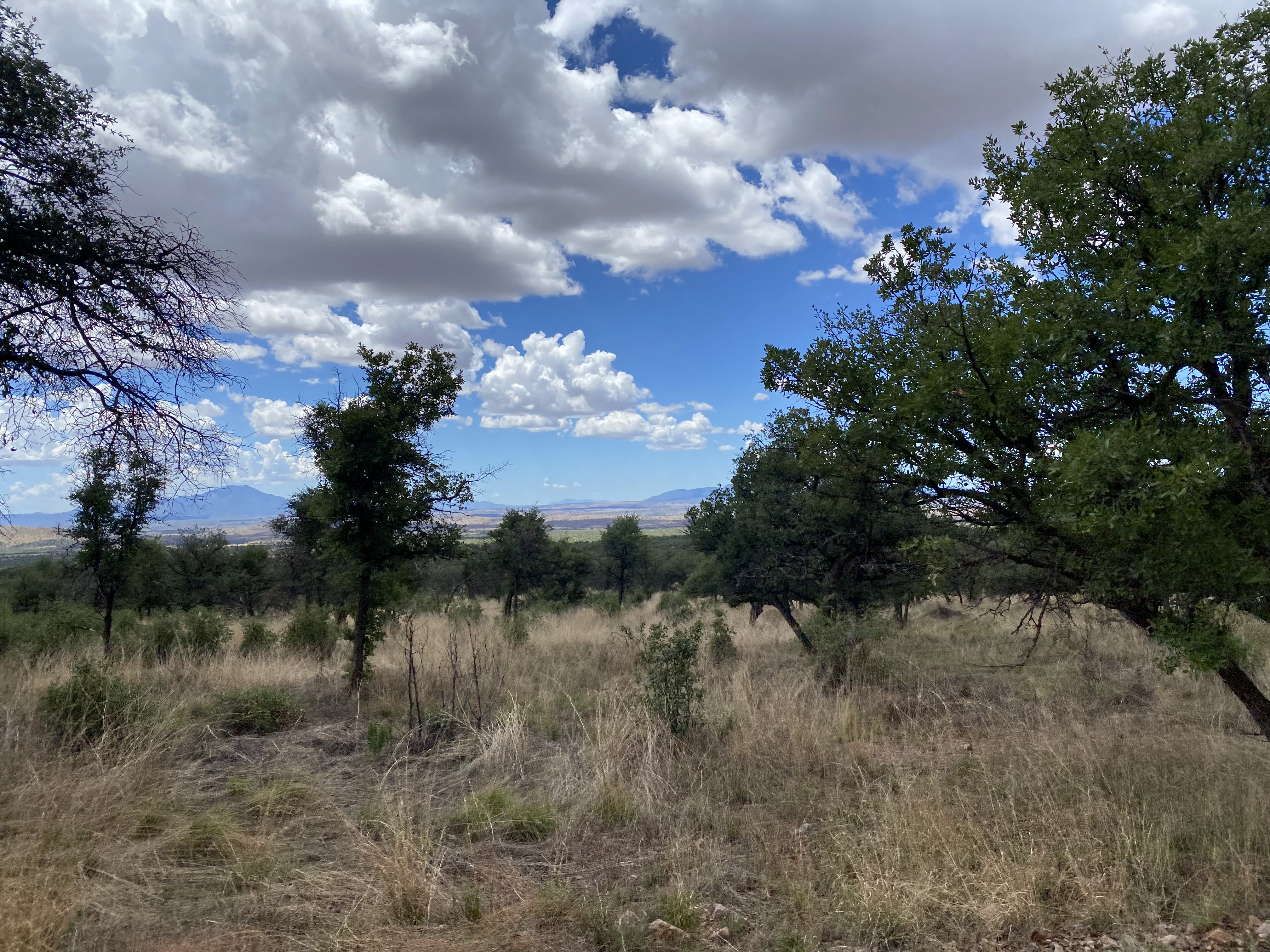
By far one of my favorite areas to explore on the west side of the Huachucas. Parker Canyon lake sits south of Sonoita and can be accessed via the Hwy 83. This small reservoir is surrounded by oak savannas and oak woodlands, with riparian areas and juniper dominated hill sides mixed in as well. The area directly surrounding the lake is mostly occupied by residents with homes here and other private property owners. When visiting I recommend staying at the lake campground and exploring around here to avoid accidentally ending up on someone’s property by mistake. This area has surprised me in the past with how many species I was able to find here both during the day and at night. At the campground and the many trails that extend out of it I have observed plenty of species, including the green-bordered ground beetle (Pasimachus viridans), common desert centipede (Scolopendra polymorpha), painted lady, green lynx spider, western pondhawk (Erythemis collocata), Arizona giant water bug (Lethocerus medius), and Arizona blonde tarantula (Aphonopelma chalcodes). At night (with a UV/MV light setup), one can expect to see plenty of moths, beetles, antlions, and true bugs. Some of the more uncommon species I have encountered here are Syssphinx raspa, Automeris hesselorum, triceratops beetle (Phileurus truncatus), western picture-winged antlion (Glenurus luniger), and hieroglyphic moth (Diphthera festiva).
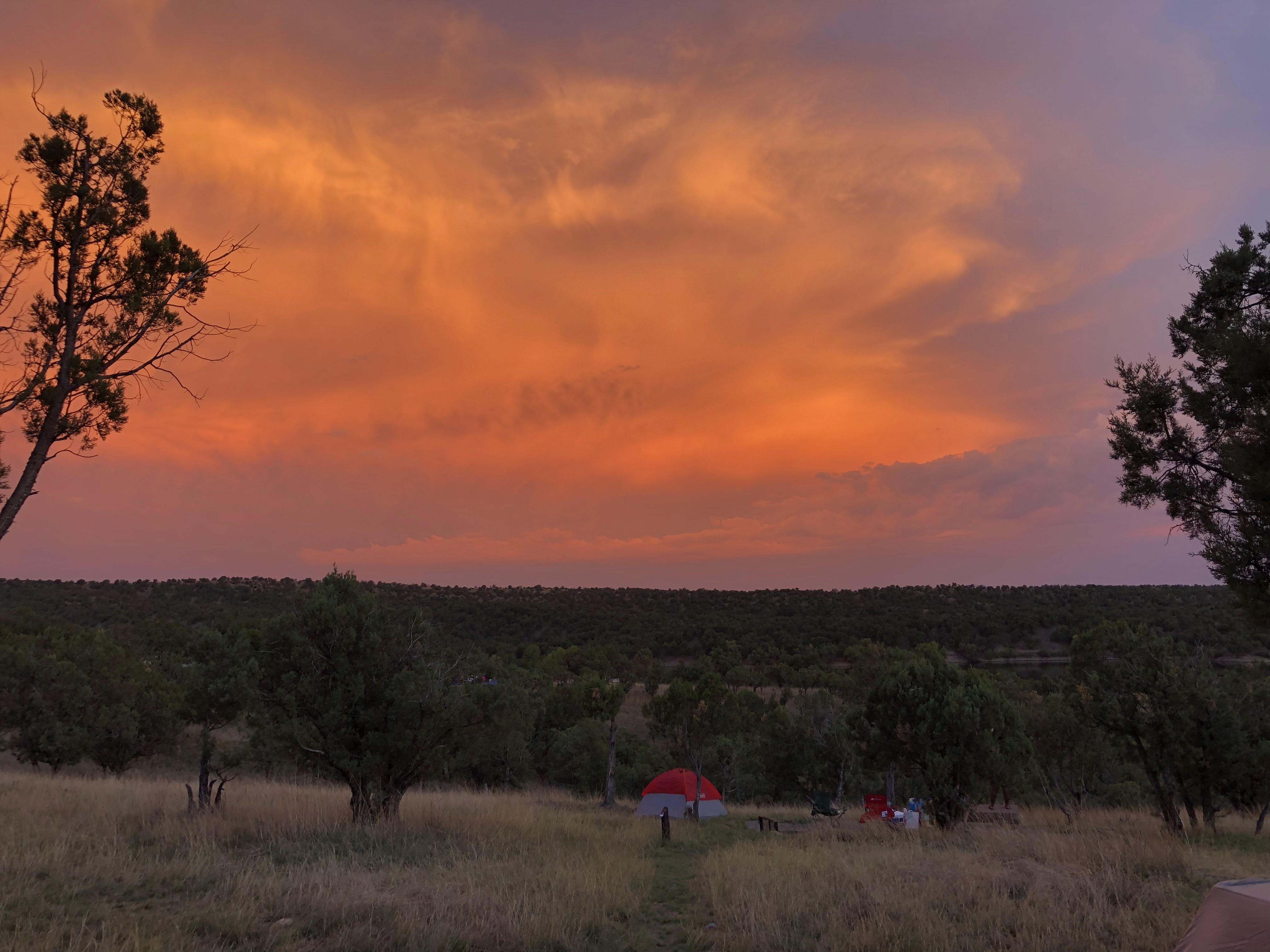
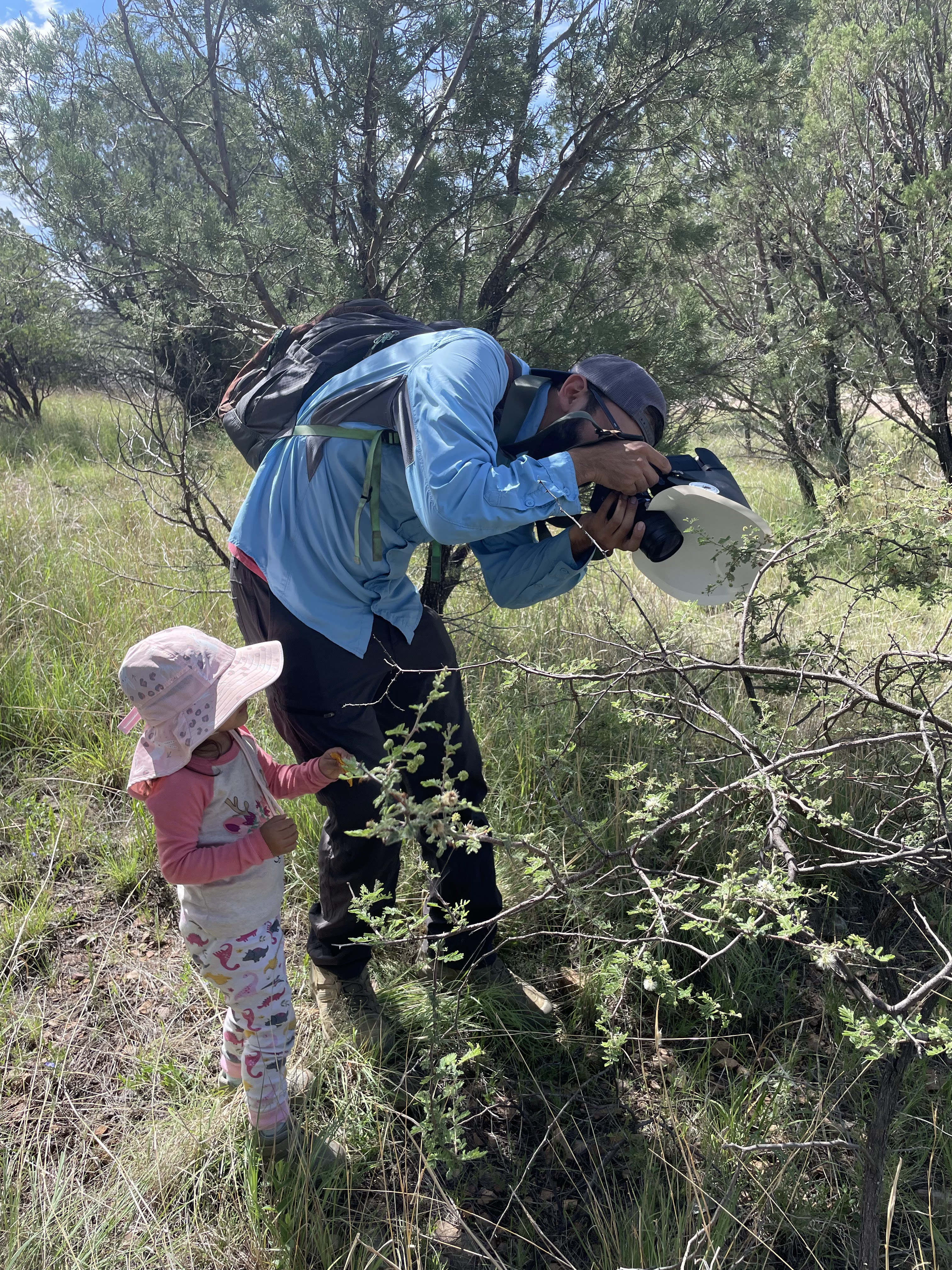
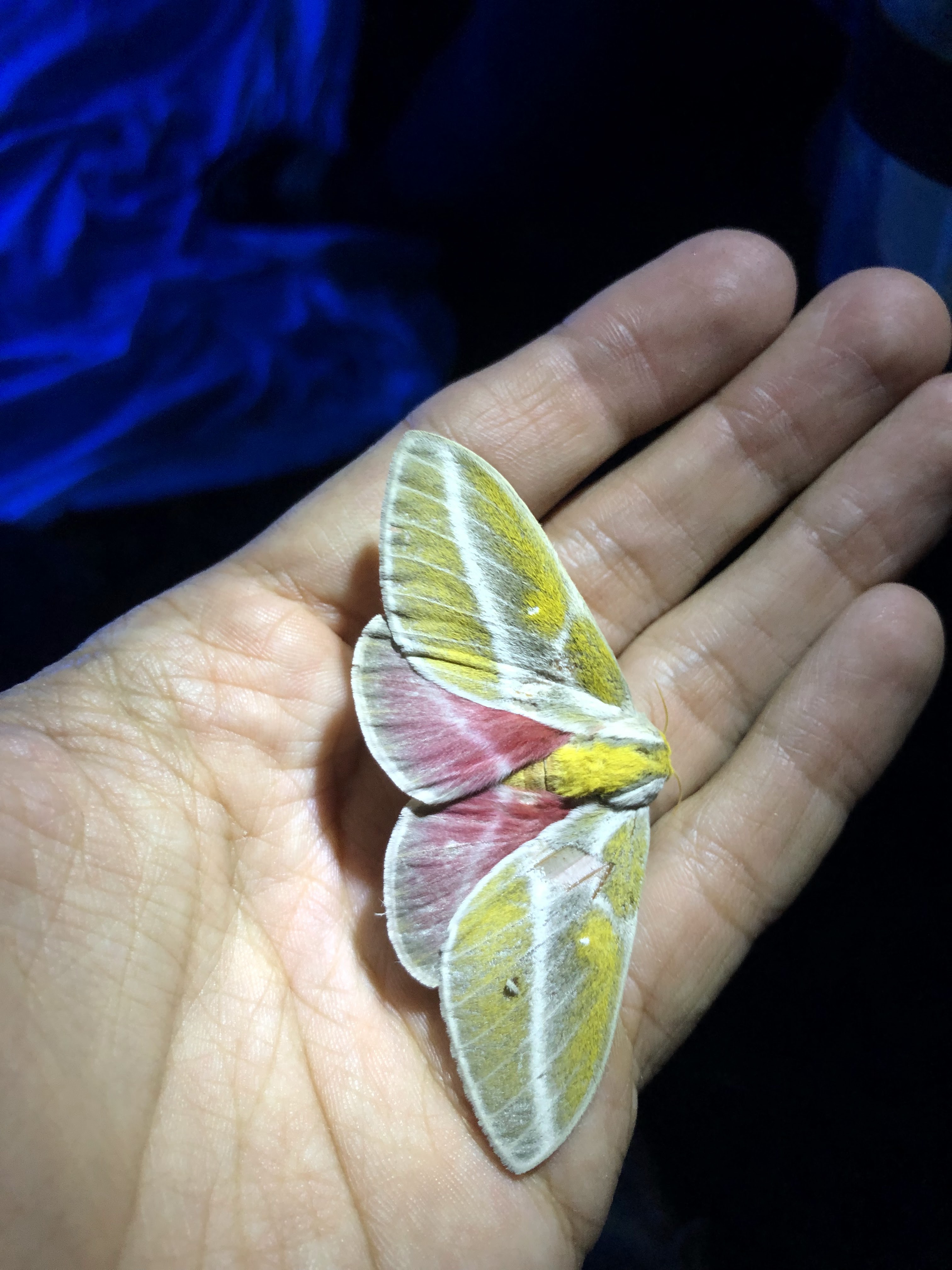
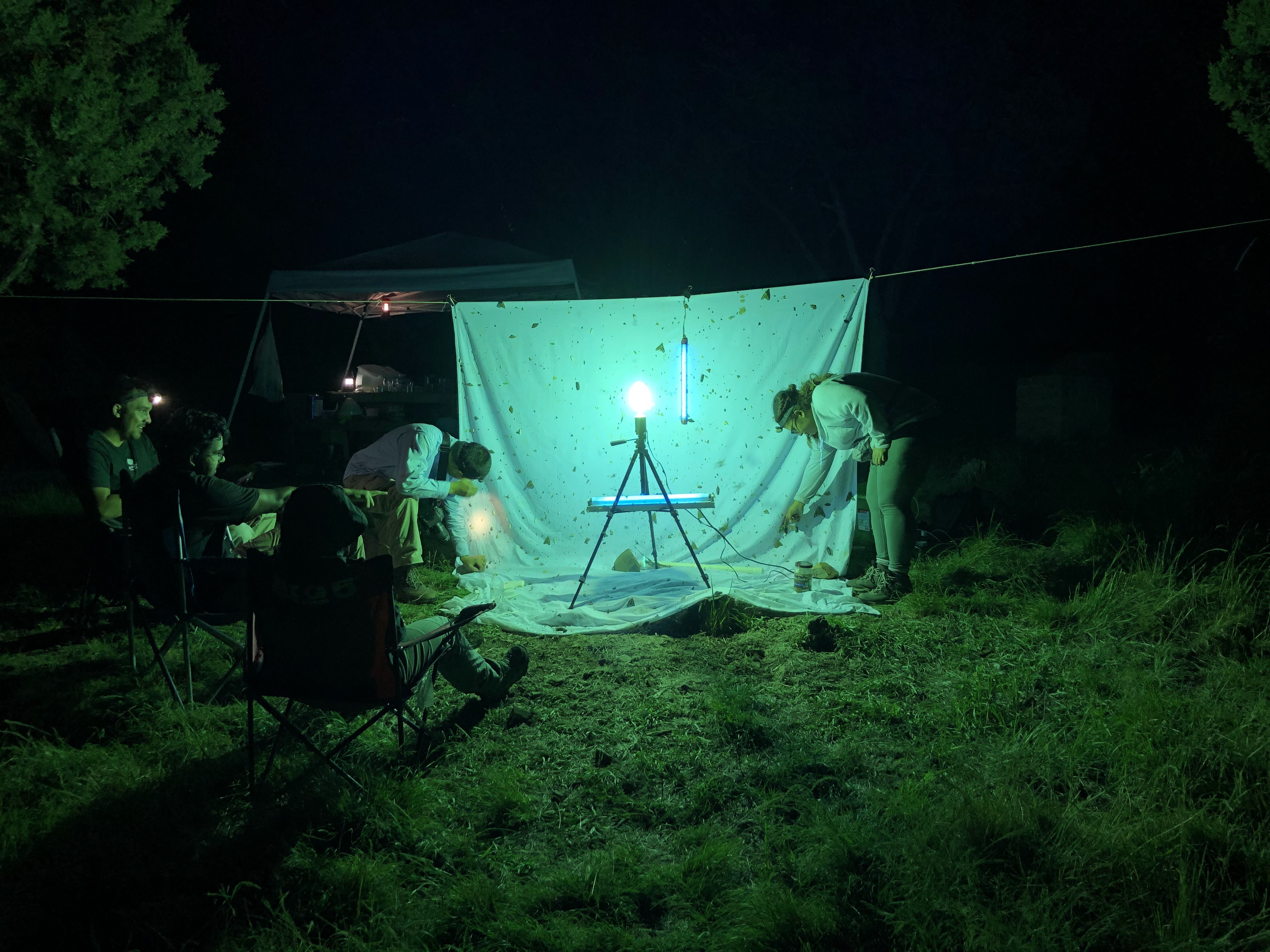
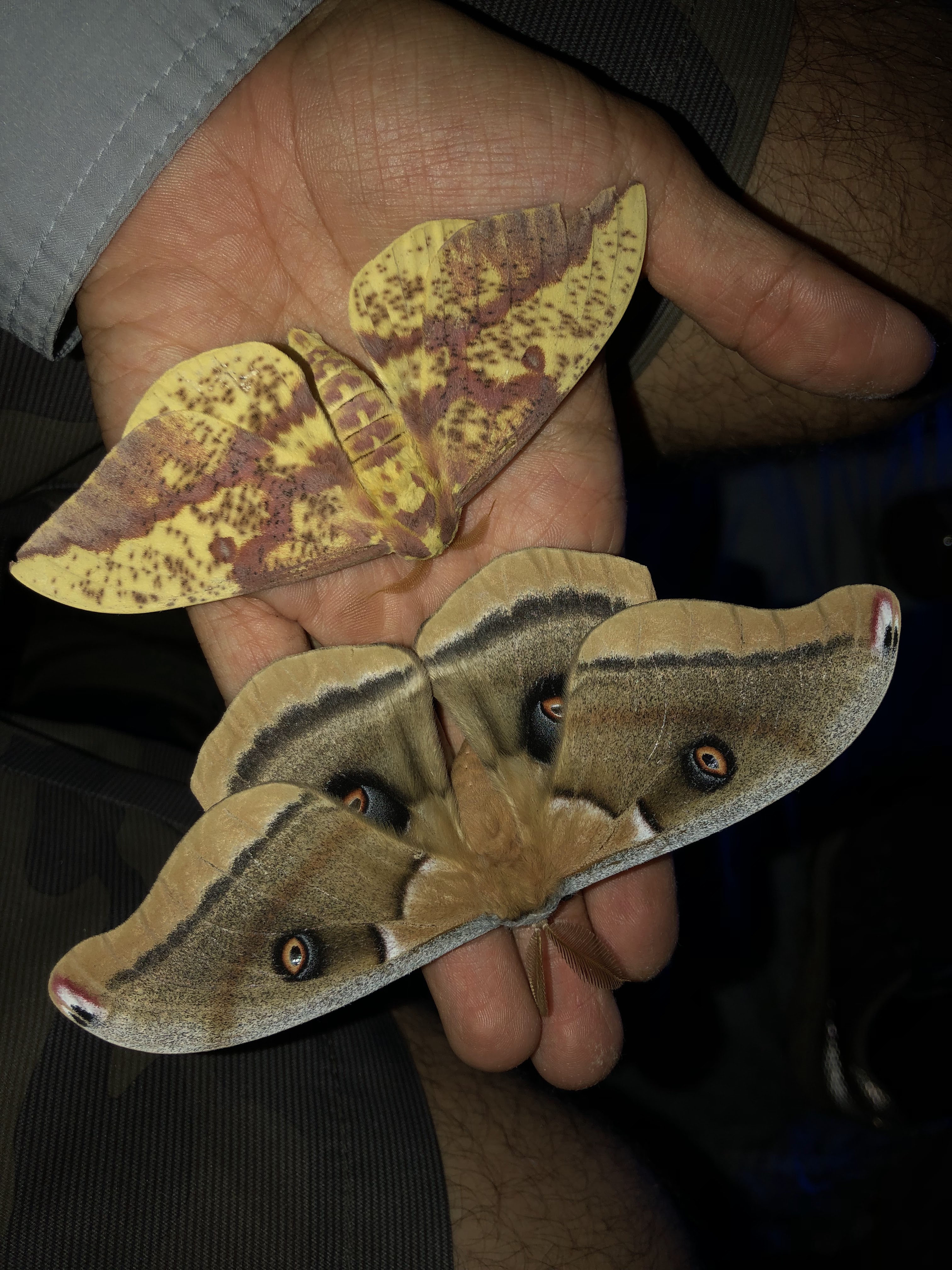
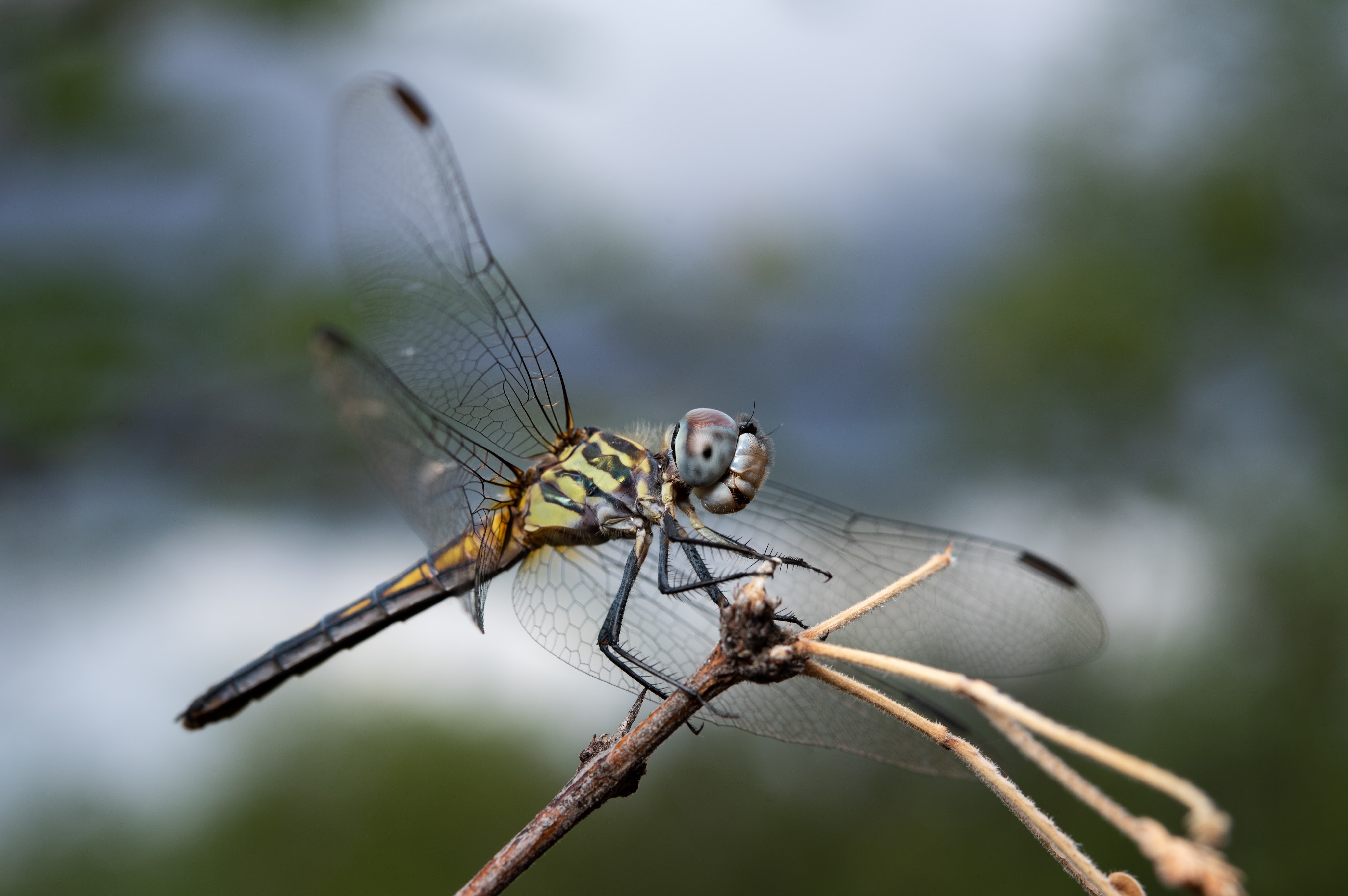
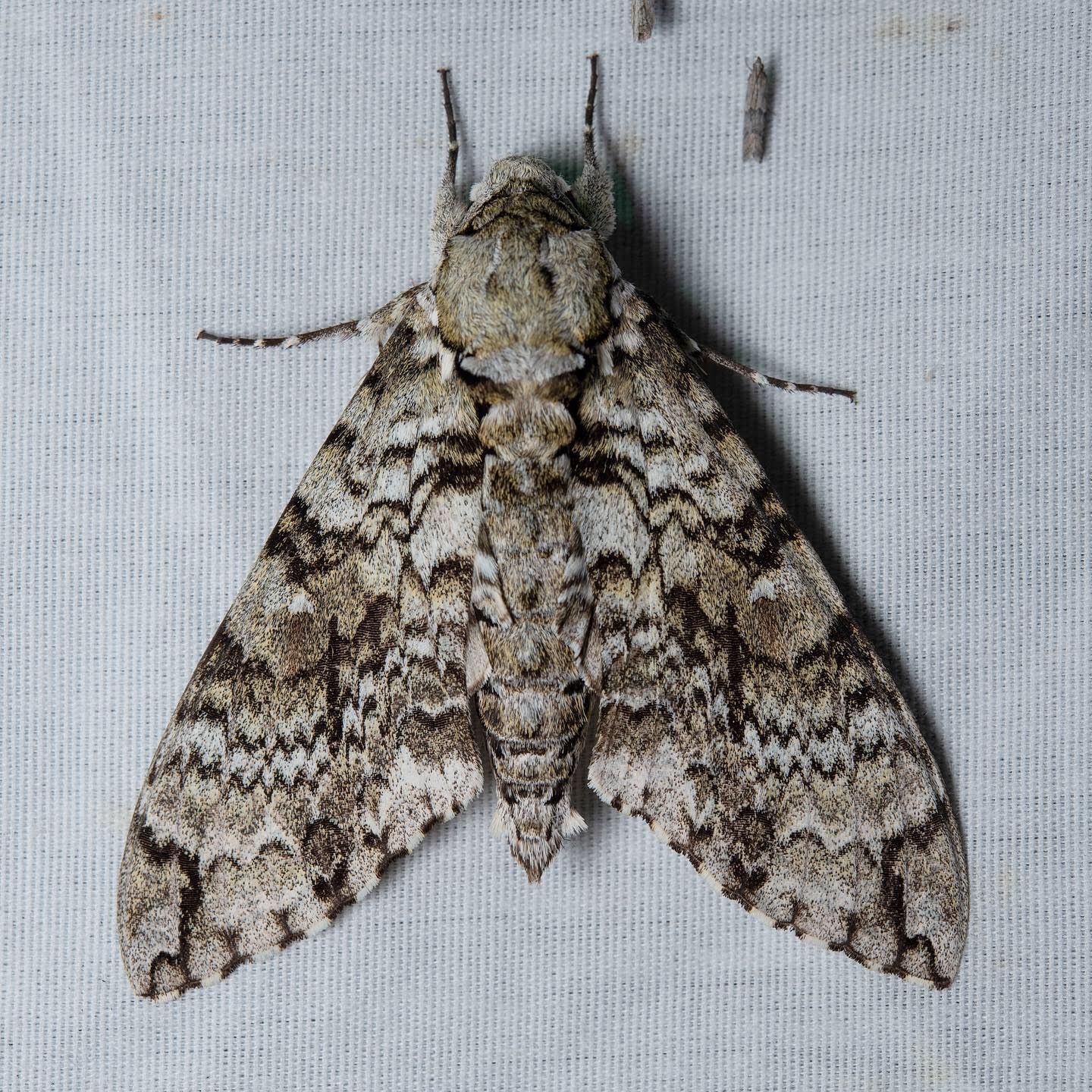
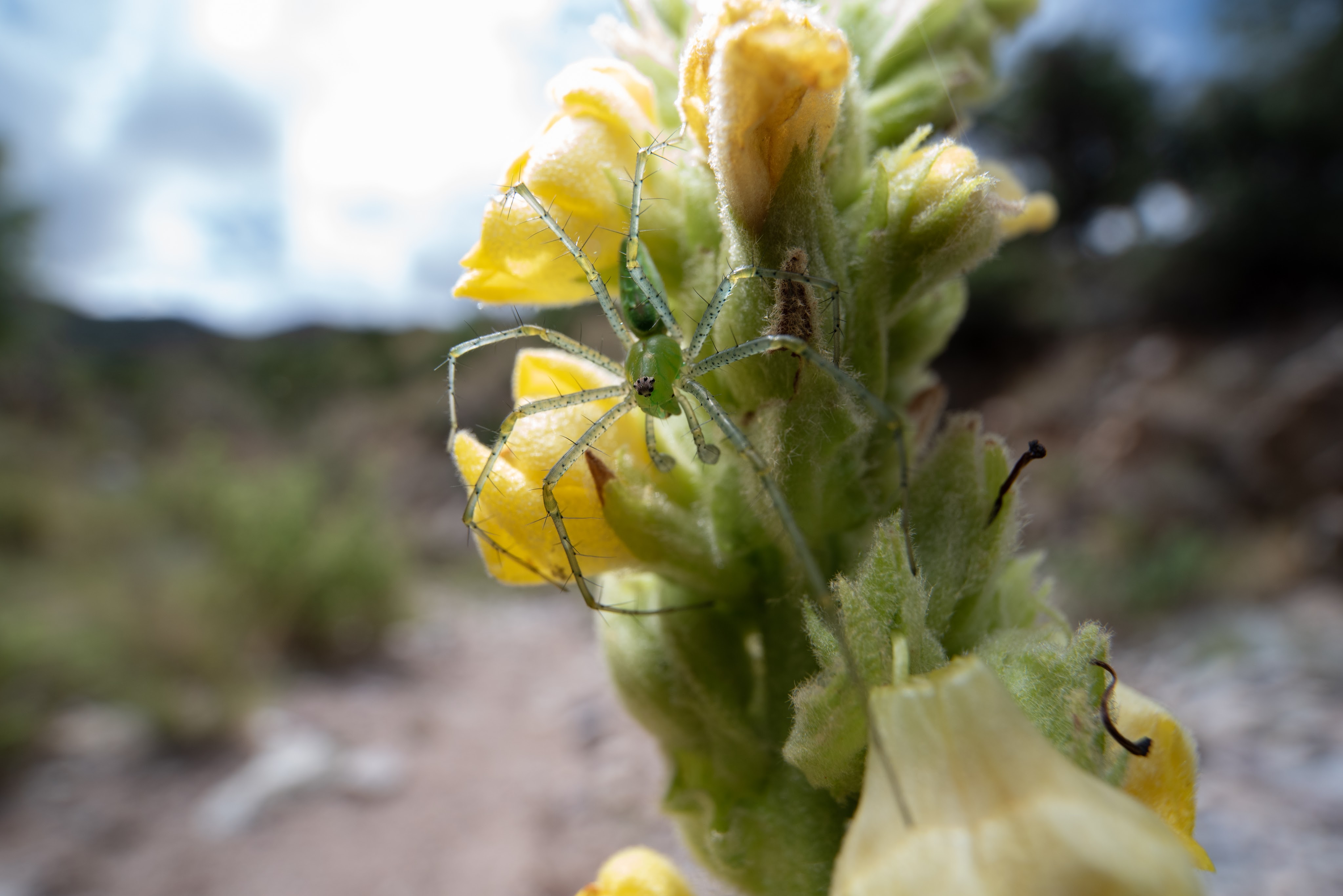
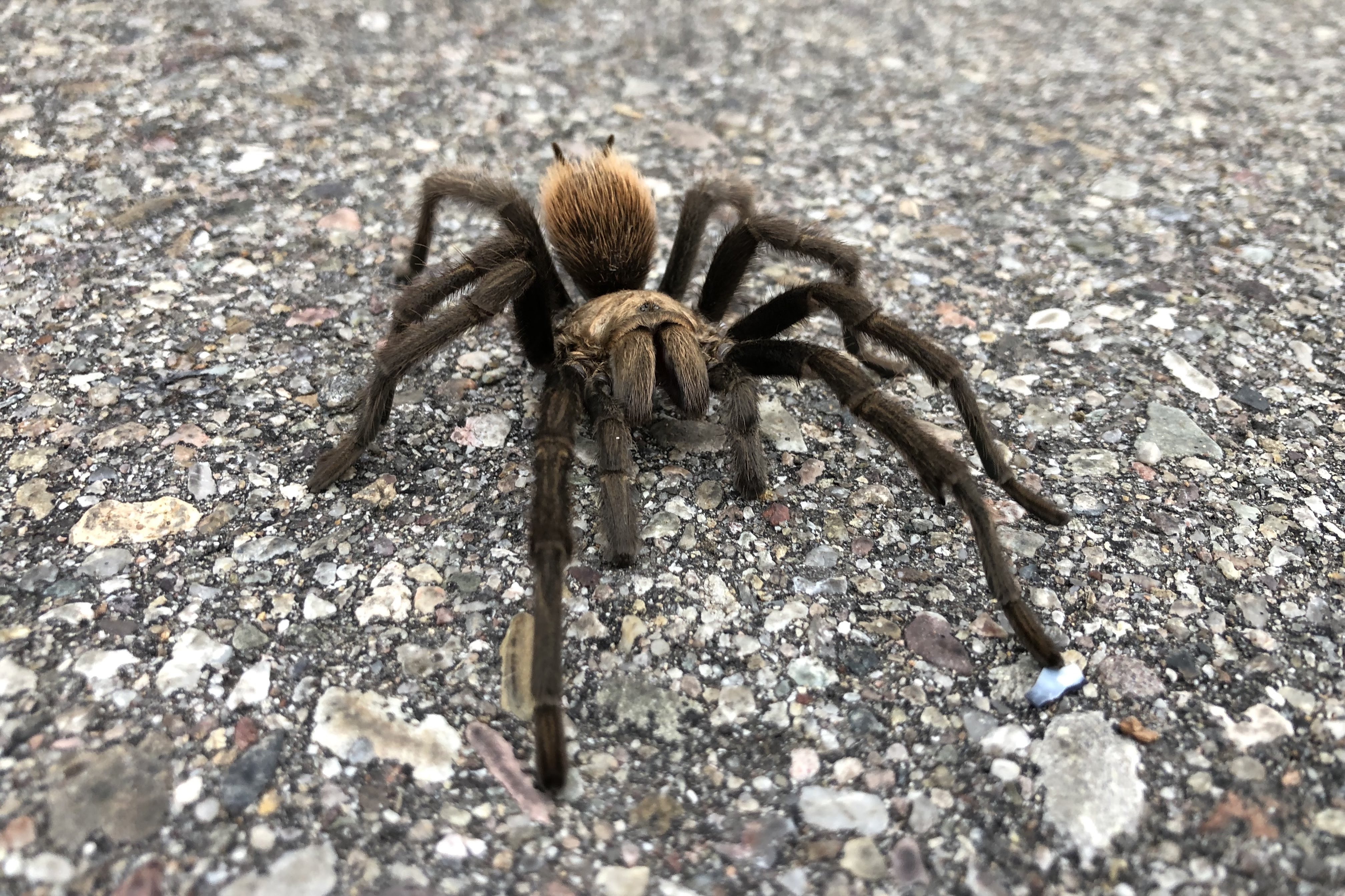
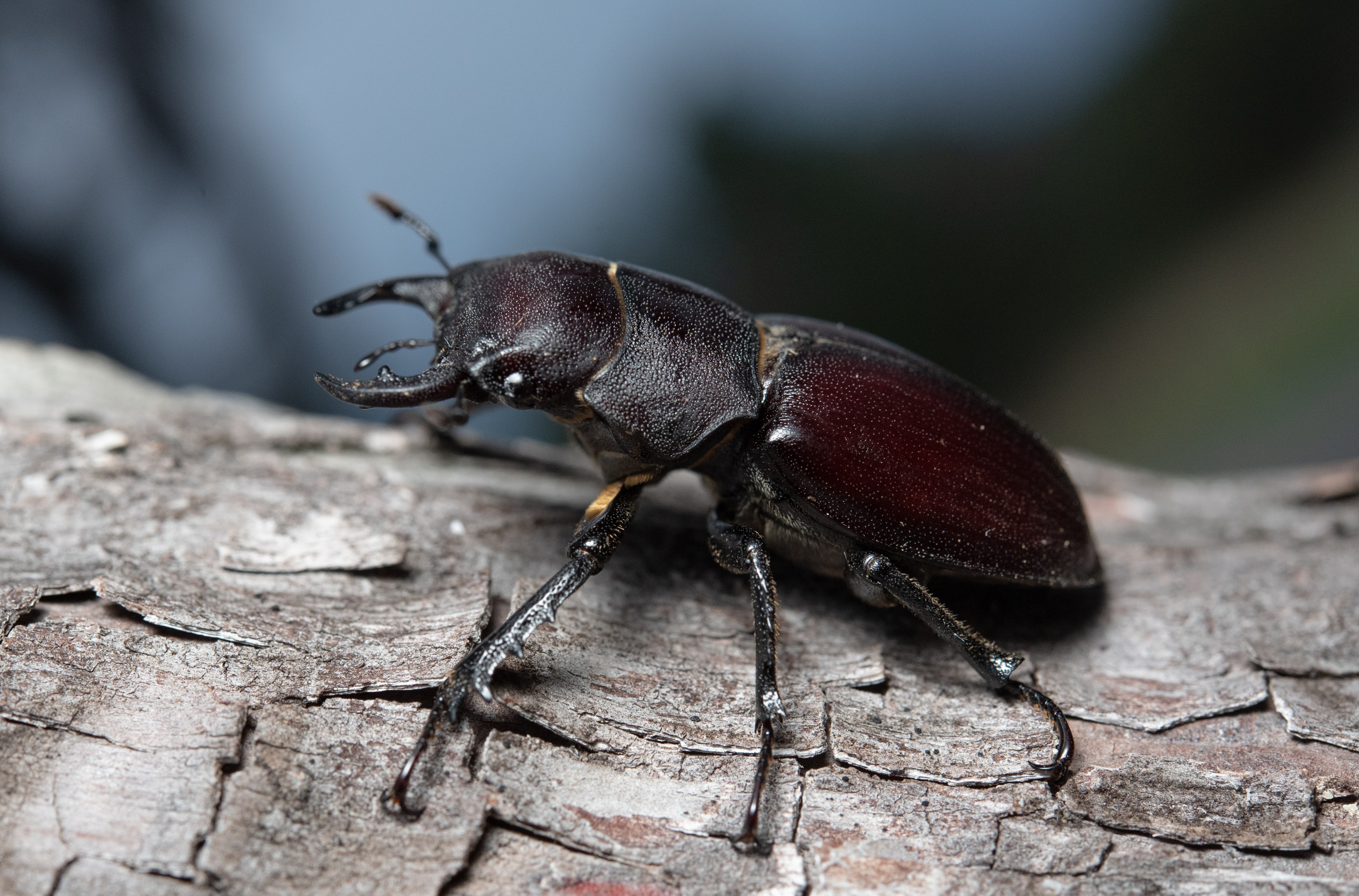
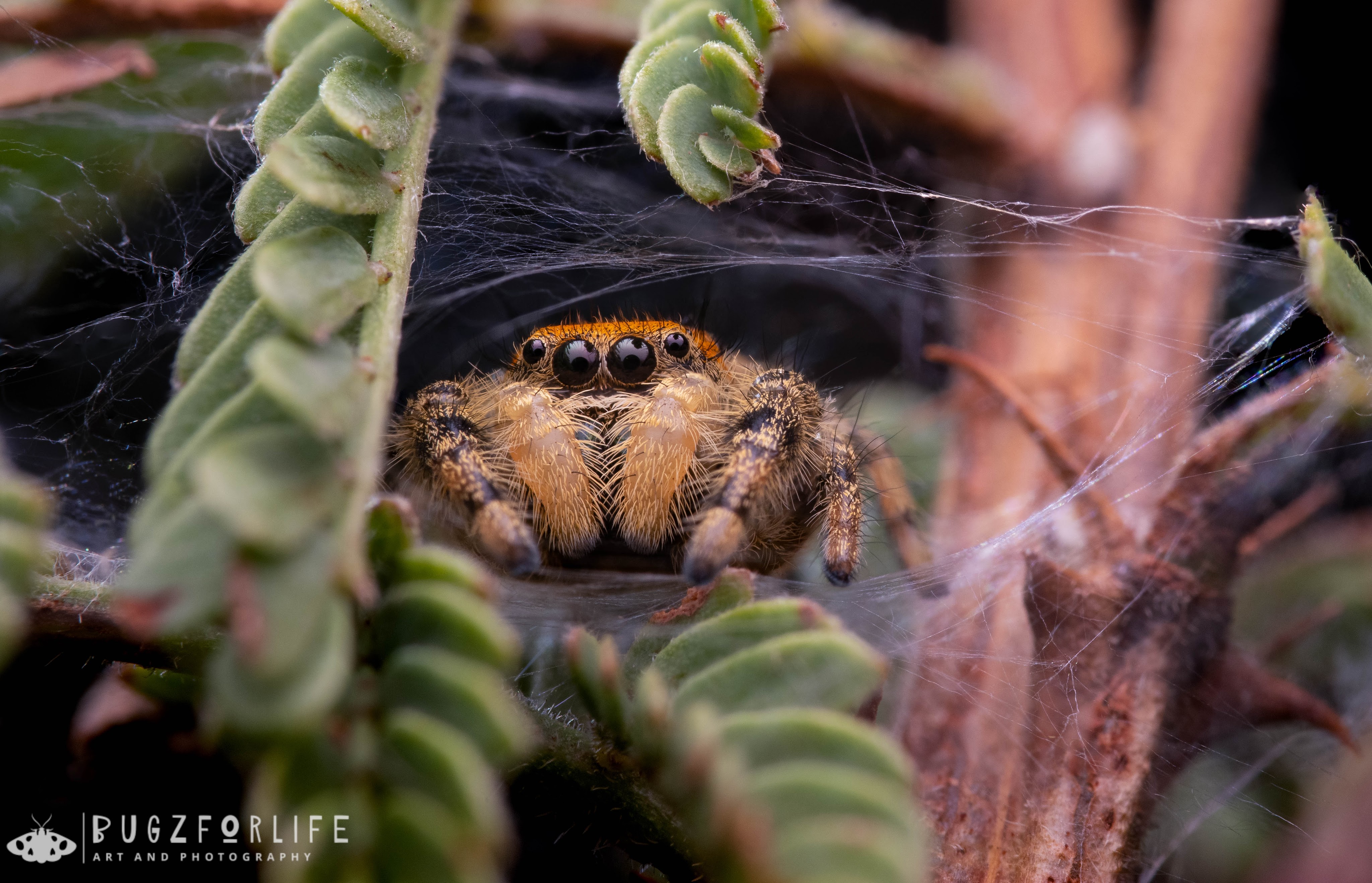
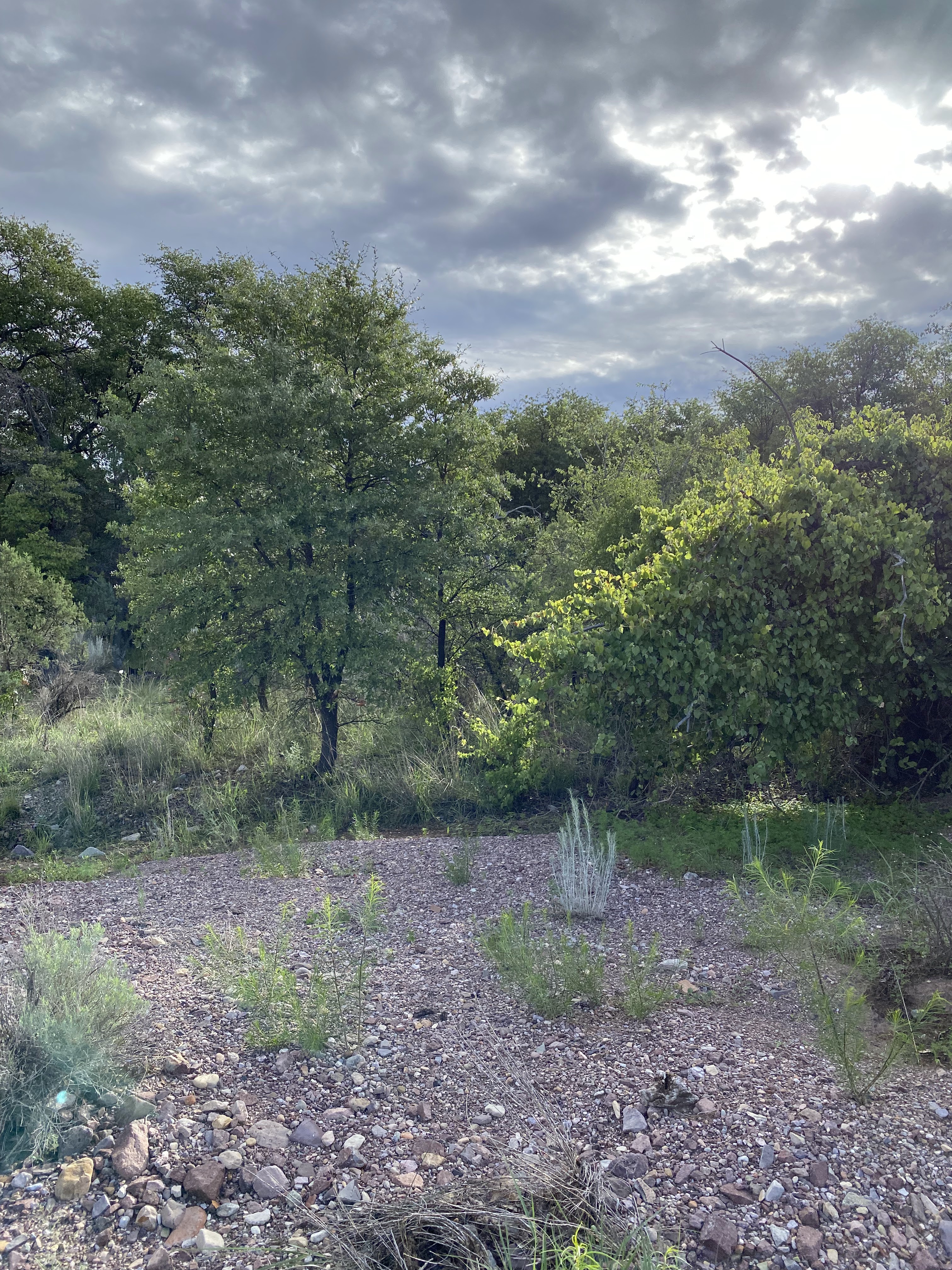
North of Parker Canyon lake is a small town called Canelo, and in area in between is known as the Canelo Hills. This area is rich with diverse habitats and wildlife. There are no singular locations within this area I can recommend, but there are plenty of places to pull over and explore. Of the few times I have been here, I can safely say that it is one of the more diverse and species rich areas in the region. I have encountered a plethora of insect species here, especially at night, but here is a list of a few species I have encountered here.
- Painted grasshopper
- Giant crab spider (huntsman)
- Sonoran tiger mantis
- Sonoran bumble bee
- Blue pleasing fungus beetle
- Two-tailed swallowtail
- Black swallowtail
- Southern dogface
- Green fig eater beetle
- Clavate tortoise beetle
- Queen
- Pipevine swallowtail
- Echo azure
- Marine blue
- Western Hercules beetle
- Southwestern eyed click beetle
- Arizona net-winged beetle
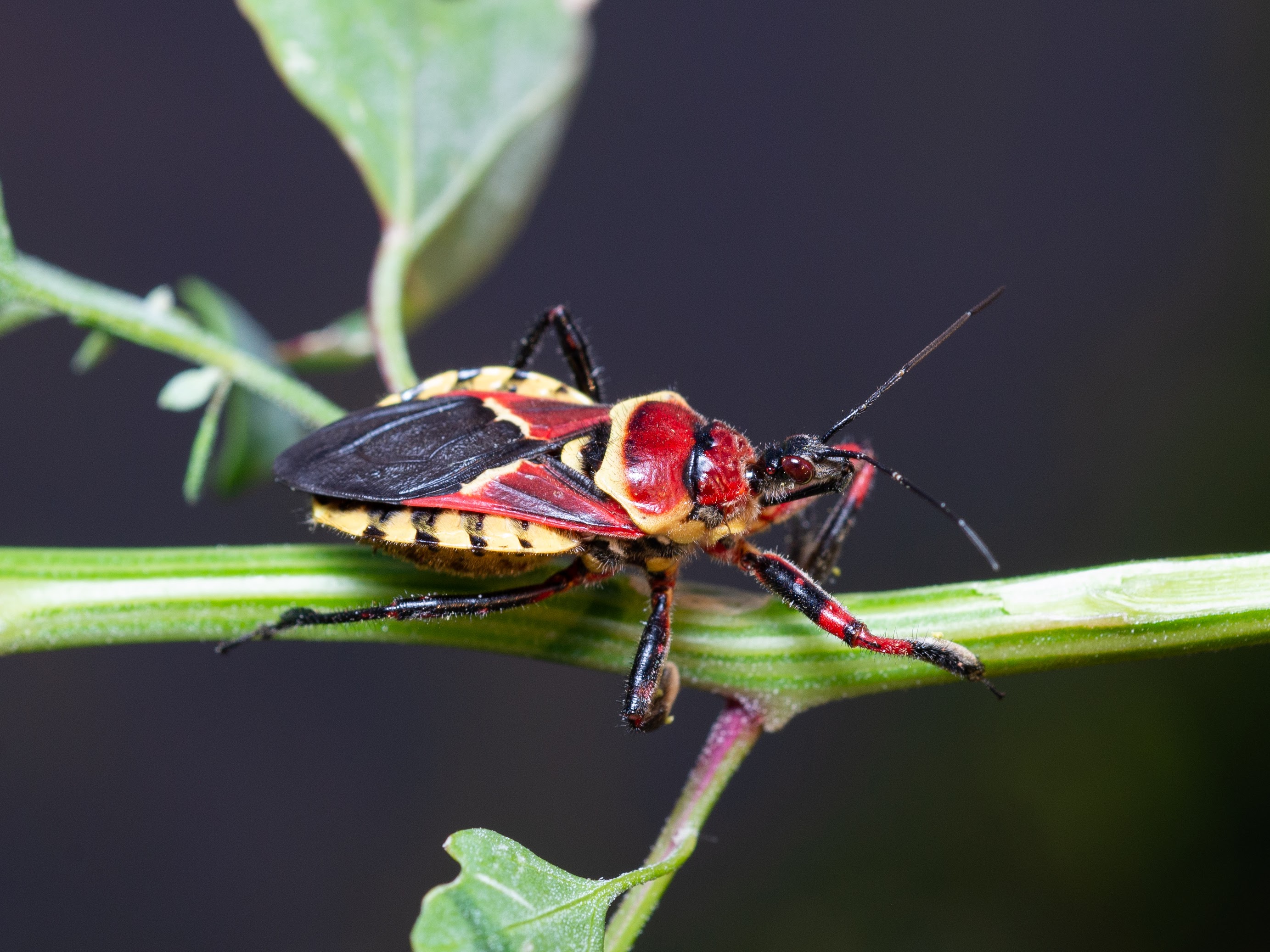
- Yellow-bellied bee assassin
- Apache click beetle
- Plus many more
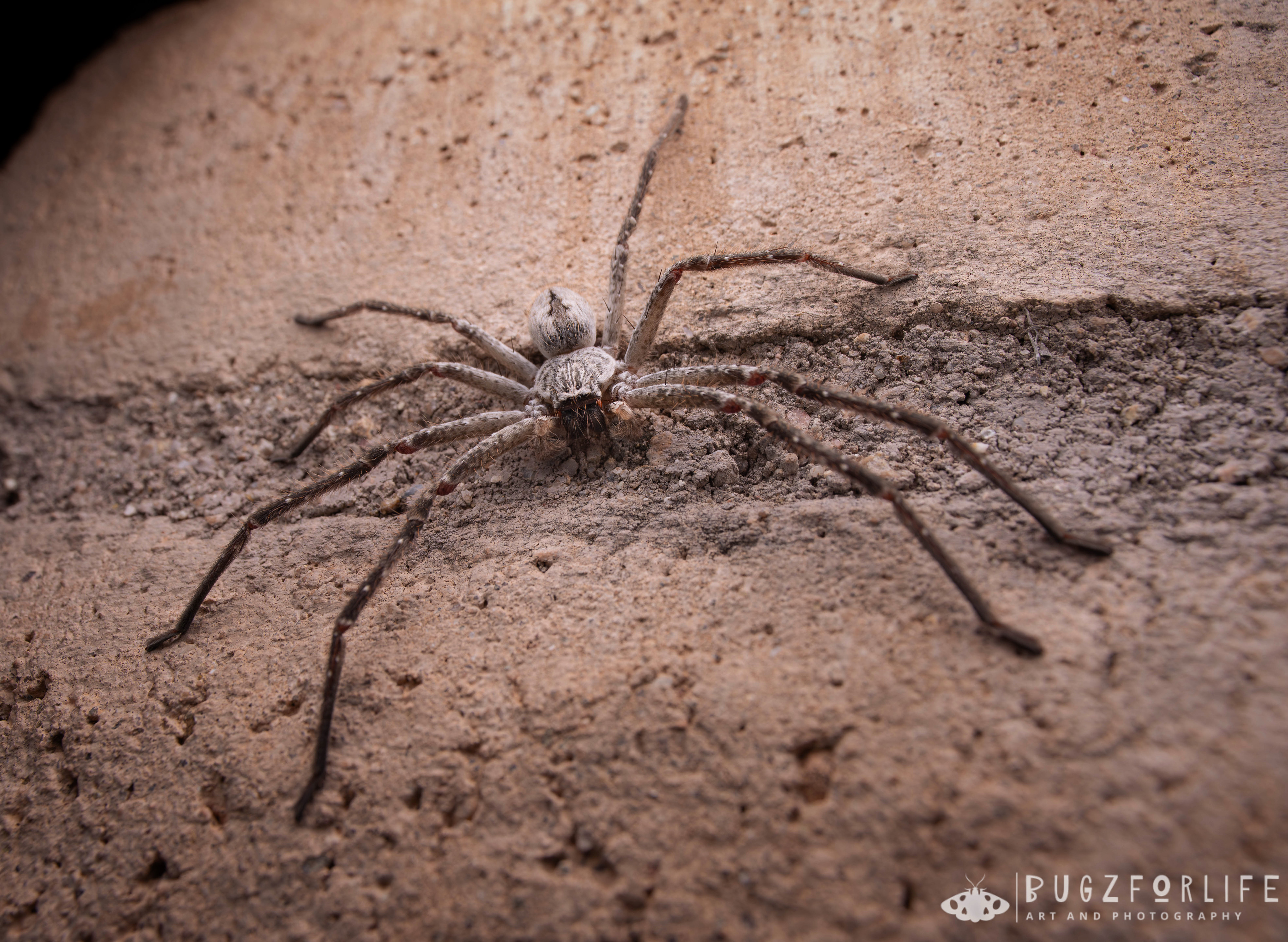
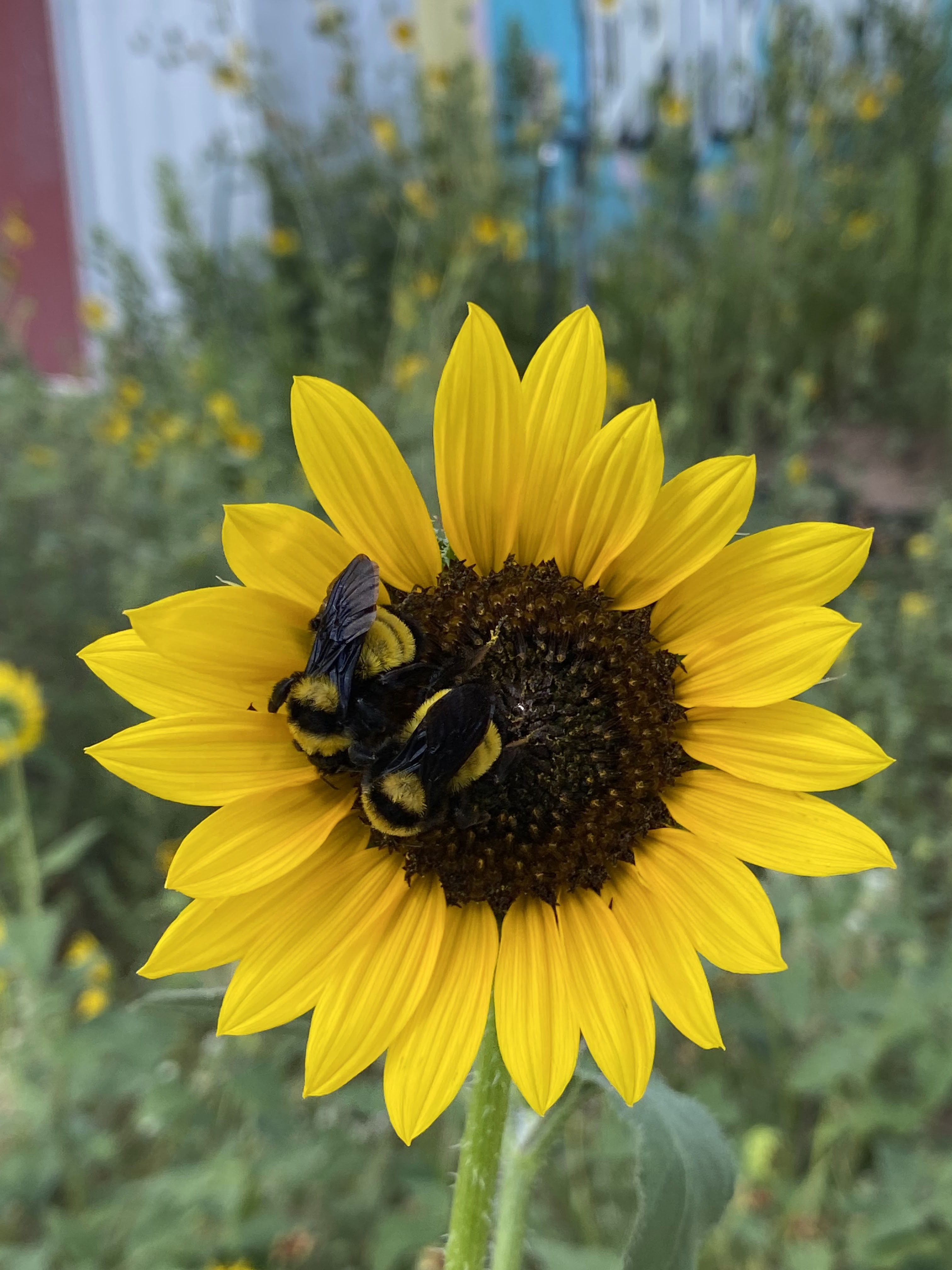
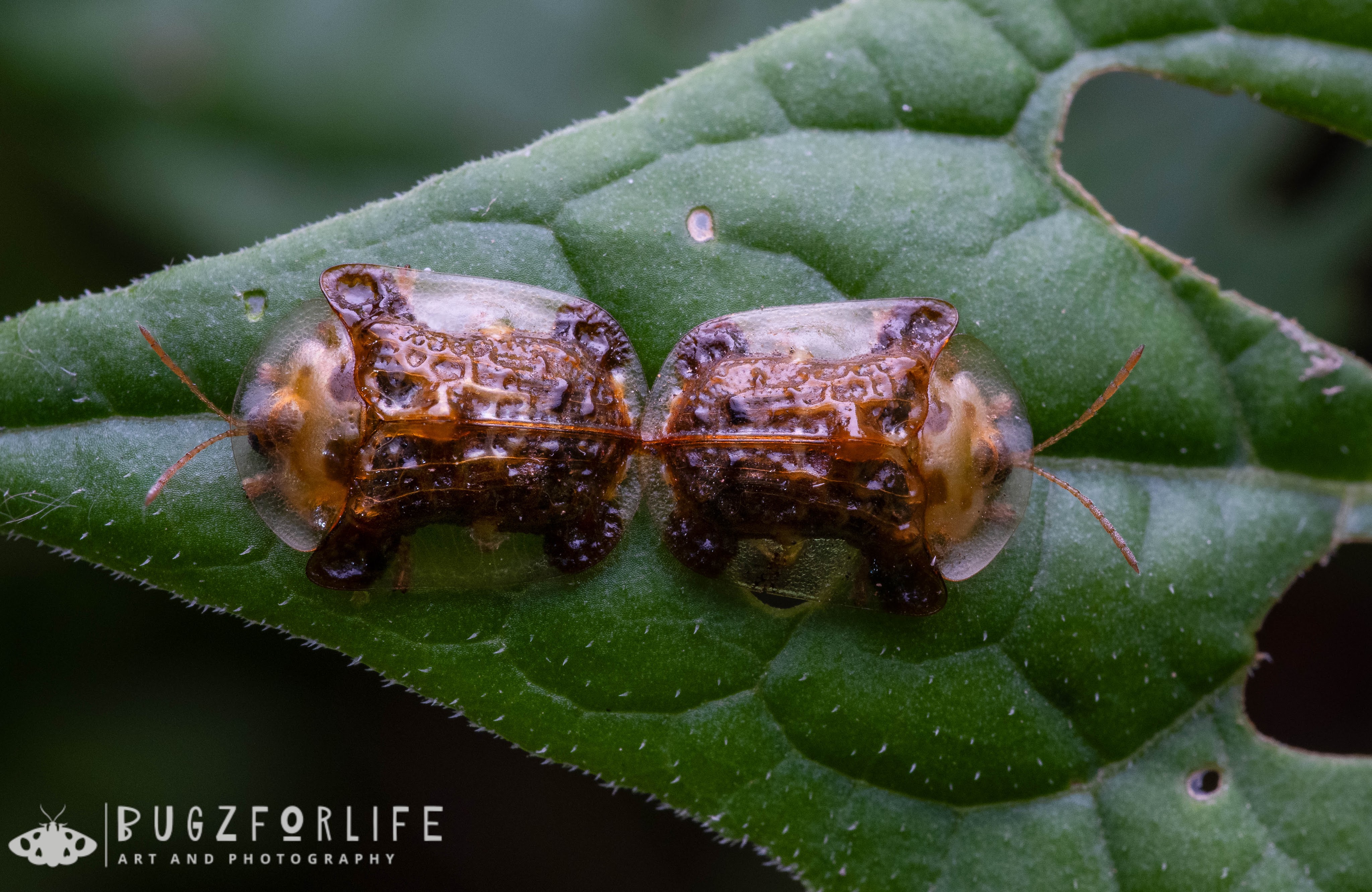
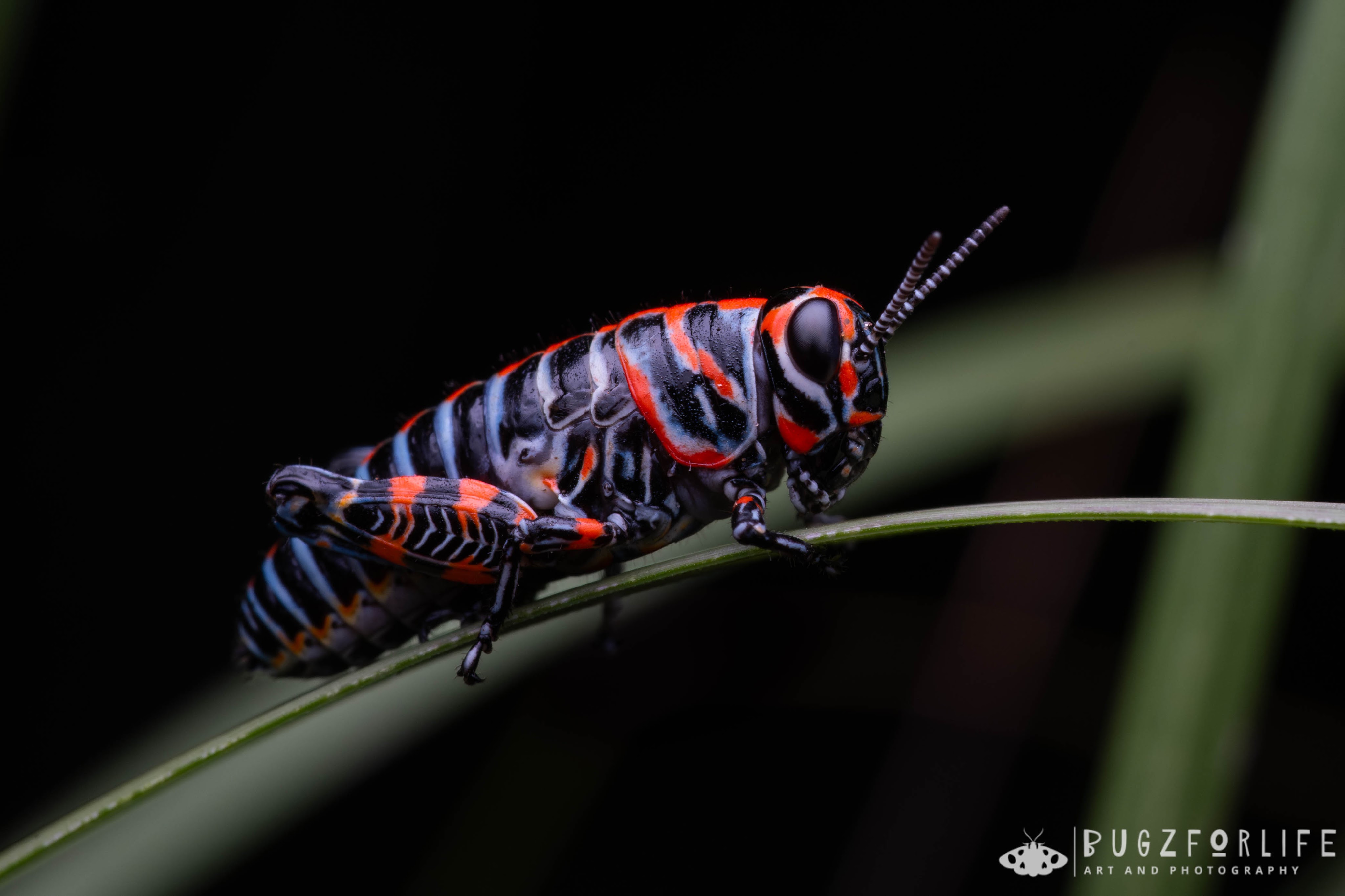
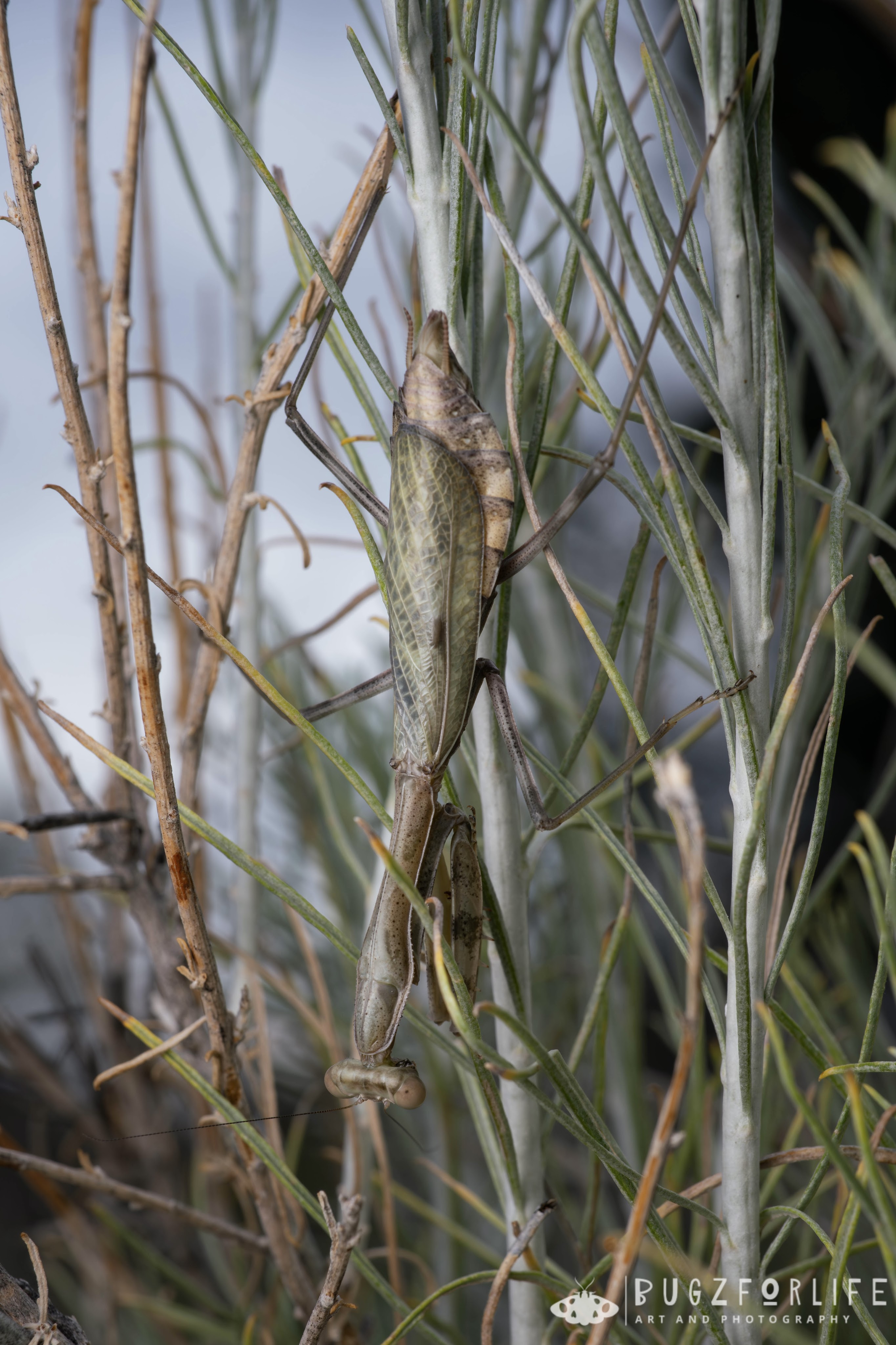
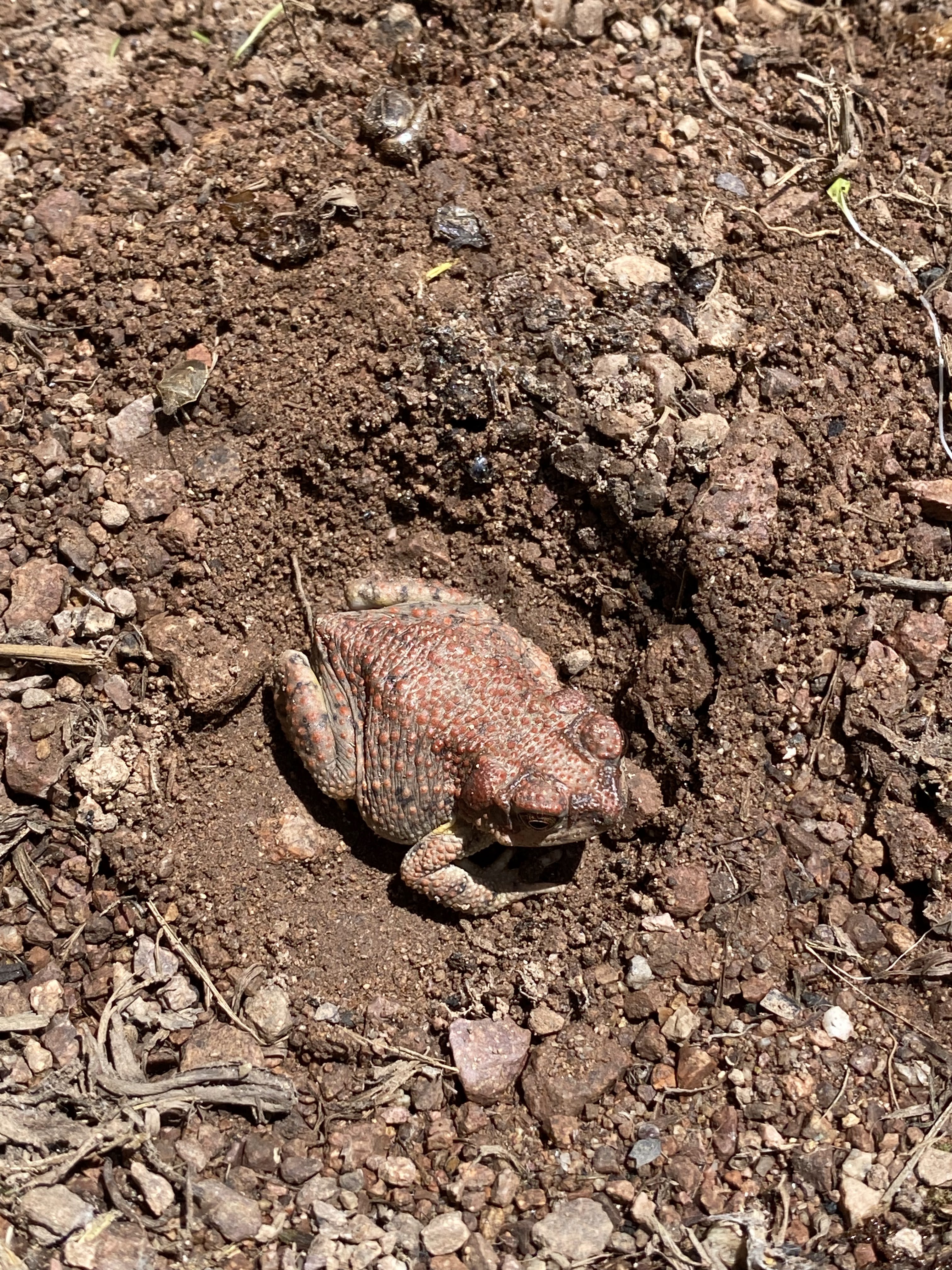
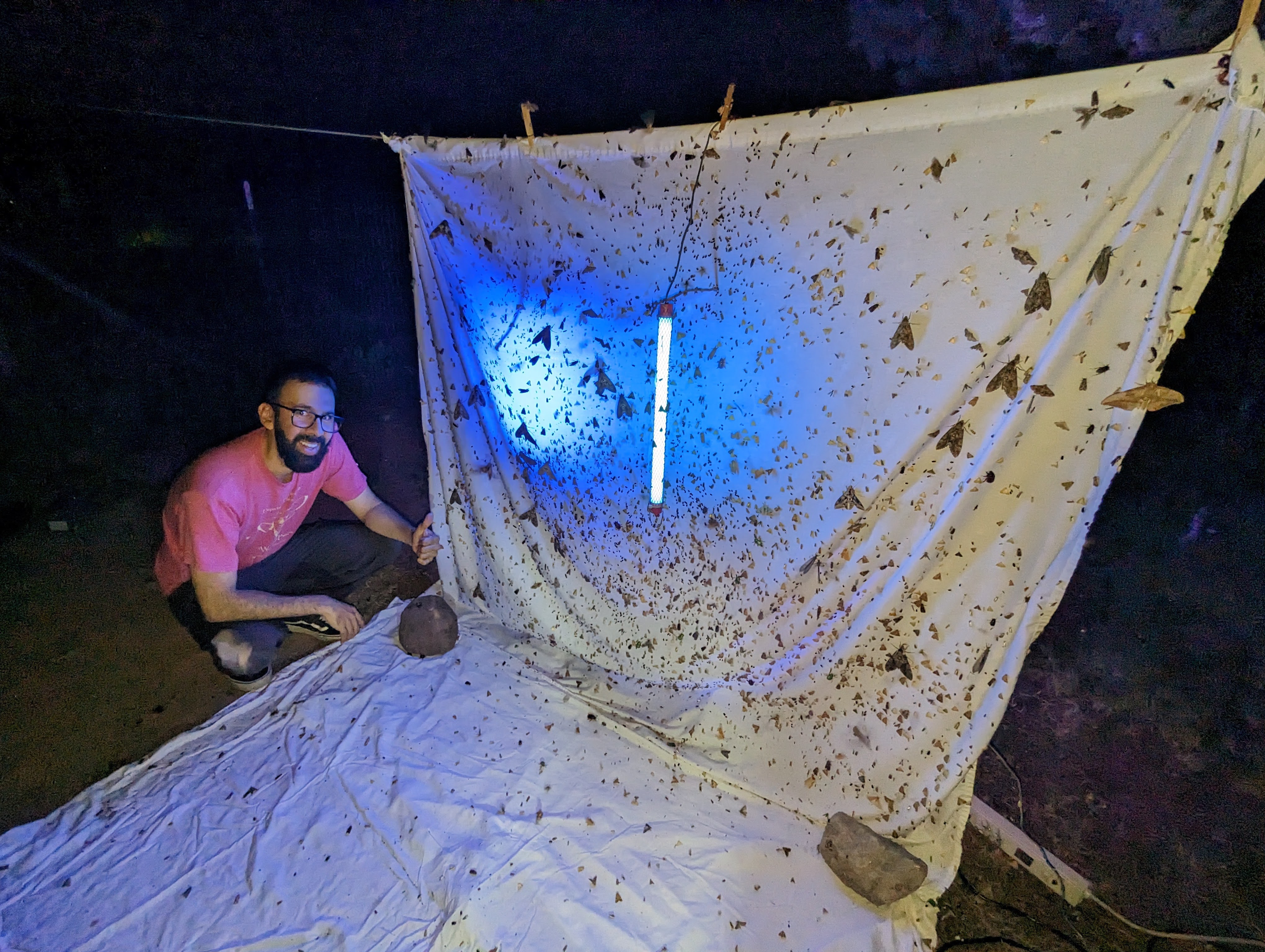
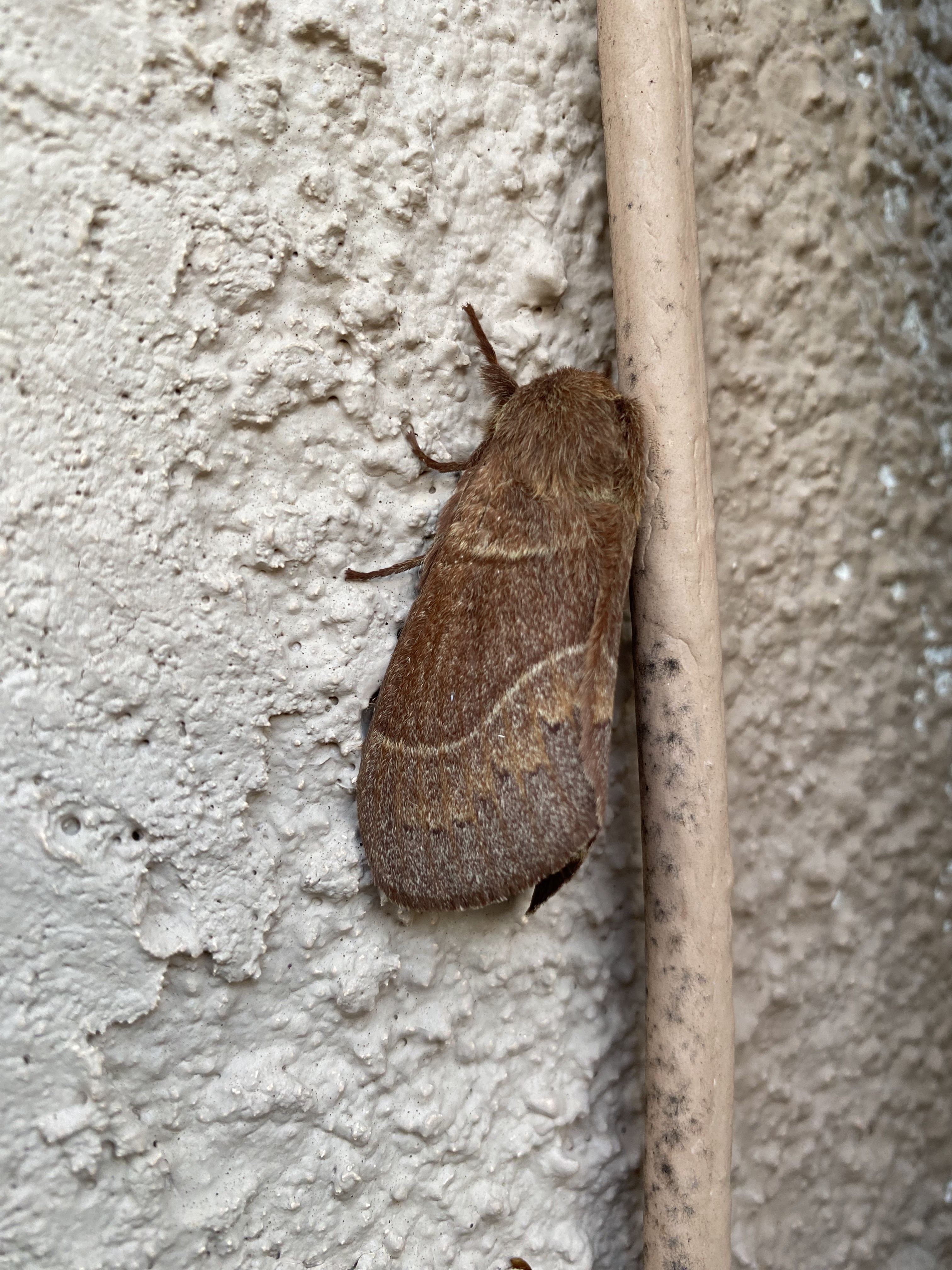
Having a blacklight setup here is crucial if you want to see the hidden diversity at night. In the few locations I have setup lights in the Canelo Hills, I have encountered plenty of common, uncommon, and even rare species. This area for blacklighting is incredible and highly recommended if you are staying in or around the area. The diverse habitats and plant communities allow for an incredibly high diversity of insects and other wildlife. Here is just a fraction of the species you can possibly see when a light is set up.
- Oslar’s imperial moth
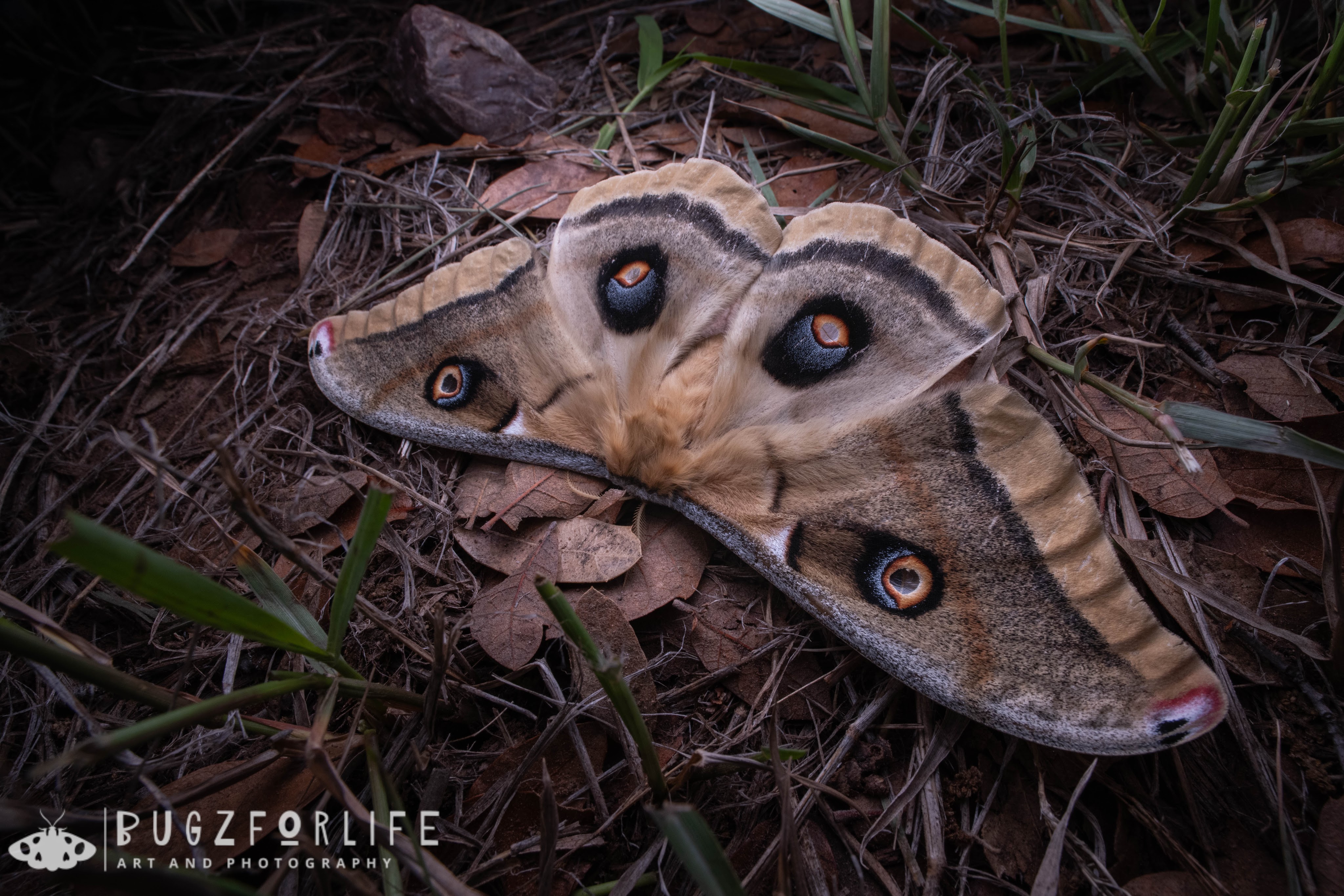
- Western Polyphemus moth
- Glover’s Silkmoth
- Coronado lappet moth
- Gloveria gargamelle
- Gloveria arizonensis
- Rustic Sphinx moth
- Muscosa Sphinx
- Florestan Sphinx
- Five-spotted hawk moth
- Small eyed Spinx
- Typhon Sphinx
- Achemon Sphinx
- Syssphinx montana
- Hubbard’s small silkmoth
- Edward’s Glassy-wing moth
- Western Poplar sphinx
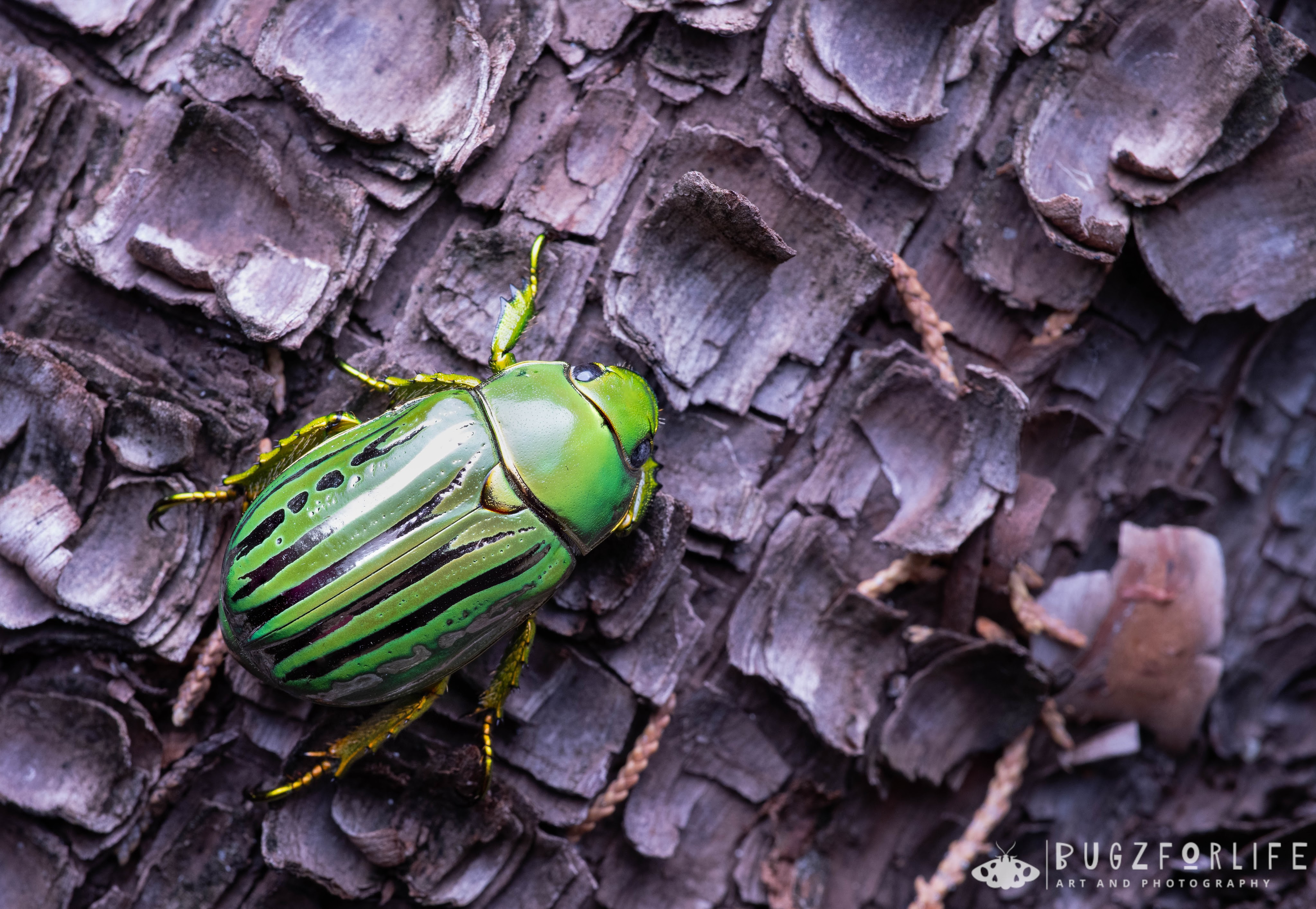
- Glorious jewel scarab
- Beyer’s jewel scarab
- Ox beetle
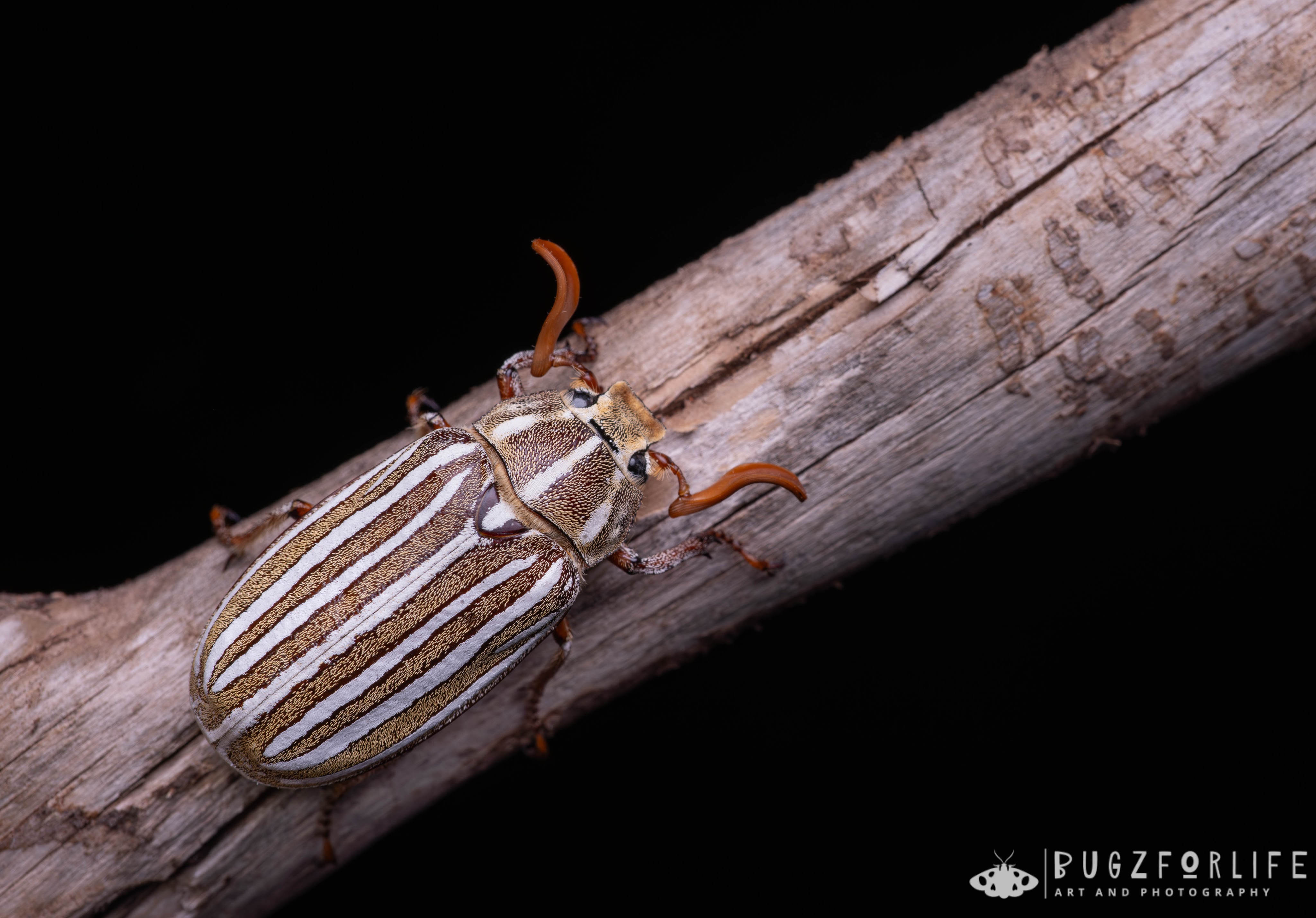
- Ten-lined June beetle
- Owlflies
- Giant antlion
- Arizona Giant water bug
- Underwing moths
- And so much more
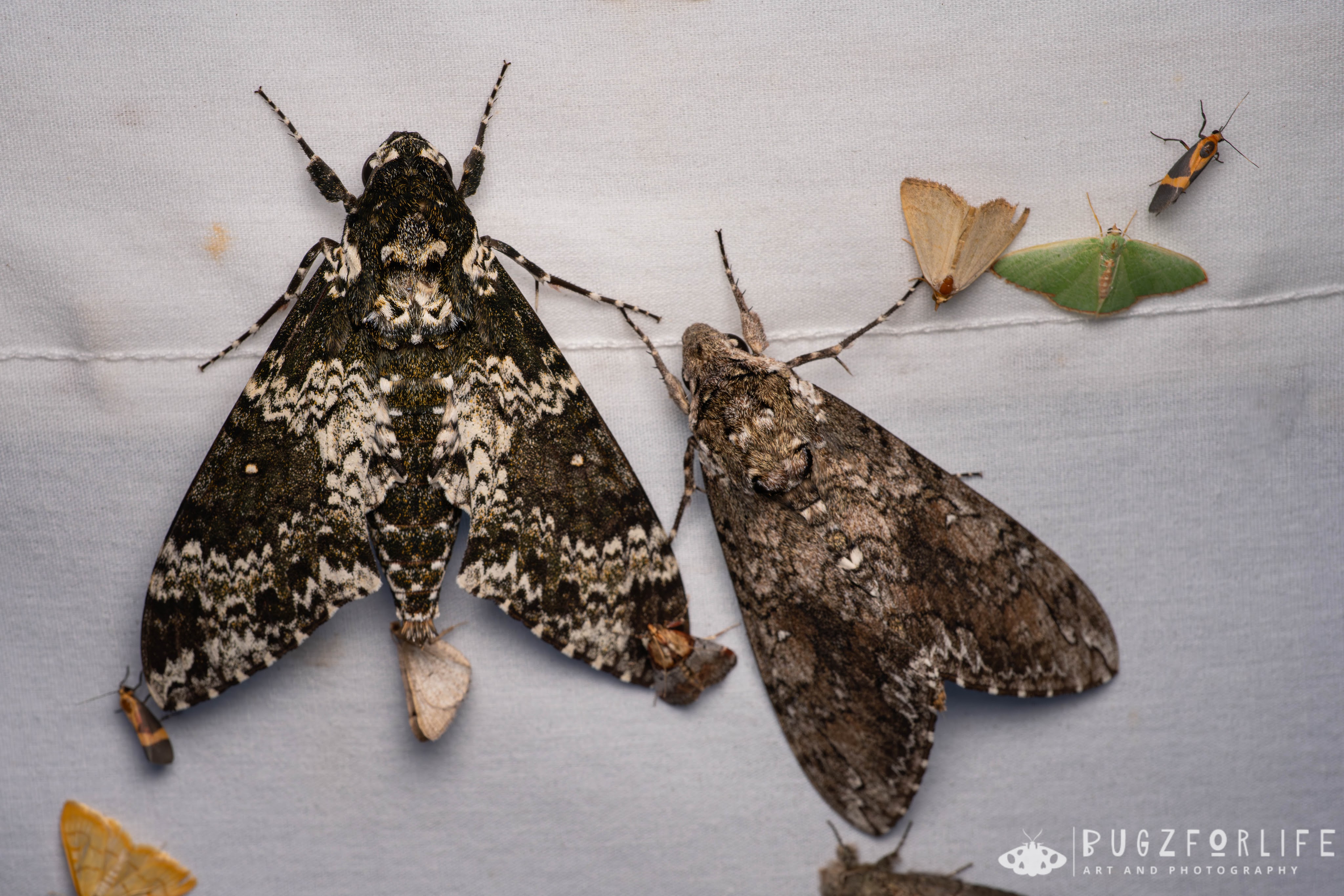
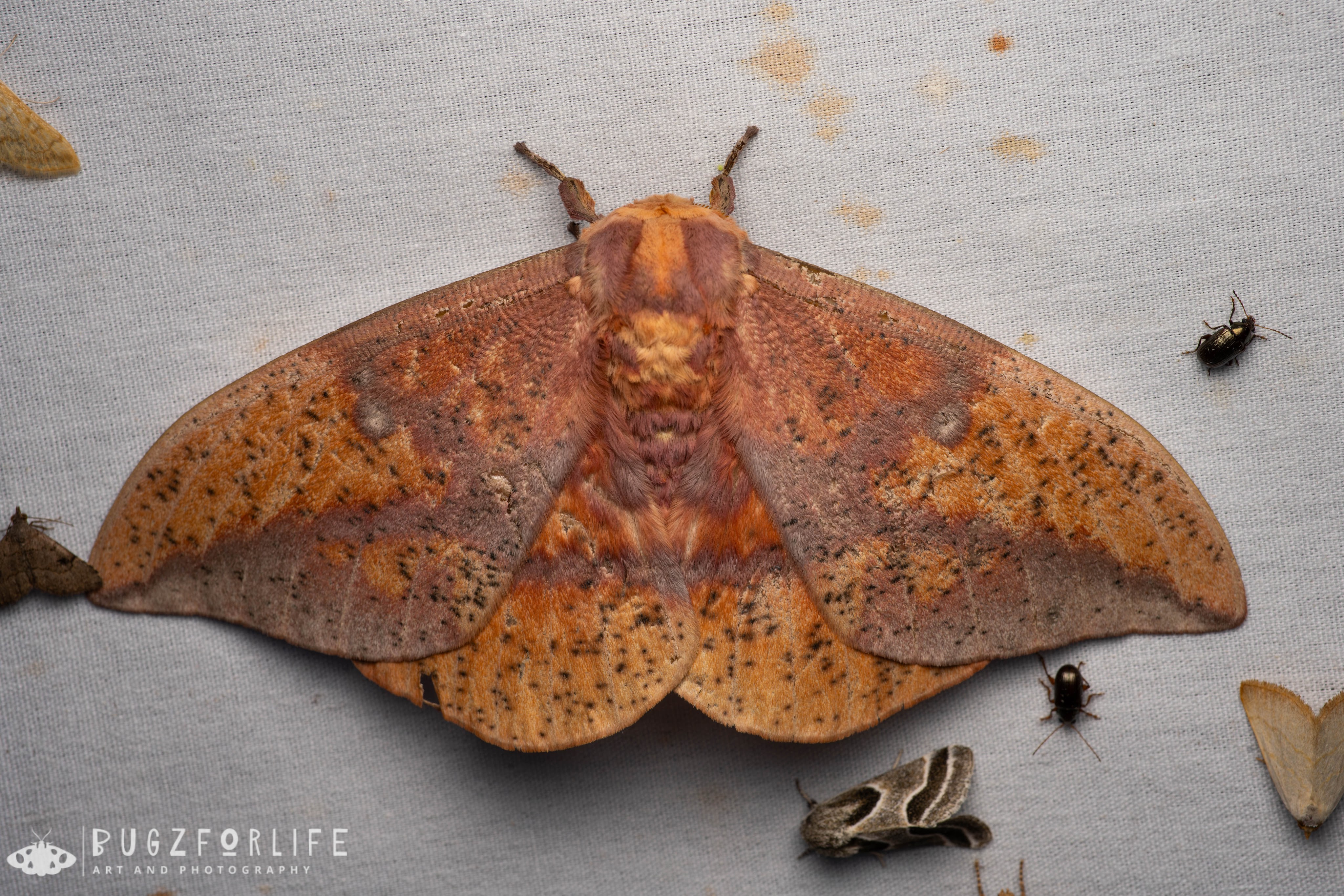
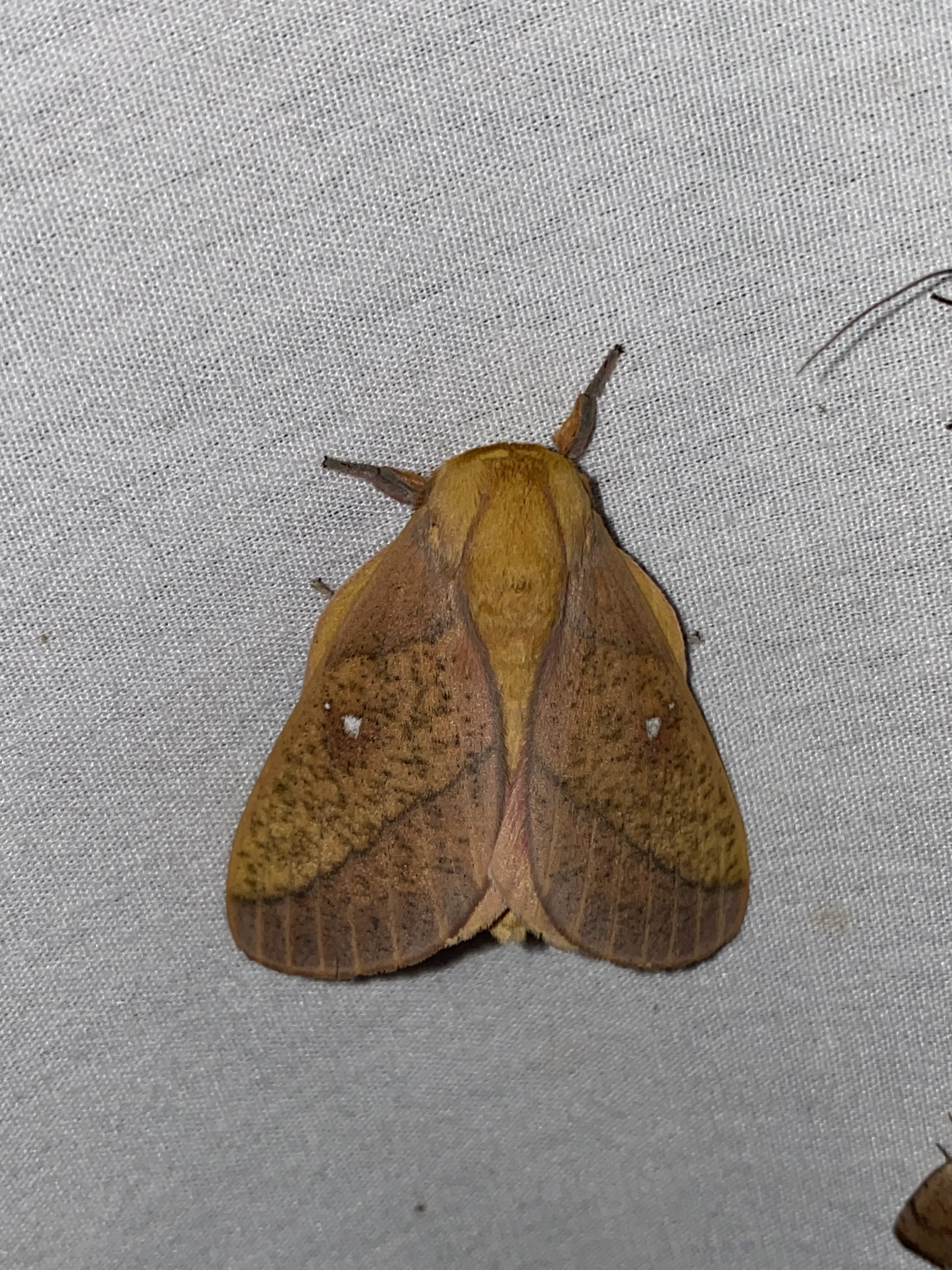
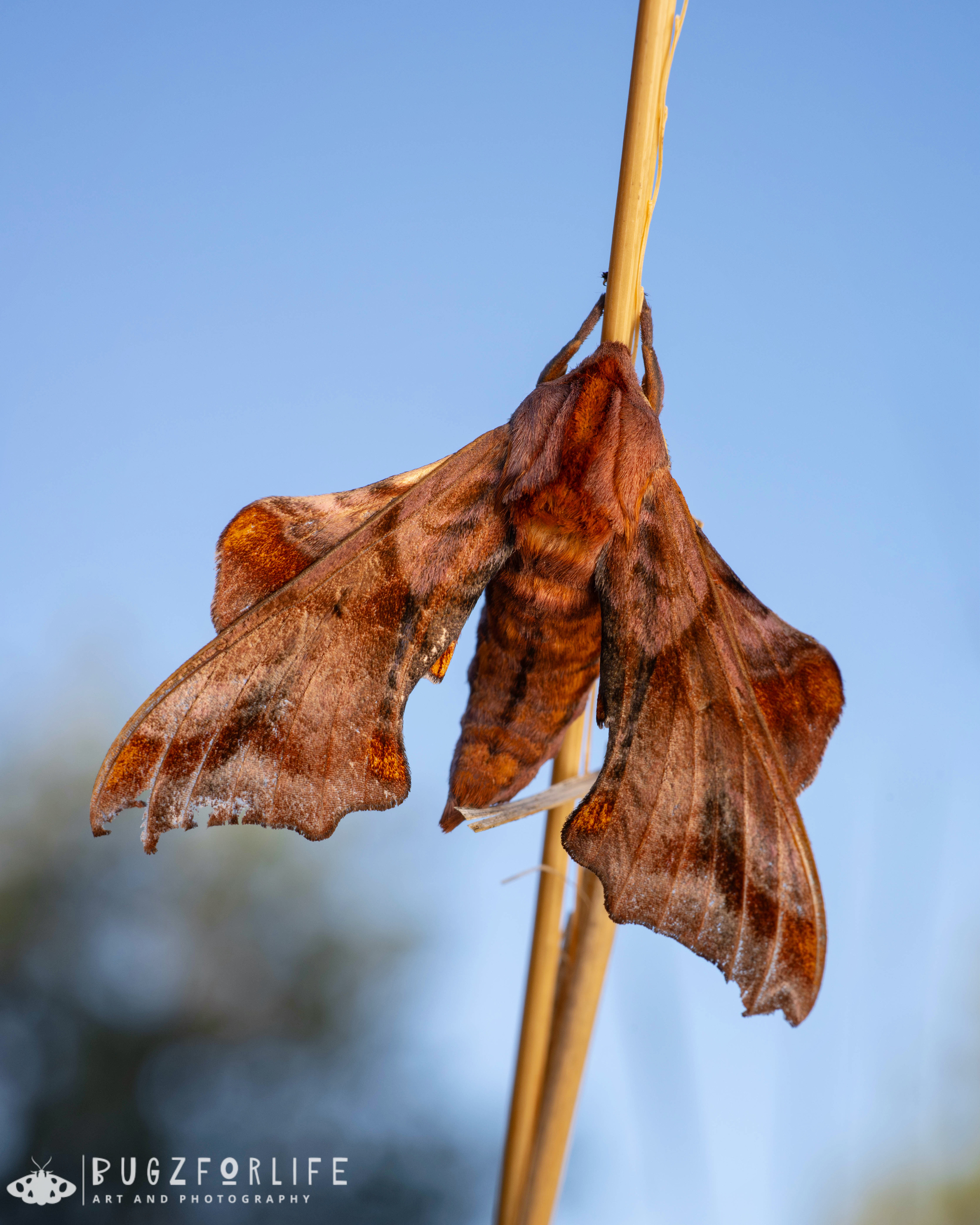
With both the Santa Ritas and Huachucas now covered, I realize I will need to make a second and possibly a third part to this guide. What I have covered is merely a fraction of what is out there to explore in these particular areas. I highly recommend visiting the areas I covered here and places I have not that are also fairly accessible. For more information on other locations I did not cover in these two mountain ranges, please feel free to send me a message and I can send location data, as well as a description of these “less traveled” localities. If you’d like to see more photos of the species I have encountered in this region, you can visit my photography website or iNaturalist profile. Stay tuned for part 2!