Pierce Canyon, Guinda CA
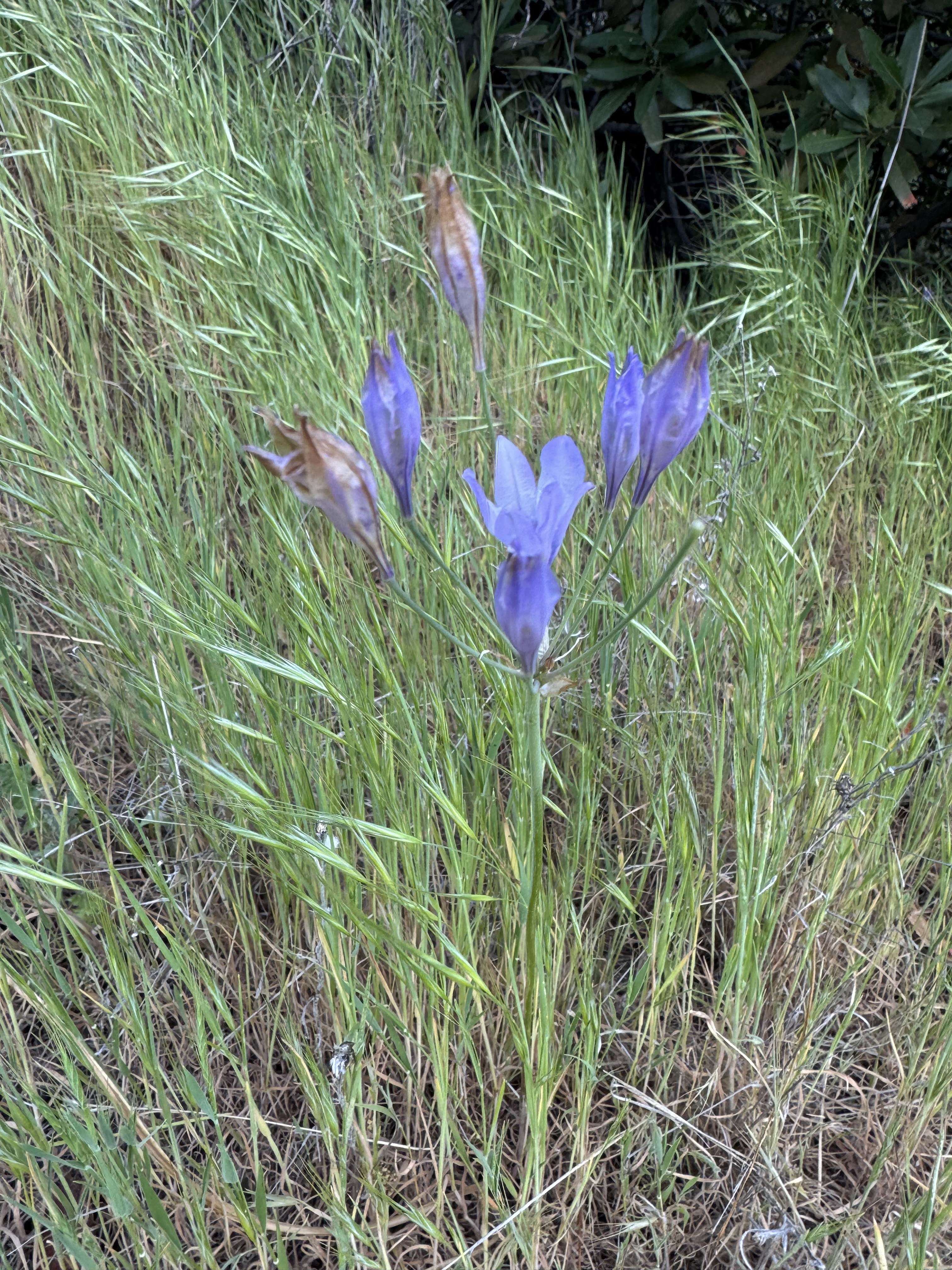
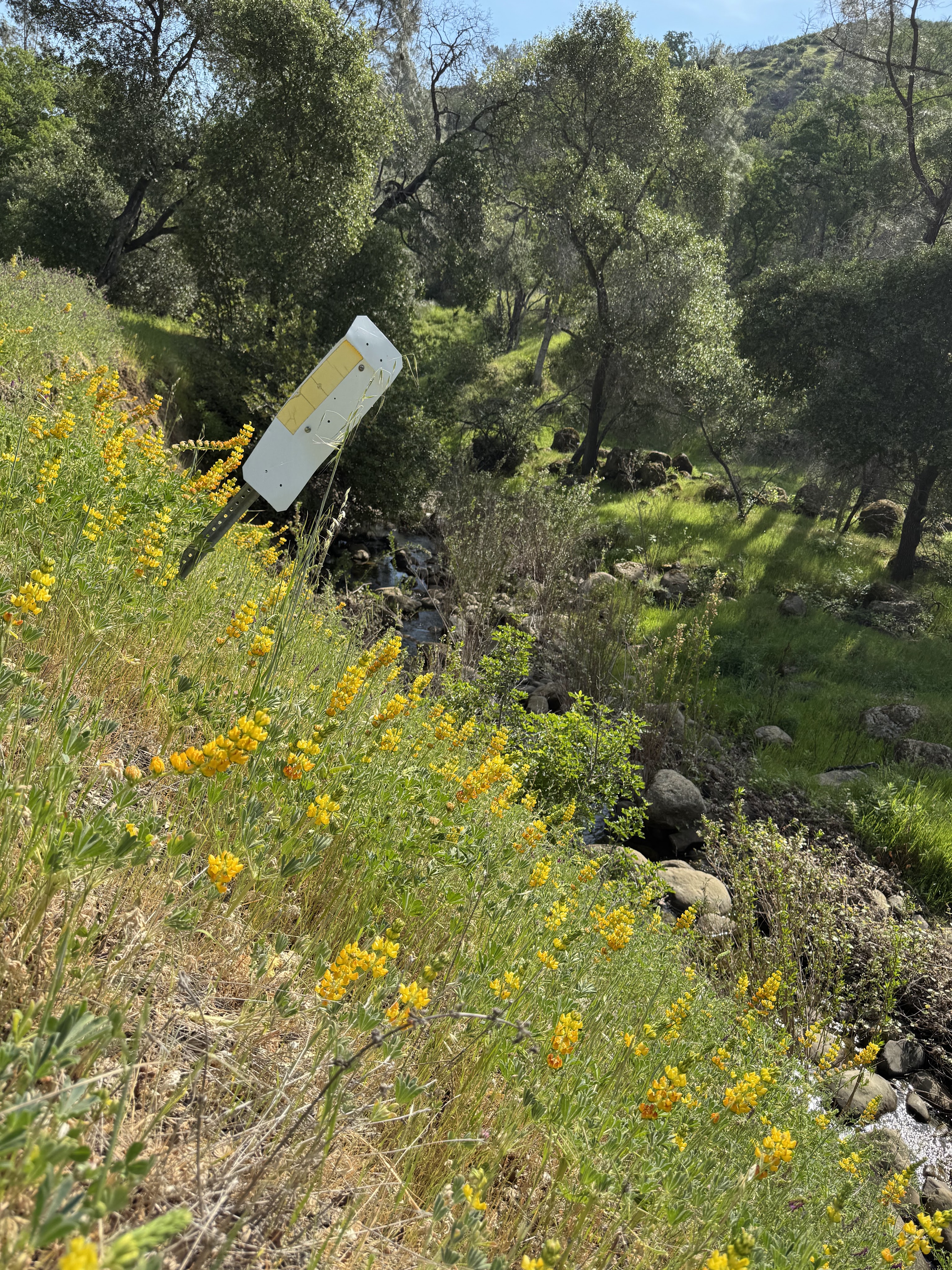
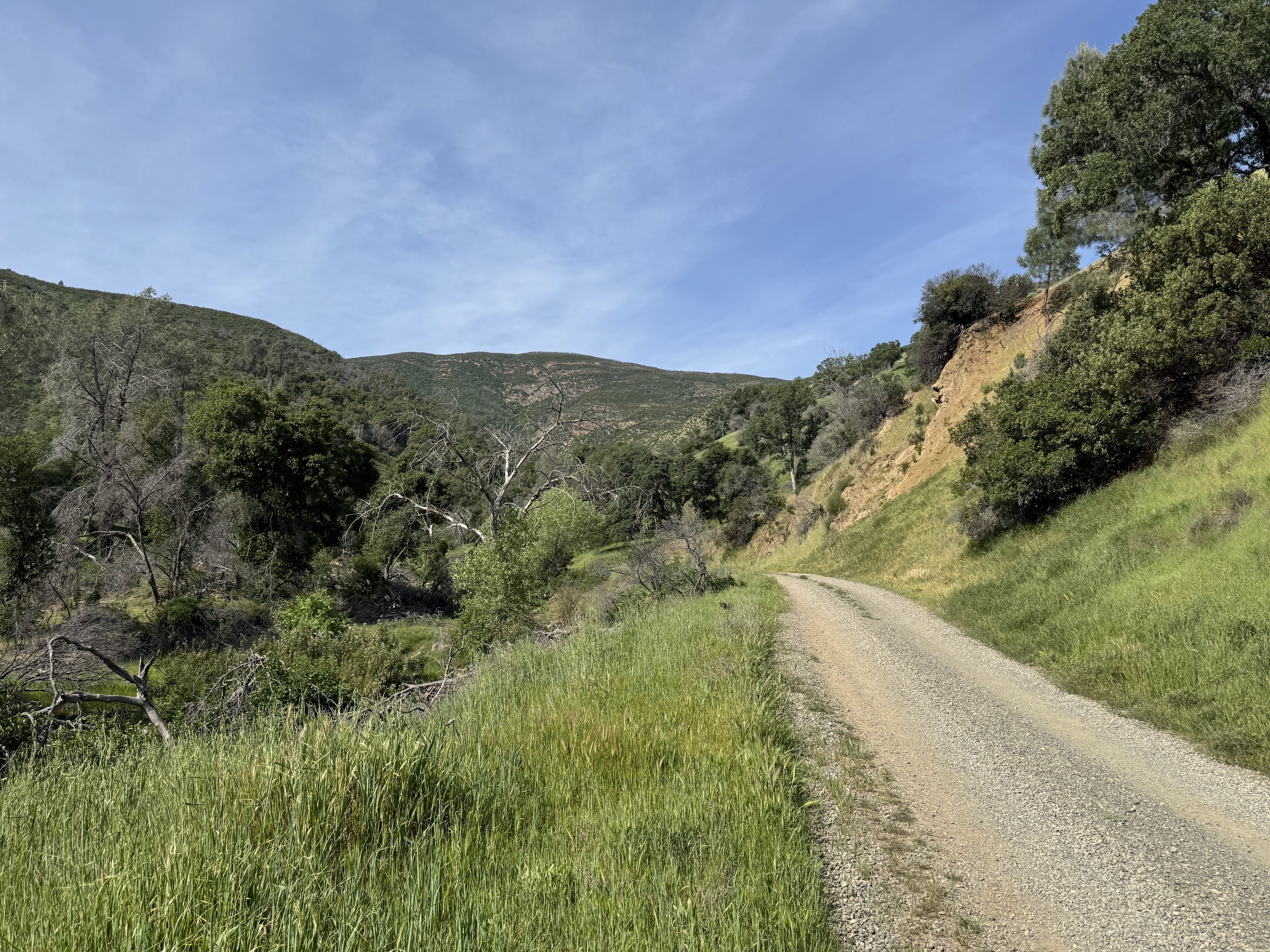
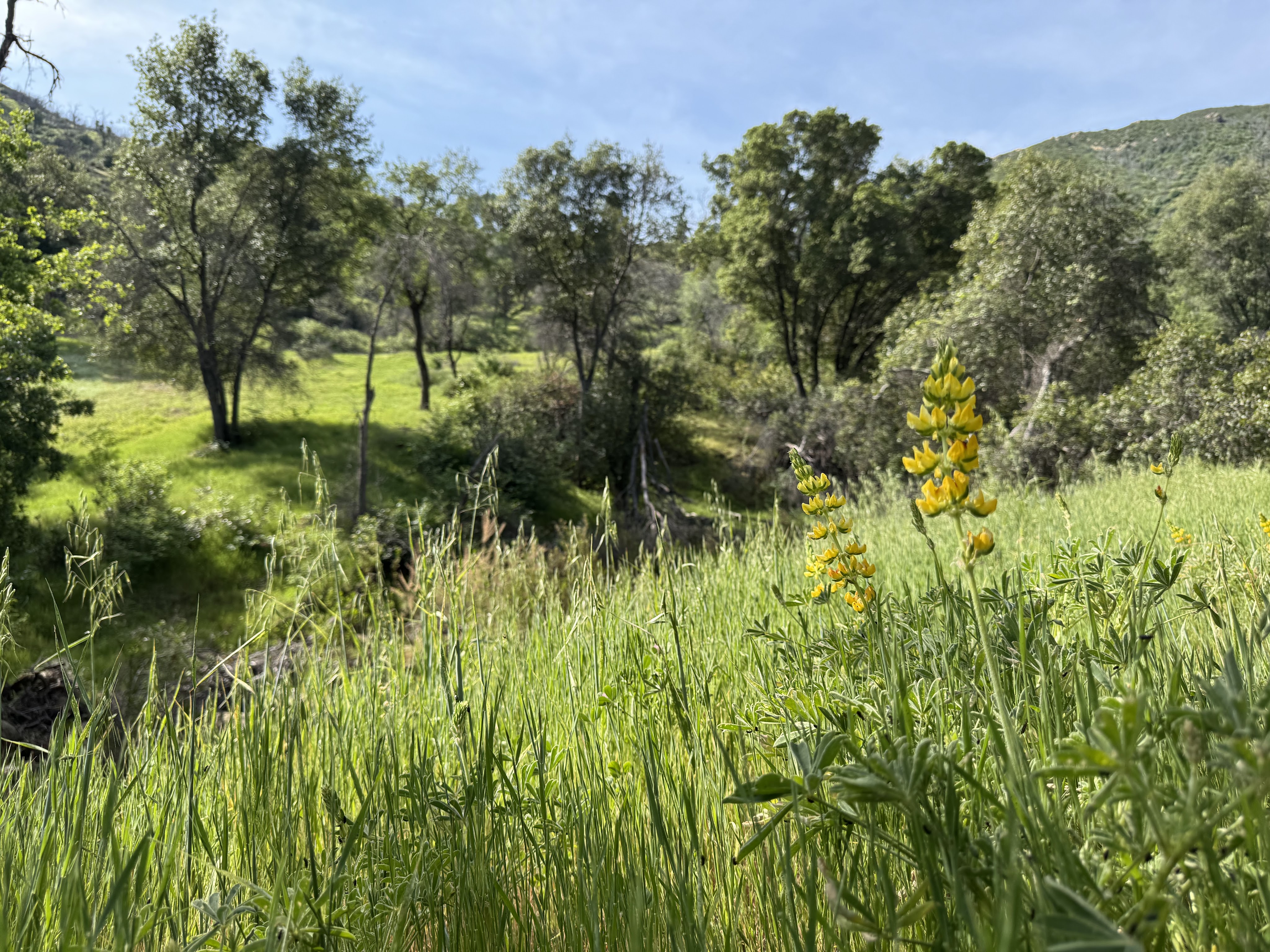
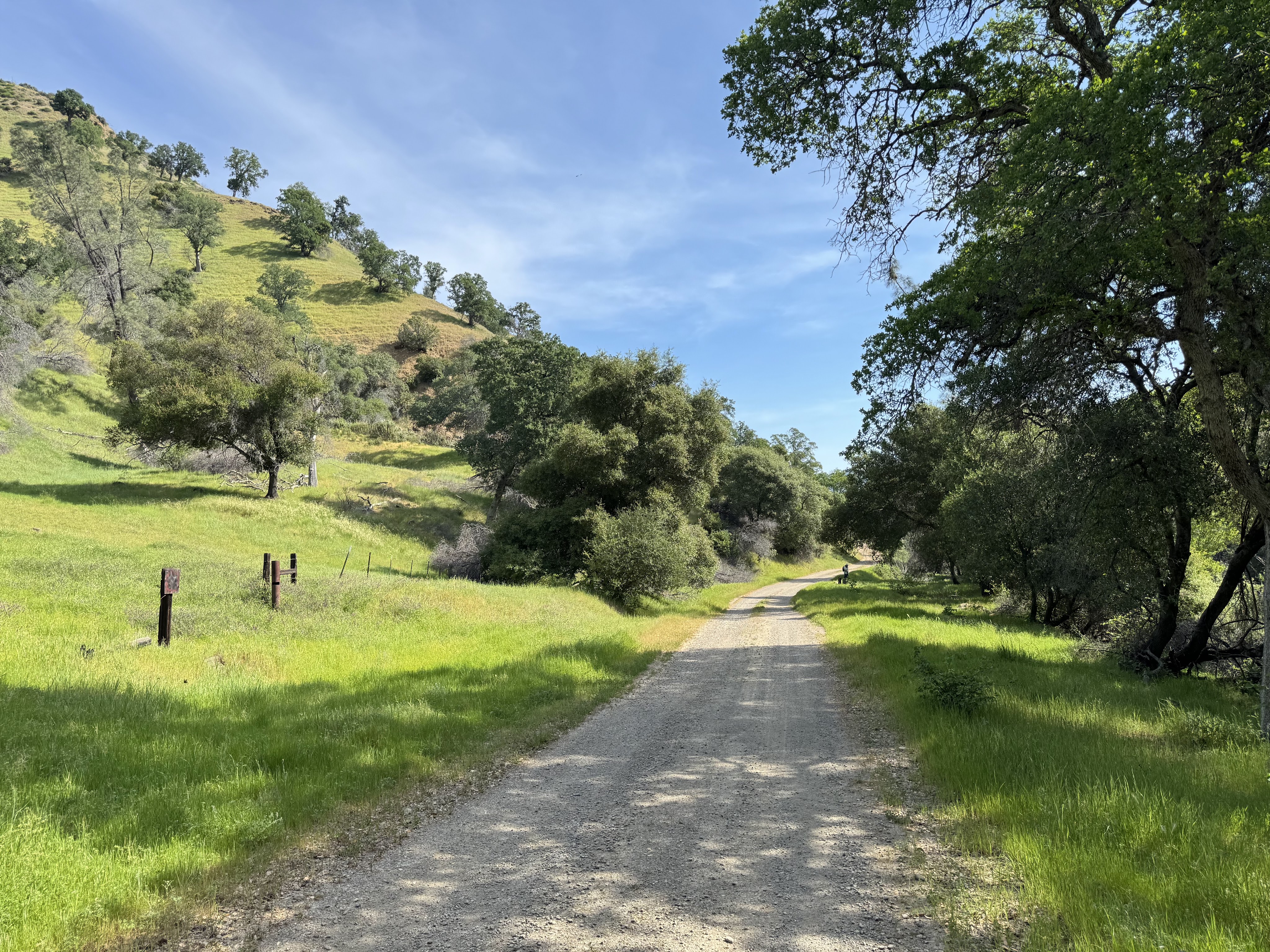
After a very windy and relatively unsuccessful blacklighting attempt in Rumsey, I suggested to my buddy Alex that we visit Pierce Canyon. To our surprise, the area was much less windy and had plenty of green grass and wildflowers. I had mentioned there was a bit of a walk before entering the main canyon but it was well worth it once we arrived. Even the walk to the main section of the canyon was amazing. The trail cuts through a mixed blue and valley oak savanna alongside private property. The trail itself is public but if anyone decides to visit the area, vehicles are not permitted and there are 2 locked gates that have access stairs where you can continue through to the canyon on foot.
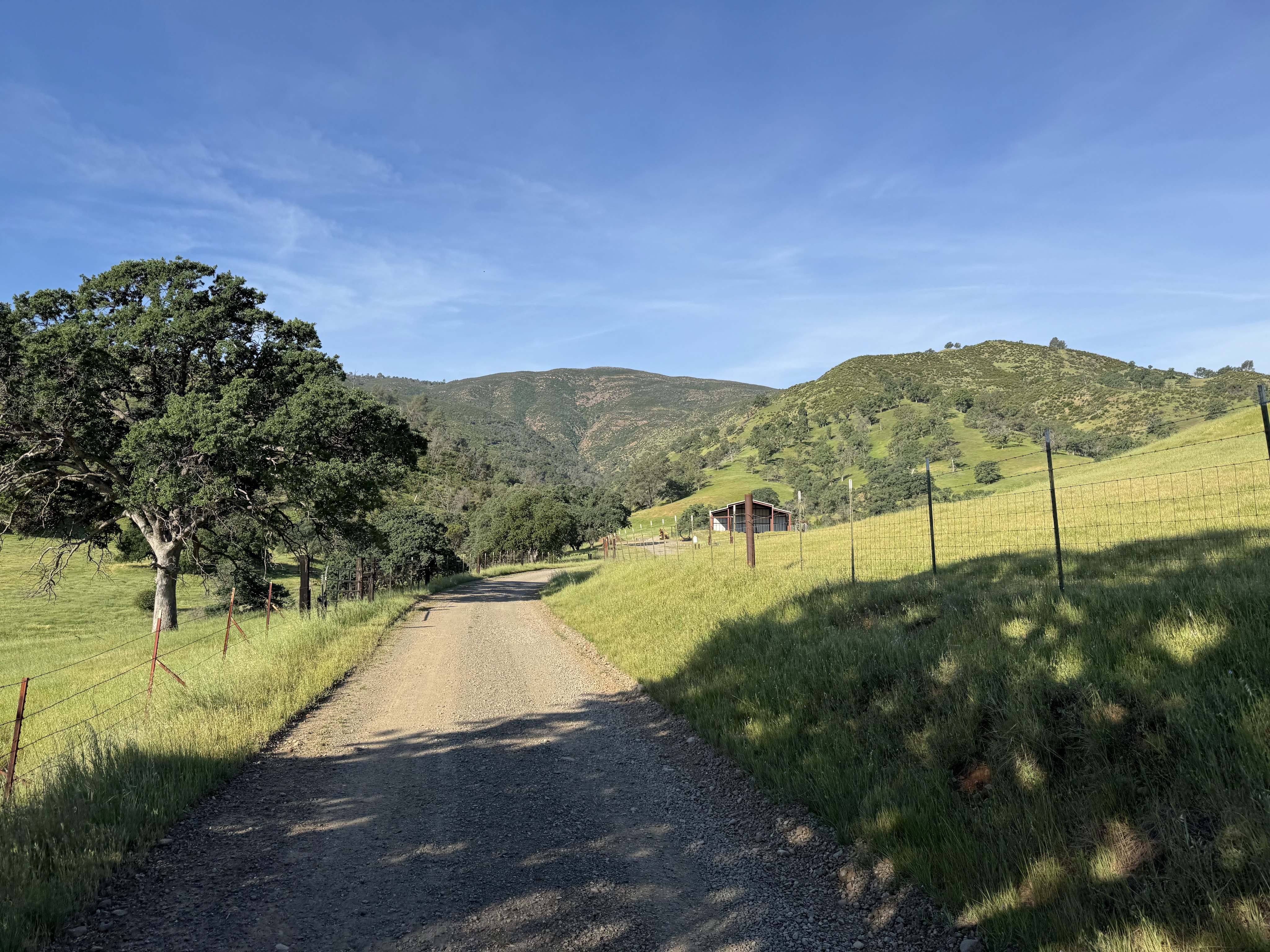
Once we passed the second gate the habitat changed to riparian and oak woodland. It was then when we began to see the some of our target butterfly species and other insects. We saw plenty of orange sulfurs (Colias eurytheme) and variable checkerspots (Euphydryas chalcedona), and plenty of other species including the pipevine swallowtail (Battus philenor hirsuta), Lorquin’s admiral (Limenitis lorquini), California hairstreak (Satyrium californica), and silvery blue (Glaucopsyche lygdamus). I also found a large cluster of mourning cloak caterpillars (Nymphalis anitopa) feeding on the leaves of a nearby cottonwood tree. The most abundant species was by far the orange sulfur. I counted at least 30 individuals in a 20 yard stretch of the trail.
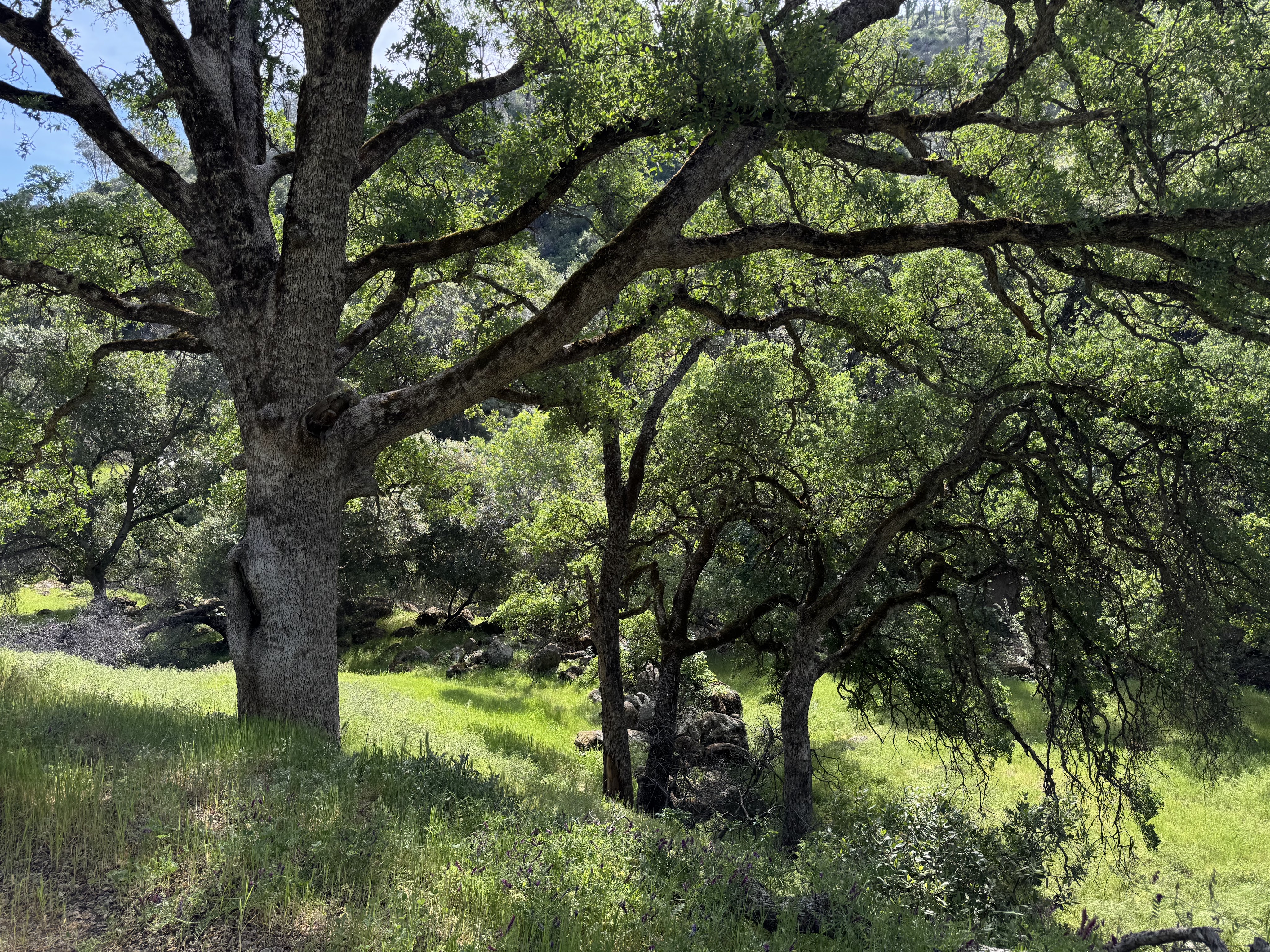
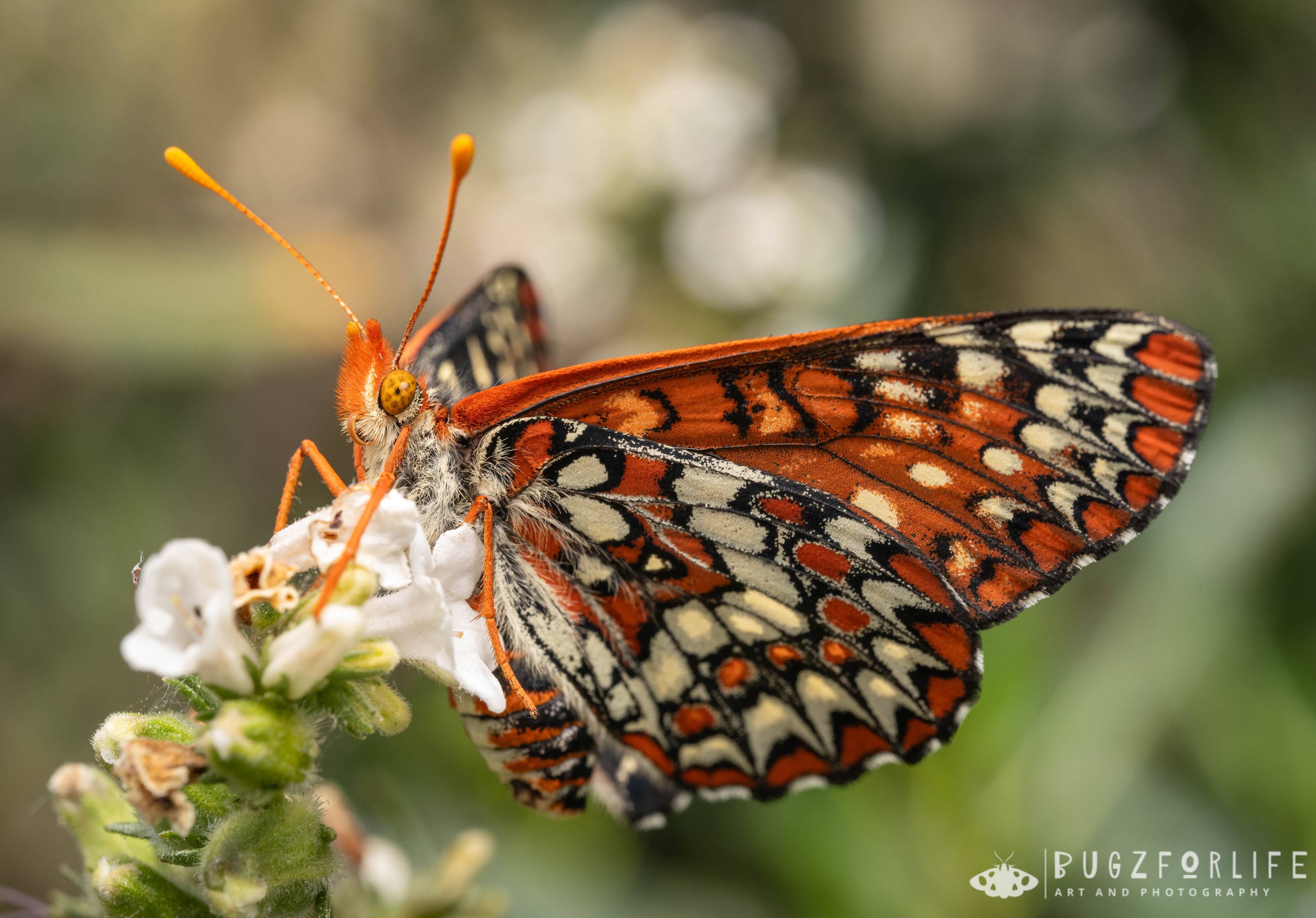
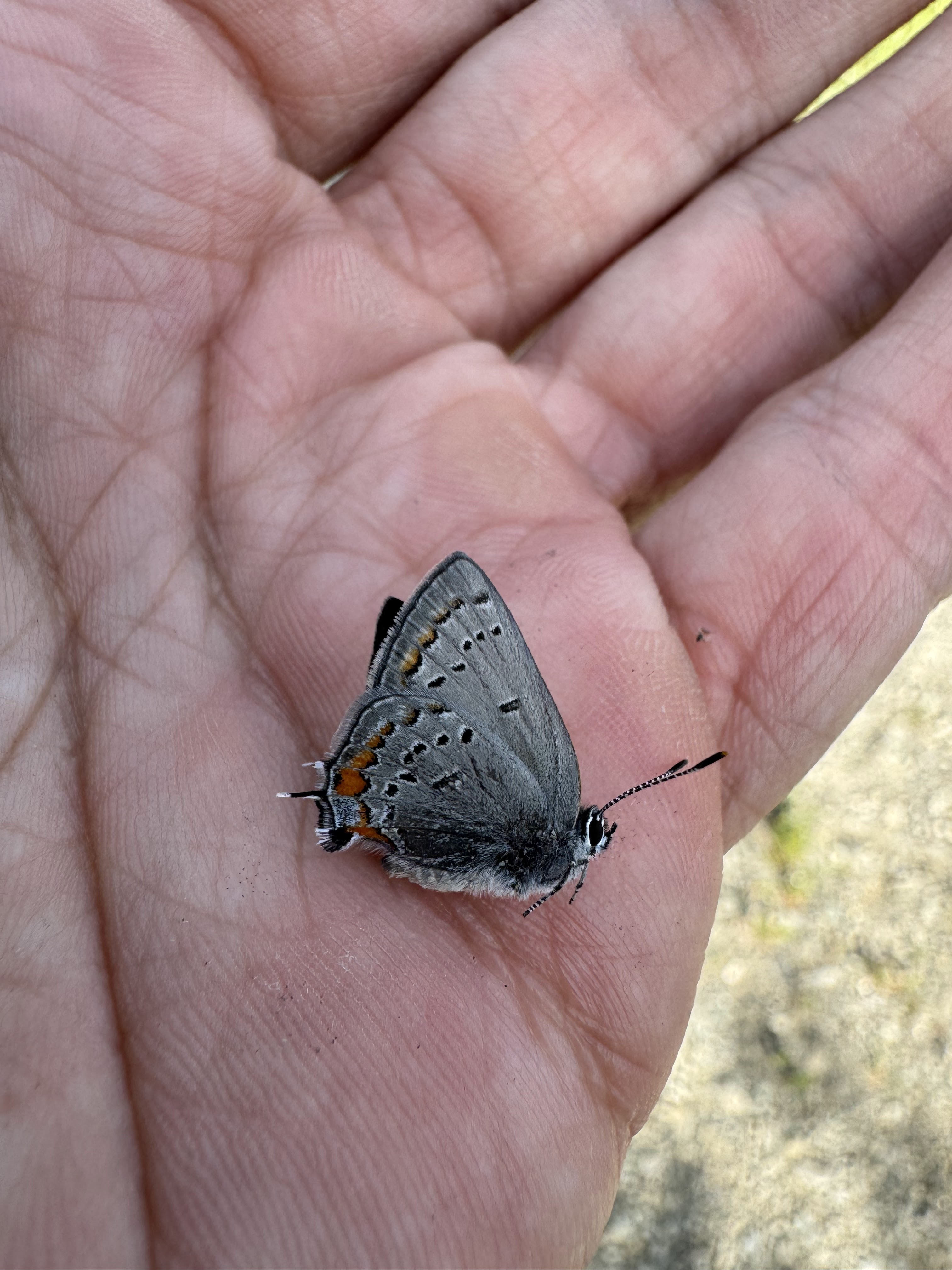
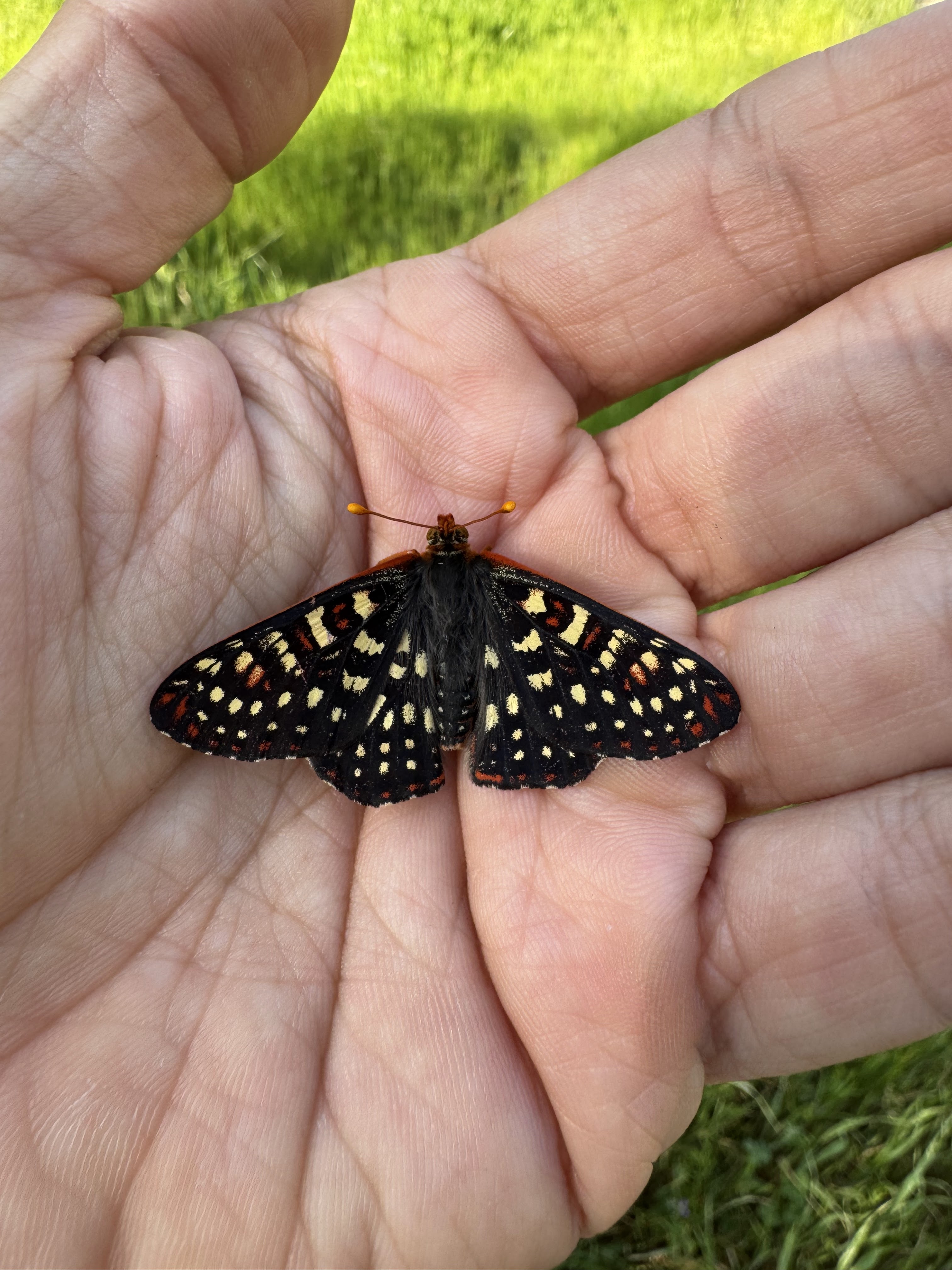
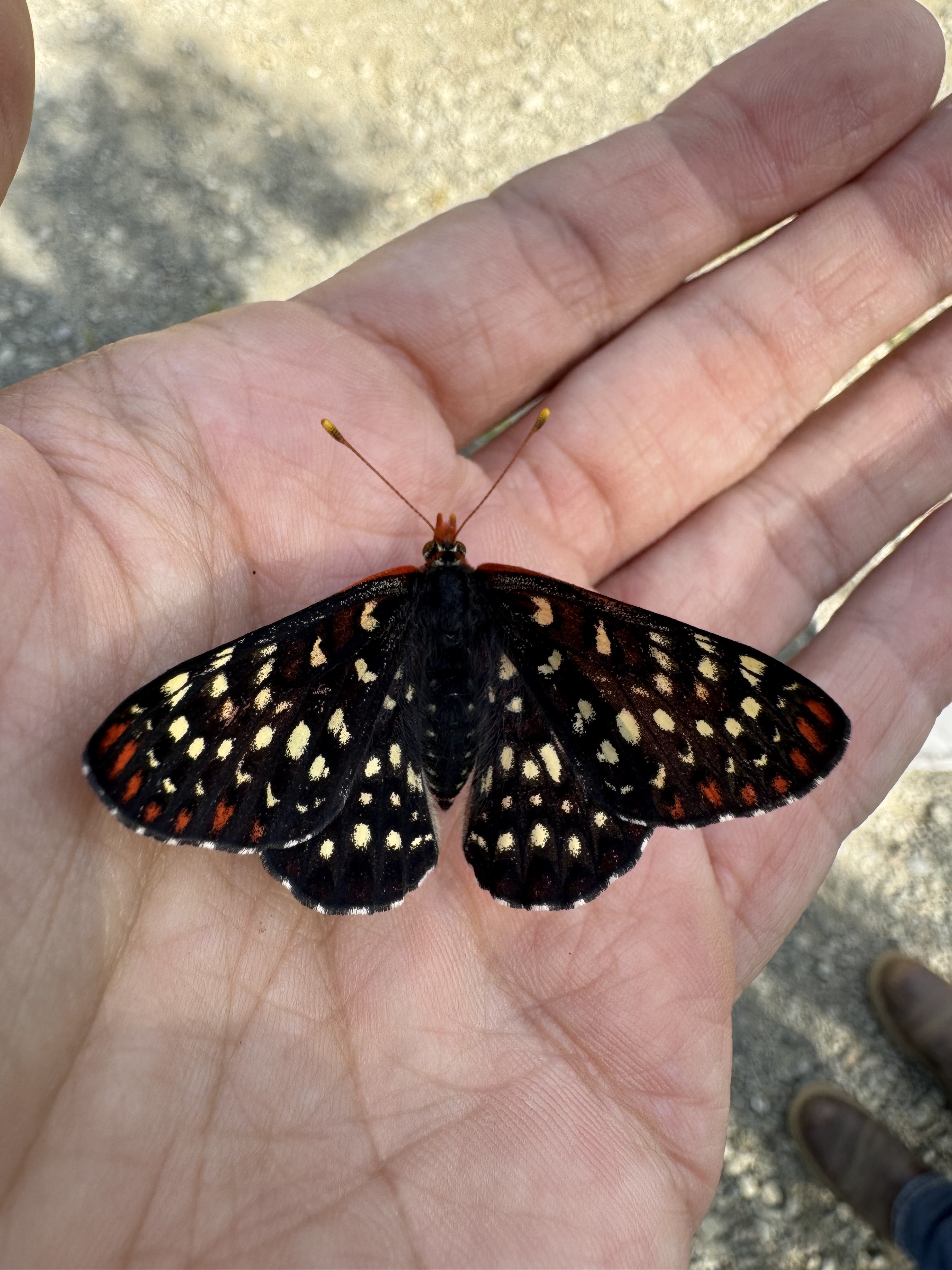
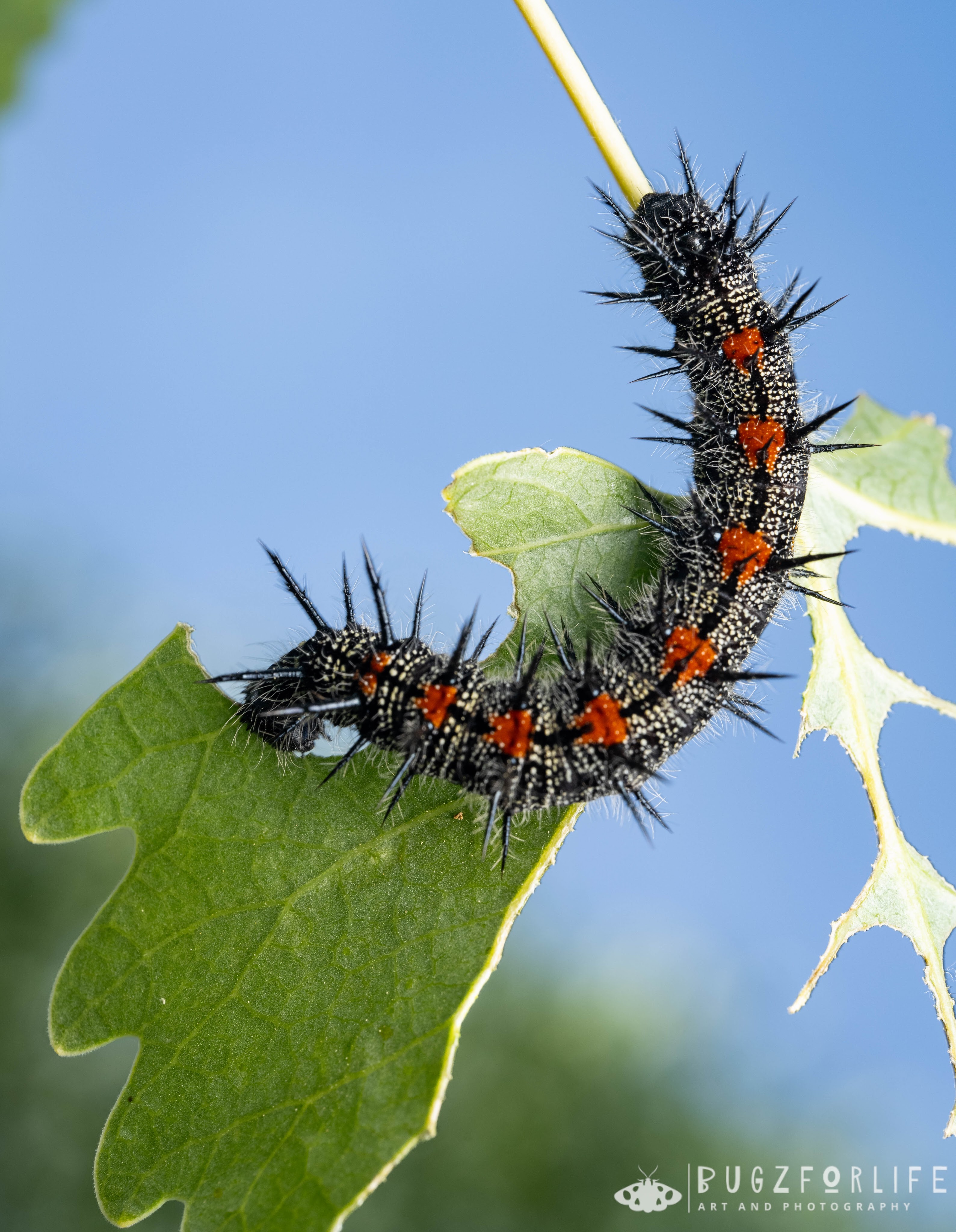
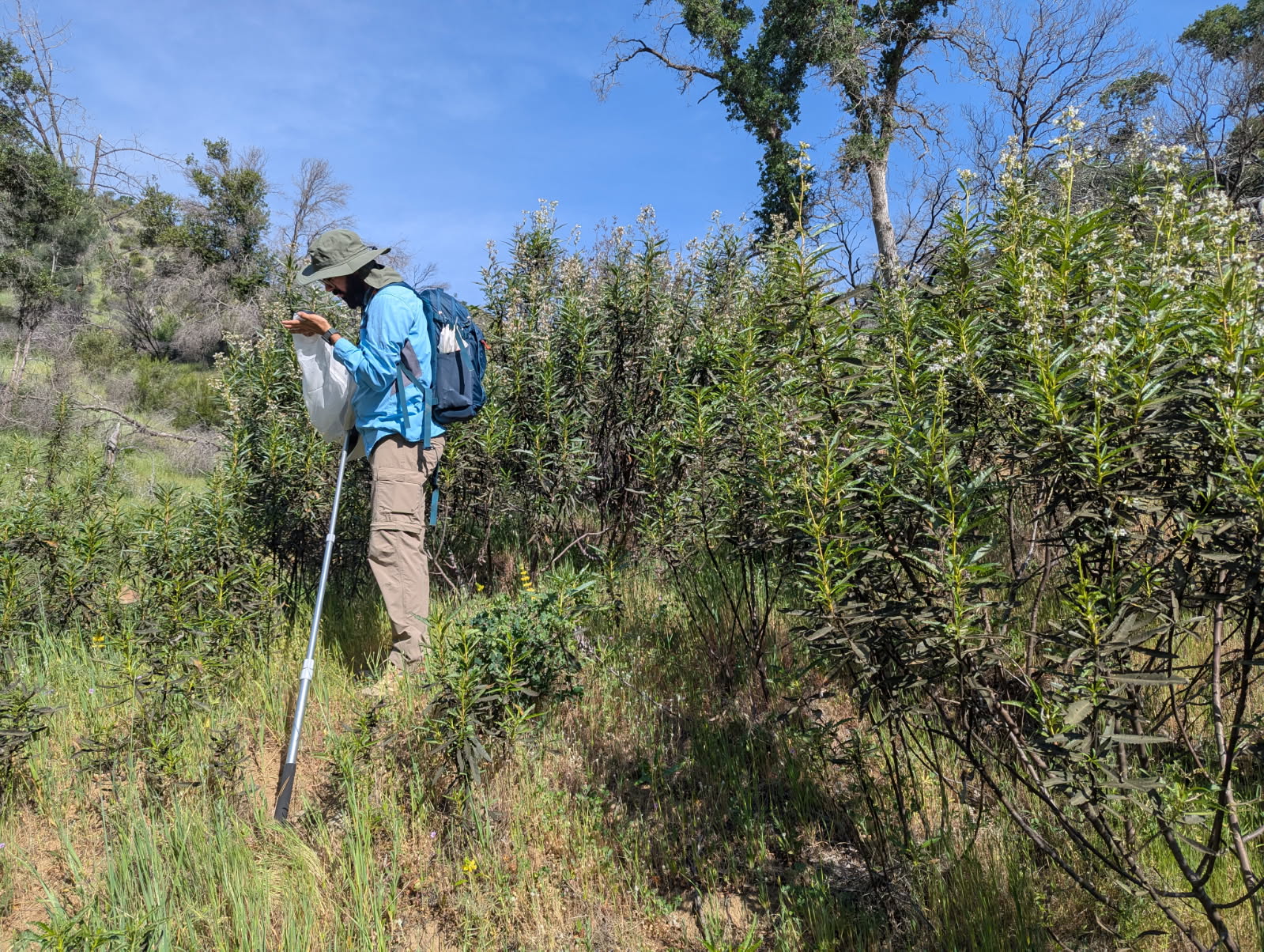
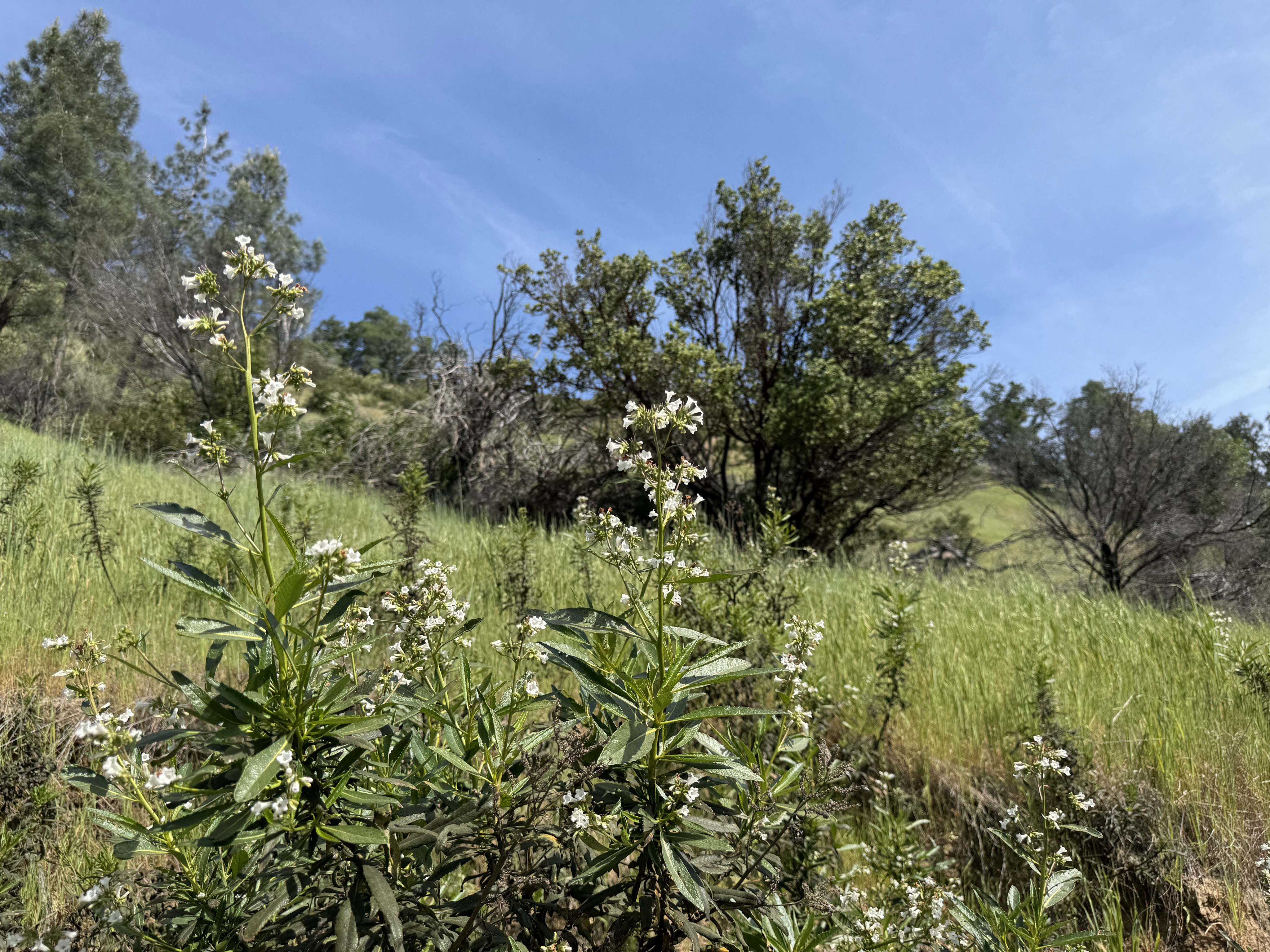
We decided not to walk the whole trail and ended up turning around after about walking about a mile into it. A large stand of Yerba Santa (Eriodictyon californicum) was nearby the large cottonwood tree with the mourning cloak caterpillars and was teeming with butterflies and other insects. Besides the usual suspects we encountered throughout the trail, other notable butterflies we encountered in this spot included the pale swallowtail (Papilio eurymedon), acmon blue (Icaricia acmon), Mylitta crescent (Phyciodes mylitta), painted lady (Vanessa cardui), Sara orangetip (Anthocharis sara), and lotus hairstreak (Callophrys dumetorum). The flowers of the Yerba Santa were very productive and also attracted plenty of native bees. We stayed here for about another half an hour before calling it a day and heading back to our vehicles.
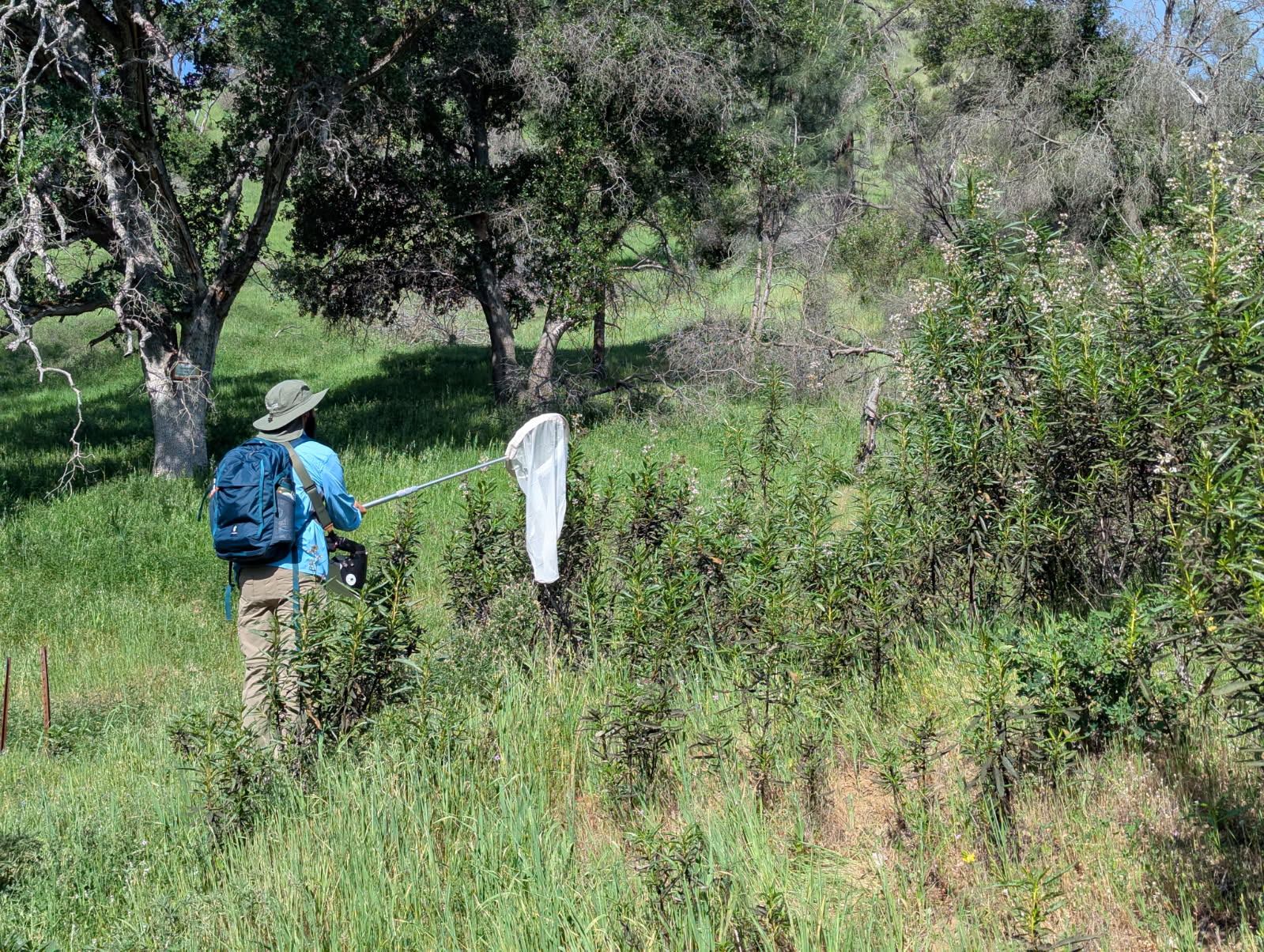
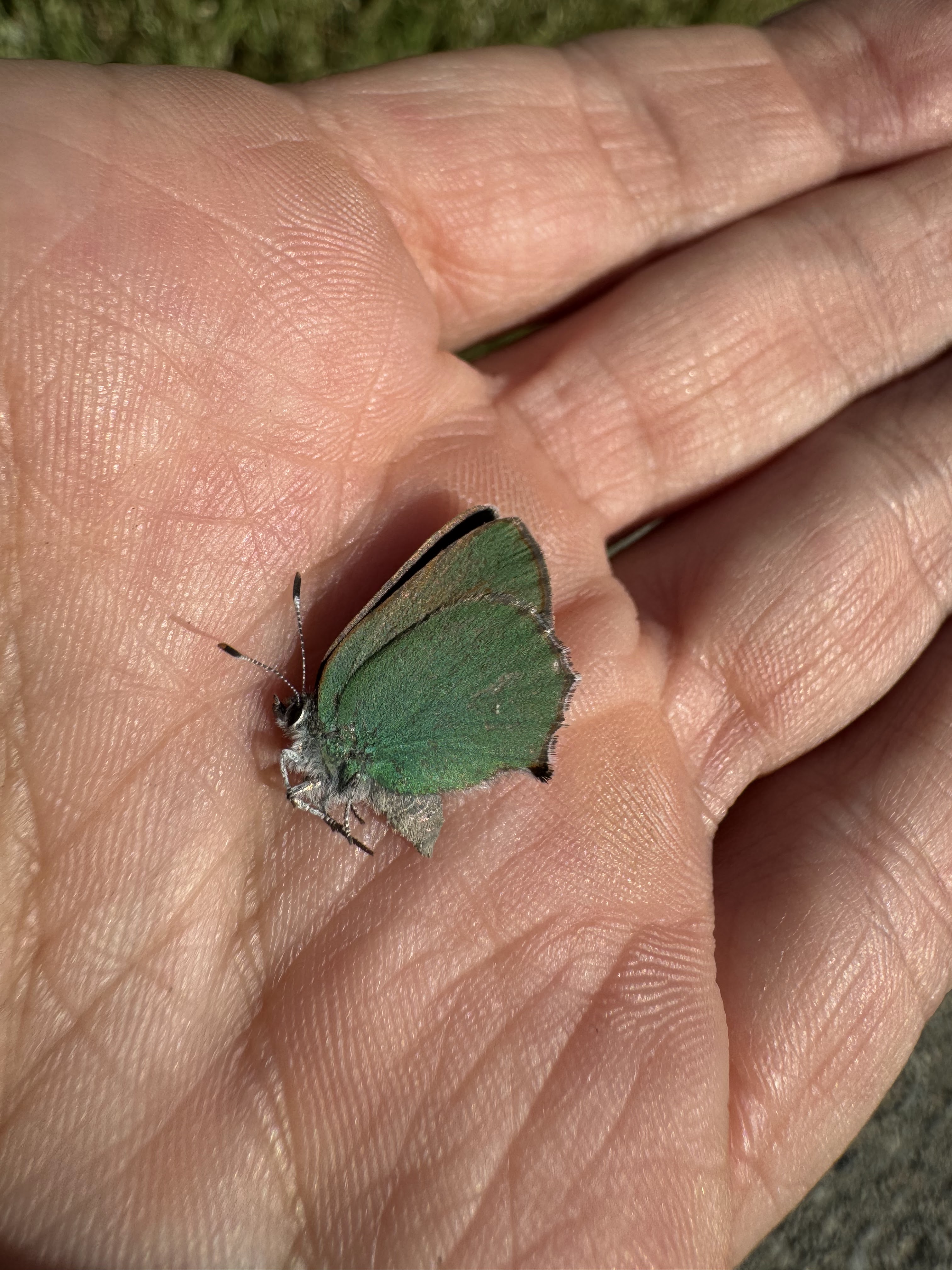
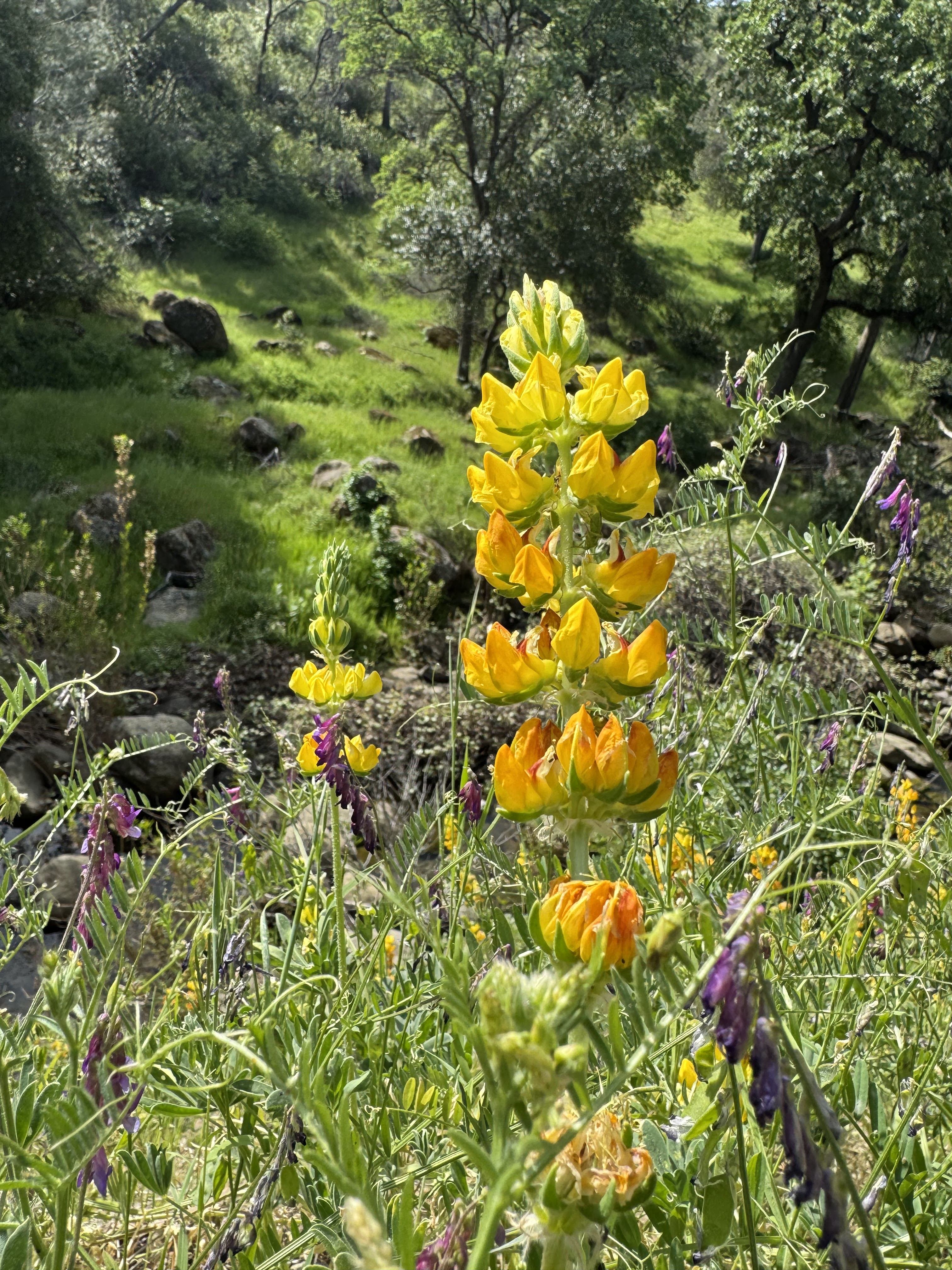
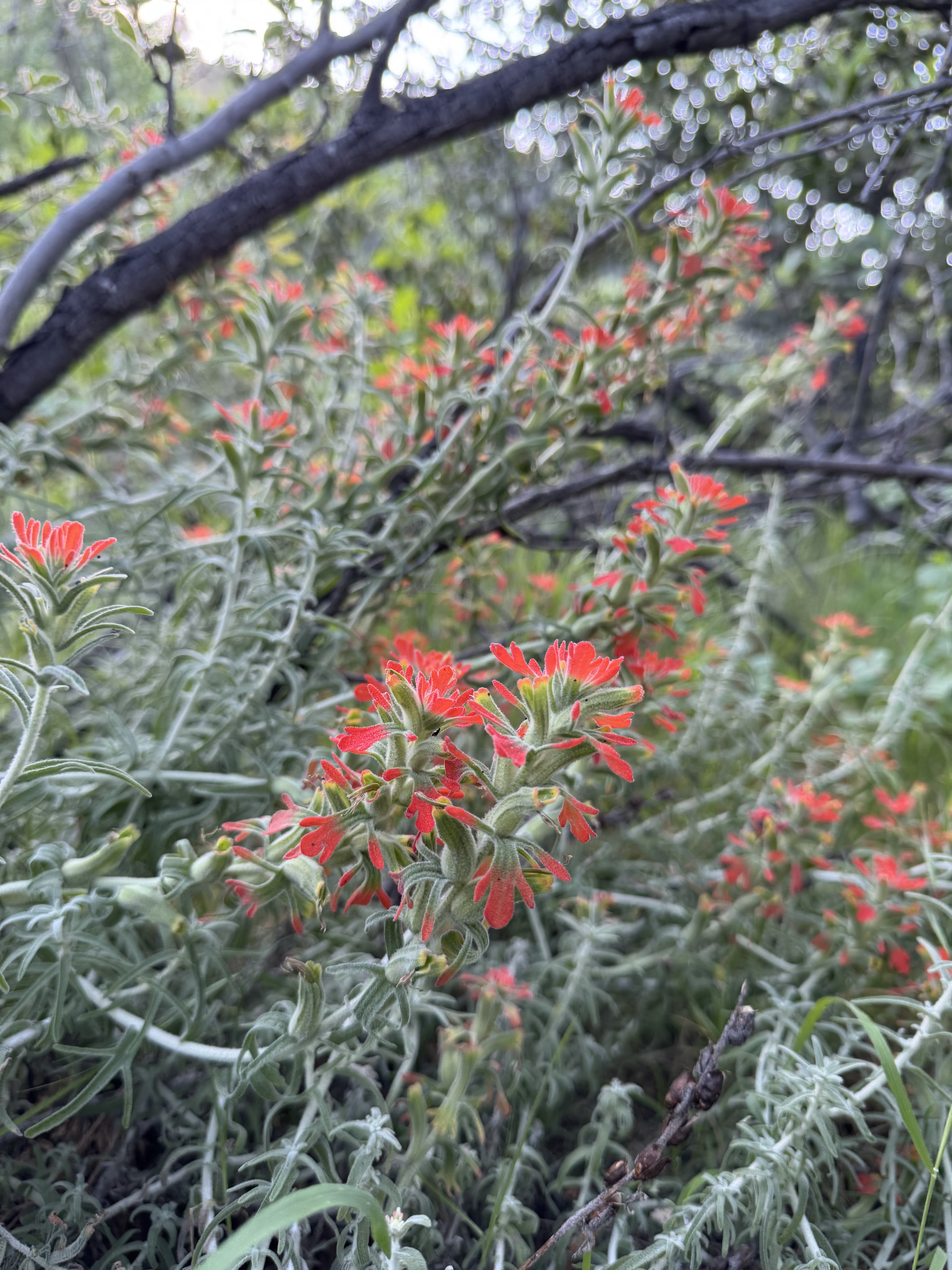
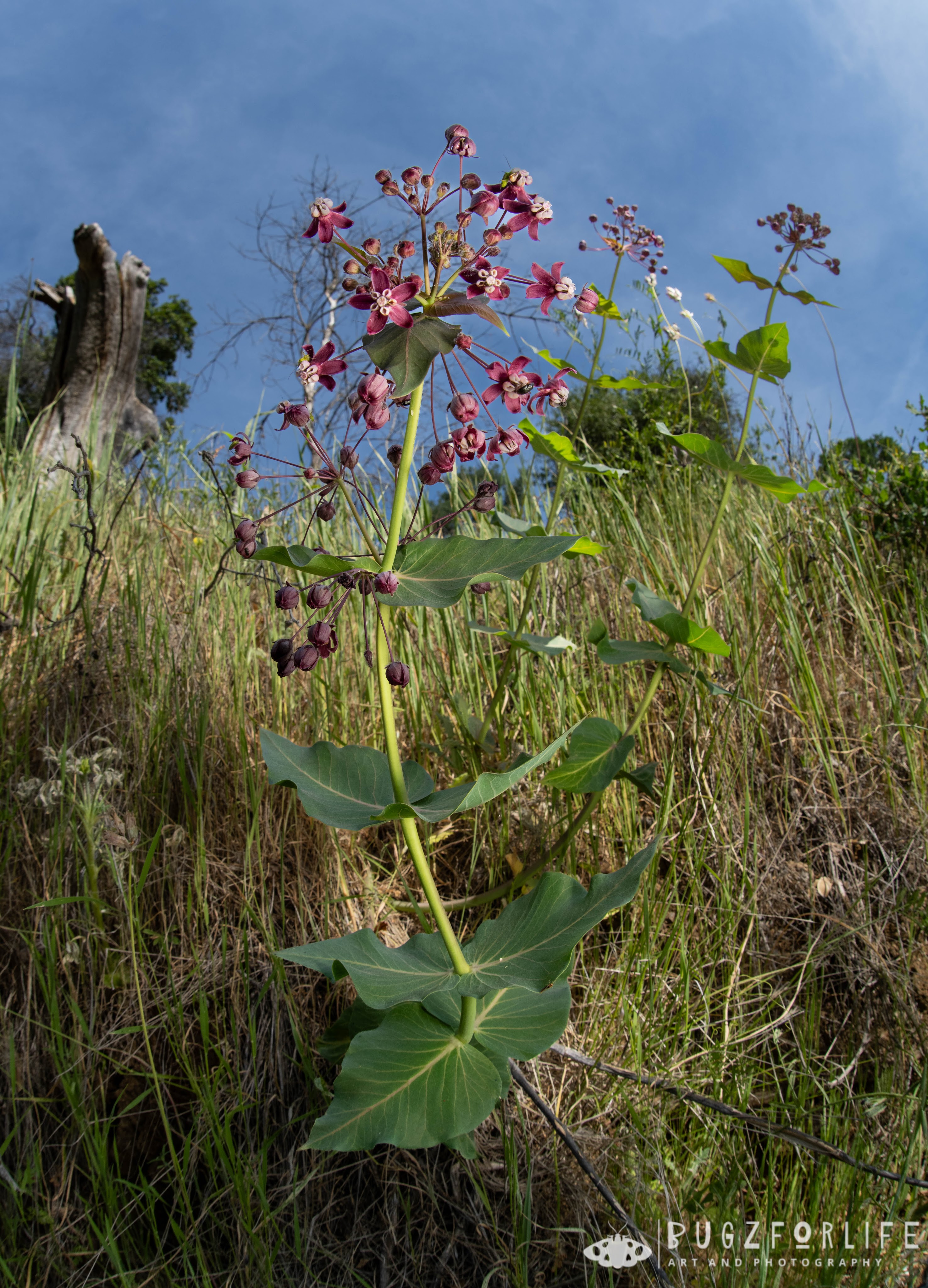
In summary, this location was very productive and I will attempt to return in April. The season was definitely early here, most likely due to the record temperatures at the end of March. However, due to the rains we have had in April so far I expect this area to stay fruitful. There were also plenty of other notable finds like the heart-leaf milkweed and the abundance of California pipevine, which did indeed have plenty of caterpillars (Battus philenor hirsuta) on it. There were also plenty of plants that had yet to bloom but were very green and forming flower buds. We counted 13 different species of butterflies and saw plenty of other insect species.
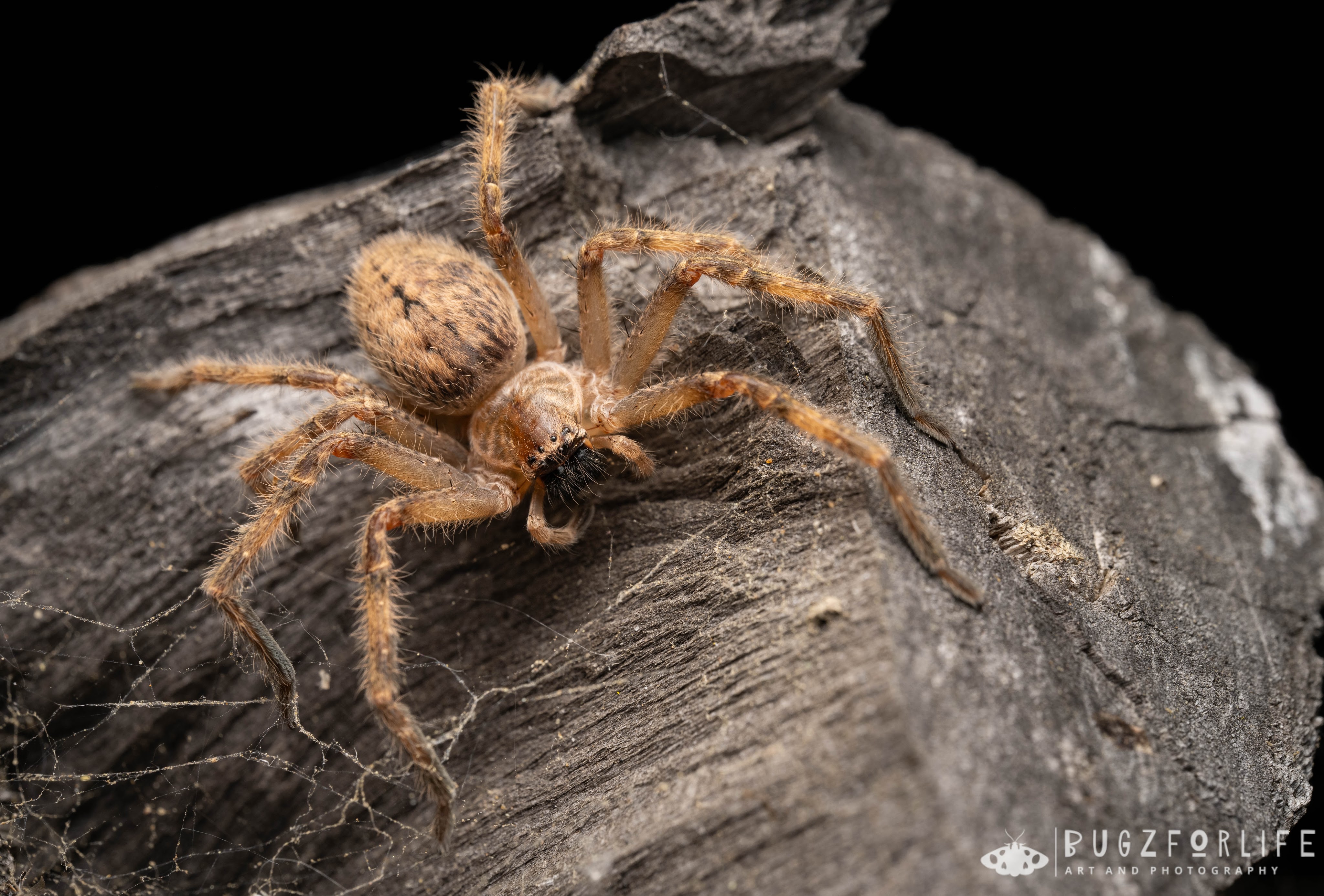
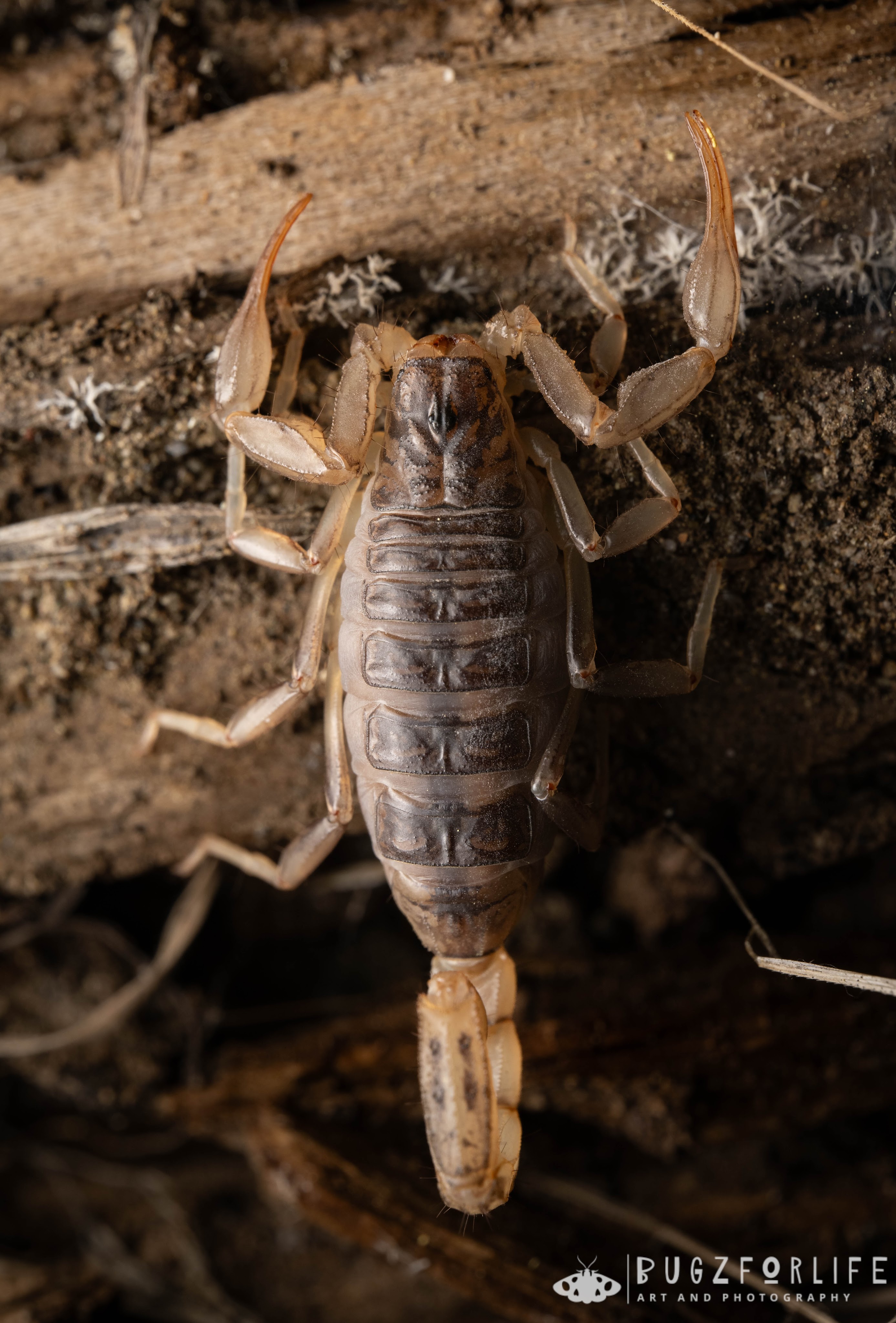
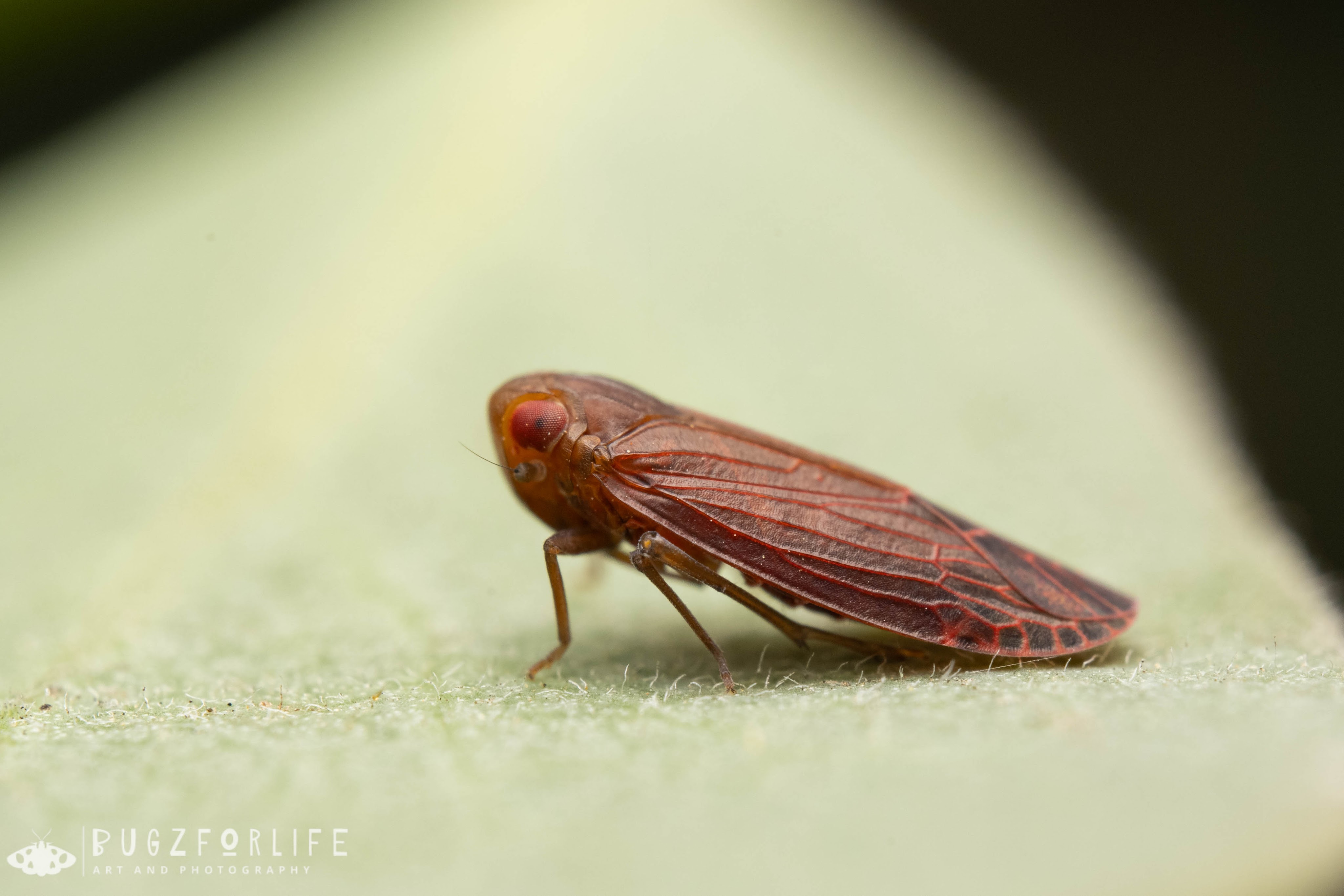
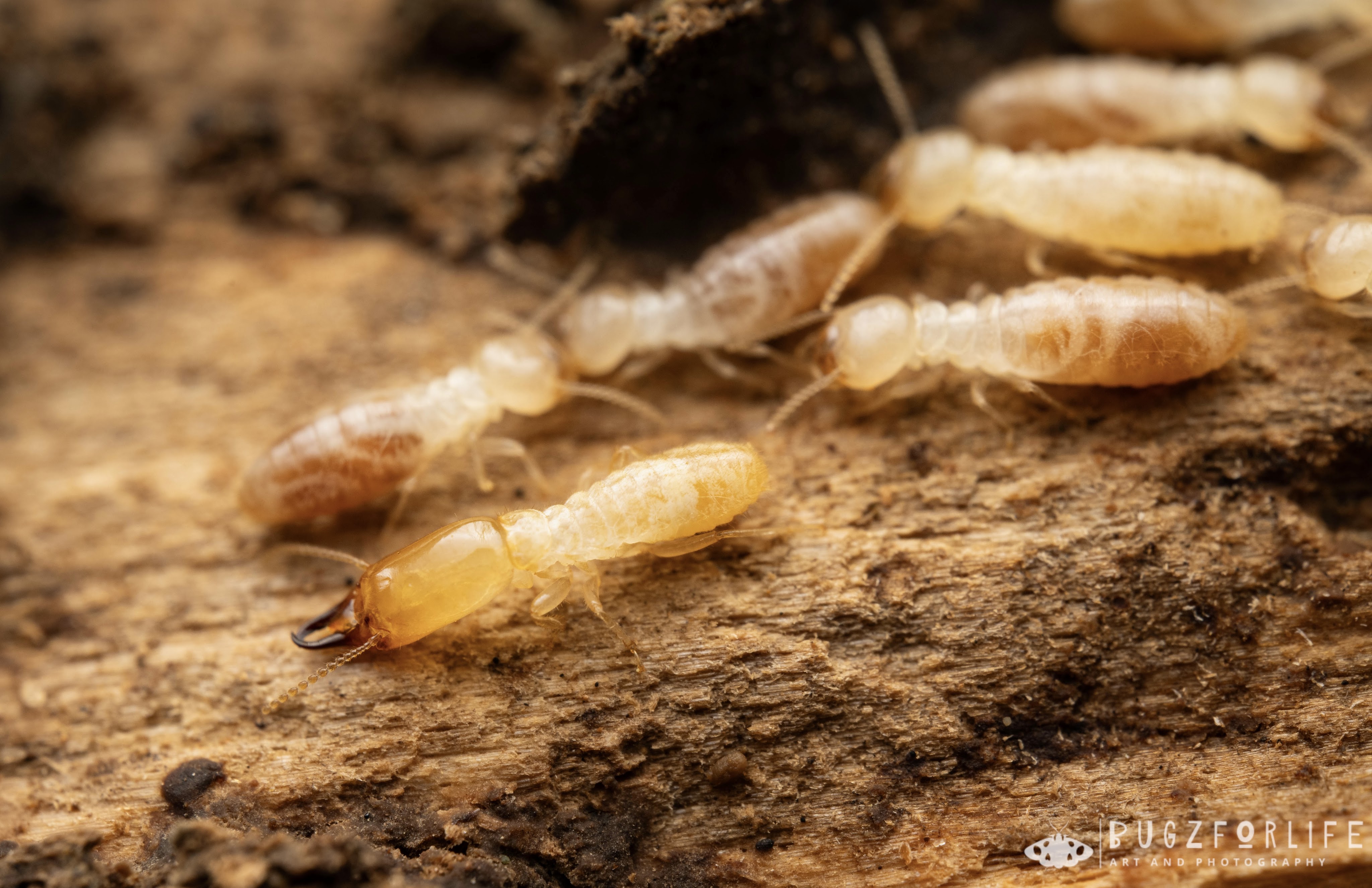
Additional photos from the previous night in our failed attempt to blacklight near Rumsey. We still managed to find some interesting critters.