
The expeditions to southern Arizona have differed in many ways but one thing has always stayed the same, the desire to explore. This year (2022) however, felt much different. I wanted to revamp how I do these adventures in southern Arizona and in order to do so I needed to start with lodging. In 2022 I decided to have the group stay at an Airbnb and I was very glad I did. In addition, I added two new members to the group and they added a wonderful new dynamic I had not had prior.
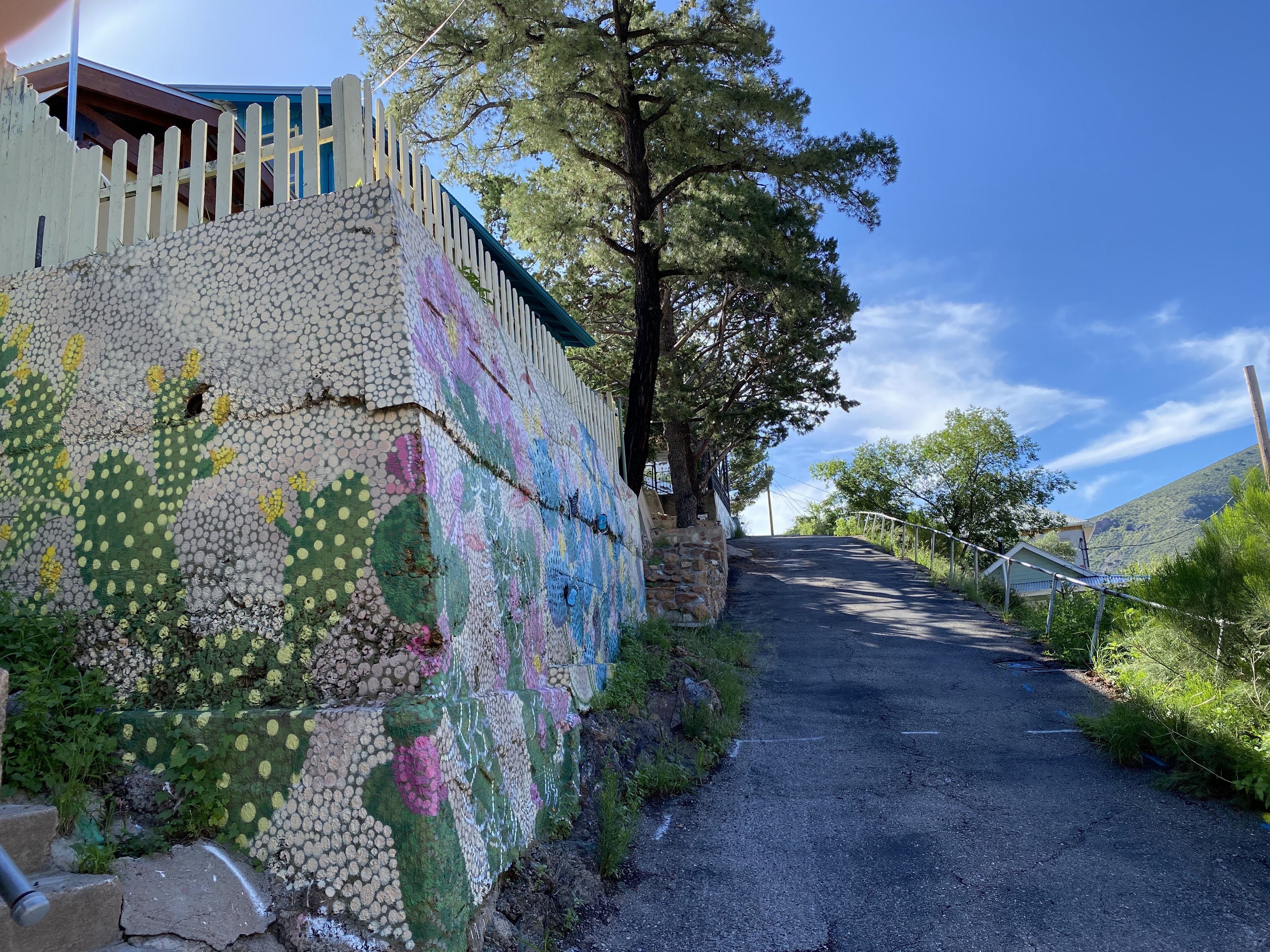
This year’s adventures begin in an interesting little town named Bisbee. I had never been there prior to this trip and was very excited to spend my time here with the group. The Airbnb was somewhat tucked away on a small canyon road and the property blended seamlessly with the surrounding environment, which led to some interesting finds and interactions with the native fauna. The home itself was unique in its own way but supplied us with everything we needed to have a wonderful stay.
A Brand New Adventure
Once we were able to get situated, we immediately went out to explore. We were shocked by how species rich the area near our Airbnb was and were excited to see what else was around for us to find. From ground mantises to vinegaroons, our group was finding an incredible number of different species on and around the property. I even set up a mothing sheet in the driveway to see what would show up and was surprised by what flew in.
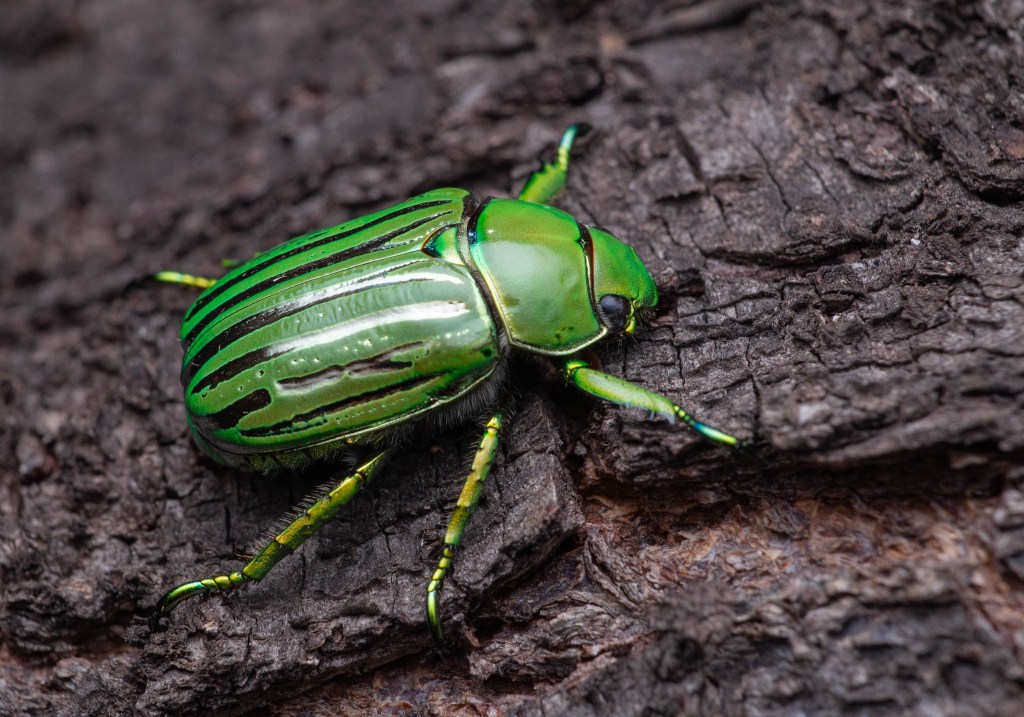
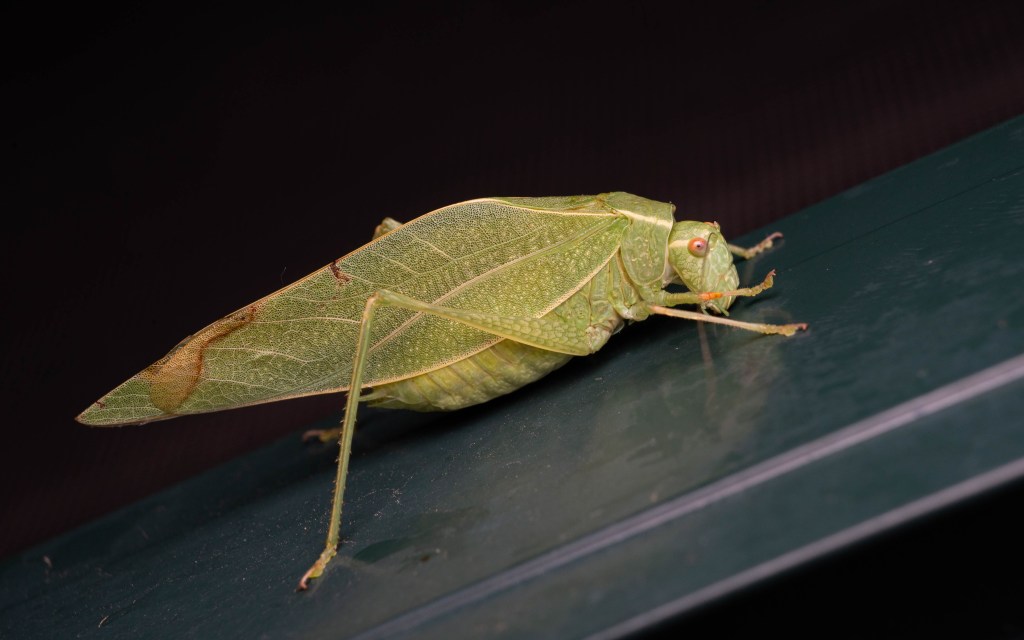
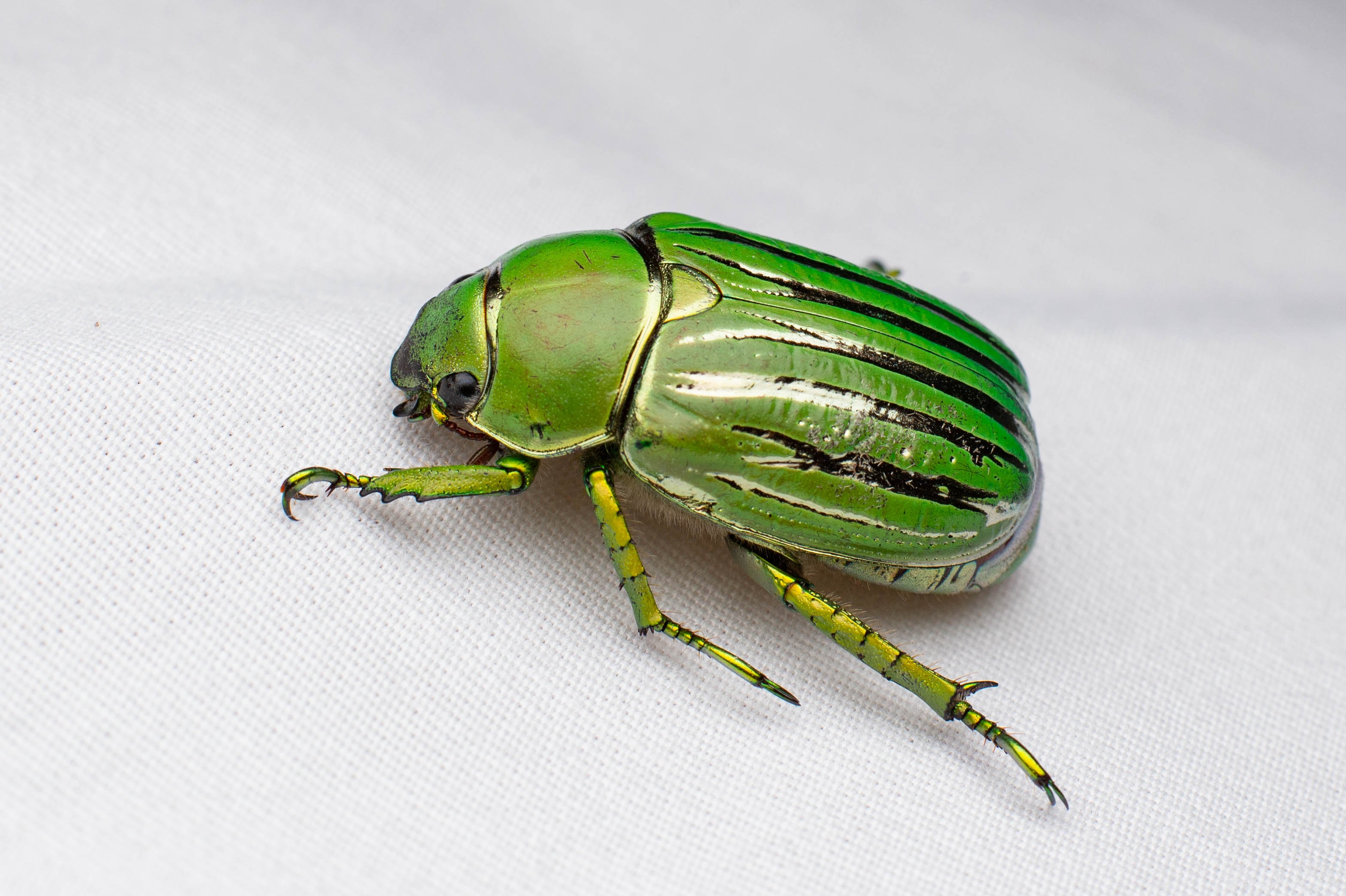
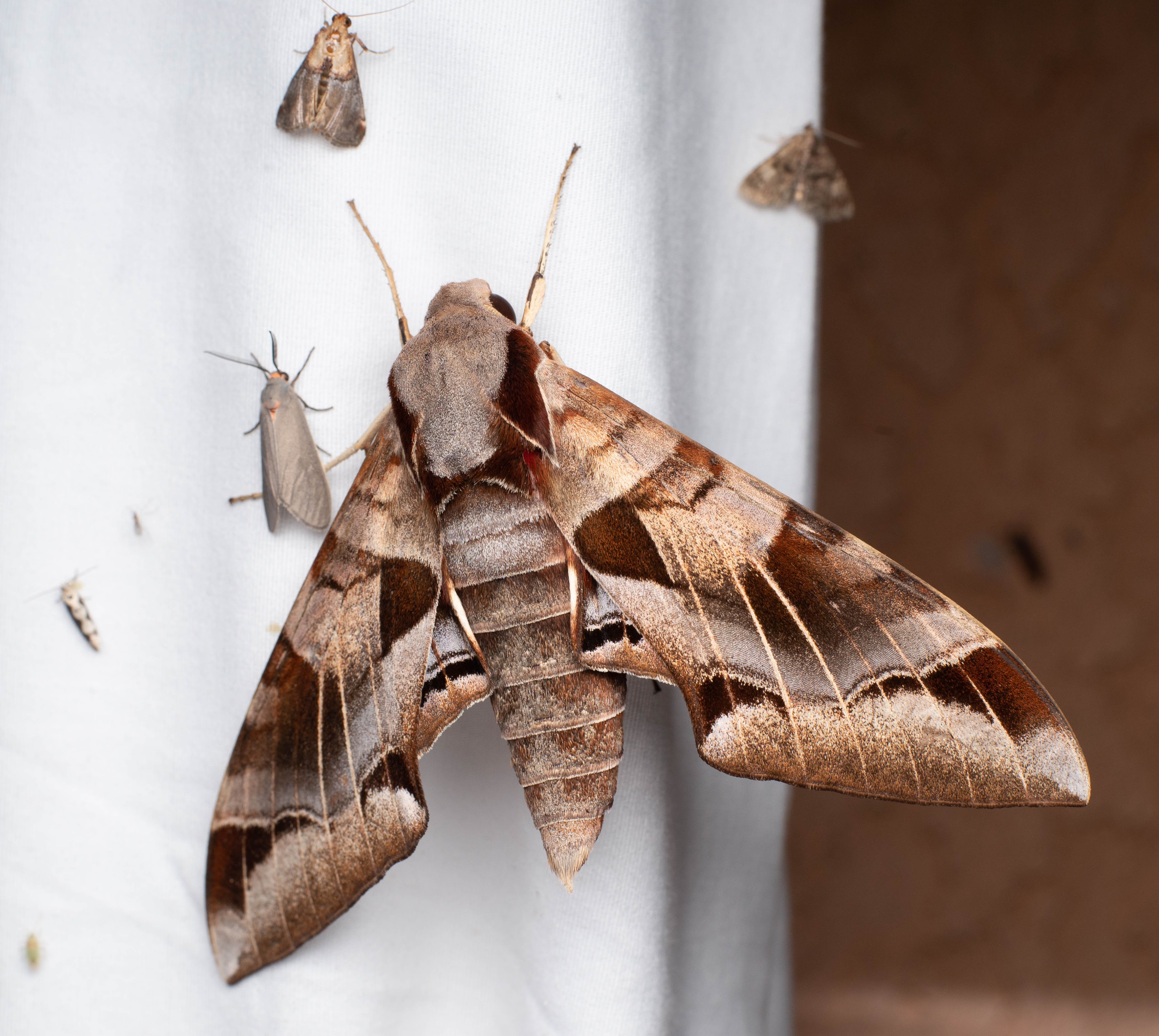
Many species of beetles and moths came to the sheet, with some of the notable species being Chrysina gloriosa, Eumorpha typhon, and Calosoma peregrinator (because of its awful smell). We didn’t stay up too late since we were all very tired from traveling almost 22 hrs, but knew that the next day would be even better. The following morning we quickly ate breakfast and headed out to explore upper Miller Canyon. It was the first time the group had ever been there and the first time I had been back in 6 years.
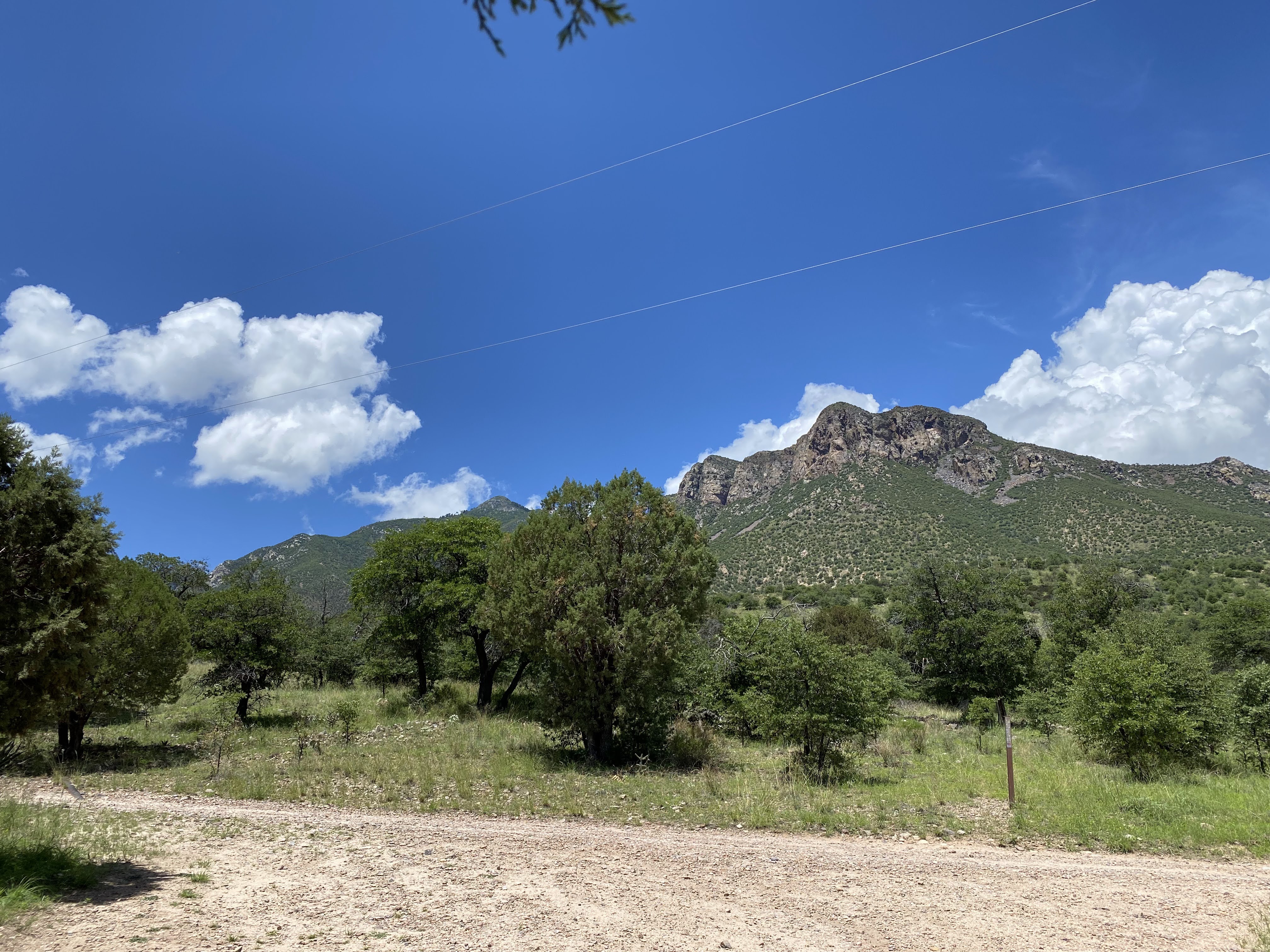
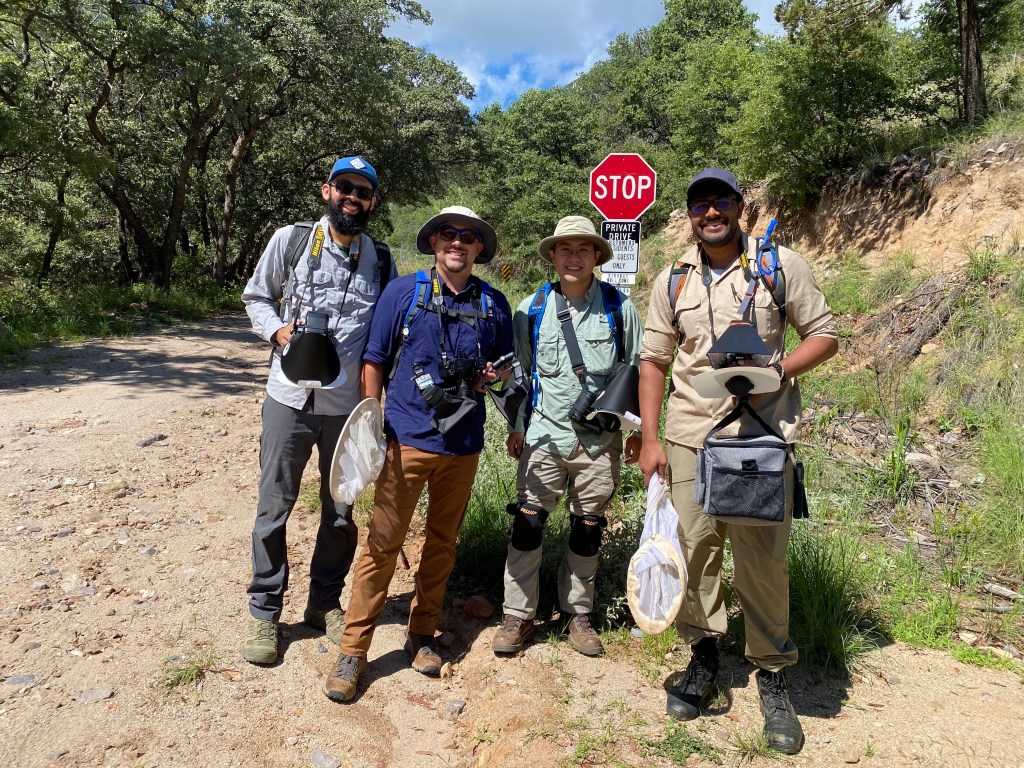
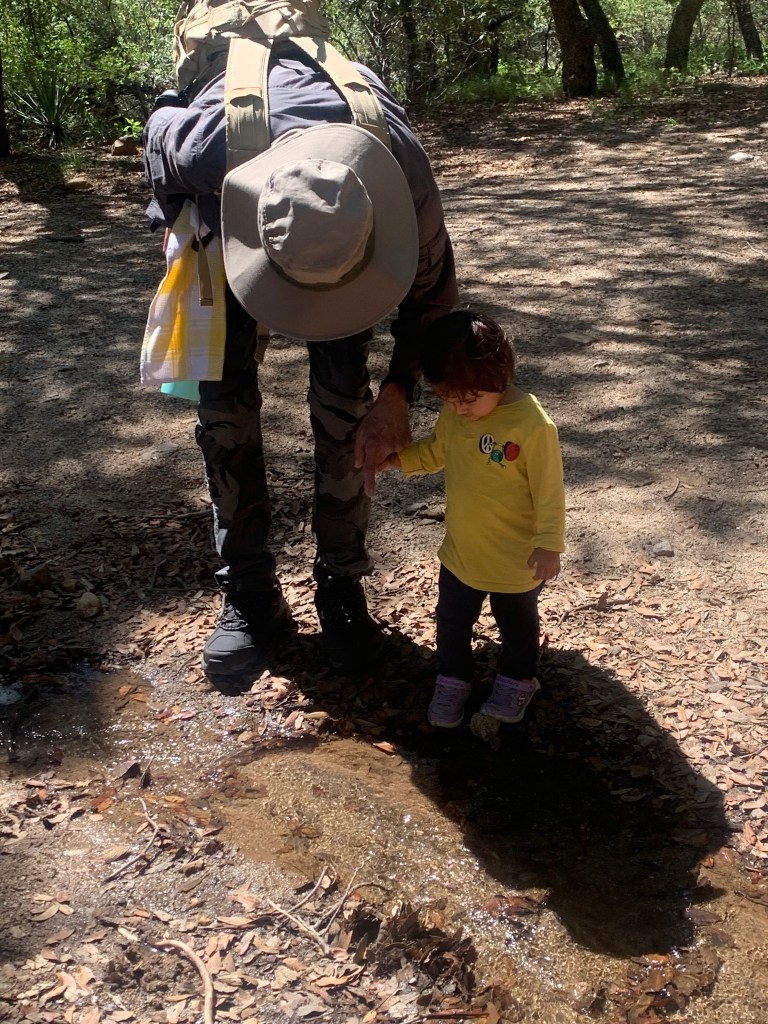


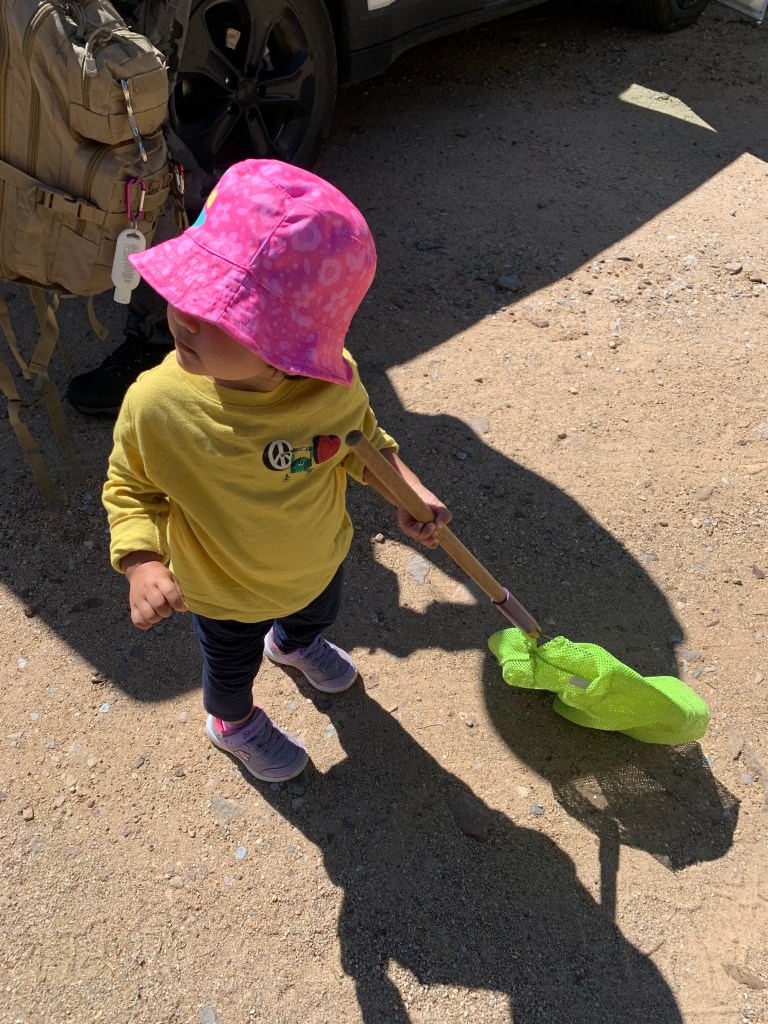
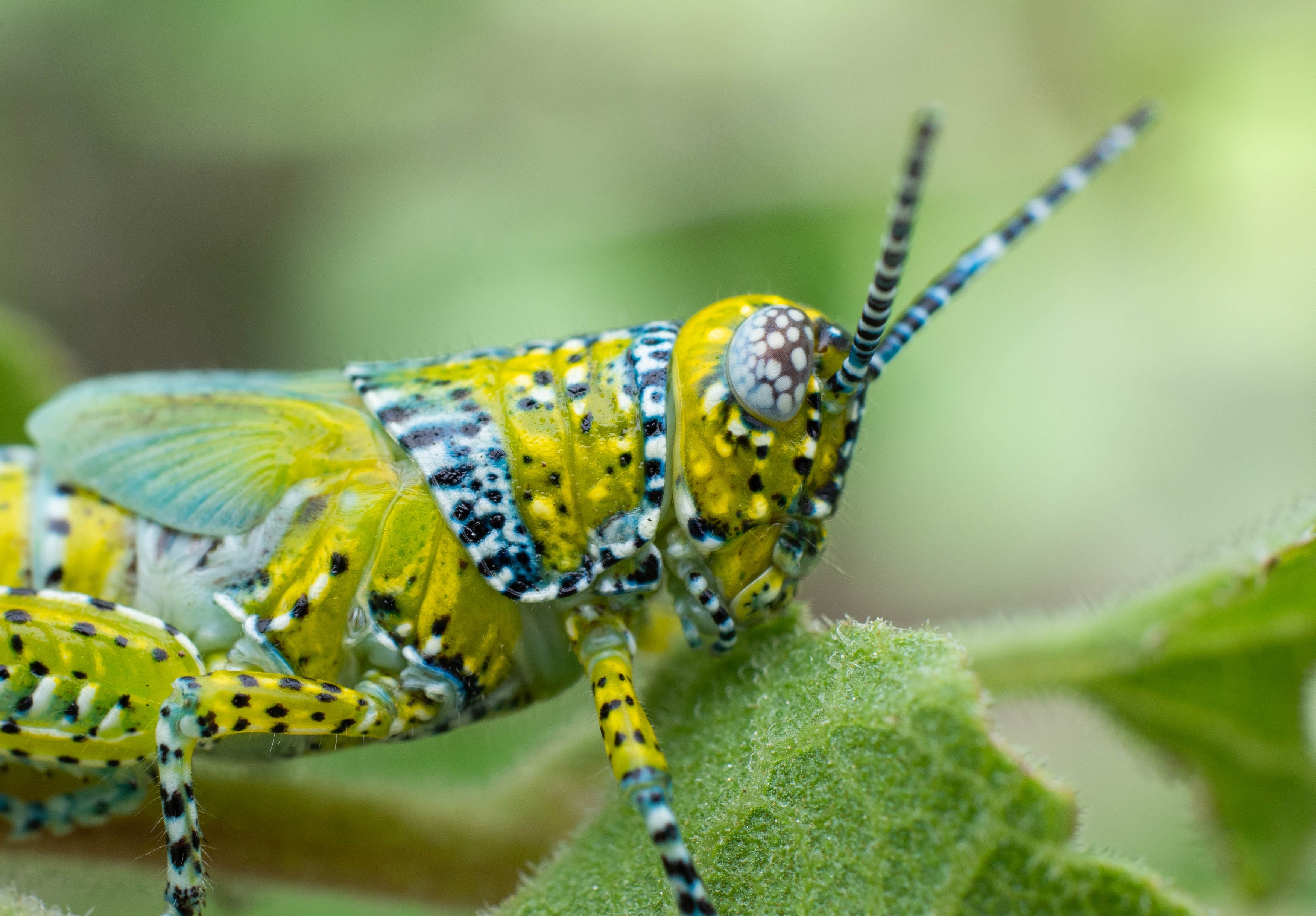
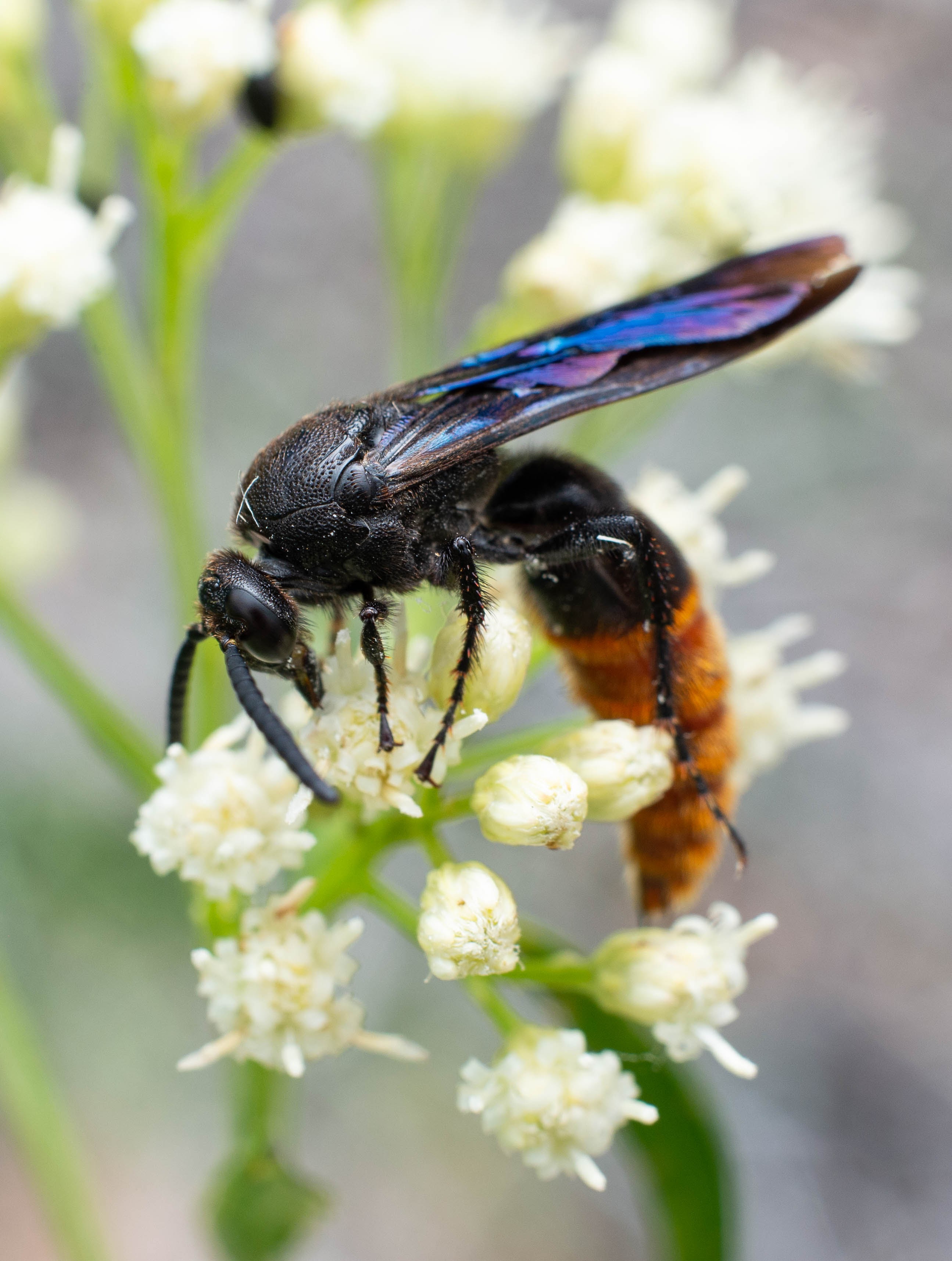
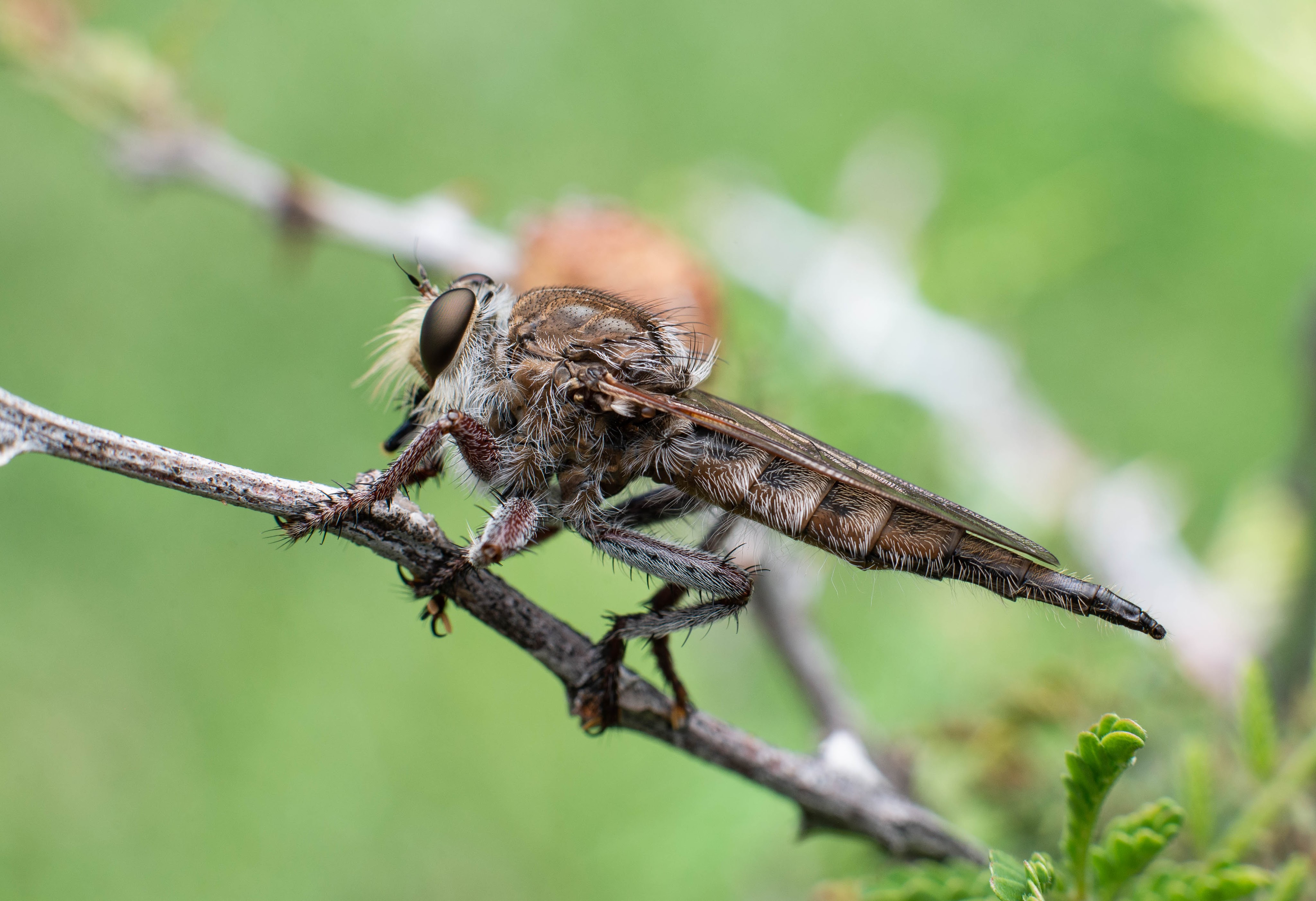
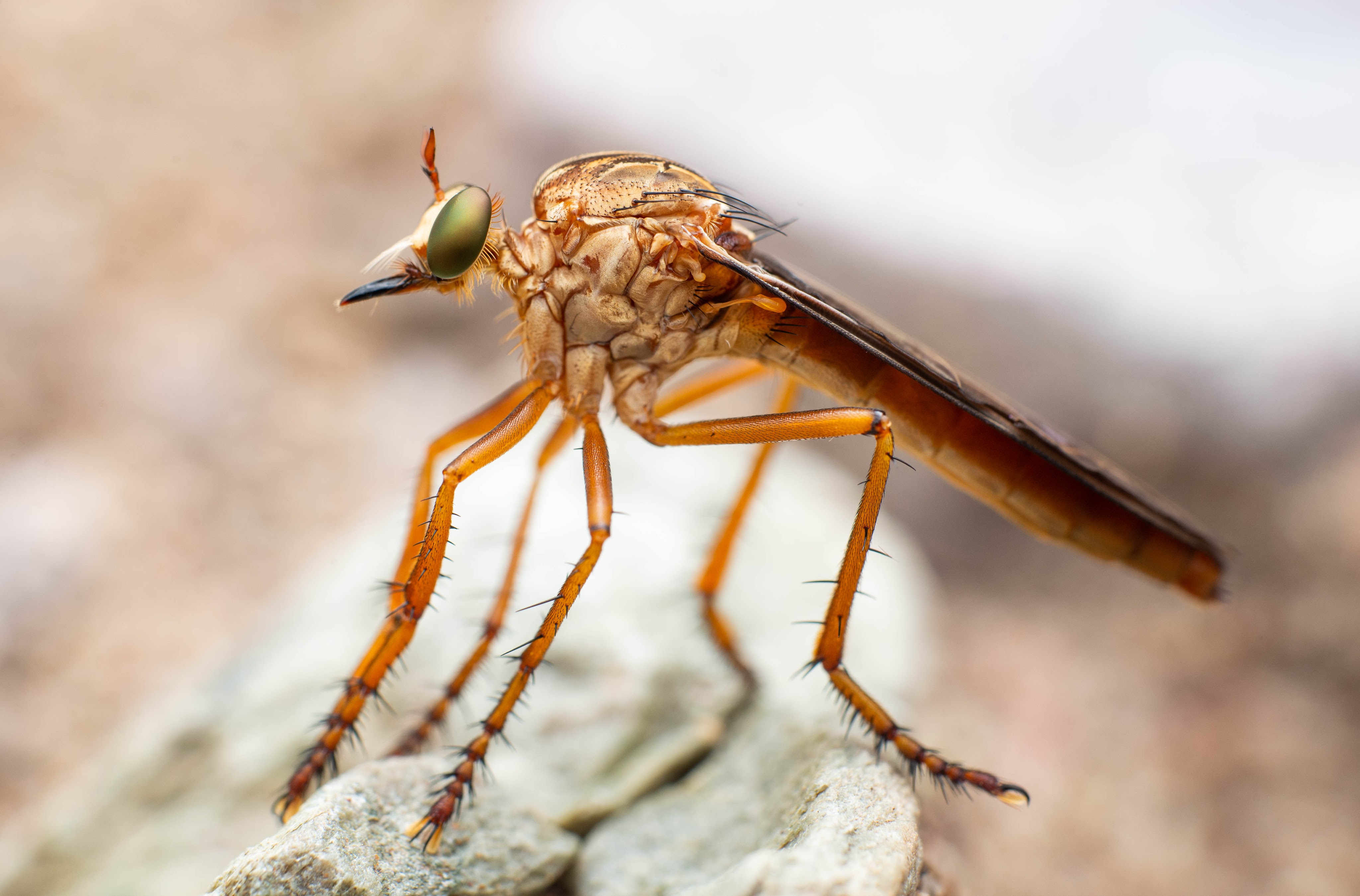
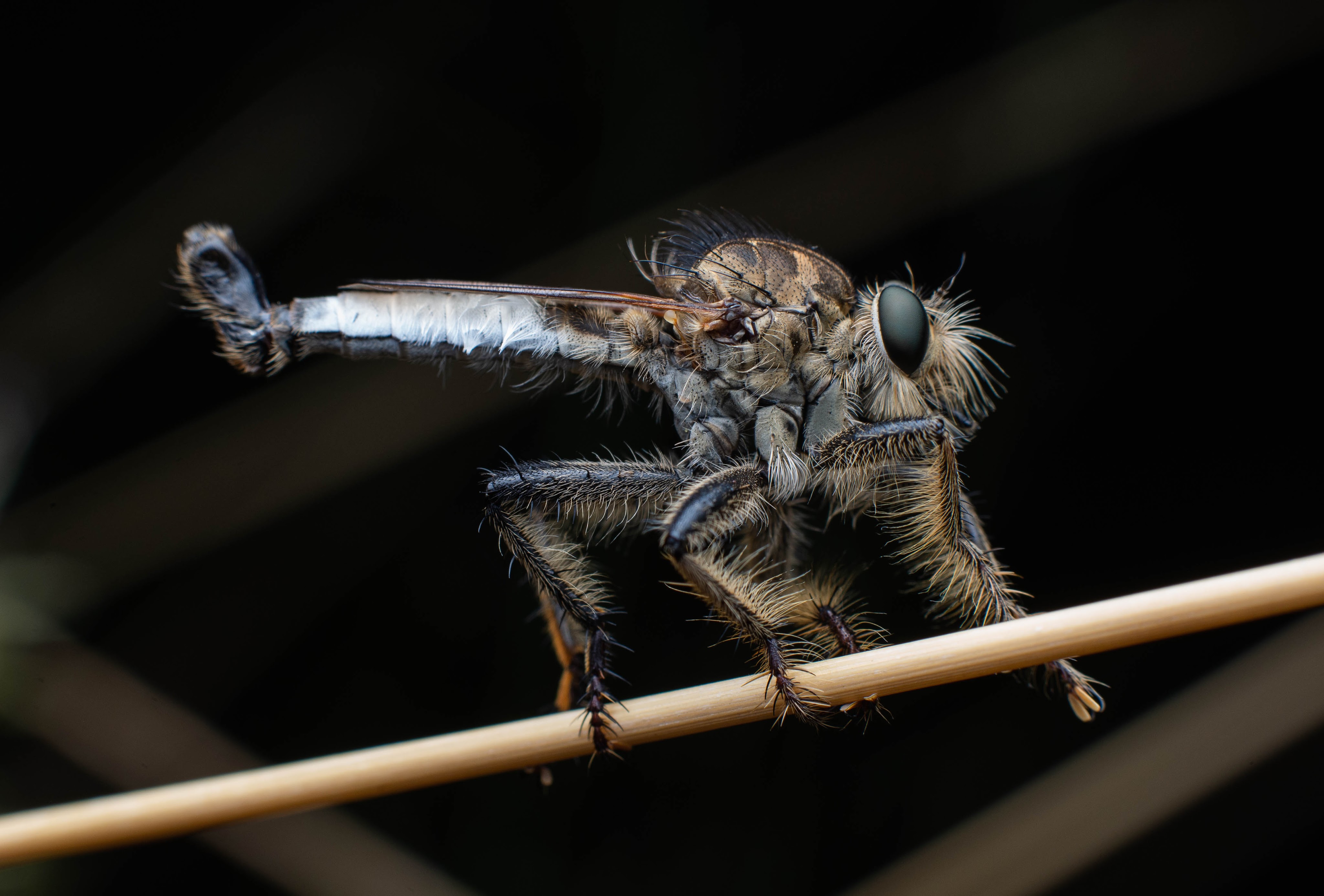
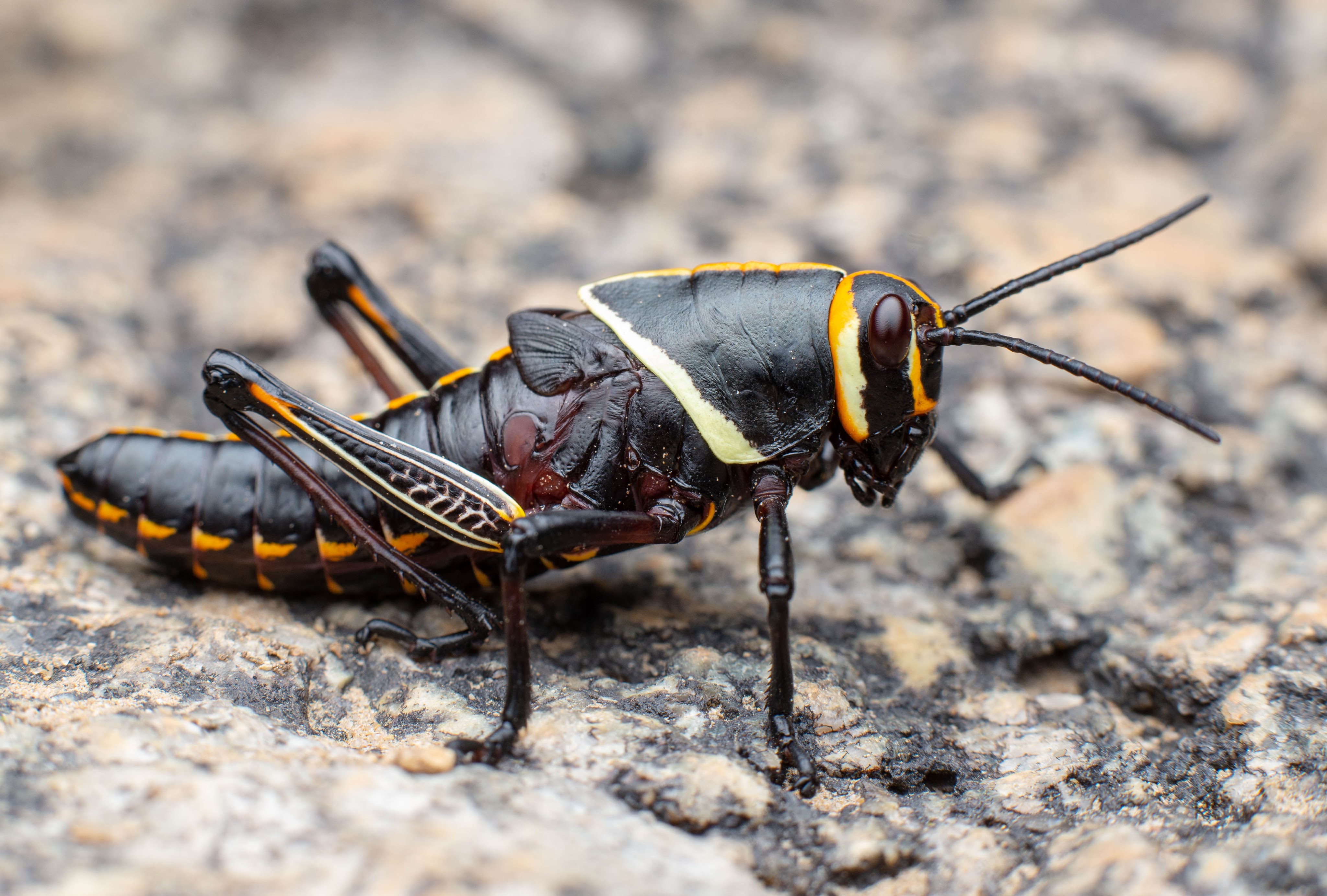
The insect diversity was still as wonderful as I remembered. We encountered a diverse number of species including Panther-spotted grasshoppers (Poecilotettix pantherinus), Blood-tailed scoliid wasps (Scolia dubia haematodes), net winged beetles (Lycostomus loripes), and pleasing fungus beetles (Cypherotylus californicus), as well as some brief encounters with a few robber fly species and a lone Chrysina beyeri. After a small break underneath a large juniper tree, we eventually headed back to base, where we were greeted with some passing thunderstorms.
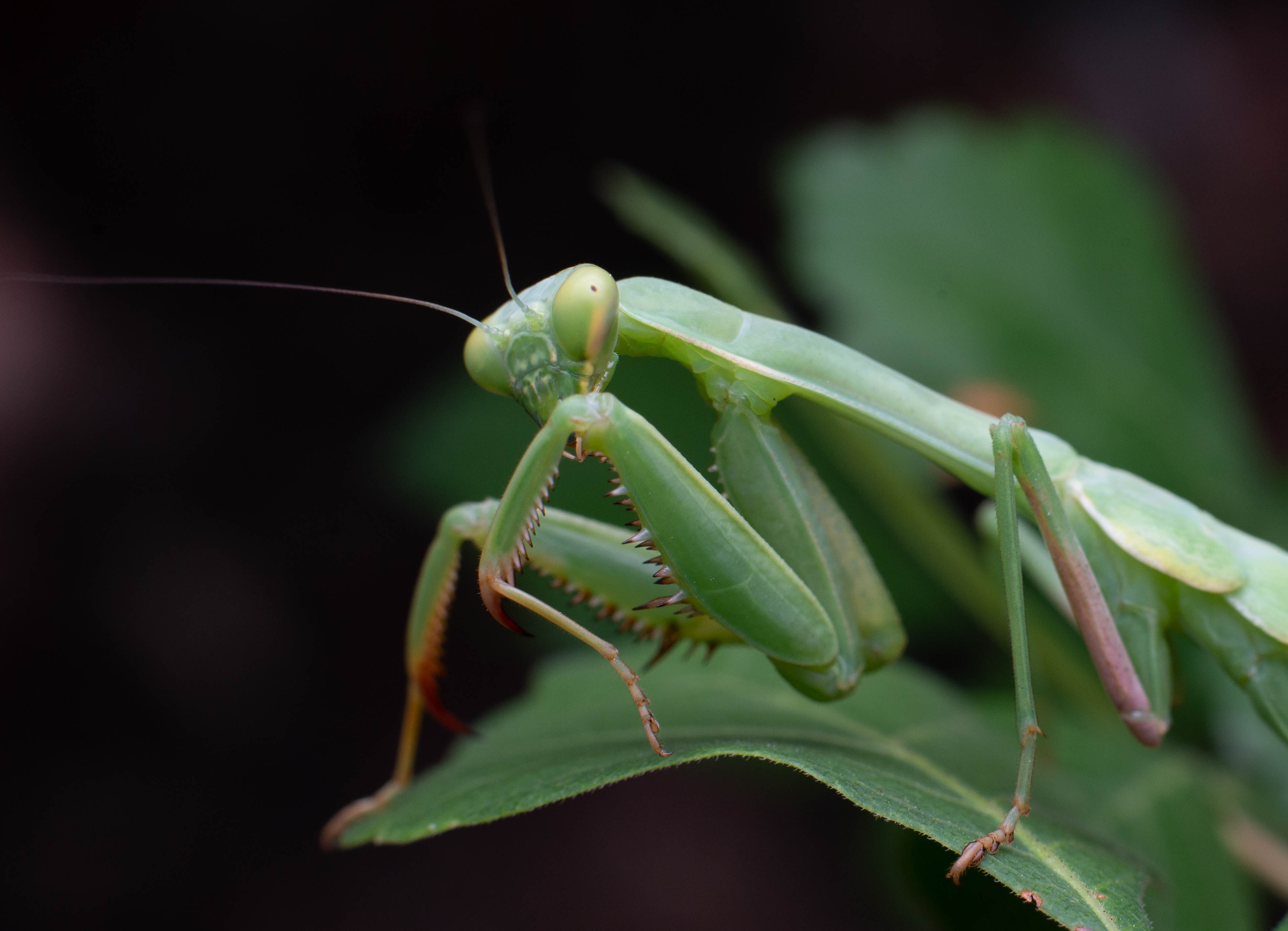
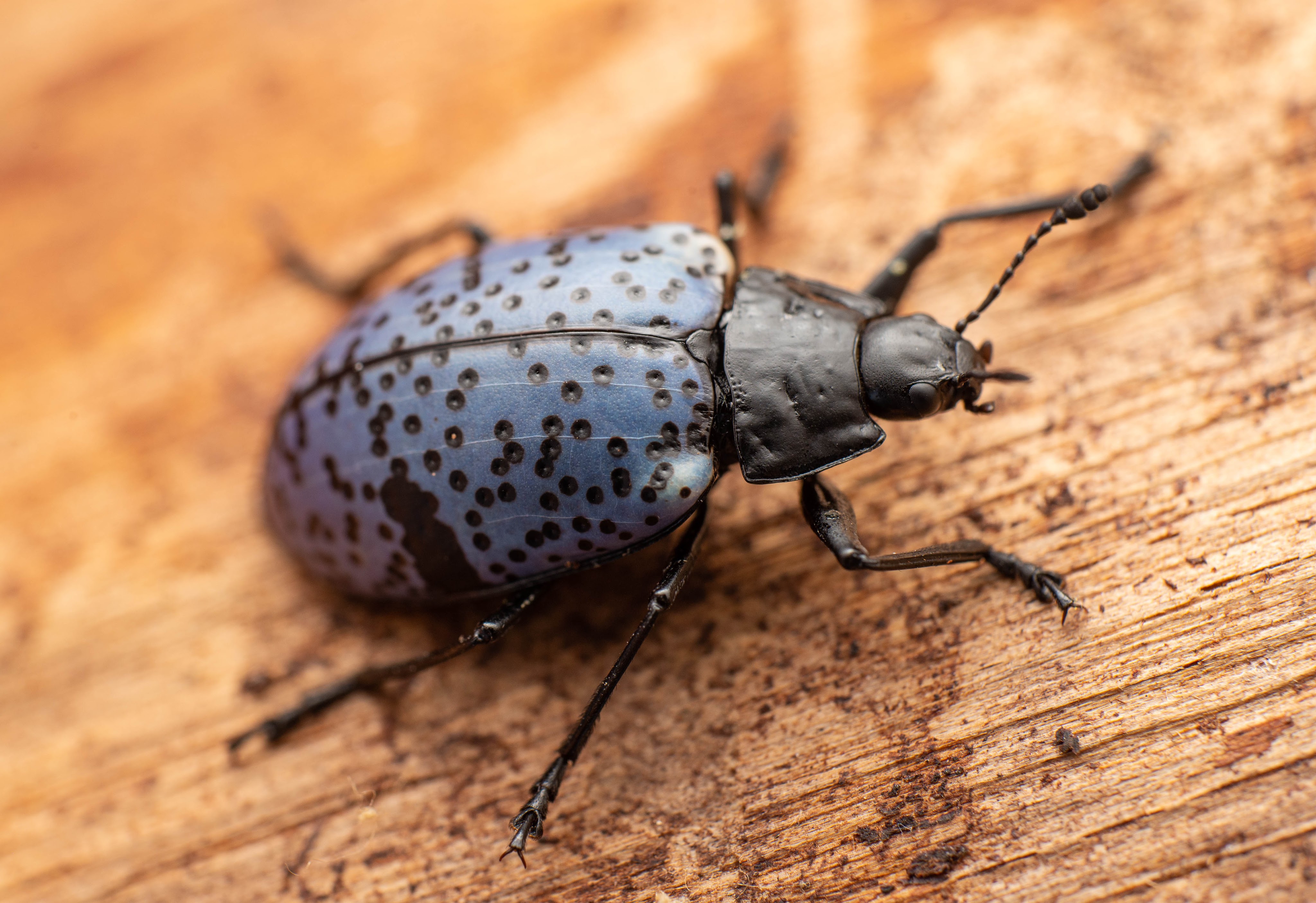
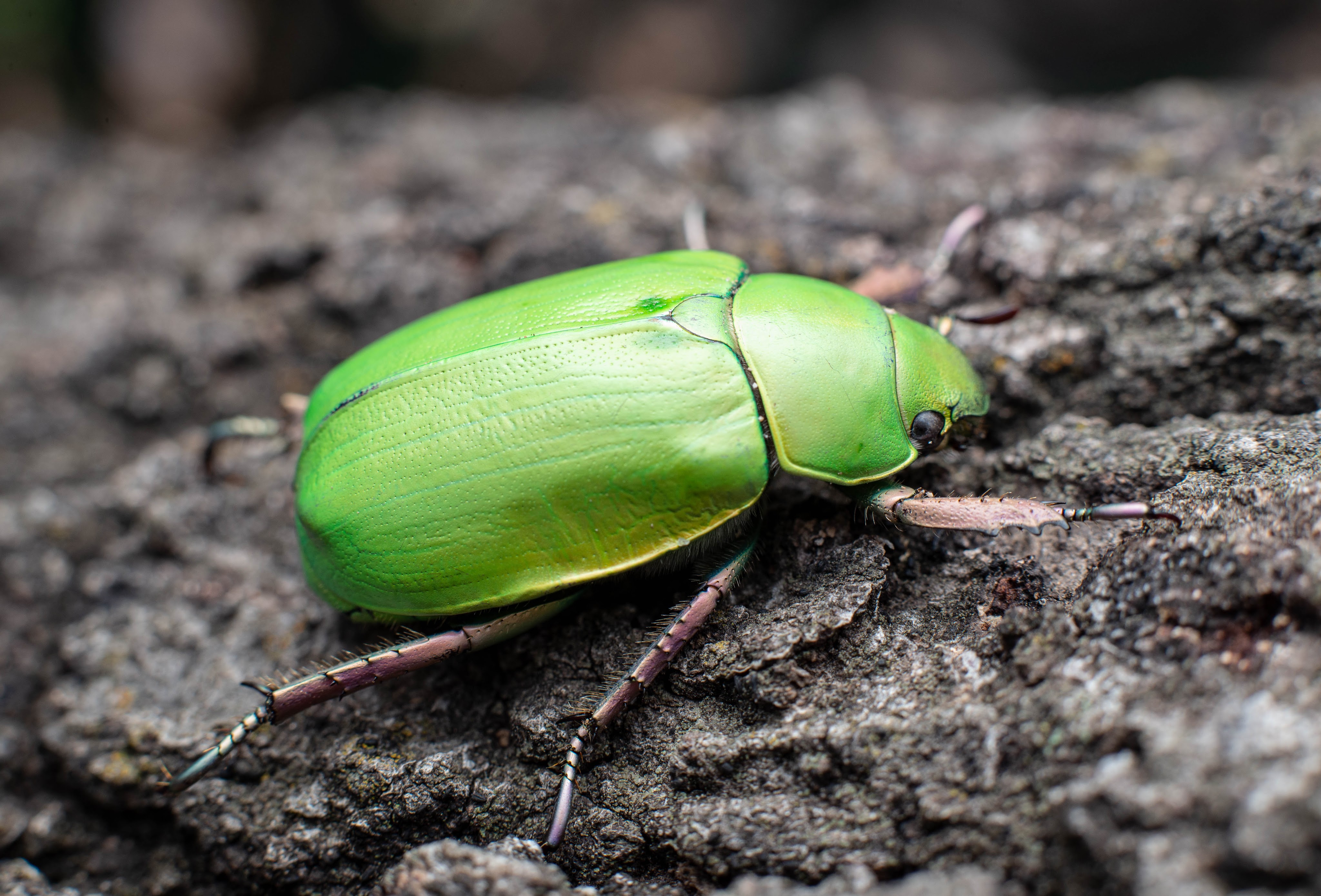
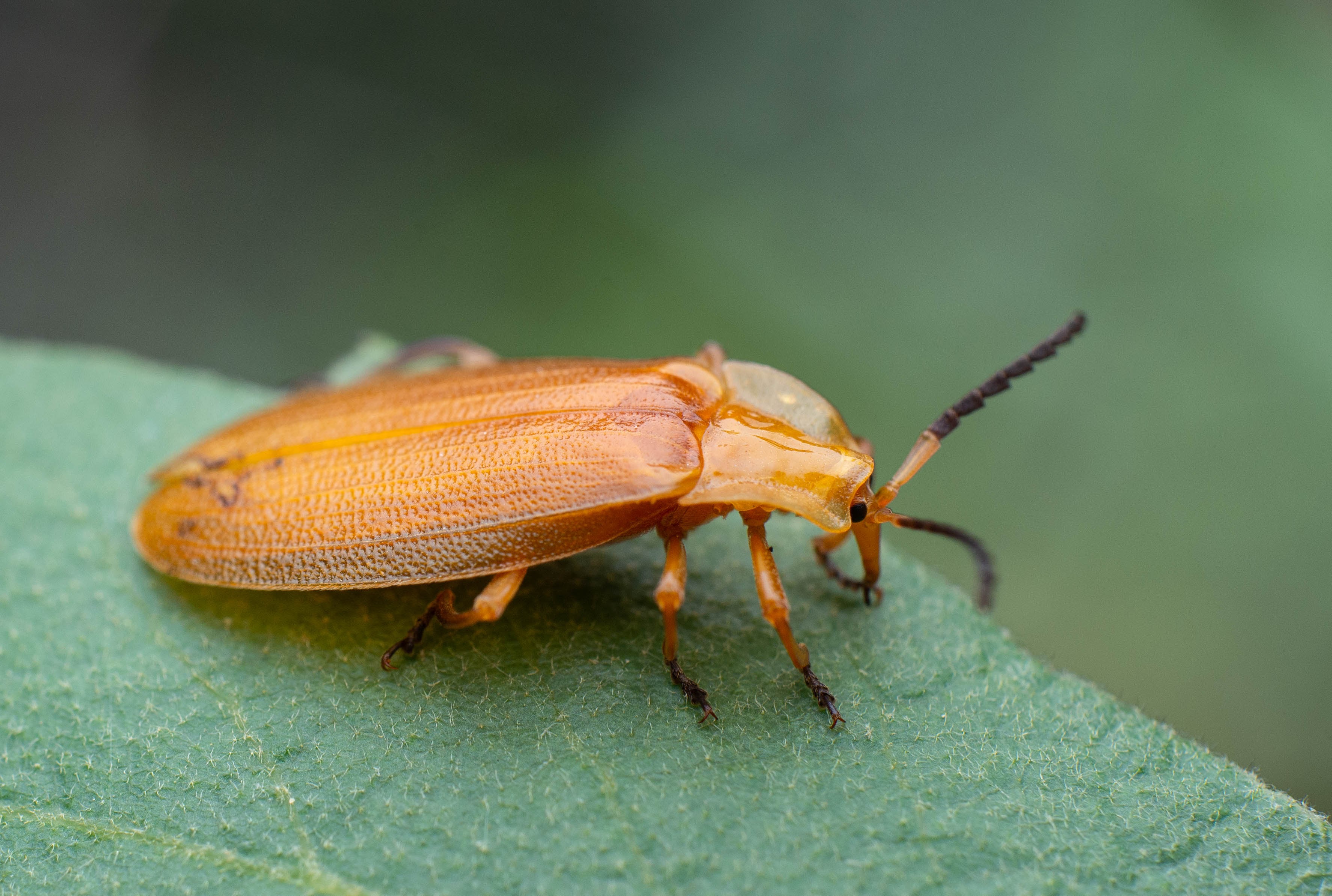
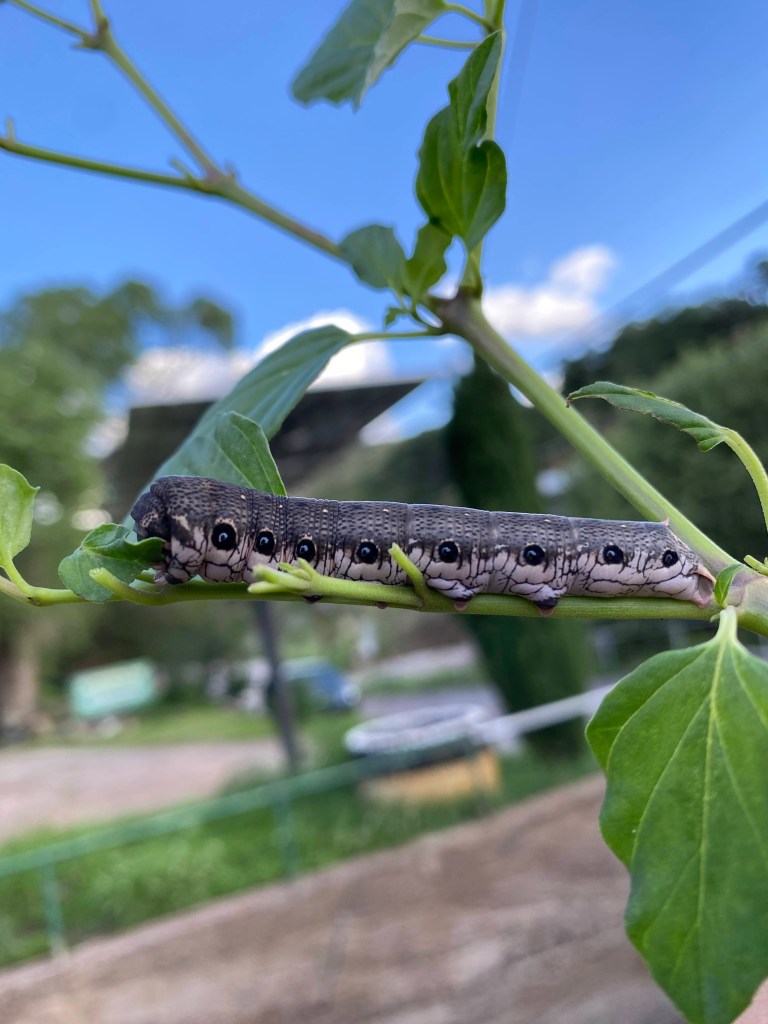
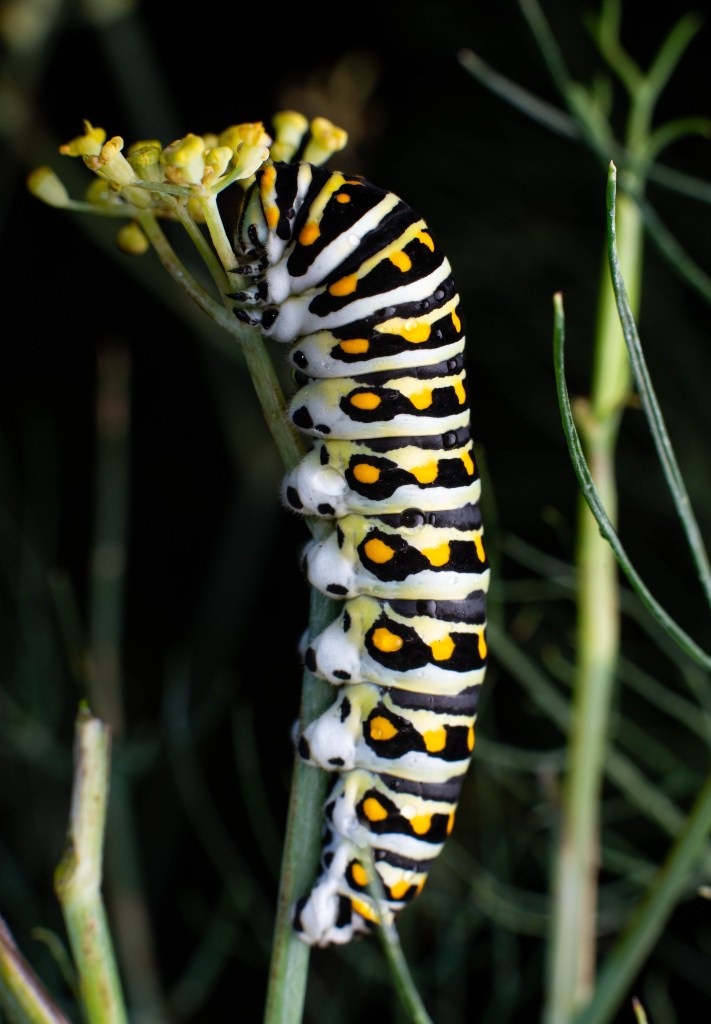
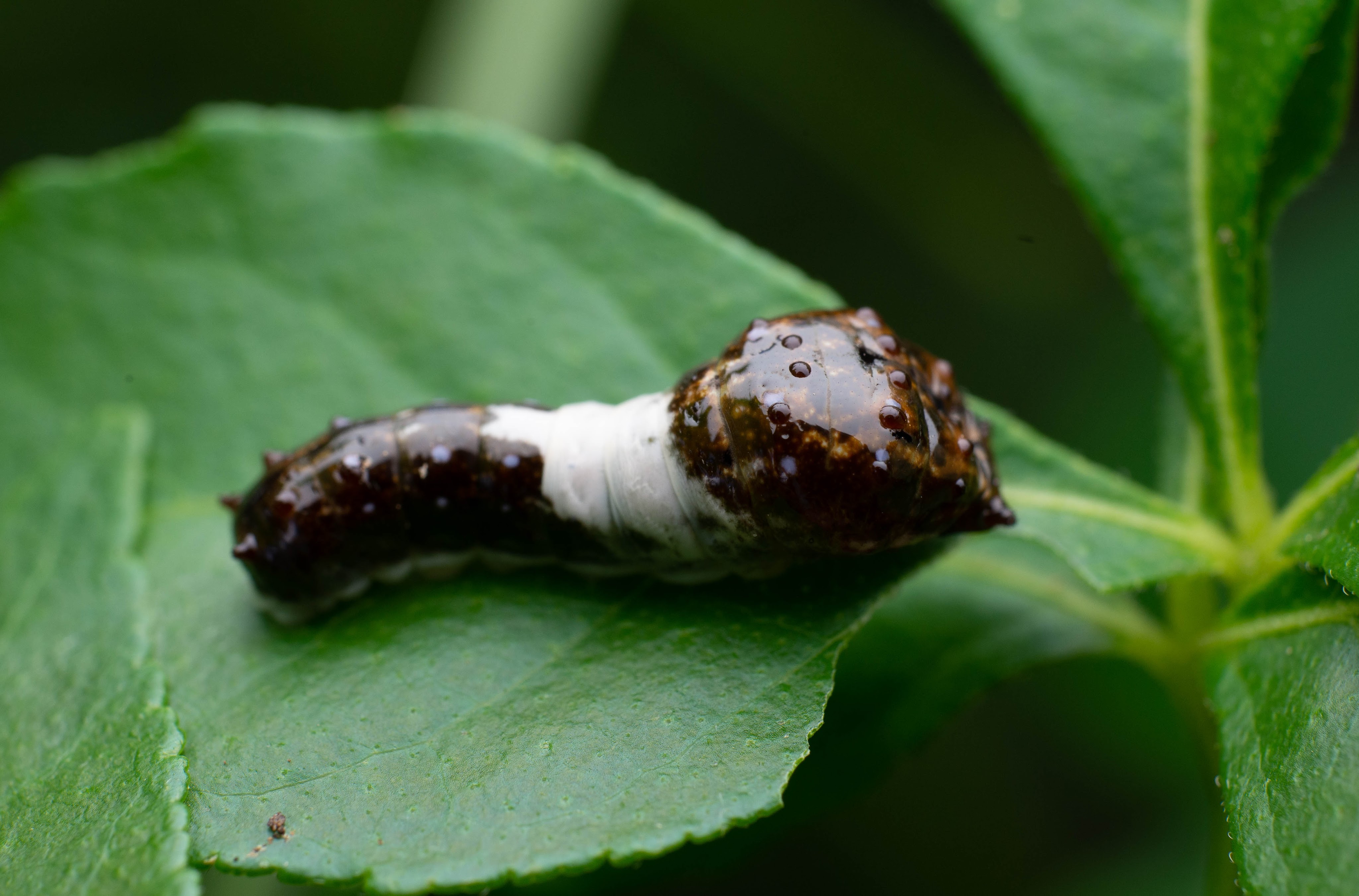
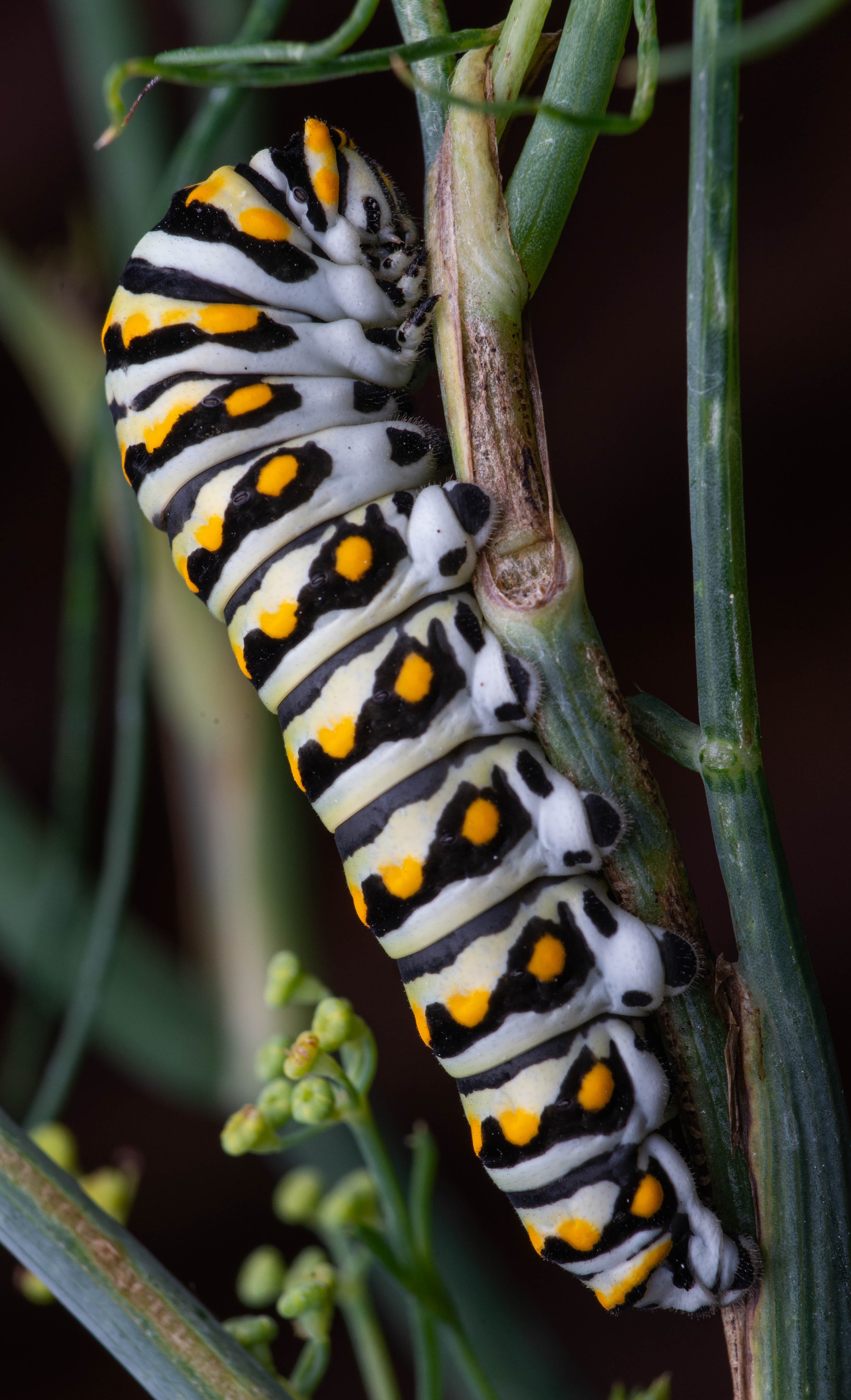
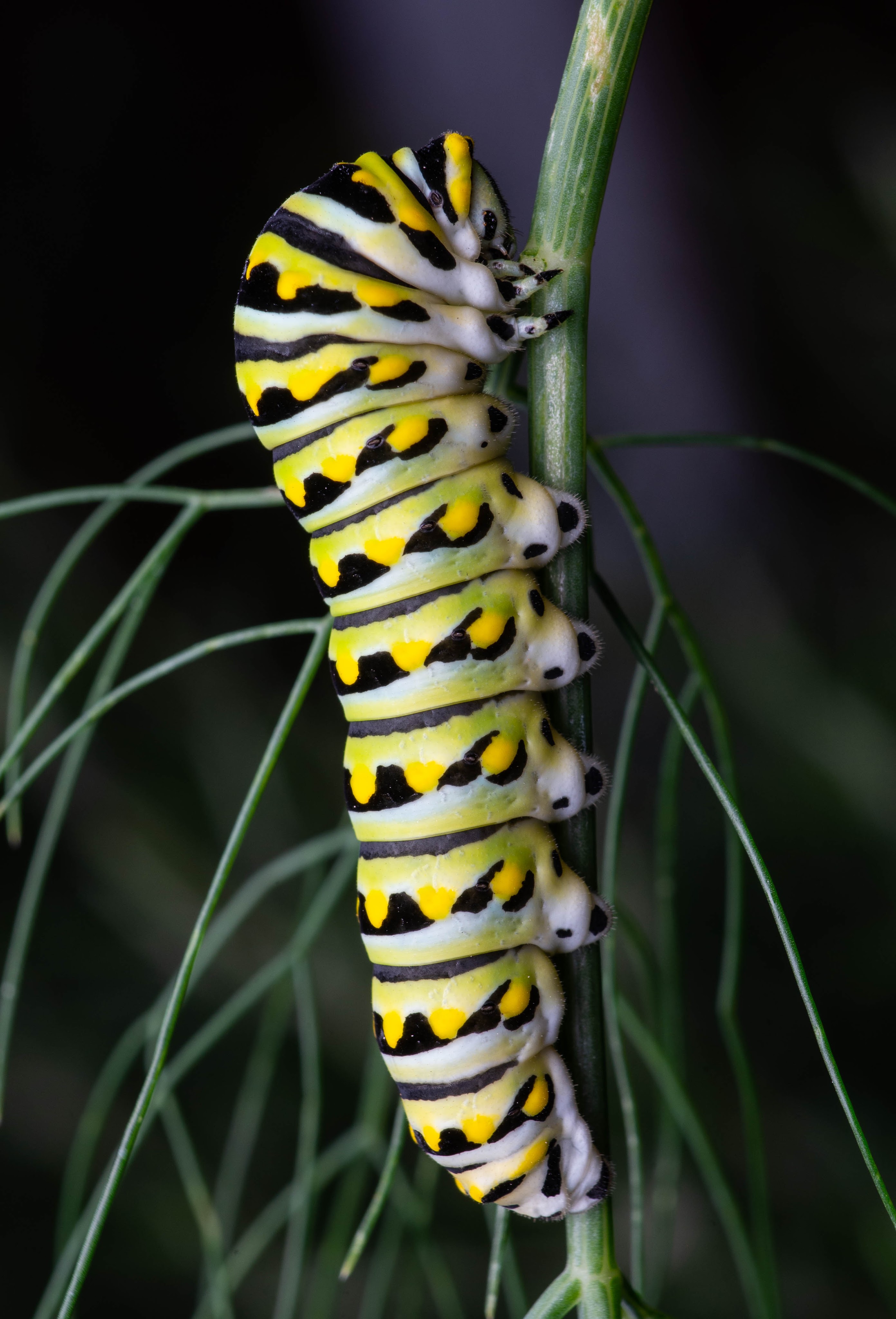
When we arrived back at the house, we decided to take a quick stroll and look around for any other cool finds. We discovered many caterpillars, majority of them being black swallowtail (Papilio polyxenes), white-lined sphinx (Hyles lineata), and the Terloo sphinx (Proserpinus terlooii), all along the plants near the entrance of the street our Airbnb was on. I had only seen the Terloo sphinx caterpillars once before, so I was excited to see them again. Before we could explore any further however, another rumbling thunderstorm decided to make an appearance and it ended up sticking around for the remainder of the evening. This allowed for us to rest up and properly prepare for the next day, which we had a new and exciting adventure lined up for.
The Stronghold
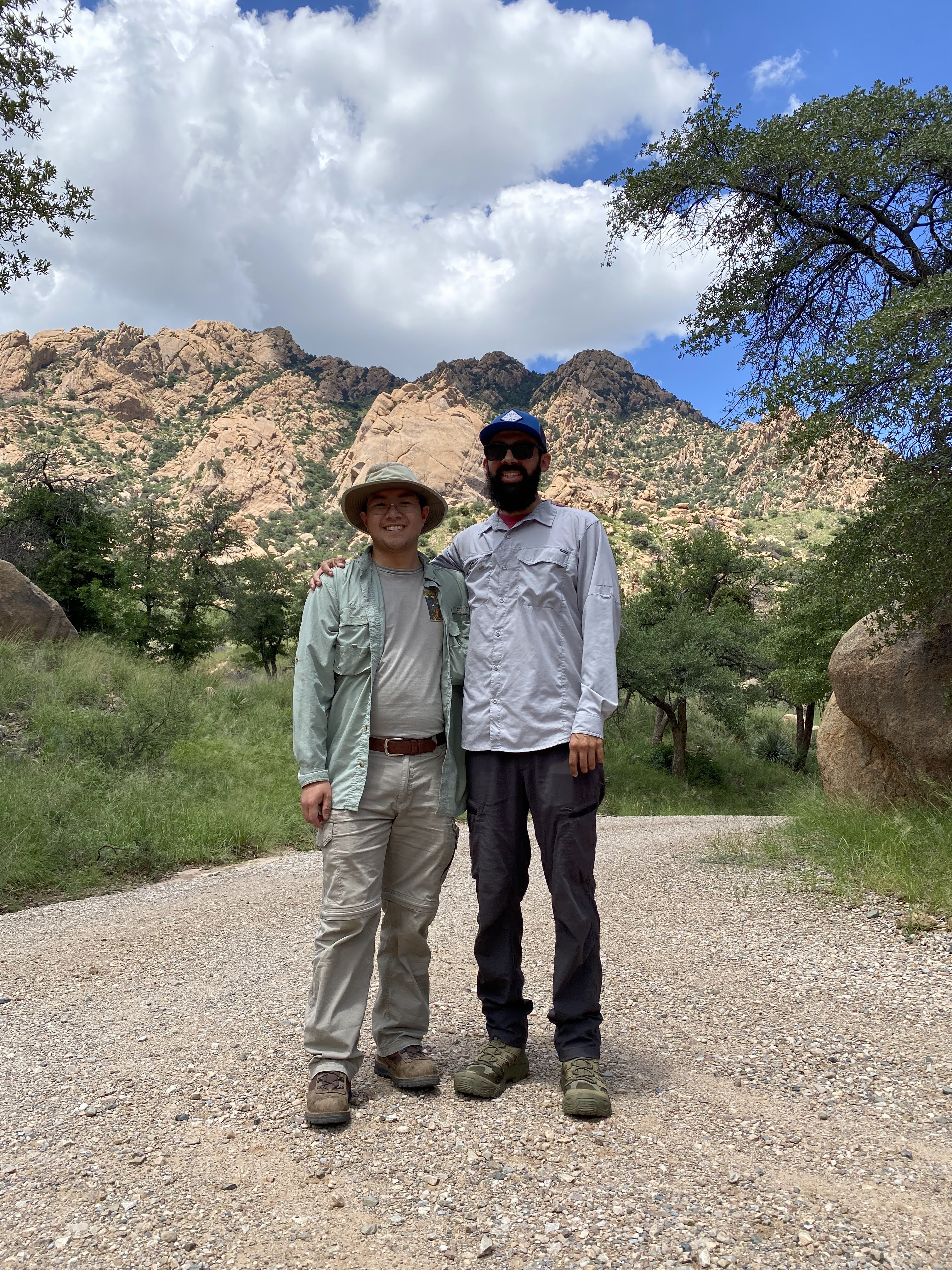
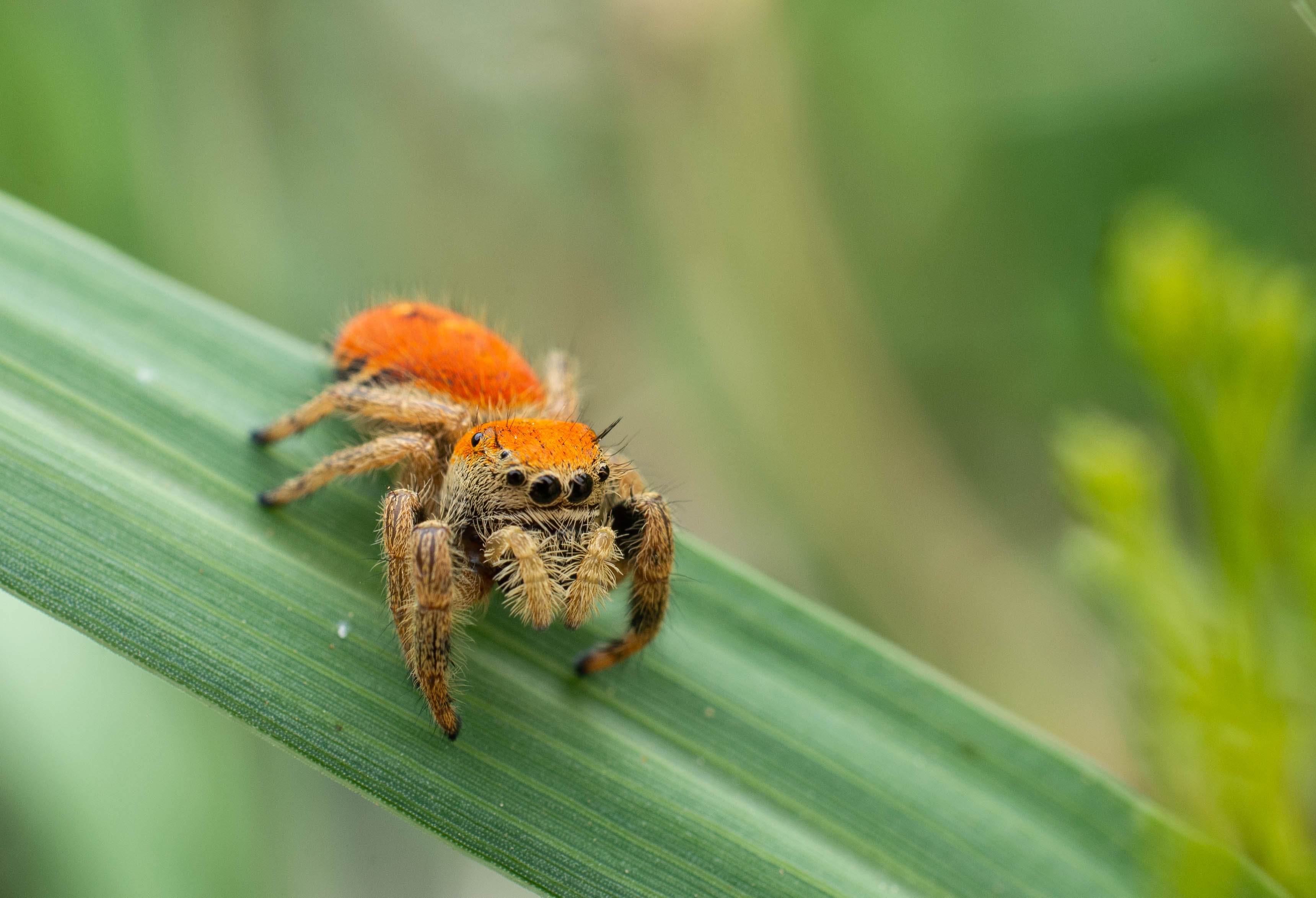
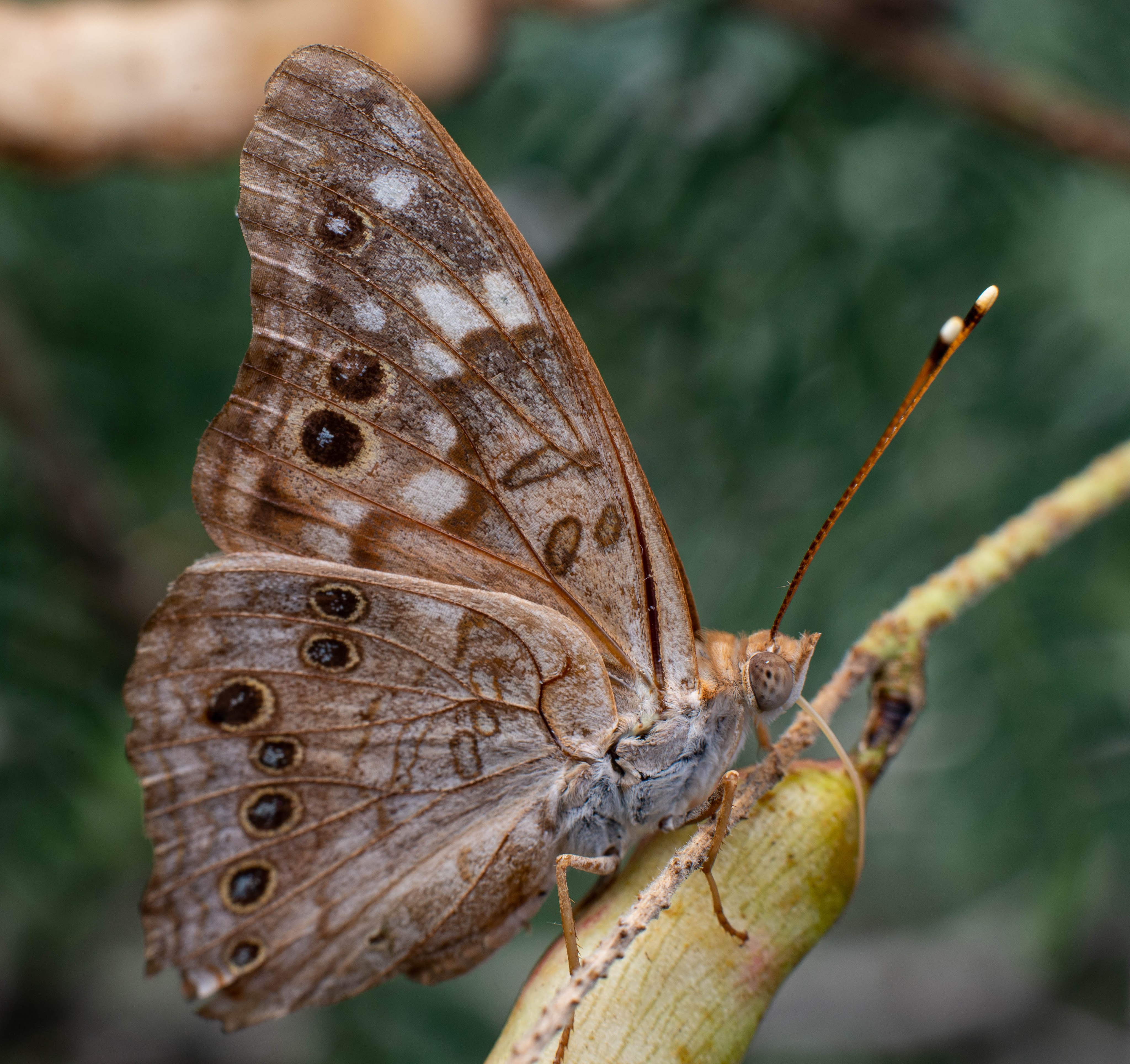
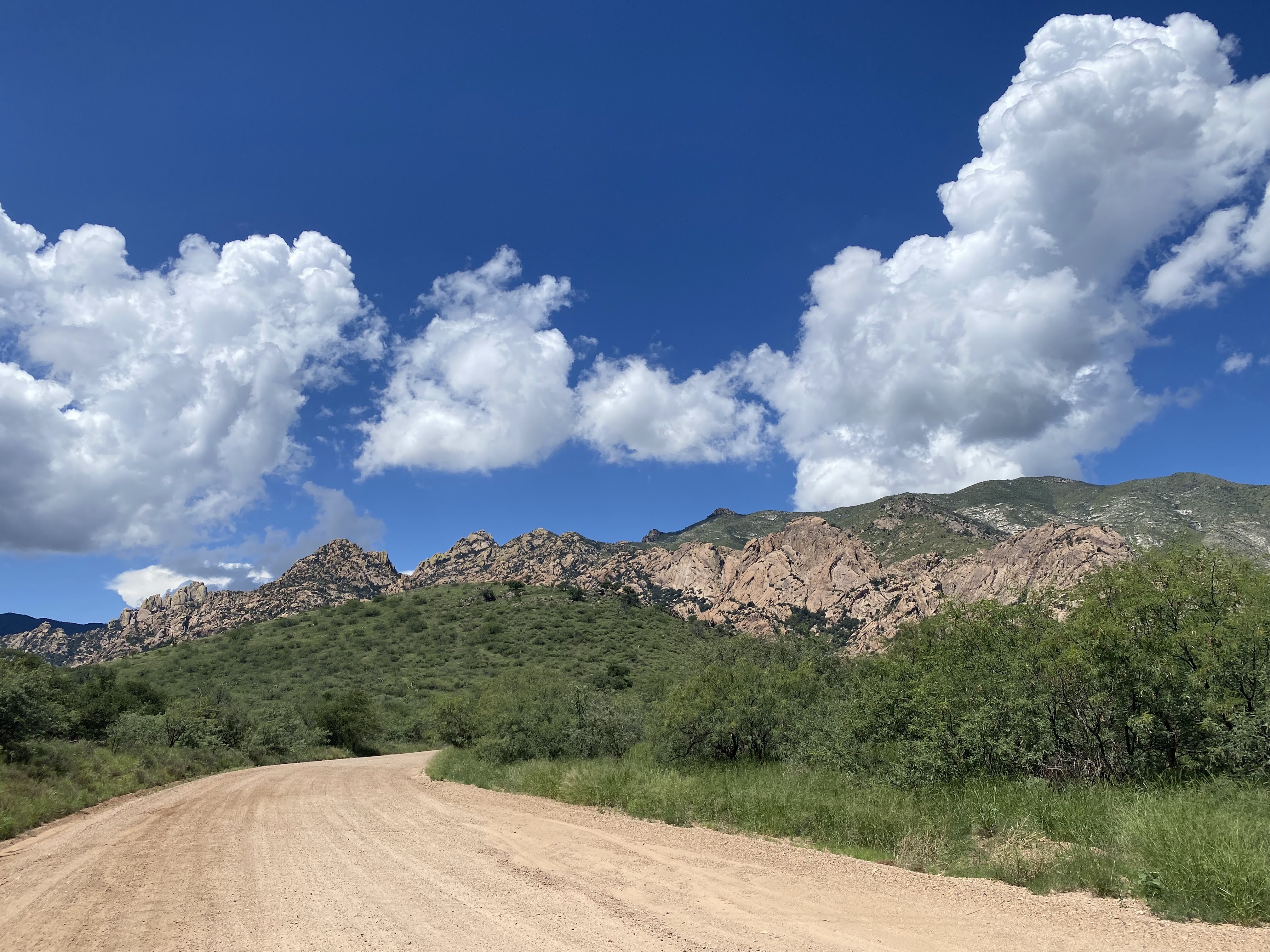
Now fully rested, we quickly ate breakfast and headed out to our destination for the day, the Cochise Stronghold. This location had been on my list to visit for quite some time so I was very excited to finally visit the area. The drive into the stronghold was very interesting due to the change in habitats. When we first arrived, we pulled over in an area that was dominated by mesquite, desert shrubs, grassland, and some large deciduous trees. The mesquite trees were quite productive, harboring many species of insects, including hackberry emperor butterflies (Asterocampa celtis), green figeater beetles (Cotinis mutabilis), giant mesquite bugs (Thasus neocalifornicus), solitary black bycids (Stenapsis solitaria), and Arizona mantises (Stagmomantis limbata). The grasses around the mesquite also had quite a few arachnids but I was only able to identify the green lynx spider (Peucetia viridans), Apache jumping spider (Phidippus apacheanus), and red backed jumping spider (Phidippus carneus).
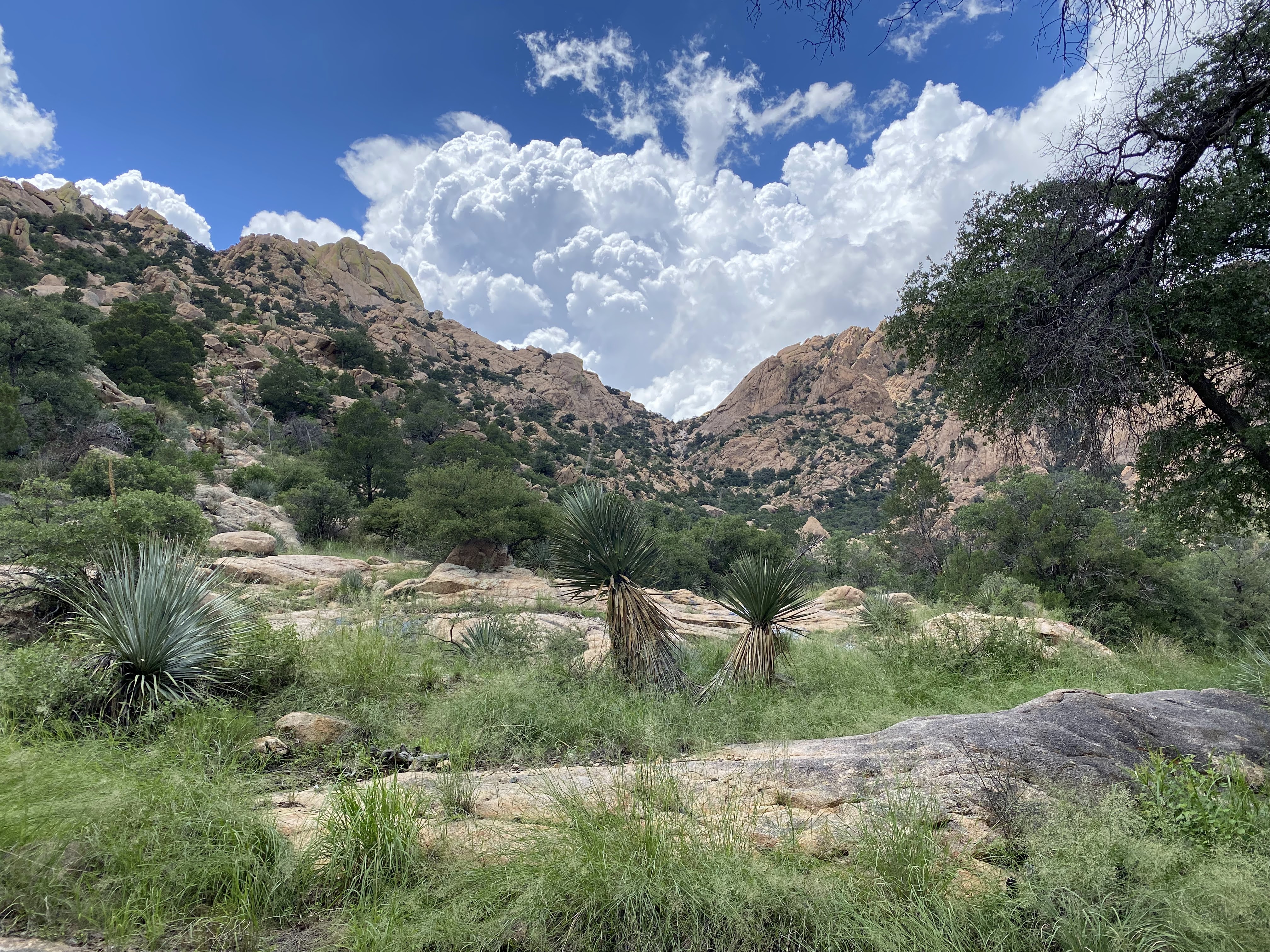
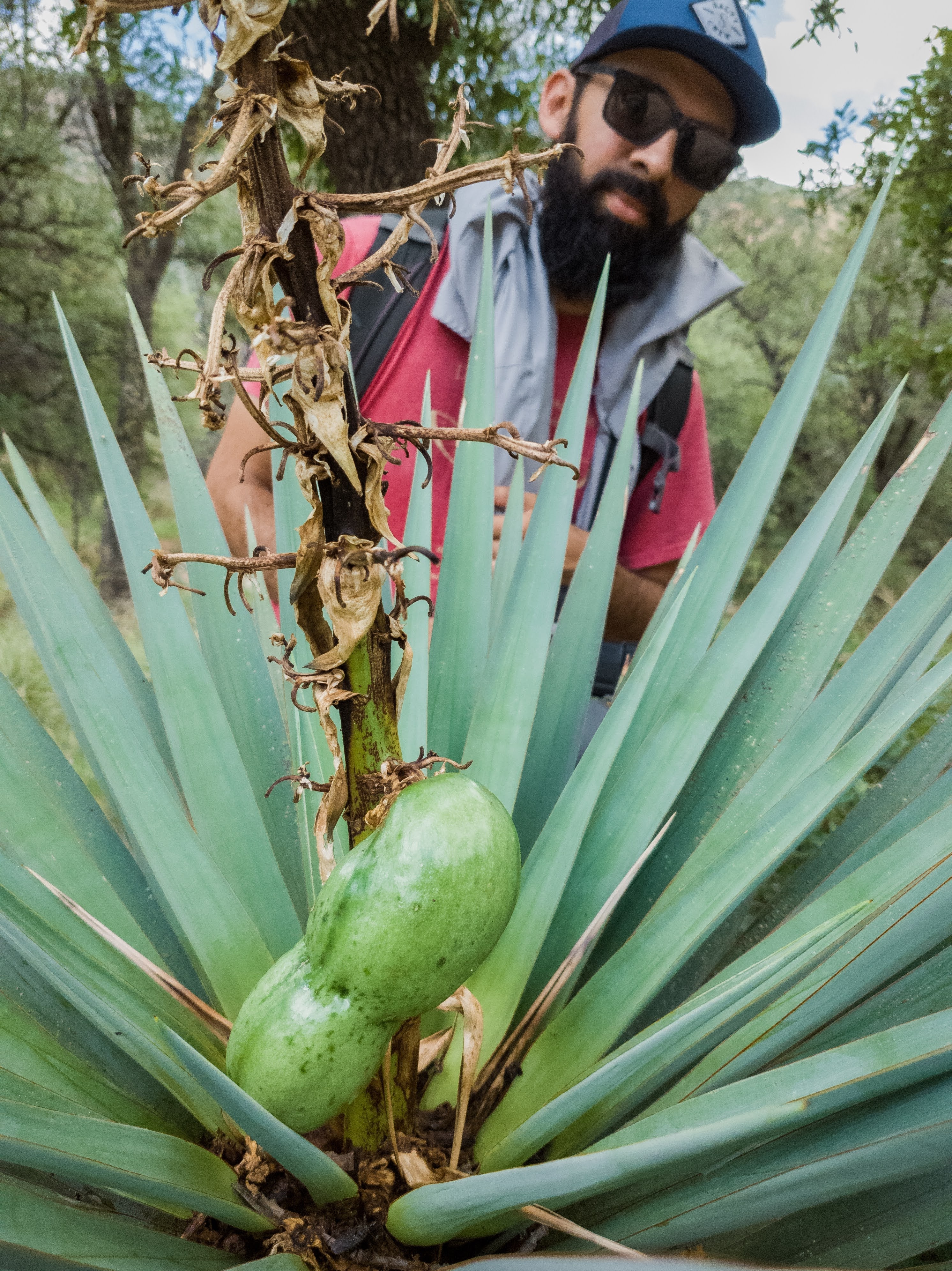
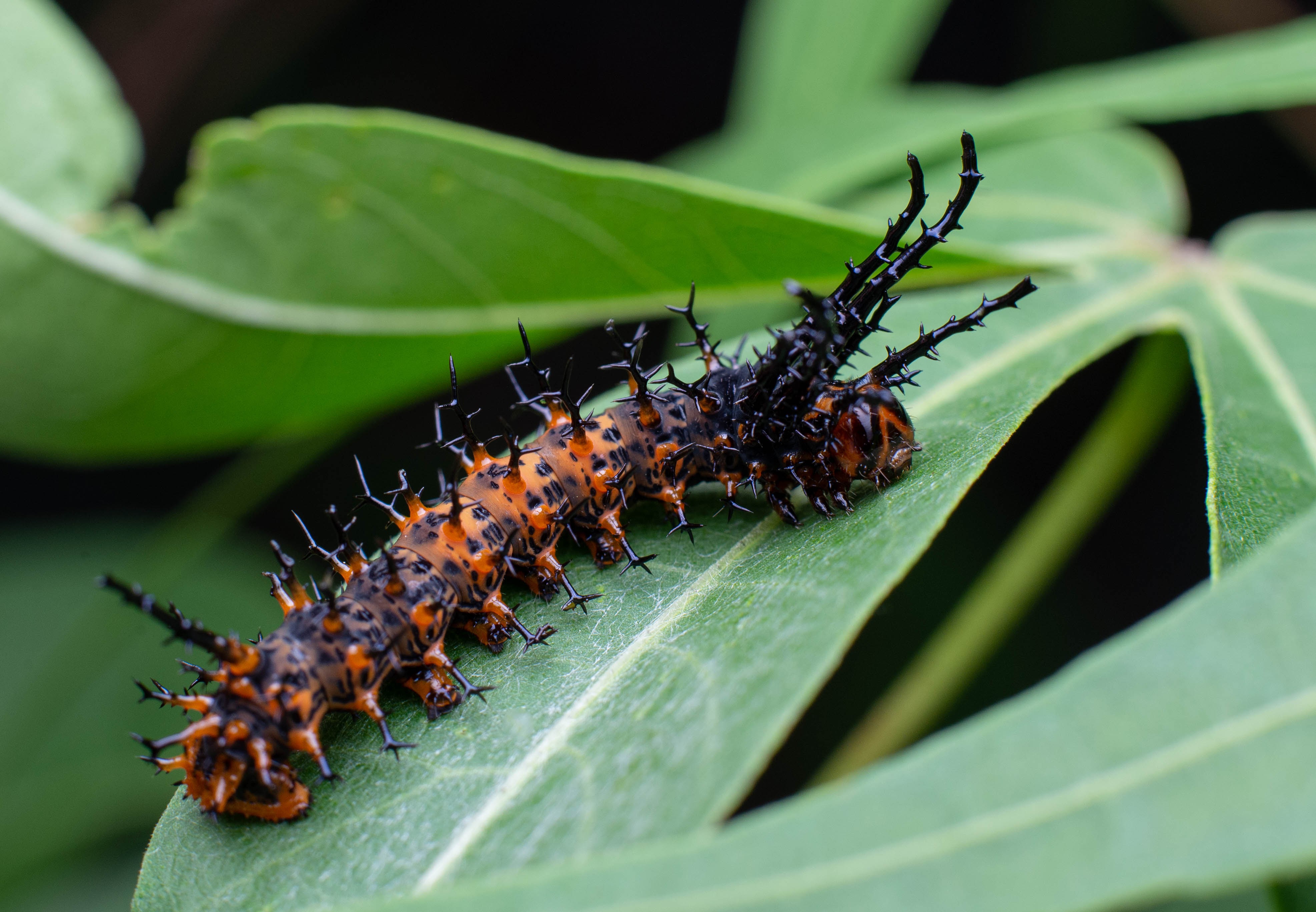
After about an hour at the first stop, we moved further into the stronghold, eventually stopping again next to the creek that was passing over the road. There we encountered a group of puddling butterflies in the middle of the road. Both the two-tailed swallowtail (Papilio multicaudata) and western giant swallowtail (Papilio rumiko) were found in this small cluster. After some frantic net swinging to nap a specimen or two, we continued on until we reached an area where the road no longer continued. We parked and proceeded to explore this new location and were amazed by the diversity of what we found. The plant diversity was also very interesting, with the dominant habitat type being oak woodland I expected something completely different. In addition to the oaks, there were also juniper, ash, sycamore, and willow trees, with some large yuccas and manzanitas as well.
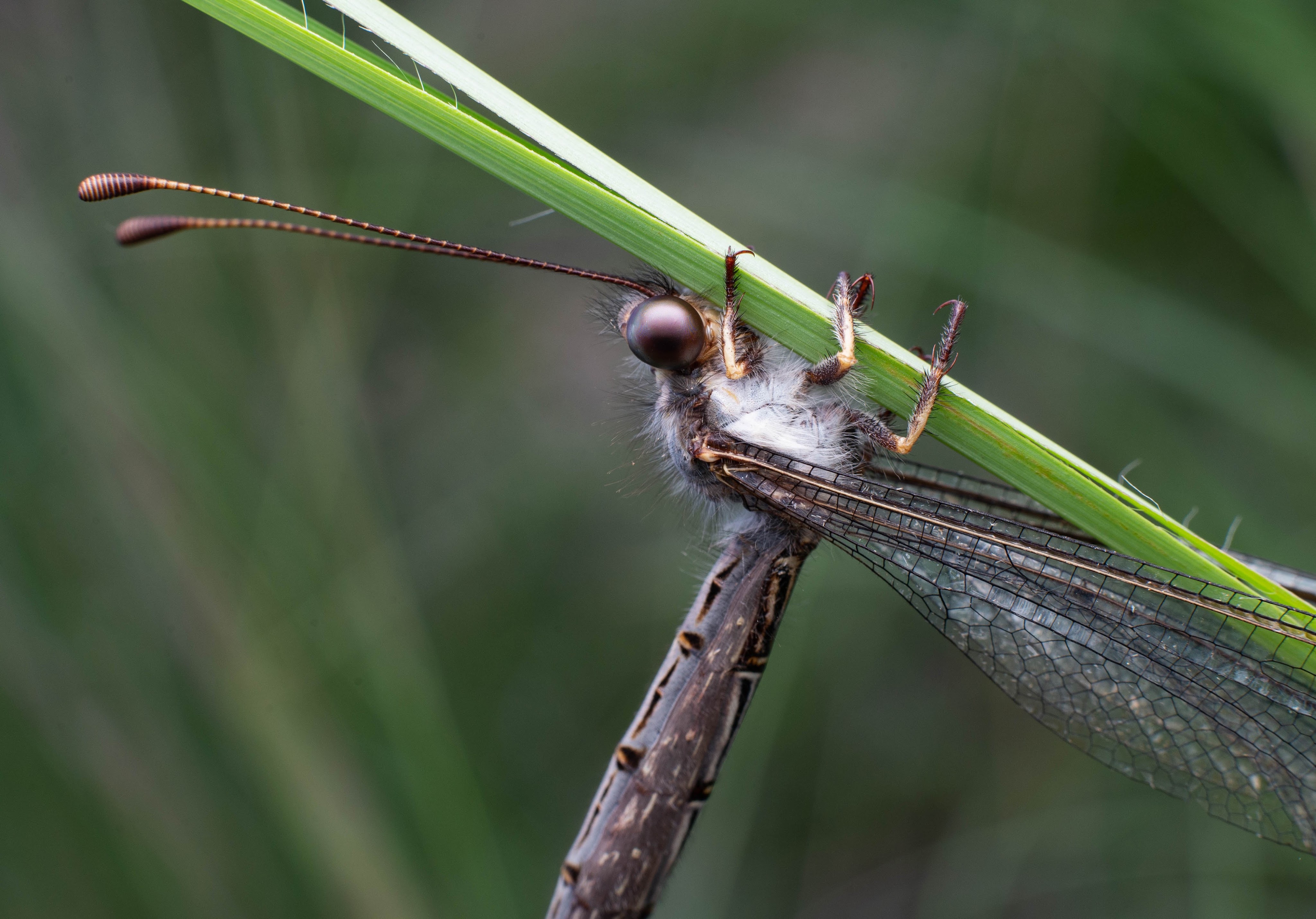
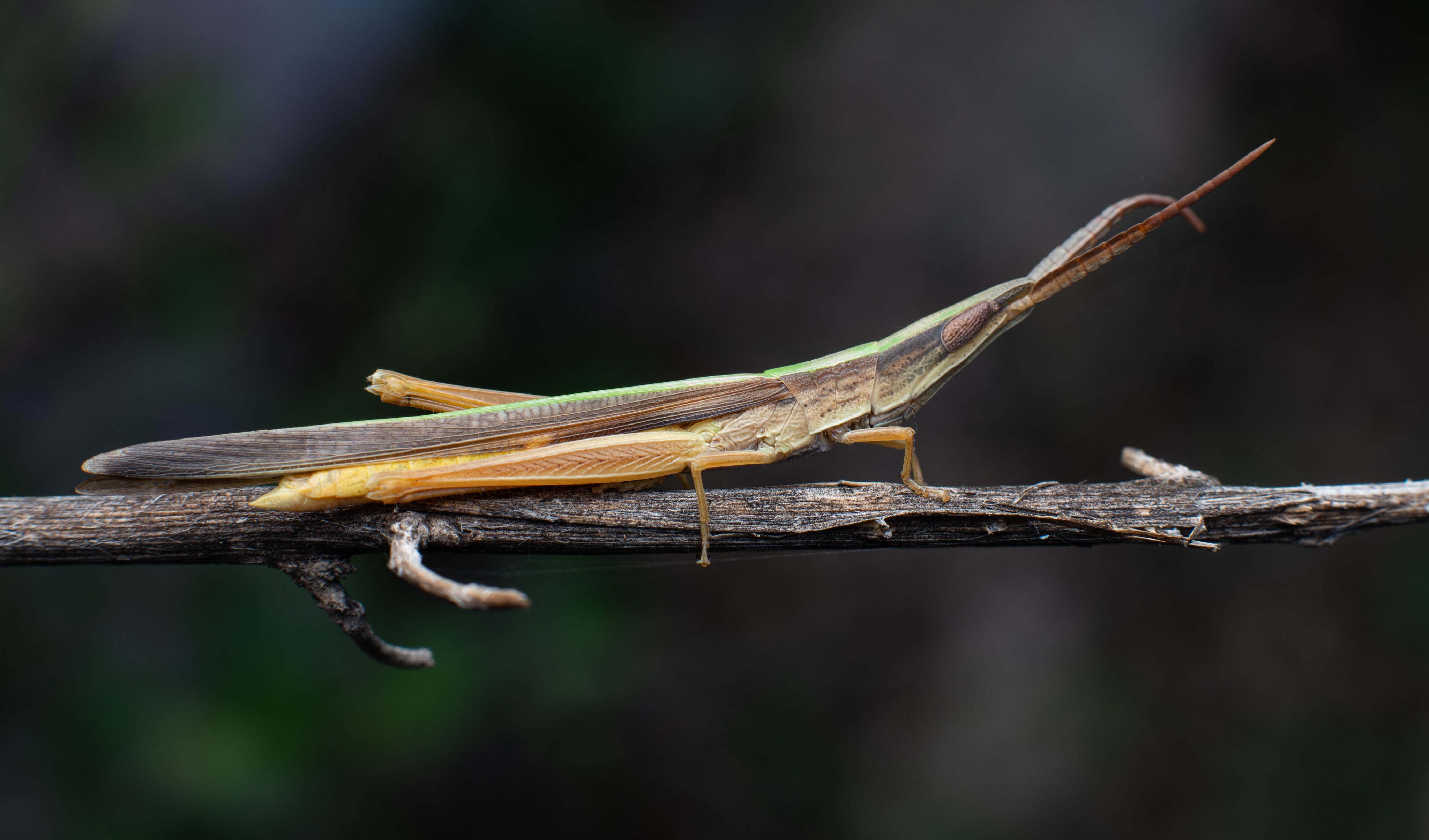
Since we had so many pairs of eyes looking for insects we found a plethora of species in a relatively short amount of time. Two tailed swallowtail caterpillars were the highlight for me since I had never seen them before. Other finds included an owlfly, many grasshoppers, a handful of mantis species, red-spotted purple butterfly (Limenitis arthemis), Arizona sister butterfly (Adelpha eulalia), and a few pipevine swallowtails (Battus philenor). After a few hours of collecting and photography, a storm began to move into the area and we decided it was time to go. The Cochise Stronghold is definitely an area I would love to visit again and maybe even light trap if given the chance. We headed back to the Aribnb and were able to rest and eat some dinner before heading out for the evening to blacklight.
Back to Back Blacklights
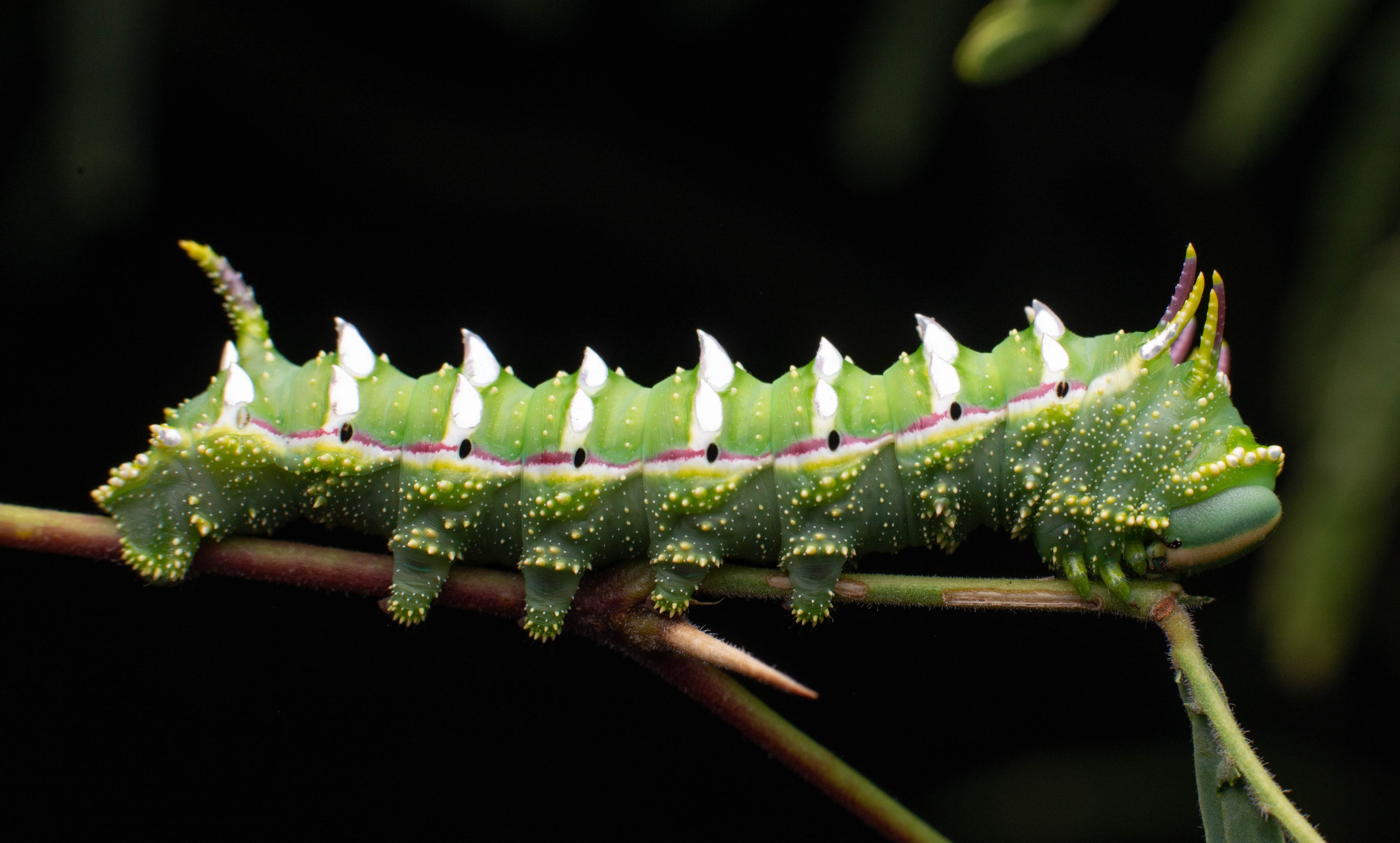
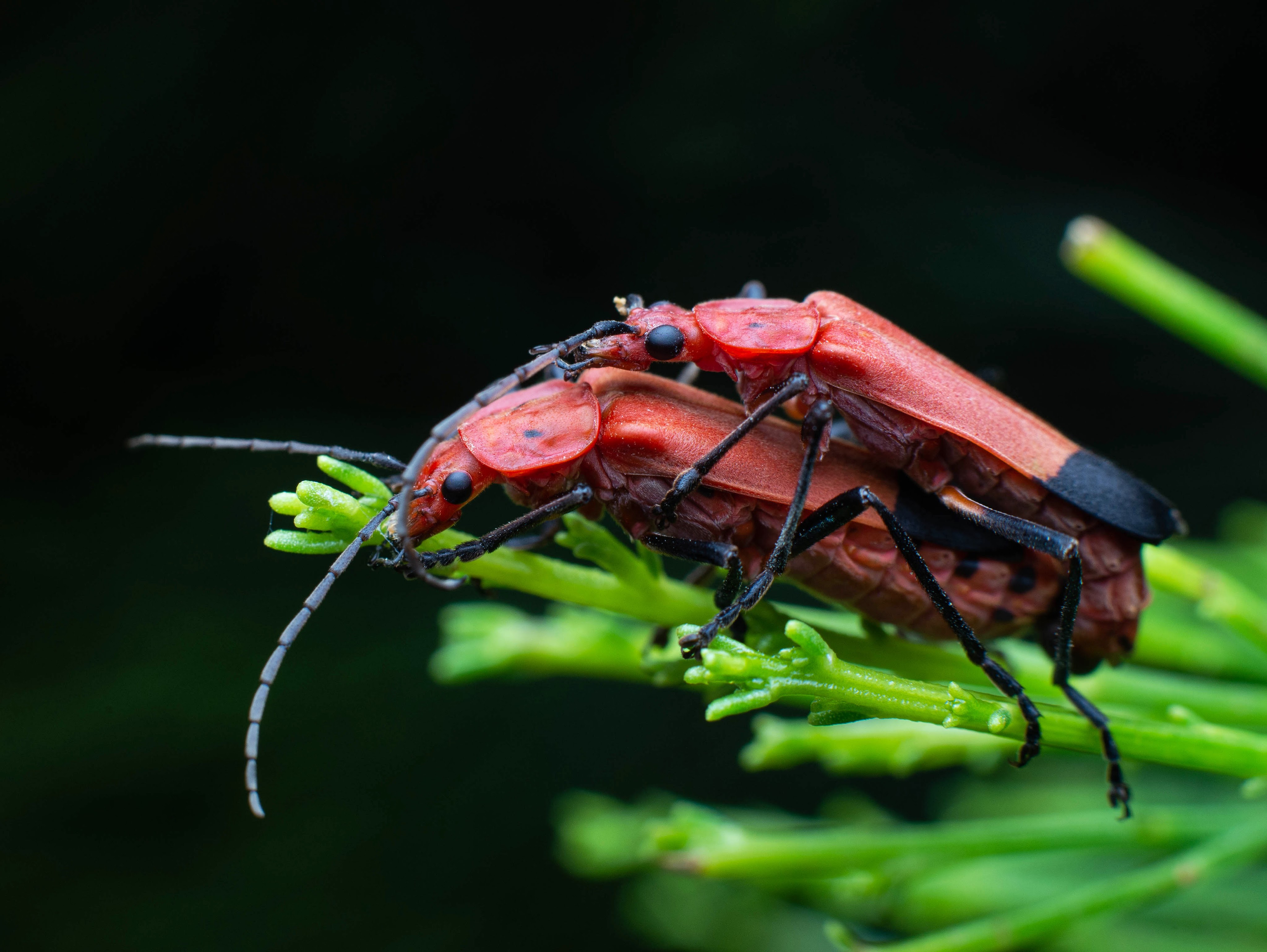
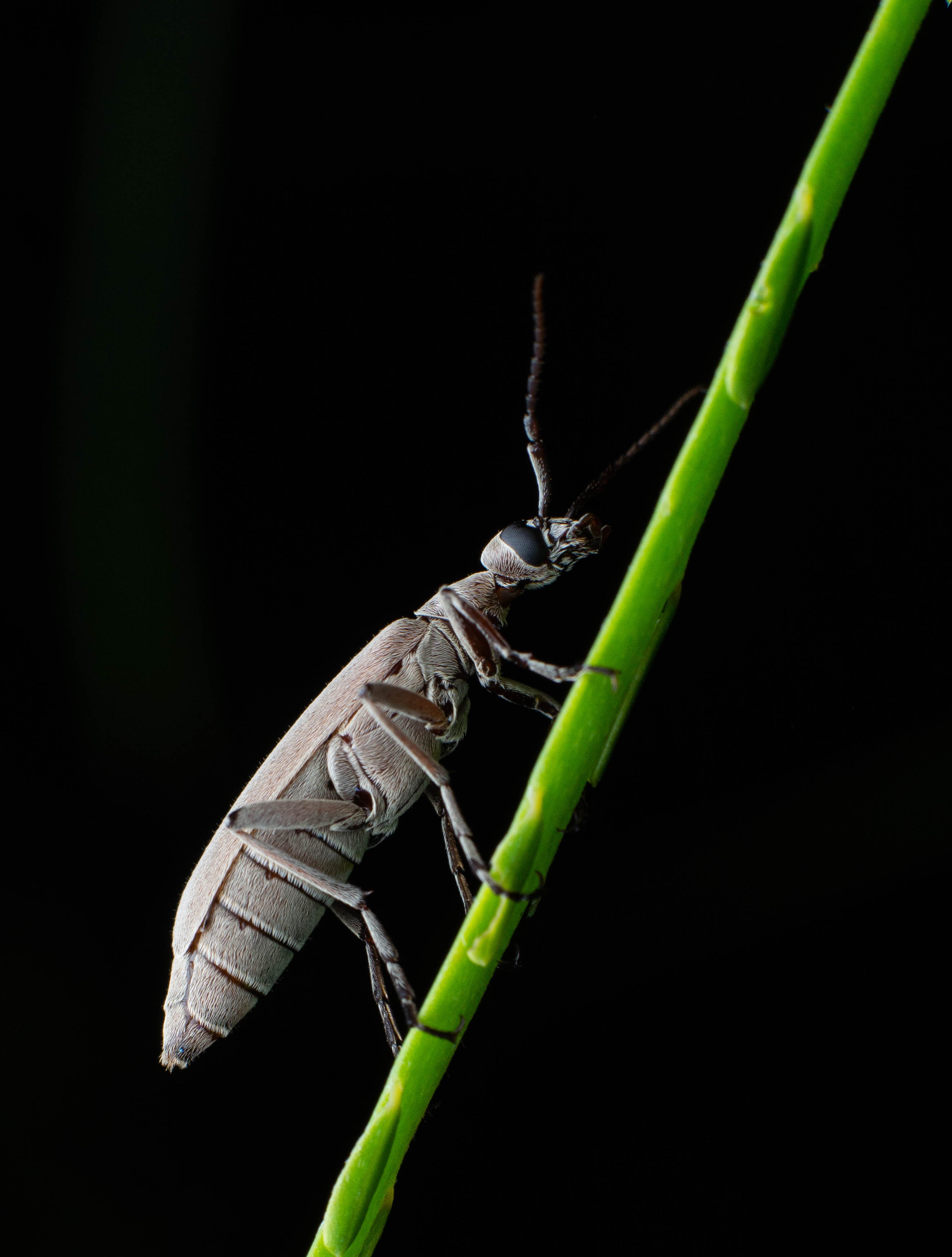
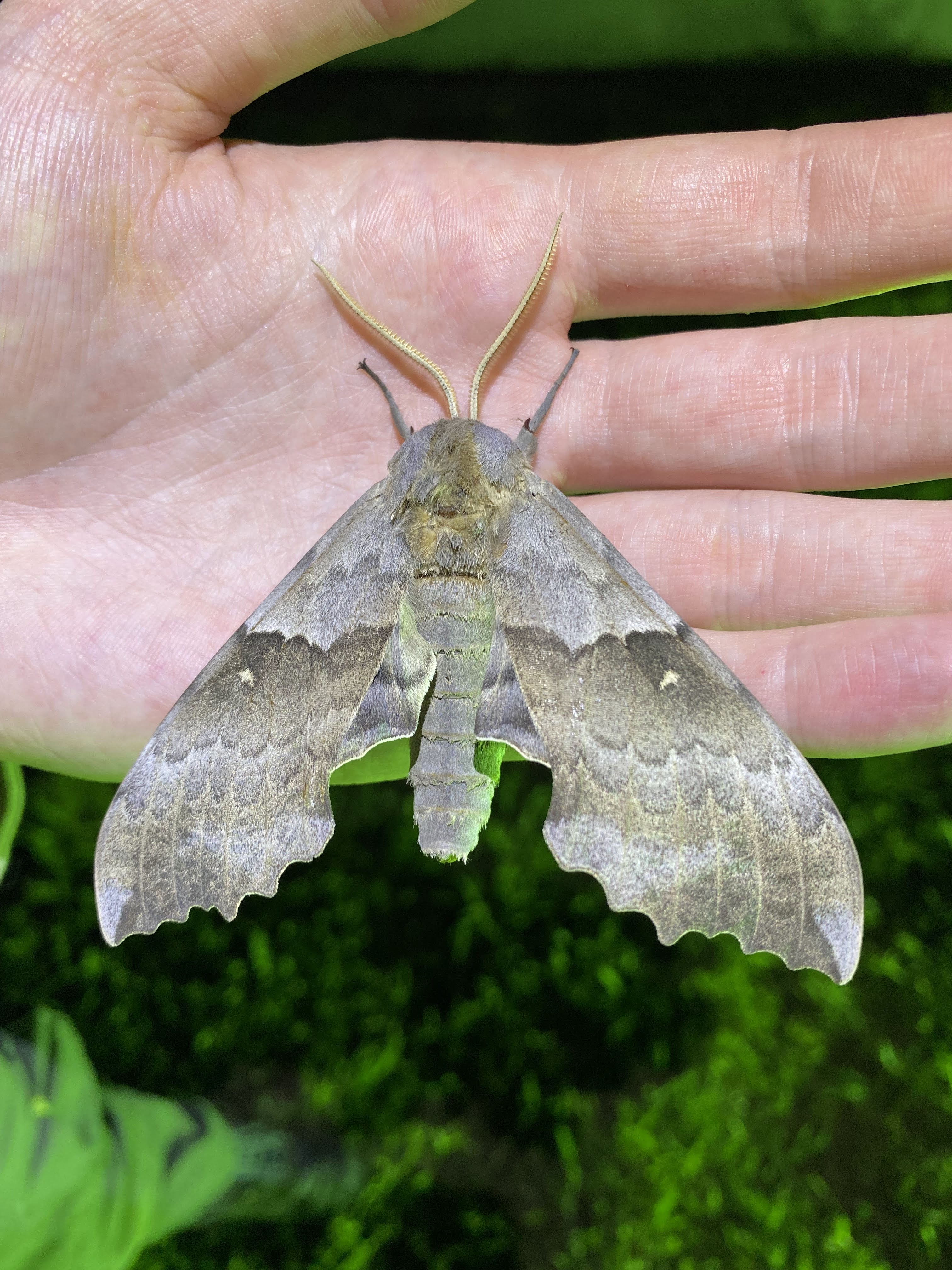
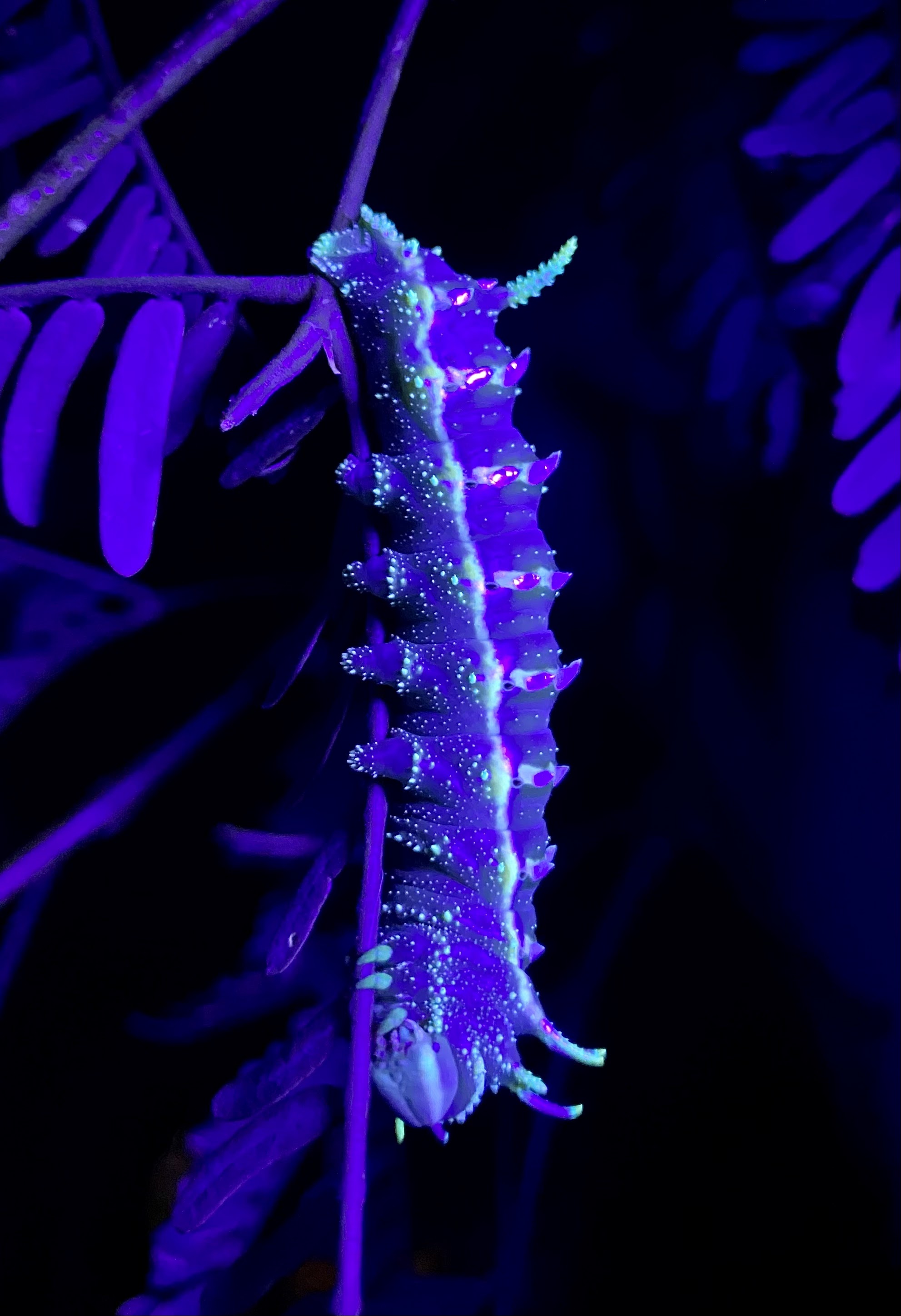
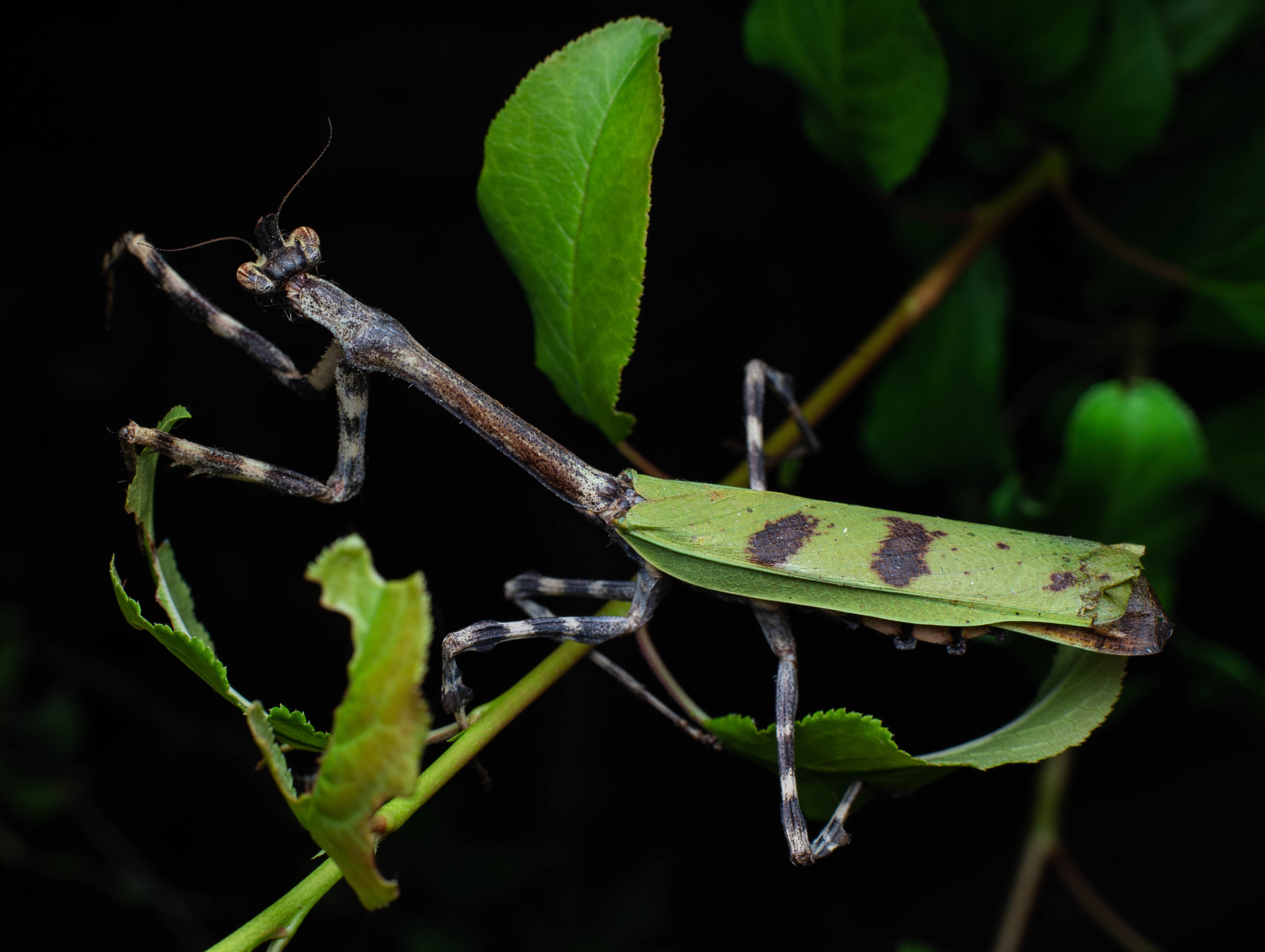
That evening we were invited to spend some time with a new acquaintance of ours, Steve Miller. When we arrived he already had lights up in his yard and insects were covering the sheet. He showed us around his property and afterwards we began to explore the area. The most common insect at the sheet was by far the carabids. They also smelled the worst and after a while created a strong smelling odor that surrounded the sheet. These beetles were a species of Calosoma (most likely Calosoma peregrinator) and despite the sheer number of these beetles on and around the sheet, we were still able to find other interesting insects. A late 5th instar Hubbard’s silkmoth caterpillar (Syssphinx hubbardi) was the highlight for most of us because we found it using a UV flashlight on a mesquite tree adjacent to Steve’s property. Other notable species we encountered were Pachysphinx occidentalis (Western poplar sphinx), Chauliognathus lecontei, Epicauta lauta (brown blister beetle), and Pseudovates arizonae (Arizona unicorn mantis).
Finding the Arizona unicorn mantis was like a dream come true for Lohit. He was finally able to see this species in person thanks to our friend Steve Miller. Steve showed us some of his live insect collection and afterwards we decided it was time to head back and get some sleep for the next day. The following day we explored downtown Bisbee and checked out a few of its unique shops. We did some exploring around the Airbnb as well but didn’t find anything we hadn’t seen already. Later on in the evening we readied up for our night outing in Hunter Canyon.
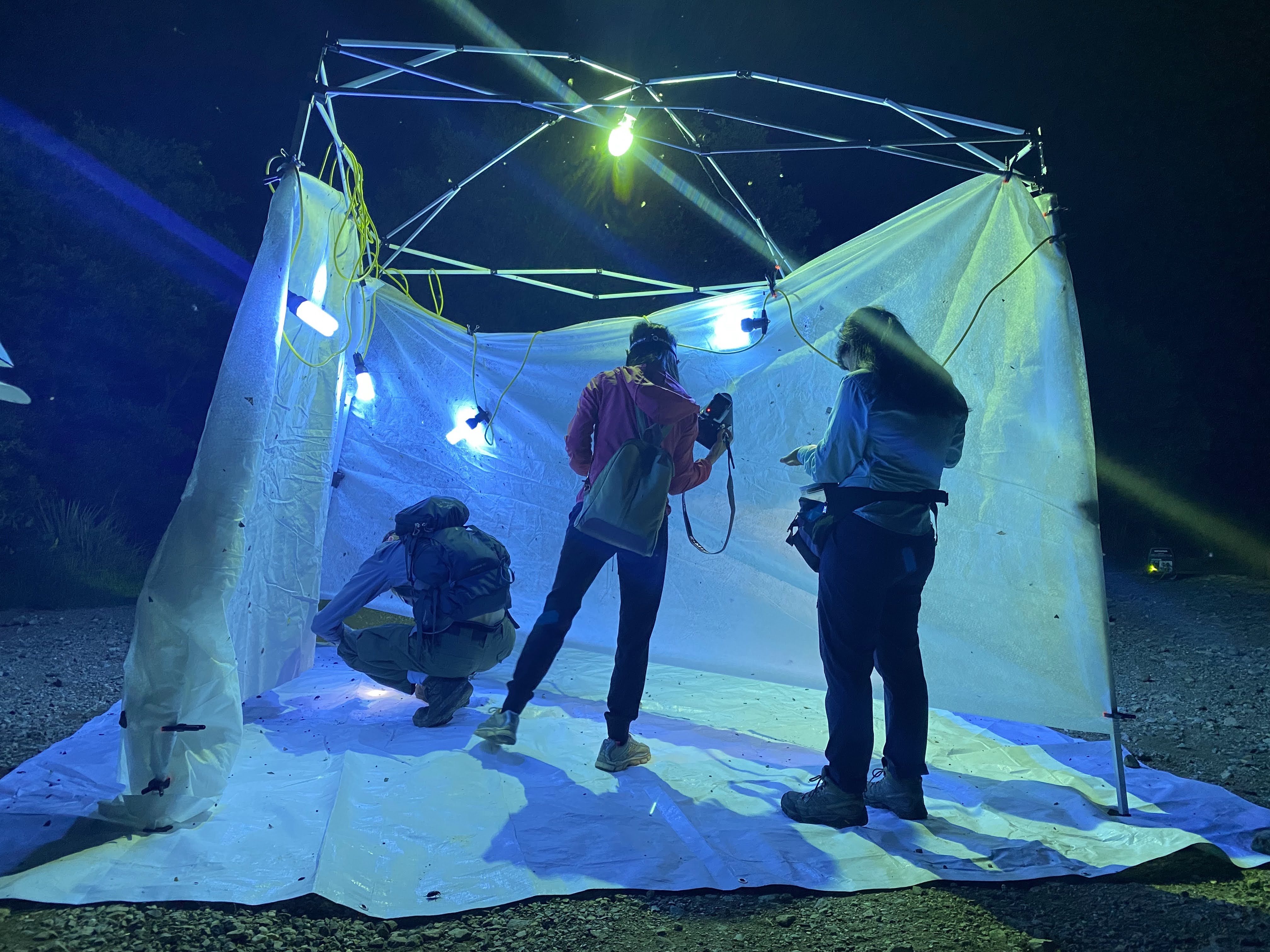
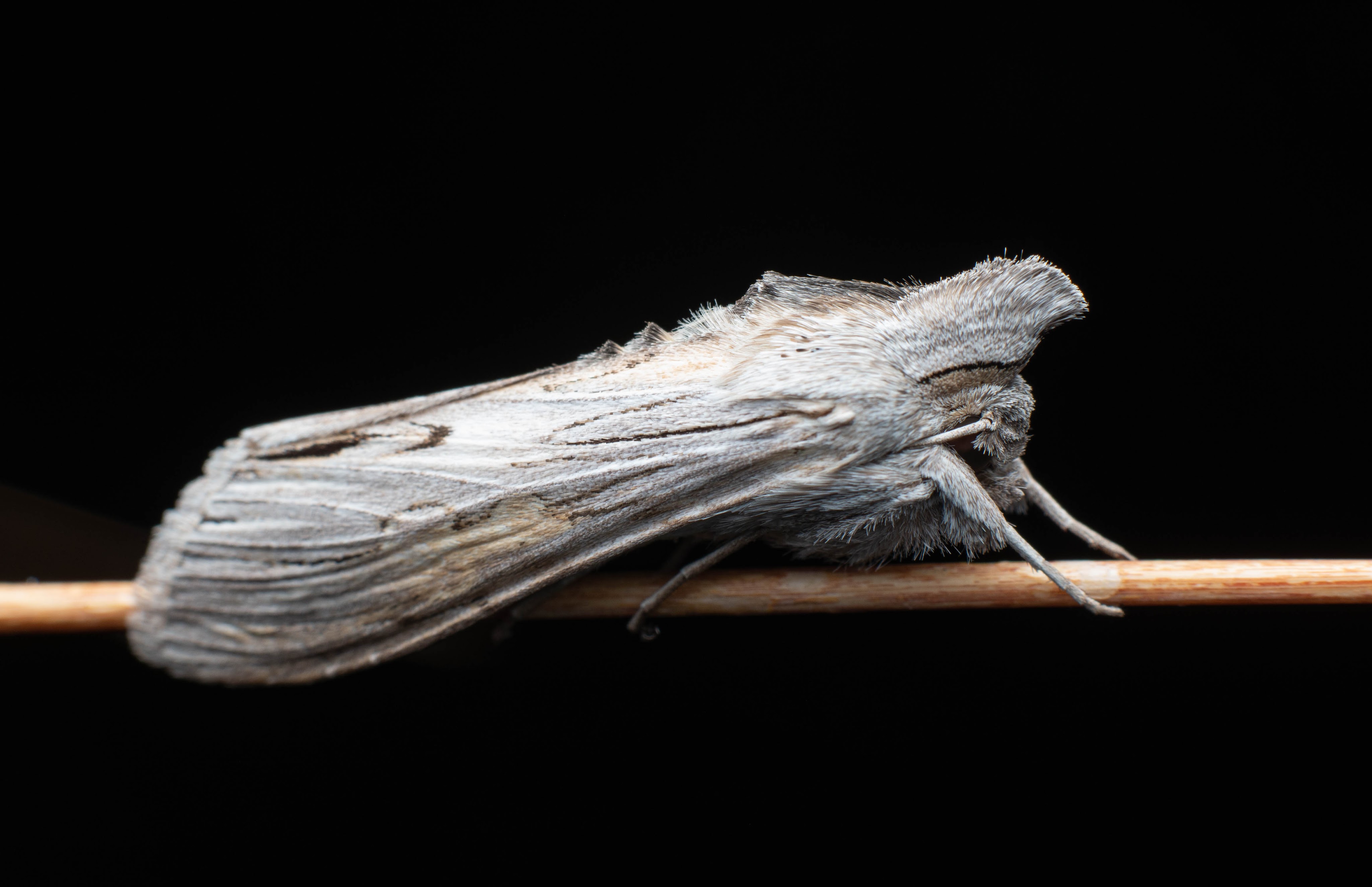
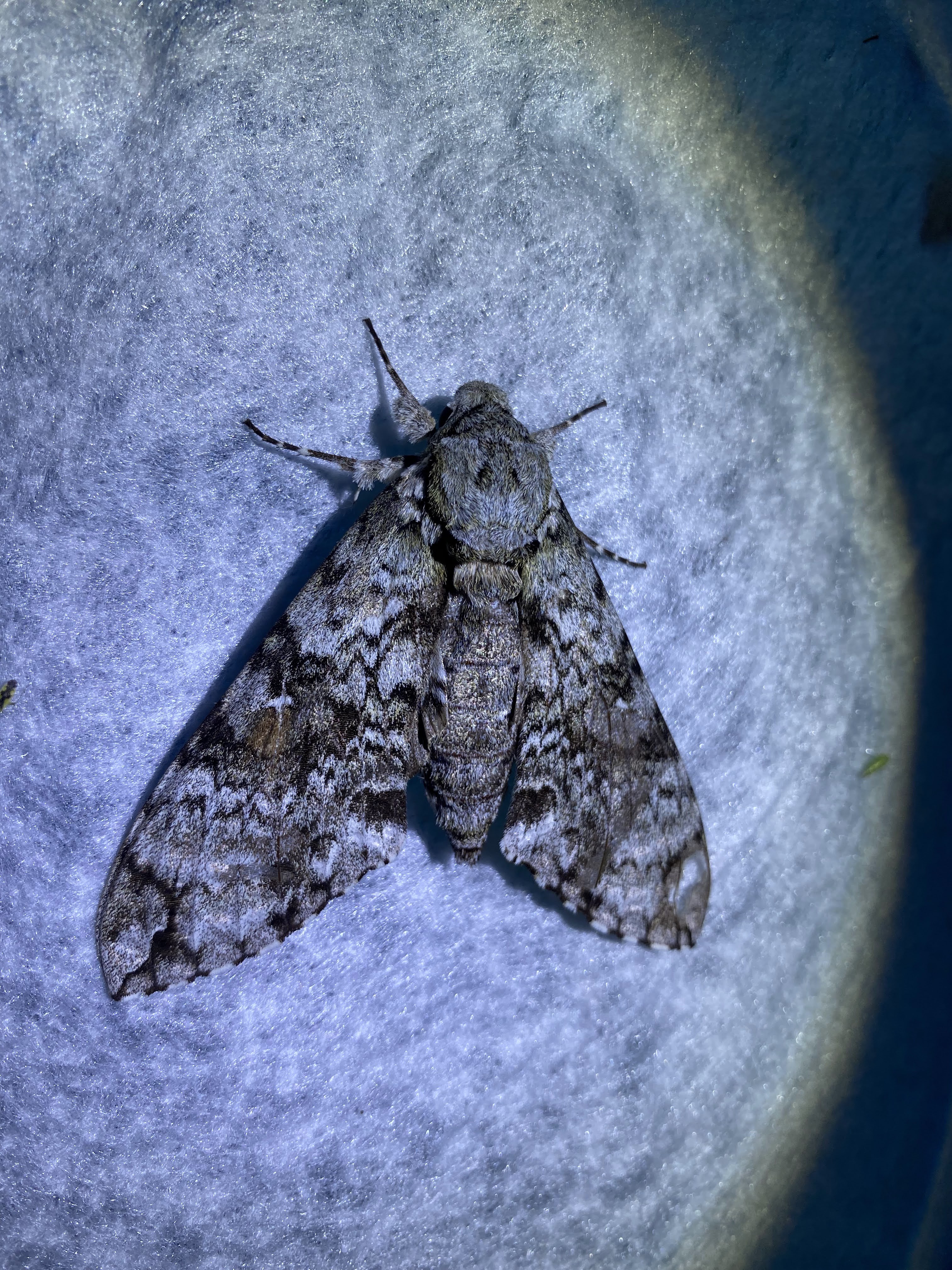
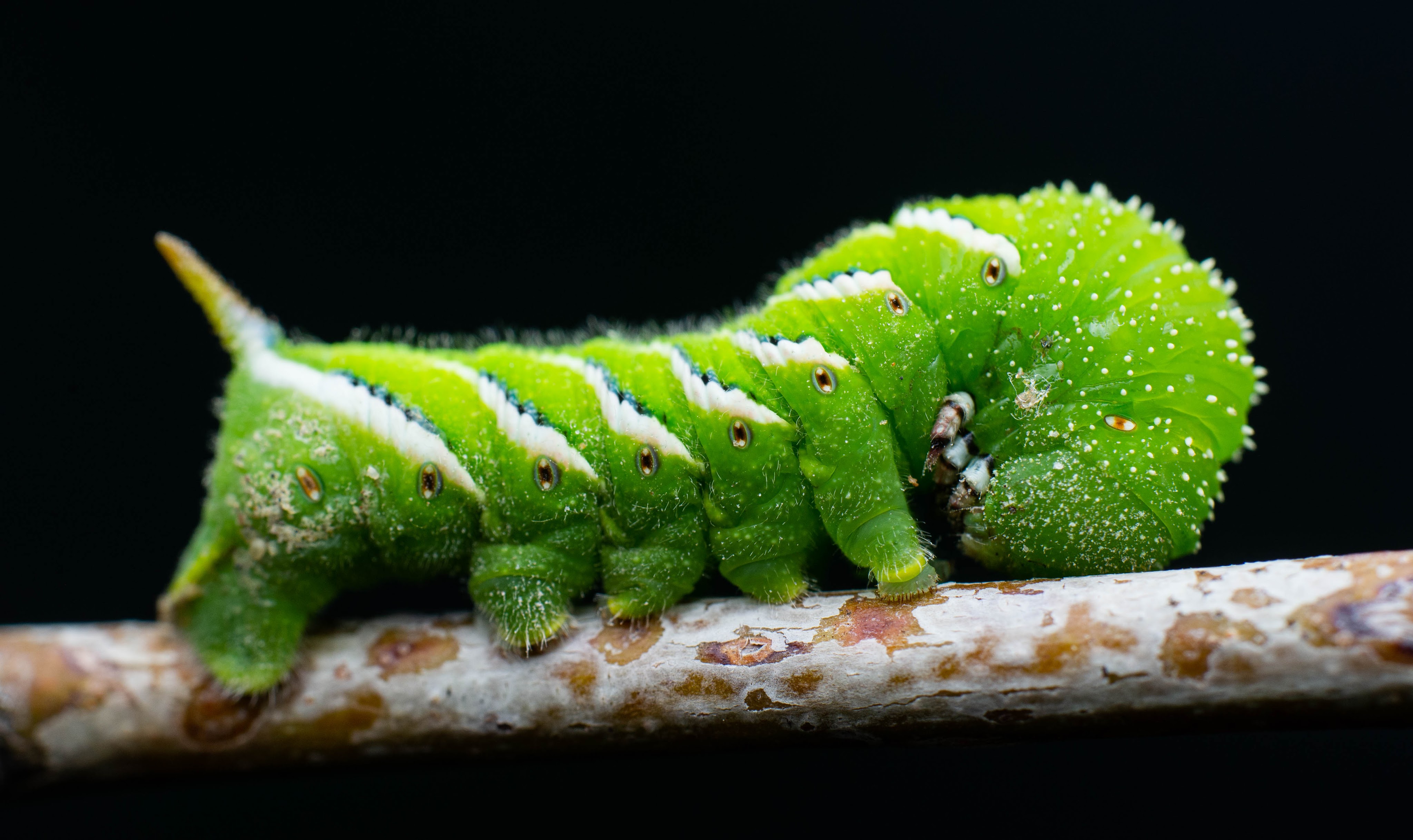
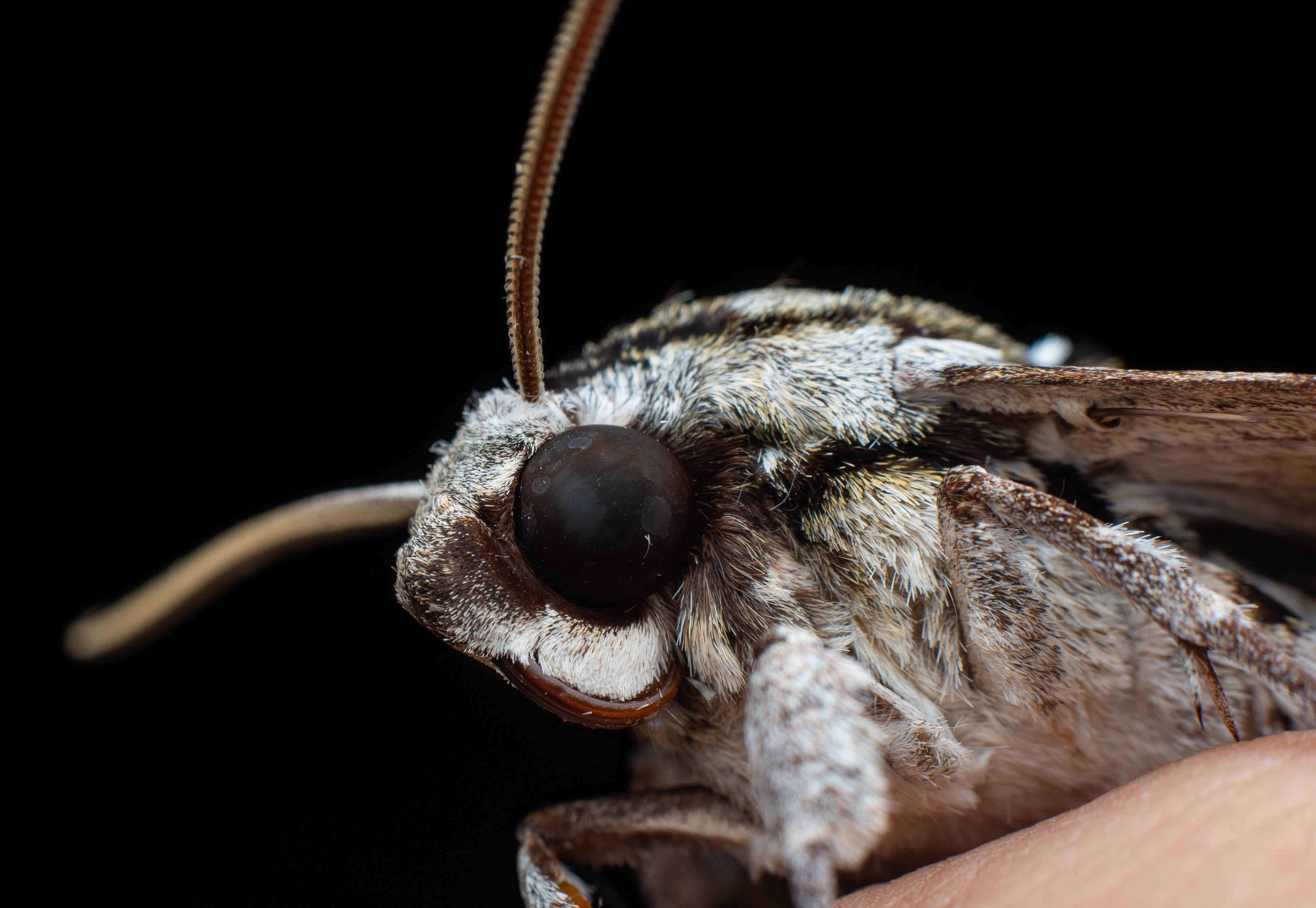
Hunter Canyon is one of many canyons that can be found on the east side of the Huachuca Mountains. This was our first time visiting this location so we were very excited to explore and see what would show up to the lights. After quickly setting up, it wasn’t long until things began to appear on the sheets. Moths, beetles, antlions, and flies were the most common insect groups to show up initially. Many species of sphinx moths were found on the sheet, including Maduca sexta, Manduca quinquemaculata, Manduca florestan, Manduca mucosa, Eumorpha achemon, Eumorpha typhon, Xylophanes falco, Sphinx asellus, Sphinx dollii, and Hyles lineata. Other notable moths that made an appearance were underwings (Catocala sp.), Gloveria gargamelle, and Syssphinx hubbardi. In addition to all the moths we saw, many beetles also made an appearance. However, there was one beetle in particular whose presence and numbers were almost unbearable.
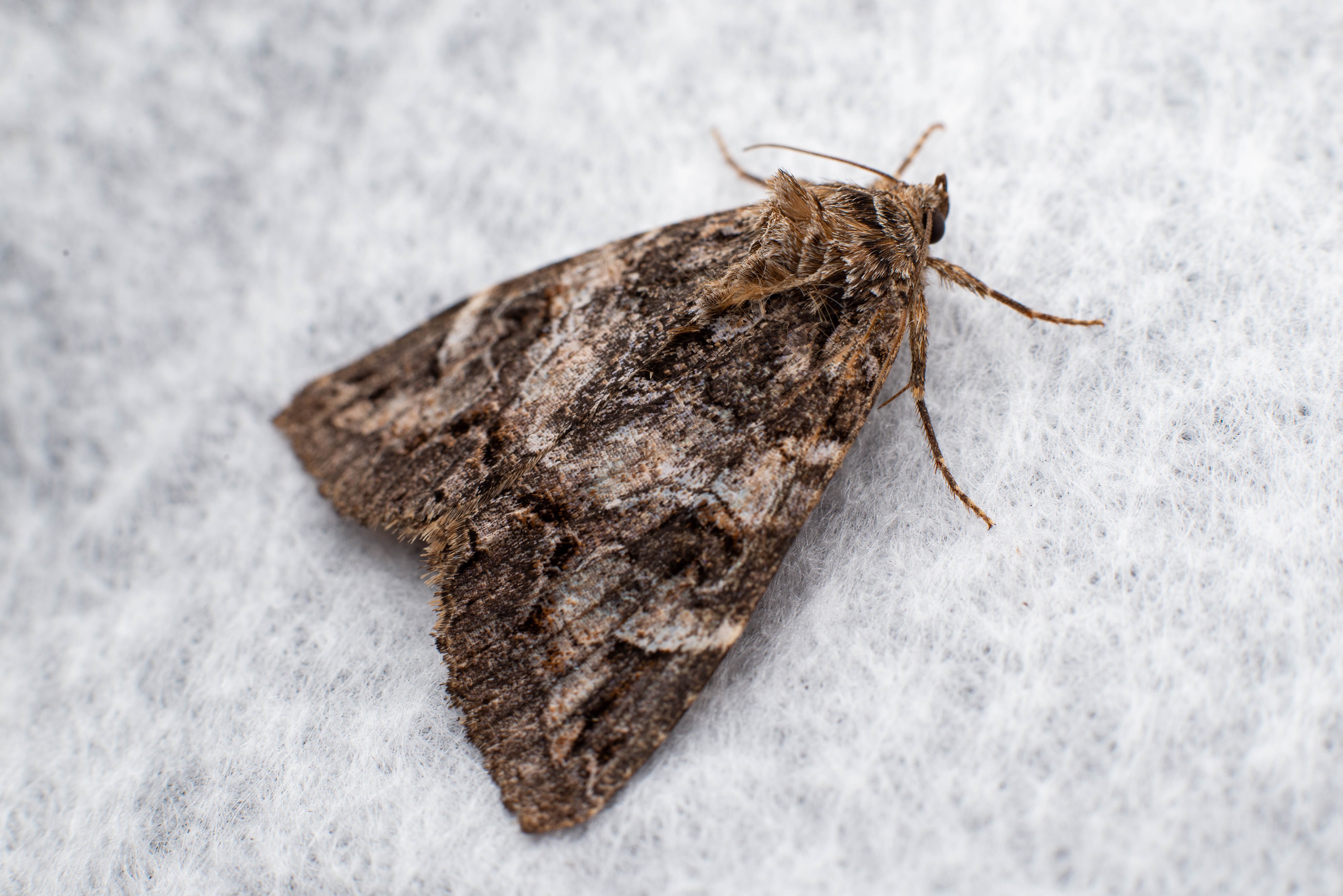
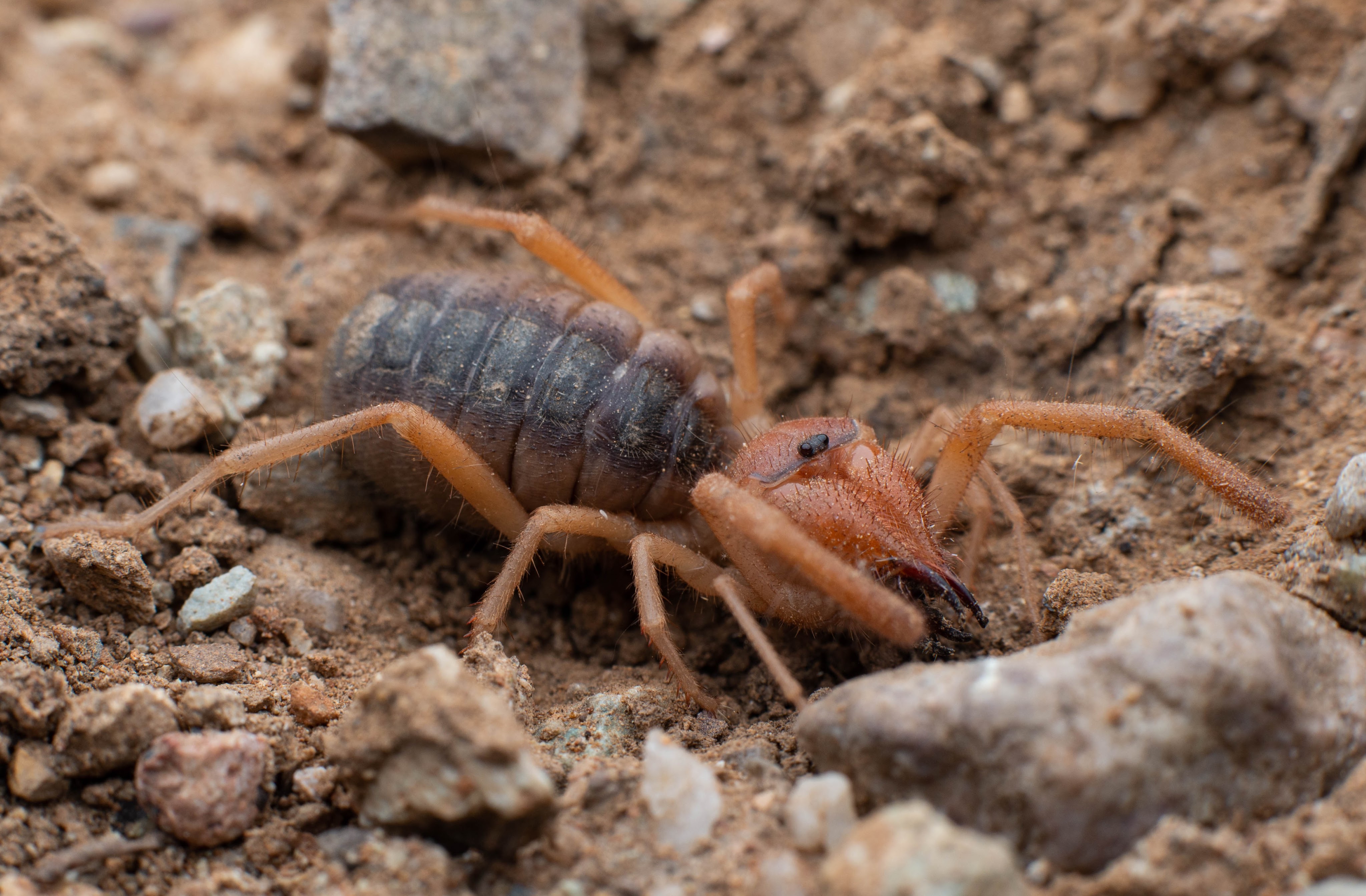

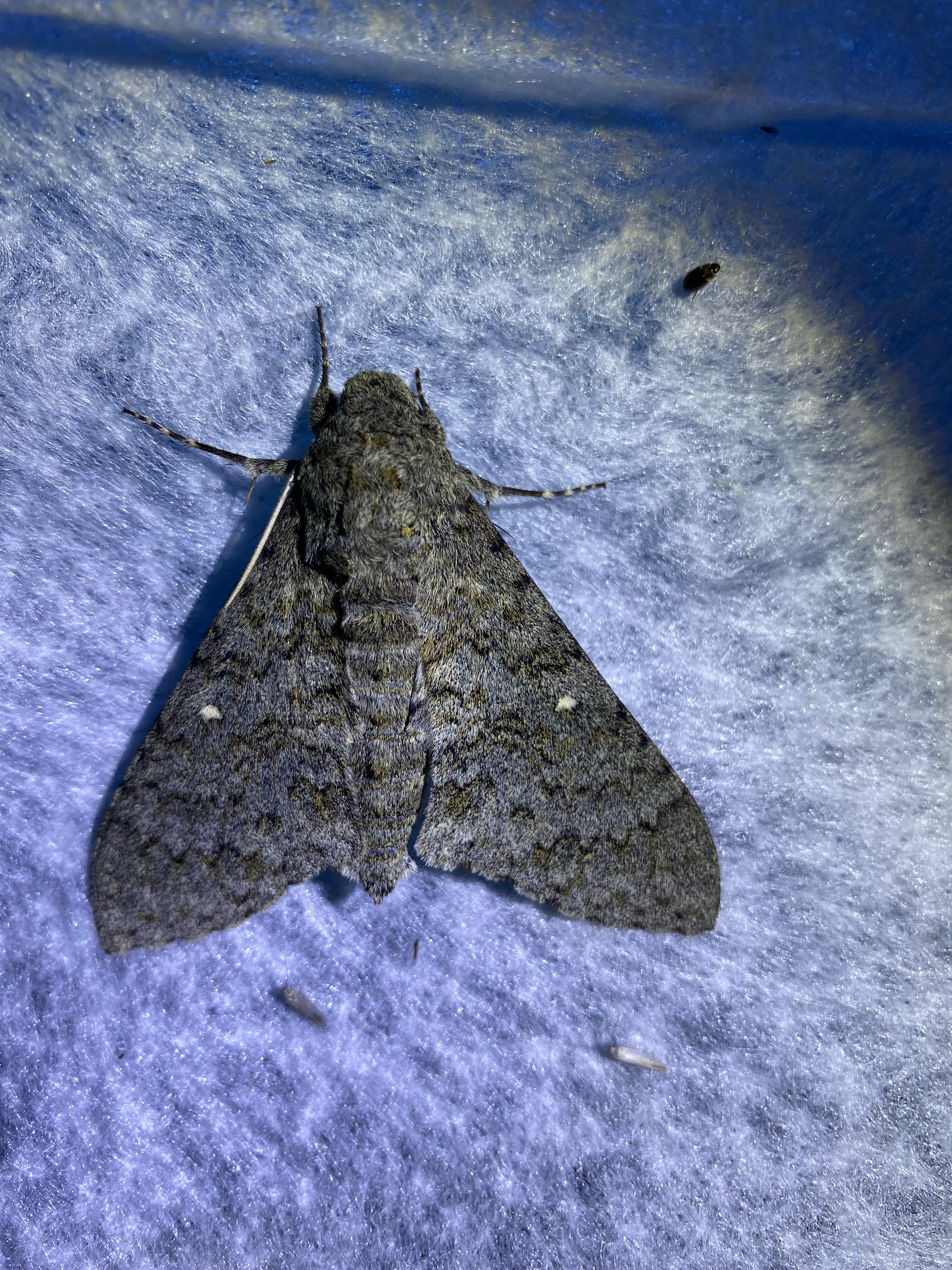
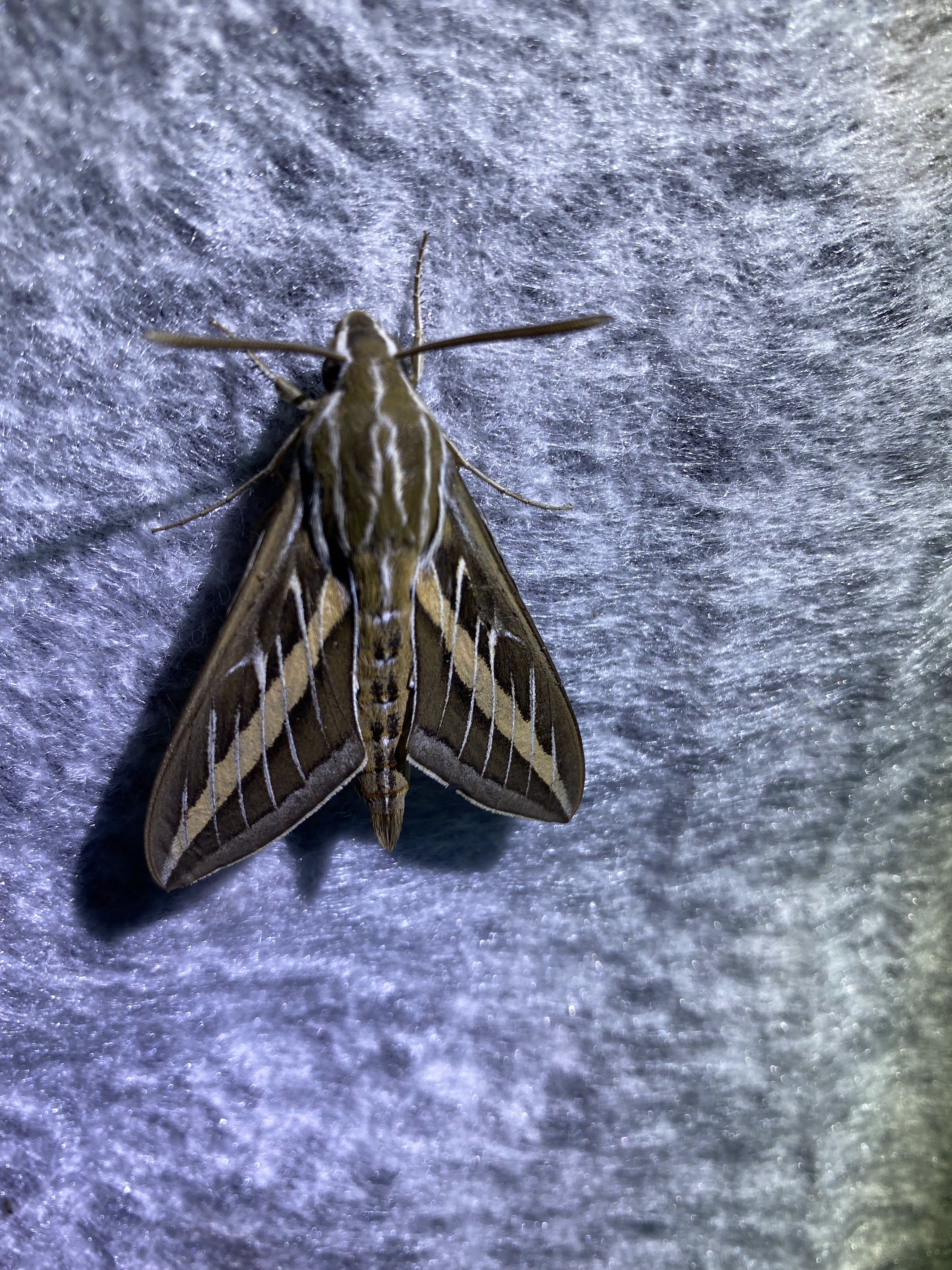
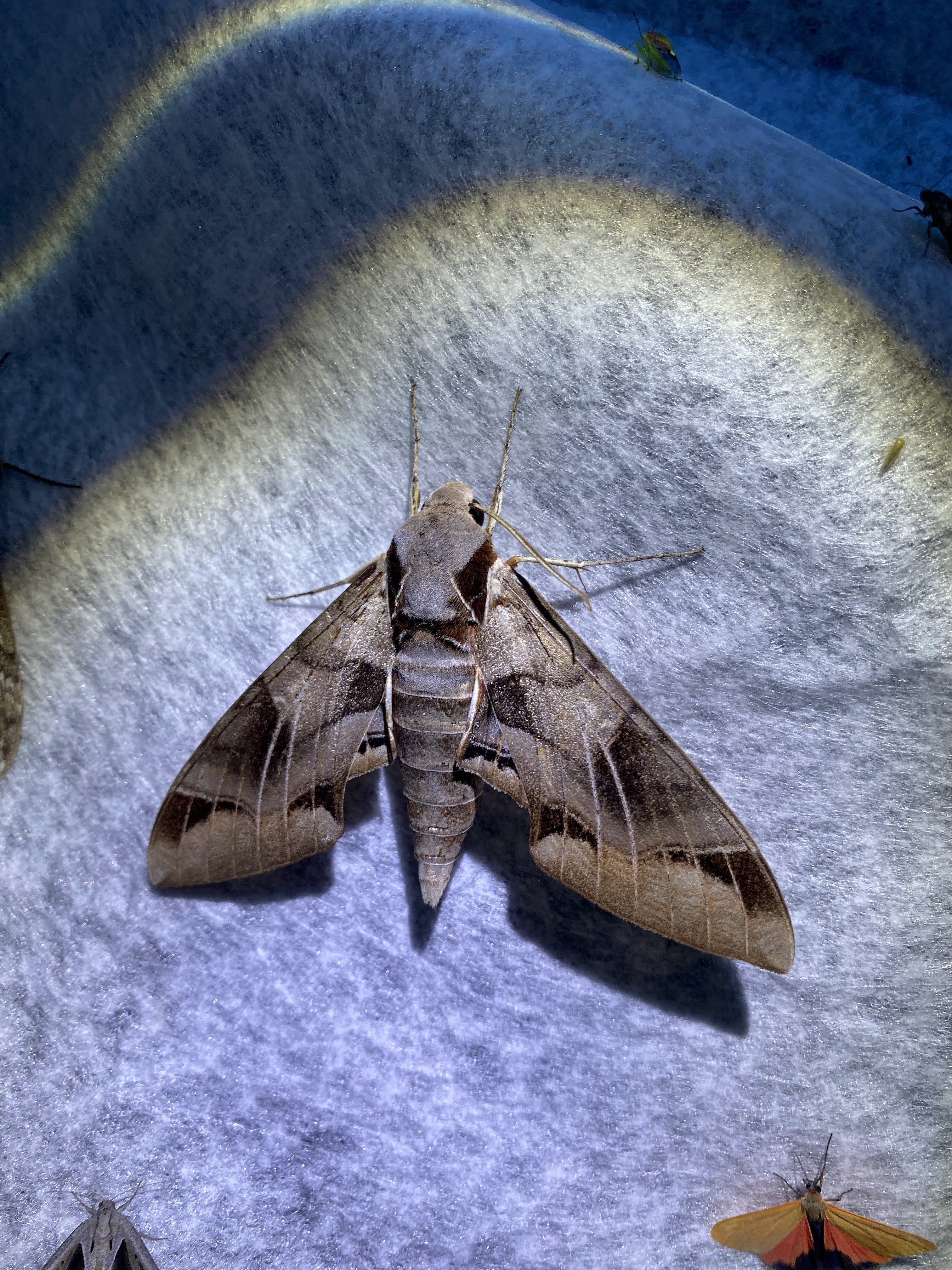
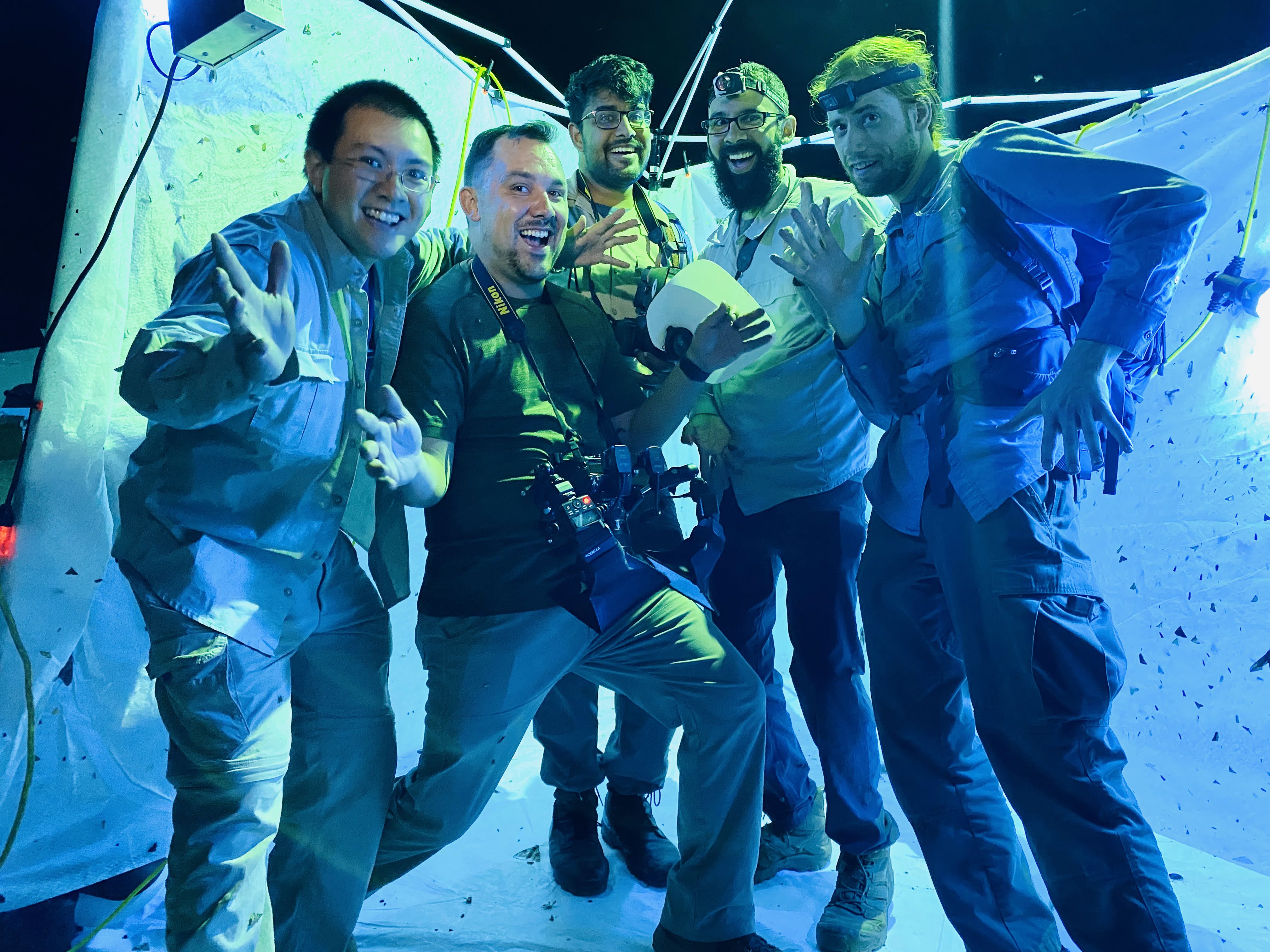
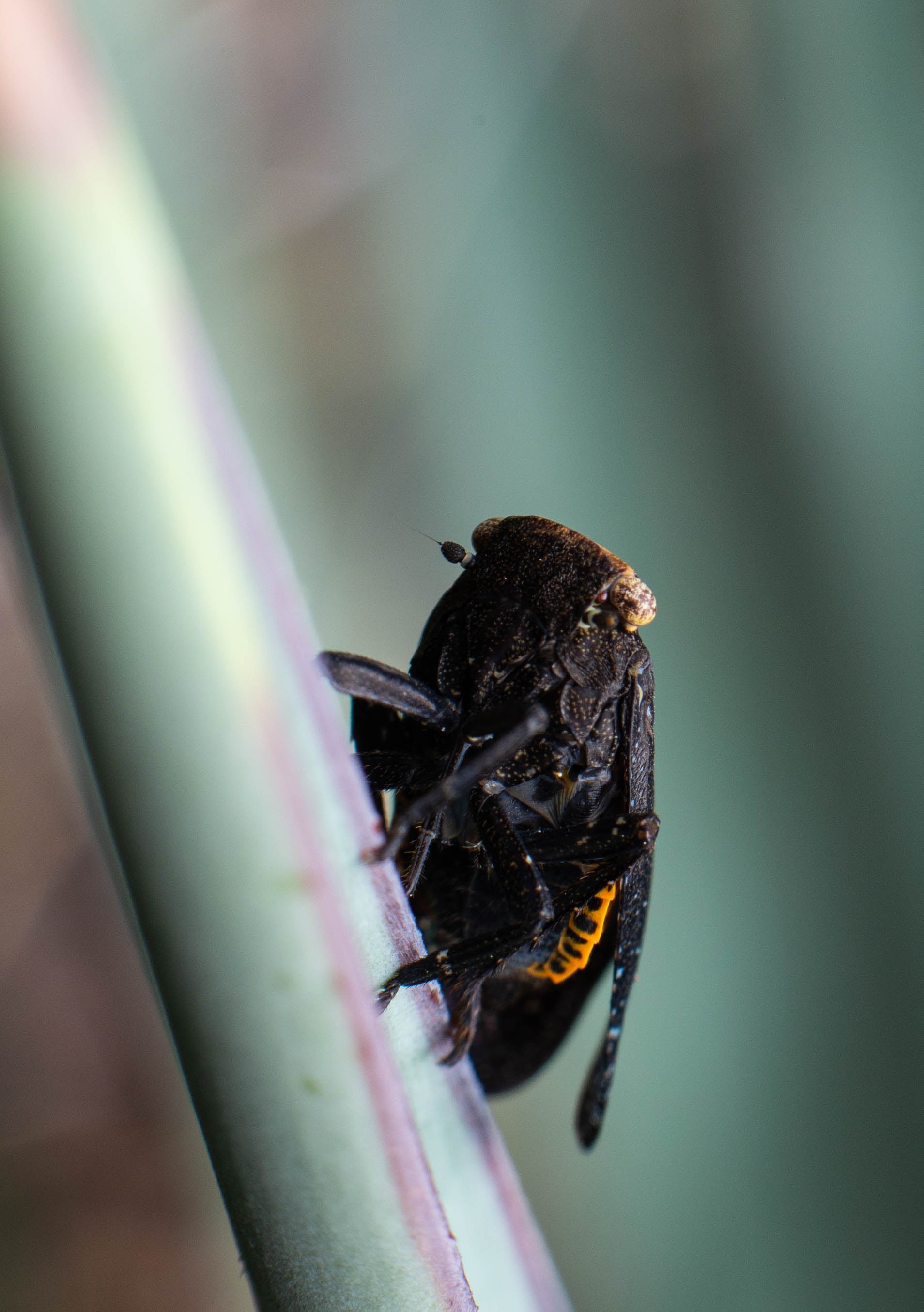
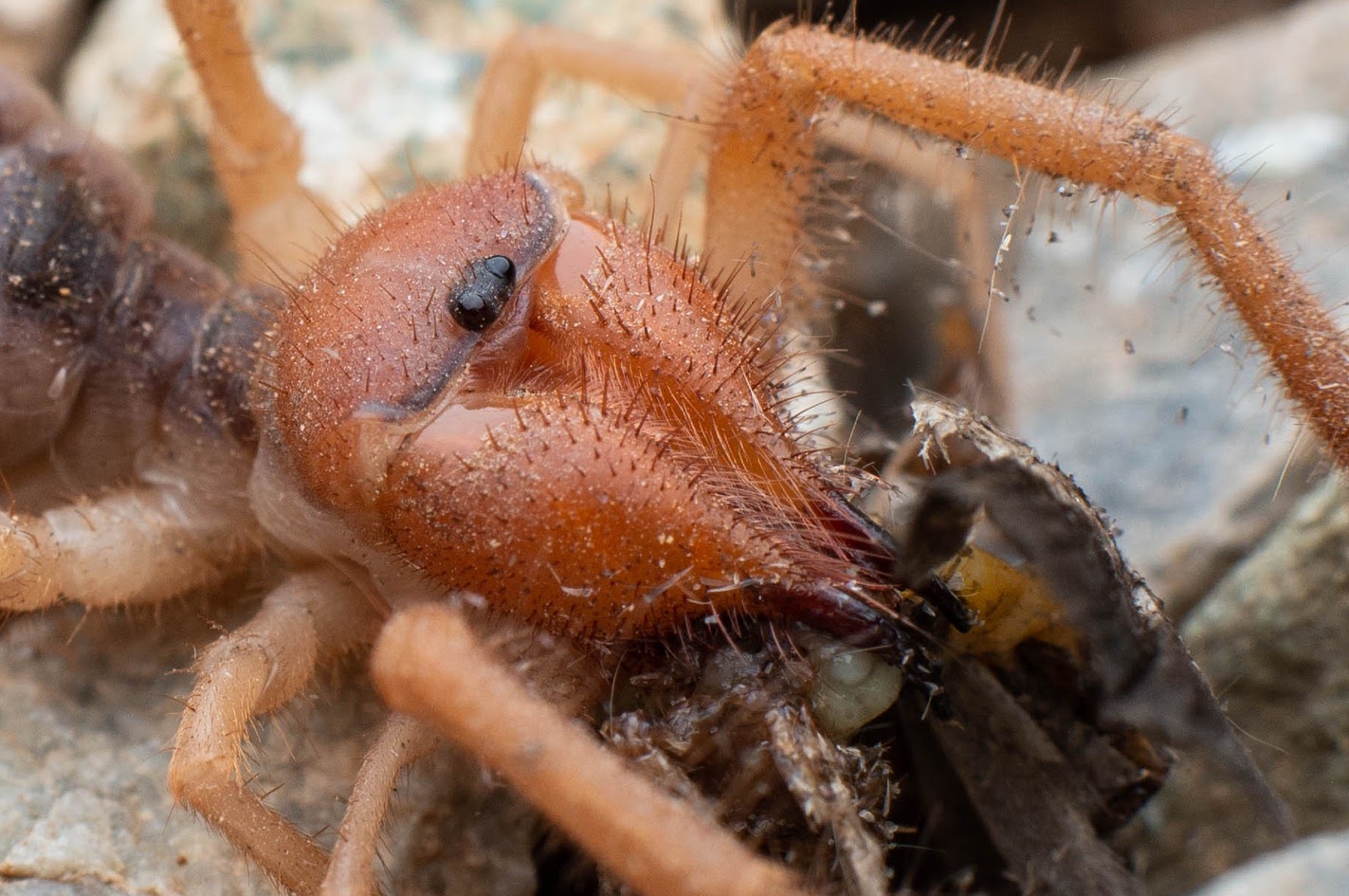
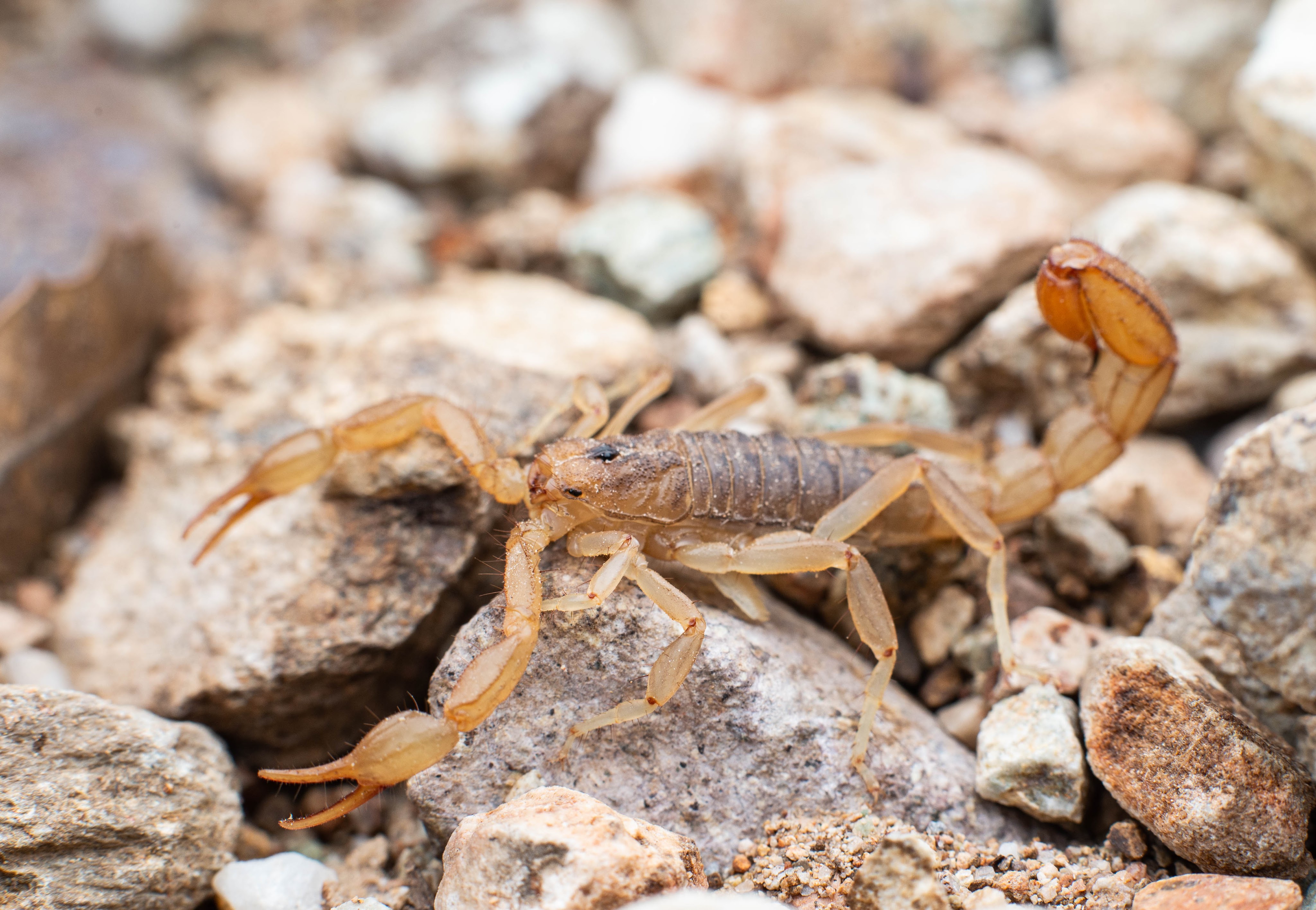
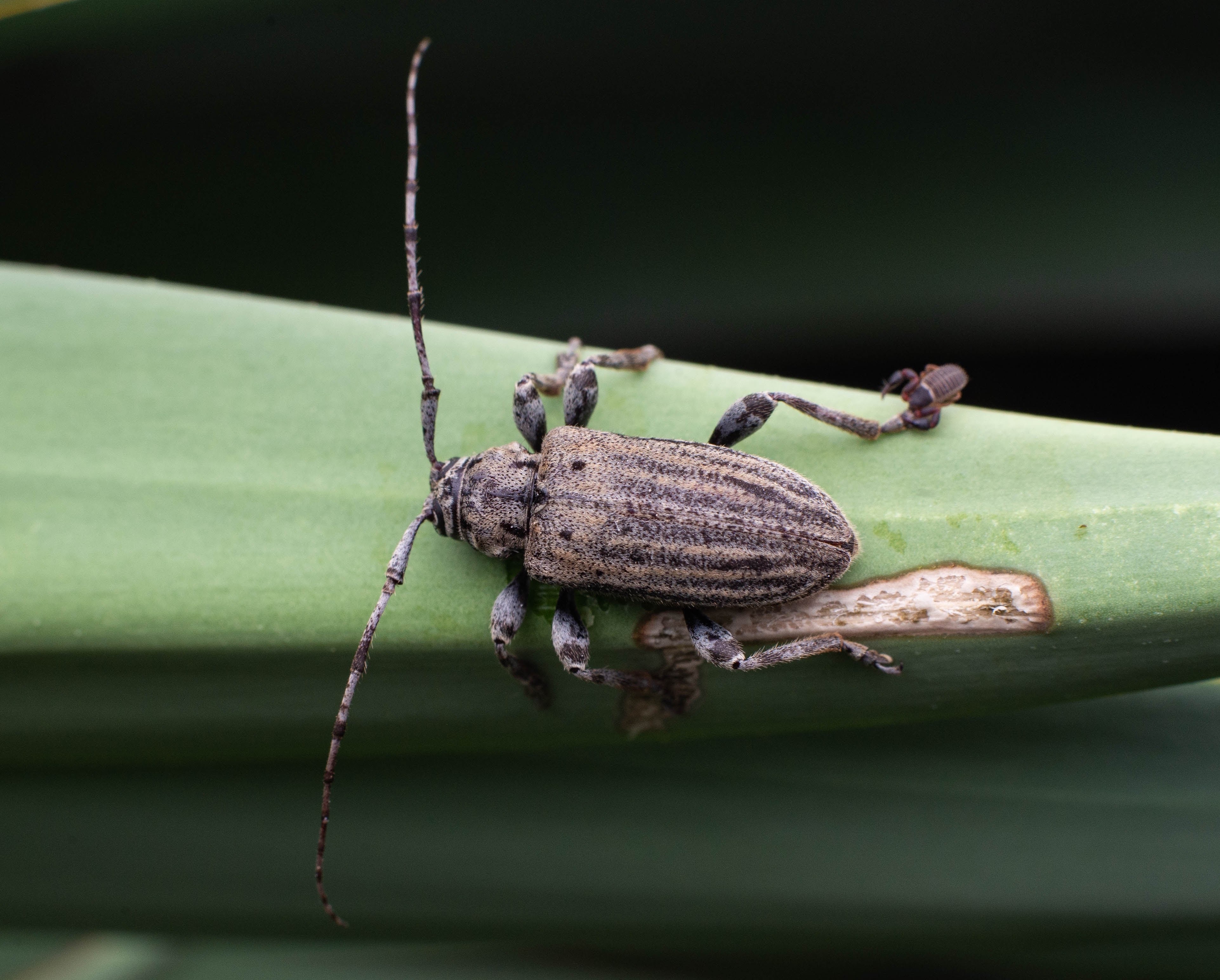
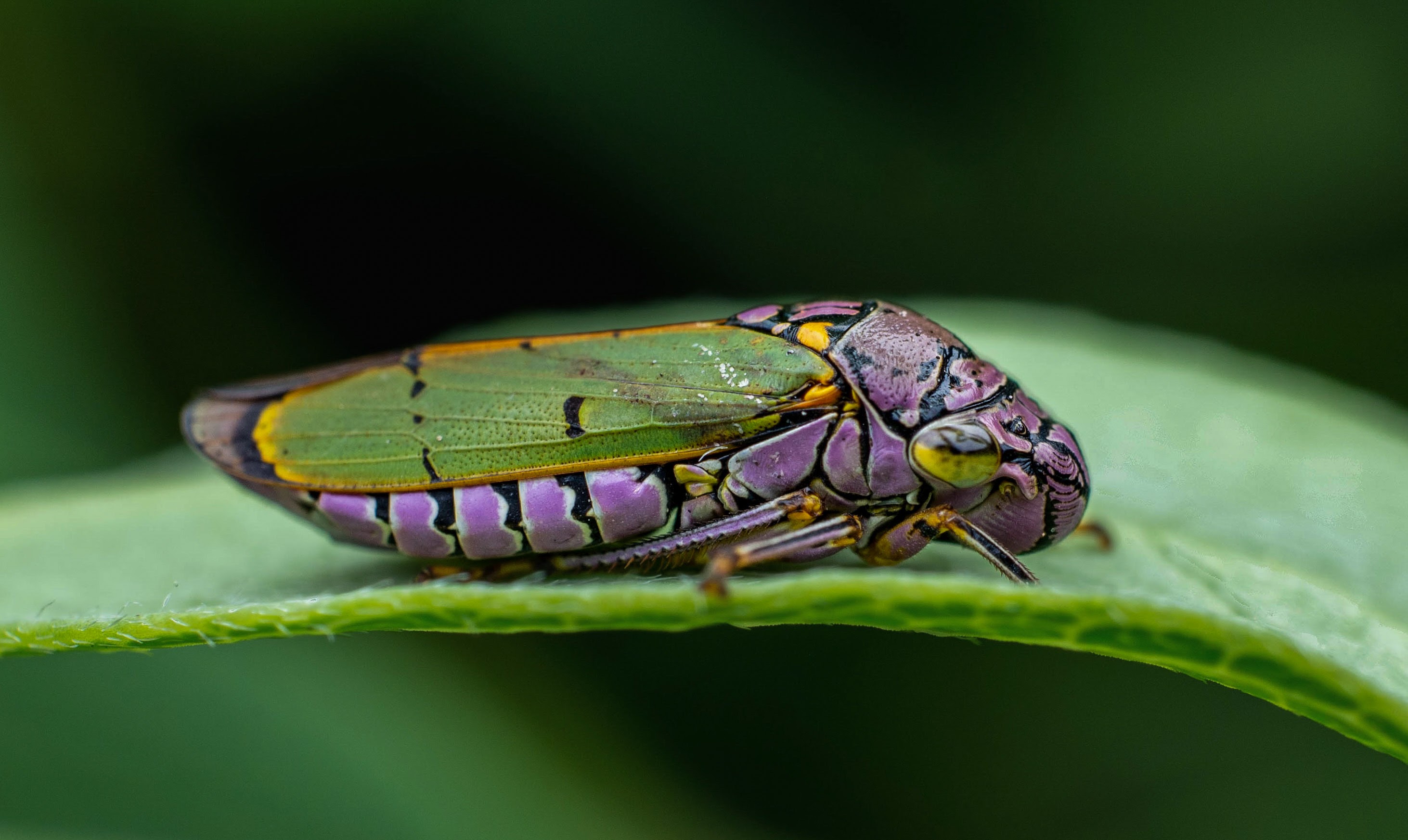
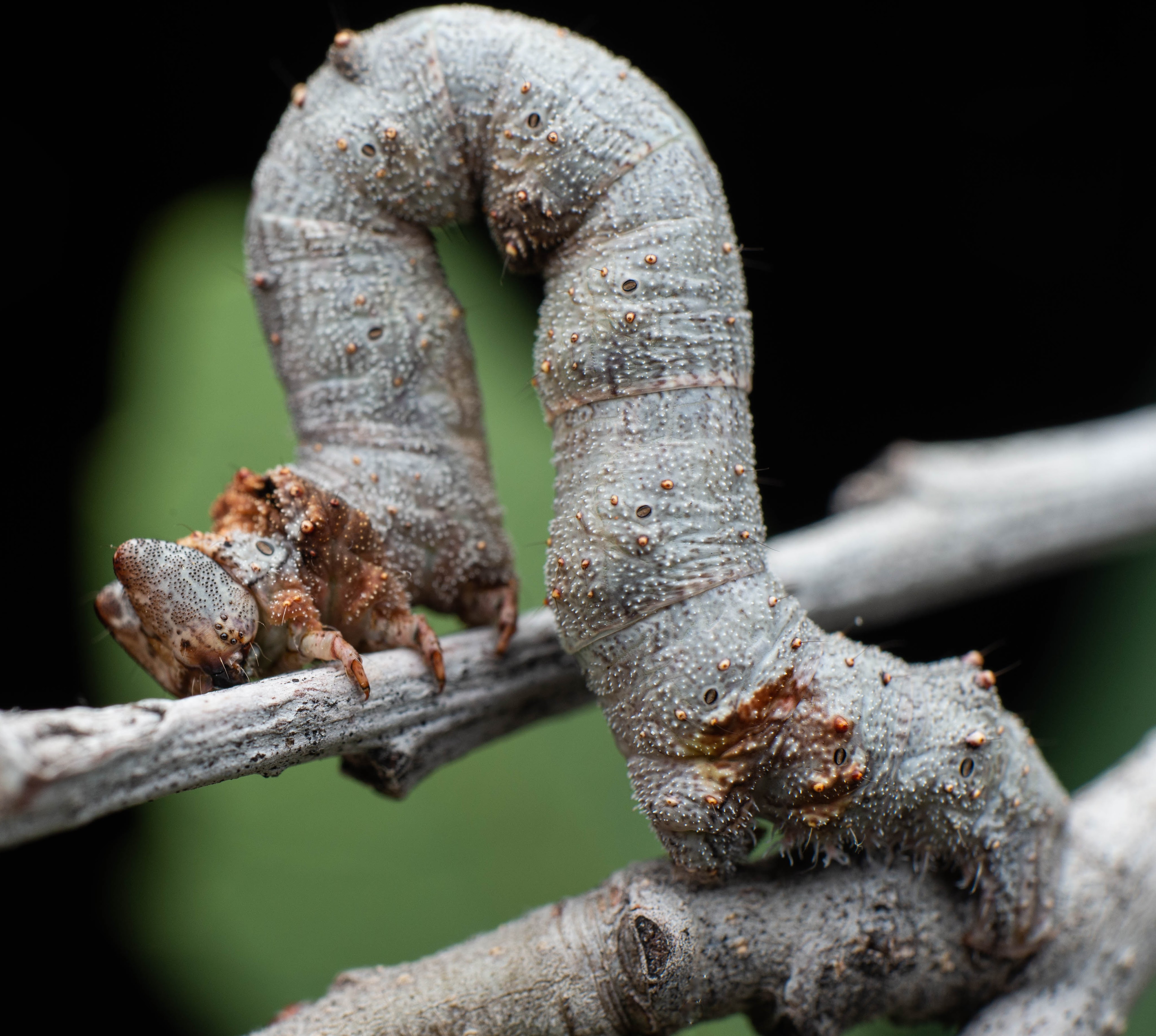
As the night progressed, hundreds of large Calosoma beetles quite literally invaded the sheet. Over time, many individual beetles were stepped on by accident as we approached the sheet to view other insects and this caused an odor to appear. It eventually cleared out after about a half hour, but the number of beetles on and around the sheet seemed to stay consistent. By this point we had decided to explore the surrounding vegetation and found plenty of amazing insects. Oncometopia alpha, an insect that had eluded us at the Cochise Stronghold, was finally found and photographed here in Hunter Canyon. Other insects we found were, Geometrid moth caterpillars, mantises (multiple species), and a yucca longhorn beetle (Glaucotes yuccivorus). There were plenty of non insect arthropods we found as well including a few scorpions, a solifugid, and a couple Scolopendra centipedes. We stayed here for about 3-4 hrs before finally packing up and heading back to the airbnb to rest and get ready for the next day.
Road to Coronado
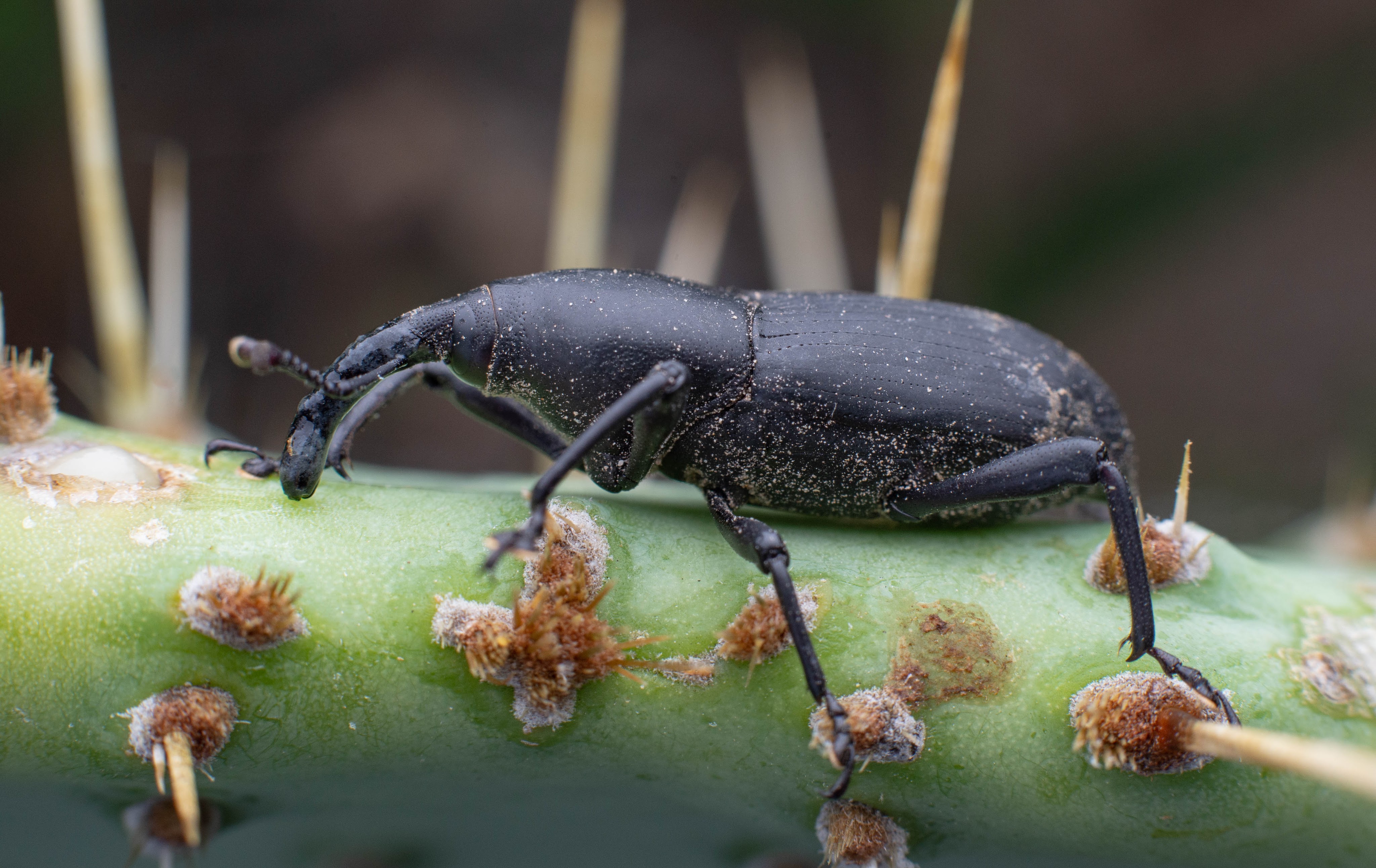
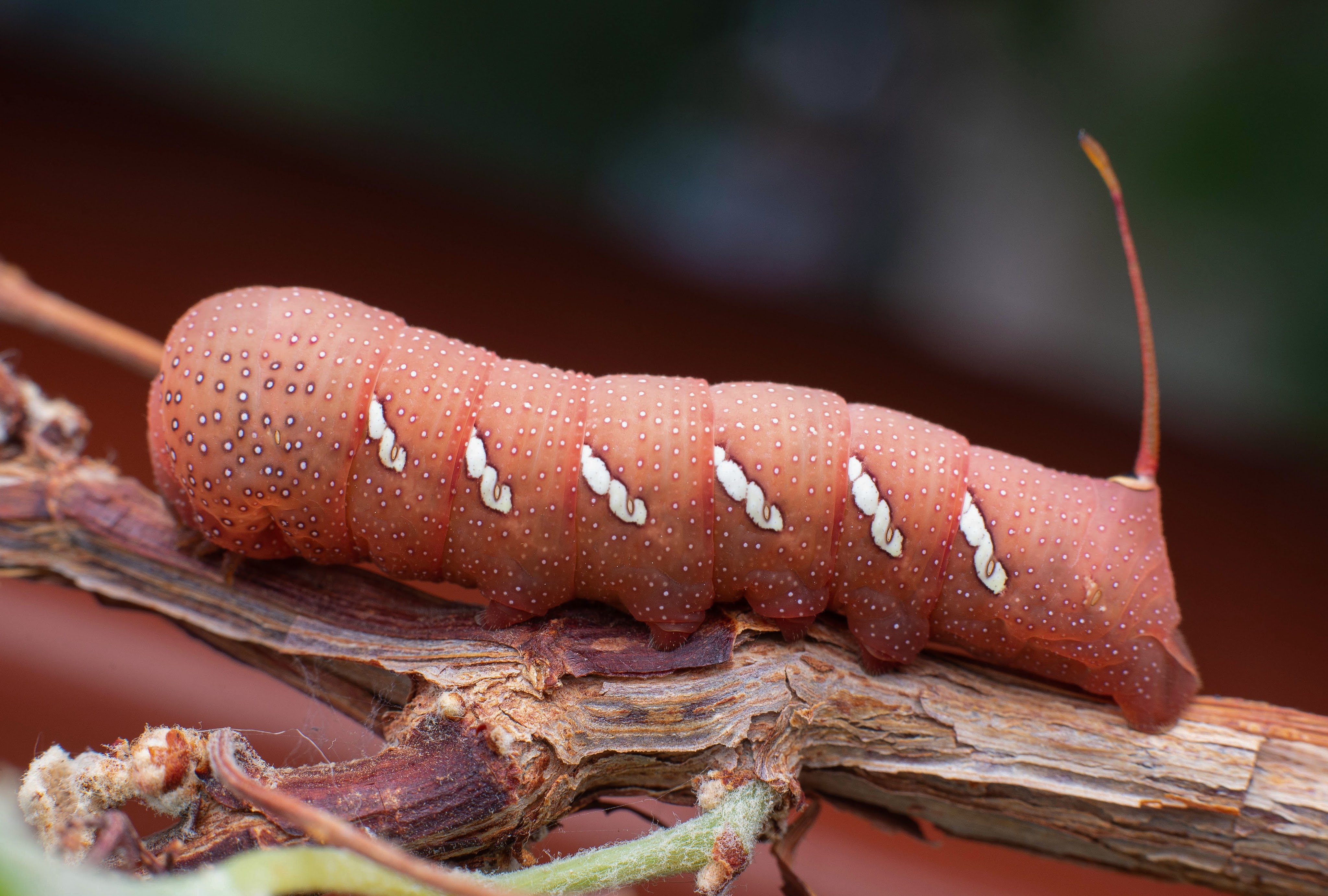
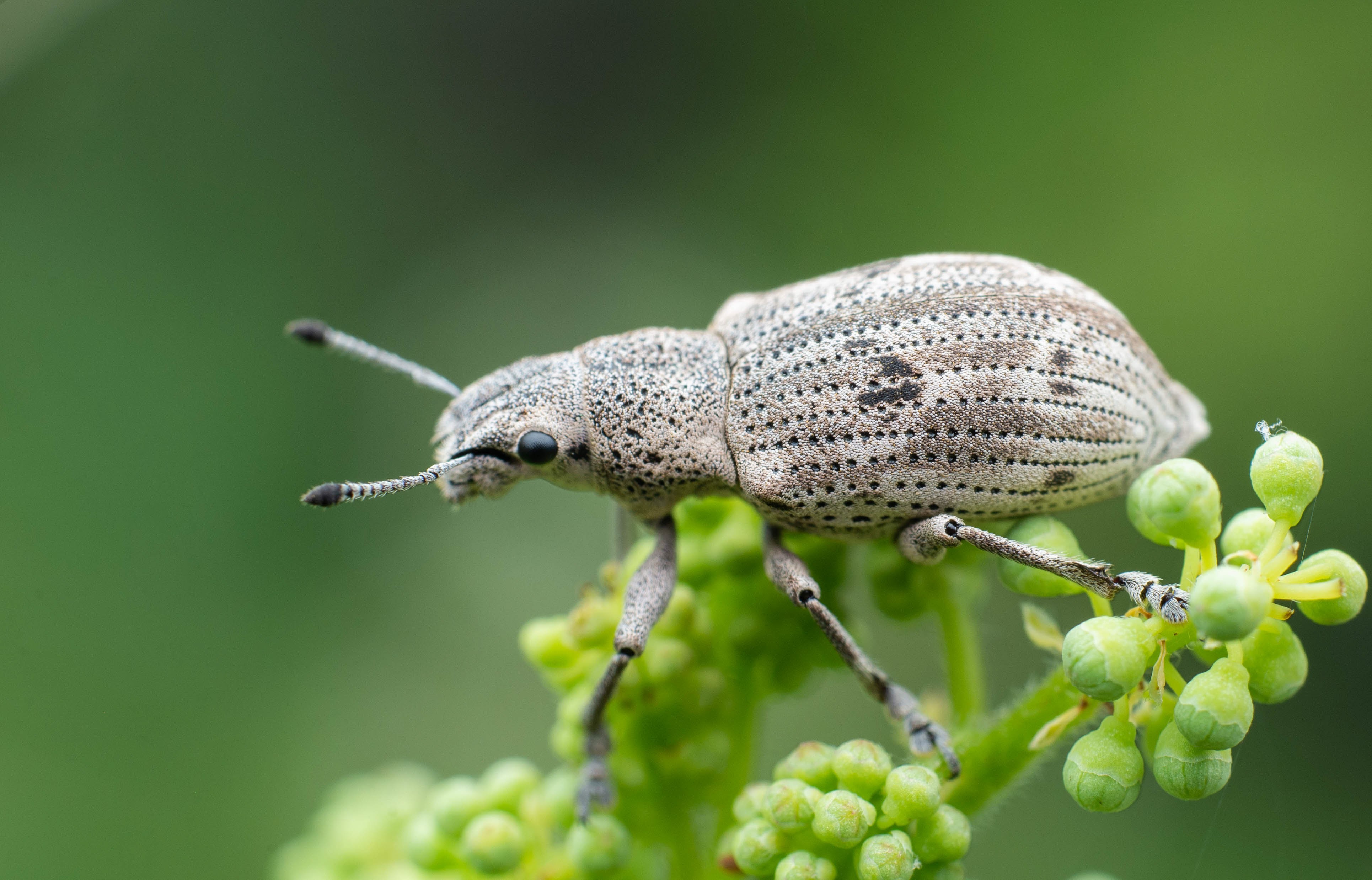
The following morning I decided to take the group back to the Coronado National Memorial and Copper Canyon. The day started off a little cloudy and I was weary of possible thunderstorms disrupting our plans but thankfully the clouds and storms stayed to the east. We stopped by the visitor center at the National memorial on the way to Copper Canyon and found some interesting species in the display garden. A black cactus weevil (Cactophagus spinole) was found resting on a small prickly pear cactus and that gave us an opportunity to photograph it. We also saw many robber flies, a tortoiseshell beetle, and lots of ants. I even found an achemon sphinx caterpillar (Eumorpha achemon) on the grape vine right in front of the visitor center doors.
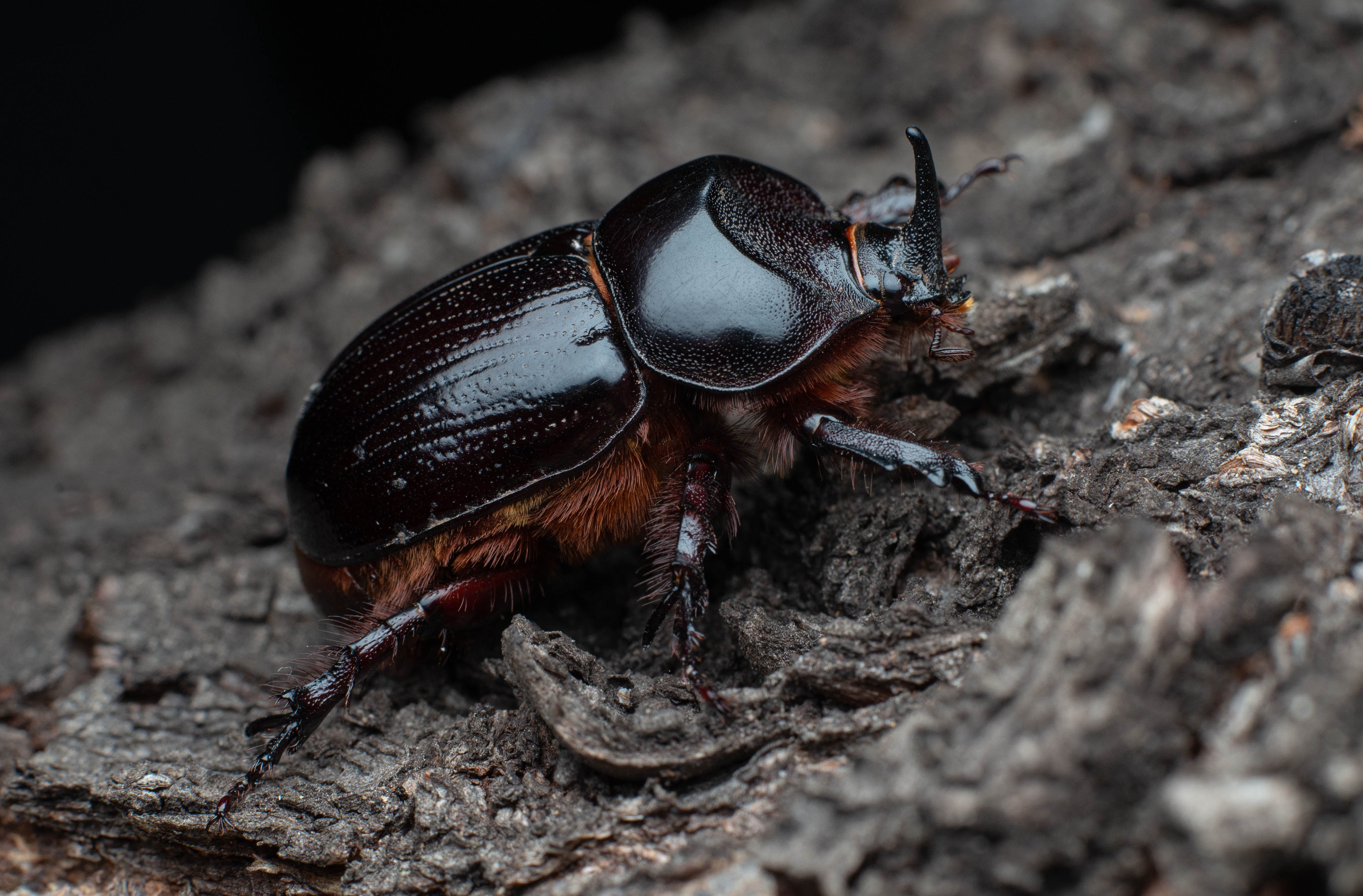
A passing thunderstorm decided to cut our visit short so we got back in the vehicles and headed up the road to Montezuma Pass. It was there we had lunch and watched the storm roll across the southern part of the Huachuca mountains. From here we continued on and eventually reached Copper Canyon. It was there we spent the remainder of our afternoon before eventually going back to the Airbnb for dinner and enjoying a nice blacklighting session right outside the house. Large rhinoceros beetles (Xyloryctes thestalus) made an appearance, as well as Chrysina gloriosa, Eumorpha typhon, and many others.
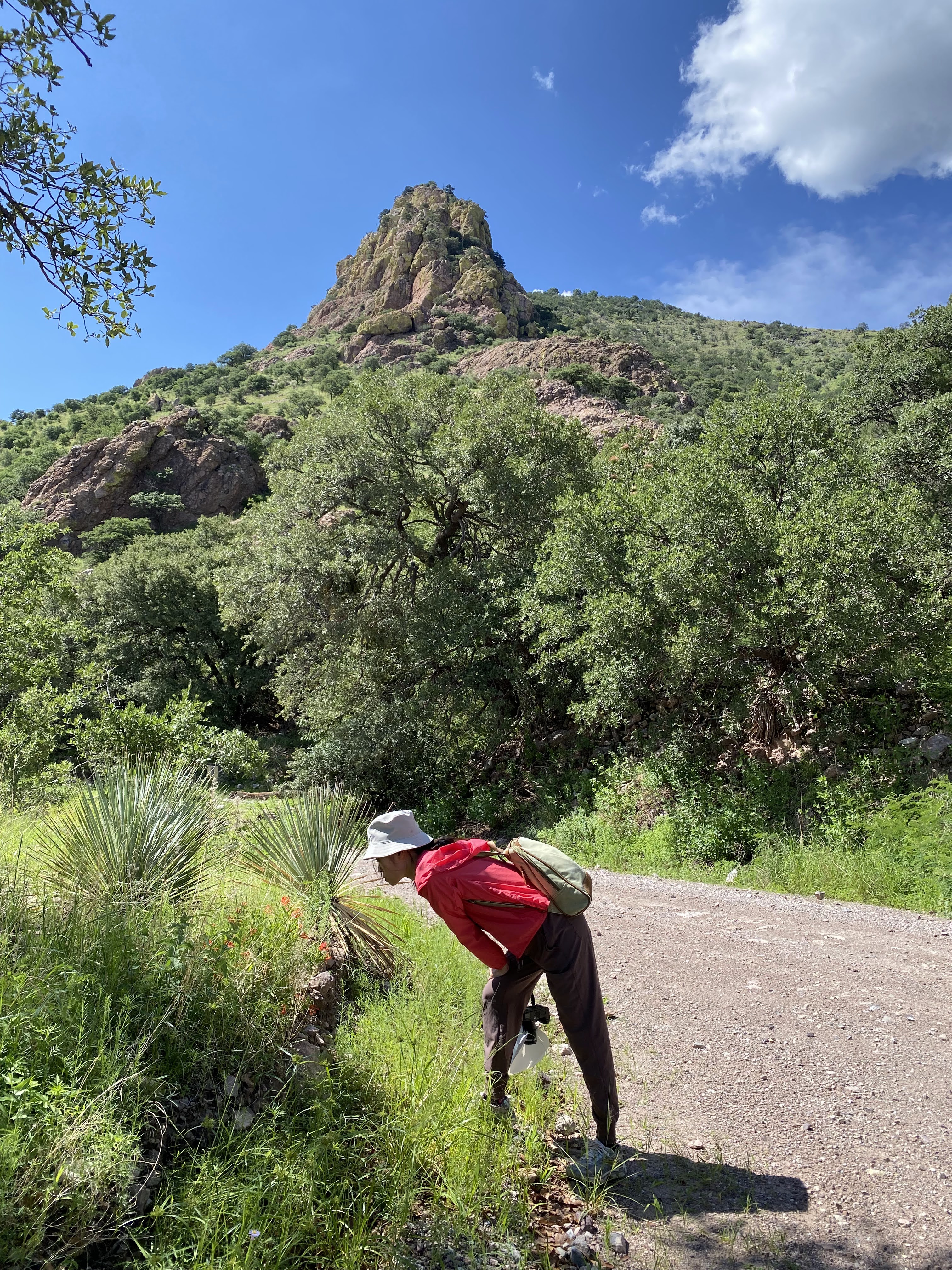
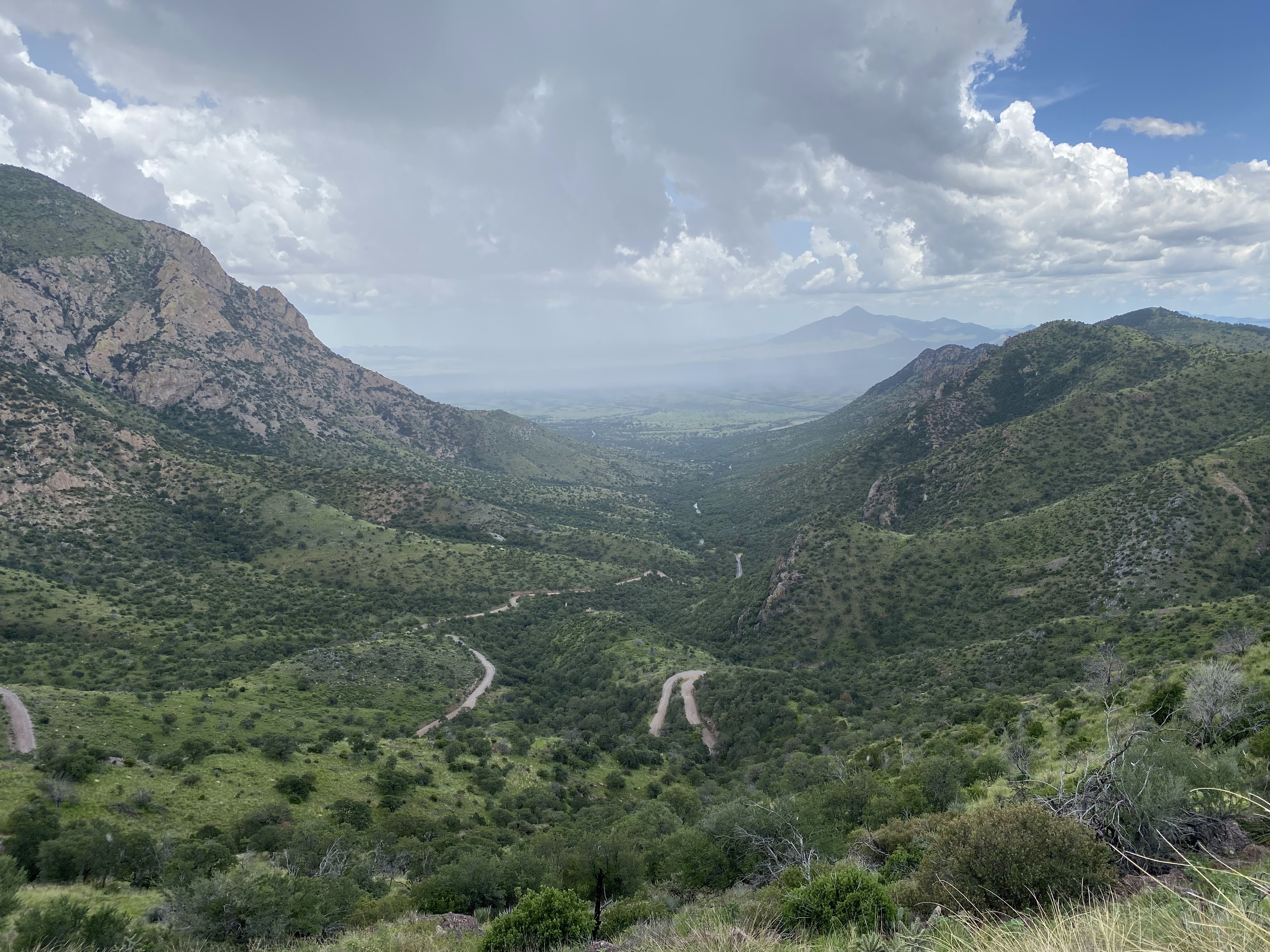
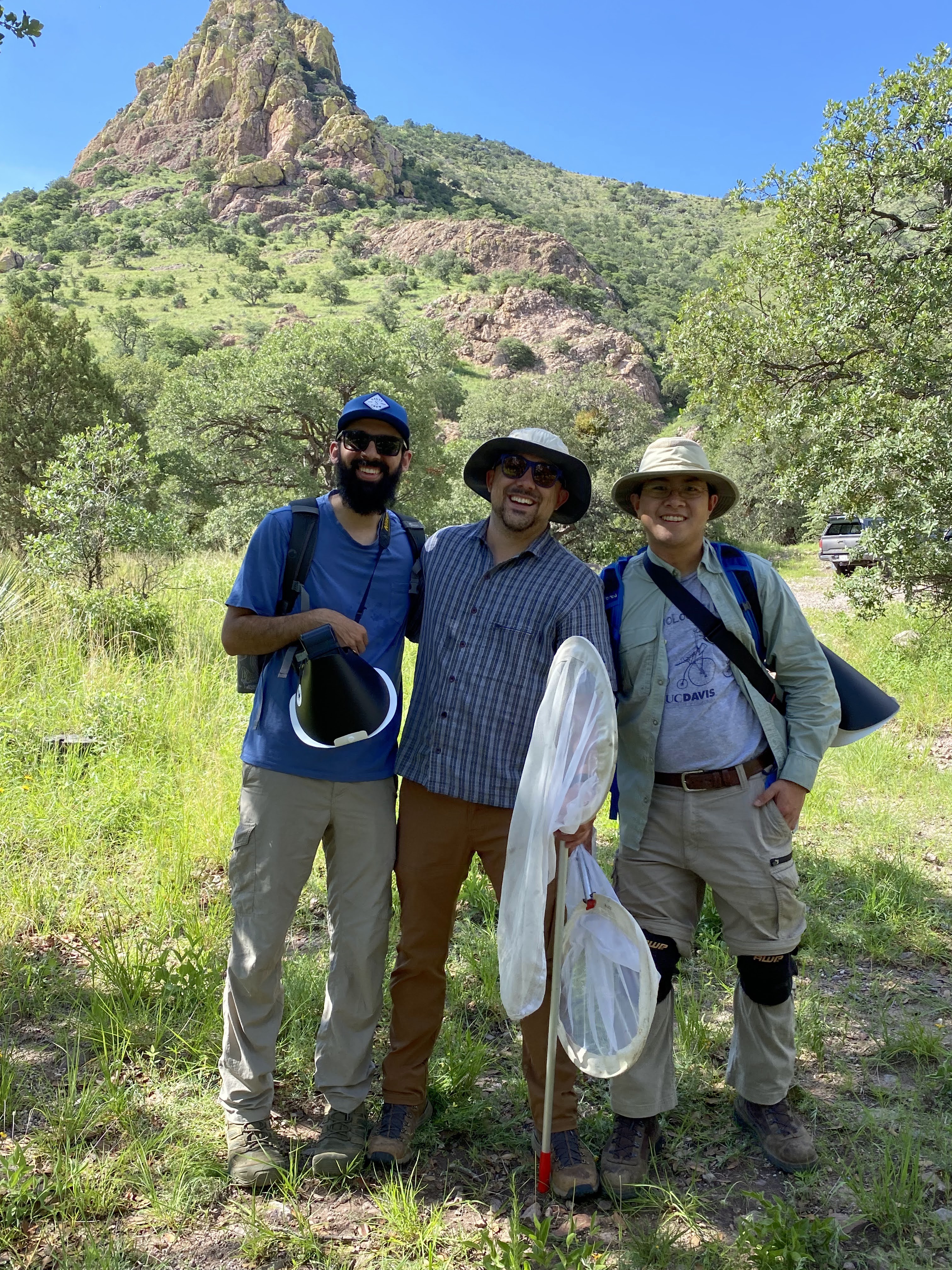

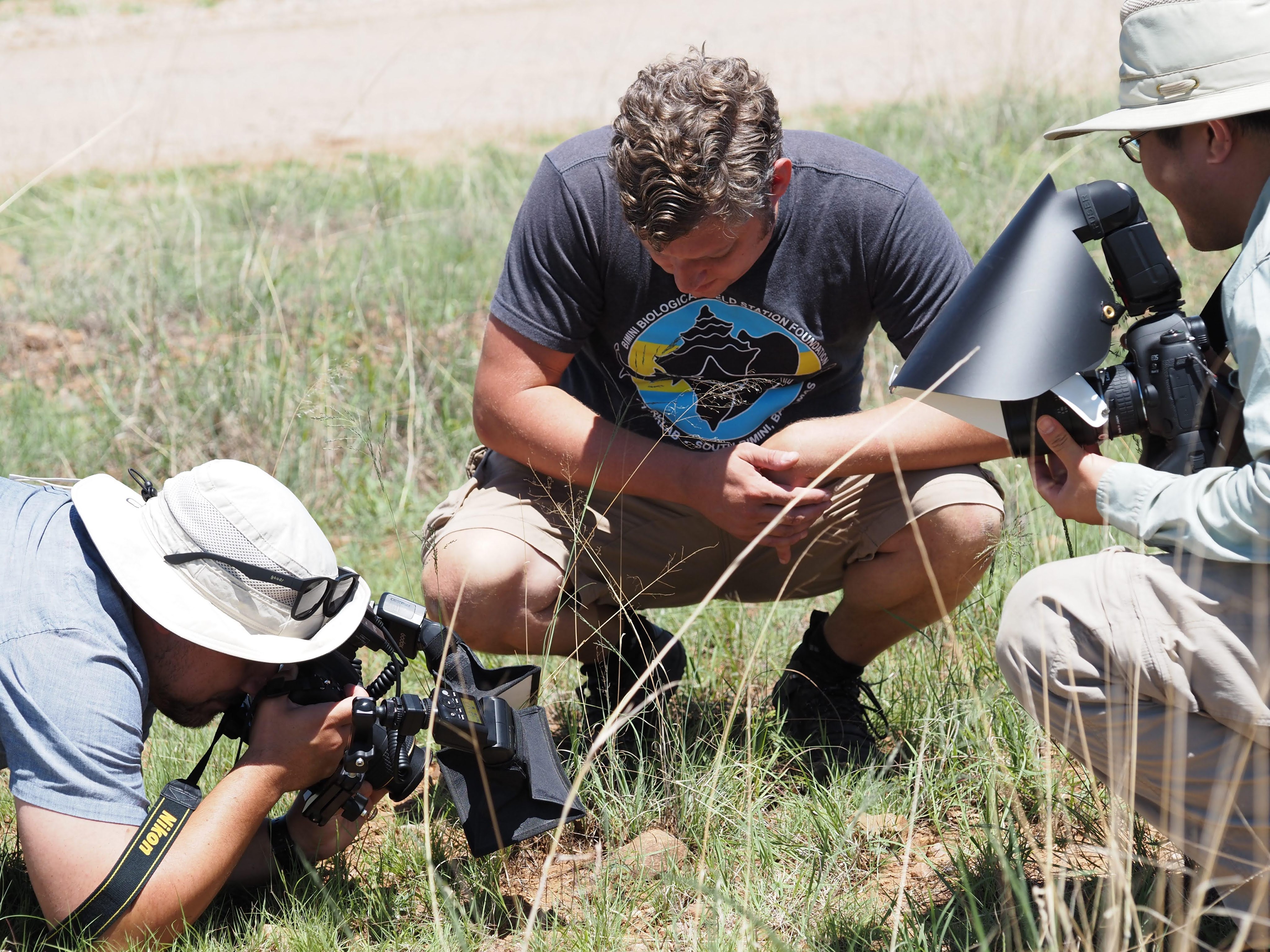
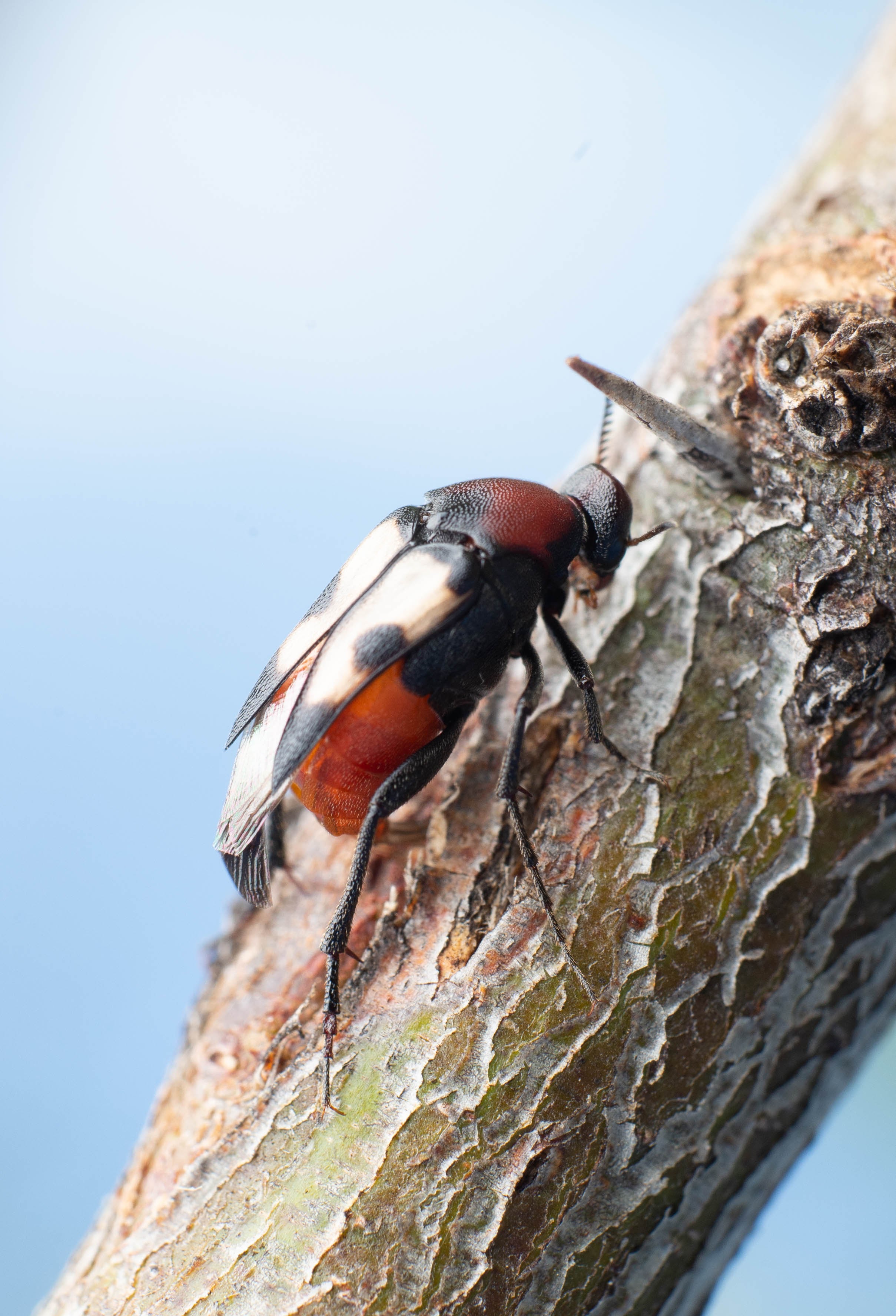
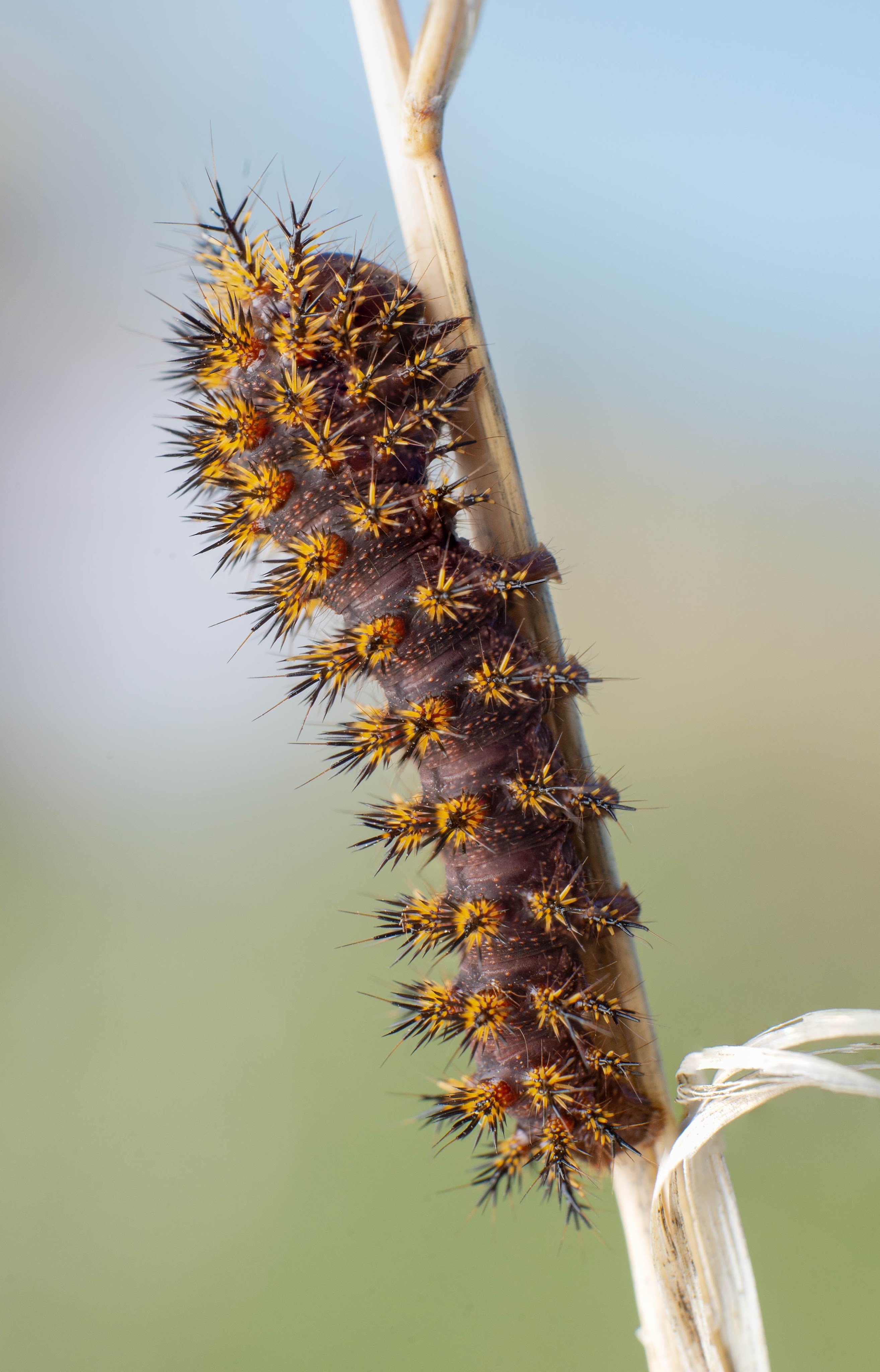
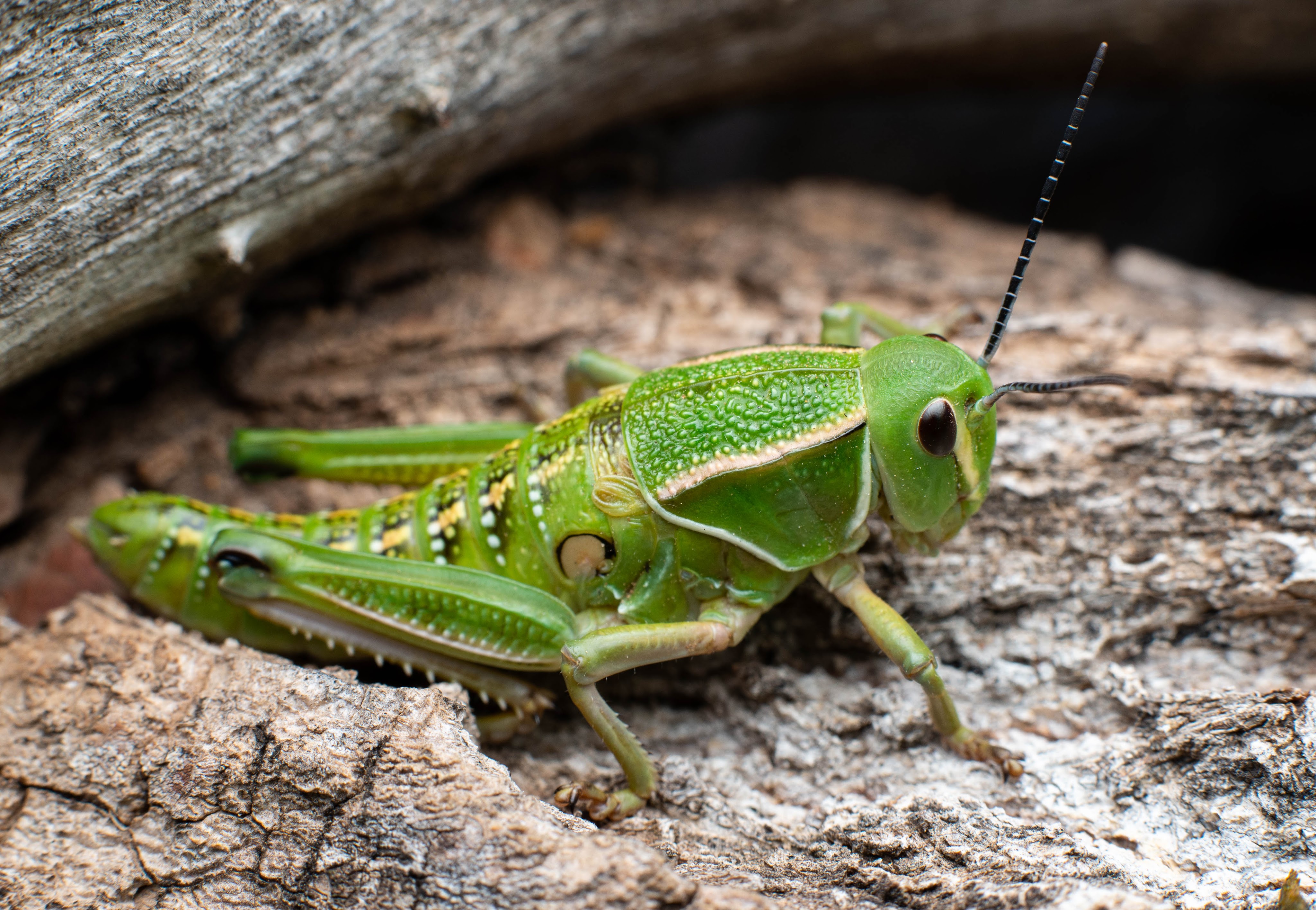
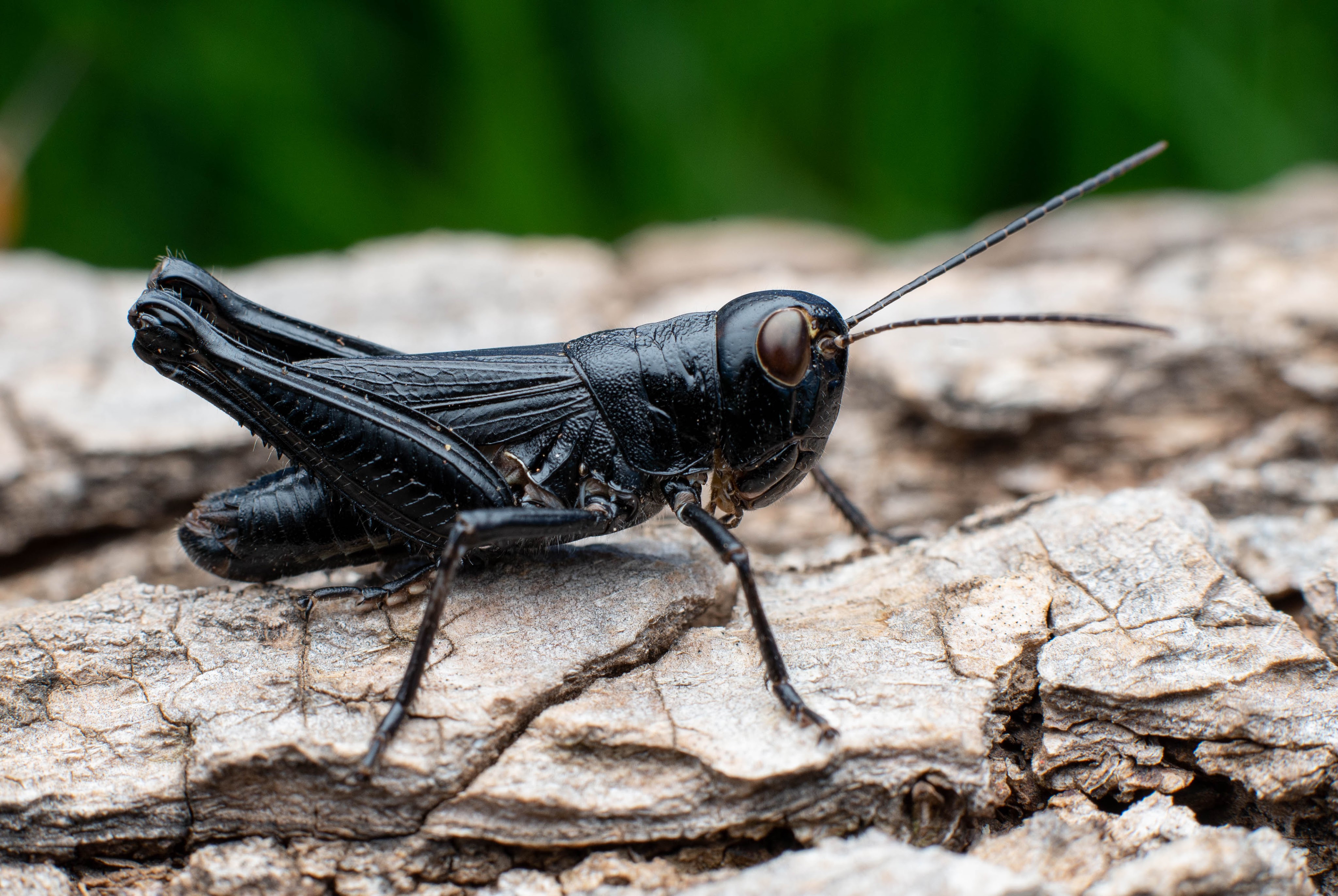
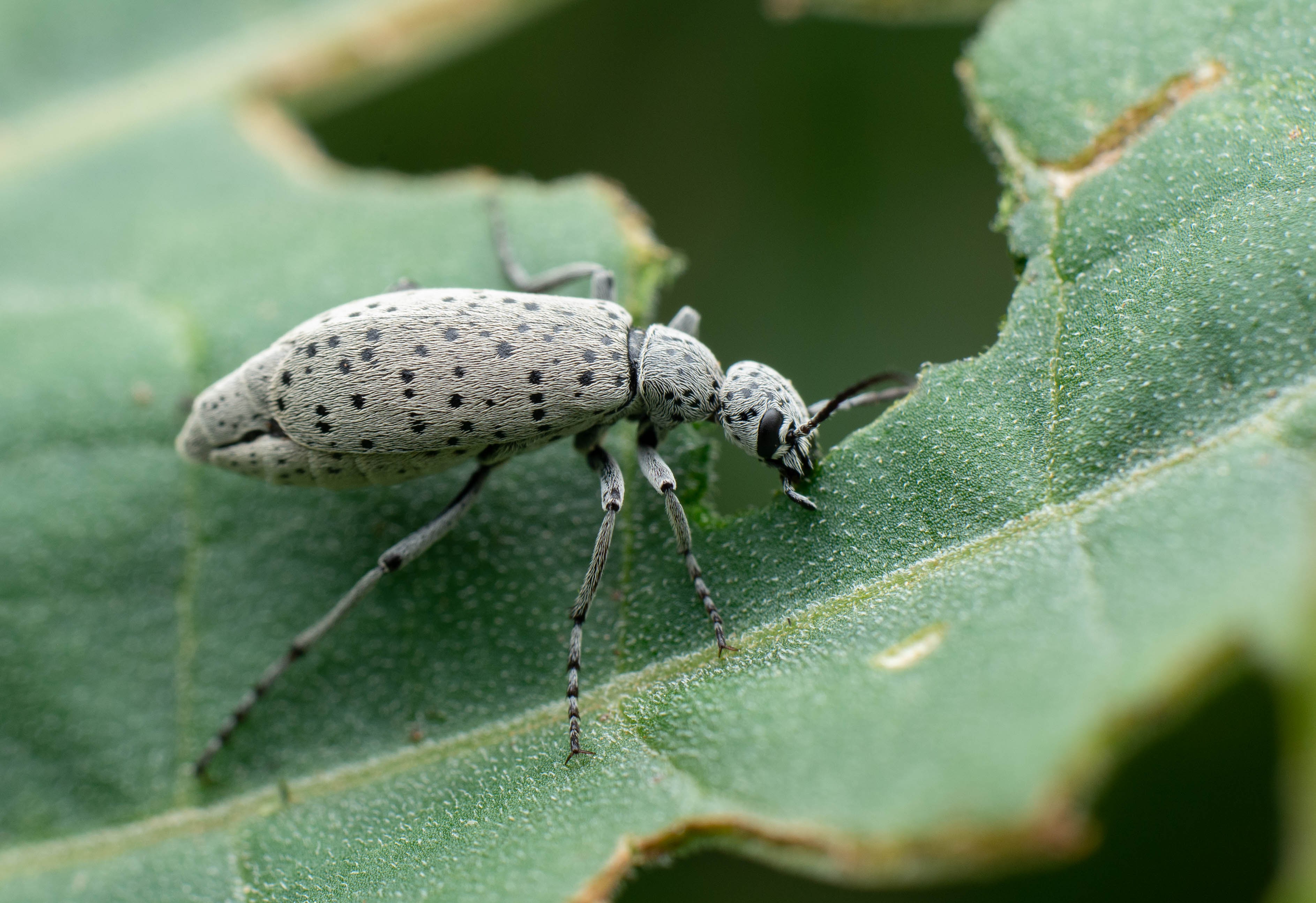
The next day we drove over to Patagonia to meet up with our good friend Jesse at his house. From there he guided us to the San Rafael State Natural Area, which is an expansive native grassland between two mountain ranges in southeastern Arizona. This was our first time here and we were shocked by the incredible diversity of insects present in the area. We encountered many species of grasshoppers, some of which I had never seen before, and many species of beetles. I even found a few caterpillars on some of the grass and sparse wild Solanum plants along the side of the road. This whole experience was quite amazing and I knew this would be a place we would visit again in the future.
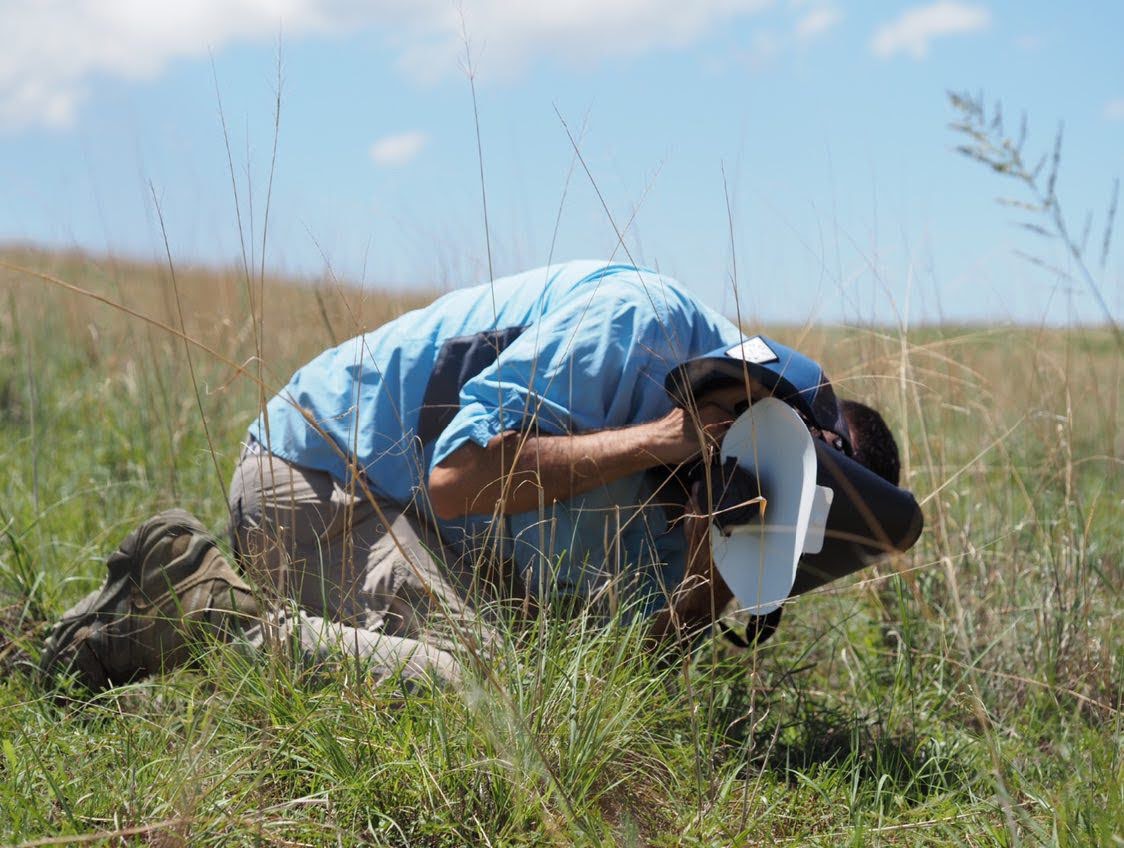

We eventually drove back into Sonoita and ate a late lunch at the Copper Brothel Brewery before parting ways with Jesse. I had originally planned a blacklight session in Ida Canyon with an acquaintance of mine, but saw an absolutely massive thunderstorm system moving very quickly over that area. So we decided to head back to base and hang out there for the rest of the night. Little did we know that the same system we were watching cover the Huachuca mountains was also passing over Bisbee. This provided some amazing lightning shows on the drive back and eventually led to a downpour of rain as soon as we got inside our Airbnb. The storm system lasted throughout the evening into the night and left a small creek running through the street. Thankfully, our last full day/night would stay dry enough for us to enjoy it.
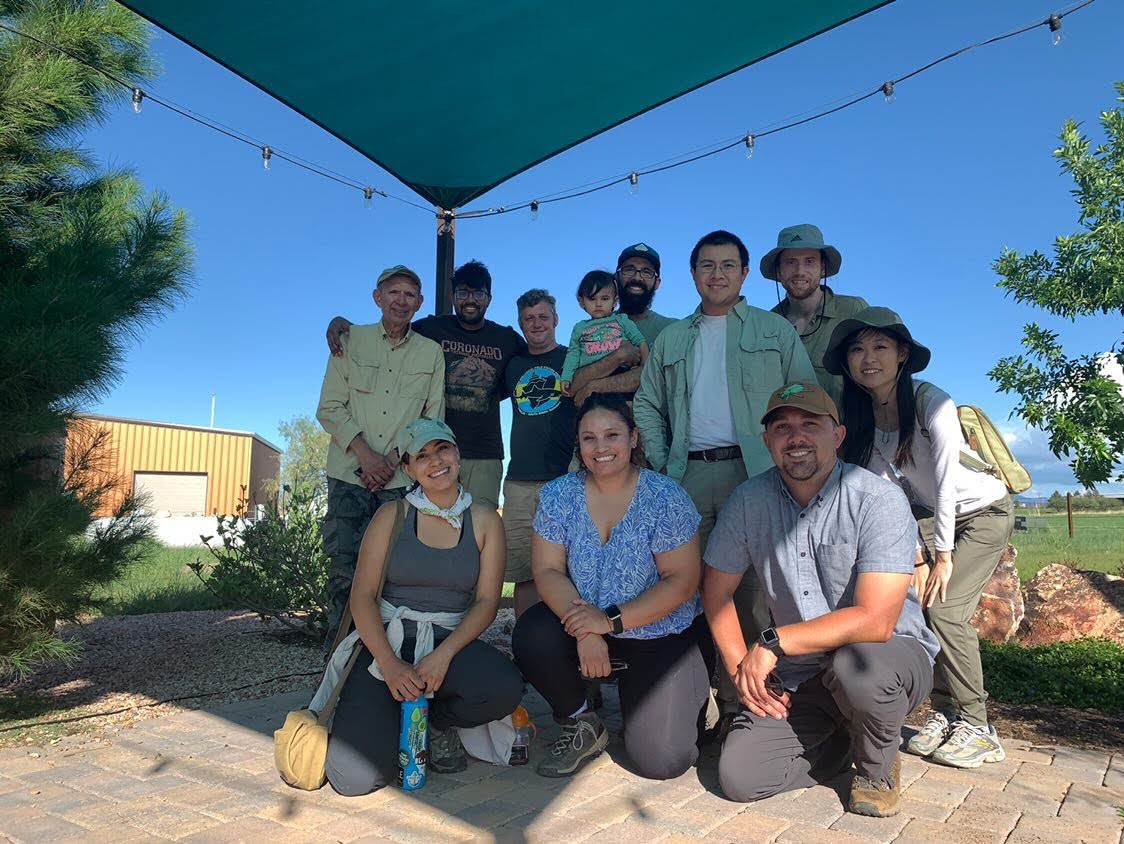
Sunset on an Incredible Adventure
Our last day in southeastern Arizona was very relaxing and full of enjoyable activities. We spent most of the morning getting everything ready for our departure the next day and in downtown Bisbee to pick up a few more things before heading out to our last destination of the trip. Once we were all ready, I guided everyone over to Box Canyon, an iconic place with many memories attached to it. We arrived fairly early to ensure the spot we wanted to black light in was not taken. After setting up we explored the area and found some interesting subjects.
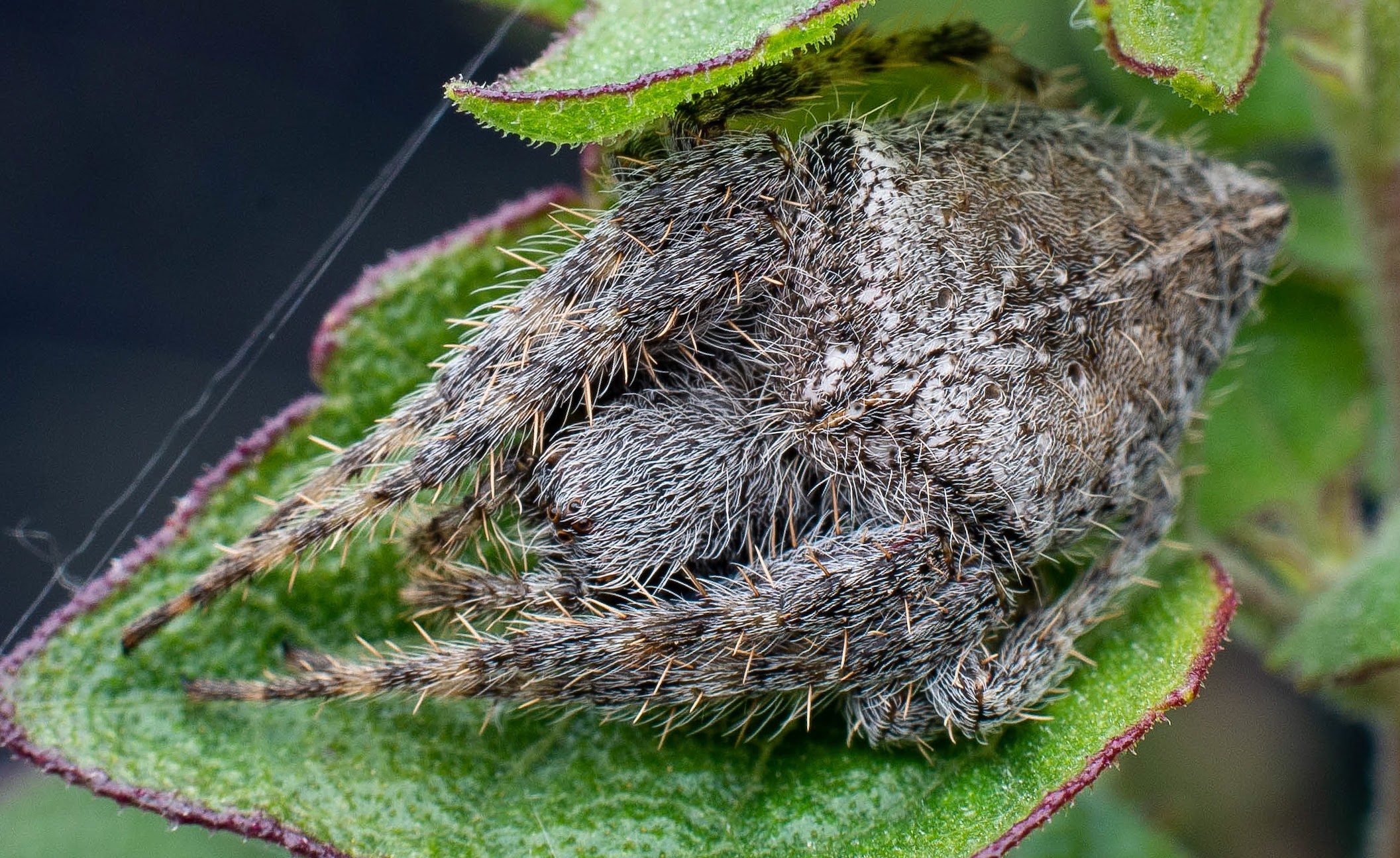
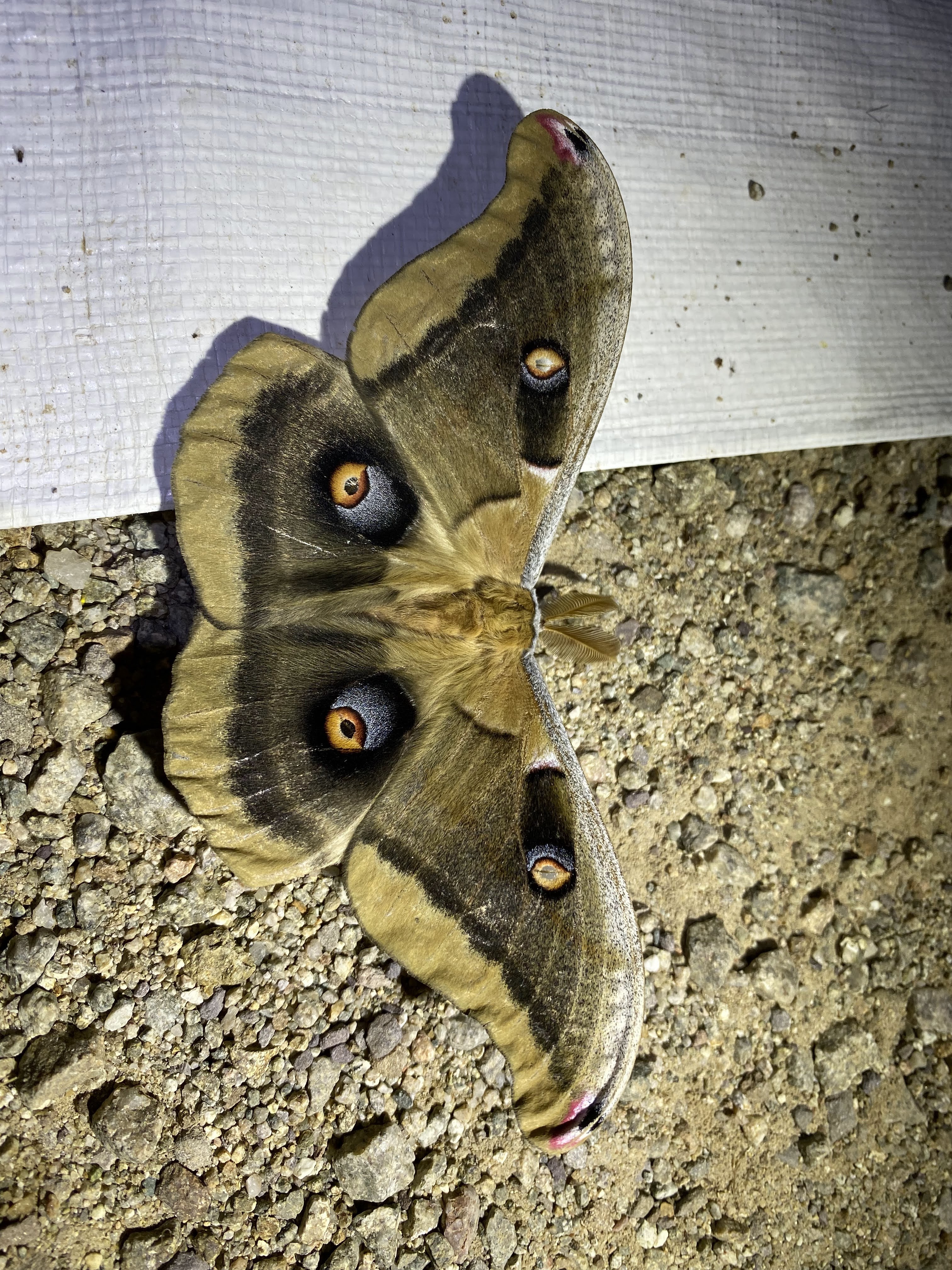
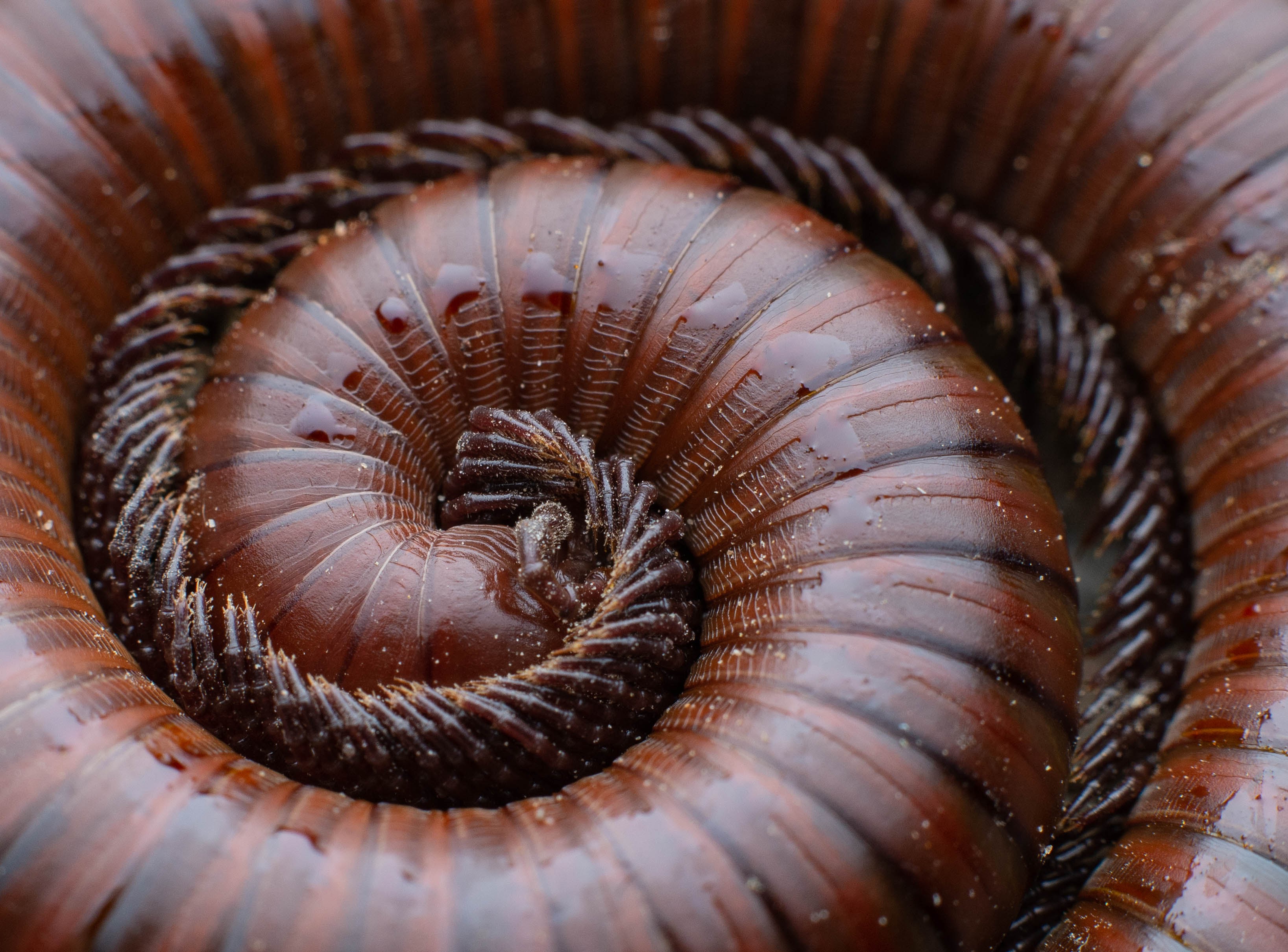
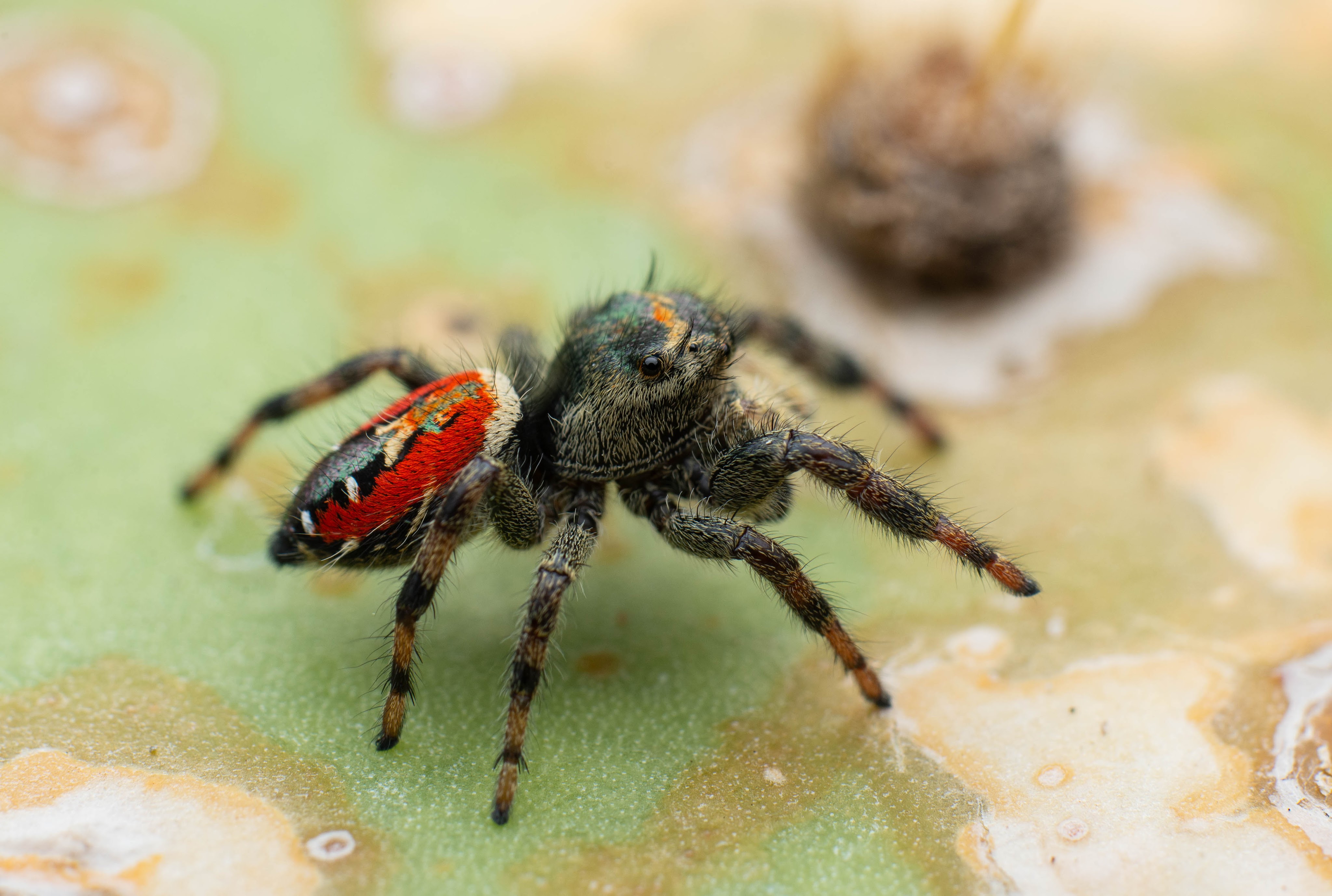
I found many Citheronia caterpillars on the wild cotton and a very cooperative jumping spider on a large prickly pear cactus. We found a few different beetle species on the nearby velvet pod mimosa as well. After the sun finally sank behind the mountains we headed back to our spot and turned on the lights and waited for the bugs to arrive. It was a bit slow initially but the activity picked up pretty quickly once it got dark. Many species of moths and beetles were present at the sheet, including the Western poplar sphinx (Pachysphinx occidentalis), rustic sphinx (Manduca rustica), Florestan sphinx (Manduca florestan), Rhinoceros beetle (Xyloryctes thestalus), Ox beetle (Strategus aloeus), the Splendid Royal moth (Citheronia splendens), and Western polyphemus moth (Antheraea oculea). We even had a surprise visit from a desert millipede (Orthoporus ornatus) and the giant water bug (Lethocerus medius).
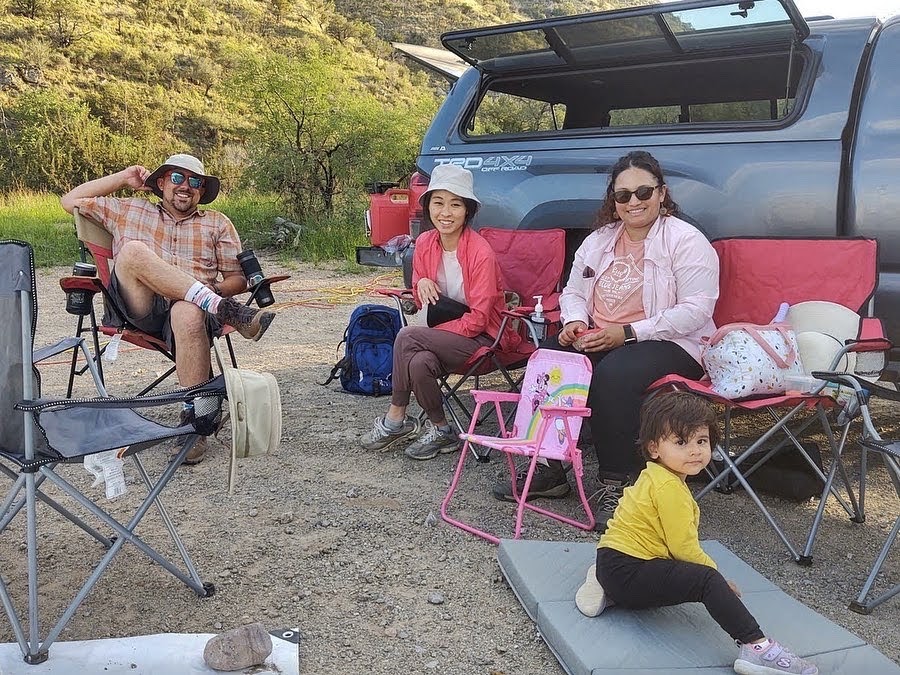

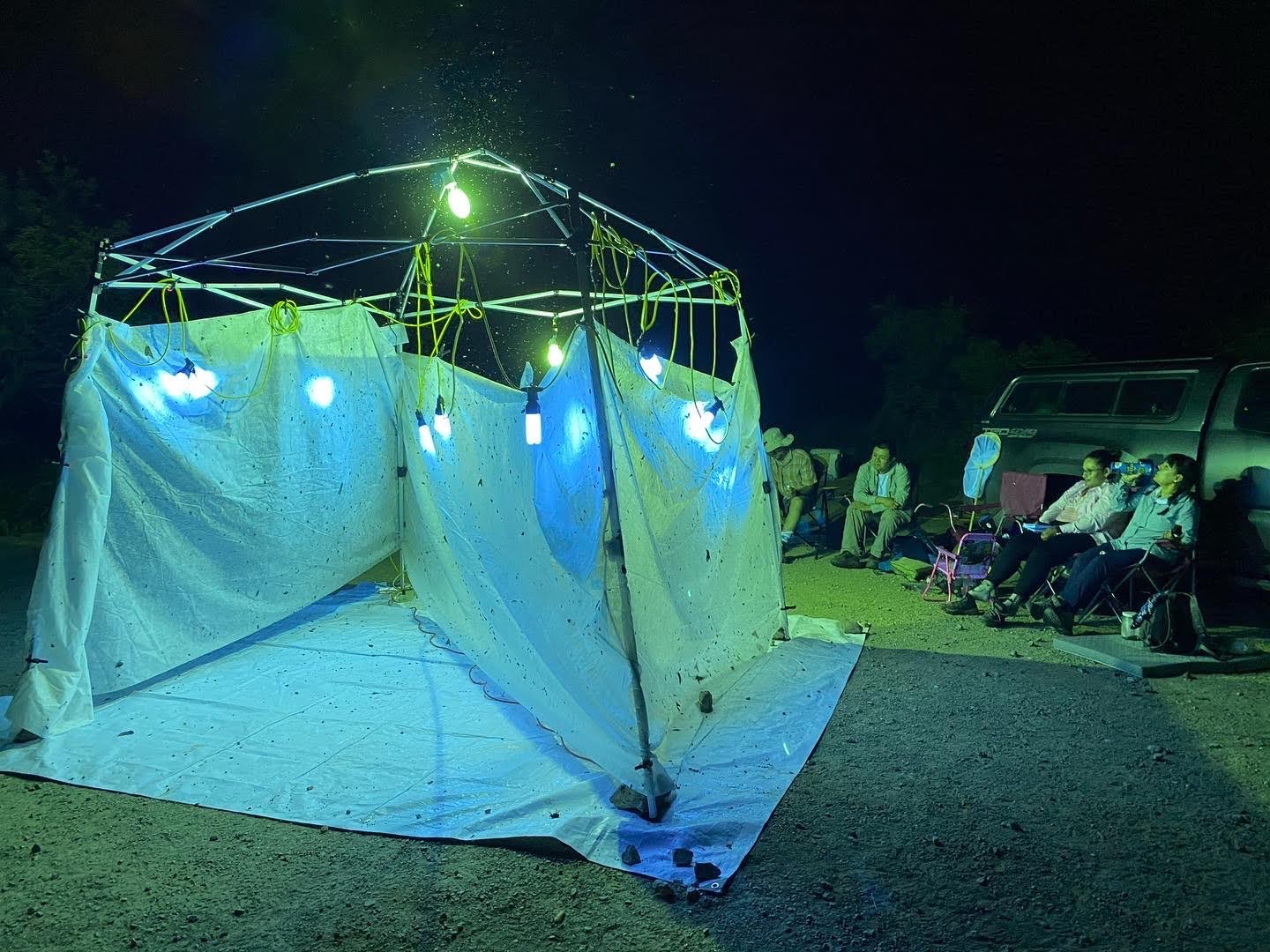
The night was full of insects and everyone really enjoyed themselves. We stayed there till around midnight and then decided to head back to rest for our long drive back home the following day. This year’s trip was incredible and full of unforgettable memories. Everyone’s contribution to the trip made it that much more enjoyable and I was very glad to share this experience with all of them. I can’t wait for what the trip in 2023 has in store for us!

 The Adventures of Mothman