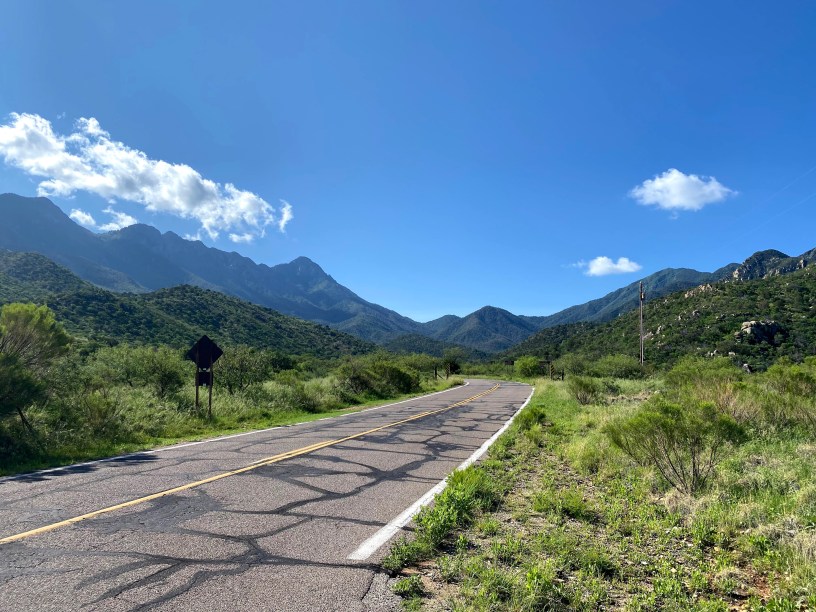
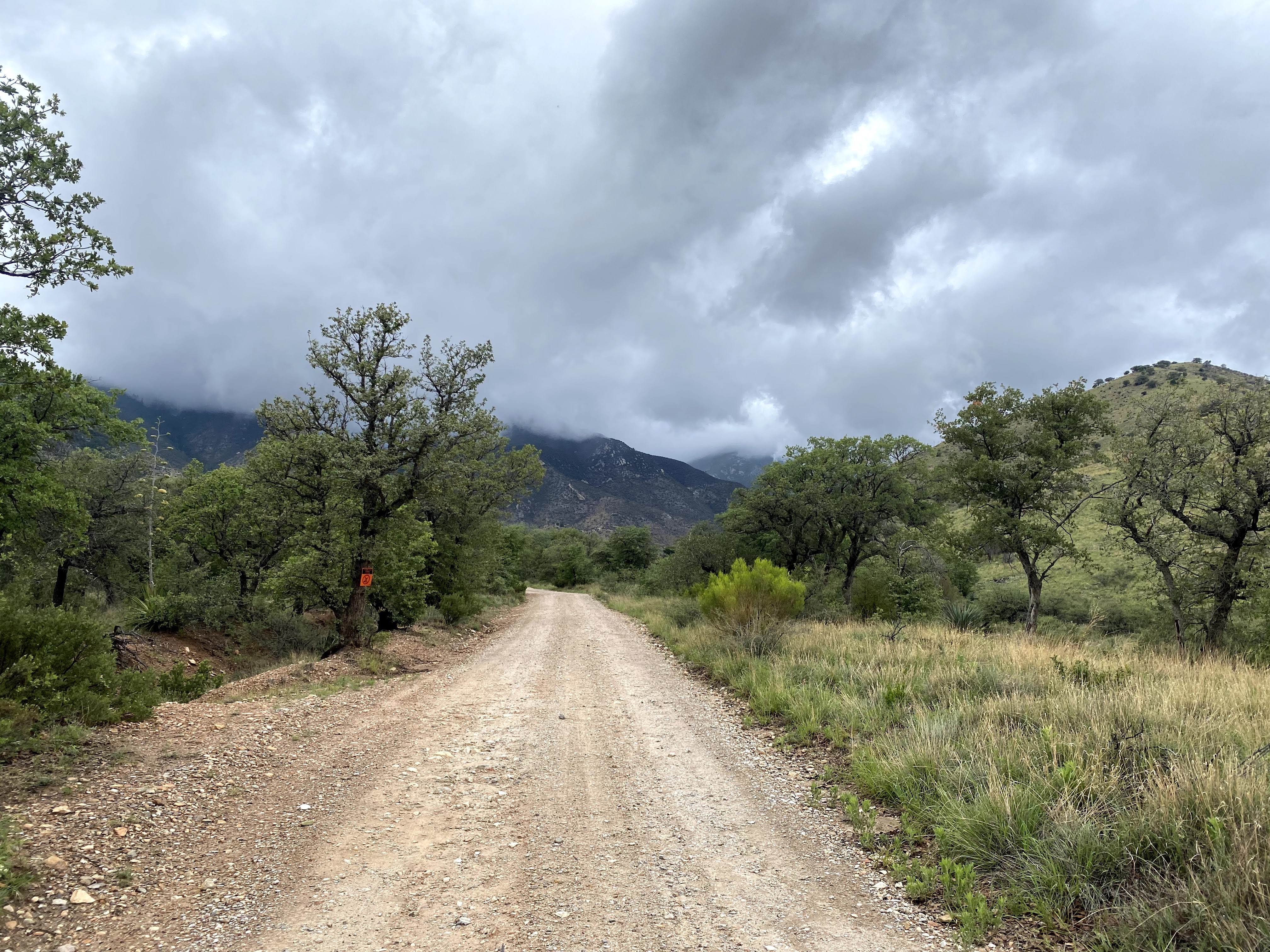
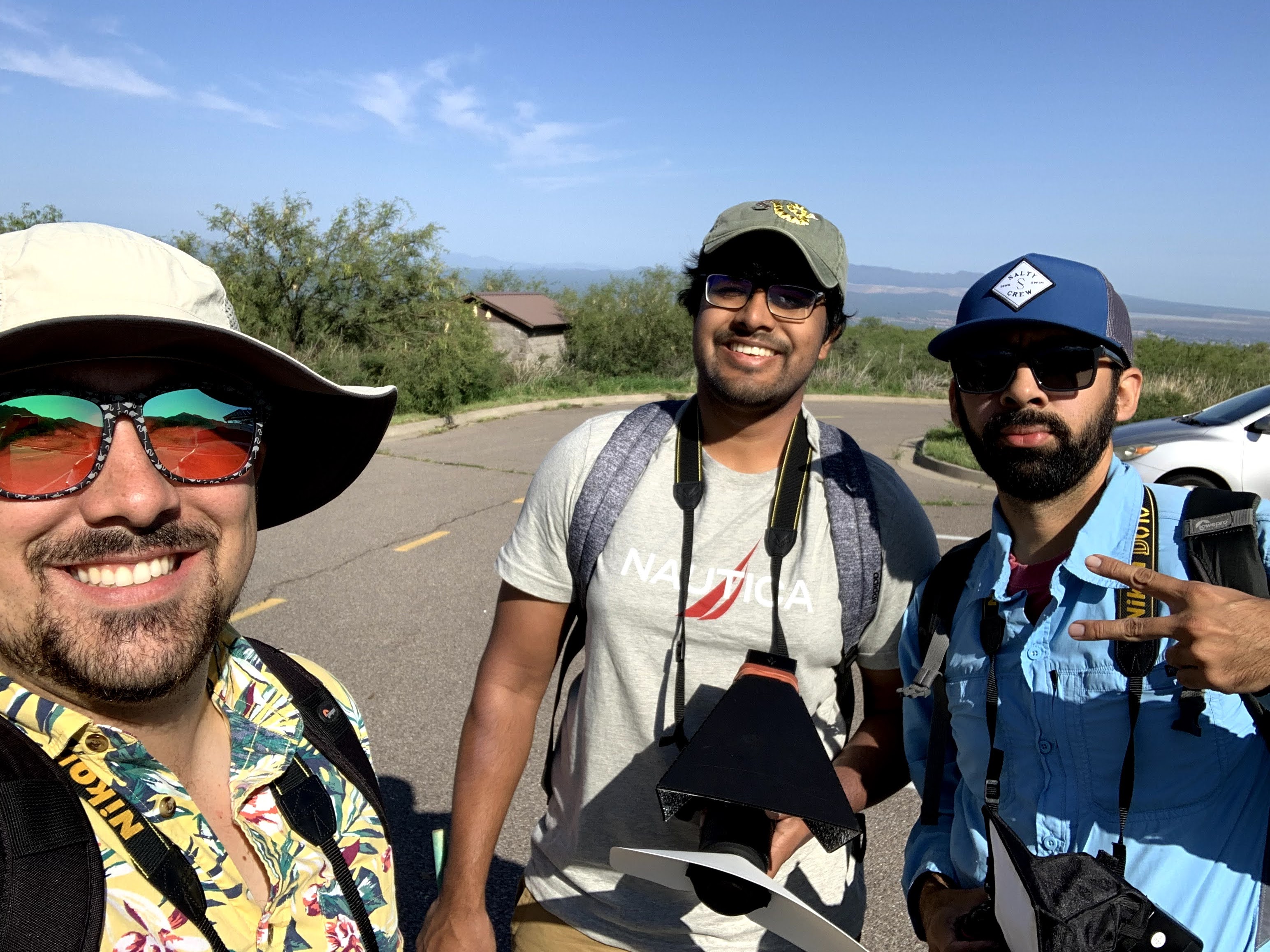
After a year hiatus from long distance travel, I was finally able to make it back down to southern Arizona for some much needed nature therapy. I was joined by my good friends and fellow entomologists, Marko and Lohit. I decided to do this last minute trip as a one last hurrah for Lohit before he moved to the east coast for grad school. Our team of 3 managed to come up with some quick plans before our departure and decided that this would be more of a photography focused adventure. With a small side of collecting of course. After we landed in Tucson and readied our rental vehicle, we were off on our adventure into a familiar, yet fresh environment.
New Faces, Same Locations
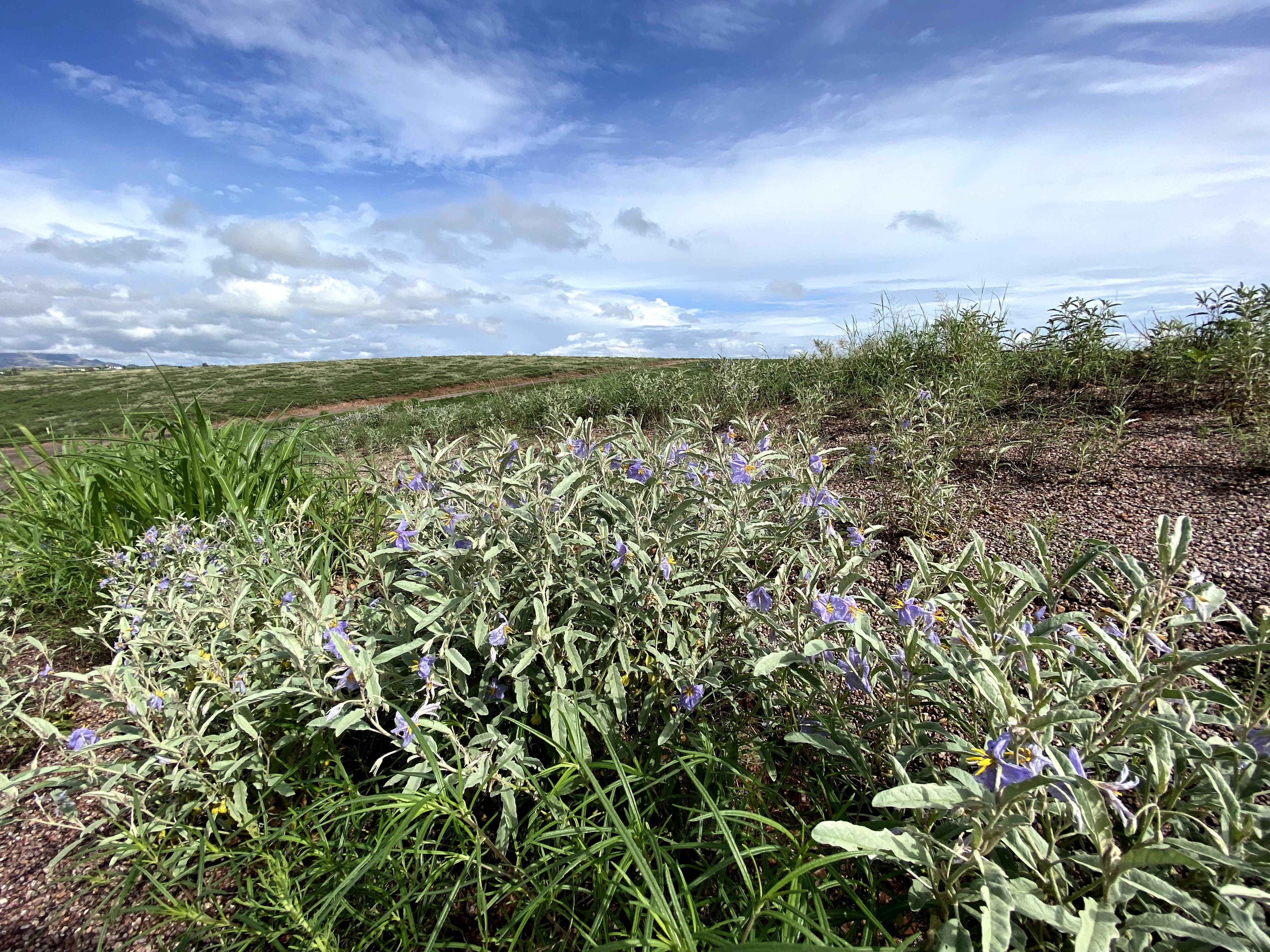
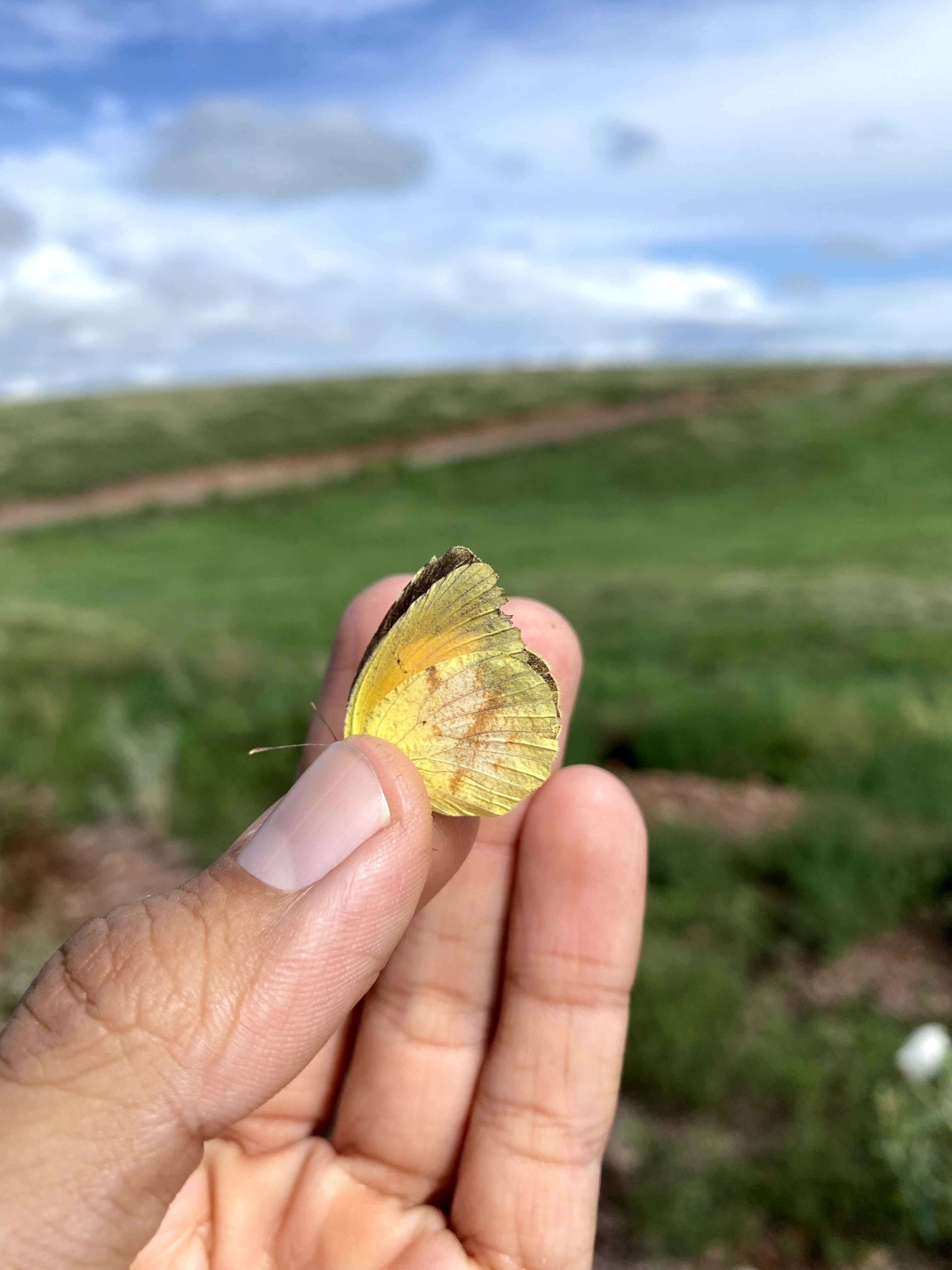
After arriving at our base camp (Airbnb), we quickly unloaded our luggage, grabbed our insect equipment, and began exploring the area. The weather was a bit unstable with some mild off and on drizzle, but after a short while the sun finally came out. There wasn’t a whole lot flying around that we from what we could see but there was enough to get our attention. I spotted a couple species of butterflies including the sleepy orange (Eurema nicippe), Mexican fritillary (Euptoieta hegesia), Mexican yellow (Eurema mexicana), and a few dainty yellows (Nathalis iole). These species were very fast when not attempting to nectar so I had to be quick with my net if I wanted to catch, phtotograph, and release one. Thankfully I managed to snap a few photos of some individuals and was excited for whatever I was to encounter next.


Two acquaintances of ours recently moved to the area and we were hoping to meet up with them but ended up having to wait due to the rains causing serious flooding, preventing them from leaving their homes. As a back up plan, we decided to go to Patagonia and explore the surrounding area. We went down Harshaw Creek road to see if we could find anything of interest but were unsuccessful. The weather began to turn again and large dark clouds appeared on the horizon.
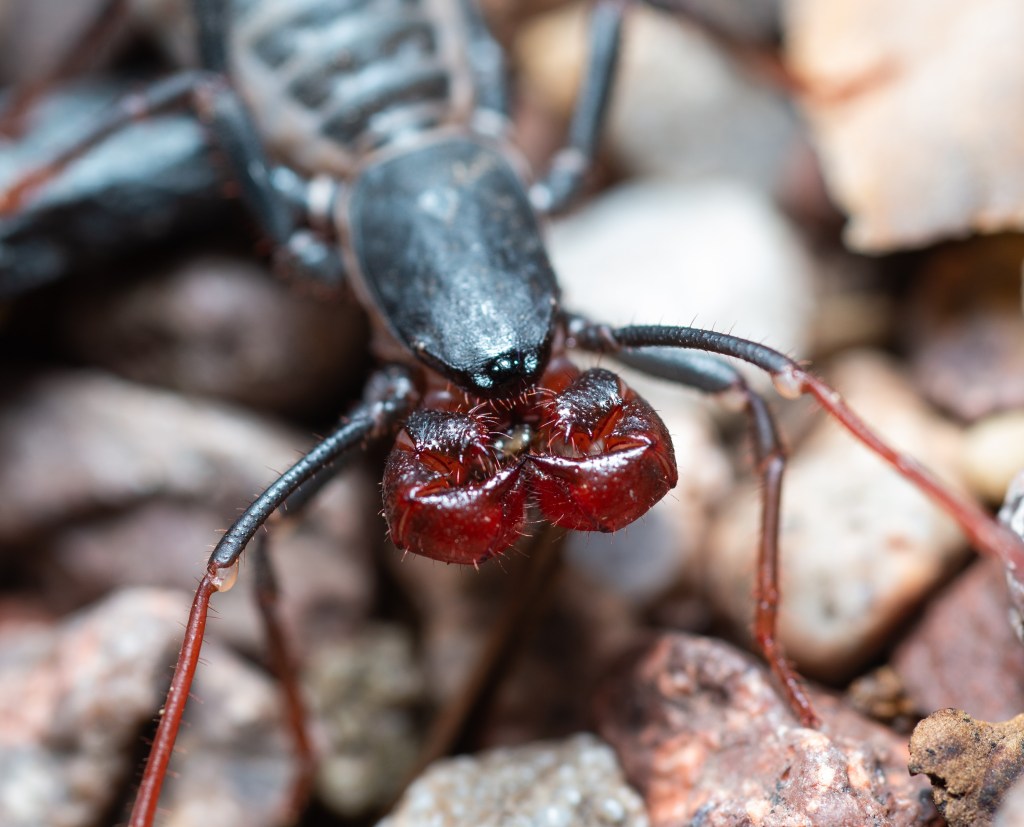
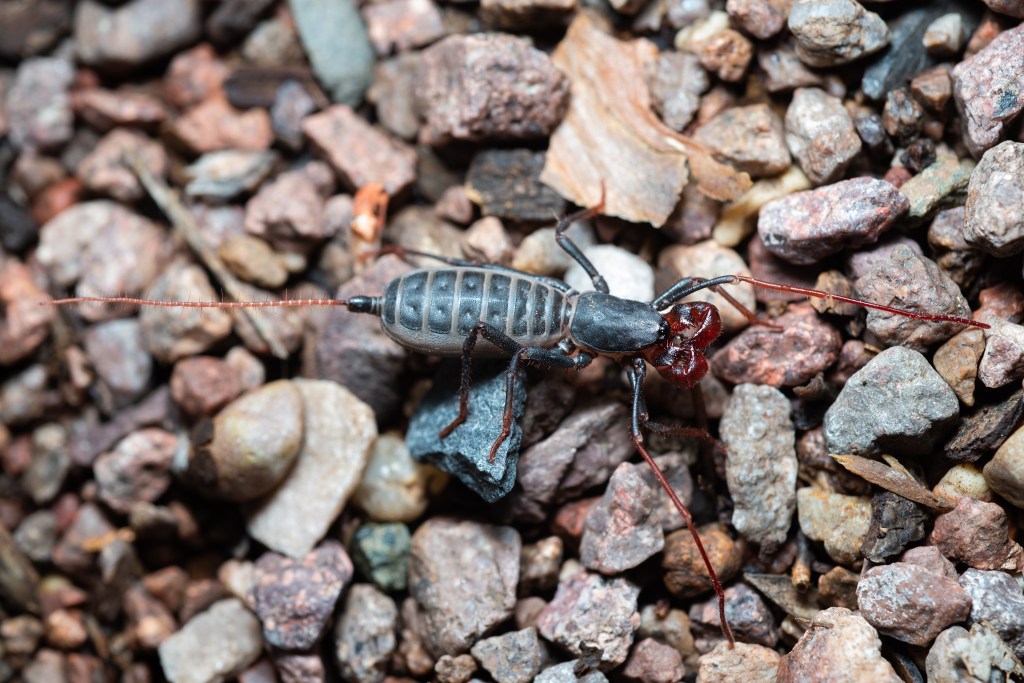
We quickly searched through a small garden at the park in the center of downtown Patagonia and were very surprised to find a small vinegaroon. In Arizona the giant North American vinegaroon (Mastigoproctus giganteus) can be commonly found under rocks and areas with dense foliage on the ground. They can grow to up to 6 cm (2.4 in) and utilize their large modified forelimbs to catch and crush their prey. Their name comes from the liquid they can spray from their tails smelling like acetic acid (aka. vinegar), hence the name vinegaroon.

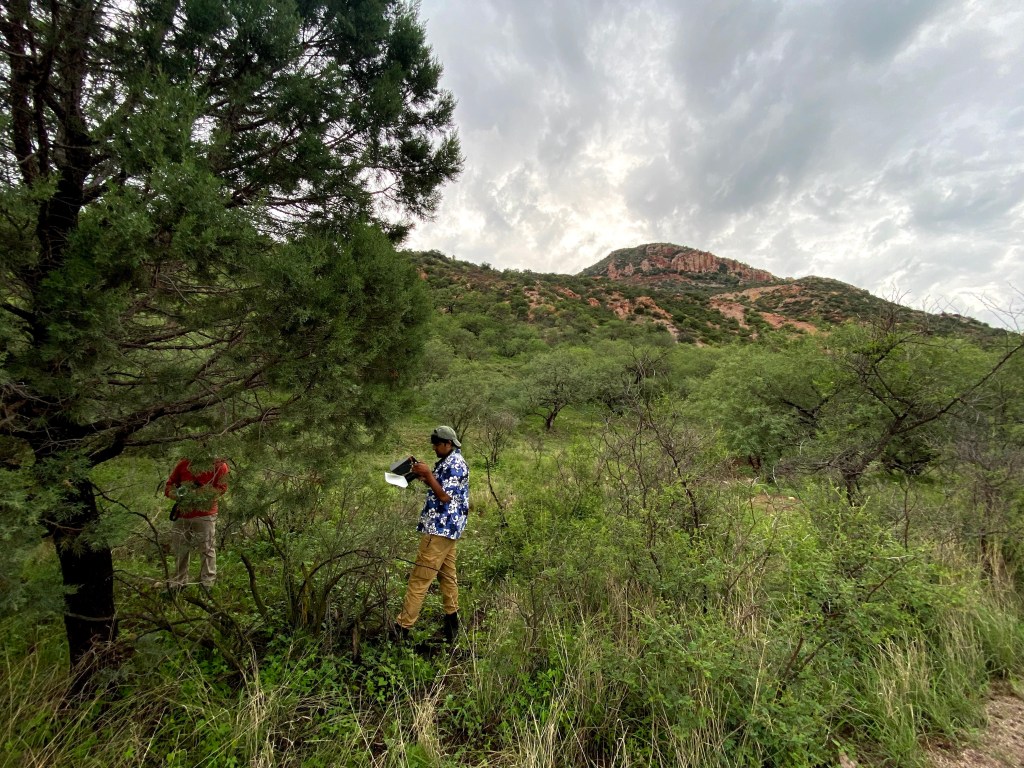
The next day didn’t start off too promising with weather being over cast and a light, on and off rain that didn’t seem to want to let up. Despite the unfavorable conditions, we still managed to explore an area during a break in the rain. We decided to check out Miller and Ash canyons on the east side of the Huachucas. The weather was still a bit over cast but the rain at least had subsided for the time being. While in Miller Canyon we encountered a decent amount of insect diversity and were able to document most of what we found thanks to the cool cloudy weather.
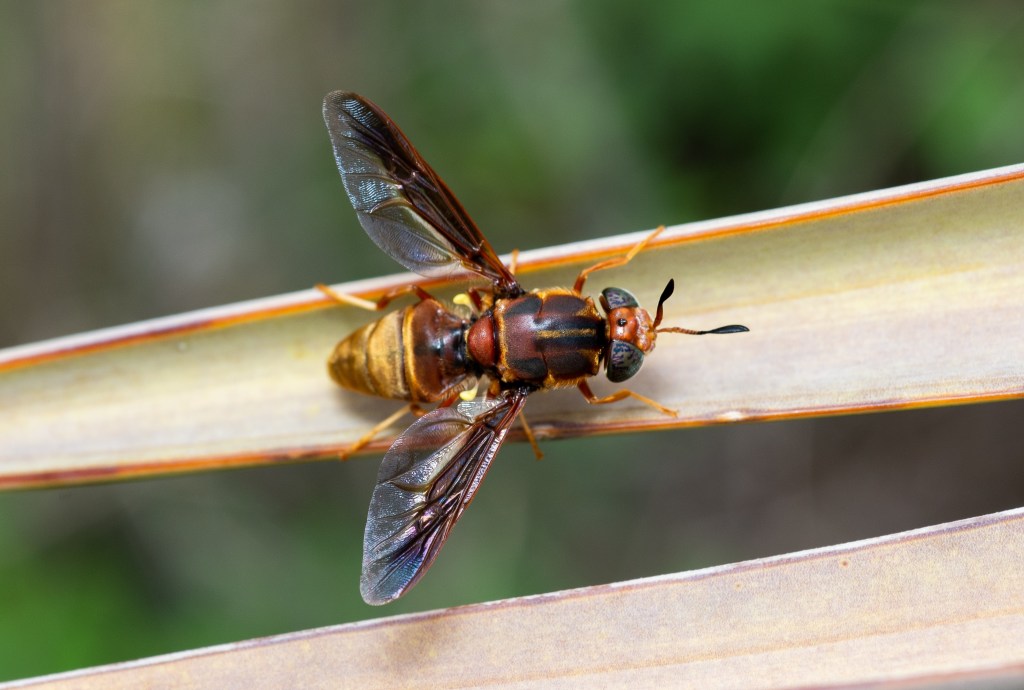
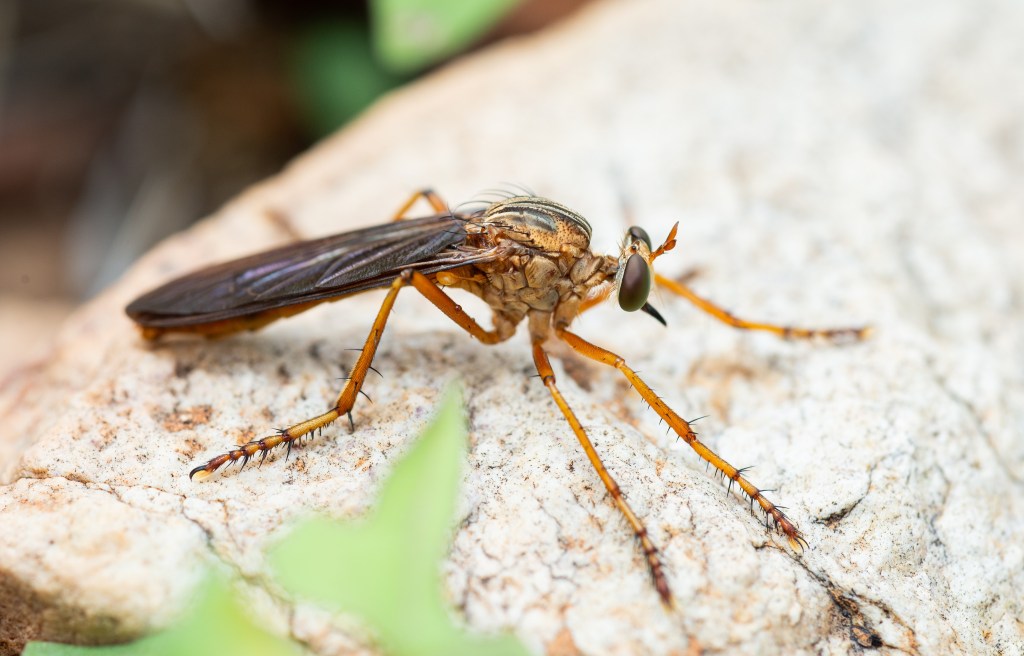
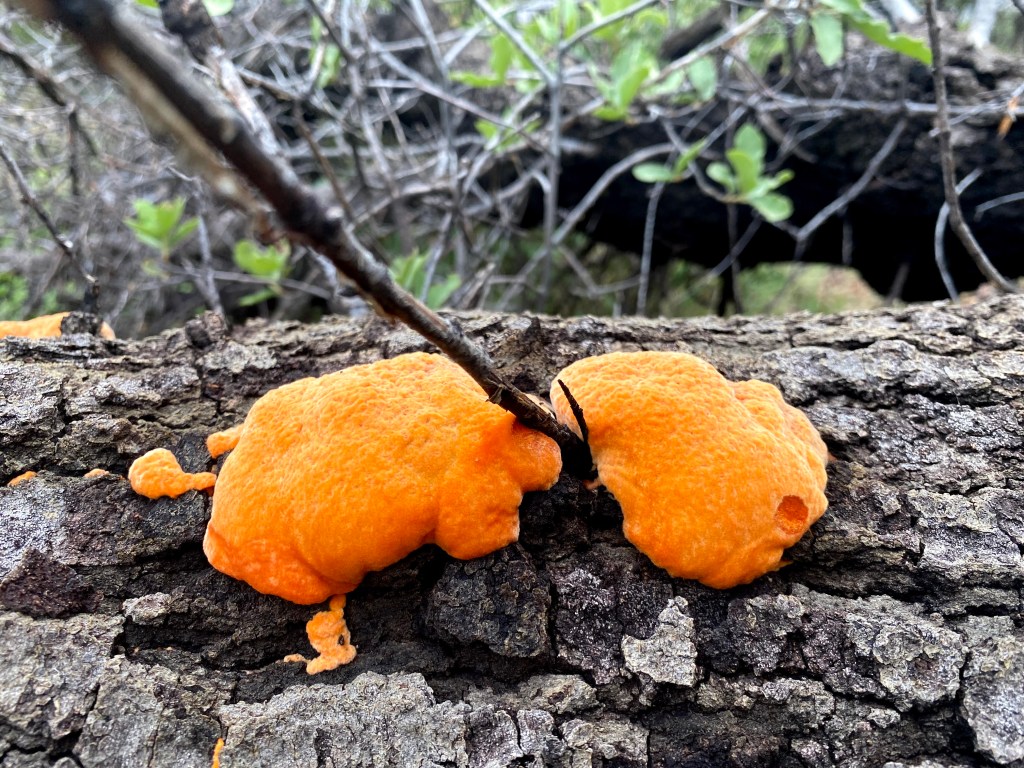
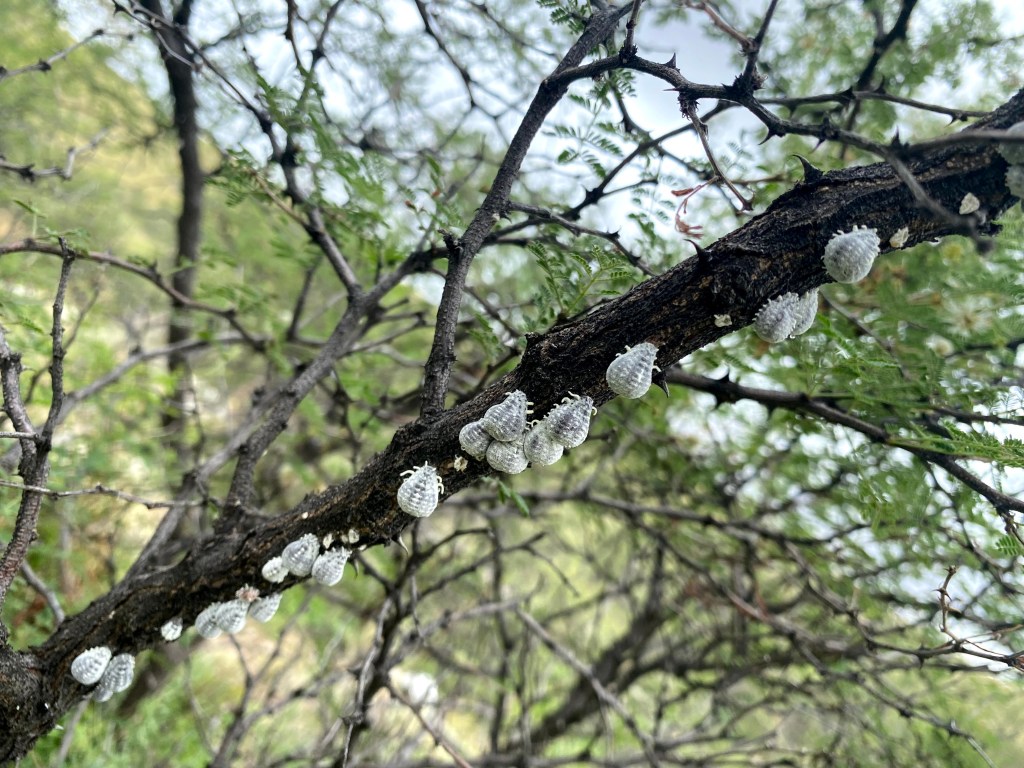
We found a couple different robber fly species, one of which (Diogmites sp.) we were able to photograph, a wasp mimic hover fly, and some strange mealy bugs under the branches of the mimosa shrubs. We also witnessed a fly by of an absolutely massive tarantula hawk wasp (Pepsis sp.), but were unable to secure it in a net for a closer look.
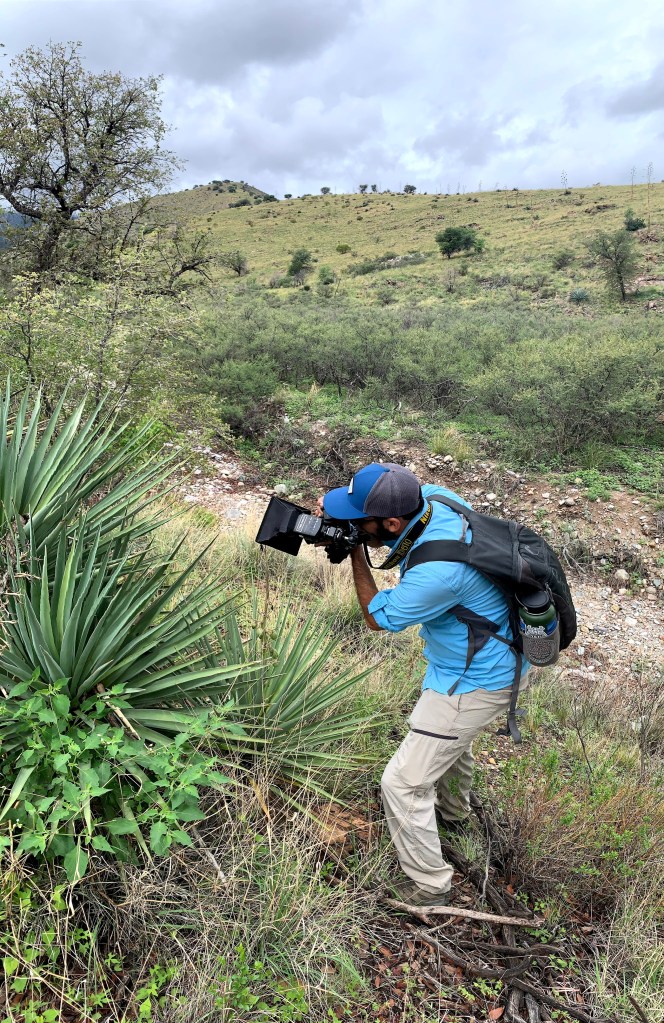
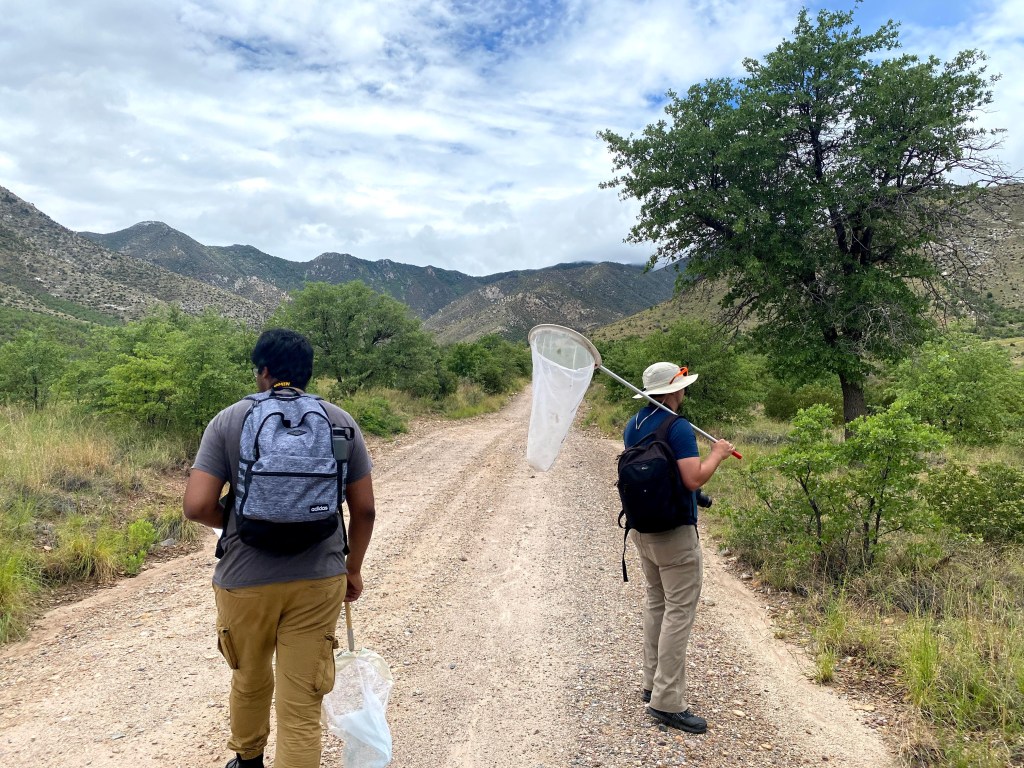
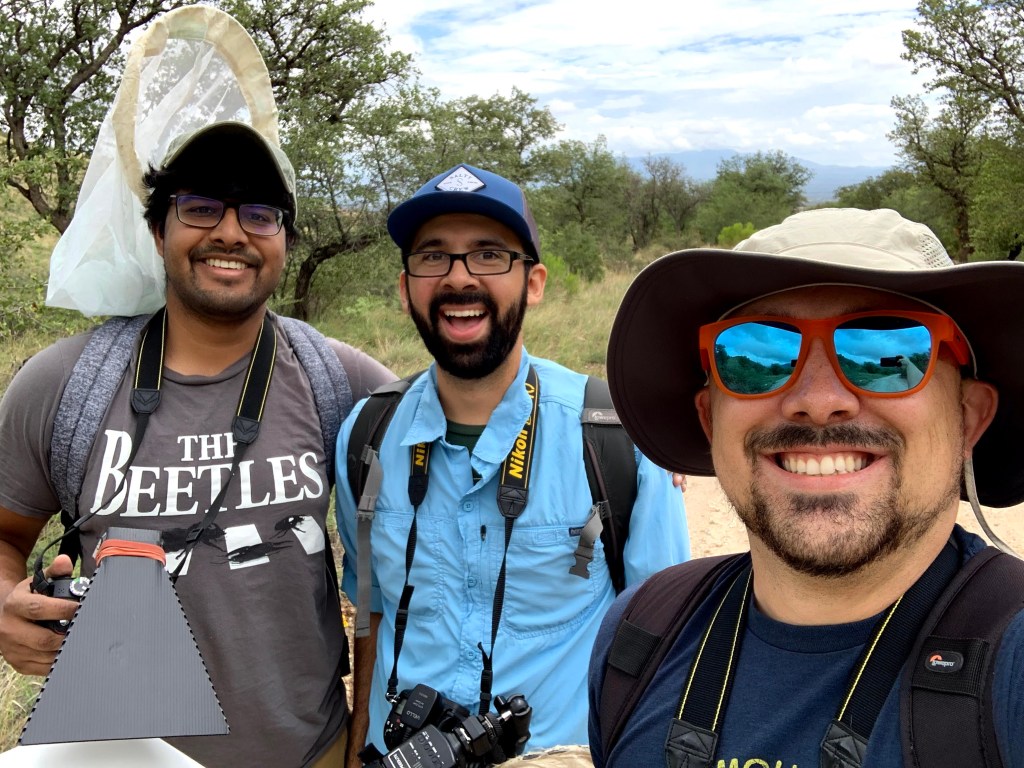
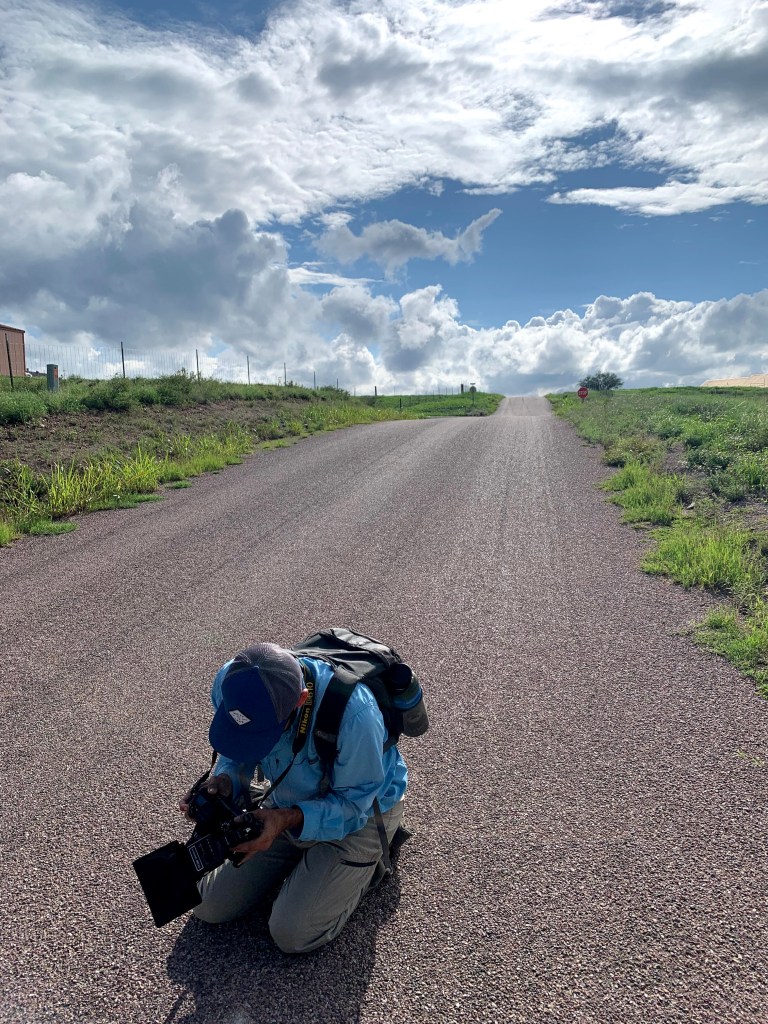
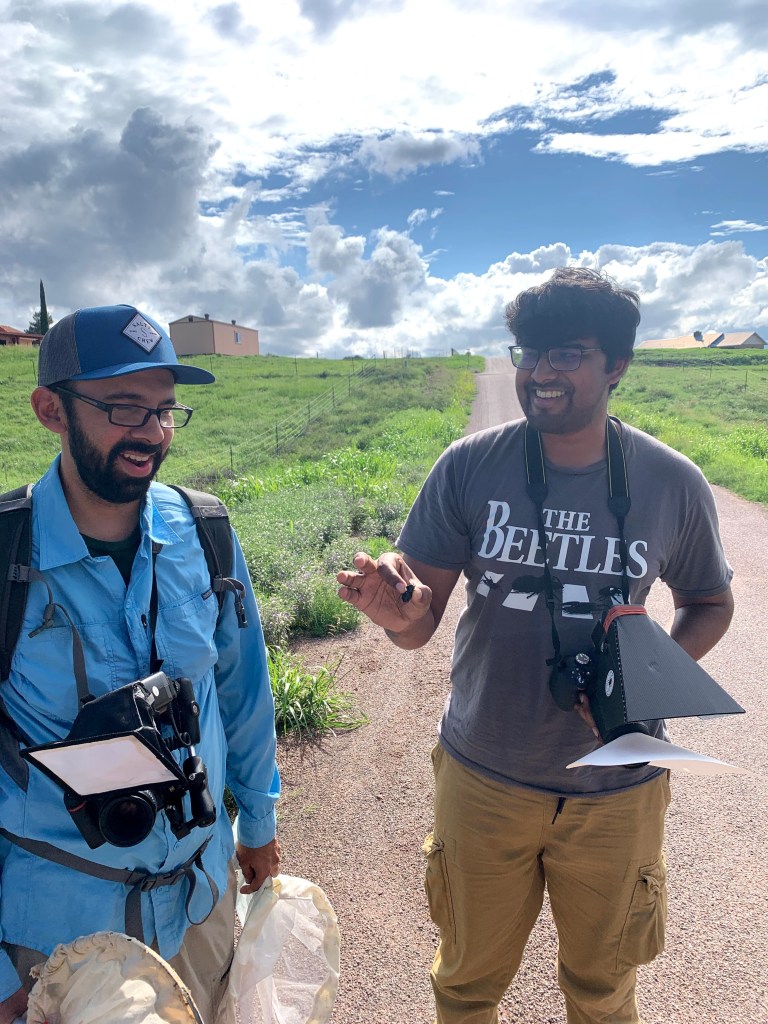
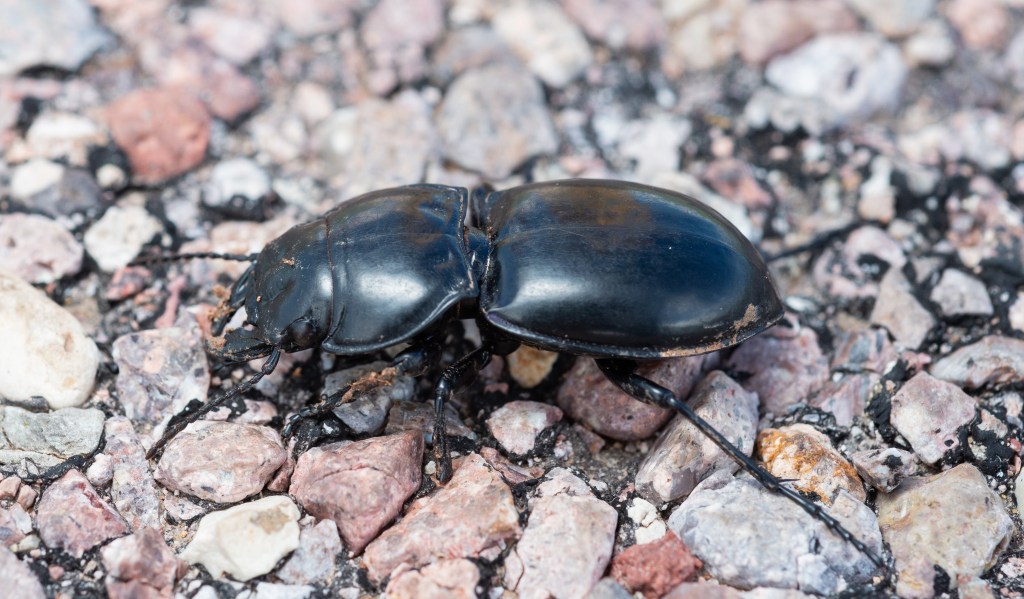
After exploring the mid section of the canyon a bit, a huge rain cloud rolled in and chased us out of the canyon. Thankfully we managed to get out before the downpour turned the canyon road into mud. Once we got back to the Airbnb we decided to walk around a little before deciding what we wanted to do for the remainder of the afternoon/evening. We saw some more of the same butterflies from the day before, as well as some other repeat insect species, but were eventually greeted by a large ground beetle, Pasimachus californicus. These beetles are very robust and have very large jaws for catching prey. They are also very fast so there was a little bit of beetle wrangling before we could get situated for a picture. Once the photos were secured, we all decided to try our luck for the afternoon/evening in Madera/Box Canyon.
The Return to the Santa Ritas
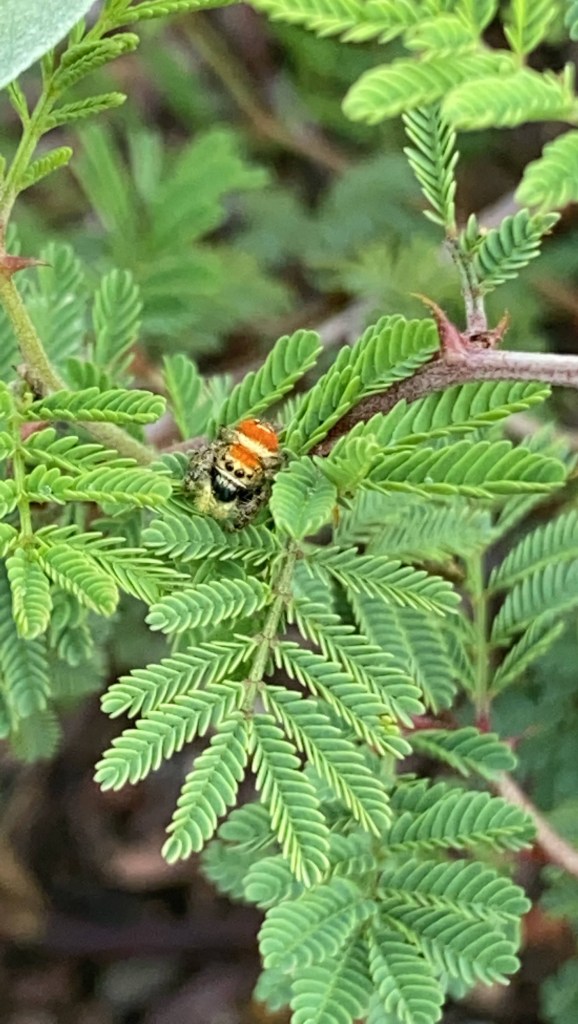
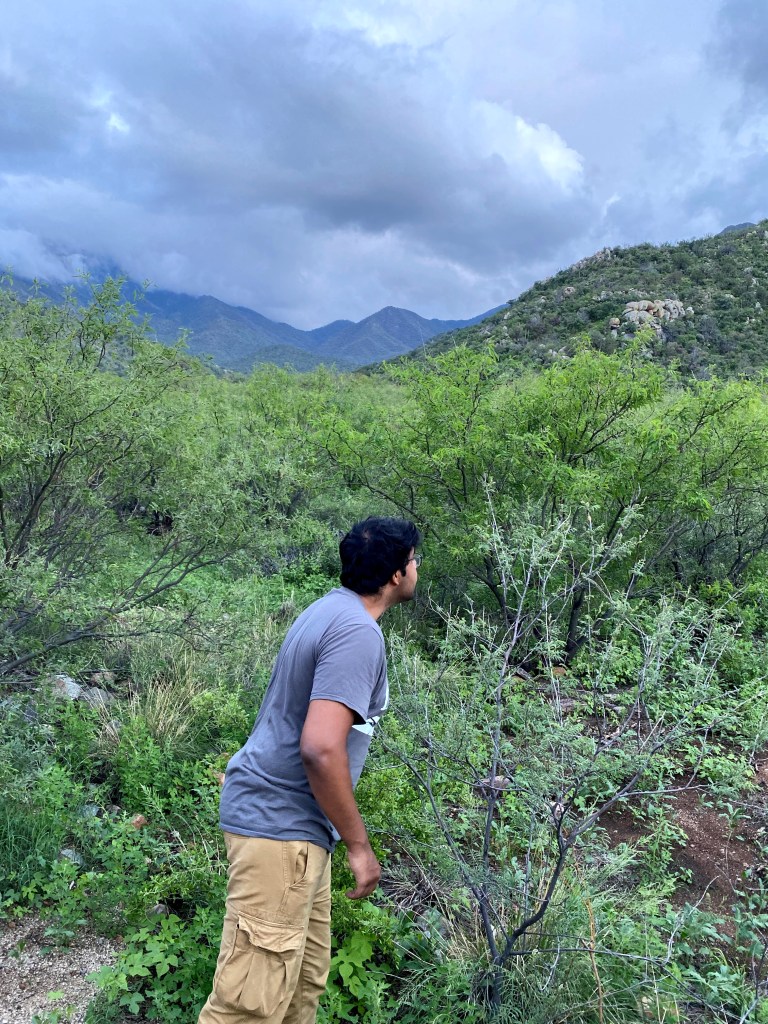
After grabbing dinner in the city of Green Valley, we began our drive into Madera Canyon. Some of the surrounding roads were slightly washed out due to the recent thunderstorms but we were glad the main road into the canyon was in tact. Once we got to the Proctor picnic area at the base of the canyon, we decided to check this spot and cross our fingers someone in the area was going to run a blacklight for the night. As we explored the area we cam across a couple familiar insects and a new spider that I personally have not encountered before.
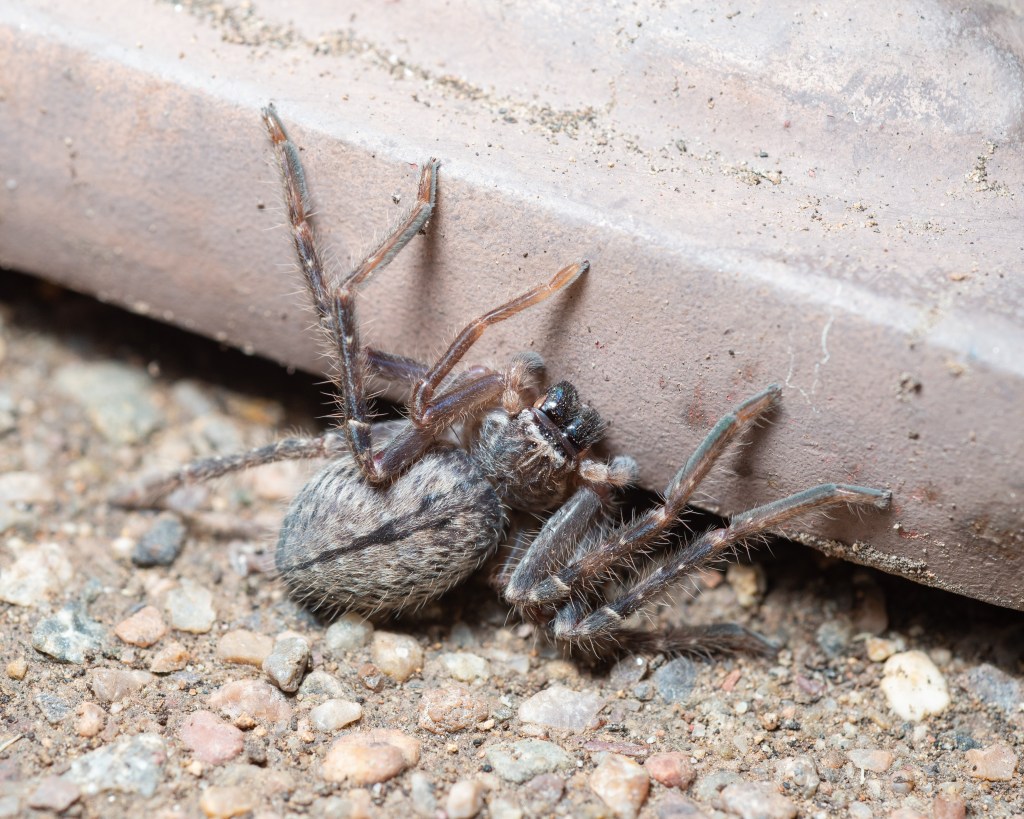
We managed to spot and photograph a Yellow-bellied bee assassin bug (Apiomerus flaviventris) perched on some weeds near the picnic tables. These bugs are very photogenic but can be flighty if disturbed. Thankfully the cool overcast evening made this individual less motivated to fall of the plant and fly away. When we walked to the area under the nearby gazebo, Lohit and Marko found a decent sized huntsman spider. It ended up being startled by them and fell to the floor where we were able to photograph it.

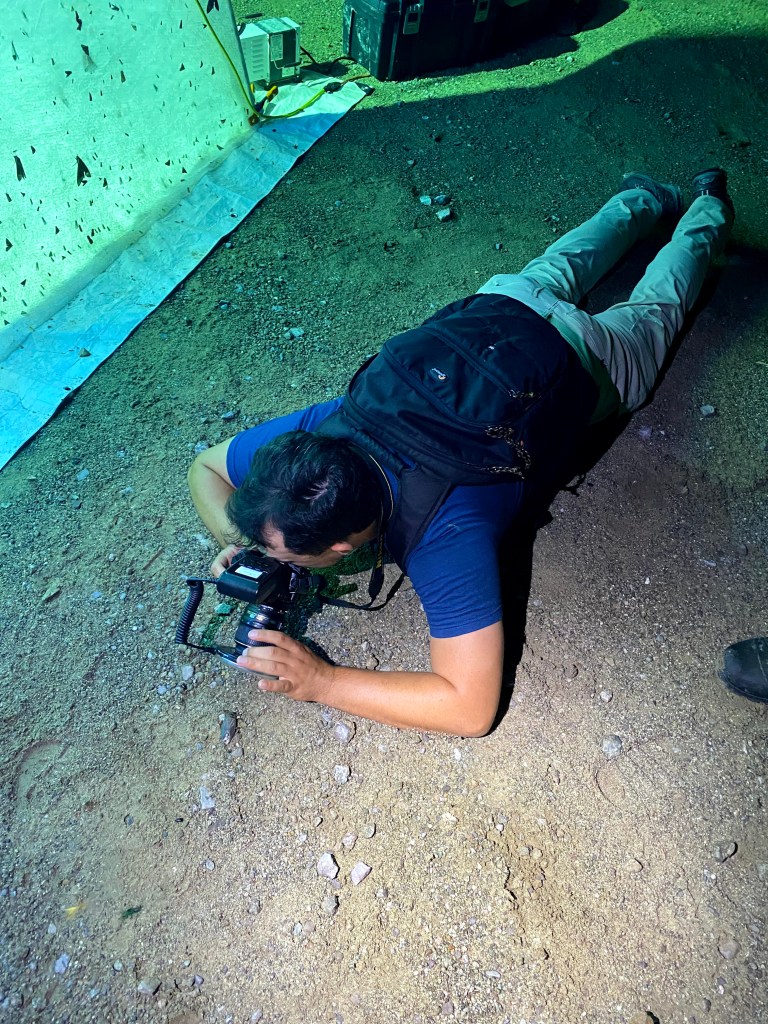
When the sun finally set, we had to decide whether to go back to our AirBnB or try our luck going into Box Canyon and cross our fingers that someone set up their blacklight. Thankfully, right before we left the Proctor area, an acquaintance of mine had mentioned to me that he would be in Box Canyon and we immediately headed up there. We arrived at his location and were amazed by how impressive his blacklight set up was.
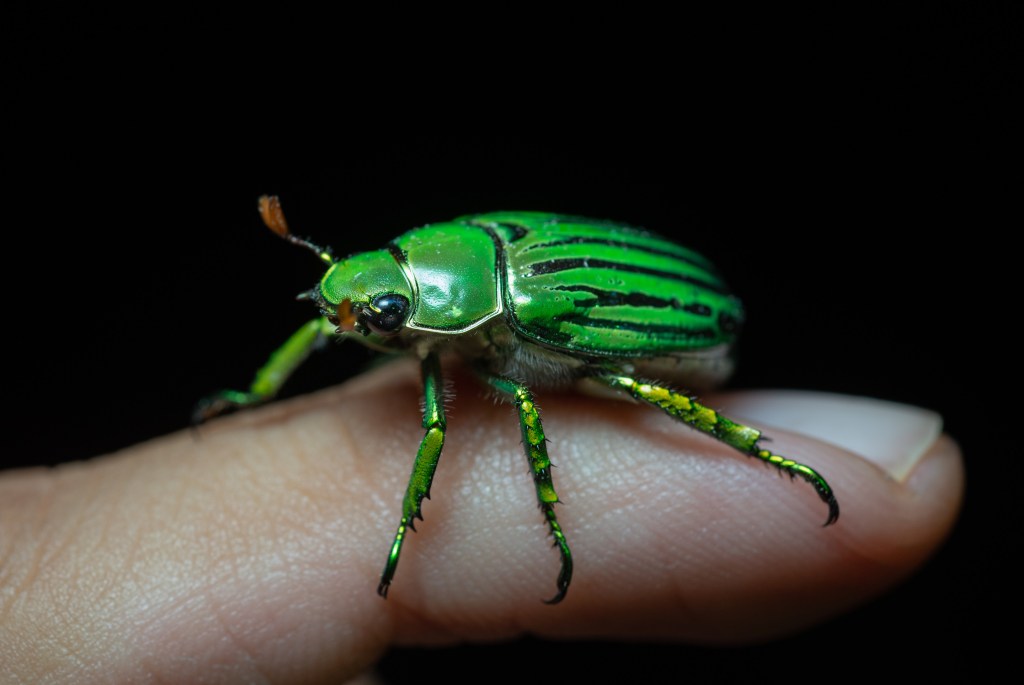
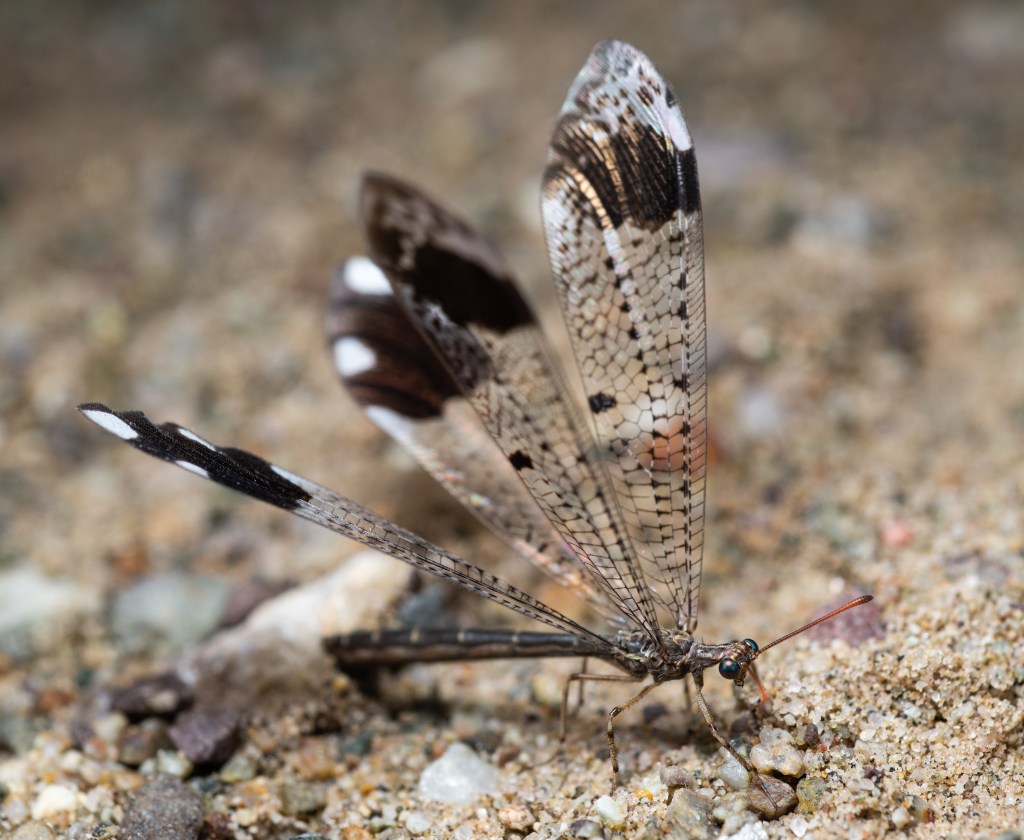
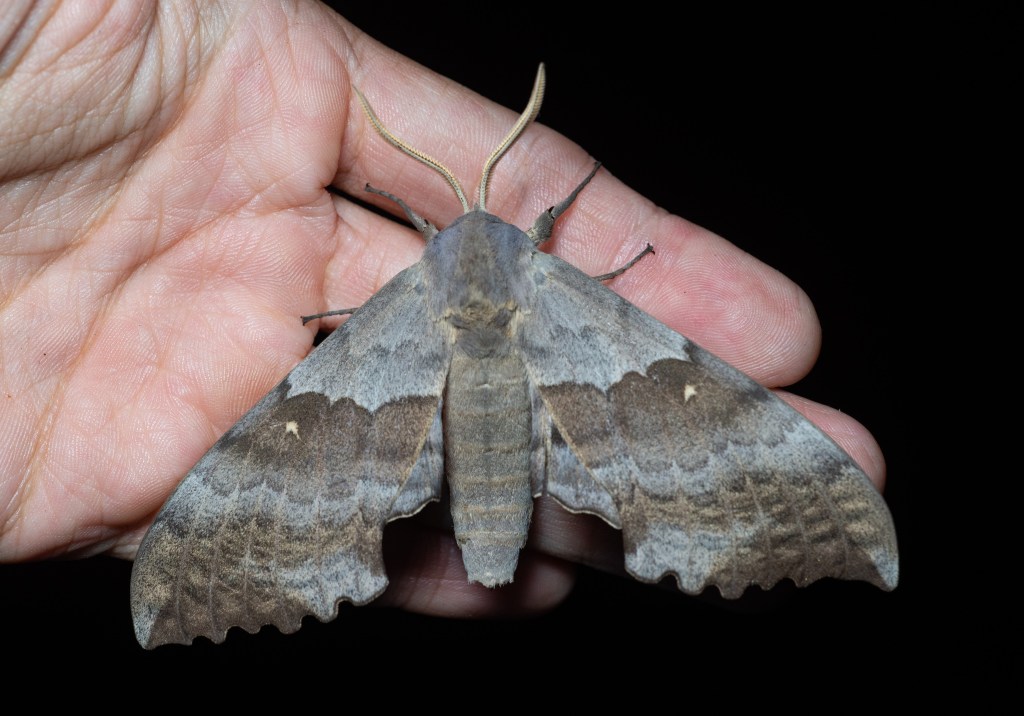
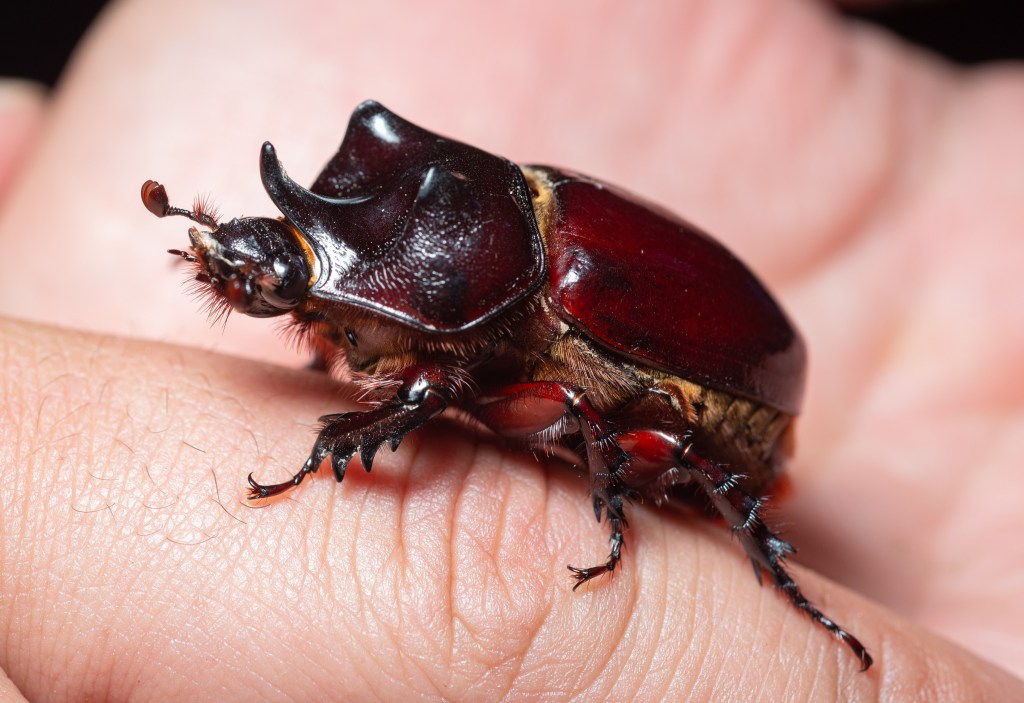
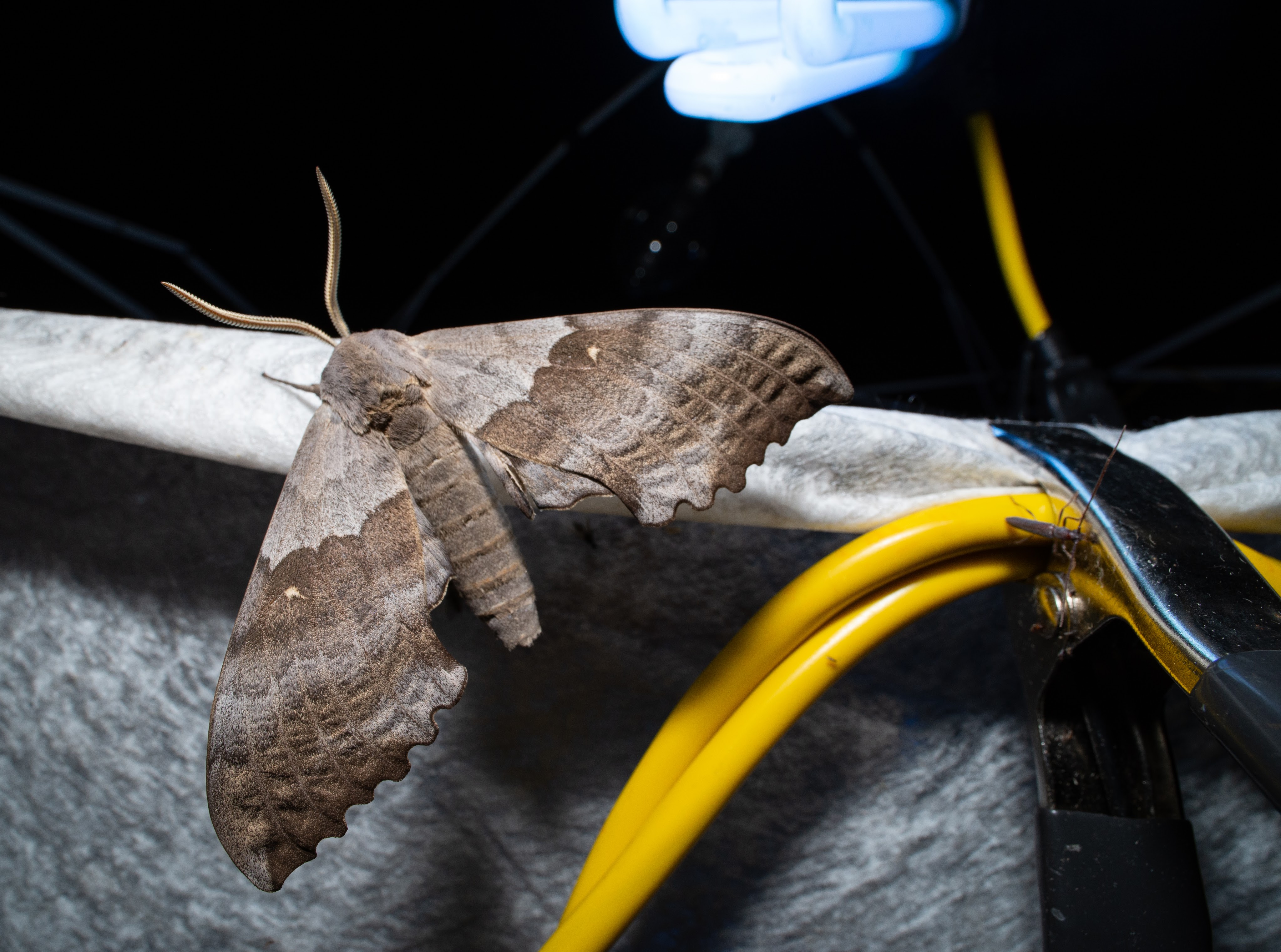
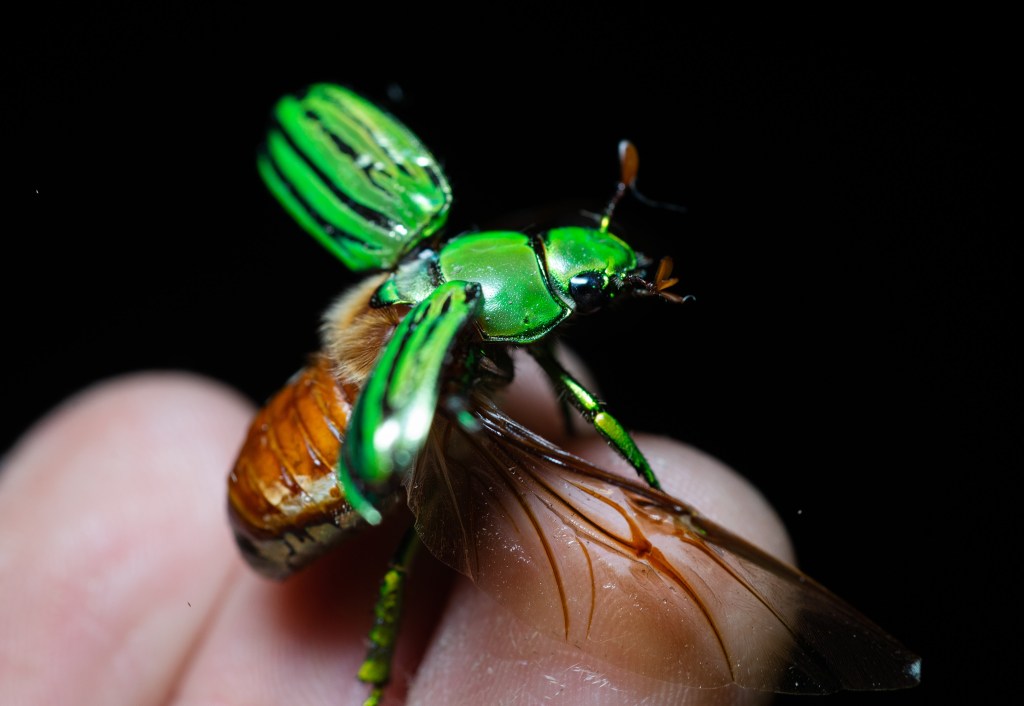
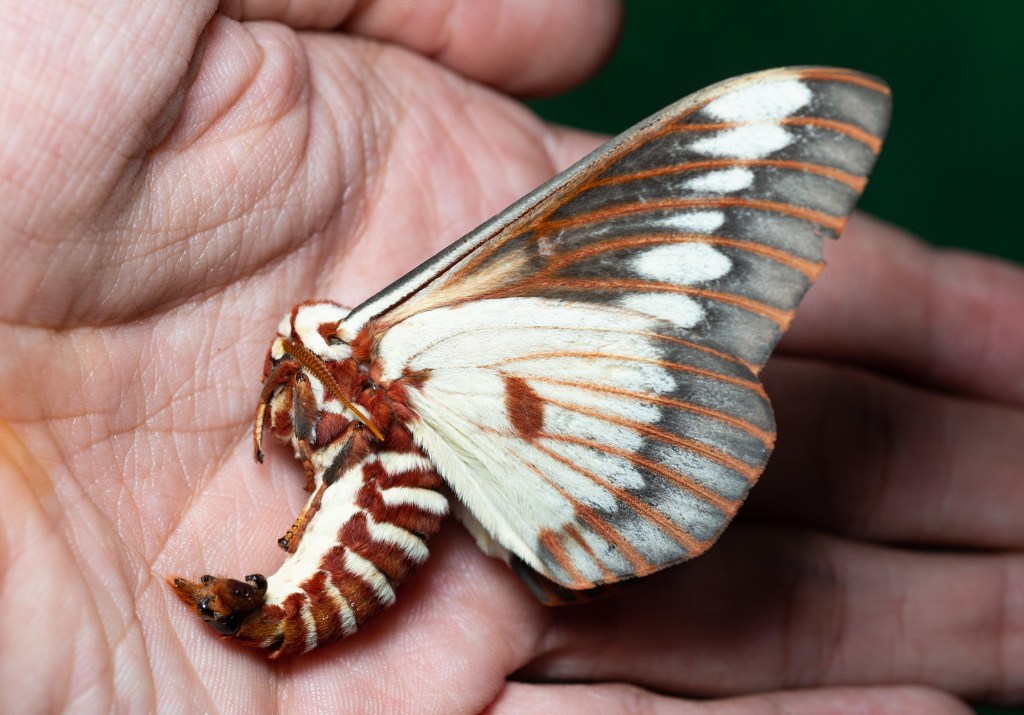
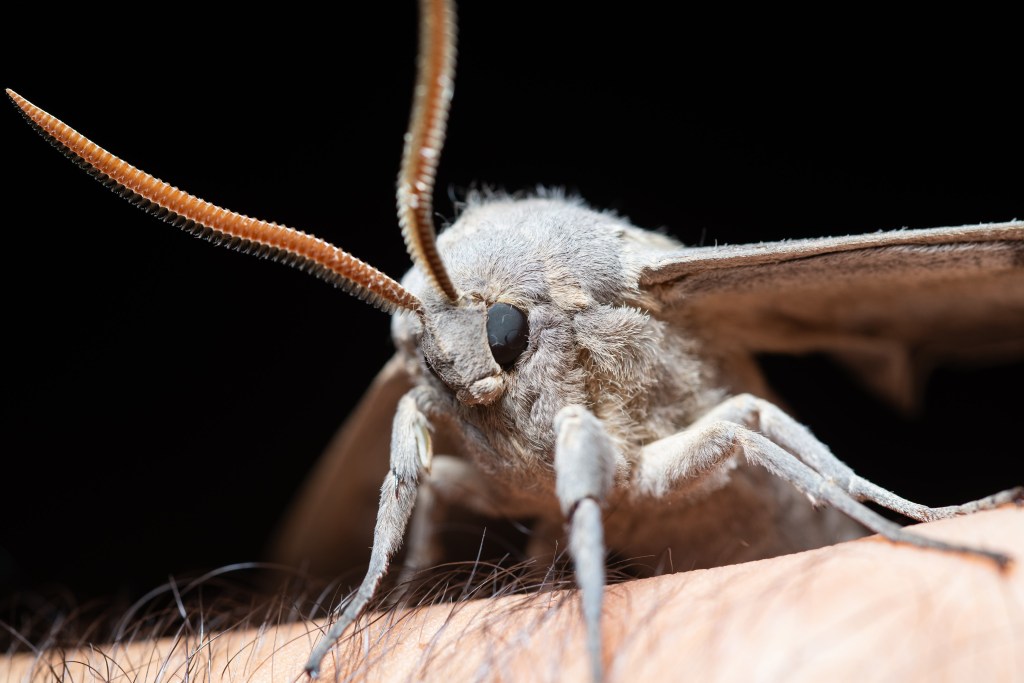
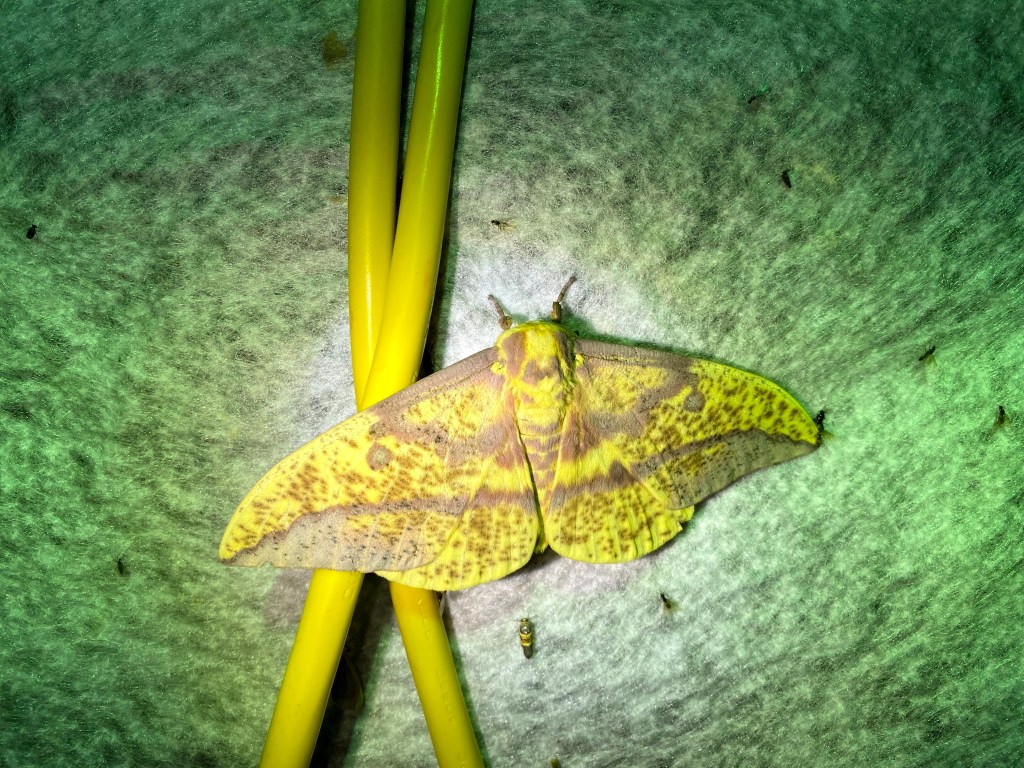
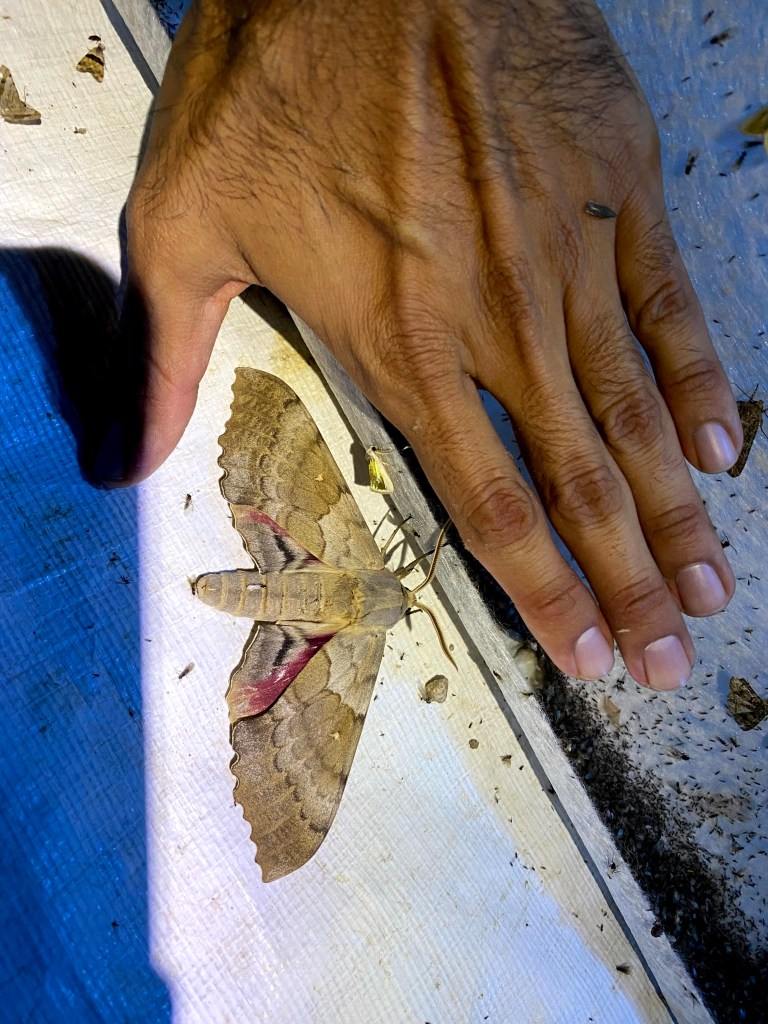
He had utilized the frame of a pop up canopy by hanging lights all around it and placing a huge MV bulb right in the middle. Insects were flying every which way and we were able to find an incredible number of species including, Chrysina gloriosa, Citheronia splendens, Pachysphinx occidentalis, Strategus aloeus, and Glenurus luniger, just to name a few. We were also surprised by a very large Giant water bug (Lethocerus medius), which ended up being one of the major highlights of the night.


Familiar Places with Familiar Faces
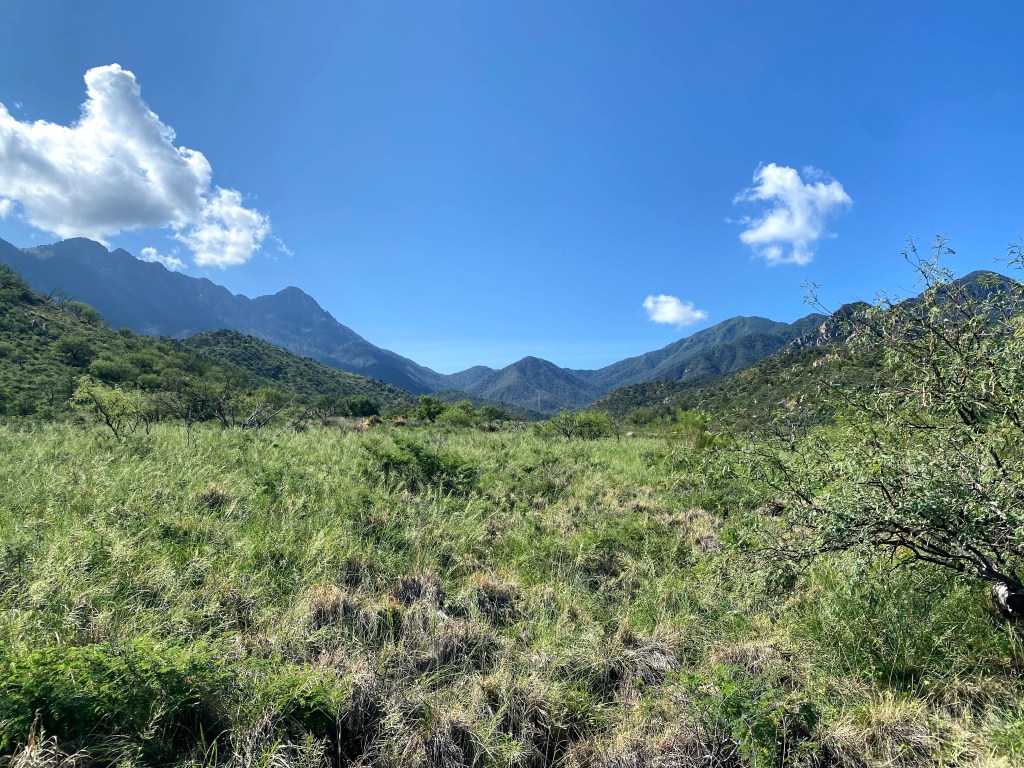
After a fruitful night of blacklighting, we decided to head to Madera Canyon the following morning. Madera Canyon is always a fantastic place to visit and after the recent thunderstorms, the canyon was incredibly lush. With the increased amount of moisture, plants were crowding trails and the edges of the parking lot, but not many insects were flying about.
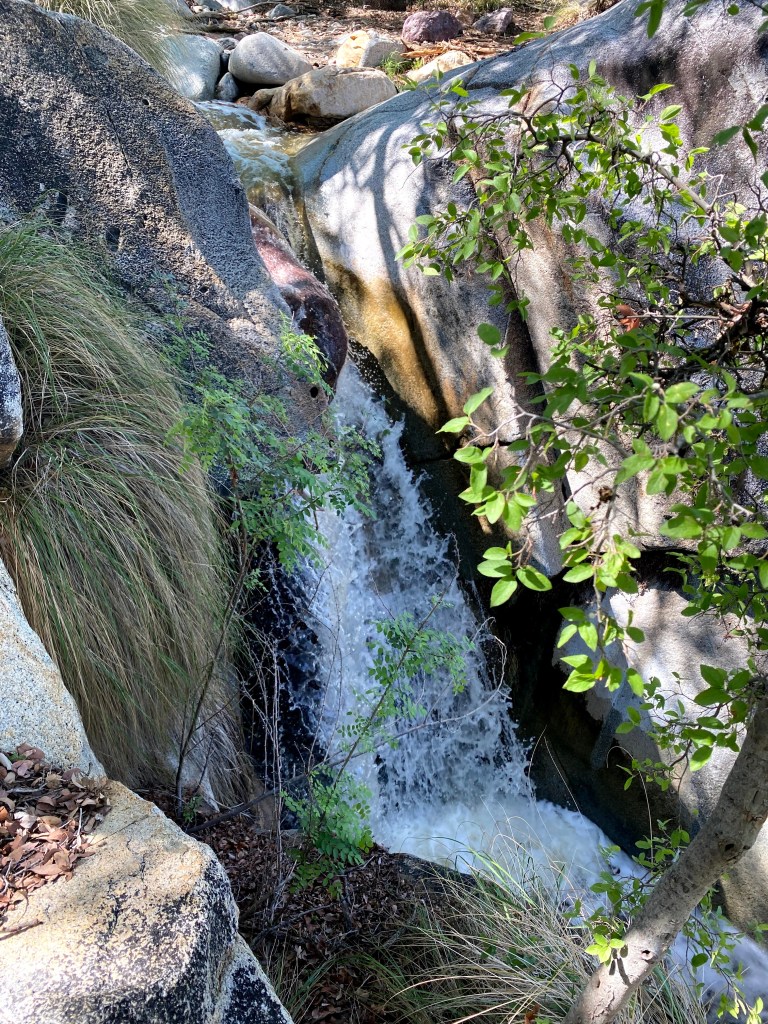
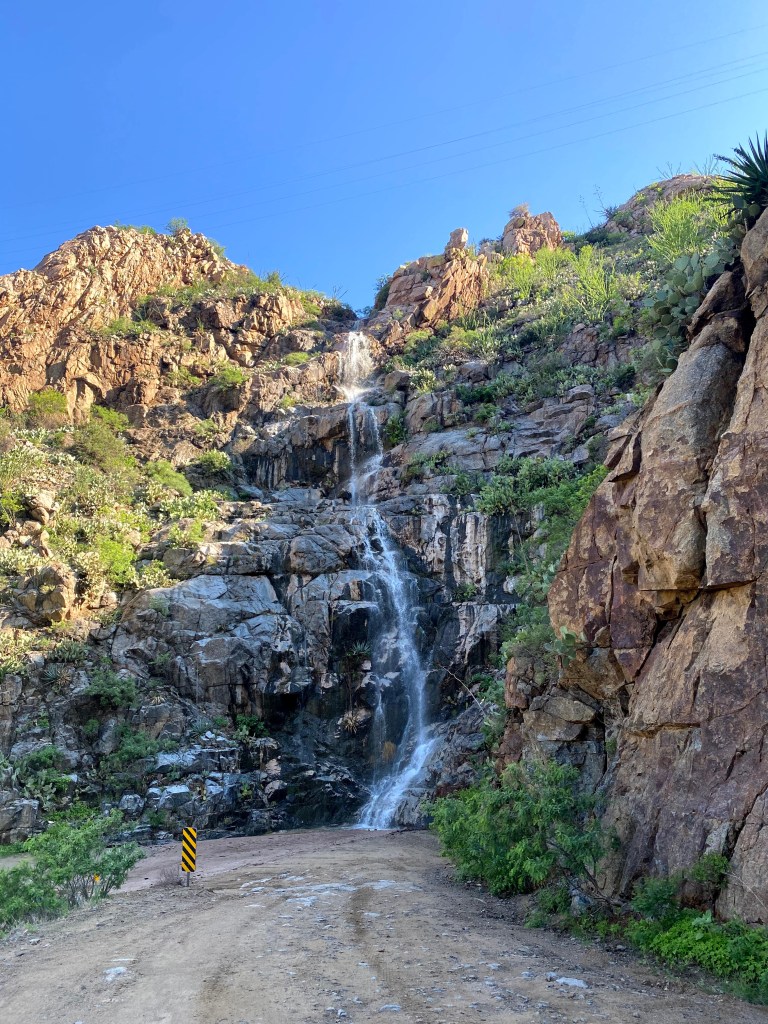
The late monsoons could’ve been the reason for the lack of insects, but that didn’t stop us from exploring and seeing the beauty this canyon had to offer. We quickly checked out the rushing waterfall and fast flowing creek before heading out to our next destination.
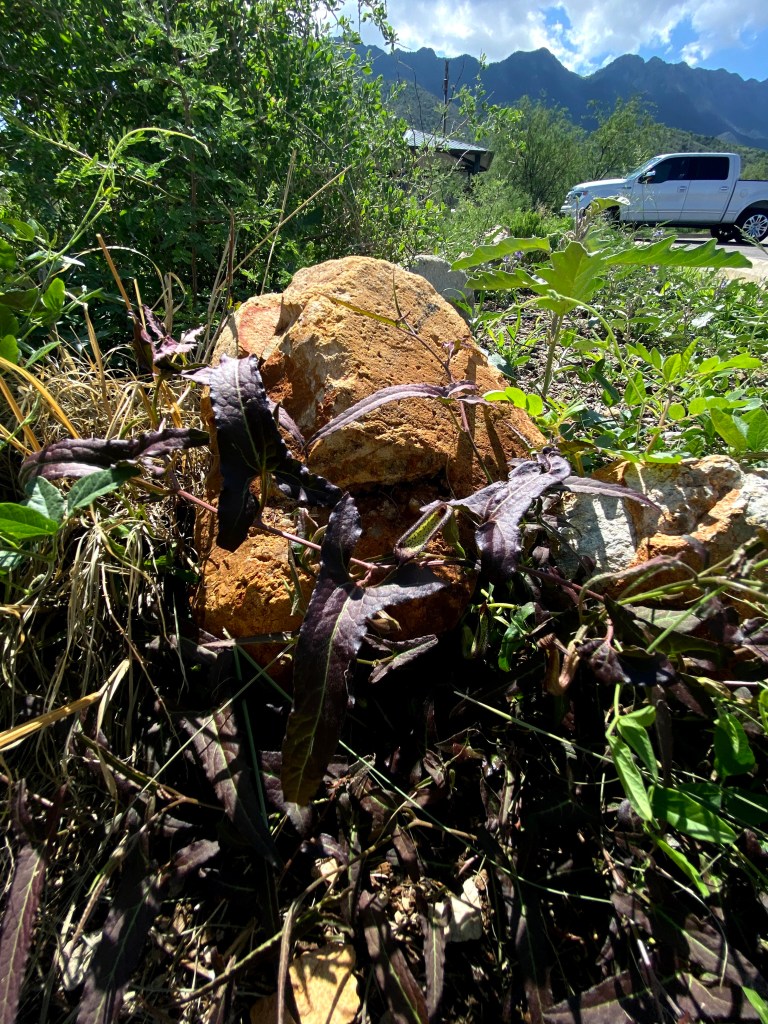
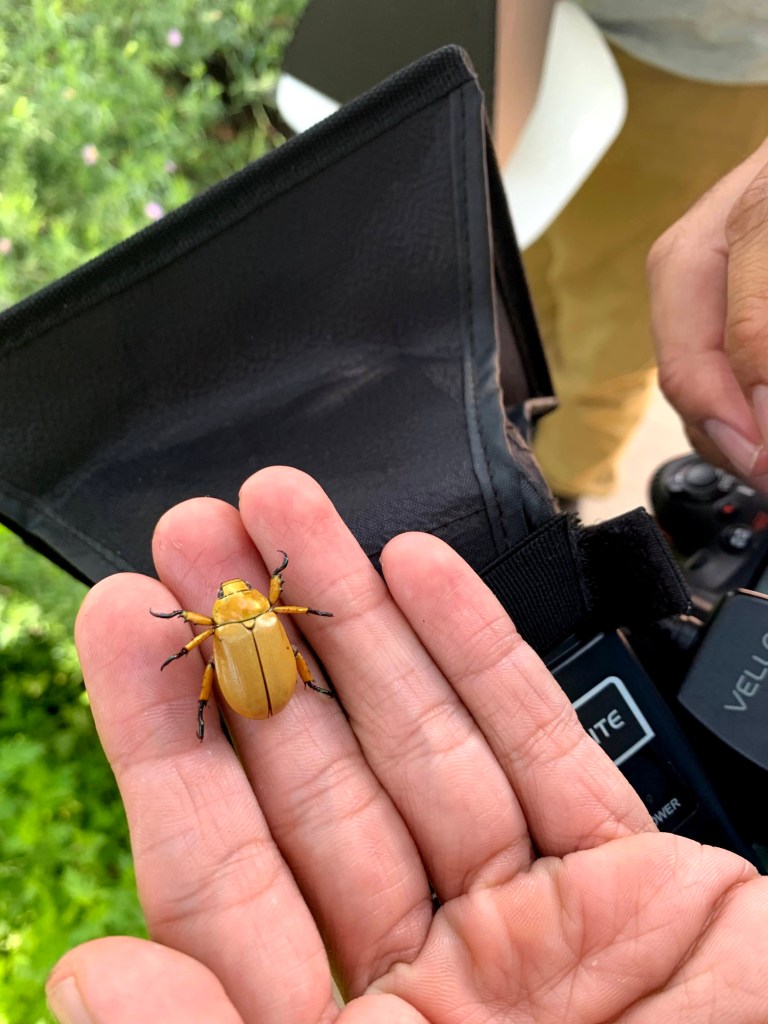
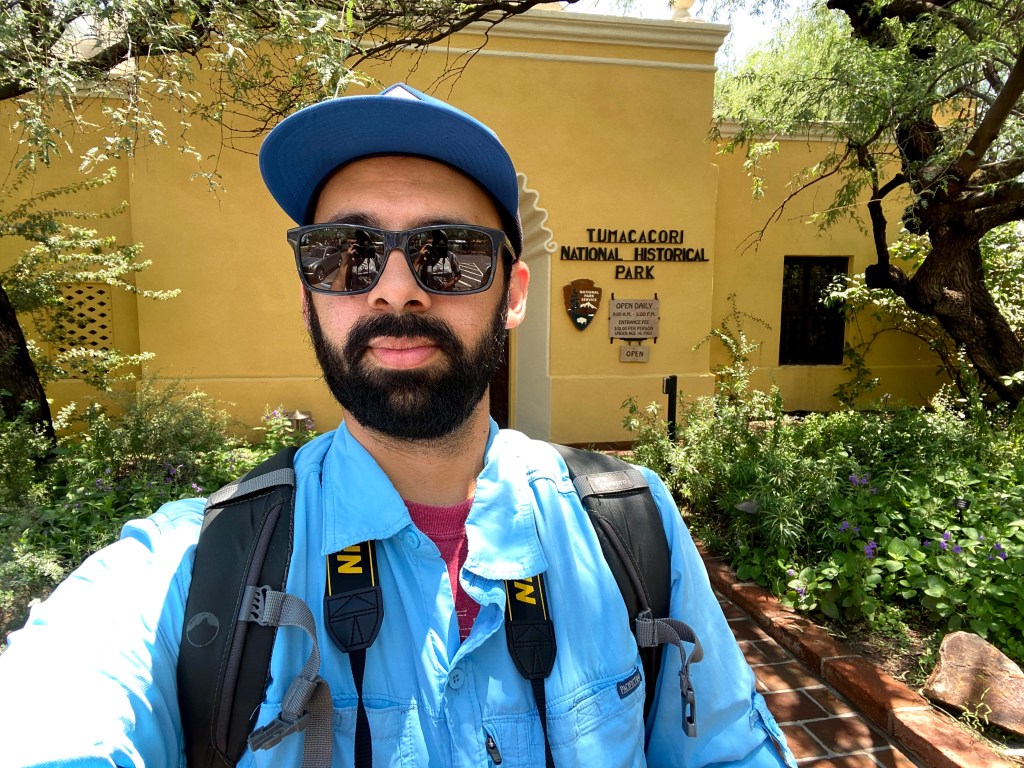
We drove over to the Tumacacori National Historic Park and were greeted with numerous insects and blooming flowers. There were countless Queen butterflies (Danaus gilippus) flying about and nectaring on the abundant purple flowers next to the entrance of the park. The huge surprise was finding a goldsmith beetle (Cotalpa consobrina) in the bushes next to the park entrance. It was the first time any of us had ever seen one in person and it made us even more excited to explore the park.
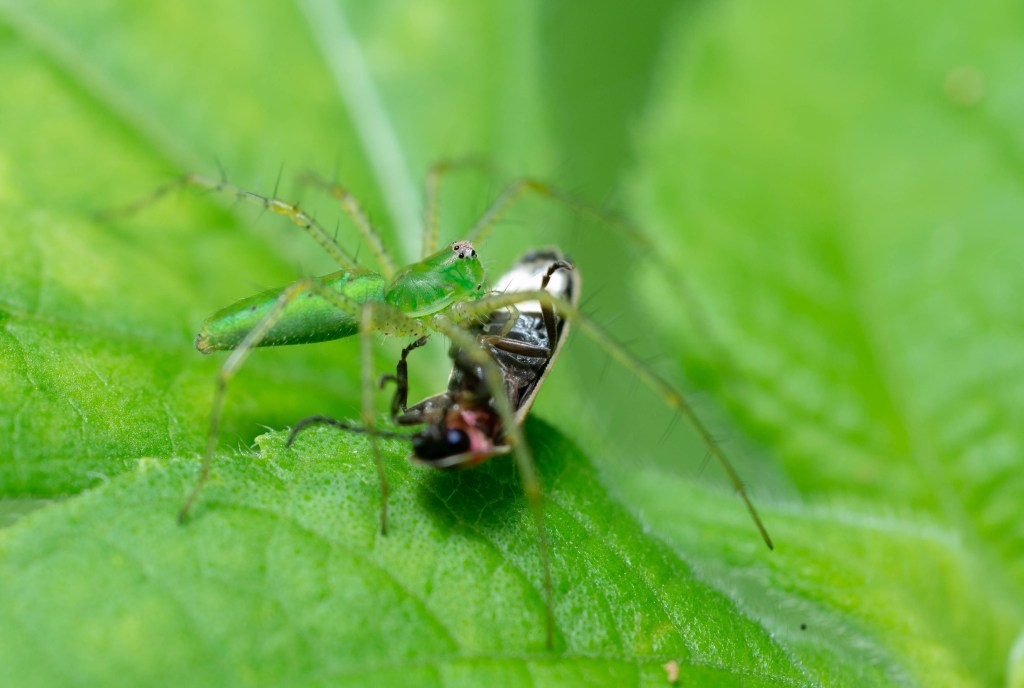
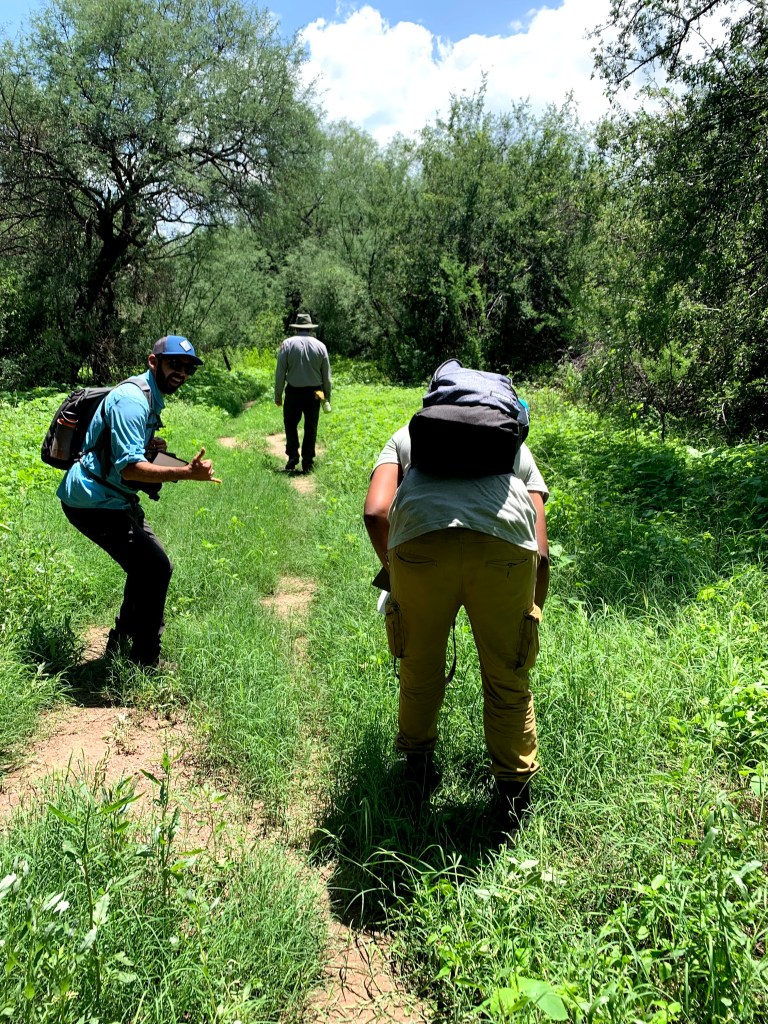
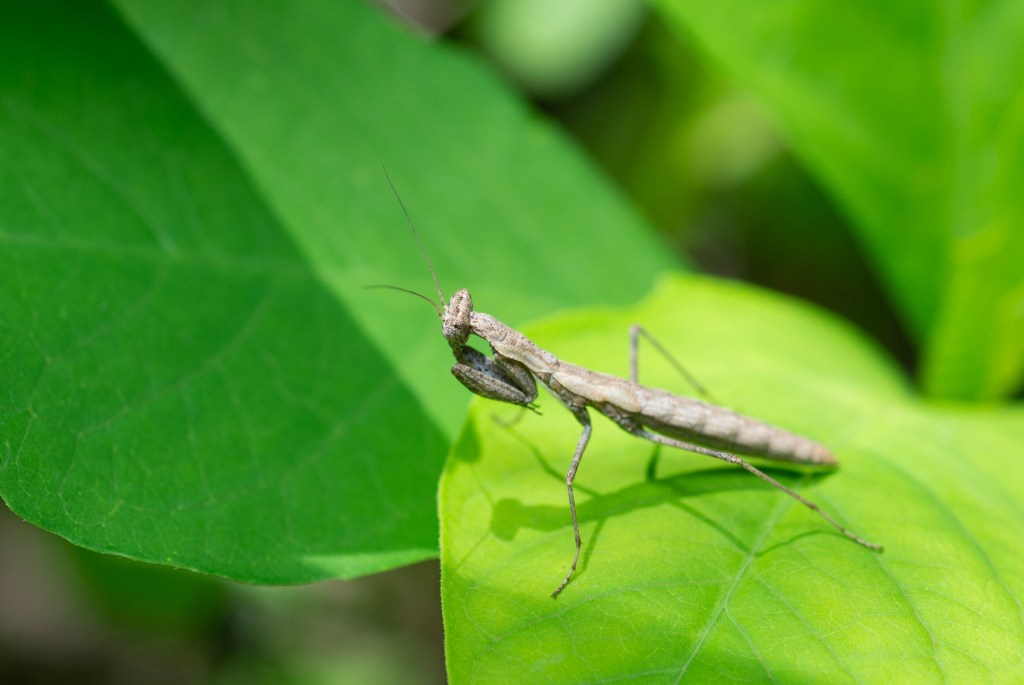
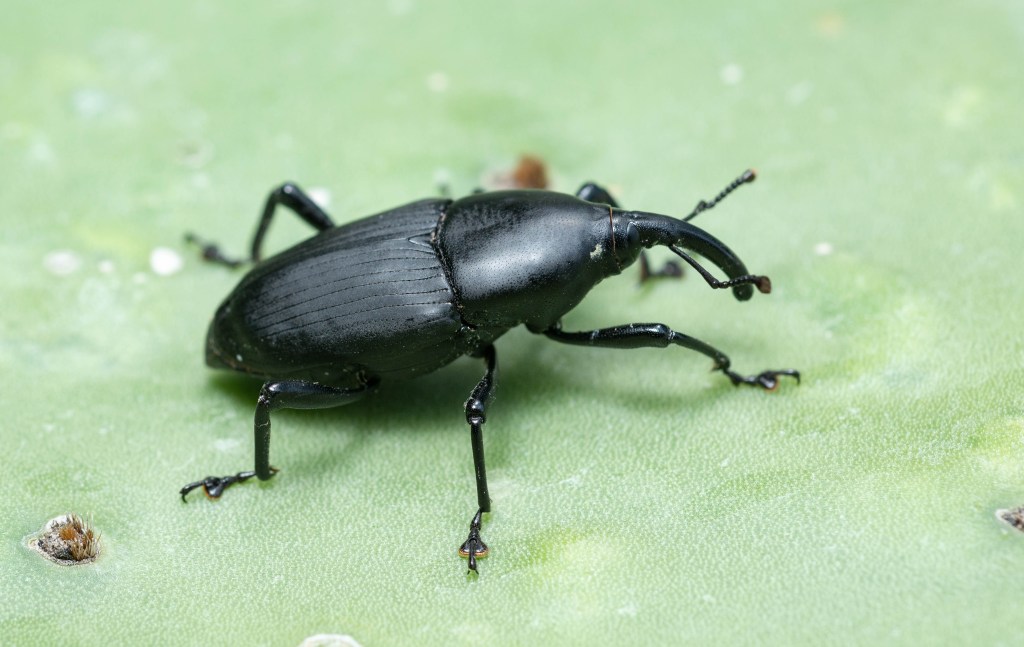
Fortunately for us, our friend Tony (who we knew from Instagram) works as a park ranger and gave us a wonderful tour. He guided us through multiple areas where we encountered a number of different species like the green lynx spider (Peucetia viridans), ground mantis (Litaneutria minor), and large cactus weevil (Cactophagus spinolae). At the end of the tour, Tony brought us to the area where he was staying and showed us something incredible. He had found a huge black witch moth (Ascalapha odorata) resting on the door of the building and we were so overjoyed to finally see one in person.

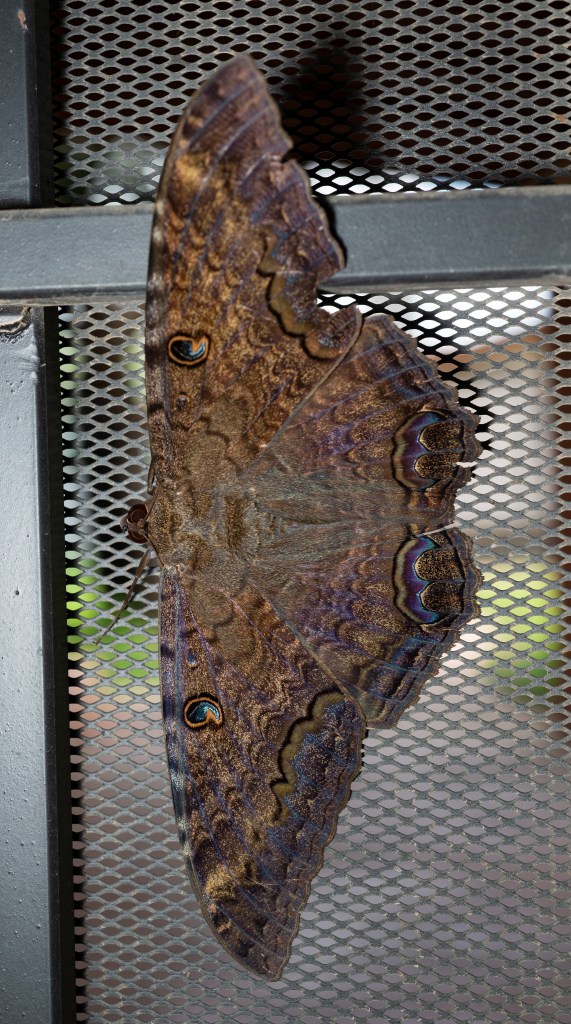
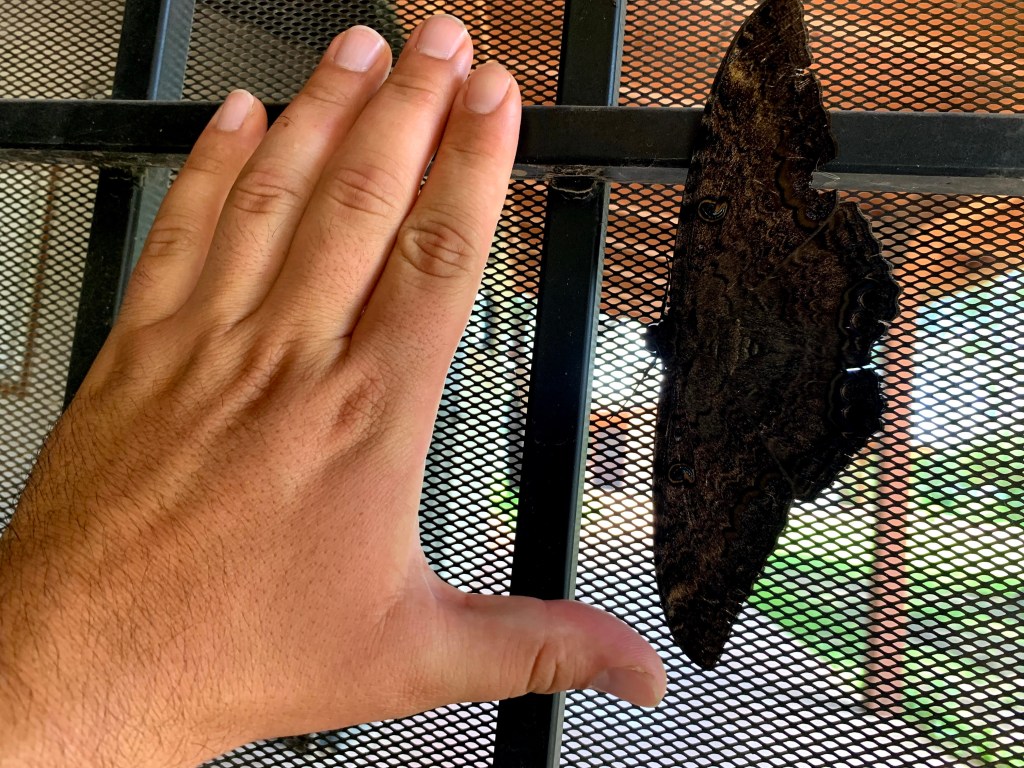
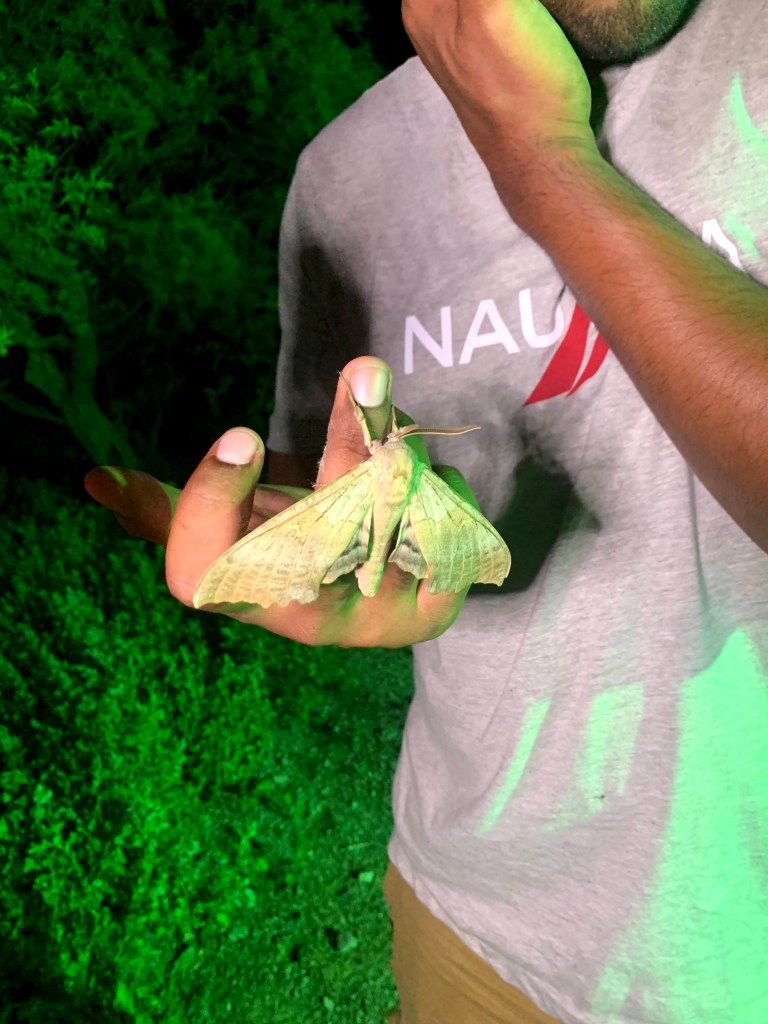
As the day turned to night, we decided to spend our final night in AZ with our friend who invited us to his mothing sheet the night before. The evening was fantastic and we encountered many familiar species like Oslar’s imperial moth (Eacles oslari), western regal moth (Citheronia splendens), and a surprise (and quick) visit with a black witch moth (Ascalapha odorata). In addition to the plethora of insects that came to the lights, other entomologists and insect enthusiasts were also drawn to all the commotion. We met many fellow bug nerds (some much older than we are) and they gave us many tips and tricks to find certain species/groups of insects.
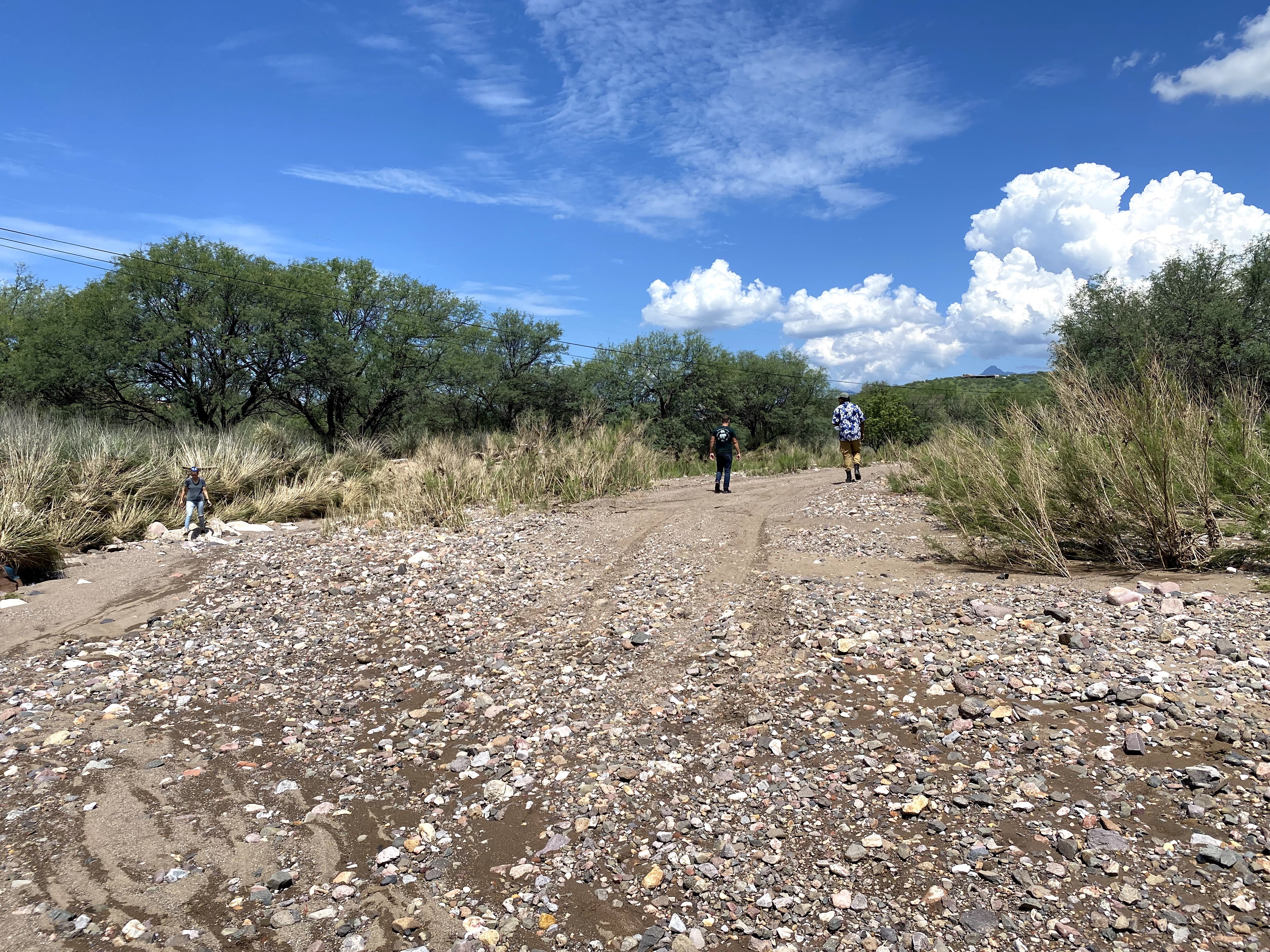
After a few hours of hanging around the lights we decided to head back to home base and get ready for our eventual departure the following evening. In the morning we packed everything up and headed out to Patagonia for one last stop to visit an acquaintance of ours. We met with Jesse (who is known as shapesinnature on Instagram) at his property and did a little exploring before finally heading out to Tucson.


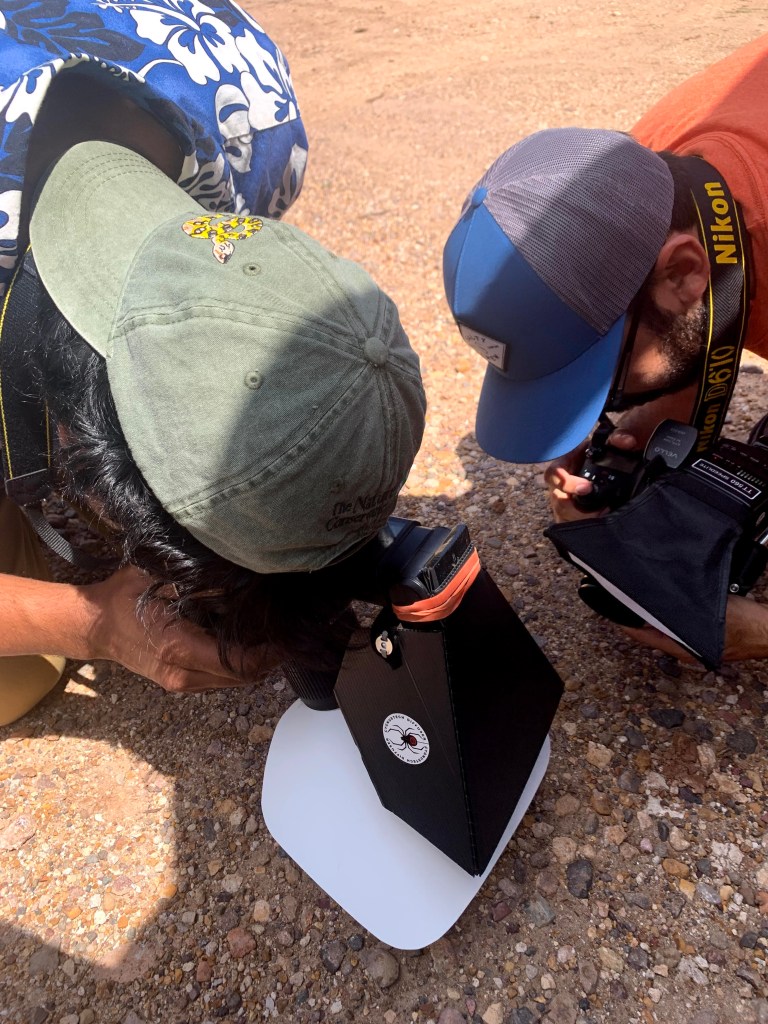
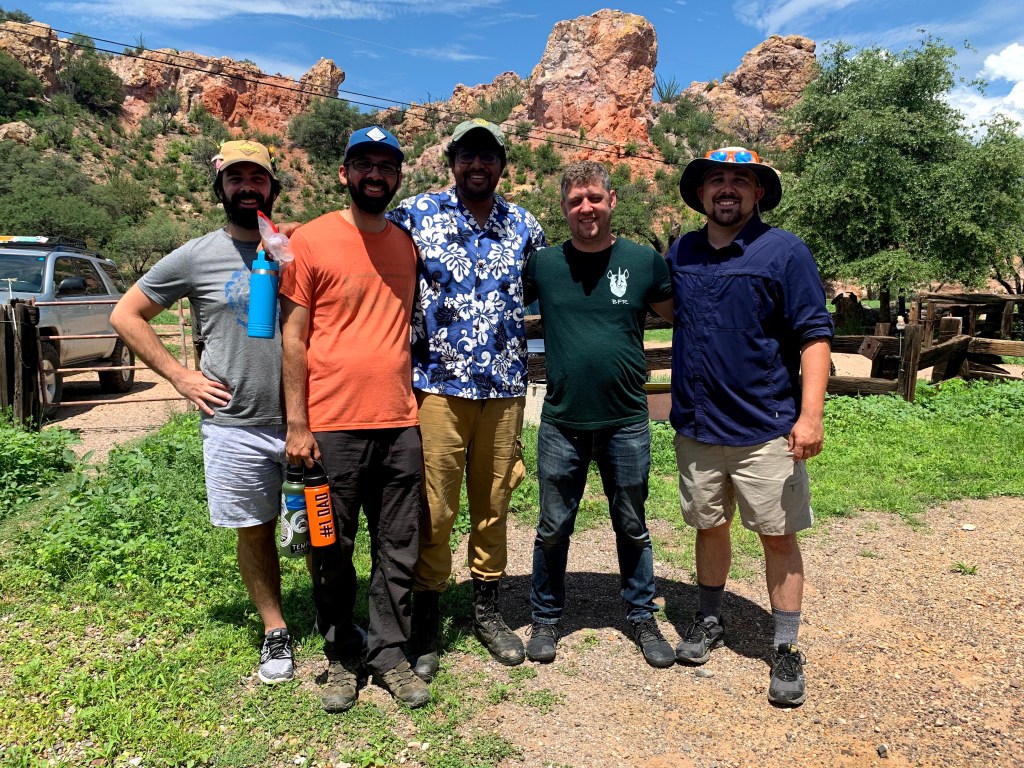
One More Time, For Good Measure
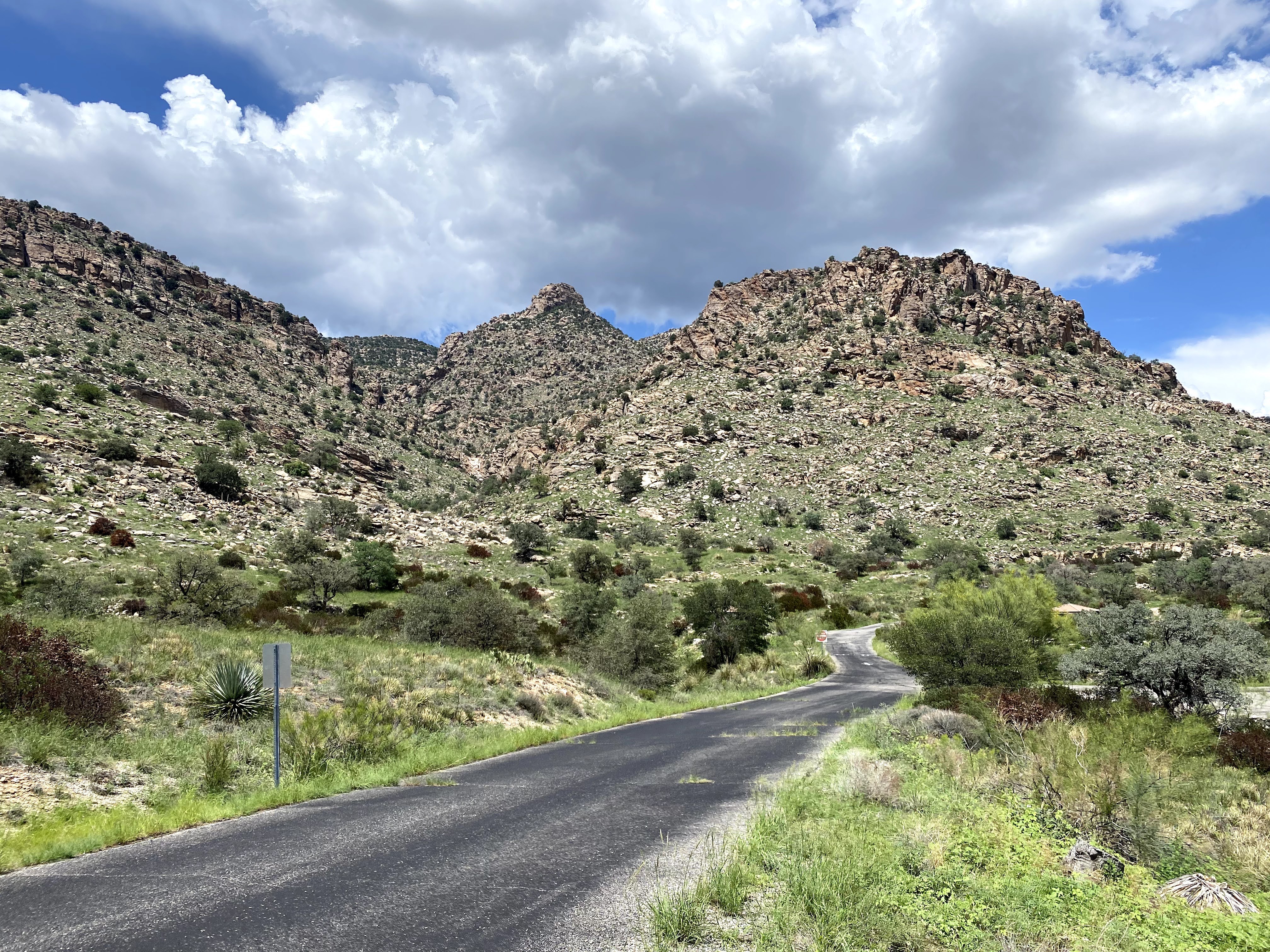
On our way to Tucson, we realized we had more time than expected and squeezed one last stop into the last day of our trip. We decided to head up to the Molino Basin trailhead in one final effort to potentially find an Arizona unicorn mantis adult or ooth for Lohit. No trace of the unicorn mantis was found except an old dried up ooth, which gave Lohit some hope for the trip in 2022. Once we wrapped up our searches, we headed down to the airport where we would await our respective flights back home. However, one more massive thunderstorm decided to give its goodbyes in the form of pouring rain and intense lighting, delaying our flights. Eventually we were able to get on our flights back home and after saying our goodbyes we looked forward to meeting up again on the next AZ adventure.
 The Adventures of Mothman